
News
56 Young Nigerians to Travel to the United States as part of the 10th Anniversary of the Mandela Washington Fellowship program.

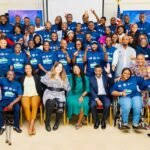
56 Young Nigerians to Travel to the United States as part of the 10th Anniversary of the Mandela Washington Fellowship program.
By: Michael Mike
The U.S. Diplomatic Mission in Nigeria proudly unveils the selection of 56 distinguished young Nigerians
for the 2024 Mandela Washington Fellowship program, celebrating its 10th
anniversary. These fellows will travel to 28 cities across the United States from June 19 to August 1, culminating in a summit in Washington D.C., where they will engage with U.S. leaders in the business, government, and nonprofit sectors. Additionally, three
fellows will participate in the Professional Development Experience at a U.S. organization for four weeks following the summit before returning to Nigeria.
Initiated in 2014, the Mandela
Washington Fellowship for Young African Leaders stands as the cornerstone of the
Young
African Leaders Initiative (YALI). This program is a testament to the enduring U.S. commitment
to invest in Africa’s future. The fellowship offers a comprehensive program that includes academic coursework, leadership training, and networking opportunities.
Chargé d’Affaires of the U.S. Diplomatic Mission in Nigeria David J. Greene welcomed the 56 young
Nigerians chosen for the 2024 Mandela Washington Fellowship, emphasizing the rigorous selection process and their ability to lead and inspire others. He highlighted the fellows’ diverse achievements and encouraged them to share their culture in the United
States and use the fellowship to expand their influence in Nigeria. He expressed appreciation to the Public Diplomacy team and the State Department for their efforts in identifying future leaders and reminded the fellows of the importance of sharing their
knowledge upon return to their communities.
Since the fellowship’s inception, the U.S. Mission in Nigeria has had the privilege of supporting
569 young Nigerian leaders through this exchange program. The U.S. Mission in Nigeria eagerly anticipates the Mandela Washington Fellowship’s continued success and its positive impact in shaping Africa’s future.
The U.S. Diplomatic Mission in Nigeria is pleased to announce that the following Nigerians will participate
in the 2024 Mandela Washington Fellowship:
56 Young Nigerians to Travel to the United States as part of the 10th Anniversary of the Mandela Washington Fellowship program.


AMF Celebrate the African Child: Building Foundations for Dreams, Learning, and Leadership
By Comrade Philip Ikodor
The Ashlee Momoh Foundation today joined the global community to commemorate the International Day of the African Child, reaffirming its commitment to the safety, education, and empowerment of children across the continent.
In a statement issued to the media, the Founder and Lead, Princess Ashlee Omonegbo Momoh, said the Foundation stands firmly behind efforts to help every African child reach their full potential.
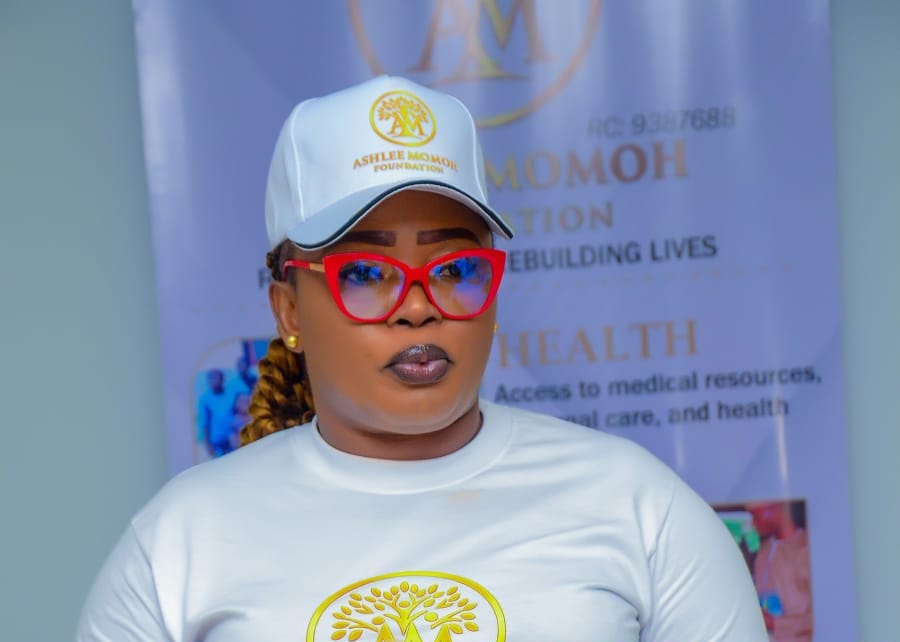
“While we celebrate the vibrancy, brilliance, and resilience of African children, we must also confront the systemic barriers that still limit their growth,” Princess Momoh stated.
Key Challenges Facing the African Child Today:
- Education Gaps: Millions lack access to quality education, digital literacy, and inclusive learning environments.
- Socio-Economic Barriers: Pervasive poverty drives child labor and denies many children basic healthcare, nutrition, and stable housing.
- Security and Instability: Armed conflict and community violence continue to threaten the safety, mental health, and future of children in vulnerable and military-affected communities.
AMF’s Call to Action:
To truly empower the African child, stakeholders must shift from short-term relief to sustainable, localized investment. The Foundation calls on governments, civil society, and private sector partners to collaborate in:
- Building safer, child-friendly communities
- Subsidizing healthcare and expanding access to quality education, including digital skills
- Creating inclusive learning spaces that protect children from conflict and displacement
“Every child deserves a secure foundation to dream, learn, and lead. At the Ashlee Momoh Foundation, we remain committed to building that foundation — together,” Princess Momoh added.
The Ashlee Momoh Foundation is a Nigeria-based nonprofit dedicated to advancing child welfare, education, and empowerment across Africa through sustainable programs, advocacy, and strategic partnerships.
AMF Celebrate the African Child: Building Foundations for Dreams, Learning, and Leadership
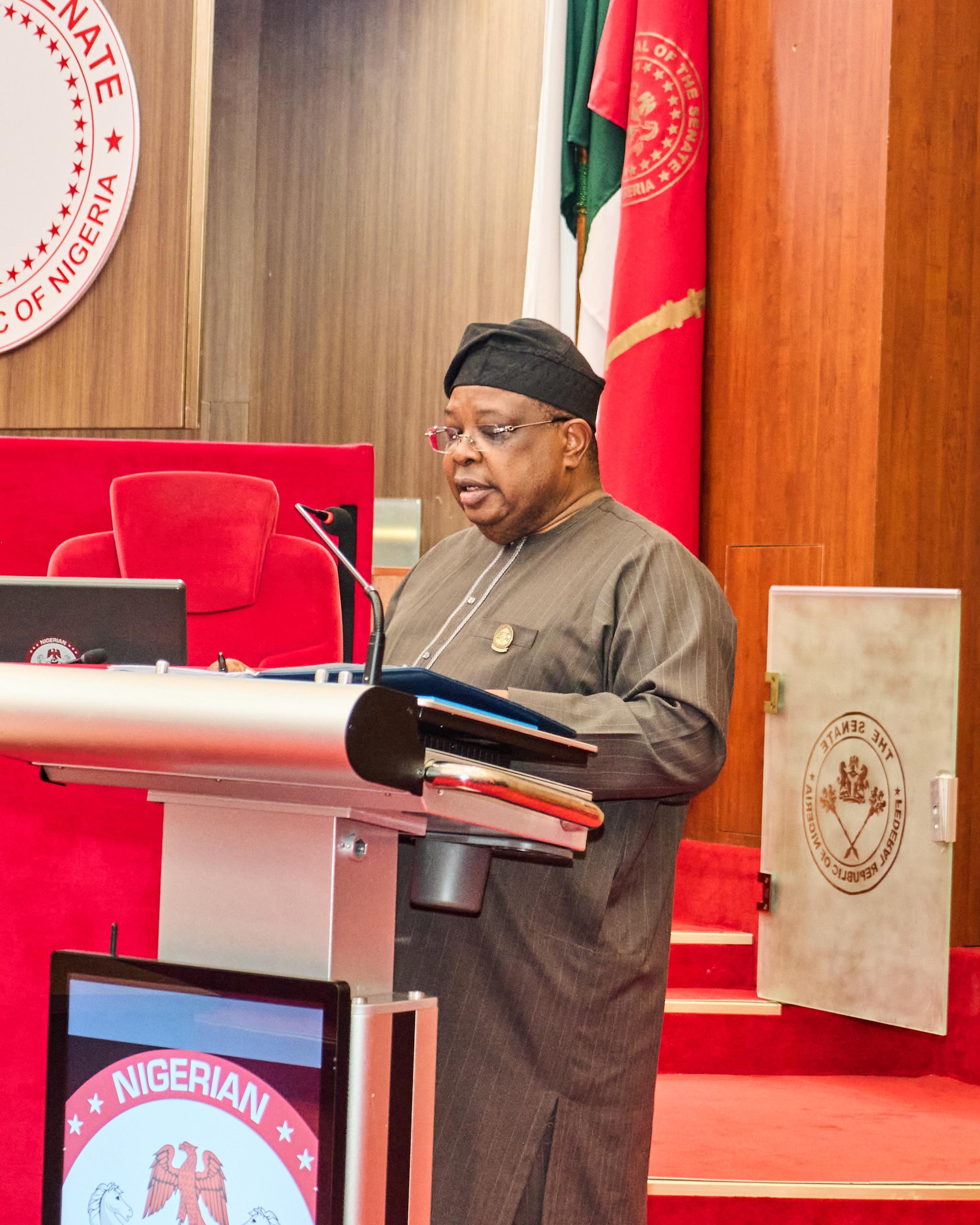
A New Dawn for Nigeria’s Power Sector: Minister Tegbe’s Brilliant Start
By: Lateef O. AREMU
Just few days into his tenure, Nigeria’s new Minister of Power, Engineer Joseph Olasunkanmi Tegbe, has already begun to illuminate the path towards a more stable and efficient electricity supply for the nation. Sworn into office on June 9, 2026, Minister Tegbe’s initial pronouncements and decisive actions reflect a profound understanding of the sector’s complexities, a testament to his distinguished professional background, intellectual brilliance and clear demonstration of the understanding of the task ahead. The minister unlike many before him did not over simplify the task at hand. He acknowledged the challenges and meticulous outlined the approaches towards finding solutions to the problem. He is not promising immediate miracle, but steady growth and measurable efforts towards achieving the set goals.
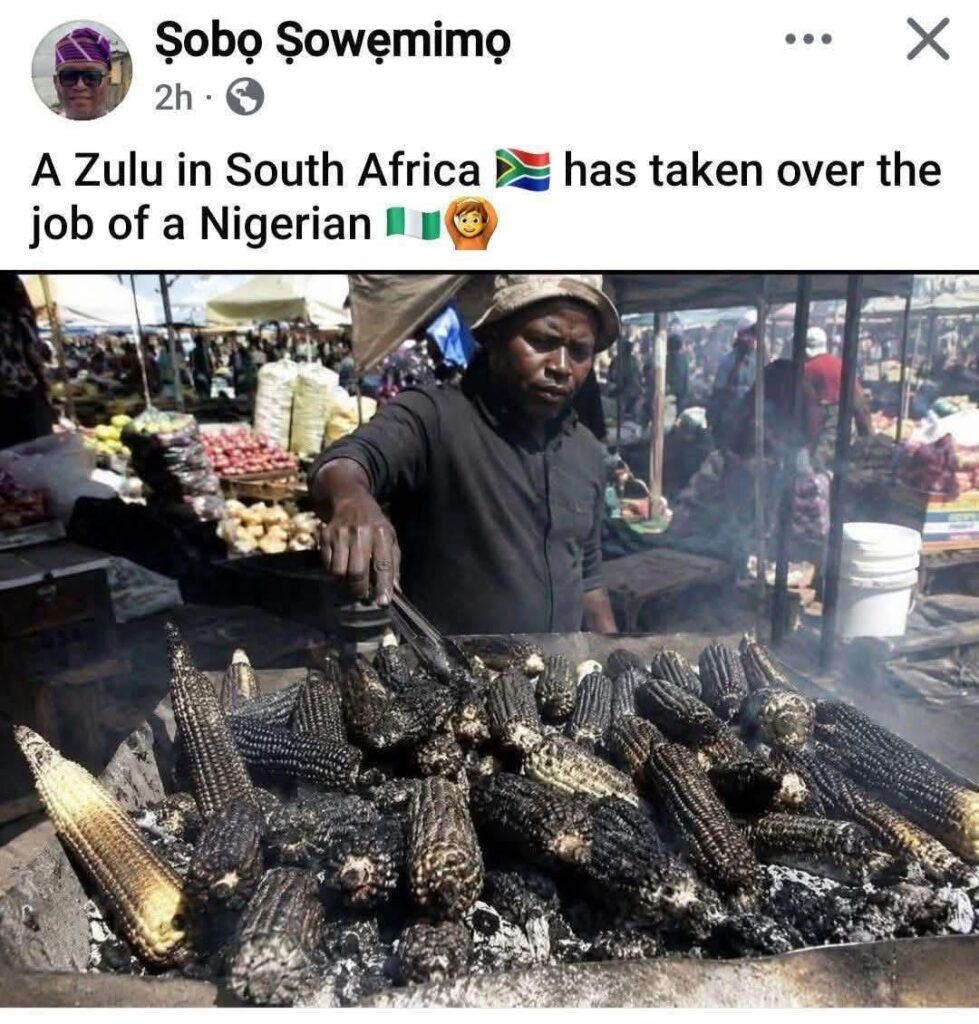
Minister Tegbe arrives at the helm of the Power Ministry with an impressive pedigree. A former Senior Partner and Head of Technology Advisory Services and Markets at KPMG Professional Services in Nigeria and across Africa, he has a proven track record of leading major reform initiatives, developing robust governance structures, and navigating intricate regulatory frameworks. His extensive experience in advisory services, coupled with his qualifications as a Fellow of the Institute of Chartered Accountants of Nigeria (FCA) and a Fellow of the Chartered Institute of Taxation of Nigeria (FCIT), positions him uniquely to tackle the multifaceted challenges plaguing Nigeria’s power sector.
In his inaugural engagements, Minister Tegbe wasted no time in outlining a clear vision. He pledged to strengthen collaboration, improve governance, and enhance accountabilityacross the entire electricity value chain. This emphasis on systemic improvements, rather than solely technical fixes, directly mirrors his background in advisory and governance. His insight that
many of the sector’s challenges are rooted in governance and coordination rather than purely technical issues is a direct reflection of his strategic thinking honed at KPMG, where he led advisory services focused on governance and regulatory frameworks.
One of his immediate and commendable actions was to rally Chief Executive Officers and Heads of Agencies and Parastatals under the Federal Ministry of Power. During this crucial meeting, Minister Tegbe underscored the necessity of a unified and coordinated approach among all stakeholders to achieve the administration’s goals for the Power Sector. This call for synergy, urging stakeholders to operate as “one team with one mandate” is a pragmatic approach to a sector historically plagued by siloed operations and a lack of cohesive strategy. His ability to quickly identify and address this fundamental organizational challenge speaks volumes about his leadership and analytical prowess.
Furthermore, Minister Tegbe has already demonstrated a commitment to tangible results. He commended the Transmission Company of Nigeria (TCN) for its prompt response to a recent feeder outage, which was resolved within the timeframe he directed. This swift restoration of supply, which he noted was reported directly to President Bola Ahmed Tinubu, highlights his dedication to urgency and service delivery, a quality that will undoubtedly instill confidence in both the public and sector operators.
Looking ahead, the Minister disclosed plans to introduce a performance-based incentive framework across the power sector to reward productivity, innovation, and excellence. This initiative is a clear demonstration of his understanding of motivational strategies and his commitment to fostering a culture of accountability and efficiency. This is the kind of principles often championed in top-tier consulting firms like KPMG. Such a framework is designed to drive continuous improvement and ensure that all stakeholders are aligned with the overarching objective of enhancing electricity supply.
In just a few short days, Engineer Joseph Olasunkanmi Tegbe has not only articulated a clear vision for Nigeria’s power sector but has also initiated concrete steps towards its realization. His blend of deep technical understanding, strategic leadership, and a commitment to good governance, all honed through years of high-level advisory work, positions him as a transformative figure.
As Joseph Olasunkanmi Tegbe assumes the role of Nigeria’s minister of power, Nigerians can look forward to a future where the brilliance of their Minister of Power translates into a consistently brighter and more reliable electricity supply.
With Joseph Olasunkanmi Tegbe at the helms of affairs in the power sector in Nigeria, Nigeria can rest asuured that “there is light at the end of the tunnel”
Lateef O. AREMU (Akano Gudugba)
S3 /706D
Odo-Ada Compound,
Oke-Eleta, Ibadan
08162994660
akanoola@gmail.com
A New Dawn for Nigeria’s Power Sector: Minister Tegbe’s Brilliant Start
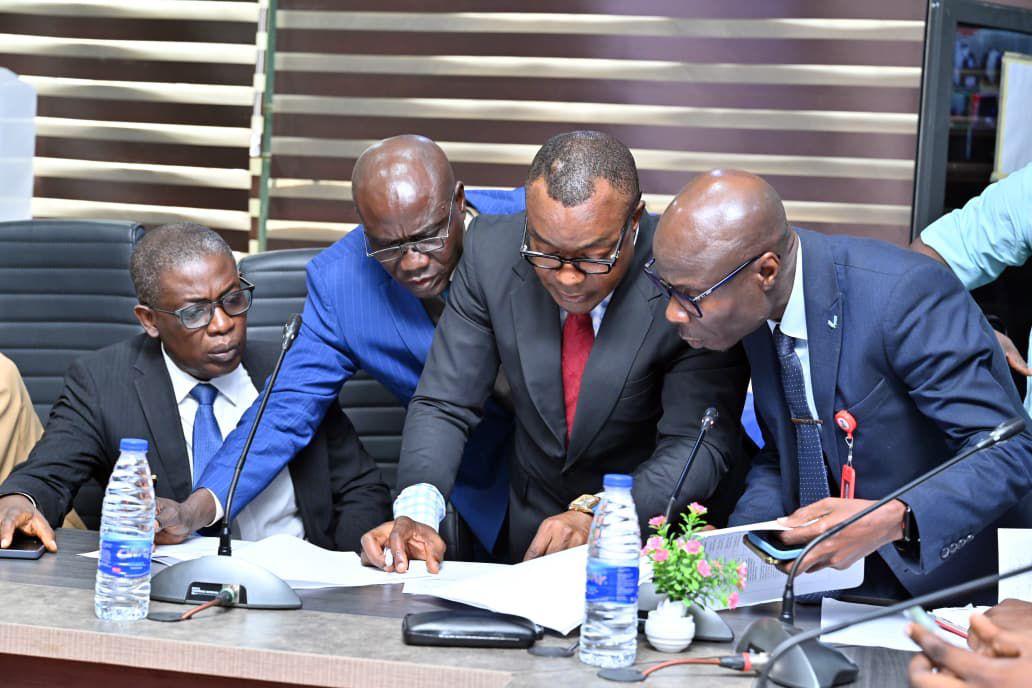
NDLEA Sells Drug Barons’ Assets for N6.1bn, Sends Warning to Criminal Networks
By: Michael Mike
The National Drug Law Enforcement Agency (NDLEA) has dealt a major financial blow to drug trafficking syndicates, raising over N6.1 billion from the auction of properties confiscated from convicted drug kingpins across the country.
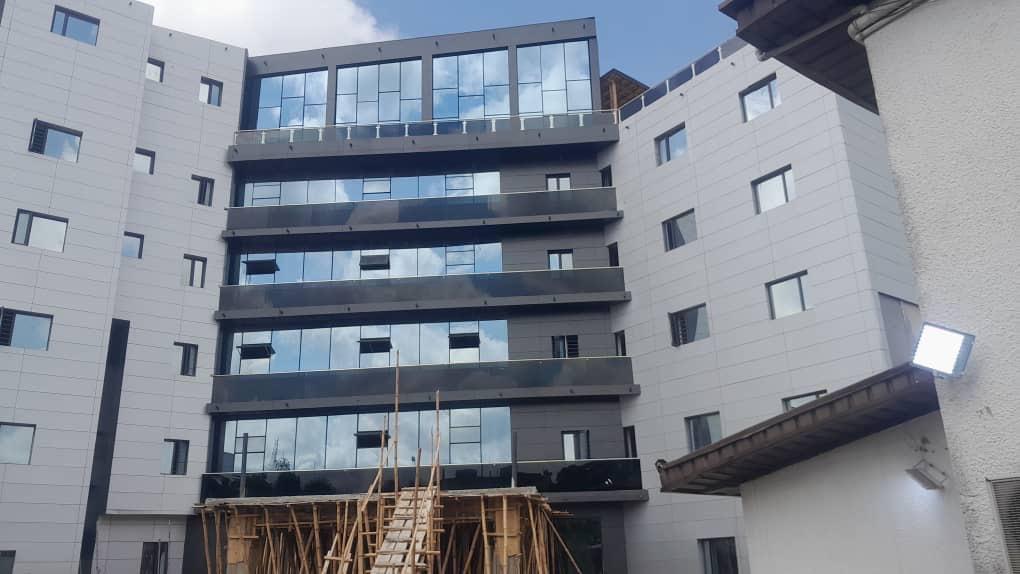
The assets, which include a six-storey luxury hotel in Victoria Island, Lagos, and three other high-value properties, were forfeited to the federal government following court orders obtained under Nigeria’s asset recovery laws.
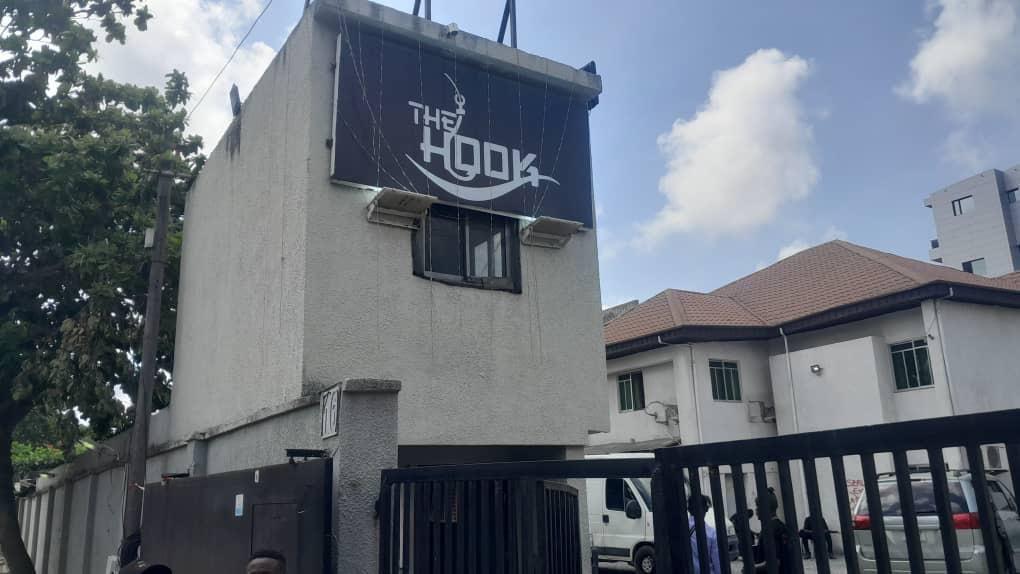
The Victoria Island hotel accounted for the bulk of the proceeds, attracting a winning bid of N5.9 billion during a public auction conducted in Abuja on Monday. Altogether, four properties were successfully sold, while bids submitted for four others fell below the approved reserve prices and were consequently rejected.
The exercise marked one of the most significant asset recovery auctions conducted by the anti-narcotics agency in recent years and underscores a growing determination by authorities to target not only drug traffickers but also the wealth accumulated from illicit activities.
Announcing the results, the Head of Asset Recovery and Management Unit at the Federal Ministry of Justice, Tamarantare Francis Ali-Bozi, disclosed that Tope Ojo and Tunde Olonishakin Estate Firm emerged the successful bidder for the Victoria Island hotel.
Other successful bidders included FSS Limited, which secured a property in Lekki Phase 1, Lagos, with an offer of N219.5 million; A-BNB Global Innovations Limited, which won a block of flats in Ejigbo, Lagos, for N104 million; and Fazeen Global Link Limited, which acquired a property in Akure, Ondo State, for N29.36 million.
Speaking at the ceremony, Chairman and Chief Executive Officer of NDLEA, Brigadier General Buba Marwa (rtd), declared that the auction represented more than a revenue-generating exercise, describing it as a strategic weapon in the fight against organised crime.
Represented by the agency’s Secretary, Shadrach Haruna, Marwa said the disposal of recovered assets sends a strong signal that individuals involved in the illicit drug trade would not be allowed to retain or benefit from the proceeds of their crimes.
He noted that public auctions of forfeited assets help reinforce public trust in the justice system by demonstrating transparency and accountability in the management of recovered properties.
According to him, the agency remains committed to tracking, recovering and disposing of criminal assets in a manner that serves the public interest while strengthening Nigeria’s asset recovery framework.
“We shall continue to pursue drug traffickers, dismantle criminal networks, recover the proceeds of crime and uphold the rule of law without fear or favour,” he stated.
Marwa also stressed that extensive safeguards were put in place to guarantee the integrity of the process. He said all assets were professionally valued by the Federal Ministry of Housing and Urban Development, while auctioneers engaged for the exercise were screened and pre-qualified through procedures approved by the Bureau of Public Procurement.
The NDLEA boss added that representatives of anti-corruption agencies, civil society organisations, the media and members of the public were invited to witness the bid-opening exercise in order to ensure transparency and public confidence.
He maintained that the auction was conducted in strict compliance with the provisions of the Proceeds of Crime (Recovery and Management) Act, 2022, the Public Procurement Act, 2007, and other relevant regulations.
Analysts say the successful sale of the forfeited properties highlights a growing shift in Nigeria’s anti-drug strategy from merely arresting traffickers to systematically dismantling the financial foundations of criminal enterprises.
For law enforcement authorities, the message is unmistakable: drug trafficking may generate vast fortunes, but those fortunes can ultimately be traced, seized and converted into public assets.
NDLEA Sells Drug Barons’ Assets for N6.1bn, Sends Warning to Criminal Networks

AMF Celebrate the African Child: Building Foundations for Dreams, Learning, and Leadership

Is Zagazola Makama now siding with Plateau people?

A New Dawn for Nigeria’s Power Sector: Minister Tegbe’s Brilliant Start

Roger Federer’s Shock as DNA Results Reveal Myla and Charlene Are Not His Biological Children

THE PLIGHT OF FARIDA

FAILED COUP IN BURKINA FASO: HOW TRAORÉ NARROWLY ESCAPED ASSASSINATION PLOT AMID FOREIGN INTERFERENCE CLAIMS
-
 News2 years ago
Roger Federer’s Shock as DNA Results Reveal Myla and Charlene Are Not His Biological Children
-
Opinions4 years ago
THE PLIGHT OF FARIDA
-
 News1 year ago
FAILED COUP IN BURKINA FASO: HOW TRAORÉ NARROWLY ESCAPED ASSASSINATION PLOT AMID FOREIGN INTERFERENCE CLAIMS
-

 News2 years ago
EYN: Rev. Billi, Distortion of History, and The Living Tamarind Tree
-
 Opinions5 years ago
POLICE CHARGE ROOMS, A MINTING PRESS
-

 ACADEMICS2 years ago
A History of Biu” (2015) and The Lingering Bura-Pabir Question (1)
-

 Columns2 years ago
Army University Biu: There is certain interest, but certainly not from Borno.
-

 Politics1 year ago
2027: Why Hon. Midala Balami Must Go, as Youths in Hawul and Asikira/Uba Federal Constituency Reject ₦500,000 as Sallah Gift
