
News
5th ASWAN: Zulum calls for multifaceted approach to address crisis in the Sahel

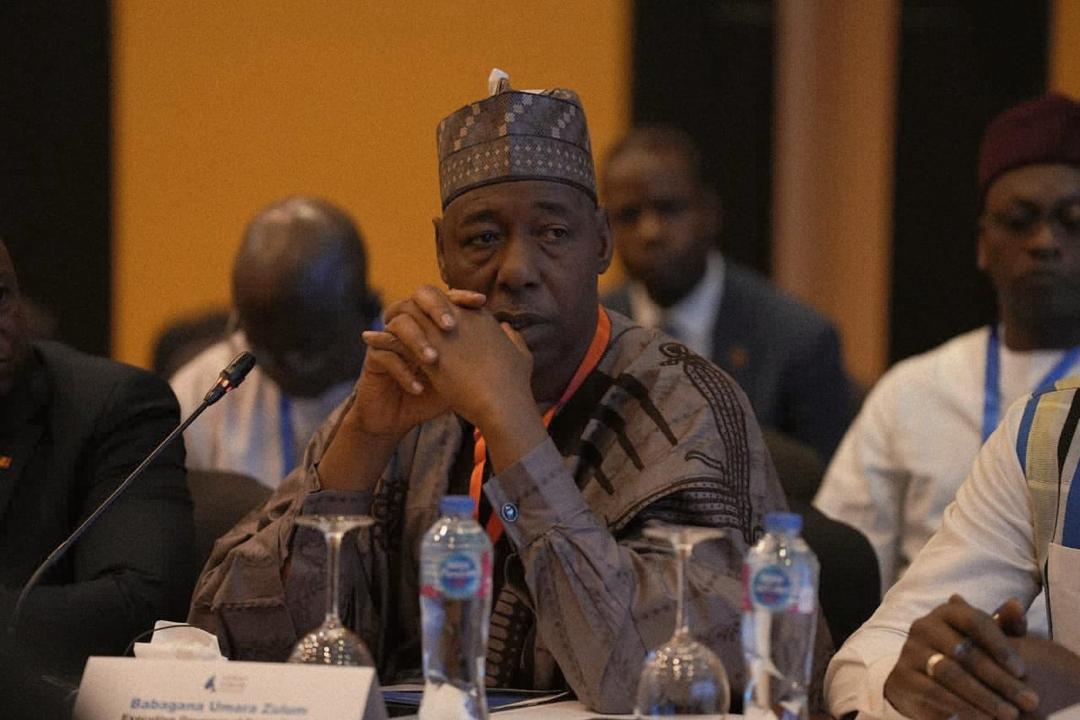
5th ASWAN: Zulum calls for multifaceted approach to address crisis in the Sahel
By: Michael Mike
Borno State Governor, Professor Babagana Zulum has called for a comprehensive and multifaceted strategy, hinged on broader regional cooperation, to tackle the escalating security and humanitarian crisis in the Sahel region.
Zulum made the appeal while delivering a keynote address at the roundtable discussion of the 5th Aswan Forum for Sustainable Peace and Development held in Aswan, Egypt.
The governor, whose state has been at the epicentre of Boko Haram insurgency in the Lake Chad Basin, argued that a purely military solution has proven insufficient. He emphasised that lasting peace can only be achieved by simultaneously addressing the root causes of the conflict.
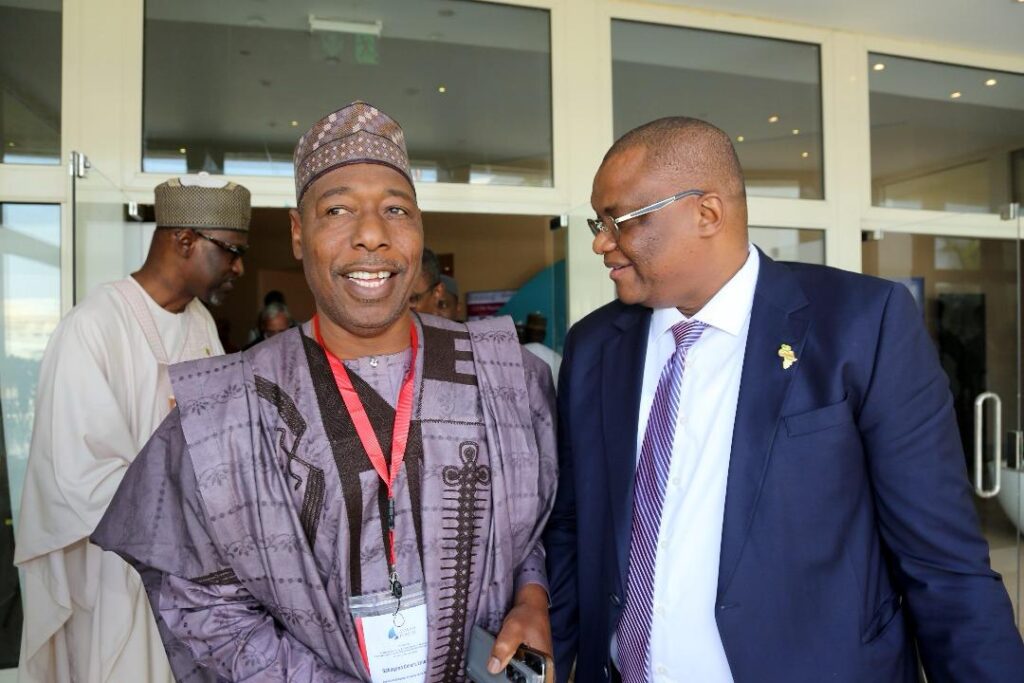
He said: “The crises of instability, terrorism and displacement that plague the Sahel cannot be solved by kinetic means alone,” stating that: “We must look beyond the battlefield. There is an urgent need for a multifaceted approach that combines security, development, and humanitarian assistance in a synchronised manner.”
Zulum also called for broader cooperation among countries in the Sahel region. He stressed that extremist groups and other criminal networks operate across borders with impunity, and the response must be equally transnational.
He said: “In the Sahel context, you cannot address the challenges by just looking at two or three countries. You need to look deeper into the political region of the Sahel as defined by the United Nations Strategy, which covers 10 countries, including Mauritania, Gambia and Guinea, among others. Collaboration among the larger Sahel communities is paramount.”
Beyond security collaboration, the governor called for improved development in the Sahel countries. He identified poverty, lack of education, and climate change-induced scarcity as key drivers of recruitment for armed groups.
“For the last 15 years, we have had many interventions in Borno State, but humanitarian support is not a sustainable solution. There is a need for longer-term sustainable solutions. We received many donors, partners, and non-governmental organisations, but most of them engaged in short-term humanitarian solutions.”
“There is a need for sustainable solutions, including development. The nexus between peace, development and security need not be overemphasised. If there is no development, there cannot be peace or security.”
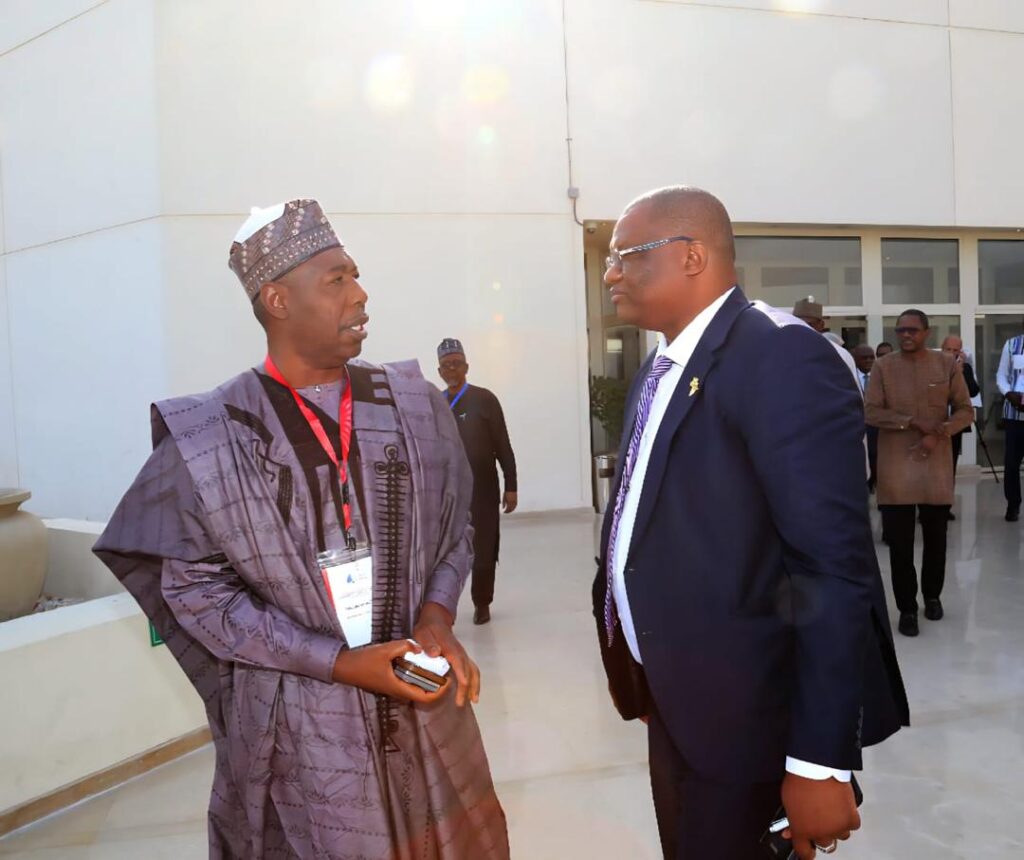
The roundtable features other African leaders representing various countries, including H.E. Dr. Badr Abdelatty, Minister of Foreign Affairs, Emigration, and Egyptian Expatriates; H.E. Abdoulaye Diop, Minister of Foreign Affairs, International Cooperation, and African Integration, Republic of Mali; and H.E. Karamoko Jean-Marie Traoré, Minister of Foreign Affairs, Regional Cooperation and Burkinabes Abroad of the Republic of Burkina Faso.
5th ASWAN: Zulum calls for multifaceted approach to address crisis in the Sahel


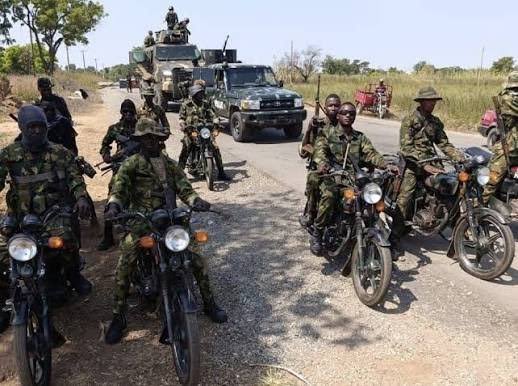
Troops foil attack by Criminal Youths, rescue victims, arrest suspects in plateau
By: Zagazola Makama
Troops of Sector 1, Operation Enduring Peace (OPEP), have foiled an attack on residents at Dutse Uku in Jos North Local Government Area of Plateau State.
A security source said the troops responded swiftly to a report of sporadic gunshots in the area at about 11:50 p.m. on April 2.
According to the source, upon arrival at the scene, the suspected criminals fled, abandoning their operation due to the prompt intervention of the troops.
He said the troops rescued two victims who sustained gunshot wounds during the incident and immediately evacuated them to a hospital for medical attention.
The source further disclosed that two suspects, dressed in black attire, were arrested at the scene.
Items recovered from the suspects include a cutlass and a knife.
He added that the suspects are currently in military custody and undergoing preliminary investigation, while efforts are ongoing to track down other fleeing members of the group.
Zagazola report that despite heightened security, there has been report of pocket of attacks in some communities.
The source reassured residents of the military’s commitment to protecting lives and property and urged the public to continue providing timely information to security agencies.
Troops foil attack by Criminal Youths, rescue victims, arrest suspects in plateau
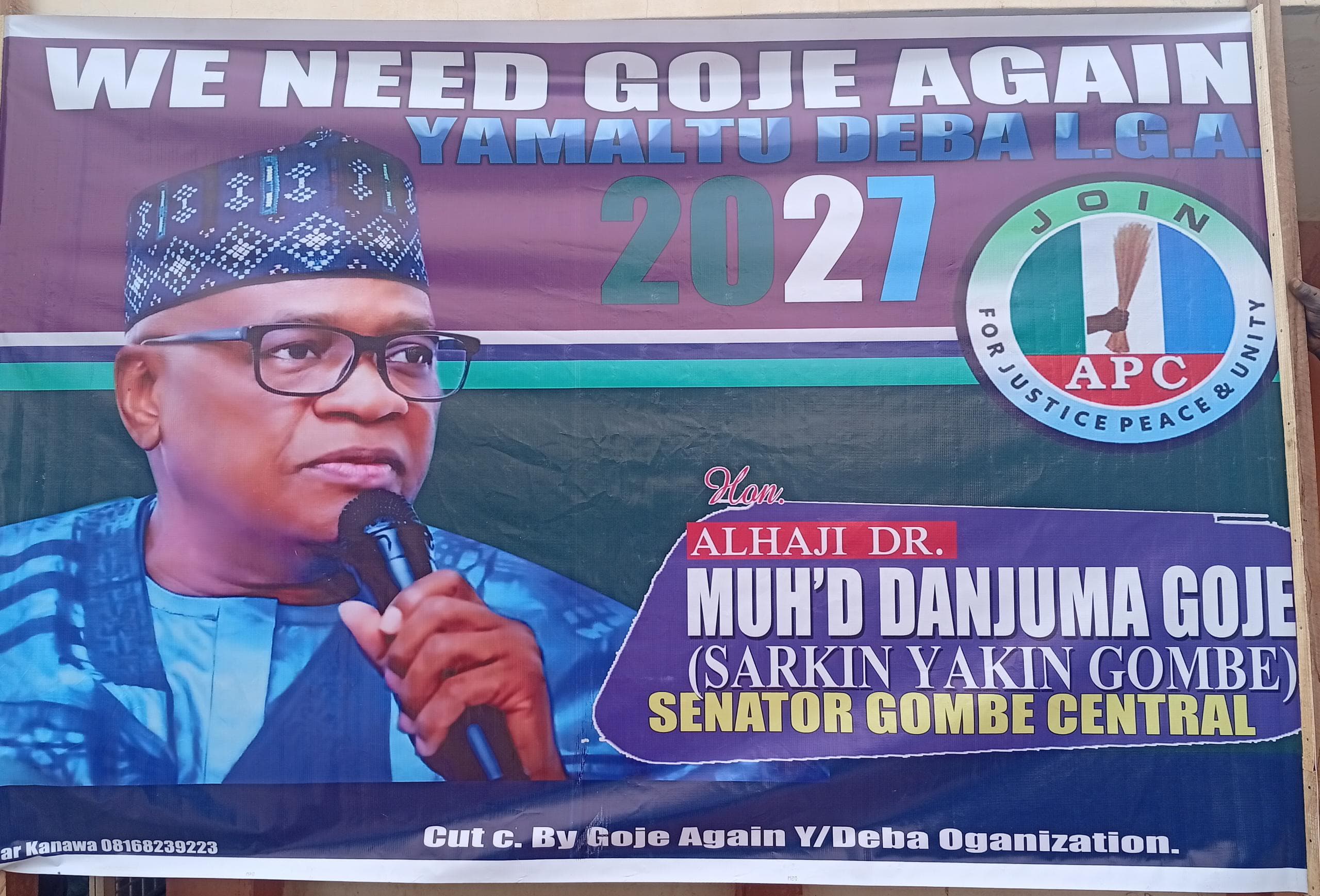
2027: Constituents declare support for Tinubu, Goje’s re-election
Yamaltu/Deba constituents have declared support for President Bola Tinubu and Senator Danjuma Goje’s re-election ahead of the 2027 General Elections.
Dr Newton Moses, declared the support in a statement read on behalf of the people of Yamaltu/Deba Local Government Area of Gombe State on Friday in Gombe.
Moses said voting for experienced leaders in 2027 remained key to addressing Nigeria’s challenges and delivering dividends of democracy to Nigerians.
He said the group’s decision to support Tinubu and Goje was guided by patriotism, and a sincere desire to see competent, and result-driven leadership that would benefit their constituents and the country.
He said that Goje’s leadership in the past 16 years at the Senate has benefitted the constituents and given effective representation to the people of Akko and Yamaltu/Deba LGAs that make up the district.
He dismissed allegations that the people of Yamaltu/Deba have been marginalised and were demanding the seat to be zoned to Yamaltu/Deba and not Akko where Goje is from.
He said that the constitution did not impose any zoning limitation or tenure restriction on membership in the National Assembly, hence urged those seeking the seat to test their popularity through election.
“We are not part of that group saying Goje should not return to the senate in 2027; that is not the voice of the grassroots from Yamaltu Deba.
“ Goje has, over the years, built invaluable networks and acquired the experience necessary to effectively advocate for the interests of his constituency and contribute meaningfully to national development.
“ By returning Goje to the Senate, Gombe Central stands to gain even more.
“ His established influence will ensure greater access to federal opportunities, increased developmental projects, and stronger representation in critical national decisions,” he said.
The group further advised President Tinubu to stay away from those working to tarnish the good name of Goje, stating that Goje’s influence in Gombe was important for the success of the All Progressives Congress in 2027.
Moses said at a time when Nigeria is focused on economic recovery, institutional strengthening, and inclusive growth under Tinubu, it was imperative that proven leaders like Goje to continue contributing his expertise toward national progress.
2027: Constituents declare support for Tinubu, Goje’s re-election

Hope in the Hard Times: Ashlee Momoh Foundation Spreads Easter Joy to Military Widows
By Comrade Philip O. Ikodor
The Ashlee Momoh Foundation (AMF), a non-profit organization dedicated to supporting the families of fallen officers, marked the Easter season with a heartwarming outreach to military widows at different locations in Abuja and Nasarawa state, respectively on April 2nd, 2026. This thoughtful initiative was designed to bring joy, hope, and support to the widows of our fallen Military Officers, who have made immense sacrifices for their country.

“Easter is the season of renewal, hope, and the triumph of light over darkness,” Princess Ashlee said. “It reminds us that even after the longest winter, spring arrives and even after the deepest sorrow, there is the possibility of a new dawn.” The outreach was designed to show support and encouragement to the military widows, and to felicitate with them on the occasion of Easter.
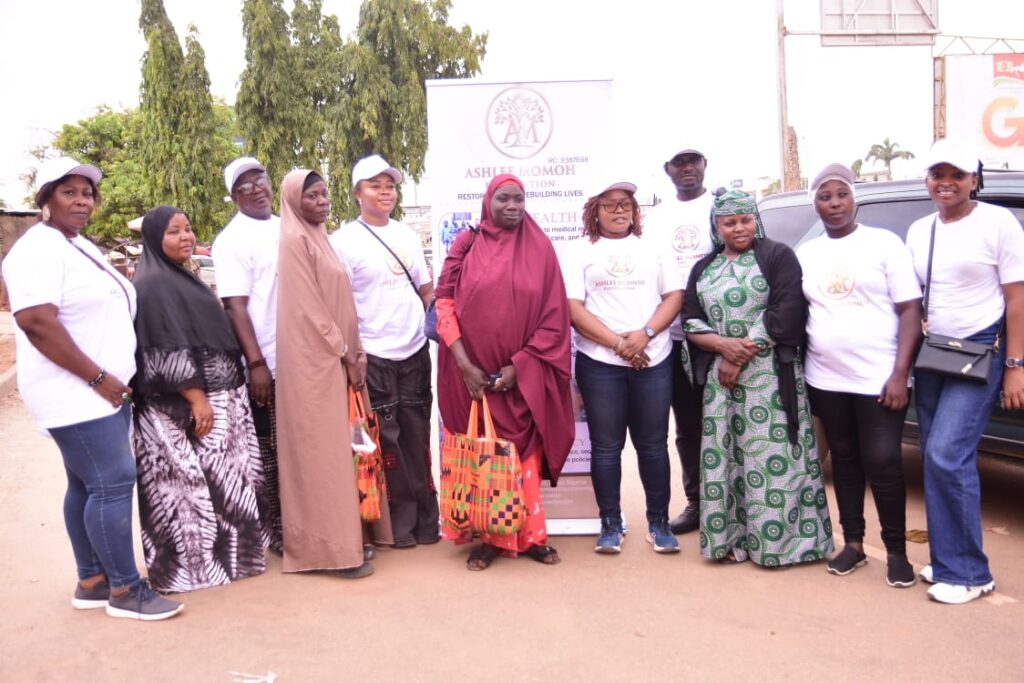
Princess Ashlee Momoh reassured the widows that while their loved ones are no longer physically present, their legacy lives on, and AMF is committed to standing with them, supporting them, and celebrating their strength. “Today, we celebrate you, our heroes’ widows, and the sacrifices you’ve made,” she said.
The event was filled with moments of joy and fulfilment, as beneficiaries received gift items, cash gifts, and scholarship opportunities. The Foundation also announced enlistment for skill acquisition and empowerment programs, aimed at equipping the widows with the tools they need to rebuild their lives.

The outreach was a testament to AMF’s unwavering commitment to supporting the families of fallen officers, and its dedication to making a positive impact in the lives of those who have made immense sacrifices for their country. As one beneficiary put it, “This Easter, we’ve received more than just gifts – we’ve received hope, love, and a sense of belonging.”

The Ashlee Momoh Foundation’s Easter outreach was a powerful reminder that even in the darkest moments, there is always hope, and that together, we can overcome any challenge.
Hope in the Hard Times: Ashlee Momoh Foundation Spreads Easter Joy to Military Widows

Troops foil attack by Criminal Youths, rescue victims, arrest suspects in plateau

2027: Constituents declare support for Tinubu, Goje’s re-election

Hope in the Hard Times: Ashlee Momoh Foundation Spreads Easter Joy to Military Widows

Roger Federer’s Shock as DNA Results Reveal Myla and Charlene Are Not His Biological Children

THE PLIGHT OF FARIDA

FAILED COUP IN BURKINA FASO: HOW TRAORÉ NARROWLY ESCAPED ASSASSINATION PLOT AMID FOREIGN INTERFERENCE CLAIMS
-
 News2 years ago
Roger Federer’s Shock as DNA Results Reveal Myla and Charlene Are Not His Biological Children
-
Opinions4 years ago
THE PLIGHT OF FARIDA
-
 News12 months ago
FAILED COUP IN BURKINA FASO: HOW TRAORÉ NARROWLY ESCAPED ASSASSINATION PLOT AMID FOREIGN INTERFERENCE CLAIMS
-

 News2 years ago
EYN: Rev. Billi, Distortion of History, and The Living Tamarind Tree
-
 Opinions4 years ago
POLICE CHARGE ROOMS, A MINTING PRESS
-

 ACADEMICS2 years ago
A History of Biu” (2015) and The Lingering Bura-Pabir Question (1)
-

 Columns2 years ago
Army University Biu: There is certain interest, but certainly not from Borno.
-

 Opinions2 years ago
Tinubu,Shettima: The epidemic of economic, insecurity in Nigeria
