
News
FCT minister of state inaugurates PHC donated by Rotary Club

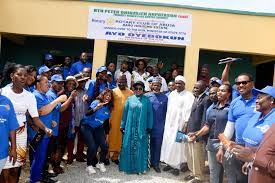
FCT minister of state inaugurates PHC donated by Rotary Club
The Federal Capital Territory (FCT) on Thursday inaugurated a Primary Health Care facility donated by the Rotary Club of Abuja, Karu Housing Estate, to boost the quality of healthcare to residents.
The Minister of State, Dr Ramatu Aliyu, while inaugurating the facility at the Healthcare Centre, Jikwoyi, expressed optimism that the gesture would help to boost the quality of healthcare available to residents of the area.
The minister said that the donation marked the successes recorded in community partnership and participation as well as the collective efforts aimed at strengthening the Primary Health Care scheme in the FCT.
“The fact that Rotary Club constructed and completed this Primary Healthcare facility to support the healthcare delivery system in the territory is not a surprise to most of us because of your antecedents at the Rotary Foundation.
“Rotary Club is no doubt an upright non-governmental organisation and one that stays true to an unwavering commitment to saving lives.”
Aliyu said that FCT had benefitted immensely from the wealth of experienced, passionate and focused contributions to eradicating the wild poliovirus globally and strengthening routine immunisation programmes.
“Our partnership with you, among others has seen FCT being wild polio-free for over seven years as the last case was confirmed in the first quarter of 2013.
“You have strengthened our PHC facilities structures and system at Dutsen Garki, Piwoyi, and Sauka amongst others,” she added.
Aliyu emphasised that health was a fundamental human right, saying, “this will however require the Primary Health Care approach which allows for integrated care comprising preventive, curative and rehabilitative services extending from womb to tomb.”
“The first point of contact with the National Health System and a key to socio-economic development and progress of a country includes essential healthcare, universally accessible, acceptable, affordable, adaptable, appropriate, and active community participation.”
Aliyu, who commended the Rotary Club of Abuja, Karu Housing Estate for the gesture, assured that the FCT Administration, through its Primary Health Care Board, would take charge of the facility.
She said that the administration would provide the necessary manpower needed to improve the quality of care for residents of the area, especially women and children.
She, therefore, urged the personnel in the facility to observe Standard Operating Procedures in taking care of clients.
The minister assured that the administration would continue to strengthen the existing healthcare facilities across the six area councils to meet the high demand of its residents.
Earlier, the President of Rotary Club of Abuja, Karu Housing Estate, Mr Rvurinrin Ifidon, revealed that the club had over six years ago carried out several projects within Rotary’s seven core areas of focus.
“These include disease prevention and treatment water and sanitation, maternal and child health, basic education and literacy amongst others.”
She said the initial foundation of the Primary Healthcare was laid in the 80s but was abandoned during late President Shehu Shagari’s regime, stressing that through determination and focus, the club brought it to fruition.
Ifidon, however, appealed to FCT Administration and other critical stakeholders to support community projects, noting that community needs are overwhelming.
“Apart from primary healthcare, the people of Jikwoyi are in dire need of portable water. We will like to seek partnership with your office in our humble quest and desire to give our communities a phase lift.”


Troops Rescue Two Herders Injured in Attack by Suspected Militia in Plateau
By: Zagazola Makama
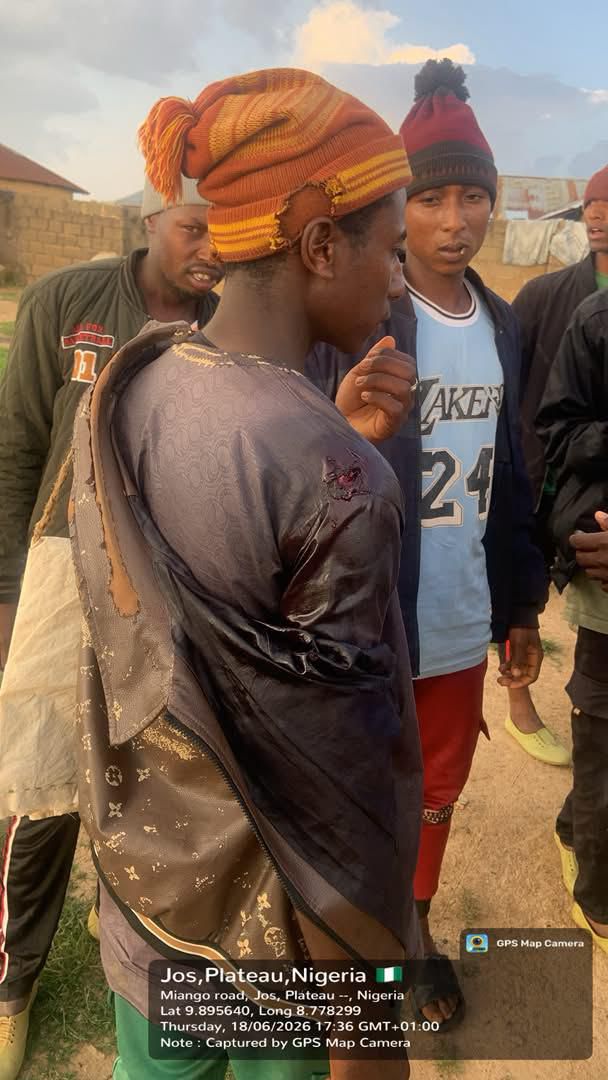
Troops of Operation Enduring Peace have rescued two herders who were attacked and injured by suspected militia members while grazing livestock in Bassa Local Government Area of Plateau State.
Security sources disclosed that the incident occurred at about 5:30 p.m. on June 18 around Rafin Bauna community in Bassa LGA.
According to the report, troops of Sector 3, Operation Enduring Peace, responded swiftly to a distress call indicating that armed men suspected to be members of an Irigwe militia group had attacked two herders in the area.
Upon arrival at the scene, the troops engaged in a rapid intervention that forced the attackers to flee before further harm could be inflicted on the victims.
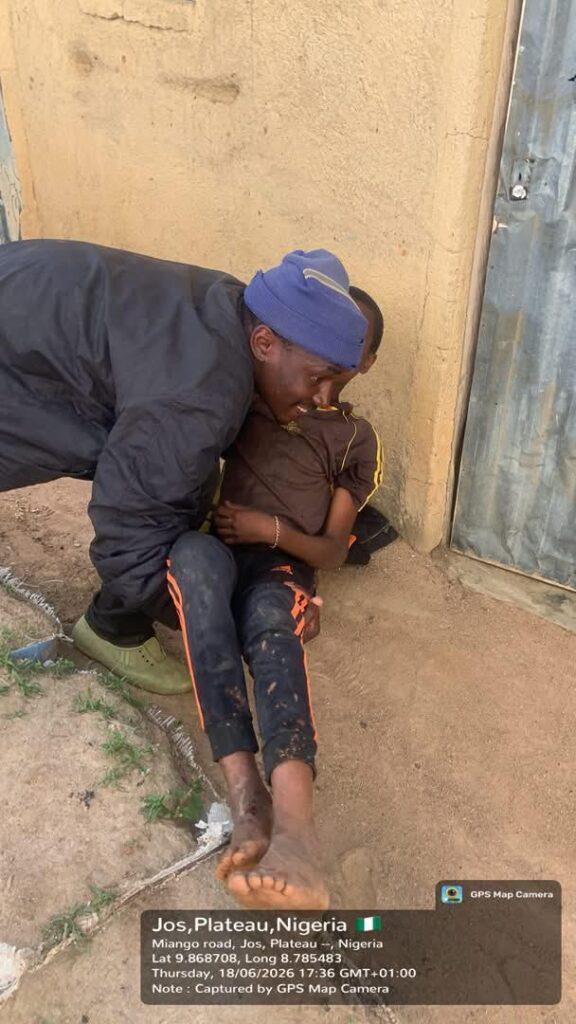
The troops subsequently conducted a combing operation of the surrounding area and successfully rescued the two victims.
The victims were identified as Yusuf Isiaku, who sustained a gunshot wound to the shoulder, and Mubarak Lawan, who suffered minor bruises during the attack.
Military sources said both victims were immediately evacuated to a nearby medical facility for treatment and are currently receiving medical attention.
“The prompt response of troops prevented the situation from escalating and ensured the safe evacuation of the victims for urgent medical care,” the source said.
Security agencies have since launched efforts to track down and apprehend those responsible for the attack.
The military assured residents of its commitment to protecting lives and property across Plateau State and other areas within its operational responsibility.
Operation Enduring Peace also urged members of the public to continue providing credible information that could assist security agencies in identifying and arresting criminal elements threatening peace in communities.
The latest incident pointed to the persistent security challenges in parts of Plateau State, where security forces continue to intensify efforts to prevent attacks, protect vulnerable communities and promote peaceful coexistence among residents.
Troops Rescue Two Herders Injured in Attack by Suspected Militia in Plateau
One Killed, Two Injured in Attack on Herders by Berom Militia in Plateau
By: Zagazola Makama
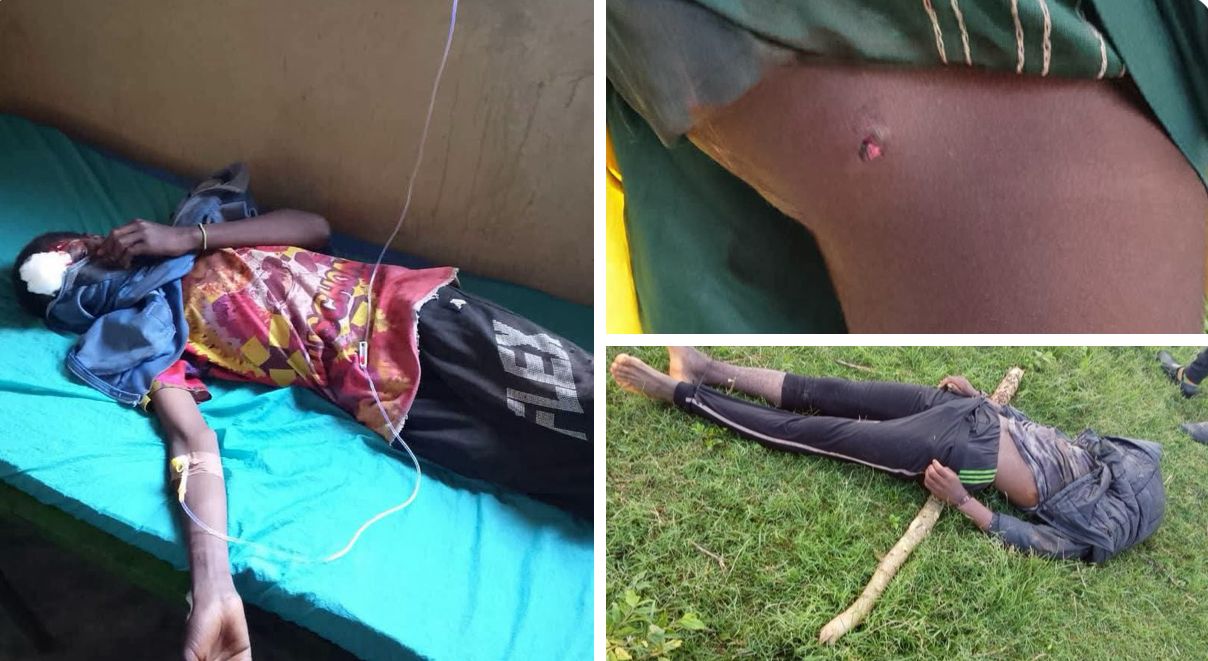
One herder was killed and two others sustained gunshot injuries following an attack by Berom Militia in Riyom Local Government Area of Plateau State, prompting calls for justice and renewed efforts to prevent further violence in the area.
Security sources said troops of Operation Enduring Peace responded to a distress call at about 4:00 p.m. on June 18 following reports of an attack on Fulani herders in a bush area around Torok Community in Rim District of Riyom LGA.
According to the sources, troops of Sector 6 were immediately deployed to the scene.
Upon arrival, the troops discovered the corpse of a Fulani man identified as Abdul Samaila, while two other victims were found with gunshot wounds.
The injured victims were evacuated to a nearby hospital for medical treatment, while troops commenced domination patrols and a manhunt for the attackers, who had fled before the arrival of security personnel.
“The troops responded promptly to the report and found one victim dead and two others injured. The wounded victims were evacuated for medical attention, while efforts are ongoing to track down the perpetrators,” a security source said.
Meanwhile, the Fulani Community in Riyom Local Government Area has condemned the attack, describing it as tragic and unfortunate.
In a statement issued on Friday, community leaders alleged that the victims were attacked by armed persons while grazing in the Torok area.
The community identified the deceased as Abdurrahman Ibrahim, 25, from Bangai settlement, while the injured victims were named as Abbas Saidu, 18, and Bashiru Rabi’u, 15.
The statement expressed condolences to the family of the deceased and wished the injured victims a speedy recovery.
The community called on security agencies to conduct a thorough investigation into the incident, arrest those responsible and ensure they are prosecuted in accordance with the law.
It also appealed to the Federal Government, Plateau State Government, traditional rulers, religious leaders and security agencies to intensify efforts toward protecting lives and property across the state.
According to the statement, justice and accountability remain critical to ending recurring cycles of violence and reprisals in communities within Riyom and other parts of Plateau State.
The community further urged its members to remain calm and avoid any form of retaliation, stressing the need to allow security agencies and relevant authorities to carry out their constitutional responsibilities.
Residents of the area said the latest incident has heightened concerns over security in parts of Riyom, which has witnessed periodic tensions and attacks involving farming and herding communities over the years.
Security agencies have assured residents that efforts are ongoing to apprehend those behind the attack and maintain peace in the affected communities.
The incident is the latest in a series of security challenges confronting parts of Plateau State, where authorities continue to advocate dialogue, peaceful coexistence and adherence to the rule of law as means of resolving disputes.
One Killed, Two Injured in Attack on Herders by Berom Militia in Plateau
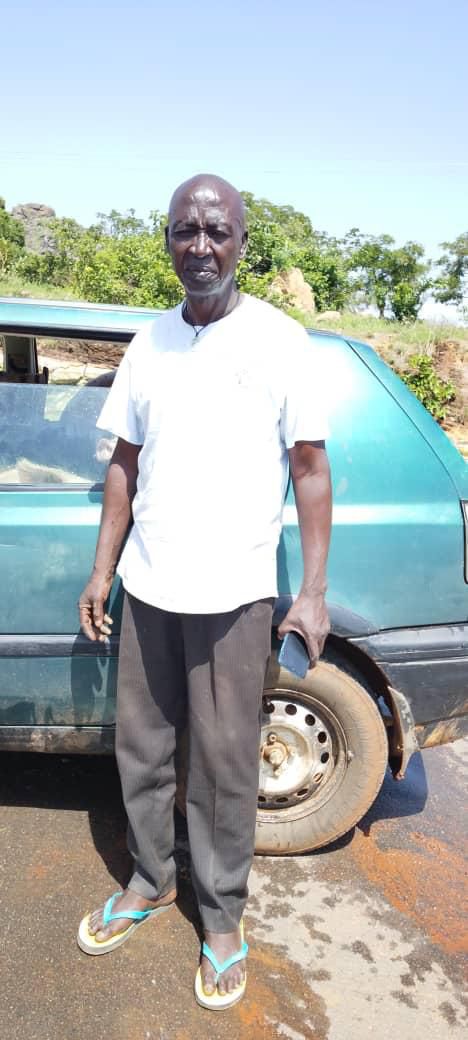
Troops Rescue Kidnap Victim During Offensive Operation Along Plateau-Kaduna Border
By: Zagazola Makama
Troops of Operation Enduring Peace have rescued a kidnapped victim during a clearance operation in the rugged hills bordering Plateau and Kaduna States.
Security sources disclosed that the rescue followed a suspected kidnap incident and the discovery of an abandoned vehicle loaded with pigs along the Manchok Road corridor within the Bum-Tongorong Hills area of Riyom Local Government Area of Plateau State.
According to the sources, troops of Sector 6 launched an offensive operation between June 18 and June 19 in the high grounds and forested areas of the Bum-Tongorong axis, a location known for criminal activities along the Plateau-Kaduna border.
The operation was aimed at tracking suspected kidnappers believed to have abducted a traveller in the area.
Military authorities said sustained pressure mounted by the troops forced the kidnappers to abandon their captive and flee into the surrounding bushes.
The rescued victim was identified as Mr Irimiya Alamba Rahol, a resident of Barkin Ladi Local Government Area of Plateau State.
The victim was reportedly found with injuries and was immediately evacuated to a Primary Healthcare Centre in Kamaru, Kauru Local Government Area of Kaduna State for medical treatment.
“The offensive operation yielded positive results as troops successfully rescued the kidnapped victim after the criminals abandoned him due to the intense pressure mounted by security forces,” a military source said.
The source added that the victim’s vehicle was also recovered during the operation and arrangements were made to reunite him with his family.
Security personnel have since contacted the victim’s relatives and informed them of his rescue and current medical condition.
Military authorities said follow-up operations were ongoing to track and apprehend the fleeing kidnappers.
The operation forms part of ongoing efforts by Operation Enduring Peace to dismantle criminal hideouts and deny kidnappers freedom of movement across flashpoints in Plateau State and adjoining areas of Kaduna State.
Residents of communities along the border areas have repeatedly raised concerns over incidents of kidnapping and armed attacks, prompting increased military presence and intelligence-driven operations.
Security agencies have assured the public of their commitment to sustaining pressure on criminal elements and ensuring the safety of residents across the Joint Operations Area.
They also urged members of the public to continue providing timely and credible information that could assist security forces in tracking criminal gangs and preventing future attacks.
Troops Rescue Kidnap Victim During Offensive Operation Along Plateau-Kaduna Border

Troops Rescue Two Herders Injured in Attack by Suspected Militia in Plateau

Plateau: Man injured in Barkin Ladi during altercation with a Fulani Man

One Killed, Two Injured in Attack on Herders by Berom Militia in Plateau

Roger Federer’s Shock as DNA Results Reveal Myla and Charlene Are Not His Biological Children

THE PLIGHT OF FARIDA

FAILED COUP IN BURKINA FASO: HOW TRAORÉ NARROWLY ESCAPED ASSASSINATION PLOT AMID FOREIGN INTERFERENCE CLAIMS
-
 News2 years ago
Roger Federer’s Shock as DNA Results Reveal Myla and Charlene Are Not His Biological Children
-
Opinions4 years ago
THE PLIGHT OF FARIDA
-
 News1 year ago
FAILED COUP IN BURKINA FASO: HOW TRAORÉ NARROWLY ESCAPED ASSASSINATION PLOT AMID FOREIGN INTERFERENCE CLAIMS
-

 News2 years ago
EYN: Rev. Billi, Distortion of History, and The Living Tamarind Tree
-
 Opinions5 years ago
POLICE CHARGE ROOMS, A MINTING PRESS
-

 ACADEMICS2 years ago
A History of Biu” (2015) and The Lingering Bura-Pabir Question (1)
-

 Columns2 years ago
Army University Biu: There is certain interest, but certainly not from Borno.
-

 Politics1 year ago
2027: Why Hon. Midala Balami Must Go, as Youths in Hawul and Asikira/Uba Federal Constituency Reject ₦500,000 as Sallah Gift
