
News
I-G orders policemen nationwide to be neutral during campaigns

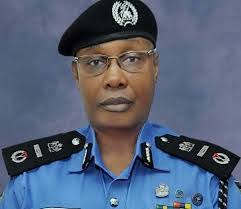
I-G orders policemen nationwide to be neutral during campaigns
Inspector-General of Police (I-G), Mr Usman Baba, has directed all police personnel in the country to be neutral in all processes for the 2023 general elections.
Baba gave the directive on Thursday in Abuja at the opening of a conference for Strategic Police Managers, consisting of officers from the rank of Commissioners of Police and above.
He also directed them to always be alert during security deployments for the elections and exhibit high degree of professionalism and fairness in dealings with all political parties.
“We are also expected to adopt a professional orientation that emphasises democratic values and respect for human rights and dignity,” he added.
Baba reminded all police personnel that their mandate was to protect the electorates against illegal acts and discharge policing duties without discrimination.
“As critical actors in the electoral process, the credibility of the 2023 general election will be measured by the extent to which we abide by professional and legal standards.
“It will also be measured by our decisions and actions as we interface with political parties in emplacing appropriate machineries to guarantee a peaceful electioneering campaign process.
“We must leave no citizen in doubt of our commitment to national peace and security, as well as our determination to advance the democratic and national security interests of the country,” he said.
The I-G called on the conference participants to familiarise themselves with the Electoral Act and Code of Conduct and Rules of Engagement for Security Personnel on electoral duties.
Baba urged the officers to situate their decisions and actions within the provisions of the Electoral Act and the Code, as well as other obligations contained in the Constitution, Nigeria Police Act, and other extant laws.
“All quasi-security outfits that were established by the various state governments and local communities, operating under different nomenclatures, structures and orientations have no legal roles in the Electoral Act 2020.
“Hence, you are charged to ensure that they are not in any way or manner utilised by any political or community actor for any role during the electioneering campaign and other electoral processes.
“Such will amount to acts in illegality and a potent threat to national security which could be inimical to our nation’s democratic interest,” he added.
Baba ordered CPs across the 36 states and FCT to liaise with Resident Electoral Commissioners and political party leaderships in their various states to come up with campaign timetables.
He said the idea was to address possible conflicts both in date, time, and venues during campaigns.
“Political Parties campaign timetable for each State should be forwarded to the Deputy Inspector-General of Police (DIG) in charge Operations for collation.
“The comprehensive layout of the timetable must be forwarded to the office of the I-G, not later than Sept. 27.
“You must also submit your Election Security Action Plan that will detail your deployment plans for the security of all the venues of the political campaigns as they affect your commands,” he said.
The I-G called on political actors to subsume their campaigns within extant legal frameworks, avoid actions or speeches that could inflame the political order and cooperate with the Police to ensure peaceful electioneering process.
He warned individuals whose perception of democracy was the application of violence to have a rethink, adding that the Police was committed to dealing firmly with such characters within the dictates of the law.
I-G orders policemen nationwide to be neutral during campaigns


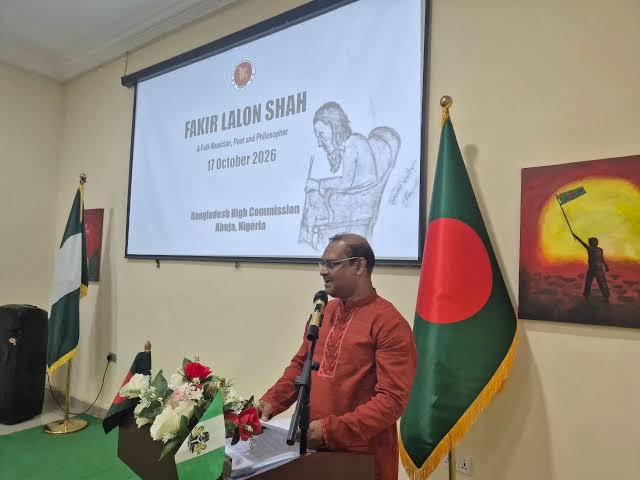
Bangladesh High Commissioner Says Lalon Shah’s Philosophy Can Strengthen Nigeria’s Unity
…Envoy highlights interfaith harmony, rejects identity-based discrimination, urges cultural exchange
By: Michael Mike
The Bangladesh High Commissioner to Nigeria, Miah Md Mainul Kabir, has said the philosophy of Bangladeshi mystic poet Fakir Lalon Shah offers important lessons for Nigeria’s efforts to strengthen national unity, promote interfaith harmony and tackle discrimination rooted in religious and social identities.
Kabir said Lalon’s teachings on human dignity, self-knowledge and the rejection of social divisions remained relevant to Nigeria, a country of diverse ethnic groups, languages and religious traditions facing the continuing challenge of building peaceful coexistence.
“Nigeria is a country of extraordinary diversity, home to hundreds of ethnic groups, numerous languages and different religious traditions. This diversity is one of Nigeria’s greatest cultural assets,” the High Commissioner said.
He added that managing such diversity required sustained efforts to promote mutual respect, social inclusion and peaceful coexistence, noting that Lalon’s philosophy offered valuable lessons for Nigeria and other multicultural societies.
Kabir described Lalon Shah as a mirror of Bangla culture whose poetry reflected the richness of Bengali traditions while challenging divisions created by religion, caste and social status.
He said the mystic poet directed much of his work towards ordinary people rather than the urban elite, appealing to their human dignity and spiritual worth.
Lalon’s rejection of caste discrimination was a central feature of his philosophy. Living in a society marked by caste hierarchies and oppression, he questioned the origins and legitimacy of social distinctions that placed some people above others by birth.
Through the question, “Jatir utpati kothay?” — meaning, “Where did caste originate?” — Lalon challenged the foundations of a system that divided humanity according to inherited status.
His philosophy, Kabir noted, called for a society free from caste and class barriers, affirming the dignity of people regardless of their social background or religious affiliation.
The High Commissioner, speaking at the weekend at a occasion hosted by the High Commission in honour of the referred late folk, poet, musician and philosopher, said Lalon’s message had enduring significance at a time when globalisation could marginalise vulnerable communities and weaken regional cultural identities, while violent fanaticism threatened peaceful coexistence.
He explained that Lalon’s teachings combined spiritual devotion with respect for humanity, encouraging people of different faiths to recognise their common bonds rather than allow religious differences to become sources of conflict.
“He invites all religions to come together under the undivided One,” Kabir said.
The diplomat also highlighted the relevance of Lalon’s emphasis on self-knowledge to young people, particularly in an age of social media, rapid communication and competing narratives.
He said young people were increasingly exposed to messages capable of either promoting understanding or reinforcing prejudice, making critical reflection essential to building tolerant communities.
Lalon’s invitation to examine oneself before judging others, he said, encouraged intellectual humility and a willingness to question inherited assumptions.
Beyond its philosophical significance, Kabir identified Lalon’s musical heritage as an opportunity to deepen cultural relations between Nigeria and Bangladesh.
He noted that music remained an important means through which Nigerian communities preserved their histories, expressed their identities and communicated social experiences.
Bangladesh’s Baul musical tradition, represented by Lalon Shah, offered opportunities for both countries to explore how music could preserve cultural memory, communicate philosophical ideas and bring people together across linguistic and geographical boundaries.
Lalon, popularly known as Bauler Raja, or King of the Bauls, remains an influential figure in Bangladesh’s cultural life, with his songs continuing to be performed by Baul musicians and devoted followers.
Kabir said greater cultural engagement between Nigeria and Bangladesh could demonstrate how artistic traditions helped societies appreciate their differences while identifying shared values.
He concluded that Lalon Shah’s message remained relevant far beyond Bangladesh, particularly for societies seeking to reconcile cultural diversity with social cohesion.
“Lalon’s message is simple but profound: our differences deserve respect, but they should never diminish our common humanity,” he said.
“That message has enduring relevance for Nigeria, for Bangladesh and for the world.”
Bangladesh High Commissioner Says Lalon Shah’s Philosophy Can Strengthen Nigeria’s Unity
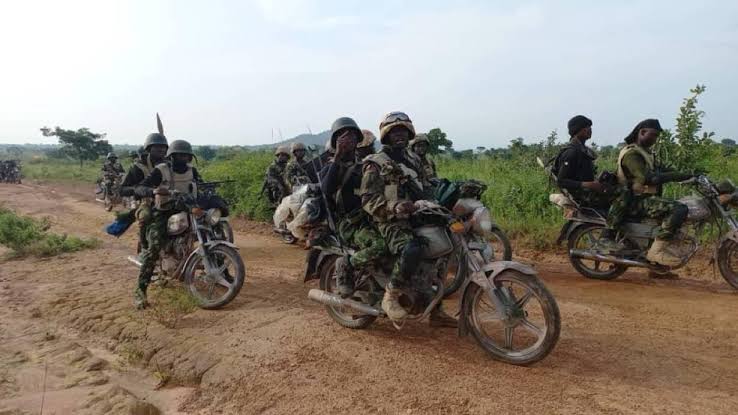
OPEP Troops Raid Militia Hideout in Plateau, Arrest Suspect, Neutralise Another
By Zagazola Makama
Troops of Operation Enduring Peace (OPEP) have arrested a suspected militia member and neutralised another during a raid on Lugere Village in Barkin Ladi Local Government Area of Plateau State.
Security sources said the operation was conducted at about 4:12 a.m. on Oct. 17, 2026, by troops of Sector 4 of OPEP.
During the raid, the troops apprehended one suspected militia member and recovered a motorcycle.
Another suspected militia member was reportedly neutralised after attempting to escape during the operation.
The arrested suspect is undergoing further exploitation to obtain information that could assist security forces in identifying and apprehending other members of the suspected gang.
The operation forms part of ongoing efforts by OPEP to track down armed groups and disrupt their activities across Plateau State.
Security authorities have continued to pursue intelligence-led operations aimed at improving security and protecting communities affected by recurring violence in the state.
OPEP Troops Raid Militia Hideout in Plateau, Arrest Suspect, Neutralise Another
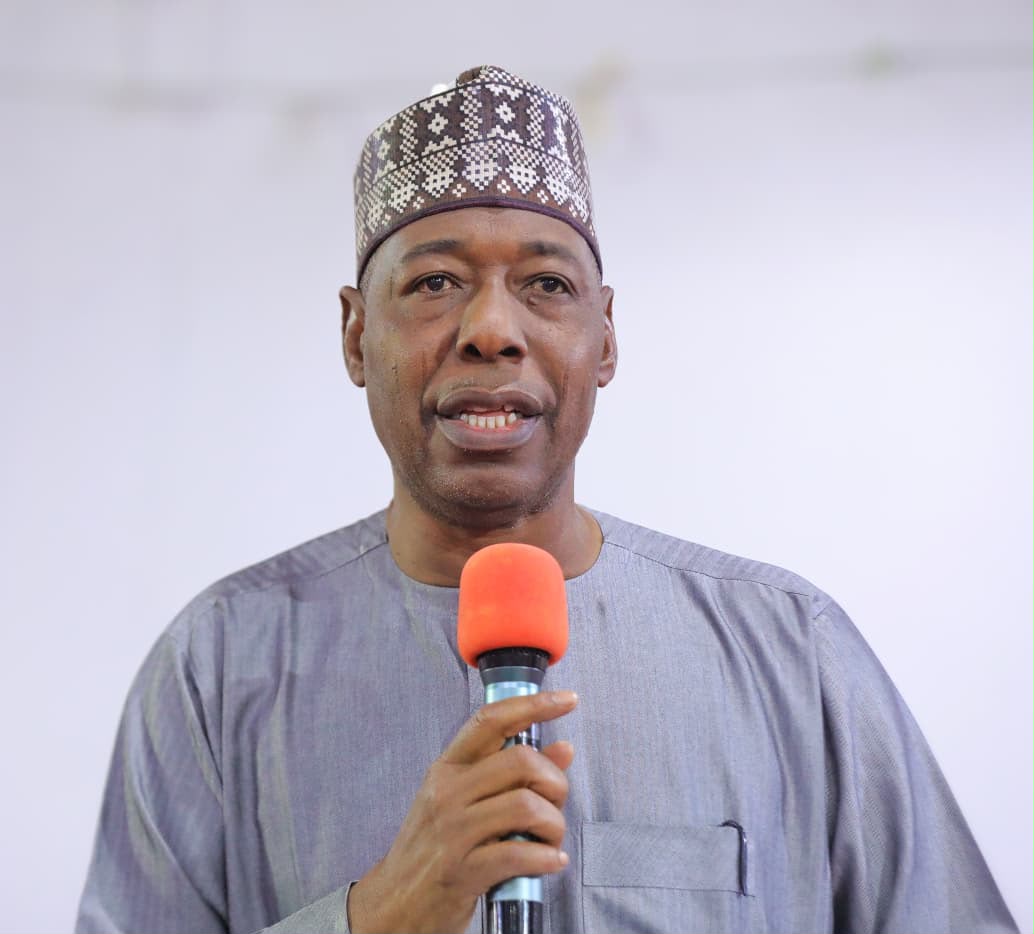
Ajakuta: Borno loses infrastructure worth billions to scavengers, Zulum says
By: Our Reporter
Borno State Governor, Babagana Umara Zulum, has revealed that the state has lost metals, electrical materials and infrastructure worth billions of naira to scavengers, locally known as Ajakuta.
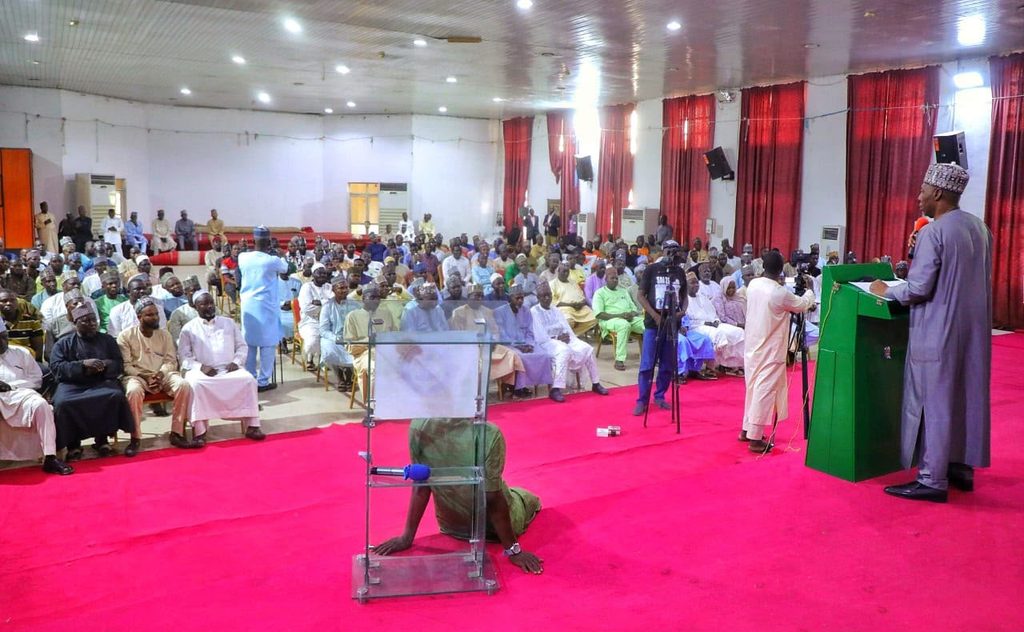
He said this, among other security concerns, led to a ban on the scrap metal trade in Borno State.
The Governor disclosed this on Saturday while addressing operators, urging them to submit proposals on how they can continue their businesses without contributing to insecurity or destroying public infrastructure.
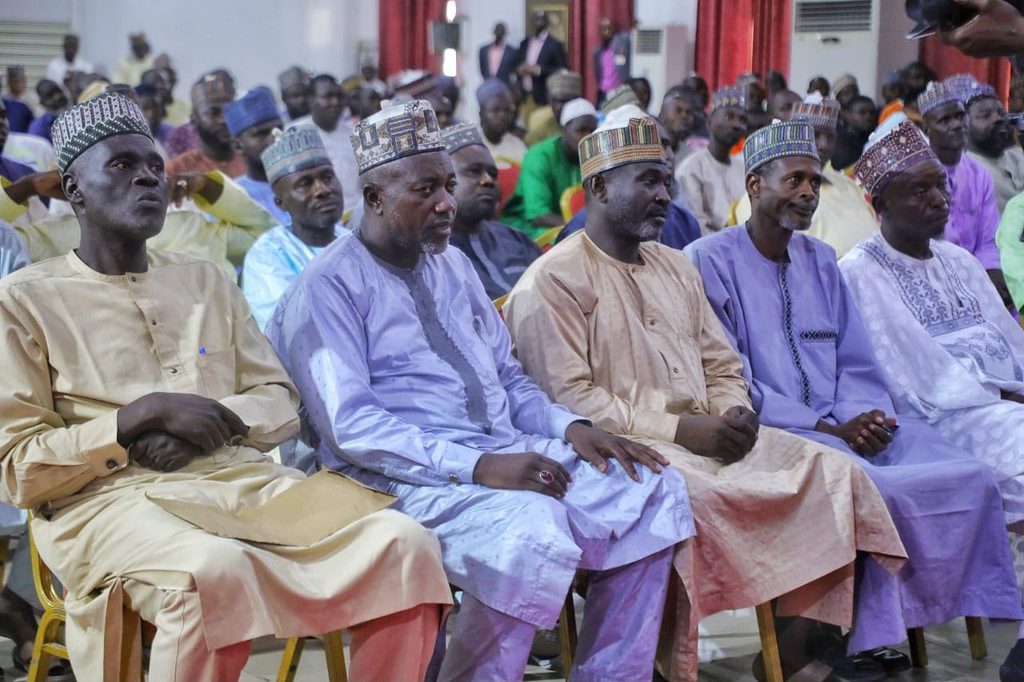
Zulum explained that the ban was imposed in the overall interest of the state and not to deprive operators of their livelihood.
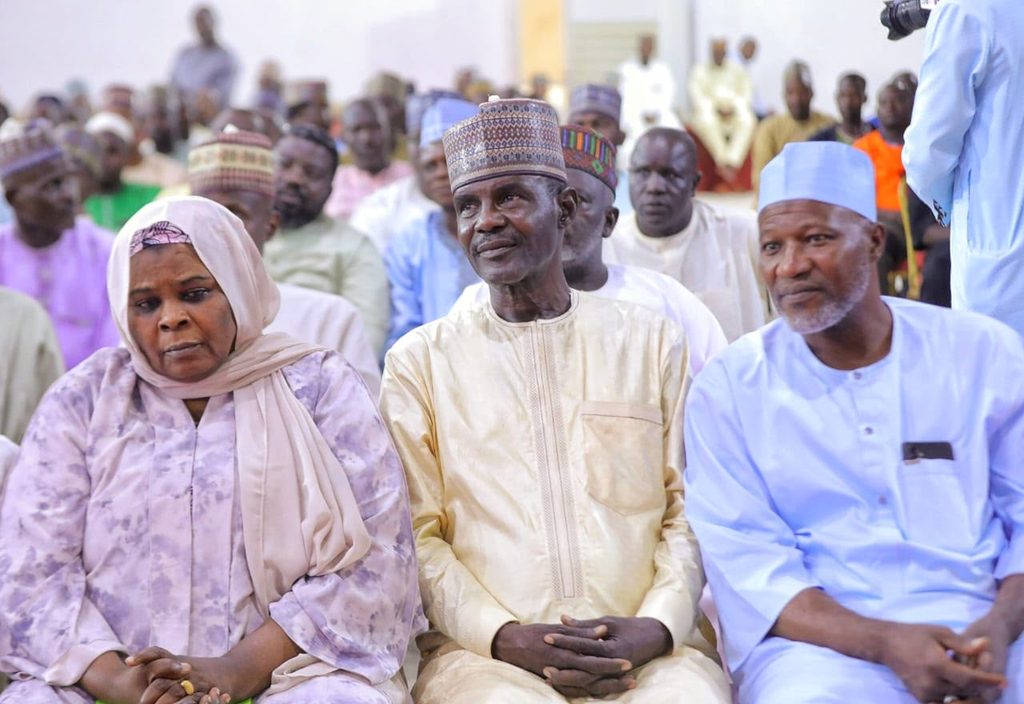
He stressed that the government had no personal interest in stopping their businesses, adding that the measure aimed to protect public assets and strengthen security.
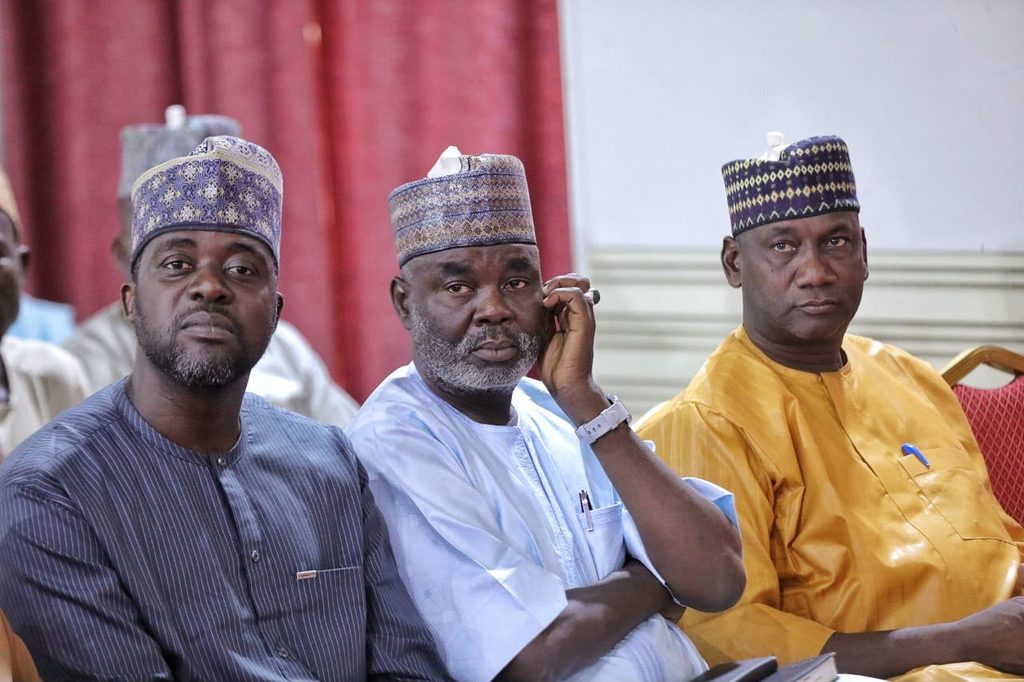
Governor Zulum said, “It is deeply concerning to me if one person loses his livelihood for whatever reason in Borno; believe me, there is nothing I stand to gain from banning scrap metal trade rather than addressing the serious security concerns associated with your activities.”
“We spent more than N3 billion to connect an electricity distribution line from Damaturu to Maiduguri, but unfortunately we lost all the wires to the metal scavenging activities. Before the ban, hundreds of your members were killed in the process of scavenging for metals in the villages that are not yet safe for civilian activities.”
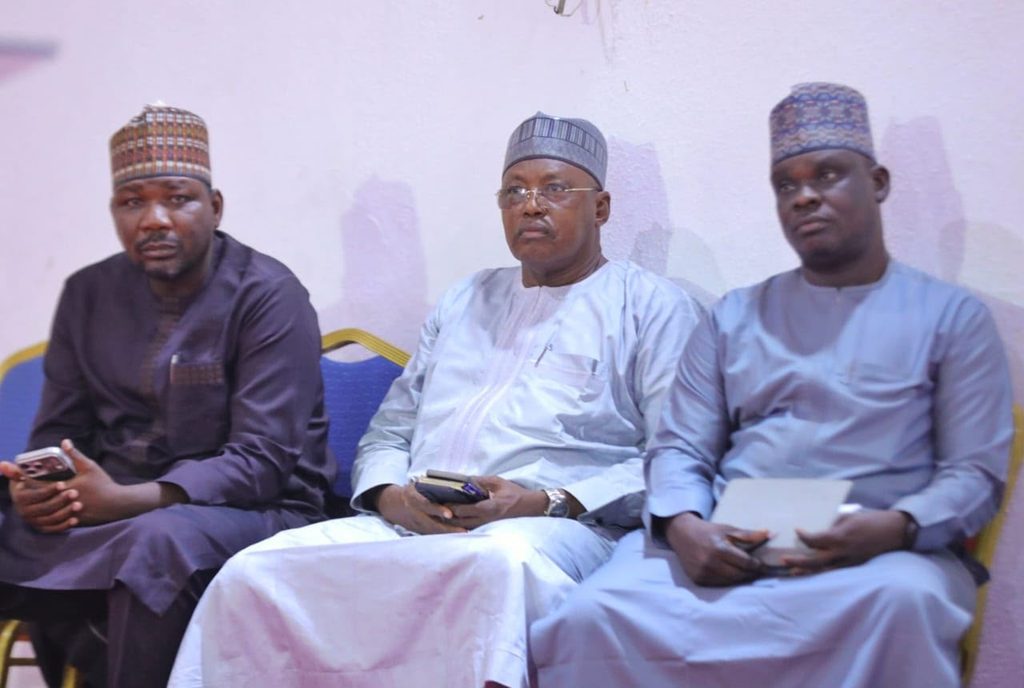
“We have security intelligence that even the insurgents use your platforms to sell looted metals. So, no responsible government will ignore such intelligence just to be politically correct.”
He further granted a waiver allowing the operators to evacuate stock accumulated before the ban at selected locations, a move intended to ease the impact of the restriction on genuine businesses.
Ajakuta: Borno loses infrastructure worth billions to scavengers, Zulum says

Bangladesh High Commissioner Says Lalon Shah’s Philosophy Can Strengthen Nigeria’s Unity

Four Killed as fulani bandits Attack Shurum Community in Plateau

Troops Arrest Suspected Criminal, Recover Dane Gun in Edo

Roger Federer’s Shock as DNA Results Reveal Myla and Charlene Are Not His Biological Children

THE PLIGHT OF FARIDA

FAILED COUP IN BURKINA FASO: HOW TRAORÉ NARROWLY ESCAPED ASSASSINATION PLOT AMID FOREIGN INTERFERENCE CLAIMS
-
 News3 years ago
Roger Federer’s Shock as DNA Results Reveal Myla and Charlene Are Not His Biological Children
-
Opinions5 years ago
THE PLIGHT OF FARIDA
-
 News1 year ago
FAILED COUP IN BURKINA FASO: HOW TRAORÉ NARROWLY ESCAPED ASSASSINATION PLOT AMID FOREIGN INTERFERENCE CLAIMS
-
 Opinions5 years ago
POLICE CHARGE ROOMS, A MINTING PRESS
-

 News3 years ago
EYN: Rev. Billi, Distortion of History, and The Living Tamarind Tree
-

 ACADEMICS3 years ago
A History of Biu” (2015) and The Lingering Bura-Pabir Question (1)
-

 Columns3 years ago
Army University Biu: There is certain interest, but certainly not from Borno.
-

 Politics1 year ago
2027: Why Hon. Midala Balami Must Go, as Youths in Hawul and Asikira/Uba Federal Constituency Reject ₦500,000 as Sallah Gift
