
National News
ICPC tasks traditional, religious leaders to promote behavioural change

ICPC tasks traditional, religious leaders to promote behavioural change
The Independent Corrupt Practices And Other Related Offences Commission (ICPC) on Tuesday in Akure admonished traditional and religious leader as well as civil society groups to promote behavioural change to curb corruption in the country.
Prof. Bolaji Owasanoye, Chairman, ICPC, who was represented by AIG Olugbenga Adeyanju (Rtd.), a member of the commission board, gave the admonition
at a sensitization dialogue with traditional rulers, religious leaders and community-based civil society groups.
The sensitization dialogue was on “Behavioural Change National Ethics and Integrity Policy(NEIP), Constituency & Executive Projects Tracking Initiative (CEPTI)“.
Owasanoye explained that it had become imperative for traditional and religious leaders and other stakeholders to initiate and sustain behavioral change among the people.
According to him, one will be shocked to realise the extent to which corruption has shortchanged all of us, especially ordinary people.
“I believe this realization will underscore why every core value of ethics and integrity policy should be imbibed, practiced and upheld by all.
“You as leaders should deepen your partnership with the ICPC in diminishing corruption and using your good offices in promoting ethics, values and behavioral change and building a better Nigeria for all of us.
“As religious leaders, you, our pastors and Imams, are not only spirituals guides but also moral compasses by which we measure the positive growth or otherwise of the society.
“You have followership, you have influence and command respect. Use these to bring about an enduring positive behavioural change among our people.
“Nigerians are good people, let not the actions and attitude of a few bad eggs among us give us all a bad name,” he said.
The ICPC chairman called on all the stakeholders to organise events in their collective desire to enthrone a Nigeria glowing with integrity, transparency and accountability in all spheres.
Earlier, Mr Kupolati Kayode, Resident Anti-Corruption Commissioner (RACC) in Ondo State, had said that the dialogue was aimed at enthroning behavioral change and socio-economic rebirth in the society.
Kayode, who said that ICPC could not do the work effectively without the cooperation and inputs of all stakeholders, said the sensitisation would help in spreading the anti-corruption message and also improve service delivery to Nigeria and Nigerians.
“The people who perpetrate these acts are not aliens, they are our sons and daughters, followers, legislators, civil servants and contractors.
“The commission, therefore, needs your full support in the onerous fight against corruption in our nation by joining hands with the ICPC in this fight,” he said.
The Deji of Akure Kingdom, Oba Aladetoyinbo Ogunlade, who is also State Chairman, Council of Traditional Rulers, was represented by the Osemawe of Ondo Kingdom, Oba Victor Kiladejo.
He expressed appreciation to the ICPC for the initiative, saying it would go a long way to achieve the desired results.
Ogunlade implored the commission and government to always carry the traditional institution along in order to stem corruption in the society.
“In our respective communities, there is need for us to come together so that traditional institutions will be proactive by working hand-in-hand with the government to fight corruption in the society,” he said.
One of the participants, Alhaji Yusuf Agbesinga, the Imam of Gaga Muslim Community in Akure, also called on the commission to create more awareness to tackle the menace of corruption.
He said both the leaders and the led were corrupt.
“If we want corruption to be reduced in our society, our government needs to engage more youths by employing them while both the parents and guardians should teach their children and wards the way of God,” he said.
Also, Mr Olumuyiwa Olawolu, Are Agbe-Asaga of Ondo State, implored government to include traditionalists among those administering the oath of allegiance for office holders so that they could take the oath through “ogun and others traditional gods.
“If we do this, I am sure corruption will become a thing of the past in the country.
“If we want to fight and curb corruption, we must involve traditionalists while our leaders and office holders take oath of office through ogun, sango and others,” he said.
ICPC tasks traditional, religious leaders to promote behavioural change


Ekiti Poll: NSCDC Deploys 10,000 Personnel
By: Michael Mike
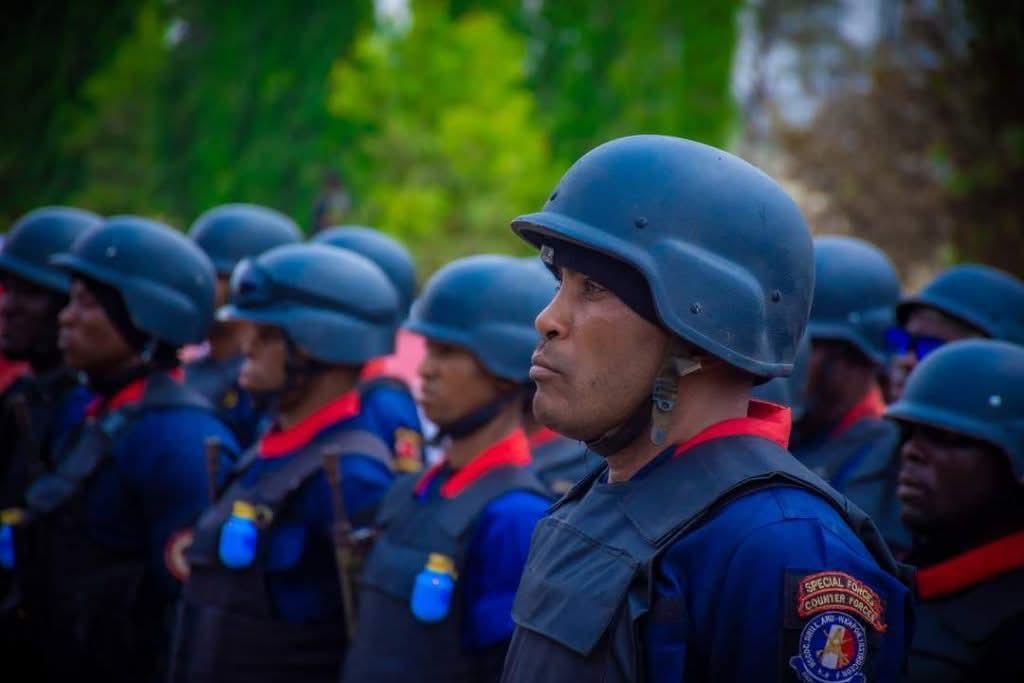
The Nigeria Security and Civil Defence Corps (NSCDC) has deployed 10,000 personnel, including elite tactical squads and K9 units, to Ekiti State ahead of the forthcoming governorship election, in a major security operation aimed at ensuring a peaceful and credible poll.
The deployment, announced on Wednesday by the NSCDC National Headquarters in Abuja, is part of the Corps’ efforts to guarantee a violence-free atmosphere and protect the integrity of the electoral process.
According to the NSCDC, personnel have been mobilised from several neighbouring states, including Ondo, Osun, Oyo, Lagos, Kwara, Edo, Ogun and Kogi, alongside operational reinforcements from Zones 11 and 6.
The Corps said its specialised units, including the Commandant General’s Special Intelligence Squad (SIS), Special Weapons and Tactics (SWAT) unit, Specialized Female Squad, Mining Marshals, Special Force and Crack Squad, as well as the K9 Unit, have been placed on high alert to detect and neutralise any security threats before, during and after the election.
To coordinate the operation, the Commandant General, Ahmed Audi has designated the Deputy Commandant General in charge of Operations, Ayuba Phillips, to personally lead the security exercise on the ground in Ekiti State.
Reaffirming the Corps’ readiness, the Commandant General said the security operation was designed to protect voters, election officials and other stakeholders and to prevent any form of electoral violence.
“Our mission in Ekiti State is definitive: to protect the integrity of the democratic process and guarantee the safety of every voter, election official, and citizen. We will tolerate no form of electoral violence, thuggery, or disruption. Our specialized squads and tactical forces are fully briefed and strategically positioned to maintain absolute law and order,” he said.
The NSCDC also disclosed that it is working closely with other security agencies to provide comprehensive security coverage throughout the election period, stressing that all personnel have been directed to maintain professionalism, neutrality and civility in line with the provisions of the Electoral Act.
The deployment comes amid heightened preparations for the governorship election, with security agencies under pressure to prevent voter intimidation, electoral violence and other disruptions that have occasionally marred elections in parts of the country.
The Corps urged residents of Ekiti State to conduct themselves peacefully, turn out to exercise their civic rights without fear and promptly report suspicious activities to security personnel.
Ekiti Poll: NSCDC Deploys 10,000 Personnel
Nigeria, UN Rally Global Support for Peace as IGP Honours Fallen Peacekeepers
By: Michael Mike
Nigeria has renewed its commitment to global peacekeeping and multilateral cooperation, with the United Nations and the Nigeria Police Force calling for greater investment in peacebuilding as the world confronts rising conflicts, insecurity and humanitarian crises.
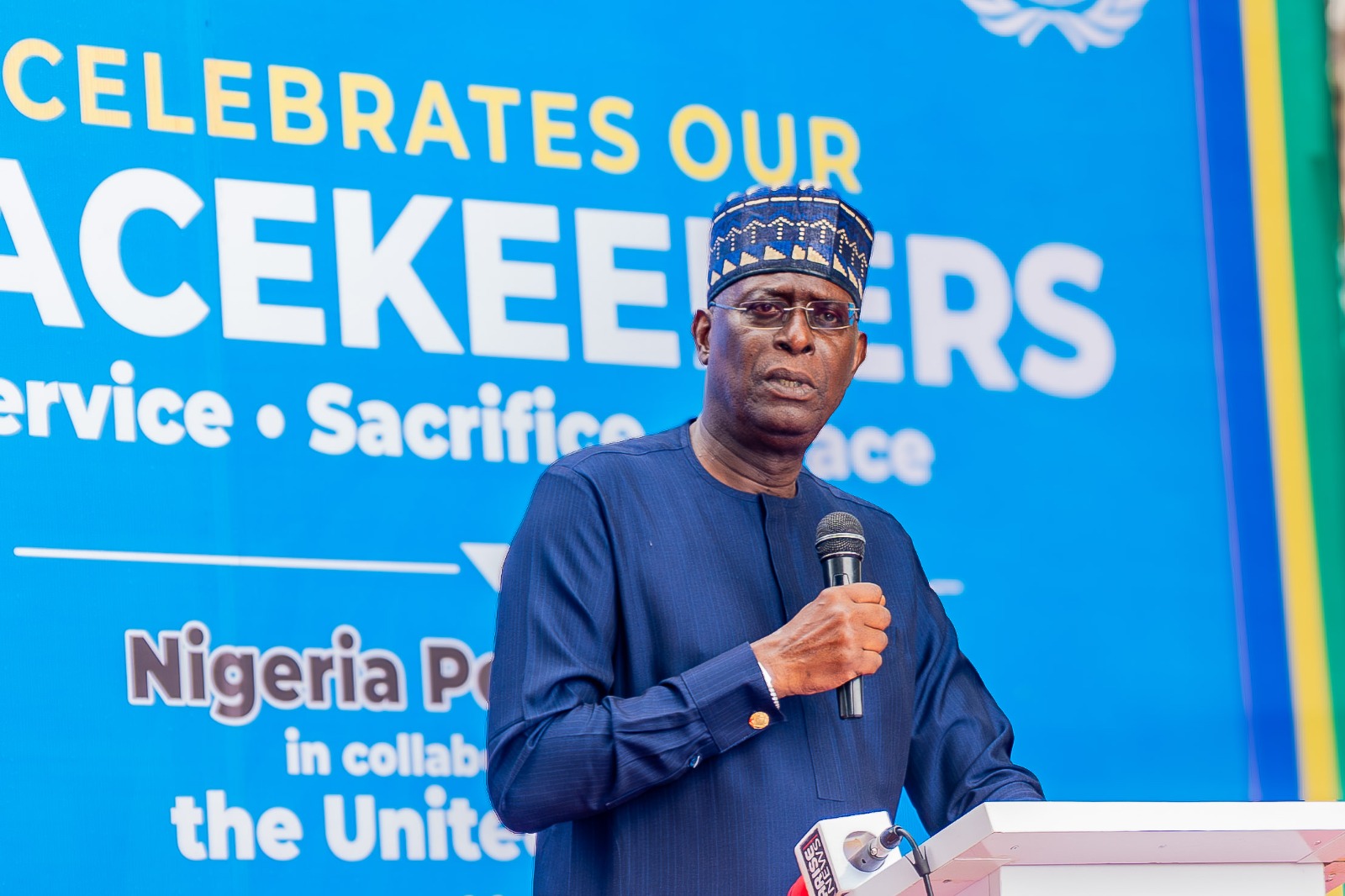
The call was made on Wednesday during the commemoration of the 2026 International Day of United Nations Peacekeepers in Abuja, where the United Nations Resident Coordinator in Nigeria, Mohammed Fall and the Inspector-General of Police (IGP), Olatunji Disu, paid tribute to peacekeepers who have served and died in missions across the world.
Held under the theme “Invest in Peace,” the event brought together government officials, diplomats, security agencies, development partners and serving peacekeepers to celebrate the sacrifices and achievements of men and women deployed under the United Nations flag.
The United Nations described peacekeeping as one of the most enduring symbols of international solidarity, stressing that peace remains the foundation of sustainable development and human progress.
Speaking at the ceremony, the UN Resident Coordinator said peace was built not only through security interventions but also through investments in education, justice, social cohesion, youth empowerment and inclusive development.
“Every investment in peace is an investment in humanity,” the UN official said, citing the position of UN Secretary-General, António Guterres, that peace remains the foundation upon which sustainable development is built.
The UN noted that more than two million people have served in peacekeeping operations since 1948, while over 87,000 military, police and civilian personnel are currently deployed in missions around the world.
The world body also highlighted Nigeria’s impressive peacekeeping record, revealing that the country has contributed more than 200,000 military and police personnel to 41 peace support missions since the 1960s.
According to the UN, Nigeria currently has 335 uniformed personnel serving in United Nations operations, including 138 officers of the Nigeria Police Force.
The Resident Coordinator commended Nigerian peacekeepers for their professionalism and dedication in conflict zones, saying they had helped protect civilians, strengthen democratic institutions and support post-conflict recovery efforts across several countries.
“You carry trust. You carry the hopes of families you protect. You walk into difficult places so others can live in safety. You stand between uncertainty and stability,” the official told Nigerian officers serving under the UN flag.
In his remarks, IGP Disu paid glowing tribute to peacekeepers who have made the ultimate sacrifice in the pursuit of global peace and security.
He disclosed that since the establishment of UN Peacekeeping Operations in 1948, more than 4,500 peacekeepers have lost their lives while protecting vulnerable populations and helping stabilize conflict-affected societies.
“Peace is not free. It is often secured through extraordinary acts of courage, selflessness and dedication,” Disu said.
The police chief emphasized Nigeria’s longstanding contributions to international peace operations through the deployment of police officers to various United Nations missions across Africa and beyond.
According to him, Nigerian police personnel have distinguished themselves in areas such as civilian protection, electoral assistance, post-conflict reconstruction, institution building and community policing.
He said the professionalism displayed by Nigerian officers has earned the country international recognition and strengthened its standing as a responsible contributor to global peace and security.
Disu used the occasion to advocate increased investment in peacebuilding initiatives, arguing that preventing conflicts is more cost-effective and sustainable than responding to crises after violence has erupted.
“Investing in peace means strengthening institutions, promoting justice, protecting human rights and addressing the root causes of instability before they escalate into conflict,” he said.
The IGP also stressed the need for continuous training and capacity development for peacekeepers, noting that modern peace operations require personnel equipped with operational competence, mediation skills, cultural sensitivity and community engagement capabilities.
He further underscored the importance of increasing women’s participation in peacekeeping missions, saying inclusive peace processes produce more sustainable outcomes and strengthen the legitimacy of peace operations.
Disu paid special tribute to the families of peacekeepers, describing them as unsung heroes whose sacrifices and emotional support make international service possible.
The event also coincided with Nigeria’s renewed commitment to the principles and objectives of the United Nations Charter ahead of the 81st session of the United Nations General Assembly.
Nigerian officials reiterated the country’s support for international cooperation, global peace efforts and ongoing reforms aimed at strengthening the effectiveness of the United Nations in addressing emerging global challenges.
The United Nations, meanwhile, commended the administration of President Bola Tinubu for efforts to promote peace, security and national stability, noting that peacekeeping abroad and peacebuilding at home are inseparable elements of sustainable development.
The organisation reaffirmed its commitment to supporting Nigeria through partnerships with government institutions, civil society groups, traditional leaders, women, youth and development partners to advance dialogue, human rights, humanitarian assistance and social cohesion.
Speakers at the ceremony agreed that peace should not merely be defined as the absence of war but as the presence of justice, opportunity and human dignity.
They stressed that investments in schools, healthcare, community development, youth empowerment and accountable institutions remain essential for preventing violence and building resilient societies.
As global conflicts, terrorism, displacement and political instability continue to challenge international peace and security, participants called for stronger cooperation among nations and renewed commitment to the ideals of the United Nations.
They maintained that the greatest legacy the current generation can leave behind is a peaceful world where future generations can live in safety, dignity and hope.
Nigeria, UN Rally Global Support for Peace as IGP Honours Fallen Peacekeepers
National News
Tegbe Woos Investors to Power 35,000 Health Facilities, Says Healthcare Electrification Biggest Energy Opportunity in Africa
Tegbe Woos Investors to Power 35,000 Health Facilities, Says Healthcare Electrification Biggest Energy Opportunity in Africa
By: Michael Mike
The Federal Government has intensified efforts to attract local and international capital into Nigeria’s healthcare sector, with Minister of Power, Joseph Tegbe declaring the electrification of over 35,000 health facilities nationwide as one of Africa’s most attractive investment opportunities.
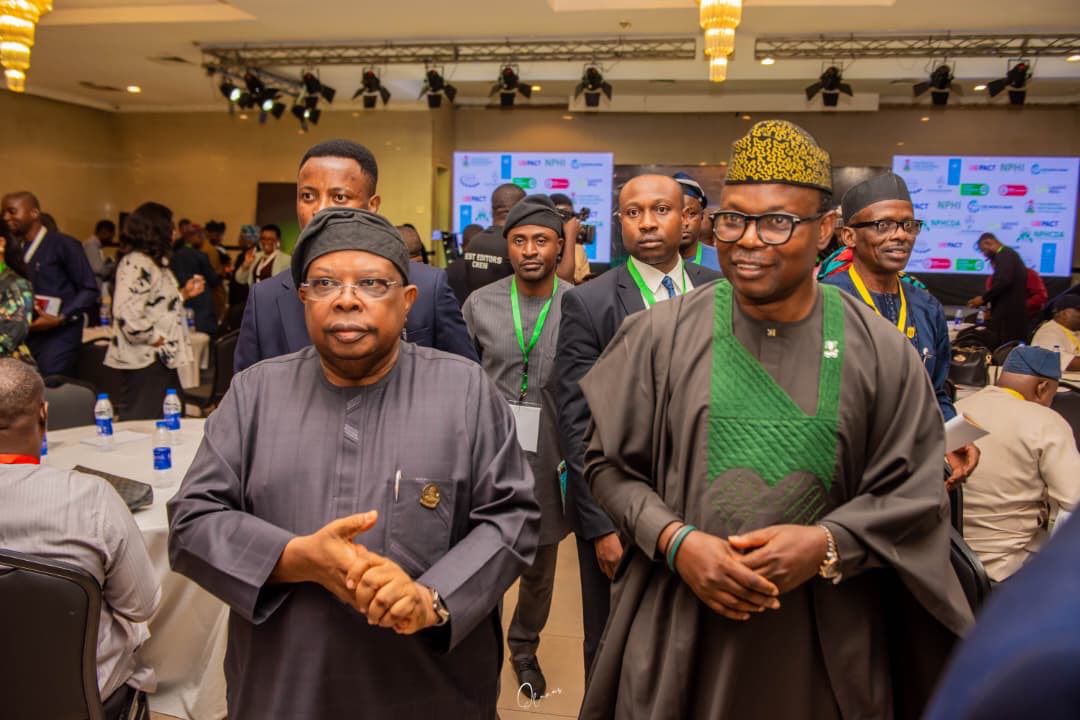
Speaking at the National Healthcare Electrification Investor Matchmaking Forum held in Lagos under the Nigeria Power for Health Initiative (NPHI), Tegbe urged investors to embrace innovative and sustainable financing models capable of ending the chronic energy deficits that continue to undermine healthcare delivery across the country.
The forum, organised by the Federal Ministry of Health and Social Welfare in partnership with UK PACT, brought together government officials, development partners, hospital administrators and private sector leaders to explore pathways for mobilising private capital into healthcare electrification.
Tegbe said reliable electricity had become indispensable to modern healthcare delivery, stressing that access to power was no longer merely an infrastructure issue but a critical determinant of patient outcomes, emergency response capabilities and the overall effectiveness of health institutions.
Describing himself as an early stakeholder in the initiative before assuming office as Minister of Power, he reaffirmed his commitment to driving its implementation, noting that the programme aligns with the power sector reform agenda of President Bola Ahmed Tinubu and the administration’s Renewed Hope Agenda.
According to the minister, the country’s more than 35,000 registered primary, secondary and tertiary healthcare facilities represent a vast pipeline of commercially viable projects capable of attracting investment into solar mini-grids, hybrid energy systems, battery storage technologies, smart metering, energy management platforms and climate-resilient infrastructure.
“The opportunity before investors is significant and scalable,” Tegbe said, adding that healthcare electrification offers long-term prospects for sustainable returns while addressing a critical social need.
He assured prospective investors that the Federal Government would provide the policy support, regulatory certainty and inter-ministerial coordination required to de-risk investments and ensure successful project delivery.
Tegbe disclosed that the Ministry of Power is already implementing similar interventions through the World Bank-supported Nigeria Electrification Project, under which solar mini-grids and hybrid energy solutions have been deployed in healthcare facilities across the country.
He also pointed to the provisions of the Electricity Act as a robust regulatory framework that supports power purchase agreements, mini-grid licensing and increased participation by state governments in electricity projects.
The minister maintained that the ultimate goal of the initiative is to strengthen healthcare infrastructure and position Nigeria as a preferred destination for quality healthcare services in Africa.
Also speaking at the forum, Minister of State for Health and Social Welfare, Iziaq Adekunle Salako, described the NPHI as a strategic departure from traditional donor-dependent interventions towards a commercially sustainable Energy-as-a-Service model.
Under the framework, he explained, specialised energy providers would finance, install and maintain power systems for healthcare facilities, thereby eliminating one of the most persistent obstacles to effective healthcare delivery.
Salako noted that unreliable power supply continues to threaten the operation of theatres, diagnostic equipment, vaccine cold-chain systems and emergency services across many health institutions.
He said the initiative is built on blended financing mechanisms, institutional preparedness and national scalability, with the first phase targeting federal tertiary hospitals before expanding to primary and secondary healthcare facilities nationwide.
According to him, a new governance structure has already been established to drive implementation, strengthen investor confidence and unlock private-sector participation in the healthcare energy market.
The renewed push by government signals a major attempt to leverage private investment to solve one of the healthcare sector’s most enduring challenges, while simultaneously opening a potentially multi-billion-dollar market for clean energy developers and infrastructure financiers.
Tegbe Woos Investors to Power 35,000 Health Facilities, Says Healthcare Electrification Biggest Energy Opportunity in Africa

Ekiti Poll: NSCDC Deploys 10,000 Personnel

Nigeria, UN Rally Global Support for Peace as IGP Honours Fallen Peacekeepers

Troops, TANTITA Operatives Recover 24,000 Litres of Illegally Refined AGO in Rivers Creek

Roger Federer’s Shock as DNA Results Reveal Myla and Charlene Are Not His Biological Children

THE PLIGHT OF FARIDA

FAILED COUP IN BURKINA FASO: HOW TRAORÉ NARROWLY ESCAPED ASSASSINATION PLOT AMID FOREIGN INTERFERENCE CLAIMS
-
 News2 years ago
Roger Federer’s Shock as DNA Results Reveal Myla and Charlene Are Not His Biological Children
-
Opinions4 years ago
THE PLIGHT OF FARIDA
-
 News1 year ago
FAILED COUP IN BURKINA FASO: HOW TRAORÉ NARROWLY ESCAPED ASSASSINATION PLOT AMID FOREIGN INTERFERENCE CLAIMS
-

 News2 years ago
EYN: Rev. Billi, Distortion of History, and The Living Tamarind Tree
-
 Opinions5 years ago
POLICE CHARGE ROOMS, A MINTING PRESS
-

 ACADEMICS2 years ago
A History of Biu” (2015) and The Lingering Bura-Pabir Question (1)
-

 Columns2 years ago
Army University Biu: There is certain interest, but certainly not from Borno.
-

 Politics1 year ago
2027: Why Hon. Midala Balami Must Go, as Youths in Hawul and Asikira/Uba Federal Constituency Reject ₦500,000 as Sallah Gift
