
News
Zulum appoints Barkindo DG, SEMA; Harun Executive Secretary, Sangaya Board

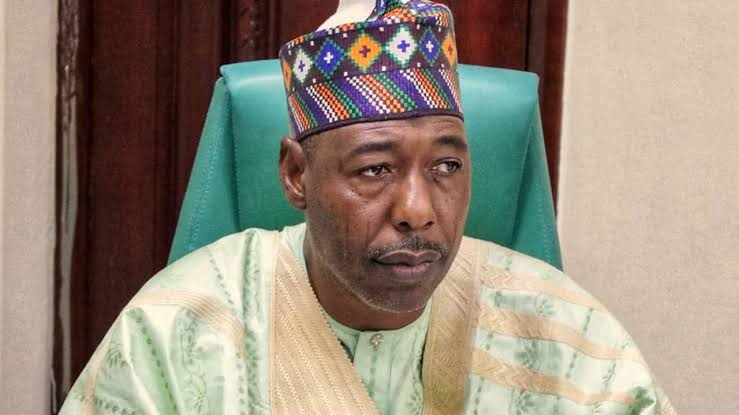
Zulum appoints Barkindo DG, SEMA; Harun Executive Secretary, Sangaya Board
By Michael Mike
Borno State Governor, Babagana Umara Zulum has approved the appointment of Barkindo Muhammad Saidu as Director General of the State Emergency Management Agency, SEMA.
The Governor also appointed Abdulkadir Abdulkarim Harun as Executive Secretary, Borno State Arabic and Sangaya Education Board (BOSASEB).
Zulum’s special adviser on media and strategy, Malam Isa Gusau announced both appointments on Friday morning in a statement.
Barkindo, 54 years of age, hails from Gwoza local government area while Harun, 59 years old, hails from Ngala local government area.
Note on Barkindo Muhammad Saidu:
Until his appointment, Barkindo was Executive Secretary/Programme Manager of Borno State agency for the Control of HIV/AIDS & Malaria from 2016. Growing through the ranks, he had served as director, admin and human resources in 2015, deputy director, admin and supplies in 2011, assistant director, admin and supplies in 2007 and chief admin officer in 2004.
An “administrator, ITC specialist, Project Manager, public health practitioner and strategist”, Barkindo holds PhD in Strategic Management from the International Business Management Institute in Berlin – Germany obtained in 2019, M. Sc. in Information Technology (IT) Project Management from the Royal Academy of Economics and Technology in Switzerland (2013), another M. Sc in Ecology & Environmental Studies from the Nigerian Defence Academy, Kaduna – Nigeria (2012) and yet another M. Sc in Medicinal & Poisonous Plants also from Nigerian Defence Academy, Kaduna – Nigeria (which is in View).
Before these degrees, Barkindo obtained Postgraduate Diploma in Nigeria Strategic Studies from the University of Maiduguri (2000) and
B. Sc. in Biology/Education from the University of Maiduguri – Nigeria (1991).
Barkindo graduated from Government Science Secondary School, Monguno, Borno State in 1984 after attending Gadamayo Primary School in Gwoza back in 1979.
He also holds advanced diploma in Database Management from M. B. H. Computer Academy in Maiduguri, (2005), and diploma in computer studies from from Umar Ibn Ibrahim El-Kanemi College Of Education, Science and Technology, Bama (2004).
Barkindo Muhammad Saidu has attended 13 training programmes on variety of health related and other community development programmes from John Hopkins Bloom-berg School of Public Health all in 2017, and three programmes from the West African Biotechnology Training Programme at the University of Baltimore in Maryland, USA (2018).
He has also attended series of other skills development programmes organized by prominent national and international bodies involved with public health issues.
Barkindo has served at different committees of Borno State Government on issues relating to
public healthcare, community-based social protection and welfare, public projects and services’ monitoring and reporting, poverty alleviation and youths empowerment amongst others.
The statement noted that Governor Zulum’s choice of Barkindo was based on his excellent credentials and record of public service.
Professor Zulum congratulated Barkindo on his mew appointment and looks forward to his continued service with excellence to the people of Borno State and humanity.
Note on Abdulkadir Abdulkarim Harun:
Until his appointment, Harun was the director for Arabic and Islamic Studies at Borno State Arabic and Sangaya Education Board (BOSASEB).
Currently undergoing his PhD at the University of Maiduguri, Abdulkadir Abdulkarim Harun holds Masters Degree (M.A) in Arabic from Bayero University, Kano. He also holds a Post Graduate Diploma Education (PGDE) in Education from El-Kanemi College of Islamic Theology, Maiduguri; Bachelors Degree (B.A) in Arabic from the University of Maiduguri and a Diploma in Arabic, Hausa and Islamic Studies from Borno State College of Legal and Islamic Studies, Maiduguri.
Harun earlier obtained his Senior Secondary School Certificate (SSCE) from El-Kanemi College of Islamic Theology, Maiduguri after his First School Leaving Certificate from Annahda Institute for Islamic Studies.
Harun grew through the academic ranks from an instructor in 1986 to senior instructor in 1991, Lecturer (1) in 1995, Senior Lecturer in 2011, Principal Lecturer in 2016, Chief Lecturer in 2019 and principal, School for Higher Islamic Studies, Maiduguri from 2019 to 2020.
A member of the Teachers Registration Council of Nigeria, Harun was Secretary of Nigeria Association of Teachers of Arabic and Islamic Studies (NATAIS), Borno State Chapter, and National Commandant of Annahda First Aid Group of Nigeria.
Gusau conveyed Governor Zulum’s message of congratulations to Harun, noting that the state government looks forward to his continued service with excellence.
Zulum appoints Barkindo DG, SEMA; Harun Executive Secretary, Sangaya Board



June 12: Credible Elections Are a Fundamental Human Right, Not a Privilege – NHRC
By: Michael Mike
As Nigeria marks Democracy Day, the Executive Secretary of the National Human Rights Commission, Chief Tony Ojukwu (OFR, SAN), has declared that credible elections are a fundamental human right that must be guaranteed to every citizen, rather than a privilege granted by those in power.
In a statement commemorating the significance of June 12, Ojukwu said the annulled 1993 presidential election remains the strongest evidence that Nigeria is capable of conducting free, fair, and transparent elections when democratic institutions respect the will of the people.
According to him, the electoral framework introduced by Humphrey Nwosu, particularly the Option A4 and Modified Open Ballot systems, demonstrated that electoral credibility is achievable when election management bodies operate with integrity, transparency, and strict adherence to the law.
The NHRC boss emphasized that the right of citizens to participate in governance through genuine elections is guaranteed under Nigeria’s Constitution and regional human rights instruments, stressing that electoral misconduct amounts to a direct assault on fundamental freedoms.
He noted that practices such as voter suppression, vote buying, electoral violence, and manipulation of election results should not be viewed merely as administrative shortcomings but as serious violations of civil and political rights.
Ojukwu expressed concern that more than three decades after the June 12 election, many of the challenges that undermine electoral credibility continue to persist, weakening public confidence in democratic institutions and diminishing citizens’ faith in the electoral process.
“Whenever elections lose their integrity, the rights to freedom of expression, association, participation, and peaceful assembly are also placed at risk,” he said.
The human rights advocate called on the Independent National Electoral Commission (INEC), political parties, security agencies, the judiciary, civil society organizations, and the media to remain committed to neutrality, transparency, and accountability in the conduct of elections.
He assured Nigerians that the Commission would intensify its monitoring of electoral processes across the country, document violations, and pursue appropriate remedies for victims in line with its statutory mandate.
Ojukwu also urged the National Assembly to strengthen legal safeguards that protect the independence of electoral institutions and improve citizens’ access to electoral justice.
He maintained that institutionalizing electoral integrity remains critical to deepening democracy and safeguarding the right of every Nigerian to freely choose their leaders, adding that the NHRC is prepared to collaborate with government and other stakeholders to ensure that credible elections become a permanent feature of the nation’s democratic culture.
The statement, signed by Director of Corporate Affairs and External Linkages, Fatimah Agwai Mohammed, underscored the Commission’s commitment to advancing democratic governance through the protection and promotion of electoral rights.
June 12: Credible Elections Are a Fundamental Human Right, Not a Privilege – NHRC
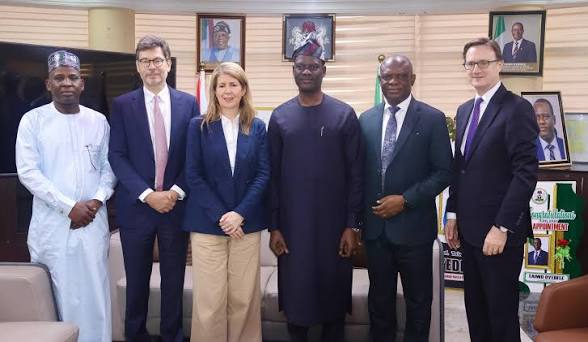
ActionAid Says June 12 Democratic Promise Remains Unfulfilled Amid Poverty, Rights Violations
By: Michael Mike
As Nigerians mark Democracy Day, ActionAid Nigeria has raised concerns over what it describes as the country’s failure to fully realize the democratic ideals symbolized by June 12, warning that shrinking civic space, rising poverty, insecurity and weak governance threaten the nation’s democratic future.
In a statement issued to mark the June 12 celebration, the Country Director of ActionAid Nigeria, Andrew Mamedu, said the decision by former President Muhammadu Buhari in 2018 to recognize June 12 as Democracy Day was a significant step toward correcting the injustice surrounding the annulment of the 1993 presidential election won by Moshood Kashimawo Olawale Abiola.
According to the organisation, the declaration was more than a symbolic gesture; it represented a commitment to uphold the will of the Nigerian people and strengthen democratic governance. However, ActionAid argued that eight years later, many of the aspirations associated with that promise remain unrealized.
The organisation expressed concern over what it called a growing crackdown on civic freedoms, citing reports of arrests, prosecutions and intimidation of journalists, activists and citizens critical of government actions.
It referenced data from the National Human Rights Commission indicating that hundreds of thousands of human rights complaints were recorded in April 2026, including allegations of extrajudicial killings, abuse of authority and restrictions on freedom of expression and peaceful assembly.
ActionAid also criticized the application of the Cybercrimes Act against journalists and activists, pointing to cases involving media practitioners and civil society actors who were reportedly arrested or prosecuted after exposing governance failures or questioning official claims.
The group further warned that Nigeria’s electoral system faces significant challenges ahead of the 2027 general elections. It argued that the Electoral Act 2026 was enacted without sufficient stakeholder consultation and called for urgent amendments to strengthen public confidence in the electoral process.
According to the organisation, preserving electoral credibility is essential to avoiding a repeat of the political crisis that followed the annulment of the June 12, 1993 election.
Beyond electoral concerns, ActionAid raised alarm over worsening socio-economic conditions, noting that millions of Nigerians continue to struggle with poverty despite decades of democratic rule.
The organisation cited statistics showing that more than 130 million Nigerians live in multidimensional poverty, while insecurity, including banditry, kidnapping and armed conflict, continues to disrupt livelihoods across many communities.
It argued that poverty and insecurity are interconnected challenges stemming from governance failures, weak institutions and limited accountability.
ActionAid also criticized what it described as weak fiscal transparency, alleging that the concurrent implementation of multiple federal budgets has undermined effective oversight and accountability in public spending.
The organisation maintained that these governance shortcomings have contributed to Nigeria’s poor performance in global assessments of government effectiveness.
To address the challenges, ActionAid called on the Federal Government and the National Assembly to undertake comprehensive reforms, including amendments to the Electoral Act, protection of civic freedoms, improved security measures, strengthened social protection programmes and greater transparency in public finance management.
Mamedu stressed that Democracy Day should serve as more than a ceremonial event, urging leaders to take concrete actions that reflect the aspirations of Nigerians for accountable governance, justice and inclusive development.
He said that while recognizing June 12 was an important milestone, the true measure of that decision lies in the government’s commitment to protecting democratic institutions, expanding civic freedoms and improving the welfare of citizens.
ActionAid pledged to continue working with communities and civil society organizations across the country to promote accountability and ensure that the democratic ideals associated with June 12 are translated into tangible benefits for Nigerians.
ActionAid Says June 12 Democratic Promise Remains Unfulfilled Amid Poverty, Rights Violations
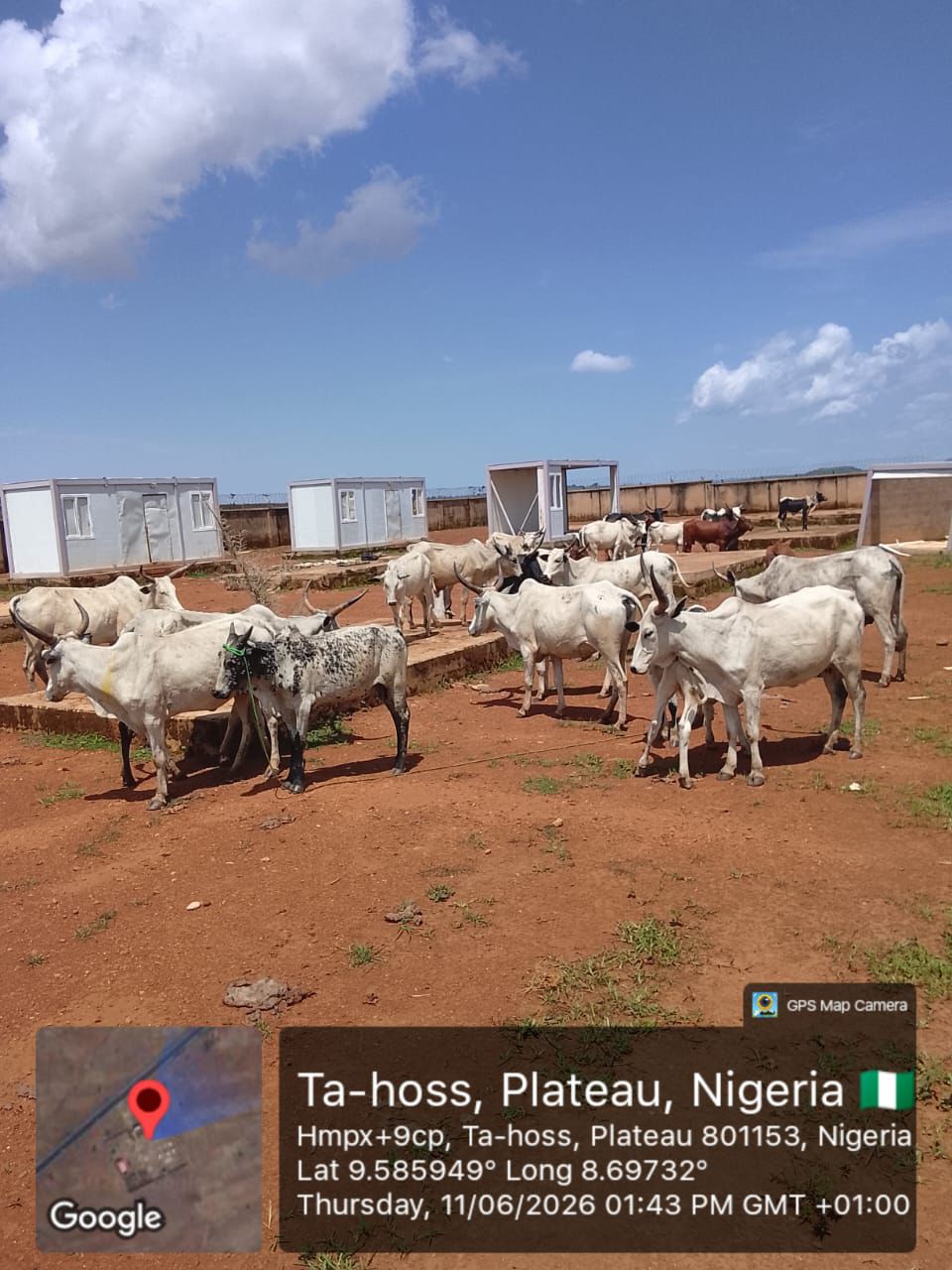
Troops Recover 61 Cattle During Anti-Kidnapping Raid in Plateau
By: Zagazola Makama
Troops of Operation Enduring Peace have recovered 61 cattle during a clearance operation in Riyom Local Government Area of Plateau State.
Security sources disclosed that the operation was conducted on Thursday as part of ongoing efforts to track down suspected kidnappers who fled following sustained military pressure in the area.
The sources said troops of Sector 6 Operation Safe Haven carried out coordinated raids on suspected hideouts and high-ground locations around Sopp, Hawan Kibo and Rafin Sanyi communities in Riyom LGA.
According to the sources, the operation involved cordon-and-search activities targeting suspected kidnappers’ camps, dens and livestock enclosures believed to be linked to criminal networks operating in the area.
During the operation, troops recovered 61 cattle suspected to belong to the fleeing criminals.
“All identified camps, hideouts and cattle enclosures within the general area were searched during the operation. A total of 61 cattle suspected to belong to the criminals were recovered,” a security source said.
The source, however, noted that no arrests were made as the suspects had fled before the troops arrived.
The recovered cattle have been taken into military custody pending further investigation and necessary action by relevant authorities.
The operation forms part of ongoing efforts by security agencies to dismantle kidnapping networks and other criminal groups operating in parts of Plateau State.
Troops Recover 61 Cattle During Anti-Kidnapping Raid in Plateau

June 12: Credible Elections Are a Fundamental Human Right, Not a Privilege – NHRC

ActionAid Says June 12 Democratic Promise Remains Unfulfilled Amid Poverty, Rights Violations

Troops Recover 61 Cattle During Anti-Kidnapping Raid in Plateau

Roger Federer’s Shock as DNA Results Reveal Myla and Charlene Are Not His Biological Children

THE PLIGHT OF FARIDA

FAILED COUP IN BURKINA FASO: HOW TRAORÉ NARROWLY ESCAPED ASSASSINATION PLOT AMID FOREIGN INTERFERENCE CLAIMS
-
 News2 years ago
Roger Federer’s Shock as DNA Results Reveal Myla and Charlene Are Not His Biological Children
-
Opinions4 years ago
THE PLIGHT OF FARIDA
-
 News1 year ago
FAILED COUP IN BURKINA FASO: HOW TRAORÉ NARROWLY ESCAPED ASSASSINATION PLOT AMID FOREIGN INTERFERENCE CLAIMS
-

 News2 years ago
EYN: Rev. Billi, Distortion of History, and The Living Tamarind Tree
-
 Opinions4 years ago
POLICE CHARGE ROOMS, A MINTING PRESS
-

 ACADEMICS2 years ago
A History of Biu” (2015) and The Lingering Bura-Pabir Question (1)
-

 Columns2 years ago
Army University Biu: There is certain interest, but certainly not from Borno.
-

 Politics1 year ago
2027: Why Hon. Midala Balami Must Go, as Youths in Hawul and Asikira/Uba Federal Constituency Reject ₦500,000 as Sallah Gift
