
News
Bayelsa guber poll: Panic hits Sylva’s camp as loyalists leave in droves

Bayelsa guber poll: Panic hits Sylva’s camp as loyalists leave in droves
By: Michael Mike
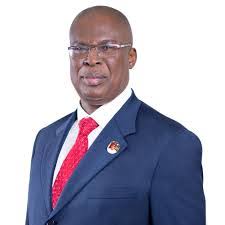
As the Bayelsa State governorship election, scheduled for November 11, 2023 gets closer, panic has hit the camp of the candidate of the All Progressives Congress, APC, Chief Timipre Sylva, as his support base is being eroded daily with supporters ditching him for the camp of the incumbent governor, Senator Douye Diri of the Peoples Democratic Party, PDP.
The scenario has also been compounded by the reluctance of the national leadership of the party to support his campaign financially.
Only recently, the closest political ally of Sylva, who is also an immediate past member of the House of Representatives, Hon. Israel Sunny Goli, dumped him for the PDP over what was described as irreconcilable differences.
Also, few days ago, the platform of former legislators from 1999 till date declared their support for Governor Diri with the motion of vote of confidence on Diri moved by a former Sylva’s ally, Hon. Robert Enogha, and seconded by Rt. Hon. Werinipre Seibarugu, former Acting Governor and also a deputy governor to Sylva.
The development is becoming a source of worry to his supporters and party leaders in the state.
A close associate of Sylva, who spoke to our reporter in confidence, while taking stock of the political climate in the state ahead of the election, said: “if care is not taken, the way Sylva is going about it, Sylva and his supporters may be plunged into political oblivion and ultimately be retired from the Bayelsa political space, because the events of the past are hunting him and his followers.”
The source recalled how Sylva led a team of his supporters to meet the National Chairman of the APC, Alhaji Abdullahi Ganduje, to raise N11 billion to support his campaign.
“The team met a brick wall as the Chairman was not enthusiastic about the idea. Rather than buying into the idea as the usual practice during a serious election season like the governorship election, he mockingly threw the task back to Sylva by giving him the task to first list the number of persons he had empowered in his state.
“Sylva and his team were given one hour to do that, while Ganduje waited to no avail and they left the national chairman’s residence with forlorn faces and utter disappointment.”
Another source further expressed disappointment that APC supporters back in Bayelsa State are frightened by daily depletion of supporters, defecting in droves to the ruling PDP with confidence in the Diri administration soaring higher.
The indicators, according to the sources, are gloomy for the APC, so long as free and fair election is conducted in the state.
However, recall that in the past couple of weeks, the media has been agog with reports about the desperation of the APC governorship candidate to win at all cost.
Accusing fingers pointed at his direction over plans to use BVAS machines without appropriate codes, the allegation of co-opting fake policemen and INEC officials to do his bidding.
Also, he tried unsuccessfully to drag the Presidency into his campaign, trying to enlist the support of the Chief of Staff to the President, Rt. Hon. Femi Gbajabiamila.
His effort was also futile.
Very significant to note is the fact that Sylva is hell bent on returning the state to its dark days during his five years reign of terror. Remember, the bombing of political opponent rallies, the unexplained death of the younger brother of his late ADC whom we gathered was ready to cooperate with the police.
A prominent community leader from Southern Ijaw Local Government Area bursted in anger while condemning his choice of a deputy from a local government that produced the first graduate in the person of late Chief N A Frank Opigo. He said: “Southern Ijaw people are appalled at the APC’s choice of a deputy governorship candidate whose credentials are well known to be questionable. What an insult to our collective sensibilities?
“His deputy governorship candidate we recall was boastful of his jail break while serving a ten year jail term for multiple felonies in Kaduna prison. Whither are we bound? Haba, has Bayelsa State become the state of jokers?”
The question on the lips of vast majority of Bayelsans is: Is there any interest the former Minister of State for Petroleum has other than coming to sell the state just as he was accused of revoking the state most priced asset , the Atala Oil Field OML 46 which is the common patrimony of the land of his birth . OML 46 recall is the marginal oil field allocated to Bayelsa State during the resource control agitations.
Rather than protect it for his state Sylva revoked it and reallocated it to a company that was only incorporated in September 2019 with no single asset or experience using fake receipts and unverifiable investment claims. These are some of the baggage the APC has to contend with in the days ahead of the election.
Bayelsa guber poll: Panic hits Sylva’s camp as loyalists leave in droves


Military
Mutiny: Presidential Guard Tightens Security Around Niger Presidency Amid Reports of Military Protest
Mutiny: Presidential Guard Tightens Security Around Niger Presidency Amid Reports of Military Protest
By Zagazola Makama
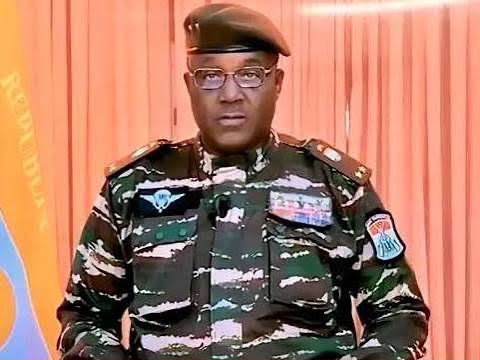
Security was significantly reinforced around Niger’s Presidential Palace in Niamey following reports of unrest involving elements of the country’s armed forces, security sources told Zagazola Makama.
According to multiple security sources, the heightened deployment of the Presidential Guard, supported by armoured vehicles around the Presidential Palace on the night of July 3 and into July 4, followed what was described as a limited protest by personnel of an armoured unit within the Niger Armed Forces (FAN).
The sources said some soldiers reportedly declined deployment to frontline positions in northern Tillabéri Region, particularly around Inatès and Chinagodrar, citing inadequate heavy equipment and insufficient operational resources to confront the growing security threats in the area.
The protest was described by one source as a “small mutiny,” although there has been no official confirmation from the Nigerien authorities.
Security sources said the development triggered concern within the country’s leadership, prompting the reinforcement of security around the Presidential Palace and temporary restrictions on movement in the surrounding area as a precautionary measure.
The Tillabéri Region remains one of Niger’s most volatile security zones, with recurrent attacks by armed extremist groups, including factions linked to the so-called Islamic State in the Greater Sahara (ISGS).
As of the time of filing this report, the Nigerien government and military authorities had not issued any official statement regarding the reported protest or the increased security presence around the Presidency.
The situation remains under close observation.
Mutiny: Presidential Guard Tightens Security Around Niger Presidency Amid Reports of Military Protest
Two suspected criminals arrested during patrol in Plateau
By: Zagazola Makama
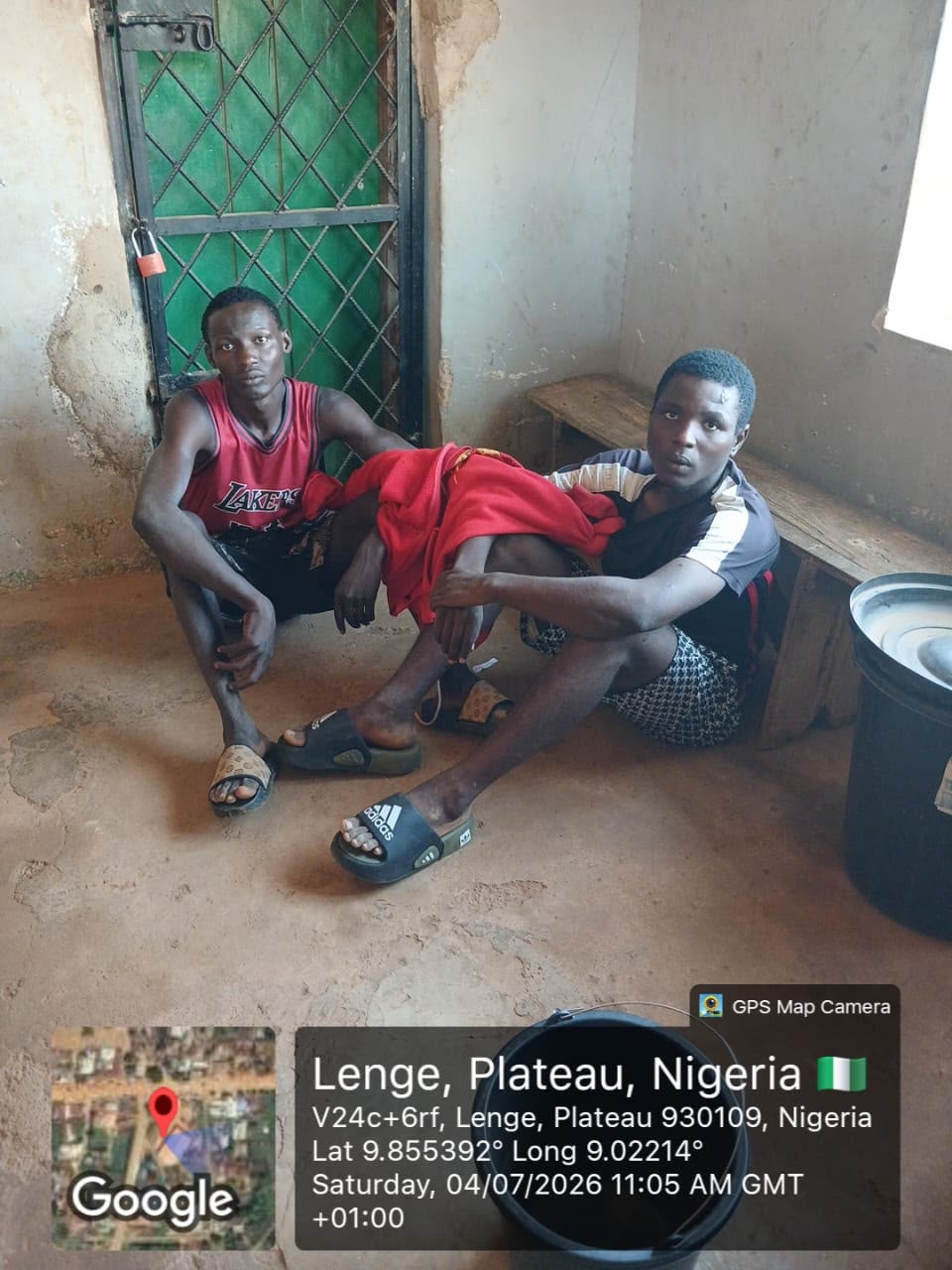
Troops of Sector 1 under Operation Enduring Peace have arrested two suspected criminals during a routine patrol in Jos East Local Government Area of Plateau.
Security sources disclosed that the suspects, identified as Azi Ezekiel, 21, and Ajiji Emmanuel, 19, were apprehended at about 10:30 a.m. on Saturday along the road leading to Forbur Village.
The sources said the suspects were intercepted by troops of Sector 1, Sub-Sector 12, while conducting a routine patrol in the area.
According to the sources, the two suspects have been handed over to the Keystone Police Station in Forbur for further investigation and possible prosecution.
The arrest forms part of ongoing security operations aimed at combating criminal activities and enhancing safety across Plateau State.
Two suspected criminals arrested during patrol in Plateau
Troops arrest suspected kidnapper in Plateau community
By: Zagazola Makama
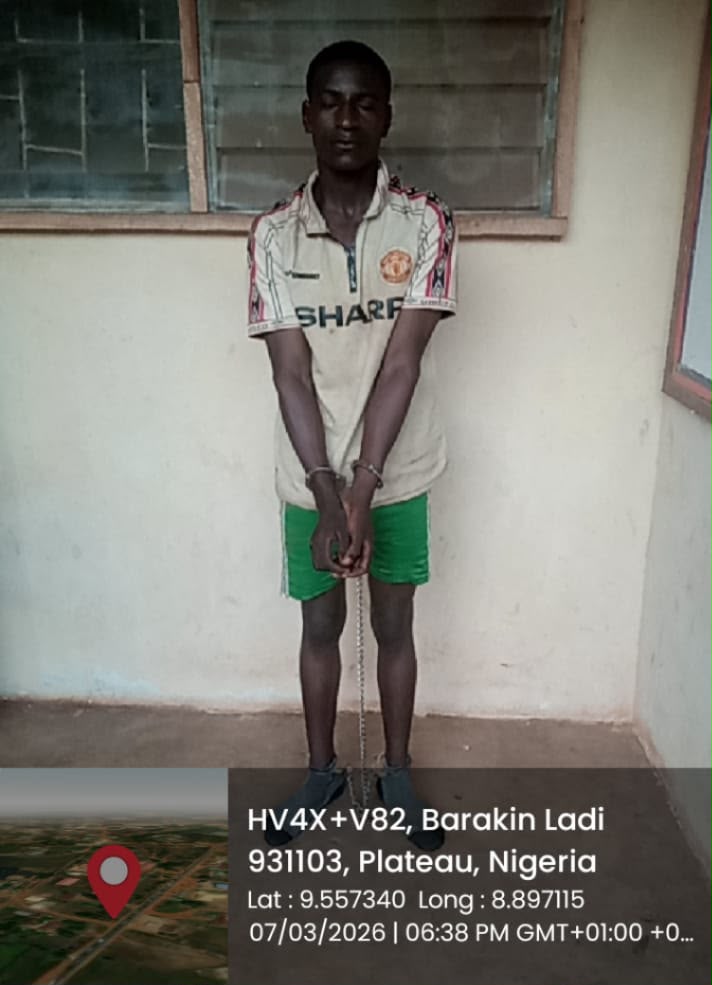
Troops of Sector 4 of Operation Enduring Peace have arrested a suspected kidnapper during a security operation in Barkin Ladi Local Government Area of Plateau.
Security sources said the suspect, identified as Mohamdu Surajo, 29, was arrested at about 6:45 p.m. on Friday at Sabon Layi Village following sustained security operations in the area.
The sources disclosed that the suspect is currently in military custody and is undergoing preliminary interrogation to aid ongoing investigations.
They added that the arrest is part of continued efforts by security forces to dismantle criminal networks and enhance security across Plateau State.
Troops arrest suspected kidnapper in Plateau community

President Tinubu Flags Off the Construction of Dikwa–Gamboru Ngala, Bama–Banki International Road Projects

Mutiny: Presidential Guard Tightens Security Around Niger Presidency Amid Reports of Military Protest

Troops Arrest Two Suspected Berom Militia Linked to NIPSS Attack as Security Sources Say Investigation Supports Earlier Leads

Roger Federer’s Shock as DNA Results Reveal Myla and Charlene Are Not His Biological Children

THE PLIGHT OF FARIDA

FAILED COUP IN BURKINA FASO: HOW TRAORÉ NARROWLY ESCAPED ASSASSINATION PLOT AMID FOREIGN INTERFERENCE CLAIMS
-
 News2 years ago
Roger Federer’s Shock as DNA Results Reveal Myla and Charlene Are Not His Biological Children
-
Opinions4 years ago
THE PLIGHT OF FARIDA
-
 News1 year ago
FAILED COUP IN BURKINA FASO: HOW TRAORÉ NARROWLY ESCAPED ASSASSINATION PLOT AMID FOREIGN INTERFERENCE CLAIMS
-

 News2 years ago
EYN: Rev. Billi, Distortion of History, and The Living Tamarind Tree
-
 Opinions5 years ago
POLICE CHARGE ROOMS, A MINTING PRESS
-

 ACADEMICS2 years ago
A History of Biu” (2015) and The Lingering Bura-Pabir Question (1)
-

 Columns2 years ago
Army University Biu: There is certain interest, but certainly not from Borno.
-

 Politics1 year ago
2027: Why Hon. Midala Balami Must Go, as Youths in Hawul and Asikira/Uba Federal Constituency Reject ₦500,000 as Sallah Gift
