
Security
Nigeria: DSS has information on terrorism sponsors but can’t act without Buhari’s order – Commodore Kunle Olawunmi (rtd)

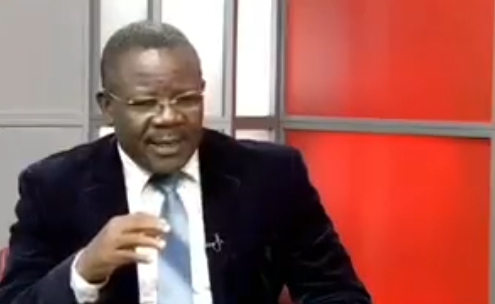
Nigeria: DSS has information on terrorism sponsors but can’t act without Buhari’s order – Commodore Kunle Olawunmi (rtd)
By: Dorathy Usman, Abuja
For over 12 years, the Boko Haram terror group had killed thousands of Nigerians in the North-East. Borno state governor Professor Babagana Umara Zulum said over ten per cent of citizens were not accounted for. This translated to over 100,000 people said to have been killed in the state.
The sect had also burnt down and bombed scores of villages as well as churches. The Nigerian Army and the Presidency had at several times claimed the group had been ‘technically defeated’ and ‘weakened’ but the bloodthirsty terrorist faction continues to strike with daring effrontery and crude savagery.
A former Navy Commodore, Kunle Olawunmi, has said that Boko Haram terrorists mentioned names of current governors, senators and Aso Rock officials as sponsors during interrogation but the President, Major General Muhammadu Buhari (rtd.), has demonstrated an unwillingness to go after the high-profile politicians for reasons best known to him.
Olawunmi spoke on Wednesday when he featured on Channels Television’s ‘Sunrise Daily’ breakfast programme.
He described as an “aberration”, Tuesday attack by bloodthirsty bandits on the Kaduna campus of Nigeria’s foremost military university, the Nigerian Defence Academy, where two military officers were killed and another kidnapped.
According to him, “it is an aberration; you don’t attack the Nigerian Defence Academy and get away with it,” he lamented, adding that the NDA, like other military environments in the country, carelessly opens its doors to everyone on Friday for Jumat prayer. ‘Terrorists profile security environments during Muslim prayer on Friday’Olawunmi said terrorists and criminals profile military environments during the weekly Muslim prayer on Fridays.
Also Read: NDA Attack: DHQ Denies Soldiers On Duty Asleep
He said, “In 2017, I carried out an investigation by the minister of defence that wanted me to check what was going on with the training and the security there (NDA). I remember I spent about a week in the NDA with the commandant and the staff but something struck me: every Friday, the gate of NDA is thrown open and everybody has access to pray in the mosque.
“On Fridays, you are going to see the same thing happening across all military formations in the country…If you go to Defence Headquarters, I served at the Defence Headquarters as the Deputy Director, Defence Administration between 2015 and 2017, throughout my two years at the Defence Headquarters, I received visitors twice because of the strict security architecture there but every Friday, the gate of the Defence Headquarters is thrown wide open for everybody to come in and observe Jumat.
“That is the time the terrorists have the time to profile our security environment. It has always been the case. I have served the military intelligence for the past 35 years. Our problem is religion and socio-cultural.”
The former Naval Commander, who is now a Professor of Global Security Studies, said he was a member of the Intelligence Brief at the Defence Headquarters during the leadership of the then Chief of Defence Staff, Gen. Abayomi Olonisakin (retd.).
The intelligence expert said he told the then CDS that the centre of gravity of the Boko Haram insurgency ravaging the North-East and spreading to other parts of Nigeria was the sponsors.
“I told General Olonisakin then that the centre of this problem cannot be solved the same way we solved the problem of the Niger Delta. The Niger Delta problem was solved during (Ex-President Umaru) Yar’adua basically by me and I told them that we can’t use that same template for Boko Haram.
“I told General Olonisakin to look at the centre of gravity of the problem. I was made a member of the committee in 2016-2017 including (the Chief of Army Staff, Lt.-Gen. Ibrahim) Attahiru that died.
“I told them that the centre of gravity of Boko Haram in Nigeria is the sponsors of the programme. It was beyond us because the job we needed to do was kinetic but we cannot resolve issues of sponsors of Boko Haram that were in Buhari’s government that we know them. That was why we couldn’t pursue that aspect that could have resolved the issue (insurgency) because we need to arrest people.”
Olawunmi said the government has not been able to prosecute the sponsors because it is allegedly partisan.
According to him, “Recently, 400 people were gathered as sponsors of Boko Haram, why is it that the Buhari government has refused to try them? Why can’t this government bring them to trial if not that they are partisan and part of the charade that is going on?
“You remember this Boko Haram issue started in 2012 and I was in the military intelligence at that time. We arrested those people. My organisation actually conducted interrogation and they (suspects) mentioned names. I can’t come on air and start mentioning names of people that are presently in government that I know that the boys that we arrested mentioned. Some of them are governors now, some of them are in the Senate, some of them are in Aso Rock.
“Why should a government decide to cause this kind of embarrassment and insecurity to the sense of what happened yesterday (Tuesday attack on NDA)?” he queried, adding that terrorist financiers want to turn Nigeria to a Taliban type of country.
He also revealed that the ‘DSS has information on terrorism sponsors but can’t act without Buhari’s order’ ” the Department of State Services has “tremendous information on terrorists but they can’t do anything except the body language of the Commander-In-Chief”.
He, however, expressed hope that the next Nigerian President in 2023 might have the willpower to bring the high-profile sponsors of Boko Haram to book.
It could be recall that a former Deputy Governor of the Central Bank of Nigeria, Obadiah Mailafia, said in August 2020 that repentant terrorists revealed that a serving northern governor is a Boko Haram leader.


Security
Insecurity: “We negotiated released of 416 abducted women and Children from Ngoshe, not military rescue operations’ – Kaigama

Insecurity: “We negotiated released of 416 abducted women and Children from Ngoshe, not military rescue operations’ – Kaigama
By: Dr. James Bwala
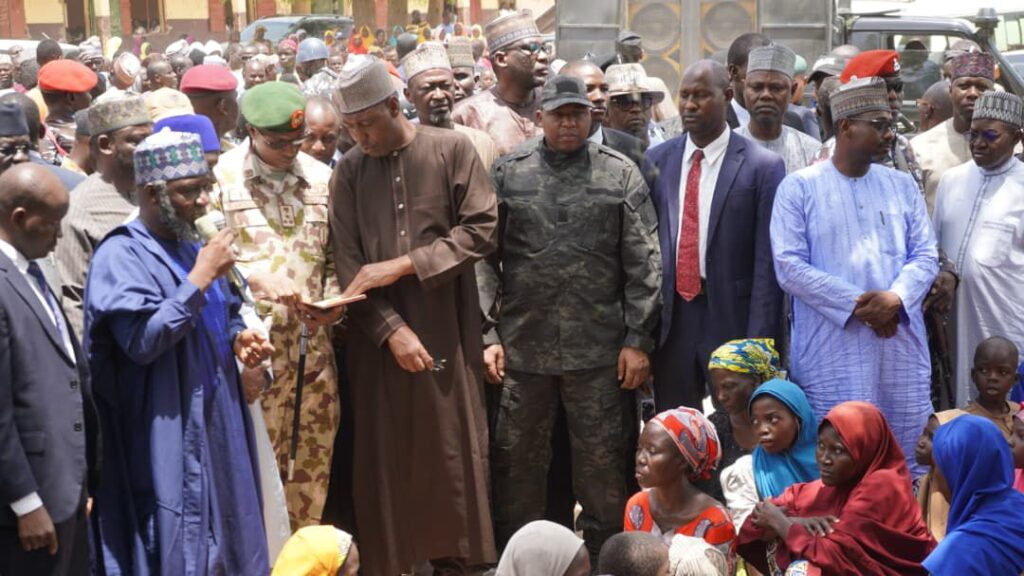
Military strength and governmental authority often herald the release of abducted women and children in conflict zones. Official narratives typically emphasize the decisive role of security forces, portraying rescue operations in terms of tactical prowess and national resolve. However, the statement made by Samaila Ibrahim Kaigama, President of the Southern Borno Youth Alliance, challenges this conventional account with a claim that fundamentally redefines the nature of the recent release of 416 abducted individuals from Ngoshe in Southern Borno.
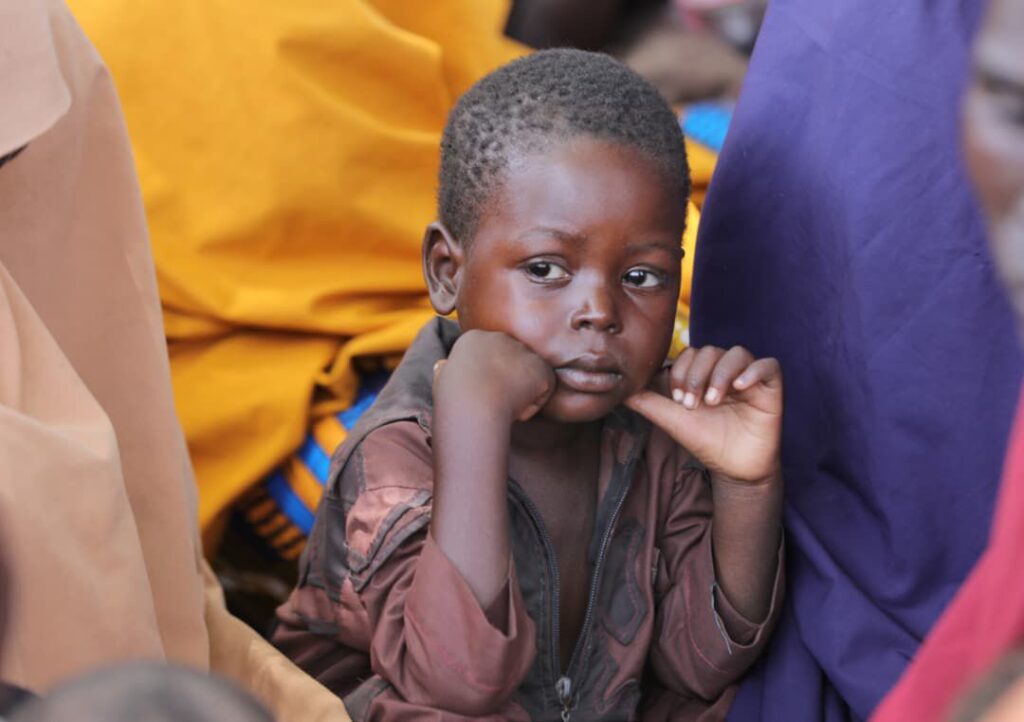
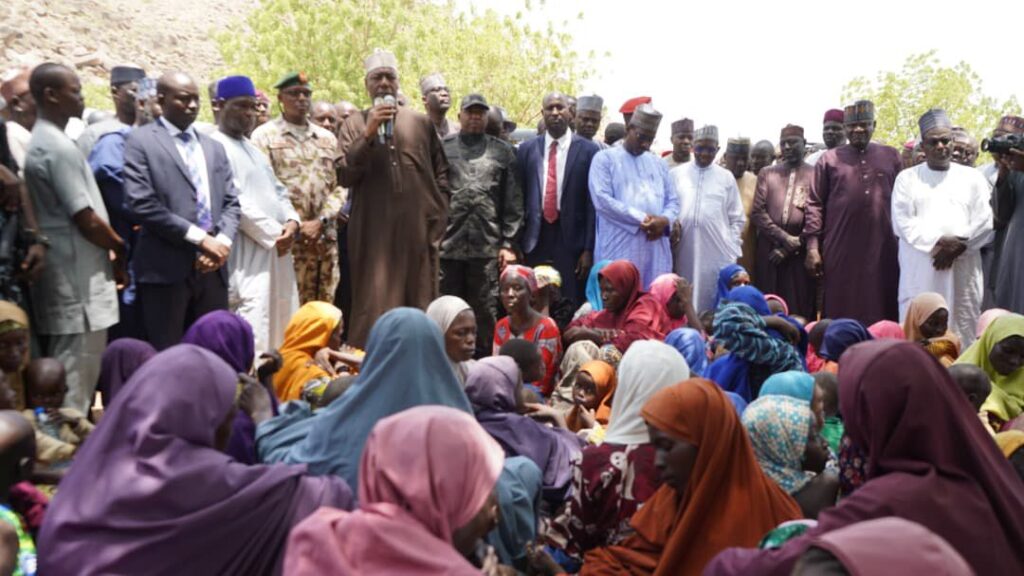
According to Kaigama, there was no military rescue operation; instead, the liberation was the result of delicate negotiations spearheaded by his community-based alliance, and yet politicians and the military have unjustly claimed credit. This perspective demands careful consideration and underscores critical issues about information dissemination, the role of grassroots actors in conflict resolution, and the credibility of official accounts.
READ ALSO: https://newsng.ng/insecurity-and-citizens-armaments-why-tinubu-and-shettima-should-not-ignore-the-red-lines/
The narrative presented by Kaigama reveals a vital reality often obscured by official state-centered stories: that negotiation and local agency are indispensable strategies in hostage situations and deserve far greater recognition and transparency than they currently receive.
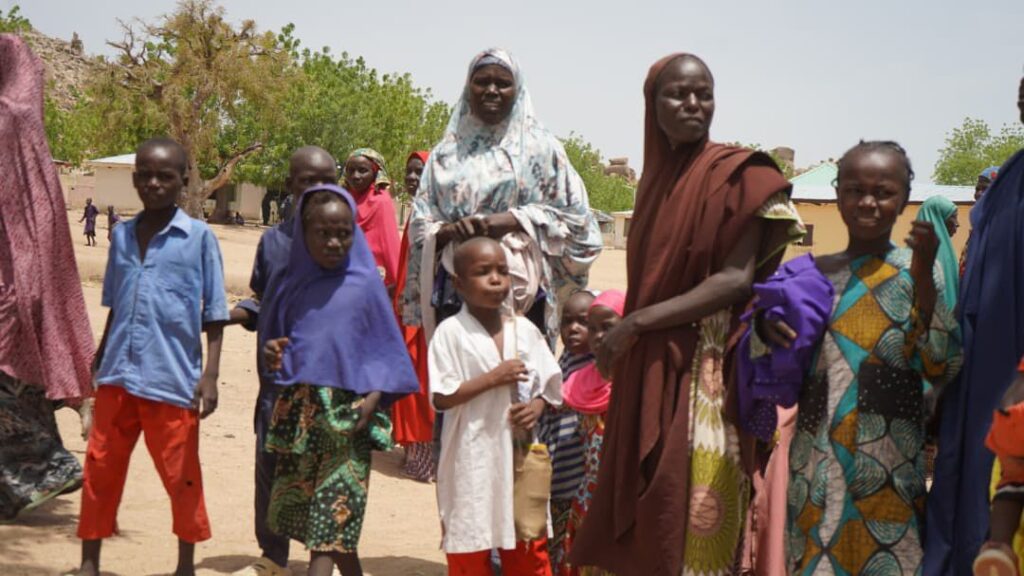
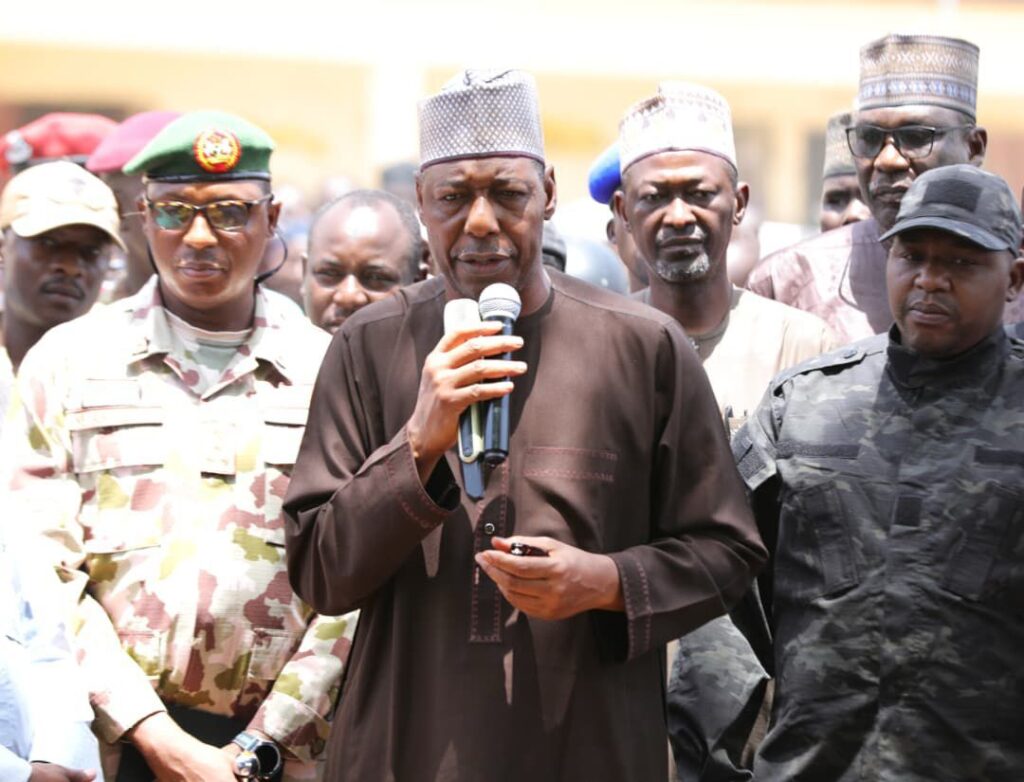
The claim that “there was no rescue operation” directly contradicts widely reported accounts attributing the release to a successful military intervention. This contradiction is not merely a semantic dispute; it strikes at the heart of how security crises are framed politically and socially. Official reports often prioritize the image of a strong, capable military as the primary agent for restoring safety, thereby reinforcing public confidence in state institutions and justifying ongoing military expenditures and strategies. Yet, if negotiations conducted by local actors like the Southern Borno Youth Alliance were indeed instrumental in securing freedom for hundreds of abducted women and children, then the centrality of military operations becomes questionable. Recognizing this alternative narrative is essential to appreciating the full complexity of responses to terrorism and abduction in Nigeria’s northeast region.
READ ALSO: https://newsng.ng/insecurity-and-citizens-armaments-why-tinubu-and-shettima-should-not-ignore-the-red-lines/
Kaigama’s statement also highlights the crucial but frequently overlooked role of community-based groups—such as the Southern Borno Youth Alliance—in navigating highly sensitive and dangerous situations. Unlike large-scale military operations, these groups often operate quietly within affected communities, leveraging trust, cultural knowledge, and personal relationships to establish dialogue channels with insurgents or kidnappers. Their involvement is vital because violent extremist groups frequently reject formal government overtures while remaining responsive to community intermediaries who share their linguistic, ethnic, or geographical backgrounds. The success of negotiations asserted by Kaigama demonstrates that grassroots actors can play an indispensable peacekeeping and life-saving role, which challenges the dominant security paradigm that marginalizes non-state efforts. Elevating such local actors’ contributions can foster more inclusive approaches to conflict resolution, build community resilience, and reduce reliance solely on military force.
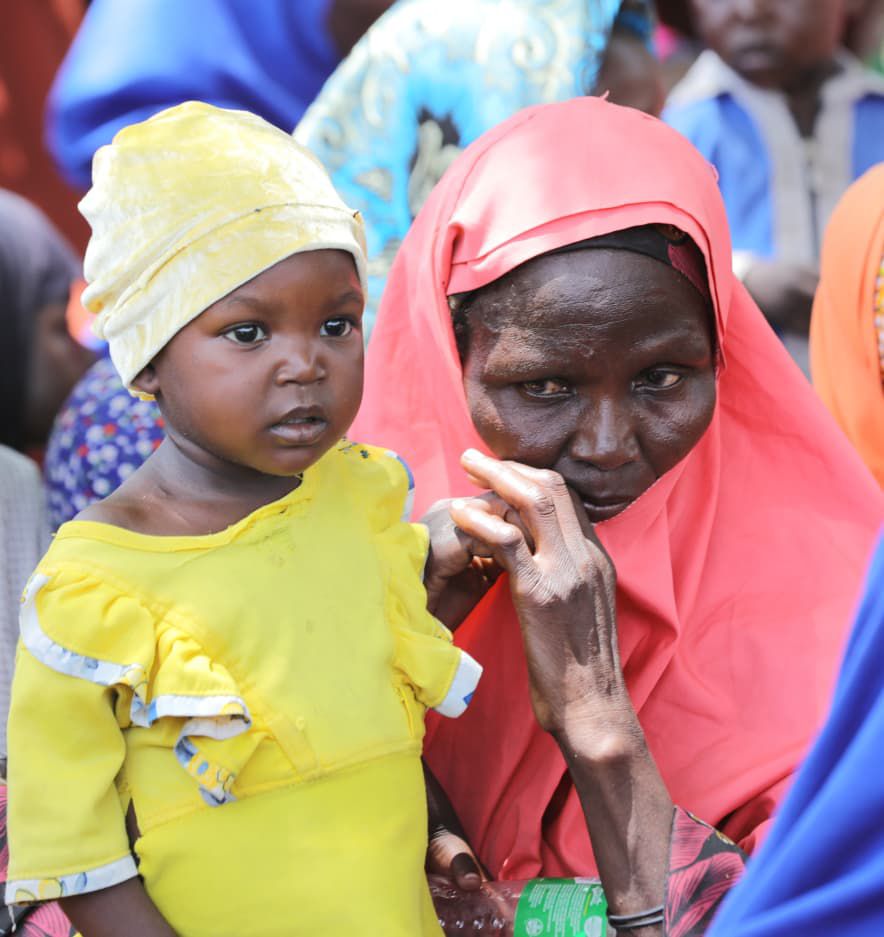
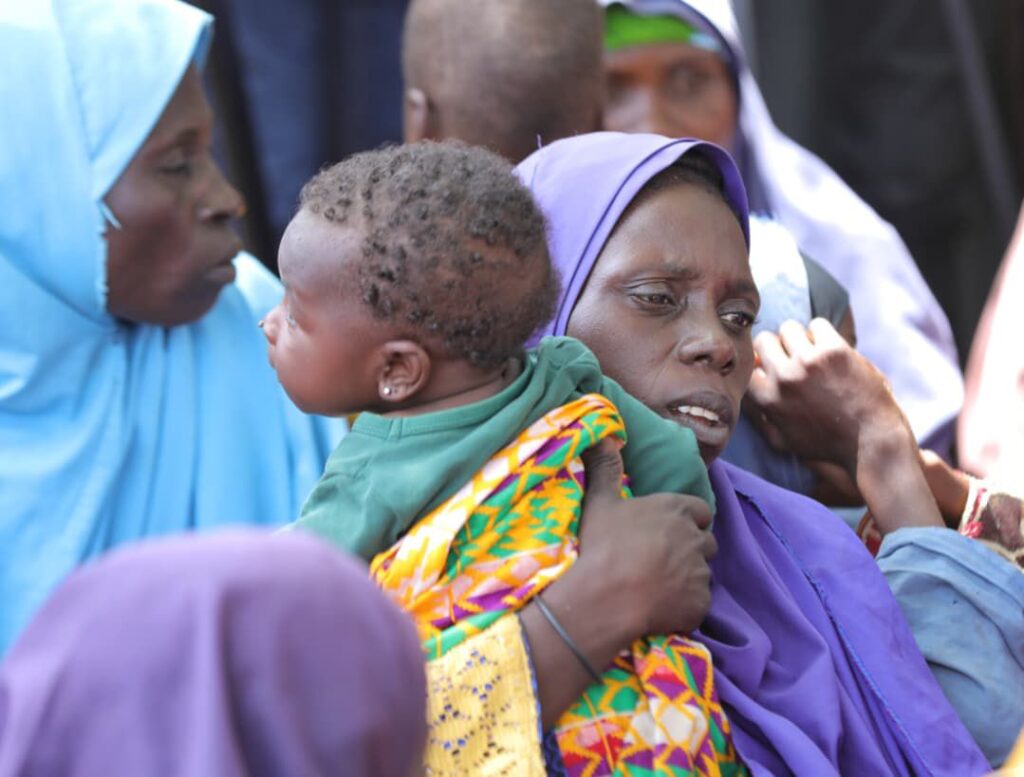
In addition, the allegation that politicians and the military have taken undue credit for the release warrants serious scrutiny. This accusation points to a broader phenomenon wherein state officials and security agencies may engage in image management to bolster political legitimacy and public perception. Claiming responsibility for the safe return of abductees strengthens the state’s narrative of control and effectiveness, which can be critical in areas plagued by insecurity and skepticism toward authorities. However, appropriating credit without acknowledging the contributions of non-state negotiators risks eroding trust and alienating key stakeholders who are invested in peacebuilding efforts. Transparent recognition of all parties involved in resolving such crises is necessary to foster cooperation, encourage community participation, and ensure accountability. It is also ethically imperative to give due credit, especially when lives are saved through collective action rather than unilateral state action.
READ ALSO: https://newsng.ng/insecurity-and-citizens-armaments-why-tinubu-and-shettima-should-not-ignore-the-red-lines/
The timing and circumstances described by Kaigama—that the Southern Borno Youth Alliance intervened when abductors were reportedly preparing to execute captives—add a moral dimension to their role. This statement portrays the group not only as negotiators but also as protectors who acted to prevent a massacre. Such positioning elevates their status from mere intermediaries to lifesaving agents, injecting urgency and gravity into their claims. The implication that without their intervention the captives would have been slaughtered challenges narratives that depict the military as the sole protector of civilians. This moral framing compels observers, policymakers, and the public to reconsider assumptions about control, agency, and the rightful holders of responsibility during crises. It also underscores that negotiation, often viewed as a sign of weakness or concession, can be a powerful and ethical means of preserving human life under extreme duress.
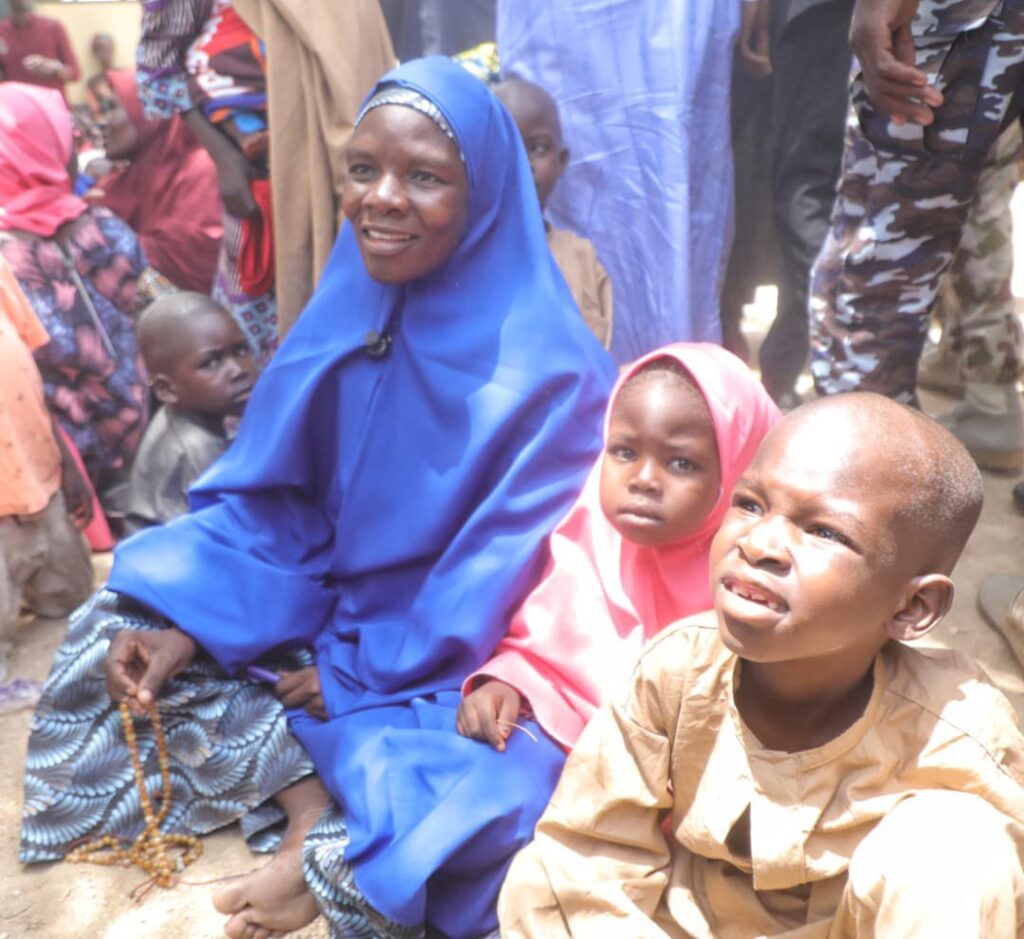
However, while Kaigama’s claims are compelling and illuminate important perspectives, it is essential to approach them with a measured epistemological stance. The statement as presented remains an allegation and must be distinguished from independently verified facts. To rigorously assess its accuracy, comprehensive fact-checking is required, involving cross-examination of official security reports, independent media investigations, and direct testimonies from released victims and their families. Evidence confirming the existence and details of negotiations, such as communications records or credible witness accounts, would be critical. Without such verification, the counter-narrative, although plausible and significant, should be reported responsibly and not conflated with established truth. This cautious approach maintains journalistic integrity and fosters informed public discourse while acknowledging the complexities inherent in conflict reporting.
READ ALSO: https://newsng.ng/insecurity-and-citizens-armaments-why-tinubu-and-shettima-should-not-ignore-the-red-lines/
The communication strategy employed in the original statement effectively uses rhetorical techniques that merit examination for their influence on public perception. Phrases like “There was no rescue,” “What we did,” and “Let us not mislead Nigerians” employ direct contradiction, assertion of ownership, and moral admonition to challenge dominant narratives assertively. This strategy aims to reframe the discussion by appealing to transparency, justice, and communal pride. It is a powerful call to scrutinize official accounts and consider alternative realities shaped by local experience. Understanding this rhetorical framing is essential for analysts, journalists, and policymakers, as it reveals how stakeholder groups craft messages intended to shape narratives, gain legitimacy, and impact decision-making processes related to security and peace efforts.
The newsworthiness of Kaigama’s statement lies precisely in its capacity to unsettle the established narrative around military effectiveness and hostage release dynamics. By foregrounding negotiation over force, local agency over state monopoly, and potential misinformation over official messaging, the statement invites deeper investigation and debate. It raises urgent questions about the ethics of information control, the inclusivity of peacebuilding measures, and the recognition of all actors contributing to conflict resolution. These questions resonate beyond Nigeria’s borders, touching on global themes of counterinsurgency, human rights, and the politics of security communication. Consequently, responsible media outlets and policymakers must consider such claims seriously while maintaining rigorous standards of verification to avoid misinformation and propaganda.
READ ALSO: https://newsng.ng/insecurity-and-citizens-armaments-why-tinubu-and-shettima-should-not-ignore-the-red-lines/
Samaila Ibrahim Kaigama’s statement concerning the release of abducted women and children from Ngoshe presents a persuasive challenge to the prevailing official narrative that credits military forces with rescue operations. His account emphasizes the central role of negotiation led by the Southern Borno Youth Alliance, the misappropriation of credit by political and military actors, and the moral urgency of their intervention to save lives. This perspective underscores the indispensable contributions of local actors in conflict resolution and calls for transparent acknowledgment of their efforts.
While independent verification remains essential to substantiate these claims fully, the assertion itself invites critical reflection on how narratives of security are constructed and disseminated. Recognizing the multiplicity of actors and strategies involved in liberating hostages enriches understanding, promotes collaborative peace efforts, and ensures that the stories of those who truly make a difference are neither overlooked nor distorted. Thus, embracing such nuanced and inclusive accounts is crucial for advancing effective, ethical, and people-centered approaches to security challenges in Nigeria and beyond.
* James Bwala, PhD, writes from Abuja.
Insecurity: “We negotiated released of 416 abducted women and Children from Ngoshe, not military rescue operations’ – Kaigama

Insecurity and Citizens Armaments: Why Tinubu and Shettima should not ignore the red lines
By: Dr James Bwala
Citizens across the country may be falling into the trap – private armaments – heading towards new insecurity dimensions. That is what those fuelling the insecurity are expecting to happen, and Nigeria may be heading towards their prediction – to disintegrate. It did not happen in 2015 as expected, and the frustration grows even thicker. Insecurity in Nigeria has escalated to a perilous stage, according to certain reports in 2026, casting a long shadow over the nation’s quest for stability and development under the Tinubu and Kashim Shettima administration. The relentless surge in terrorism, banditry, kidnapping, and other violent crimes has sown widespread fear among Nigerians, eroding trust in the government’s capacity to safeguard its citizens. This erosion of confidence has inadvertently fuelled calls for self-defence through armed resistance—a development fraught with dangerous implications that could propel Nigeria towards widespread disorder. It is imperative to recognise that while the desire for safety is legitimate, advocating for civilian armament as a remedy threatens the fragile fabric of law and order, undermines state authority, and risks plunging the country into chaos.
The unsettling loss of faith in the institutions charged with protecting Nigerians sends a red signal. When individuals publicly proclaim slogans such as “Sell your properties and buy guns”, as advocated by Sheikh Muhammed Bello Aliyu Yabo following the turn of events in Sokoto, it starkly manifests the depths of their desperation and fear. This phrase is more than a mere expression; it is a distress signal from communities that feel abandoned by the state. Such sentiments underscore a profound disconnection between citizens and security agencies, signalling that the social contract—whereby the government guarantees security in exchange for civic obedience—is under severe strain. The implication that personal protection now requires private armament reveals the failure of conventional security mechanisms to provide timely and effective responses.
READ ALSO: https://newsng.ng/kashim-shettima-understanding-farooq-kperogis-arguments-on-tinubus-2027-ticket/
Compounding this crisis is the politicisation of insecurity, which further deepens public mistrust and exacerbates the problem. For instance, political comments by the Senate President, Senator Godswill Akpabio, suggesting that “insecurity will end after the 2027 elections” transform what should be treated as an immediate national emergency into a political talking point tied to electoral timelines. This rhetoric is not merely insensitive; it is dangerously dismissive of the lived realities of countless Nigerians who face daily threats to their lives and property. By framing security as a future promise contingent upon political change, leaders risk alienating the populace and perpetuating a climate of impunity where offenders operate with increasing audacity.
The observation that “terrorists are evolving faster than governments” by the ADC presidential candidate and former vice president, Alhaji Atiku Abubakar, highlights a critical strategic imbalance in the ongoing fight against criminal networks and insurgent groups. These actors demonstrate a disturbing capacity to adapt rapidly, leveraging local terrain knowledge, technology, and social networks to evade and outmanoeuvre state forces. While this assertion might serve as a critique of governmental inefficiency, it also implicitly acknowledges the dynamic and sophisticated nature of contemporary security threats. The danger here is not solely tactical but symbolic: if citizens perceive their protectors as consistently outpaced and outmanoeuvred, their confidence will continue to deteriorate, fuelling the temptation to resort to self-help measures.
READ ALSO: https://newsng.ng/kashim-shettima-understanding-farooq-kperogis-arguments-on-tinubus-2027-ticket/
Perhaps most alarming is the endorsement of armed self-defence by traditional authorities, encapsulated in calls to “acquire arms to defend yourselves” by Sarkin Kabin Argungu, Alhaji Muhammadu Sama’ila Mera. This development lends considerable weight to the narrative that state security apparatuses have faltered so gravely that even respected community leaders feel compelled to advocate for civilian armament. Such endorsements can legitimise the proliferation of unofficial armed groups and vigilante actions, eroding the monopoly on violence traditionally held by the state. While these leaders may be motivated by genuine concern for their communities, their encouragement of self-armament risks unravelling established legal and institutional frameworks, facilitating an environment ripe for lawlessness and inter-communal strife.
The acceptance of armed civilian resistance as a viable response to insecurity raises profound concerns about the potential for vigilantism and the emergence of unregulated militias. When citizens take up arms outside the remit of recognised authority, the boundaries between lawful defence and criminality become blurred. This ambiguity can precipitate cycles of violence, where retaliatory attacks and mistrust escalate conflicts rather than resolve them. Additionally, the existence of multiple armed actors with varying loyalties and objectives complicates efforts by state forces to enforce the rule of law, potentially leading to fragmented authority and contested governance across regions.
READ ALSO: https://newsng.ng/kashim-shettima-understanding-farooq-kperogis-arguments-on-tinubus-2027-ticket/
Nigeria’s demographic and geopolitical context intensifies the gravity of these developments. Home to over 230 million people, the country is Africa’s most populous nation and wields considerable influence in the West African sub-region. Thus, deteriorating internal security carries ramifications beyond national borders, threatening regional stability and economic integration efforts. Spillover effects could manifest through increased refugee flows, cross-border crime, and the spread of violent extremism, which would complicate collective security arrangements and diplomatic relations within the region. The stakes, therefore, transcend domestic politics, positioning Nigeria’s insecurity crisis as a matter of continental concern.
Addressing this multifaceted challenge necessitates a comprehensive, coordinated, and urgently implemented strategy anchored in restoring public confidence in security institutions. Strengthening these institutions involves not only equipping and training security personnel but also reforming operational doctrines to prioritise community engagement, intelligence-led operations, and accountability mechanisms. Transparency and responsiveness must replace opacity and impunity to rebuild the trust that has been severely eroded. Moreover, addressing the root causes of insecurity—including poverty, unemployment, ethnic marginalisation, and governance deficits—is essential to curtailing the recruitment and support base of criminal and insurgent groups.
READ ALSO: https://newsng.ng/kashim-shettima-understanding-farooq-kperogis-arguments-on-tinubus-2027-ticket/
Political leaders bear a special responsibility to depoliticise security issues and demonstrate commitment through concrete actions rather than rhetoric. Treating insecurity as a transient campaign issue or political bargaining chip fuels cynicism and undermines the prospects for sustainable solutions. Instead, security must be elevated as a non-negotiable national priority transcending partisan divides. Inclusive dialogue involving government, opposition, traditional authorities, civil society, and community representatives can foster shared ownership of security challenges and promote collaborative approaches grounded in mutual trust.
Crucially, discouraging the proliferation of unauthorised arms and resisting calls for armed civilian militias are imperative to preserving the state’s monopoly on legitimate force. While the impulse towards self-defence is understandable, endorsing it risks igniting cycles of violence that would further destabilise the country. Instead, enhancing community policing initiatives, promoting neighbourhood watch programmes under official supervision, and deploying rapid response units can provide safer alternatives that empower citizens without compromising legal norms.
READ ALSO: https://newsng.ng/kashim-shettima-understanding-farooq-kperogis-arguments-on-tinubus-2027-ticket/
The current trajectory of insecurity in Nigeria is alarming and demands urgent, decisive intervention. The rise in public advocacy for armed resistance signals a breakdown in the foundational relationship between the state and its citizens—a relationship predicated on trust, protection, and the rule of law. Succumbing to the dangerous allure of civilian armament risks unmooring the nation from these principles, ushering in widespread disorder that could engulf entire regions and jeopardise the country’s future.
To avert this outcome, Nigerian leadership, security agencies, and society at large must unite to restore confidence, reinforce institutional capacities, and address underlying grievances. Only through a holistic and inclusive approach can Nigeria hope to reclaim peace and security for all its citizens, safeguarding its sovereignty, and fulfilling its potential as a pillar of stability in Africa.
* James Bwala, PhD, is a security analyst and writes from Abuja.
Insecurity and Citizens Armaments: Why Tinubu and Shettima should not ignore the red lines

Troops Arrest 21 Security Personnel Over Alleged Extortion in Abia
By: Zagazola Makama
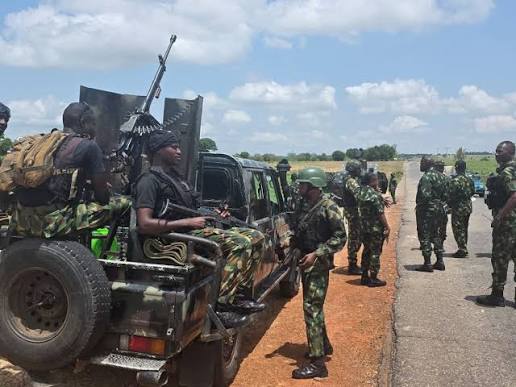
Troops of 14 Brigade, Ohafia, have arrested 21 persons, including personnel from various security agencies, over alleged extortion and illegal stop-and-search lactivities along the Enugu–Port Harcourt highway in Abia State.
Sources told Zagazola that the suspects were arrested at about 1:40 p.m. on April 28 during Operation Checkmate duties in Ohafia Local Government Area.
The sources said the operation led to the interception of individuals allegedly involved in unauthorised stop-and-search and extortion activities around the Ihitte Uboma axis.
According to the sources, those arrested include one personnel of the Nigerian Army, six from the Nigerian Navy, one from the Nigerian Air Force, three police officers, one officer of the Nigeria Security and Civil Defence Corps, three operatives of the National Drug Law Enforcement Agency, three personnel of the Nigeria Immigration Service, and three officers of the Nigeria Customs Service.
They added that the arrested personnel are currently in military custody for further investigation and appropriate disciplinary action.
The sources said the operation was part of ongoing efforts to curb illegal activities along major highways and restore order in the area.
Troops Arrest 21 Security Personnel Over Alleged Extortion in Abia

Police Foil IED Attack, Destroy Explosive Device in Zamfara

WHEN TERRORISTS MOCK THE STATE

Russia’s Role in the Widening Insecurity in Africa

Roger Federer’s Shock as DNA Results Reveal Myla and Charlene Are Not His Biological Children

THE PLIGHT OF FARIDA

FAILED COUP IN BURKINA FASO: HOW TRAORÉ NARROWLY ESCAPED ASSASSINATION PLOT AMID FOREIGN INTERFERENCE CLAIMS
-
 News2 years ago
Roger Federer’s Shock as DNA Results Reveal Myla and Charlene Are Not His Biological Children
-
Opinions4 years ago
THE PLIGHT OF FARIDA
-
 News1 year ago
FAILED COUP IN BURKINA FASO: HOW TRAORÉ NARROWLY ESCAPED ASSASSINATION PLOT AMID FOREIGN INTERFERENCE CLAIMS
-

 News2 years ago
EYN: Rev. Billi, Distortion of History, and The Living Tamarind Tree
-
 Opinions4 years ago
POLICE CHARGE ROOMS, A MINTING PRESS
-

 ACADEMICS2 years ago
A History of Biu” (2015) and The Lingering Bura-Pabir Question (1)
-

 Columns2 years ago
Army University Biu: There is certain interest, but certainly not from Borno.
-

 Politics1 year ago
2027: Why Hon. Midala Balami Must Go, as Youths in Hawul and Asikira/Uba Federal Constituency Reject ₦500,000 as Sallah Gift
