
News
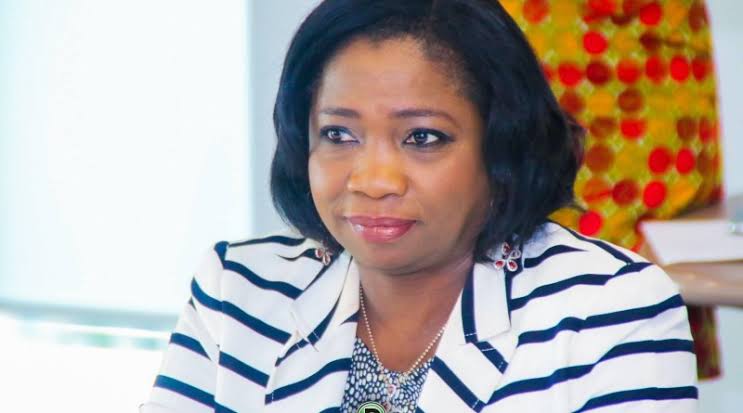
Dabiri-Erewa: Diaspora Investment to outweighs FDI soon

Dabiri-Erewa: Diaspora Investment to outweighs FDI soon
By: Michael Mike
The Nigerians in Diaspora Commission (NiDCOM) Chairman, Abike Dabiri-Erewa has said the plan of the present administration is to work at making the Diaspora investment outweighs the Foreign Direct Investment (FDI),
Briefing journalists in Abuja on Friday on activities lined up for the forthcoming Nigerian Diaspora Investment Summit (NDIS), Dabiri-Erewa said the target of this administration is to ensure that Diaspora Investment in the country outweighs FDI in the nearest future.
The 6th edition of NDIS is scheduled for 13 to 15 November 2023.
NDIS is a private sector initiative supported by the Nigerian government through the Nigerians in Diaspora Commission (NiDCOM), its primary aim is to demonstrate that in the face of stiff competition for Foreign Direct Investment (FDI), targeting Nigerians in Diaspora for inward investment is probably the best strategy for a country like Nigeria with over 15 million of its citizens domiciled in Diaspora.
Dabiri-Erewa disclosed that no fewer than 3,000 participants have indicated interest in the 2023 Nigerian Diaspora Invesvemnt Summit, The Nation learnt.
She noted that this year’s summit aims at attracting Diasporans investment in the area of agribusiness, technology, education, healthcare, real estate and infrastructure. Others are creative, sport and entertainment; energy, mining and manufacturing.
The NIDCOM boss explained that with the current happenings across the globe, Nigeria must stand up to take its place as the number one producer of agricultural produce.
She noted that Nigerian Diaspora in this drive remains a major player in the development of the country, hence the need to harness their investment in the country.
Dabiri-Erewa said the summit is set to ignite new aspirations for Diaspora participation in Nigeria development.
She said, “This year’s summit – a hybrid event enabling remote participation via online channels – is particularly special, being the first under the new administration of HE President Bola Ahmed Tinubu GCFR, and will have as its Special Guest of Honour and Main Keynote Speaker, HE Senator Kashim Shettima GCON, Vice President of the Federal Republic of Nigeria.
“With Heifer International, a nonprofit charity on a mission to end hunger and poverty in a sustainable way as its Lead Sponsor, this year’s summit promises to be a significant milestone in promoting economic collaboration, harnessing opportunities, and fostering a revamped investment climate for Nigeria,” She added.
She also revealed that the Diaspora Housing Mortgage Scheme would be launched by the Honourable Minister, Federal Ministry of Housing and Urban Development, Arc. Ahmed Musa Dangiwa,
during the summit.
The NiDCOM boss said: “As at press time, this year’s summit already has registered, over 2,000 interested participants, including at least 72 identified Nigerian Diaspora investors, 196 small business owners, 148 representatives of private sector entities and 88 public officials from various Ministries, Departments and Agencies who are expected to attend in person, with a further 1,250 expected to participate virtually.”
The Interim Country Director of Heifer International Nigeria, Dr Lekan Tobe said, “NDIS has established itself as the premier platform for connecting Nigerians in the diaspora with opportunities for investment and engagement in the country’s burgeoning industries. NDIS 2023 aims to strengthen the bonds between Nigeria and its diaspora communities while revealing a dynamic view of investment opportunities and prospects in various sectors, particularly Agriculture, which is our focus sector.
“We feel that our goal of assisting more than two million households to achieve sustainable living income by 2030, through strategic private and public sector partnerships that will support the unlocking of the potential in Nigeria’s agricultural sector to achieve food self-sufficiency is fully aligned with that of the summit, as expressed through the NDIS initiative.”
He added that since inception, NDIS has recorded many success stories, both in terms of business connections and social impact. With over 5,000 participants recorded, 900 business links established and over 200 deals closed.
Dabiri-Erewa: Diaspora Investment to outweighs FDI soon



Girl Child Education Paramount To Nation Building, First Lady Emphasises
** *Commissions renovated High School for Girls in Lagos
By: Our Reporter
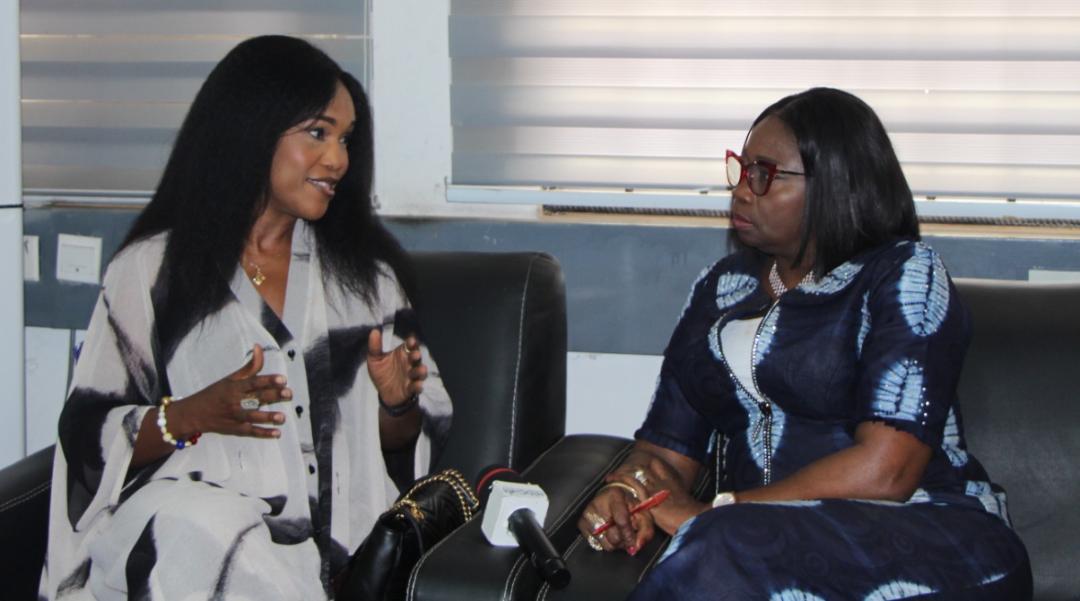
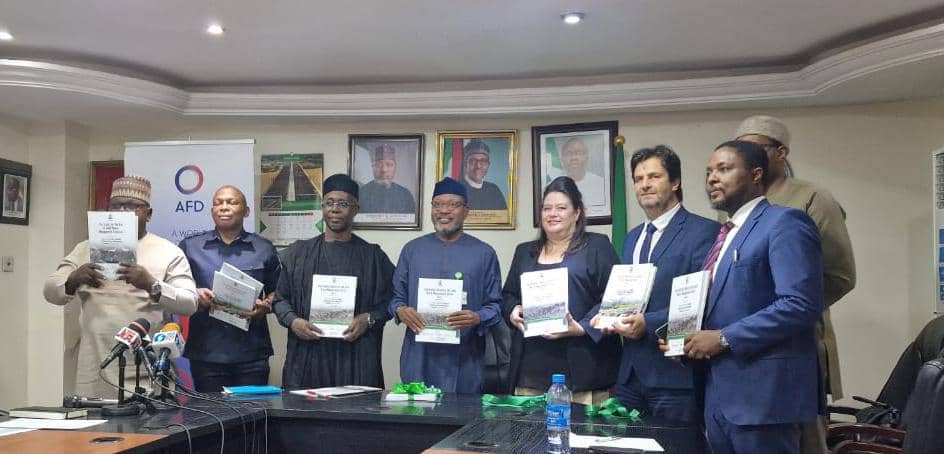
The First Lady of Nigeria, Senator Oluremi Tinubu @SenRemiTinubu, has commissioned the renovated Alternative High School for Girls in Agboju, Amuwo-Odofin local government area of Lagos State, insisting that education for the girl child is paramount to nation building.
The school, established in 2007 during the tenure of President Bola Ahmed Tinubu as governor of Lagos State, was created to provide girls whose education had been interrupted by early pregnancy and other socio-economic challenges with an opportunity to return to school, complete their secondary education and acquire vocational skills.
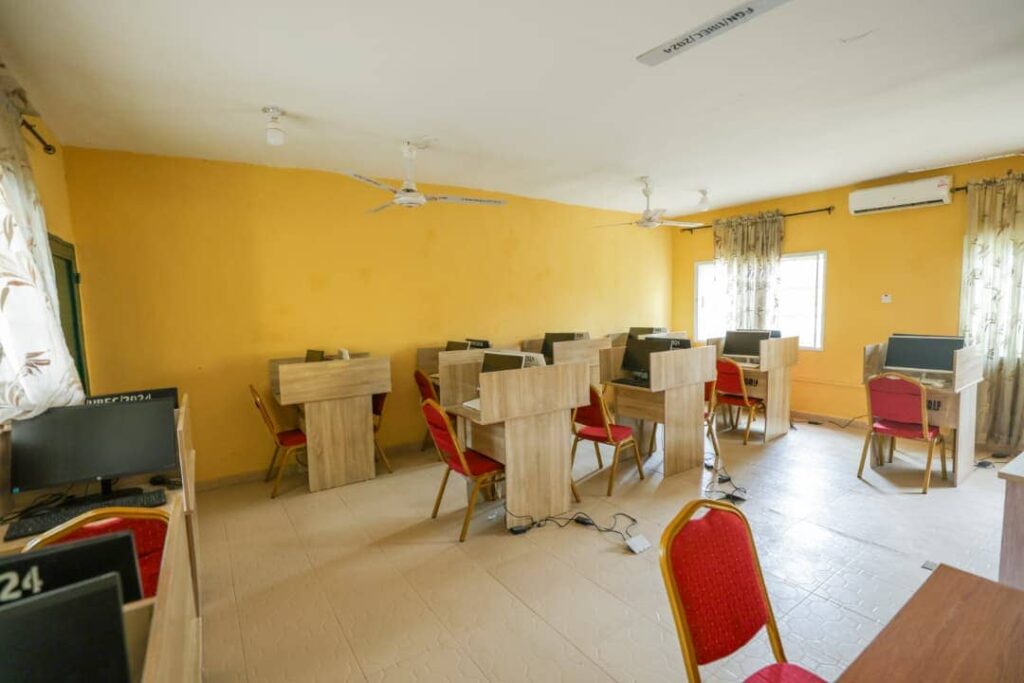
The renovated school comprising two blocks, with more than 26 classrooms, has Agriculture, physics and biology laboratories, cosmetology, garment-making, hairdressing, catering and home economics classes as well as well equipped Library and ICT facilities.
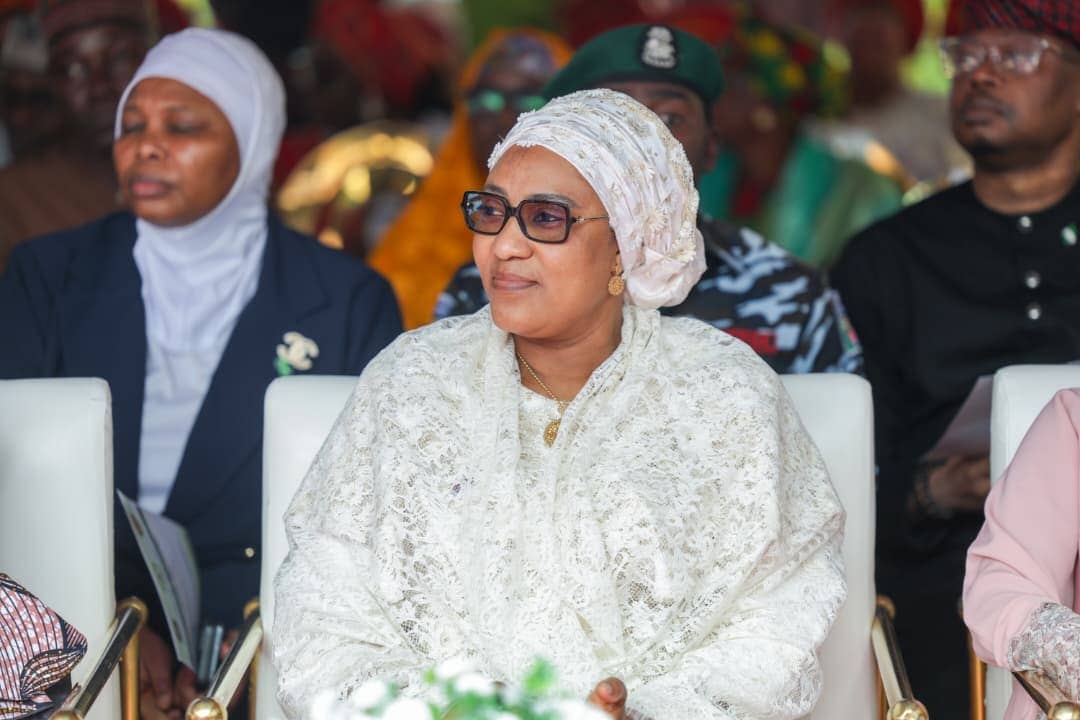
Speaking during the commissioning ceremony, the First Lady, who was represented by wife of the Vice President, Hajiya Nana Shettima @kujarima, reaffirmed her commitment to ensuring that girls whose education has been disrupted by life’s challenges are given a second chance to fulfil their potential.
She noted that the establishment of the school was founded on the conviction that no girl or woman should be denied the opportunity to reach her full potential because of the challenges she encounters in life.
Senator Tinubu expressed delight at the renovation and equipping of the school through the intervention of the Universal Basic Education Commission (UBEC), just as she commended the Executive Secretary of UBEC, Dr. Aisha Garba and her team for their commitment to improving the learning environment.
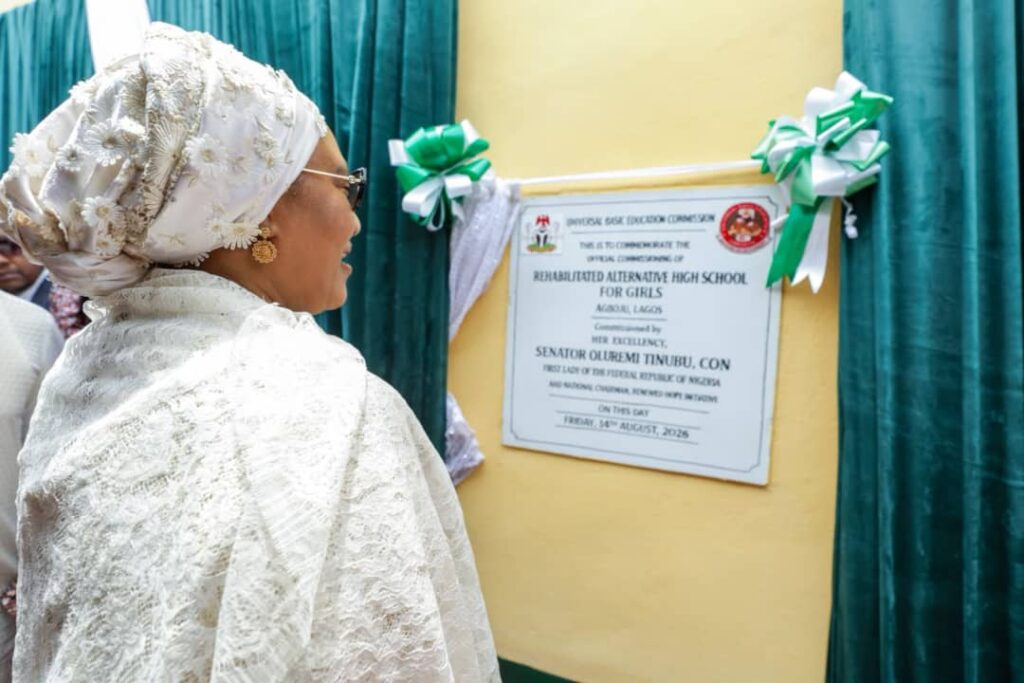
She also applauded UBEC’s efforts towards establishing Alternative High Schools for Girls across the country, particularly the ongoing construction of another school in Ikorodu, Lagos State, which she said would soon be ready for commissioning.
The First Lady explained that the vision is to establish at least one Alternative High School for Girls in each of the three senatorial districts in the state.
She said Lagos West and Lagos East now have one school each, leaving Lagos Central as the remaining district.
Accordingly, she urged the Lagos State Government to complete the initiative by establishing an additional Alternative High School for Girls in Lagos Central, while ensuring the effective operation and proper maintenance of all the schools to enable more girls to complete their education and acquire relevant skills.
Addressing the students, Senator Tinubu encouraged them to take full advantage of the opportunity provided by the school, even as she asked them not to allow their past experiences to define their future.
“Let your past not define your future. With determination, discipline, and hard work, you can achieve your dreams and become positive contributors to our nation’s development,” she said.
On her part, wife of Lagos State Governor, Dr Ibijoke Sanwo-Olu, who represented her husband, Mr. Babajide Sanwo-Olu described the commissioning as unveiling of a new school.
She noted that it has restored dignity and created new opportunities for young women, adding that educating a girl is educating a family, a community, and a nation.
Also speaking, the Executive Secretary of UBEC, Dr. Aisha Garba said the Commission is committed to providing alternative access to education with skills development across the country.
She said the renovation of the Alternative High School for Girls in Agboju was part of the renewed commitment of the federal government, as work on the same school in Ikorodu is ongoing and will be commissioned soon.
There were goodwill messages from the lagos State Commissioner for Basic and Secondary Schools and Lagos SUBEB chairman.
Highpoint of the commissioning ceremony was the inspection of the facility by representative of the First Lady, Hajiya Shettima.
Girl Child Education Paramount To Nation Building, First Lady Emphasises
Al-Shabaab weighs political pathway amid internal debate over Taliban model
By Zagazola Makama
A growing debate within Al-Shabaab’s media and ideological ecosystem over whether the Somali jihadist organisation could eventually follow a path similar to that of the Taliban in Afghanistan is raising questions about the group’s long-term strategic direction and the future of Somalia’s counter-insurgency campaign.
The emerging discussion is significant because it goes beyond the group’s traditional propaganda narrative. For the first time, elements associated with Al-Shabaab’s information network are openly examining the possibility of negotiations, political engagement and eventual interaction with the international community.
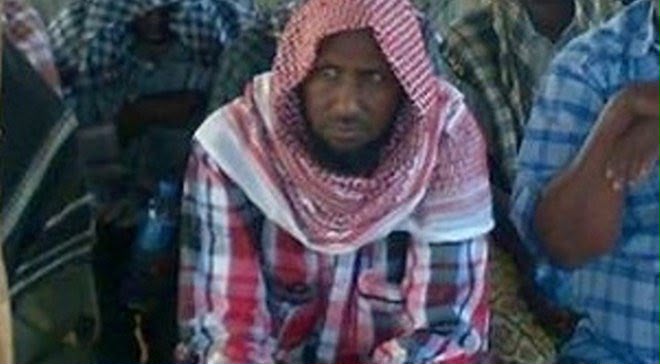
One of the figures associated with Al-Shabaab-affiliated media, identified by the alias Eng. Kurtun Hassan, has published two articles examining the possibility of a political transition and the lessons the group could draw from developments in Afghanistan.
The articles do not, on their own, constitute a formal declaration by Al-Shabaab. However, they have attracted attention because they raise substantive questions about whether an insurgent organisation that has spent nearly two decades fighting the Somali government could eventually seek a negotiated political settlement.
According to intelligence reporting cited by security sources, elements within the Al-Shabaab leadership may have already begun considering negotiations with the Federal Government of Somalia.
The reports indicate that discussions are allegedly being conducted around the possibility of using trusted foreign actors as intermediaries between Al-Shabaab and the Somali government.
The reported approach appears to be cautious, with the group allegedly waiting for what its leadership considers favourable political and security conditions before making any public announcement.
This is particularly important because Al-Shabaab has historically rejected the legitimacy of the Somali federal government and has sought to overthrow the existing political order through armed struggle. Any decision by senior commanders to explore negotiations would therefore represent a major departure from the organisation’s established strategy.
Security analysts, however, caution that exploratory contacts or internal discussions should not be confused with a final organisational decision.
Al-Shabaab is a complex organisation with military commanders, religious figures, financiers, clan-linked networks, political actors and an extensive propaganda apparatus. Differences within these components could influence whether any future negotiations gain the support of the wider leadership.
The Taliban experience appears to be an important reference point in the debate. After decades of conflict in Afghanistan, the Taliban eventually entered negotiations with the United States and other international actors before returning to power in Kabul in August 2021 following the collapse of the Afghan government.
For some within Al-Shabaab’s ideological and political circles, the Taliban experience may be viewed as evidence that an insurgent movement can move from armed opposition to political authority without necessarily disappearing as an organisation.
This could explain why developments in Afghanistan are reportedly receiving increased attention among senior Al-Shabaab members and sympathisers.
Sources indicate that members of the group are studying issues including governance, security structures, military organisation, public administration and economic production in Afghanistan. The interest is reportedly not limited to Afghanistan.
Developments in Syria are also being monitored, particularly questions surrounding armed groups, territorial control, governance structures and the transition from insurgency to political administration. The comparisons are significant because they suggest that sections of Al-Shabaab may be considering the question of what comes after insurgency.
Perhaps the most important aspect of the emerging discussion is the reported debate in areas under Al-Shabaab influence over whether the group could transform itself from an armed insurgent organisation into a governing authority.
In locations including Jilib, Bu’aale and Kunyoo Barrow, discussions are reportedly becoming increasingly open among members and sympathisers. The central question is reportedly whether Al-Shabaab possesses the organisational structures necessary to administer territory on a broader scale if it eventually abandons or reduces its armed campaign.
Supporters of the idea reportedly point to the organisation’s existing taxation systems, courts, security structures, religious administration and mechanisms for regulating economic activity in areas where it exercises influence. Some members are also said to compare Al-Shabaab’s organisational capabilities with armed factions that emerged during the Syrian conflict.
The argument reportedly being advanced by some sympathisers is that Al-Shabaab has developed a more coherent administrative structure than several other jihadist and insurgent organisations and could therefore potentially transform that structure into a political system.
Such claims, however, remain part of an internal ideological debate and should not be interpreted as evidence that a political transition has already been approved.
Al-Shabaab remains one of the most significant jihadist organisations operating in Africa.
Its strength is difficult to determine with precision because of the clandestine nature of the organisation and the movement of fighters between combat, logistical and support roles.
Some intelligence estimates put its overall membership at approximately 20,000, including about 12,000 armed combatants. The organisation also maintains a sophisticated financial system.
For years, Al-Shabaab has generated substantial revenue through taxation, extortion, illegal economic activities, checkpoints, commercial transactions and other sources.
Some assessments have placed its annual revenue at more than $100 million, although such estimates are difficult to independently verify. That financial strength has been one of the major factors sustaining the group’s insurgency.
However, the organisation has increasingly come under financial pressure as the Somali government, regional forces and international partners have intensified efforts to disrupt its revenue networks.
The targeting of financial facilitators, restrictions on money transfers and operations against taxation and extortion networks have reportedly complicated the group’s ability to maintain its previous level of financial freedom.
This could become an important factor in any future strategic decision by Al-Shabaab’s leadership.
The reported debate also comes against the background of continuing military pressure on Al-Shabaab. Somali security forces, supported by international and regional partners, have conducted sustained operations against the group, targeting its commanders, logistics networks, training facilities and territorial positions.
Although Al-Shabaab has demonstrated considerable resilience and retains the ability to launch attacks, conduct assassinations and impose influence over parts of rural Somalia, the conflict has also placed significant pressure on the organisation.
For the group’s leadership, the strategic calculation may therefore be changing. An insurgent movement can survive for many years without necessarily achieving its political objective. But maintaining an armed campaign indefinitely requires manpower, money, territorial access, popular support and the ability to replace commanders and fighters lost in combat.
The emergence of discussions about negotiations could therefore reflect a reassessment of whether military confrontation alone can deliver the group’s desired political outcome.
One of the most sensitive elements of the intelligence reporting is the suggestion that sections of Al-Shabaab may be reassessing its transnational jihadist ideology. For nearly two decades, Al-Shabaab has presented itself as part of the wider global jihadist movement. Its affiliation with Al-Qaeda has given the group an international ideological dimension beyond the Somali conflict.
Any decision to move towards a political settlement would therefore raise a fundamental question: Can Al-Shabaab participate in Somalia’s political system while maintaining the ideological framework that has justified its armed campaign?
This could become the most difficult issue in any negotiations. A political transition would potentially require compromises on governance, constitutional arrangements, security, territorial control and relations with the international community.
It could also generate internal resistance from commanders and hard-line ideological elements who regard negotiations with the Somali government as unacceptable.
The danger of overinterpreting the signals
Despite the significance of the emerging debate, security officials and analysts would need to exercise considerable caution.Al-Shabaab has an extensive propaganda apparatus capable of deliberately generating narratives designed to influence governments, local communities and international audiences.
Discussions about negotiations could therefore have multiple purposes. They could reflect a genuine internal strategic debate. They could be an attempt to test public reaction.
They could also represent efforts to create divisions within the Somali government or encourage the perception that the group is politically stronger than it actually is.
Another possibility is that pragmatic elements within the organisation are exploring political options while hard-line commanders remain committed to armed jihad. For that reason, the publication of articles by Al-Shabaab-affiliated writers should not automatically be treated as an official policy statement.
What would negotiations mean for Somalia?
If the intelligence reporting is eventually corroborated and Al-Shabaab formally agrees to negotiations, the consequences would be profound. For the Somali government, negotiations could offer an opportunity to reduce violence, expand state authority and encourage defections from the insurgency. But negotiations could also create serious political and security challenges.
The government would have to determine whether former fighters could be integrated into security institutions, whether political participation could be offered to former insurgents and how victims of Al-Shabaab violence would be addressed.
There would also be difficult questions surrounding justice, accountability and the future of commanders accused of serious crimes.
For neighbouring countries and international partners, any political transition would require careful monitoring to ensure that Al-Shabaab does not simply use negotiations to reorganise, rebuild its financial networks and emerge in a different form.
The emerging debate therefore represents an important intelligence and political development, but not yet a confirmed breakthrough.The most significant indicator would be whether the reported internal discussions eventually translate into an official decision by Al-Shabaab’s senior leadership.
That would require more than media articles or discussions among sympathisers.
It would likely become visible through changes in the group’s public messaging, contacts with intermediaries, reductions in attacks, movement of senior commanders, instructions to field units and eventually direct engagement with the Somali government. Until such indicators emerge, the Taliban comparison should be treated as a strategic discussion rather than an established roadmap.
Nevertheless, the fact that such a discussion is reportedly taking place within Al-Shabaab’s own media environment is noteworthy.
After nearly two decades of armed conflict, the organisation may be confronting the same strategic question that has faced several long-running insurgencies: whether victory can ultimately be achieved through continued warfare or whether survival and political influence require a transition into a different kind of movement.
For Somalia, that question could become one of the most consequential developments in the country’s long-running fight against Al-Shabaab.
At present, however, the evidence points to an emerging internal debate not a confirmed decision by Al-Shabaab to abandon armed jihad or enter negotiations. Further intelligence and independent corroboration will be required before such a strategic shift can be established with confidence.
Al-Shabaab weighs political pathway amid internal debate over Taliban model
Security Agencies Conduct Show of Force, Secure Juma’at Prayers in Jos
By Zagazola Makama
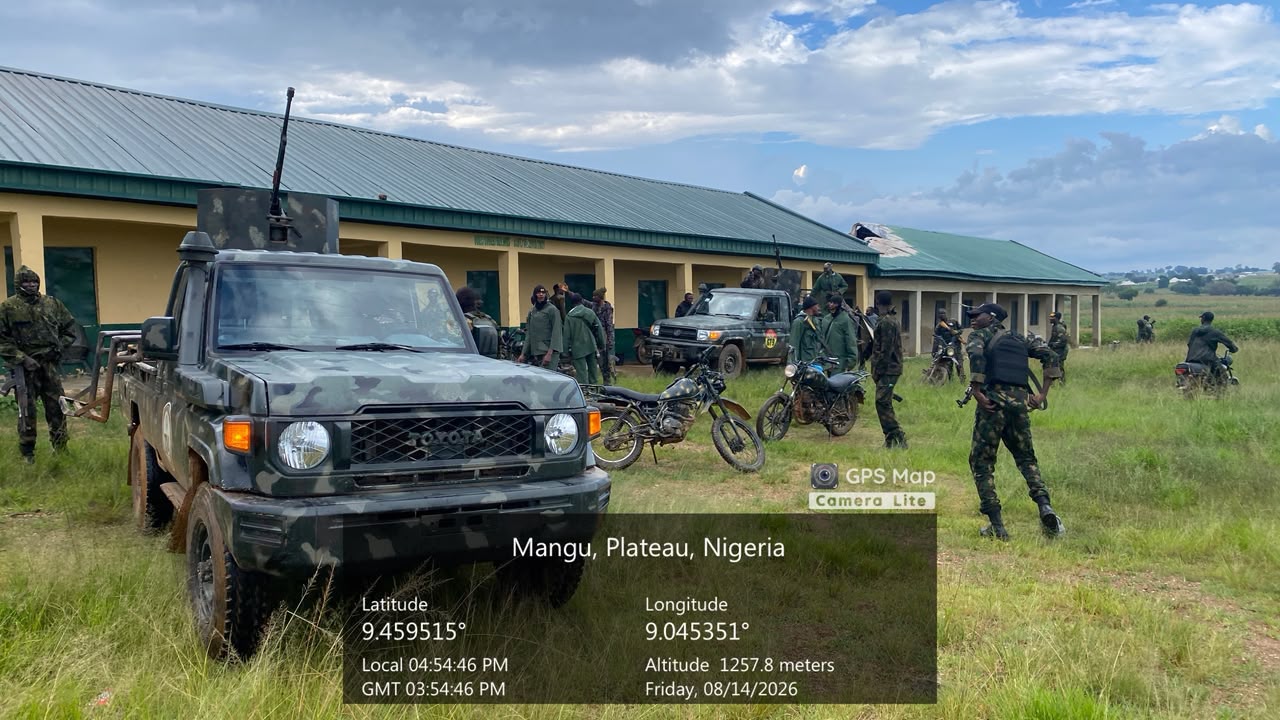
Security agencies have conducted a show of force across major flashpoints in the Jos-Bukuru metropolis and provided security for Juma’at prayers at various locations across Plateau State.
The operation, conducted on Friday, August 14, 2026, involved personnel of Operation Enduring Peace (OPEP), 551 Nigerian Air Force Station, Keystone, the Nigeria Security and Civil Defence Corps (NSCDC) and other security agencies.
A security source told Zagazola Makama that the personnel conducted patrols and a show of force at identified flashpoints within the Jos-Bukuru metropolis as part of proactive measures to ensure a peaceful and hitch-free Juma’at prayer.
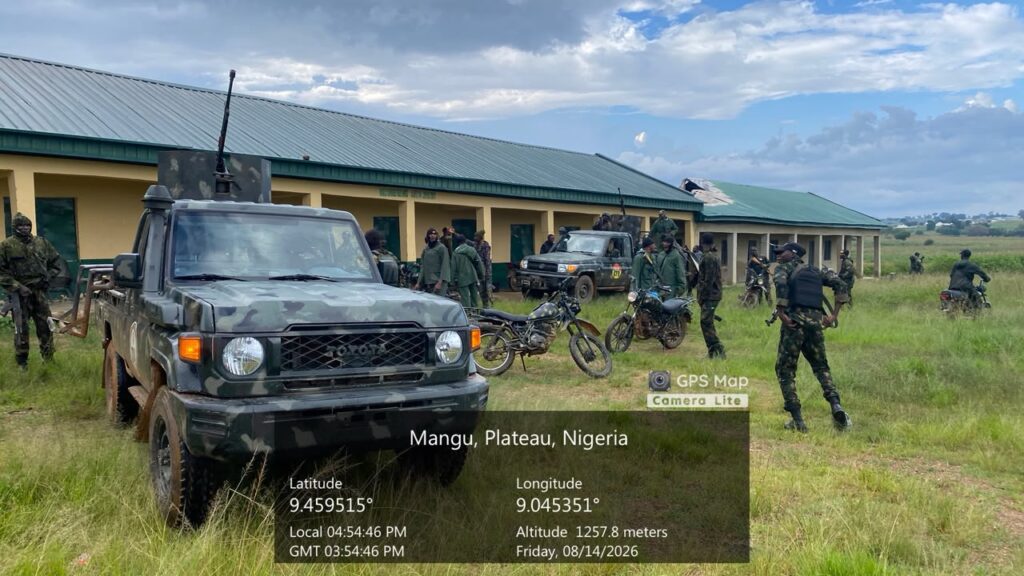
Security personnel were also deployed to various mosques and worship centres across the Operation Enduring Peace Joint Operations Area to deter criminal elements and prevent any attempt to disrupt religious activities.
The coordinated security presence was aimed at denying criminal elements freedom of action while reassuring residents and worshippers of their safety.
The exercise was conducted without incident, with Juma’at prayers reported to have proceeded peacefully across the areas covered by the operation.
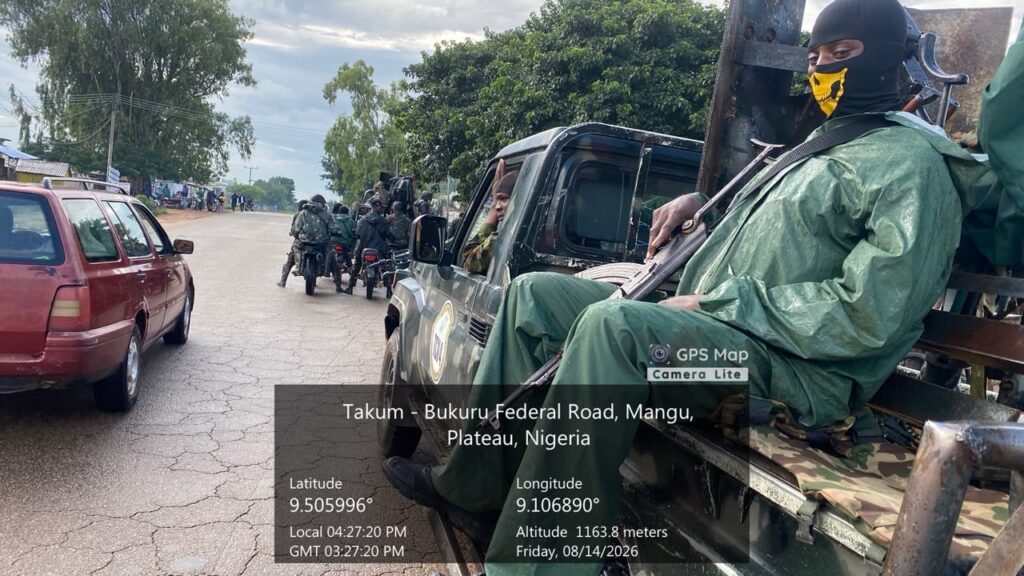
Security agencies have continued to maintain vigilance across the metropolis and other vulnerable locations as part of efforts to sustain peace and prevent security breaches.
Security Agencies Conduct Show of Force, Secure Juma’at Prayers in Jos

Girl Child Education Paramount To Nation Building, First Lady Emphasises

Al-Shabaab weighs political pathway amid internal debate over Taliban model

Security Agencies Conduct Show of Force, Secure Juma’at Prayers in Jos

Roger Federer’s Shock as DNA Results Reveal Myla and Charlene Are Not His Biological Children

THE PLIGHT OF FARIDA

FAILED COUP IN BURKINA FASO: HOW TRAORÉ NARROWLY ESCAPED ASSASSINATION PLOT AMID FOREIGN INTERFERENCE CLAIMS
-
 News2 years ago
Roger Federer’s Shock as DNA Results Reveal Myla and Charlene Are Not His Biological Children
-
Opinions4 years ago
THE PLIGHT OF FARIDA
-
 News1 year ago
FAILED COUP IN BURKINA FASO: HOW TRAORÉ NARROWLY ESCAPED ASSASSINATION PLOT AMID FOREIGN INTERFERENCE CLAIMS
-

 News2 years ago
EYN: Rev. Billi, Distortion of History, and The Living Tamarind Tree
-
 Opinions5 years ago
POLICE CHARGE ROOMS, A MINTING PRESS
-

 ACADEMICS2 years ago
A History of Biu” (2015) and The Lingering Bura-Pabir Question (1)
-

 Columns2 years ago
Army University Biu: There is certain interest, but certainly not from Borno.
-

 Politics1 year ago
2027: Why Hon. Midala Balami Must Go, as Youths in Hawul and Asikira/Uba Federal Constituency Reject ₦500,000 as Sallah Gift
