
National News
NEC Outlines Initiative To Ensure Food Security, Affordability

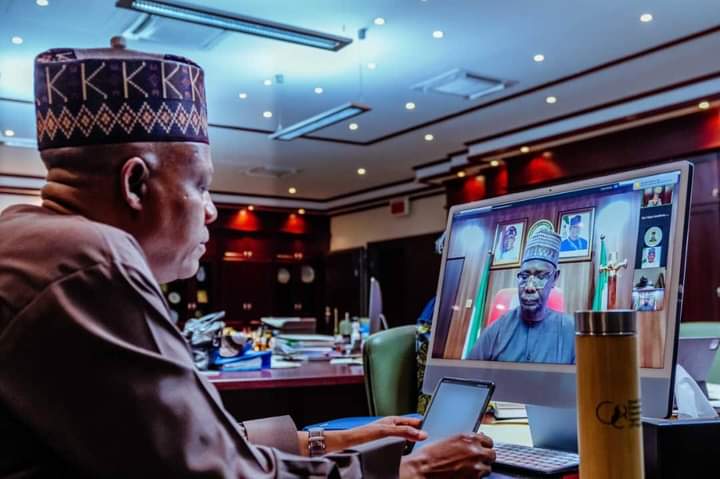
NEC Outlines Initiative To Ensure Food Security, Affordability
*With collective effort we’ll overcome our challenges – VP Shettima
By: Our Reporter
The National Economic Council (NEC) has taken bold steps to ensure food security and put an end to the economic challenges confronting the nation, including making fertilizer available to farmers and the establishment of Agro-Rangers to tackle insecurity in farms.
The decision was taken on Thursday during the 139th meeting of the Council held virtually and chaired by Vice President Kashim Shettima.
This is just as the Vice President has said with collective efforts in developing a clear and actionable roadmap through short-term, medium, and long-term strategies, Nigeria will overcome its economic challenges in the country.
Following a presentation by the Minister of Agriculture and Food Security, Abubakar Kyari @SenatorAKyari, on food security in the country, Vice President Shettima directed a meeting of the federal government with major fertilizer producers in the country, including Indorama, Dangote and Notore.
NEC noted that fertiliser is a major ingredient of agricultural productivity which the government is striving to attain and urged the state governors to embrace modern agricultural practices to increase productivity.
Council also considered the establishment of Agro-Rangers in the short-term and the possible creation of state police in the long-term to address security threats on farmers. This was after a presentation by the Minister of Police Affairs @MinofPoliceNG, Sen. Ibrahim Geidam.
The government is also planning to release 42,000 metric tonnes of food commodities from the National Strategic Reserve to address rising prices.
Minister of Agriculture called for action against dollarization of locally produced commodities like urea, which is impacting negatively on fertilizer prices and agricultural productivity.
Meanwhile, Vice President Shettima has called for sound economic decisions that will reverberate with the expectations of Nigerians.
He expressed hope that with collective efforts in developing a clear and actionable roadmap through short-term, medium, and long-term strategies, Nigeria will overcome its current economic challenges.
The Vice President also regretted that Nigeria had been a victim of strong averseness to evolving and keeping up with the changing global economic order, leading to a situation where making difficult decisions to maximize its potential has become inevitable.
“We must either redirect the economy towards a place of boom and competitiveness or brace for an impact we are unlikely to survive. So, beyond the heritage of our financial and monetary fiascos, we must compare notes to understand the interconnectedness of the dysfunctions in each sector of the economy,” he stated.
Delivering his opening speech titled, “It’s Time To Speed Up Our Prosperity Quest,” Senator Shettima told council members that it is President Bola Ahmed Tinubu’s desire that they all stand together to collectively proffer solutions to safeguard the nation’s economy from imminent implosion.
He observed that while the wealth of every nation is in the belly of its citizens, the government has a long distance to cover in its interventions to enhance “food availability and affordability.
“The call to secure and liberate areas under threat from violence, most of which are arable lands owned by our farming communities, is not just a matter of security but a strategic move to revive the economic lifeblood of our nation,” he added.
Noting that the citizens are only keen about tangible results, the VP stated: “Your Excellencies, distinguished ladies and gentlemen, while economic experts foresaw this transitional phase on our journey to a flourishing future, it is crucial to recognize that the ordinary citizen on the street is not concerned with any economic theory. Their daily concerns are anchored in the tangible.
“They are more invested in the price of maize than the predictions of GDP. So, as we deliberate on intricate economic strategies today, let us remain attuned to the heartbeat of the nation. We must ensure that our decisions resonate with the aspirations of the common man and woman who entrust us with their hopes and dreams.”
Acknowledging that the country is in the midst of a pervasive emergency, VP Shettima implored state governors, ministers and other NEC members to align their minds and actions with the reality on ground.
Other highlights of the meeting include:
- Update on work done by the adhoc committees on oil theft prevention and economic matters set up in December.
UPDATES ON ACCOUNT BALANCE:
The Honourable Minister of Finance and Coordinating of the Economy gave Council update on the underlisted Accounts as follows:
EXCESS CRUDE ACCOUNT
$ 473, 754.57
NATURAL RESOURCES
N114, 343, 535, 696.46
STABILISATION ACCOUNT
N34, 315,780, 894. 45
PRESENTATION ON HEALTH SECTOR WIDE APPROACH AND SIGNING OF COMPACT AGREEMENT WITH STATES BY THE HONOURABLE MINISTER OF HEALTH AND SOCIAL WELFARE
Council was called to note that the goal of the sector is to save lives, reduce both physical and financial pain and produce health for ALL Nigerians.
On health, council resolved that there is a need for states to enhance their governance systems and structures, accountability frameworks, strengthen fiduciary systems and develop comprehensive performance management systems.
Clearly, there is a need for states to better engage with the federal government and ensure that we have one plan in delivering quality health plan to Nigerians.
UPDATE ON THE NEC COMMITTEE ON FLOOD
Following a potential flood warning from the Lagdo dam in October 2023, an existing ad hoc committee was reinstated by His Excellency the Chairman of NEC. The committee was mandated with producing a roadmap for flood prevention and response, while coming up with an immediate plan of action to mitigate the impact of flooding on the nation and Nigerians. This committee submitted its report with key recommendations and a strategic plan of action which was presented at the NEC meeting held on the 18th of October 2023.
Given the situation in the country, the NEC ad hoc Committee on flood was further mandated to investigate the projections for the 2024 raining season and present its findings at the next Council meeting to ensure preparedness and appropriate response ahead of the 2024 raining season. The committee has been tasked with working with experts at the various agencies to ensure that relevant data is made available on the 2024 flood forecast and necessary the reports are reviewed, and recommendations made to the NEC on how best to prepare and respond ahead of the 2024 flood season.
Council resolved to appoint the Governor of Kogi State, Ahmed Usman Ododo @OfficialOAU, to replace his predecessor as the chairman of the Committee on Flood Mitigation, Adaptation, Preparedness and Response.
NEC Outlines Initiative To Ensure Food Security, Affordability


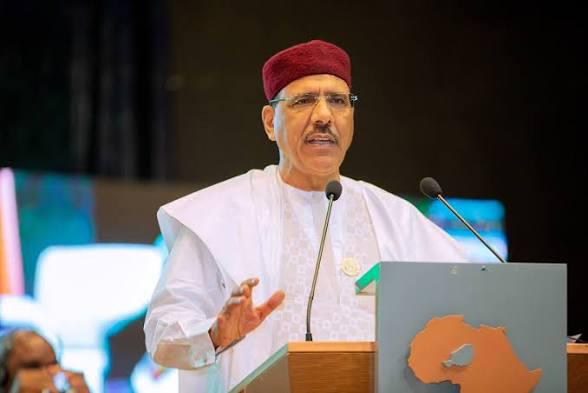
EU Parliament calls for release of Niger’s ousted president Bazoum
By: Zagazola Makama
The European Parliament has adopted a resolution calling for the immediate and unconditional release of Niger’s ousted president, Mohamed Bazoum, and his wife, who have remained in detention since the 2023 Niger coup d’état.
Bazoum, who was democratically elected in Niger’s historic transfer of power in 2021, would have completed his first five-year term in April 2026 if he had not been overthrown by members of his presidential guard.
In a resolution adopted almost unanimously on Friday, the European Parliament condemned the continued detention of Bazoum and his wife by the military authorities currently ruling Niger, describing their detention as arbitrary.
The lawmakers urged the military junta to release the former president immediately and restore constitutional order in the country.
The resolution warned that the international community could consider further sanctions and legal measures against members of the military leadership if the situation persists.
Bazoum and his wife have been held in confinement since July 2023 when soldiers led by Abdourahamane Tiani, the former head of the presidential guard, overthrew the government and suspended the constitution.
The coup drew widespread condemnation from the international community, including ECOWAS, which initially threatened military intervention to restore democratic governance.
However, the proposed intervention was never carried out, and Bazoum has remained in detention while the military authorities consolidated power.
Political observers say the failure of regional and international efforts to secure Bazoum’s release has raised concerns about the weakening of democratic norms in parts of the Sahel.
The European Parliament said the continued detention of the former president represents a violation of democratic principles and human rights, warning that silence or indifference toward such actions could encourage unconstitutional changes of government elsewhere.
The resolution also highlighted the deteriorating political and security situation in Niger since the coup, noting that democratic gains and human rights protections have been undermined under military rule.
Meanwhile, critics have also raised questions about the silence of Mahamadou Issoufou, Bazoum’s long-time political ally and predecessor, who some analysts say has not publicly pressed strongly enough for Bazoum’s release despite their decades-long political relationship.
The European Parliament’s move could revive international attention on Bazoum’s detention and increase diplomatic pressure on the junta to release him and return Niger to constitutional governance.
They also urged African governments and institutions to play a more active role in defending democratic norms and supporting the restoration of civilian rule in Niger.
Bazoum’s supporters continue to call for stronger international mobilisation to secure his freedom and restore the democratic mandate given to him by the Nigerien electorate.
EU Parliament calls for release of Niger’s ousted president Bazoum
National News
Northern Nigeria Faces Environmental Crisis as FG Unveils Plans to Revive Dying Rivers, Farmlands
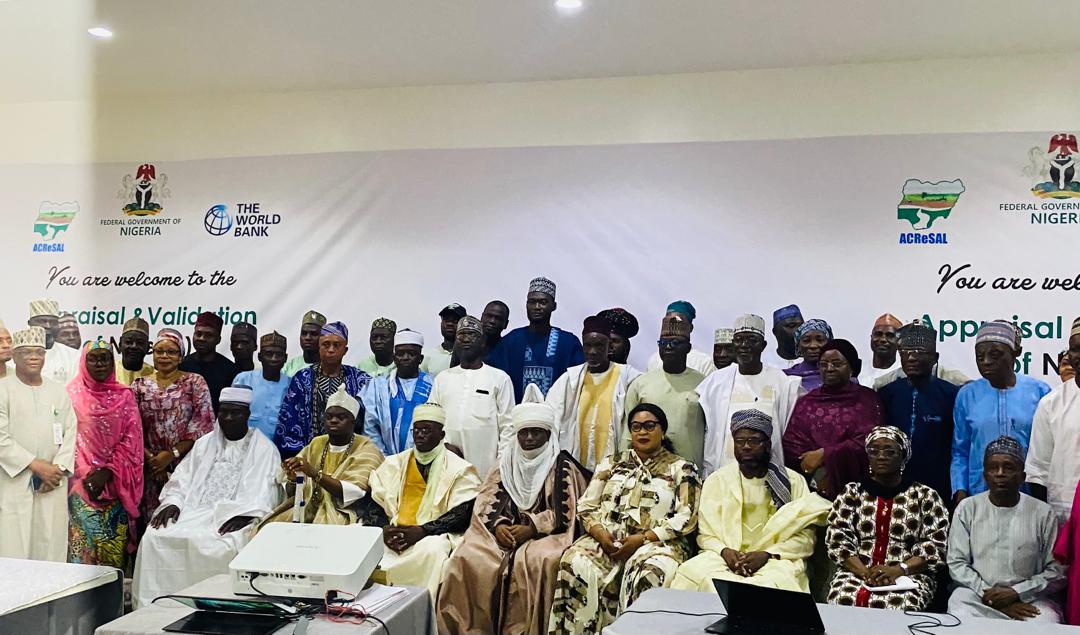
Northern Nigeria Faces Environmental Crisis as FG Unveils Plans to Revive Dying Rivers, Farmlands
By: Michael Mike
Alarm over worsening desertification and environmental degradation across Northern Nigeria has prompted the Federal Government to move ahead with new strategic plans aimed at restoring damaged ecosystems and safeguarding the livelihoods of millions of rural residents.
The initiative, supported by the World Bank and implemented under the Agro-Climatic Resilience in Semi-Arid Landscapes (ACReSAL) Project, focuses on the development and validation of nine Strategic Catchment Management Plans intended to tackle land degradation, water scarcity and declining agricultural productivity in vulnerable communities.
The plans are currently being reviewed at a multi-stakeholder workshop in Abuja, where government officials, development partners, environmental experts and community representatives are examining strategies to restore critical watersheds and strengthen climate resilience across the region.
Officials said the intervention has become urgent as environmental pressures continue to threaten food production, water supply and the stability of rural communities in the country’s northern belt.
Director of Hydrology at the Federal Ministry of Water Resources and Sanitation, Engr. Abohwo Ngozi, who represented the Minister, Joseph Terlumun Utsev, warned that desert encroachment, erratic rainfall and shrinking water bodies are already affecting livelihoods across the 19 northern states and the Federal Capital Territory.
She noted that degraded farmlands and drying rivers have become daily realities for farmers and pastoralists who depend on the region’s fragile ecosystems for survival.
According to Ngozi, the catchment management plans will provide a comprehensive framework for coordinating environmental restoration efforts while improving water and land management practices.
She explained that the strategies would help identify priority intervention areas, mobilise resources and guide long-term investments aimed at reversing environmental decline.
National Coordinator of the ACReSAL Project, Abdulhamid Umar, represented by Shettima Adams, said the nine catchment plans were developed after extensive consultations with communities directly affected by environmental degradation.
He said the catchments include Malenda, Oshin-Oyi, Gurara-Gbako, Aloma-Konshisha, Benue-Mada, Sarkin-Pawa-Kaduna, Zungur-Gongola, Gaji-Lamurde and Hawul-Kilange.
Umar noted that the plans would guide practical interventions such as tree planting, soil conservation, climate-smart agriculture and improved water management aimed at restoring ecosystems and boosting rural livelihoods.
“These plans reflect the voices of communities that are already living with the realities of desertification, shrinking water sources and degraded farmlands. They offer practical solutions designed to rebuild the landscapes and support sustainable livelihoods,” he said.
The catchment areas span several states including Adamawa, Bauchi, Benue, Borno, Gombe, Kaduna, Kano, Katsina, Kebbi, Kogi, Kwara, Nasarawa, Niger, Plateau, Taraba, Yobe and Zamfara, as well as the Federal Capital Territory.
Beyond environmental restoration, experts say improved catchment management could also help reduce tensions linked to competition for land and water resources among farmers, herders and rural communities in parts of Northern Nigeria.
Representing the World Bank Task Team Leader, Joy Iganya Agene, Henrietta Alhassan said the validation process marks an important step toward strengthening sustainable water resource management and climate adaptation efforts in the region.
She stressed that protecting catchment ecosystems is critical not only for environmental sustainability but also for ensuring long-term economic development and the resilience of communities that rely on these natural resources.
Officials involved in the programme said the workshop will complete the validation of the final batch of catchment plans, bringing the total number developed under the ACReSAL project to 20 and paving the way for large-scale environmental restoration and climate resilience interventions across Northern Nigeria.
Northern Nigeria Faces Environmental Crisis as FG Unveils Plans to Revive Dying Rivers, Farmlands
National News
NHRC Chief Urges West Africa to Break Silence on Gender Violence, Reveals 3.7m Rights Complaints Received in 2025
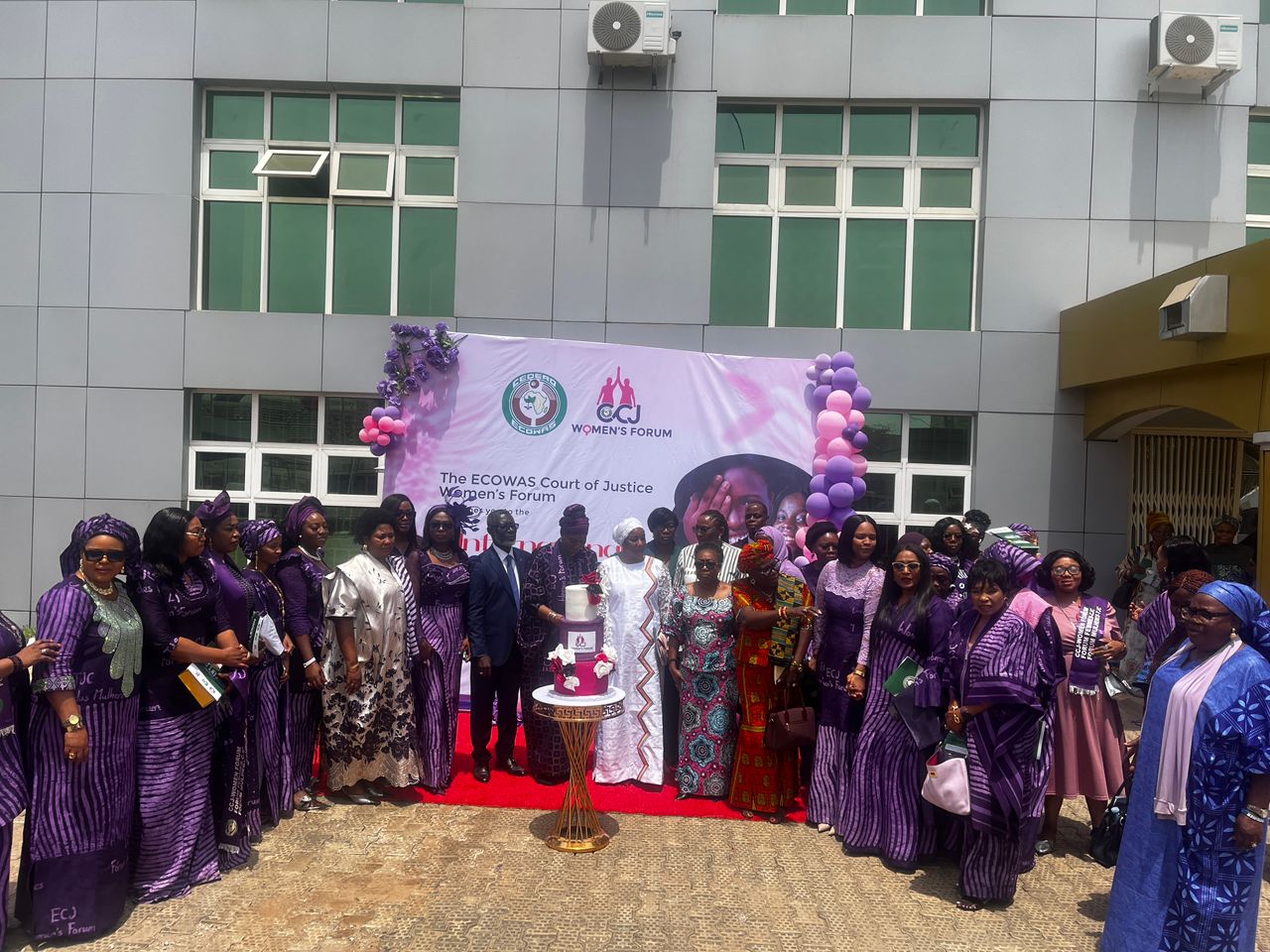
NHRC Chief Urges West Africa to Break Silence on Gender Violence, Reveals 3.7m Rights Complaints Received in 2025
By: Michael Mike
The Executive Secretary of the National Human Rights Commission (NHRC), Tony Ojukwu, on Monday issued a strong call for urgent regional action to end gender-based violence, warning that millions of women and girls across Nigeria and West Africa continue to suffer abuse in silence.
Ojukwu made the appeal while delivering a keynote address at the International Women’s Day event organised by the Women’s Forum of the ECOWAS Court of Justice in Abuja, where he stressed that breaking the silence around gender violence is essential to achieving justice and equality.
Speaking on the theme “Rights. Justice. Action. For All Women and Girls,” the NHRC boss warned that gender-based violence remains one of the most widespread human rights violations in the world, stripping women and girls of dignity, safety and opportunity.
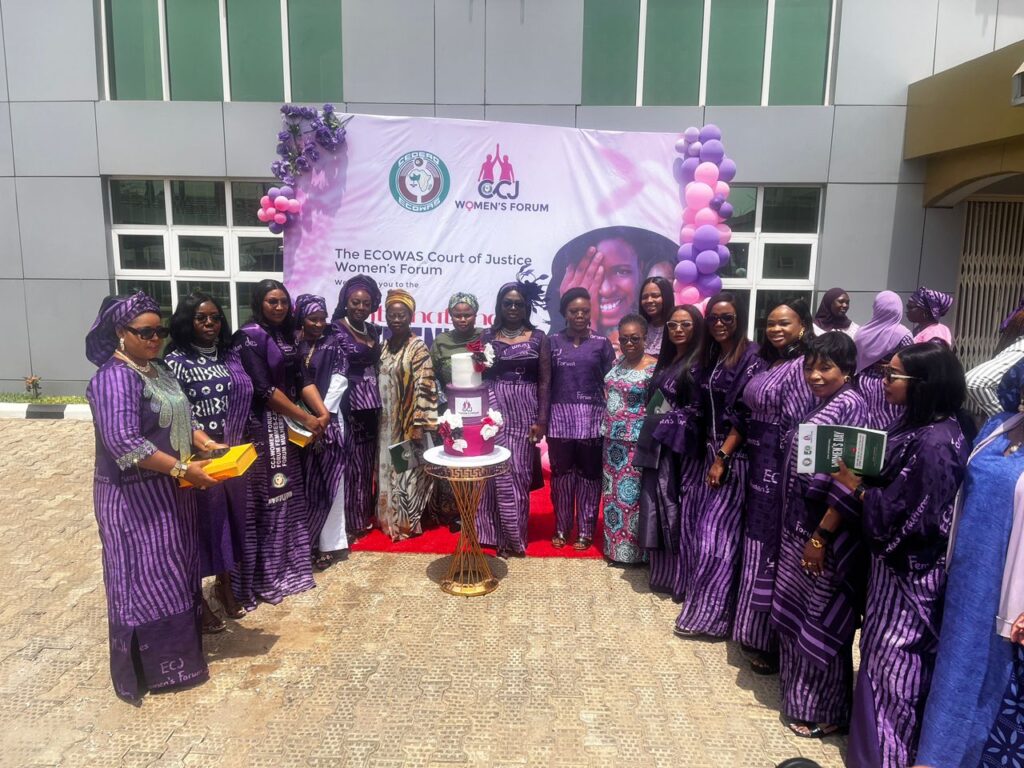
He said that while International Women’s Day is often marked with speeches and celebrations, the deeper challenge lies in confronting the realities that many women face daily.
“Silence has too often been the accomplice of violence. Too many women suffer in silence because they fear stigma, retaliation or disbelief. Today we must declare with one voice that silence is no longer an option,” Ojukwu said.
The human rights chief, who was represented by the Commission’s Director Women and Children Department, Mrs. Ngozi Okorie, painted a troubling picture of the scale of abuse, noting that Nigeria alone accounts for about 10 per cent of global survivors of gender-based violence, with an estimated 20 million women affected.
Citing data from the Nigeria Demographic and Health Survey 2018, he said nearly one in three Nigerian women between the ages of 15 and 49 has experienced physical or sexual violence at some point in her life.
Ojukwu also disclosed that the National Human Rights Commission received 3,724,822 complaints of human rights violations in 2025, a figure he described as both alarming and revealing of the scale of rights abuses across the country.
According to him, the complaints ranged from gender-based violence and child rights violations to abuses against other vulnerable groups.
He said the figures were compiled through the Commission’s 36 state offices and the Abuja Metropolitan Office, reflecting growing public awareness of the Commission’s mandate and increased willingness by victims to report violations.
“In Kano State alone, the Commission recorded 3,019 complaints between January and December 2025. Out of these, 2,276 were resolved while 743 cases remain under investigation,” he said.
He added that the Commission’s human rights monitoring dashboard recorded 670 cases of child abandonment in December 2025 alone, warning that such cases highlight the deeper social consequences of discrimination and violence against women and girls.
The NHRC boss emphasised that the choice of the ECOWAS Court as the venue for the event was symbolic, noting that the regional court has become a crucial platform for human rights enforcement in West Africa.
He recalled landmark rulings of the court, including the case of Dorothy Njemanze v Nigeria, in which the court found Nigeria guilty of discriminatory policing and gender-based violence against women.
Ojukwu said the judgment reinforced the role of the court in ensuring accountability and protecting the rights of women across the region.
“The ECOWAS Court has proven that justice can reach even the most vulnerable woman in a remote village. When this court says ‘break the silence,’ it speaks with the authority of an institution that listens to the cry of the common woman,” he said.
He disclosed that the Commission has introduced several initiatives to combat gender-based violence, including the launch of a Human Rights Dashboard for tracking violations and the introduction of a national short code 6472 to enable victims easily report abuses.
Ojukwu said the Commission is also expanding access to justice through technology, nationwide public awareness campaigns and stronger collaboration with civil society organisations and the media.
He noted that the NHRC has also endorsed the Male Feminists Network, a civil society initiative aimed at mobilising men and boys to challenge harmful cultural norms that enable violence against women.
According to him, addressing gender-based violence requires collective action involving governments, the judiciary, civil society groups, the media and traditional leaders.
He called on ECOWAS member states to harmonise and strengthen laws against gender-based violence while ensuring the enforcement of the Violence Against Persons (Prohibition) Act and other legal frameworks protecting women.
The NHRC chief further urged the judiciary to establish specialised gender-based violence courts, fast-track cases involving abuse against women and children and adopt survivor-centred approaches in the administration of justice.
He also appealed to the media to play a stronger role in exposing abuses and amplifying the voices of survivors while reporting cases with sensitivity and respect for victims.
“Ending gender-based violence requires more than sympathy. It demands justice. Perpetrators must be held accountable and survivors must have access to remedies that restore dignity and hope,” he said.
Ojukwu said by urging governments and stakeholders across West Africa to move beyond rhetoric and commit to concrete action that guarantees safety, dignity and equal rights for every woman and girl.
On her part, the President, ECOWAS Court of Justice Women’s Forum, Oluwatosin Nguher noted that gender-based violence remains one of the most pervasive human rights challenges of our time.
She said: “It undermines dignity, weakens institutions, disrupts communities, and directly affects access to justice.”
Nguher further stated that: “As a judicial institution serving the ECOWAS region, we cannot be indifferent to its impact. Silence perpetuates harm; action restores hope. Therefore, our proposed activities are carefully structured to foster informed dialogue, strengthen preventive strategies, and reaffirm our Court’s unwavering commitment to protecting the rights of women and girls.”
She charged that: “Together, through unity, awareness, and deliberate action, we can ensure that rights are protected, justice is accessible, and opportunities are equitable for all women and girls across the ECOWAS region.”
NHRC Chief Urges West Africa to Break Silence on Gender Violence, Reveals 3.7m Rights Complaints Received in 2025

India Strengthens Youth Ties with Nigeria Through Essay Competition Awards

Journalists Health Insurance Gets A Boost with Hundreds Enrolled in Abuja

Before Calling for DSS Disbandment, Look at the Results

Roger Federer’s Shock as DNA Results Reveal Myla and Charlene Are Not His Biological Children

THE PLIGHT OF FARIDA

FAILED COUP IN BURKINA FASO: HOW TRAORÉ NARROWLY ESCAPED ASSASSINATION PLOT AMID FOREIGN INTERFERENCE CLAIMS
-
 News2 years ago
Roger Federer’s Shock as DNA Results Reveal Myla and Charlene Are Not His Biological Children
-
Opinions4 years ago
THE PLIGHT OF FARIDA
-
 News11 months ago
FAILED COUP IN BURKINA FASO: HOW TRAORÉ NARROWLY ESCAPED ASSASSINATION PLOT AMID FOREIGN INTERFERENCE CLAIMS
-

 News2 years ago
EYN: Rev. Billi, Distortion of History, and The Living Tamarind Tree
-
 Opinions4 years ago
POLICE CHARGE ROOMS, A MINTING PRESS
-

 ACADEMICS2 years ago
A History of Biu” (2015) and The Lingering Bura-Pabir Question (1)
-

 Columns2 years ago
Army University Biu: There is certain interest, but certainly not from Borno.
-

 Opinions2 years ago
Tinubu,Shettima: The epidemic of economic, insecurity in Nigeria
