
News
ECOWAS Needs to be Kept Intact to Fight Threat of Terrorism in West Africa, Insists Kofi Annan Institute

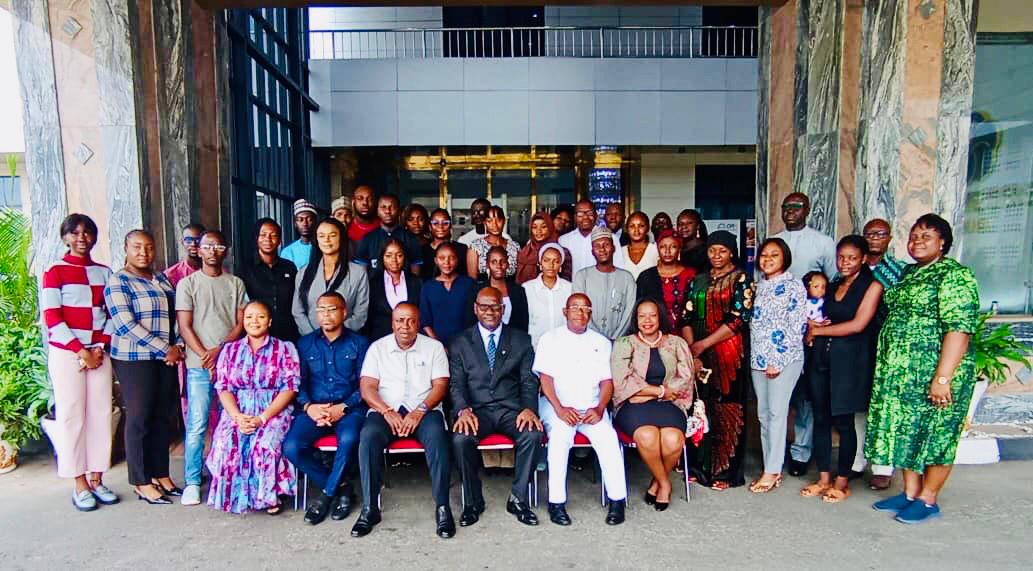
ECOWAS Needs to be Kept Intact to Fight Threat of Terrorism in West Africa, Insists Kofi Annan Institute
By: Michael Mike
The Commandant, Kofi Annan International Peacekeeping Training Centre (KAIPTC), Maj.-Gen. Richard Gyane has said that should dissatisfied members of Economic Community of West African States (ECOWAS) allowed to exit the economic bloc, the growing terrorism in the subregion may become more difficult to manage.
He also said the threat of terrorism has made it imperative to build the capacity of women and youth to tackle the menace in the subregion
Gyane raise the alarm at the opening ceremony of a Mobile Training course on Women, Youth, and Violent Extremism and Terrorism, organised by KAIPTC in collaboration with the Norwegian Government, on Monday in Abuja.
According to Gyane, the training aims at building the capacities of women and youth in Nigeria to be more resilient against the threat of Violent Extremism and Terrorism (VET).
Gyane while explaining that ECOWAS has done remarkably well in tackling the threat of terrorist group, insisted that to squarely deal with the threats of extremists and terrorists, a multi-faceted approach is needed with everyone contributing in the mix.
He said that it would be more difficult to tackle terrorism should the Sahel state allowed to exit ECOWAS since terrorism groups are more pronounce in the Sahelian states, they would have easy passage into other parts of the subregion as collaboration to wage war against them would be severely affected.
He explained that heavy-handed tactics by security forces have sown distrust among and within local communities in some countries, making women and youth more vulnerable to exploitation and recruitment by terrorists.
The commandant said that terrorist groups exploited latent ethnic animosities, mistrust of security forces, and the absence of state presence in certain parts of the littoral countries to enhance their agenda.
He explained that the training developed by KAIPTC for women and youth, which was the sixth edition, would equip the beneficiaries with requisite knowledge skills and resilience against VET.
He said: “As we gather here today, it is clear that VET continues to escalate at an alarming rate in coastal states of West Africa.
“This is terrifying for citizens, especially women, youth, and children, although what we see is just the tip of the iceberg.
“As such, there is a need for partners to remain committed in this fight against VET by building the resilience of their main targets (women, youth, and vulnerable communities), to prevent and counter the recruitment processes of these VET groups.
“It is obvious that there is a critical need to build the resilience and capacity of women and youth to also support the efforts of security practitioners in achieving this unity of purpose.
“KAIPTC collaborates with its key and strategic partners to organise VET-related courses both at the centre and as Mobile Training Teams (MTTs), because the fight against VET is not only for security practitioners but for all,” he said.
Gyane said that as security responses to the threat of VET ramped up, the ability of governments in the littoral countries to avoid the mistakes of their counterparts in the Sahel (Mali and Burkina Faso) was critical.
He explained that KAIPTC preferred to teach participants through collaborative problem-based learning methodology and based on peer learning.
Gyane urged them to be actively involved in the training and offering informed suggestions to address the VET threat regionally.
The Director General, Institute for Peace and Conflict Resolution (IPCR) Dr Joseph Ochogwu, who declared the training opened, said the institute was glad to identify with KAIPTC, adding that the strategic course was timely.
Ochogwu said that women and youth were the worst hit by the menace of violent extremism and terrorism particularly due to their high level of vulnerability.
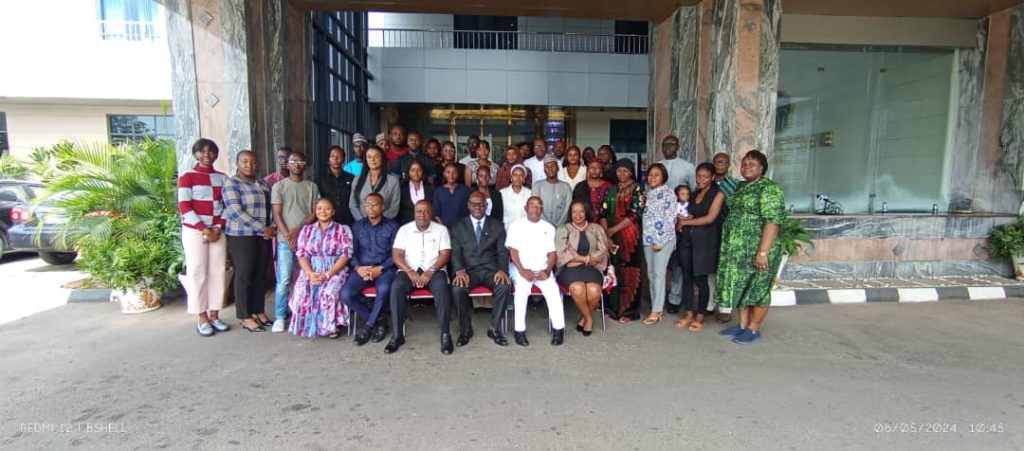
“My presence here today to join forces with the Kofi Annan International Peacekeeping Training Centre (KAIPTC) and Norwegian Government in the swift conduct of this strategic Course, is a testament of our resolve to achieving a nation and continent devoid of violent extremism and terrorism.
“It is my earnest belief and the belief of the entire team at IPCR that working together, we can create a safer and more secure future for our nation and the entire West African region.
“I have no doubt in my mind that this five-day event will achieve its overarching goals of equipping the participants with the requisite knowledge and skills to combat Violent Extremism and Terrorism in Nigeria, Sahel Region and Africa as a whole,” the IPCR DG said.
He added that the array of experienced resource persons participating in the course was proof that all stakeholders were determined to stamp out VET for regional stability, integration, sustainable development and global peace.
ECOWAS Needs to be Kept Intact to Fight Threat of Terrorism in West Africa, Insists Kofi Annan Institute


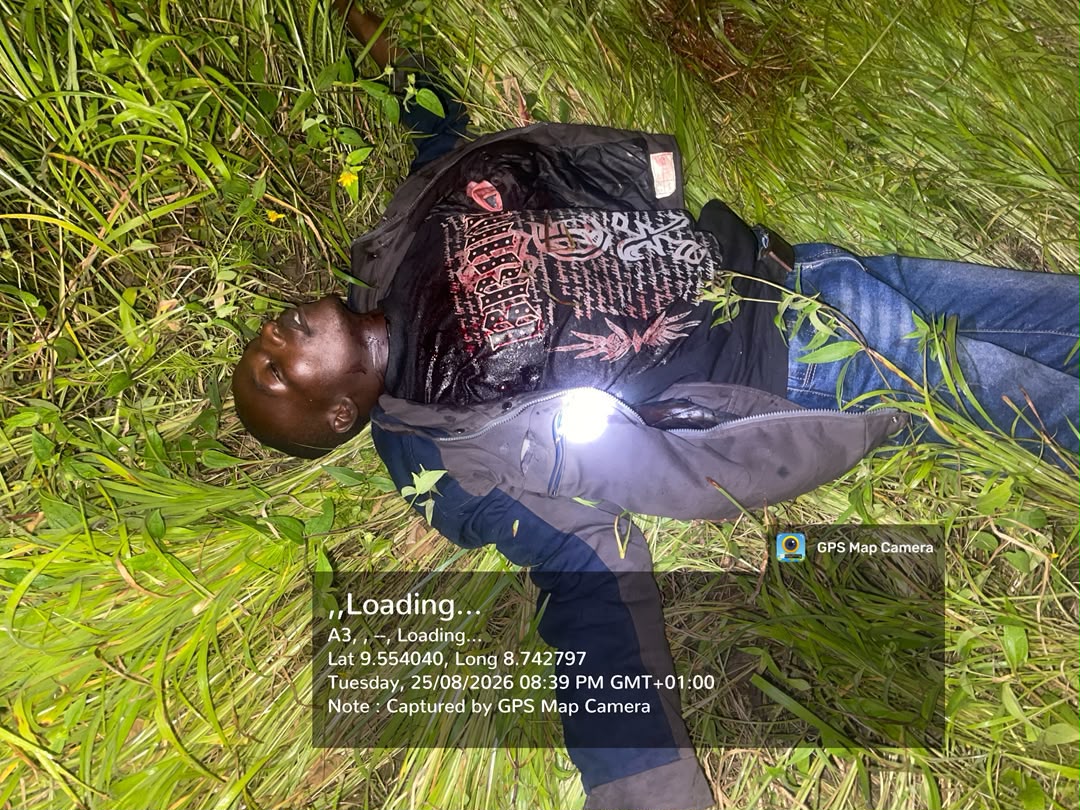
Troops foil attack on Rim community, three killed in Gwarim, Plateau
By: Zagazola Makama
Nigerian troops have foiled an attack on Rim community in Riyom Local Government Area of Plateau State, while three residents were reportedly killed in a separate incident at nearby Gwarim community.
Security sources told Zagazola Makama that the incident occurred on Tuesday, Aug. 25, when troops deployed in the area responded to an attack on Rim community at about 6:08 p.m.
The troops engaged the attackers and successfully repelled the assault without any casualty among the personnel or members of the community.
However, at about 6:46 p.m., the troops responded to another report of gunfire at Gwarim community, also in Riyom LGA.
On arrival at the location, the troops discovered the bodies of three residents who had been killed while reportedly keeping watch in the bush outside the community.
The corpses of the victims were recovered and subsequently handed over to members of the community for further necessary action.
The troops have since intensified patrols and are dominating the area in an effort to locate and apprehend the perpetrators.
The latest incidents come amid heightened security concerns in parts of Plateau State, particularly communities around Riyom and neighbouring areas.
Troops foil attack on Rim community, three killed in Gwarim, Plateau
Operation Savannah Shield troops foil attempted kidnapping of farmers in Niger
By: Zagazola Makama
Troops of Operation Savannah Shield have foiled an attempt by suspected terrorists to kidnap farmers at their farmlands in Tudun Harara village, Mariga Local Government Area of Niger State.
The incident occurred at about 11:30 a.m. on Aug. 25, 2026, when troops of the NATRAC Administrative Battalion, Forward Operating Base (FOB) Kotonkoro, responded to a distress report on the attempted abduction.
Security sources told Zagazola Makama that the troops engaged the terrorists upon arrival, forcing them to withdraw into the surrounding forest.
During the encounter, the fleeing terrorists abandoned a motorcycle, which was recovered by the troops.
The operation is part of ongoing efforts by security forces to protect farming communities and deny criminal elements freedom of action across Niger State.
Operation Savannah Shield troops foil attempted kidnapping of farmers in Niger
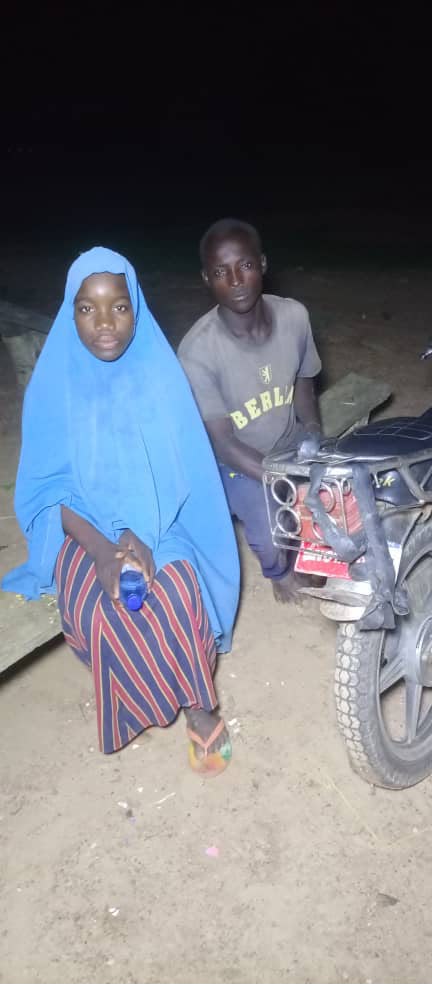
Operation Fansan Yamma troops foil ransom exchange, rescue kidnapped woman in Kebbi
By: Zagazola Makama
Troops of Sector 2, Operation Fansan Yamma, have rescued a kidnapped woman and disrupted a planned ransom exchange in Danko-Wasagu Local Government Area of Kebbi State.
The troops, conducting counter-terrorism and anti-banditry operations in the state, carried out the successful operation on Aug. 26, 2026, following credible intelligence on the planned ransom payment.
Zagazola Makama gathered from security sources that the victim had been abducted from her farm sometime last month, while the criminals were preparing to collect ransom in exchange for her release.
Acting on the intelligence, the troops swiftly mobilised to intercept the transaction.
Sources said the criminals attempted to engage the advancing troops after sighting them but were overwhelmed by the troops’ superior firepower.
The bandits subsequently fled in disarray, abandoning the hostage, who was immediately secured by the troops.
The victim was found unharmed and later transported to safety before being reunited with her family in Danko-Wasagu LGA.
Following the rescue, the troops conducted a thorough exploitation of the withdrawal route to ensure that the area was fully secured before returning to base.
In a related operation, the troops also conducted clearance and dominance patrols in Ngaski Local Government Area as part of efforts to maintain peace and deny criminal elements freedom of movement.
The patrols were completed without incident, further strengthening security presence and reassuring residents in the affected communities.
Operation Fansan Yamma troops foil ransom exchange, rescue kidnapped woman in Kebbi

Troops foil attack on Rim community, three killed in Gwarim, Plateau

Operation Savannah Shield troops foil attempted kidnapping of farmers in Niger

Army troops recover 97 rustled livestock, hand them over to owners in Kano

Roger Federer’s Shock as DNA Results Reveal Myla and Charlene Are Not His Biological Children

THE PLIGHT OF FARIDA

FAILED COUP IN BURKINA FASO: HOW TRAORÉ NARROWLY ESCAPED ASSASSINATION PLOT AMID FOREIGN INTERFERENCE CLAIMS
-
 News2 years ago
Roger Federer’s Shock as DNA Results Reveal Myla and Charlene Are Not His Biological Children
-
Opinions5 years ago
THE PLIGHT OF FARIDA
-
 News1 year ago
FAILED COUP IN BURKINA FASO: HOW TRAORÉ NARROWLY ESCAPED ASSASSINATION PLOT AMID FOREIGN INTERFERENCE CLAIMS
-

 News2 years ago
EYN: Rev. Billi, Distortion of History, and The Living Tamarind Tree
-
 Opinions5 years ago
POLICE CHARGE ROOMS, A MINTING PRESS
-

 ACADEMICS3 years ago
A History of Biu” (2015) and The Lingering Bura-Pabir Question (1)
-

 Columns2 years ago
Army University Biu: There is certain interest, but certainly not from Borno.
-

 Politics1 year ago
2027: Why Hon. Midala Balami Must Go, as Youths in Hawul and Asikira/Uba Federal Constituency Reject ₦500,000 as Sallah Gift
