
News
Tinubu’s silent and unreported achievements

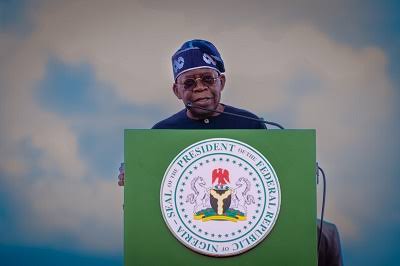
Tinubu’s silent and unreported achievements
By Tunde Rahman
But for the ministerial presentations on the achievements of the President Bola Tinubu administration in its first year, christened Ministerial Sectoral Update, which began on Tuesday May 21 at the National Press Centre in Abuja, many may not have known or appreciated the quantum of work that has been done by the government within such a short period of one year in office. This piece is not really about the re-engineering work that is being done on the economy, which is now recording a gradual growth. For instance, according to the National Bureau of Statistics, the nation recorded a 2.98% growth in the first quarter of this year, higher than 2.31% recorded in the same period in 2023.
The article is also not about the improving security in the land, especially in the oil producing Niger-Delta region, which has engendered increased oil production. Daily oil production has jumped up from barely 1million to 1.7million barrels per day including condensate, overshooting Nigeria’s OPEC quota, following the statistics provided by the Minister of State for Petroleum Resources (Oil), Senator Heineken Lokpobiri.
The focus of this piece is also not about the increasing flow of investments into the economy, like the $30 billion Foreign Direct Investment commitments already secured during the year to grow the economy.
My focus is about those silent, quiet achievements recorded, thus far, by the administration, which are largely unreported and unsung until now. These achievements are by no means insignificant. They are so concrete and substantial that in some instances, they are ground-breaking, either laying or re-laying the foundation for growth and development in the country or resetting the sectors where they have occurred.
It must be admitted, however, that some ministers have little to showcase in one year. This is evident enough in their presentations, which were drab and lack-luster in a number of cases. The ministerial presentations and inauguration of projects executed by the administration were the only approved activities organised to mark President Tinubu’s one-year anniversary. The president had ordered a low-key celebration.
One defining feature of most of the achievements recorded in the various ministries is that they emerged from the vision or ideas President Tinubu espoused and developed overtime, and embodied in his Renewed Hope Agenda as eight priority areas. The President is reform-minded and, like Singapore’s first Prime Minister Lee Kuan Yew, he is the Guardian Angel of those reforms and the achievements recorded thus far.
It is pertinent to highlight some of these reforms and initiatives across the various sectors. Take, for instance, the laudable projects executed by the Minister of the Federal Capital Territory, Mr. Ezenwo Nyesome Wike, the catalyst for those monumental achievements in just one year, is the full autonomy granted FCT by President Tinubu over the resources accruing to the territory. By removing FCT from the Treasury Single Account, the FCT Administration’s resources were unlocked for Wike to deploy in addressing the developmental challenges of the city. Yet that singular action of the President remains unsung and perhaps unappreciated by many. Of course, there are more things done to recalibrate the governance structure of the FCT by the president, including approval for more Mandate Secretaries and its own Civil Service Commission.
As a result of these presidential approvals, Minister Wike, away from the political turmoil in his native Rivers State where he has been fingered as a central figure, unleashed infrastructure on the FCT, opening up new districts with a network of roads and bridges, and resurfacing arterial roads. The minister has completed the construction of many bridges, refurbished the moribund metro line in Abuja and created access roads to the train stations, which had earlier rendered the stations inaccessible even when it was briefly operational. Around $15 million was expended on building the access roads to the various stations.
The minister also restructured and completed the official residence of the Vice President, which had been abandoned since 2010. Some cynics may ask-how important is that residential project at this point in time? This question would be of no significance when it is realized that the project, valued at N7billion in 2010, could not be left to waste and to scoundrels at a time the FCT authorities are working hard to ward off kidnappers and other criminal elements.
The Ministry of Power also has a remarkable story to share, though many would insist the sector has left much to be desired given its importance as an enabler of the economy. But believe it, a silent retooling, which promises to change the disastrous electricity situation in the country, is ongoing. Indeed, unbeknownst to many, power generation is gradually increasing. For instance, 5000MW of power was achieved this month for the first time in three years. “Precisely on May 3, 2024, we generated, transmitted, and distributed 5,003.45MW of power. This is expected to further rise to 6000MW by the end of this year,” the Minister of Power, Chief Adebayo Adelabu, said in his presentation.
President Tinubu did three important things, among others, to tackle the issues in the electricity supply value-chain and set the sector on the path to recovery and optimal performance. Number one, in June 2023, President Tinubu signed the 2023 Electricity Act into law, marking a significant milestone in the sector. The new law focuses on enhancing the regulation and management of the electricity value chain with the active participation of the sub-national governments. This, thus far, has resulted in the process of devolution of regulatory powers to three states – Enugu, Ekiti, and Ondo – to set up their electricity markets.
Two, the President gave approval to defray legacy debts owed gas companies to allow efficient gas supply for the sector going forward and payment mechanism to address generation companies’ debts. This, according to Adelabu, will ensure necessary maintenance and evacuation capacity optimization.
Third, there has also been a series of infrastructure upgrades in the last one year. The ongoing Siemens Power project under the Presidential Power Initiative was one of the programmes that ensured improvement of power assets in Nigeria. In December 2023, President Tinubu and German Chancellor Olaf Scholz witnessed the signing of an accelerated performance agreement aimed at expediting the implementation of the PPI to improve electricity supply in Nigeria.
The Minister of Power also disclosed that the government had also put in place the required framework to achieve an injection of 3.5 million meters into the power sector – 1.5 million meters through the World Bank Distribution Support Recovery Program and 2 million meters through the Presidential Metering Initiative.
In aviation, some developments are worthy of note, including the construction of the second Abuja runway, which had been stalled for many years as a result of law suits while a second runway in Lagos has been reactivated. Among other things, Minister of Aviation Festus Keyamo has facilitated the acquisition of aircraft by local operators under the dry lease agreement to support and empower the indigenous airlines to compete with international airlines on more lucrative international routes like the case of Air Peace on the Lagos-London route.
Additionally, discussions have also reached an advanced stage with foreign investors to establish a Maintenance, Repair and Overhaul Centre in Nigeria through PPP. Ibom Air is almost through in their negotiations with Airbus.
With respect to the food situation in the country, the Ministry of Agriculture and Rural Development launched dry season farming involving 118, 651 hectares in 15 states, with Jigawa State alone getting 40,000 hectares. This intervention injected an estimated N309 billion into the economy, according to the Minister of Agriculture and Rural Development, Senator Abubakar Kyari. The ministry also supported a total of 107, 429 wheat farmers with inputs resulting in output of 474, 628 metric tonnes. It has also created about 60,000 jobs across the agric value chain within the first year.
As the administration’s substantial investments in enhancing security across the country begin to post concrete yields, this will positively impact agricultural productivity going into the President’s second year in office.
Also, the revenue accruing to the country from marine and blue economy is on the increase. Minister of Marine and Blue Economy, Adegboyega Oyetola, said the ministry, through its agencies, realised N242 billion within the first quarter of 2024, which represents 92% compared to the amount generated within the same period last year.
Importantly, the nation’s budgeting system has also been rejuvenated to give proper attention to the government’s priorities. The Minister of Budget and Economic Planning, Senator Atiku Bagudu, who incidentally is also the Chairman of the Ministerial Sectoral Update Committee, said the 2024 budget has two remarkable features. “One is the determination, despite our challenges, to restore budget discipline by lowering the fiscal deficit. So, the 2024 budget targeted a reduction in deficits from 6.11% in 2023 to less than 4% in 2024 and an increase in capital expenditure relative to recurrent spending, which is 39% expenditure, the highest in the country’s history,” he said.
In addition to innovative budgeting, N100 billion fund has been earmarked for Consumer Credit designed to mobilise the manufacturing sector to produce again, which would occur when the people can fund their purchases.
There is also a mortgage fund to support the creation of mortgages. “So with consumer credit mobilising the manufacturing sector, mortgages re-energising the housing sector, and national agricultural development fund mobilising the agricultural sector, our youth and our productive economy will be mobilised. The N130 billion we provided for conversion, for transition to CNG, which is a cheaper form of energy than petroleum, is designed to restore energy competitiveness so that our manufacturing sector, our transport sector, and our economy will benefit from a cheaper form of energy that will support the economic reform,” Bagudu said.
Under the Tinubu government, the projects and initiatives undertaken thus far did not emerge by happenstance or by luck. They are well thought-out and emerged from a vision to reengineer the country and put it on the path of economic recovery and prosperity. One of these landmark initiatives is the Renewed Hope Infrastructure Development Fund, aimed at revitalising Nigeria’s crumbling infrastructure. This fund has earmarked substantial investments for constructing and rehabilitating roads, bridges, and public amenities. The construction of the Lagos-Calabar coastal road connecting nine littoral states has already taken off.
There is also the Students Loan Fund for indigent students in tertiary institutions, which registration portal opened about two weeks ago.
The country may not be where it should be at present. There are still challenges; notable among them is the cost of living, which is still high. Food prices surged last month, with inflation rising to 33.69%, according to NBS. The Naira is also struggling to find its level against the Green Back, hovering around N1,400 to N1,500/1$ at the parallel market for a couple of weeks. However, on Wednesday, May 29, it recorded its biggest appreciation in four months to close at N1,173. 88/1$.
The country is gradually turning the corner.
Looking back at how far he has gone since he mounted the saddle, President Tinubu said the journey had been challenging and fulfilling. He promised that his administration would do all it takes for the average Nigerian to feel the impact of governance, stating that governance must be transformative and must address the critical needs of citizens.
Speaking when he received a delegation of the Yoruba Leaders of Thought at the State House, Abuja on Friday May 24, President Tinubu added that the country is no longer “bleeding”, but moving gradually into prosperity.
“It has been challenging. It has been fulfilling as well. We took over, and we have stopped the bleeding. I can say categorically now that Nigeria is no longer bleeding. And it will not bleed to death, but rather will now move to prosperity.
“That is the promise that I made to you all, and it is also the charge that you gave to me. We are managing to swim through the pond. The current is not a good one. We will turn the tide. We are turning the bend. This I assure you. I am being very careful. The worst is over for Nigeria. We will prevail.
“I thank the team who have been working really hard. All I can promise is that we will do whatever it takes. We are determined, and we will work so that all Nigerians can feel the impact of good governance.”
-Rahman is a Senior Presidential Aide.
Tinubu’s silent and unreported achievements


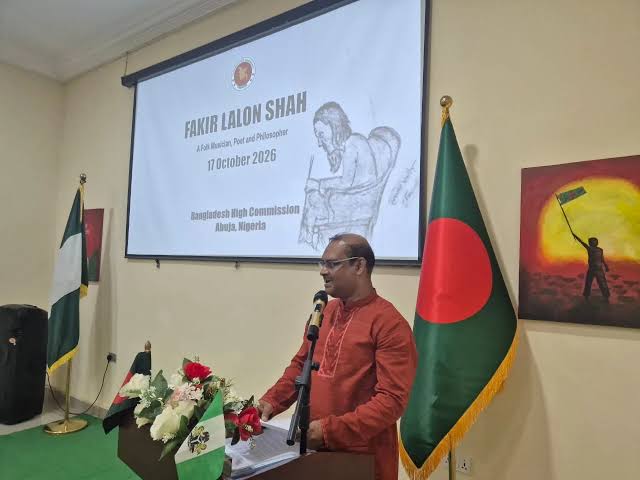
Bangladesh High Commissioner Says Lalon Shah’s Philosophy Can Strengthen Nigeria’s Unity
…Envoy highlights interfaith harmony, rejects identity-based discrimination, urges cultural exchange
By: Michael Mike
The Bangladesh High Commissioner to Nigeria, Miah Md Mainul Kabir, has said the philosophy of Bangladeshi mystic poet Fakir Lalon Shah offers important lessons for Nigeria’s efforts to strengthen national unity, promote interfaith harmony and tackle discrimination rooted in religious and social identities.
Kabir said Lalon’s teachings on human dignity, self-knowledge and the rejection of social divisions remained relevant to Nigeria, a country of diverse ethnic groups, languages and religious traditions facing the continuing challenge of building peaceful coexistence.
“Nigeria is a country of extraordinary diversity, home to hundreds of ethnic groups, numerous languages and different religious traditions. This diversity is one of Nigeria’s greatest cultural assets,” the High Commissioner said.
He added that managing such diversity required sustained efforts to promote mutual respect, social inclusion and peaceful coexistence, noting that Lalon’s philosophy offered valuable lessons for Nigeria and other multicultural societies.
Kabir described Lalon Shah as a mirror of Bangla culture whose poetry reflected the richness of Bengali traditions while challenging divisions created by religion, caste and social status.
He said the mystic poet directed much of his work towards ordinary people rather than the urban elite, appealing to their human dignity and spiritual worth.
Lalon’s rejection of caste discrimination was a central feature of his philosophy. Living in a society marked by caste hierarchies and oppression, he questioned the origins and legitimacy of social distinctions that placed some people above others by birth.
Through the question, “Jatir utpati kothay?” — meaning, “Where did caste originate?” — Lalon challenged the foundations of a system that divided humanity according to inherited status.
His philosophy, Kabir noted, called for a society free from caste and class barriers, affirming the dignity of people regardless of their social background or religious affiliation.
The High Commissioner, speaking at the weekend at a occasion hosted by the High Commission in honour of the referred late folk, poet, musician and philosopher, said Lalon’s message had enduring significance at a time when globalisation could marginalise vulnerable communities and weaken regional cultural identities, while violent fanaticism threatened peaceful coexistence.
He explained that Lalon’s teachings combined spiritual devotion with respect for humanity, encouraging people of different faiths to recognise their common bonds rather than allow religious differences to become sources of conflict.
“He invites all religions to come together under the undivided One,” Kabir said.
The diplomat also highlighted the relevance of Lalon’s emphasis on self-knowledge to young people, particularly in an age of social media, rapid communication and competing narratives.
He said young people were increasingly exposed to messages capable of either promoting understanding or reinforcing prejudice, making critical reflection essential to building tolerant communities.
Lalon’s invitation to examine oneself before judging others, he said, encouraged intellectual humility and a willingness to question inherited assumptions.
Beyond its philosophical significance, Kabir identified Lalon’s musical heritage as an opportunity to deepen cultural relations between Nigeria and Bangladesh.
He noted that music remained an important means through which Nigerian communities preserved their histories, expressed their identities and communicated social experiences.
Bangladesh’s Baul musical tradition, represented by Lalon Shah, offered opportunities for both countries to explore how music could preserve cultural memory, communicate philosophical ideas and bring people together across linguistic and geographical boundaries.
Lalon, popularly known as Bauler Raja, or King of the Bauls, remains an influential figure in Bangladesh’s cultural life, with his songs continuing to be performed by Baul musicians and devoted followers.
Kabir said greater cultural engagement between Nigeria and Bangladesh could demonstrate how artistic traditions helped societies appreciate their differences while identifying shared values.
He concluded that Lalon Shah’s message remained relevant far beyond Bangladesh, particularly for societies seeking to reconcile cultural diversity with social cohesion.
“Lalon’s message is simple but profound: our differences deserve respect, but they should never diminish our common humanity,” he said.
“That message has enduring relevance for Nigeria, for Bangladesh and for the world.”
Bangladesh High Commissioner Says Lalon Shah’s Philosophy Can Strengthen Nigeria’s Unity
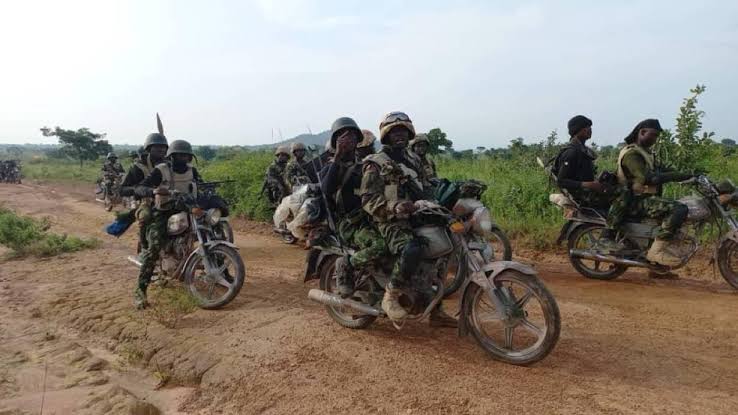
OPEP Troops Raid Militia Hideout in Plateau, Arrest Suspect, Neutralise Another
By Zagazola Makama
Troops of Operation Enduring Peace (OPEP) have arrested a suspected militia member and neutralised another during a raid on Lugere Village in Barkin Ladi Local Government Area of Plateau State.
Security sources said the operation was conducted at about 4:12 a.m. on Oct. 17, 2026, by troops of Sector 4 of OPEP.
During the raid, the troops apprehended one suspected militia member and recovered a motorcycle.
Another suspected militia member was reportedly neutralised after attempting to escape during the operation.
The arrested suspect is undergoing further exploitation to obtain information that could assist security forces in identifying and apprehending other members of the suspected gang.
The operation forms part of ongoing efforts by OPEP to track down armed groups and disrupt their activities across Plateau State.
Security authorities have continued to pursue intelligence-led operations aimed at improving security and protecting communities affected by recurring violence in the state.
OPEP Troops Raid Militia Hideout in Plateau, Arrest Suspect, Neutralise Another
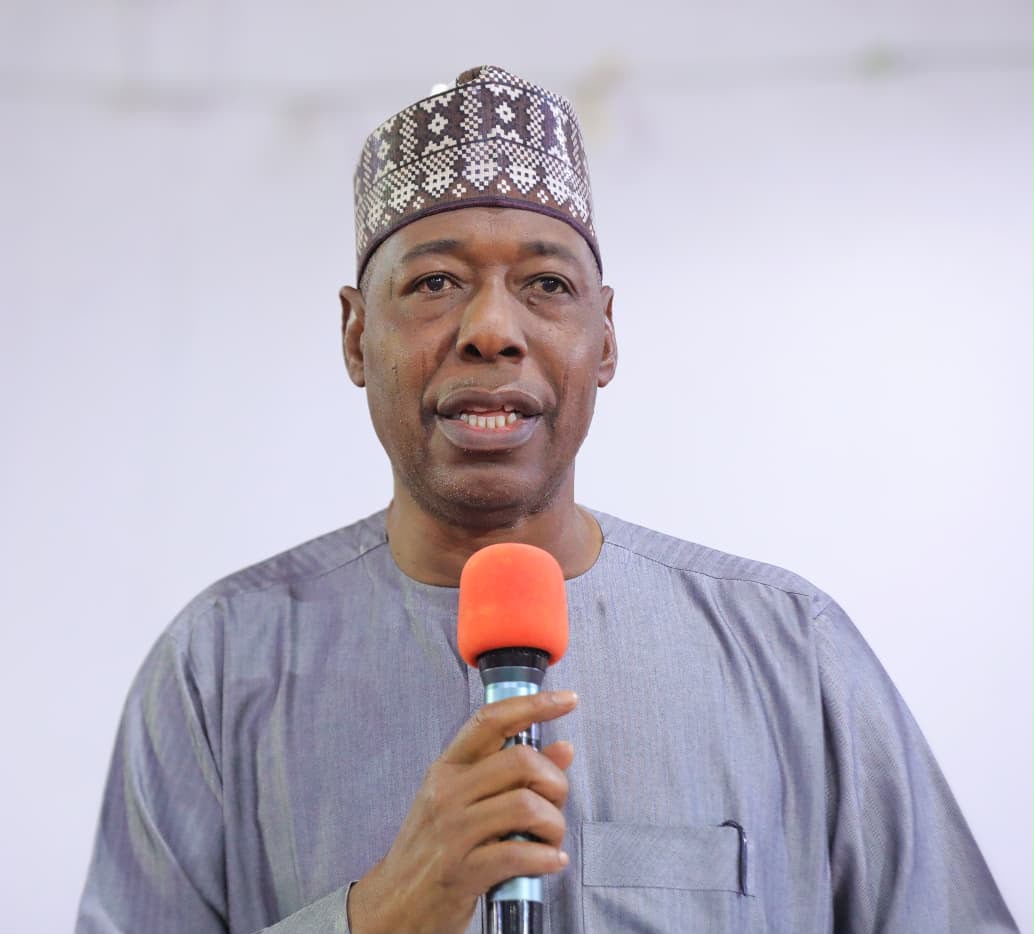
Ajakuta: Borno loses infrastructure worth billions to scavengers, Zulum says
By: Our Reporter
Borno State Governor, Babagana Umara Zulum, has revealed that the state has lost metals, electrical materials and infrastructure worth billions of naira to scavengers, locally known as Ajakuta.
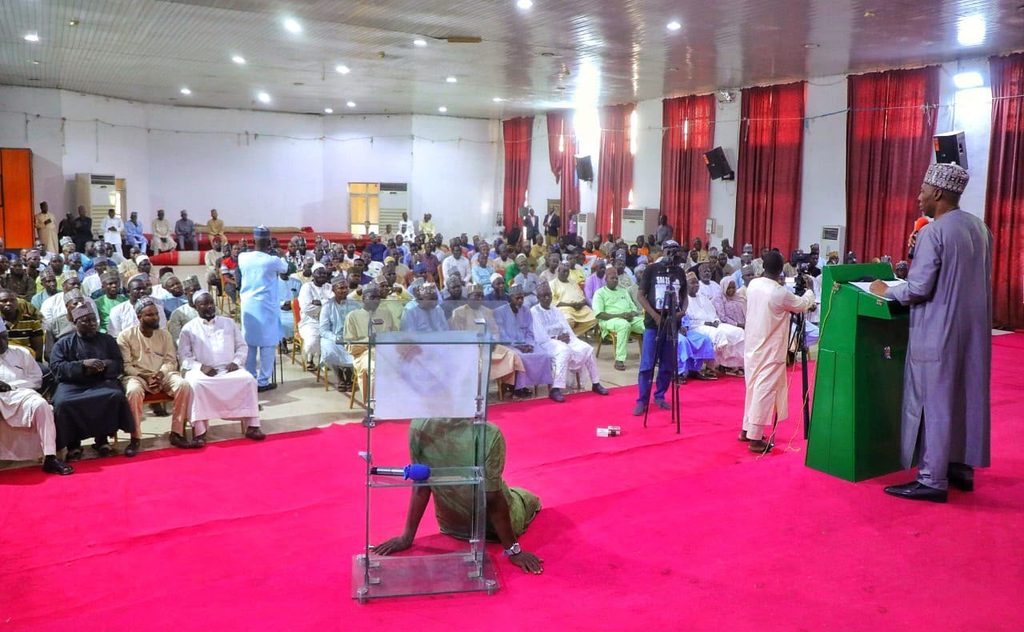
He said this, among other security concerns, led to a ban on the scrap metal trade in Borno State.
The Governor disclosed this on Saturday while addressing operators, urging them to submit proposals on how they can continue their businesses without contributing to insecurity or destroying public infrastructure.
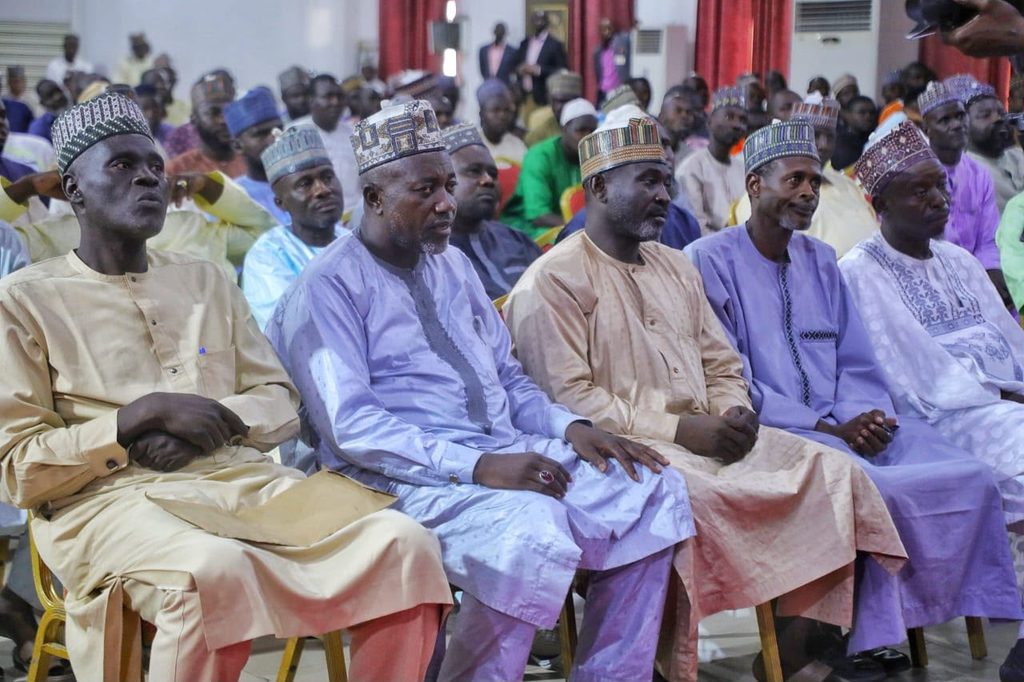
Zulum explained that the ban was imposed in the overall interest of the state and not to deprive operators of their livelihood.
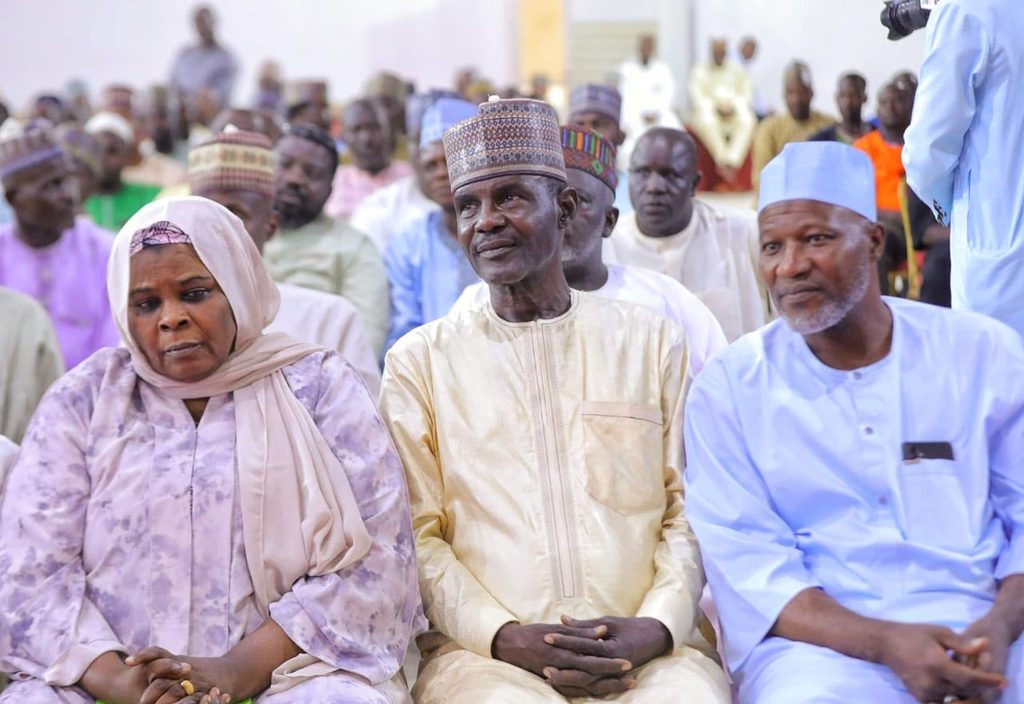
He stressed that the government had no personal interest in stopping their businesses, adding that the measure aimed to protect public assets and strengthen security.
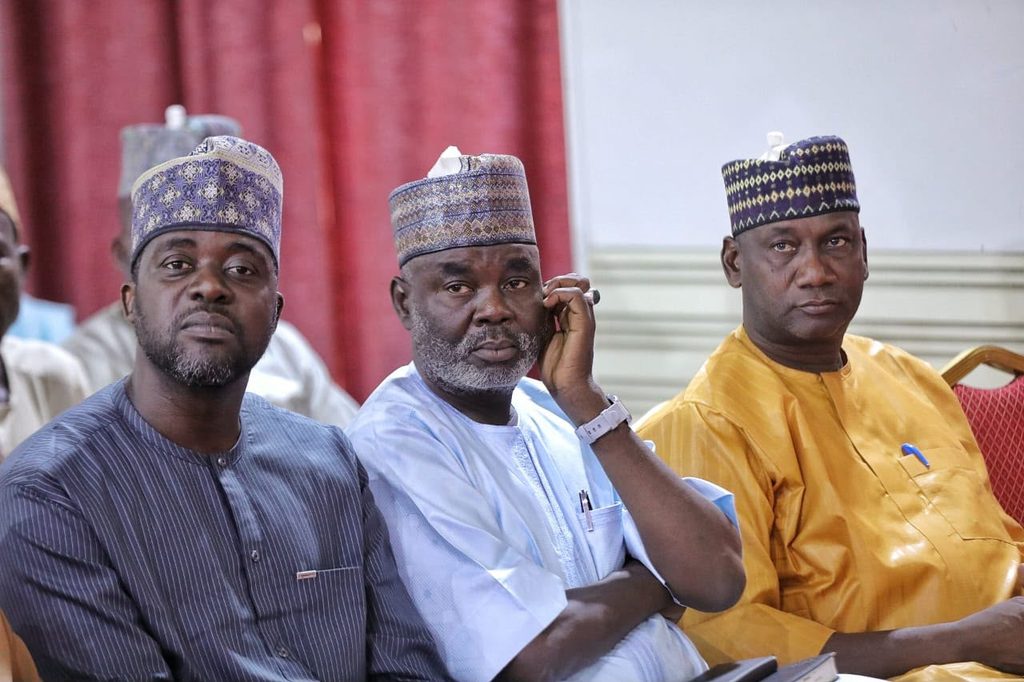
Governor Zulum said, “It is deeply concerning to me if one person loses his livelihood for whatever reason in Borno; believe me, there is nothing I stand to gain from banning scrap metal trade rather than addressing the serious security concerns associated with your activities.”
“We spent more than N3 billion to connect an electricity distribution line from Damaturu to Maiduguri, but unfortunately we lost all the wires to the metal scavenging activities. Before the ban, hundreds of your members were killed in the process of scavenging for metals in the villages that are not yet safe for civilian activities.”
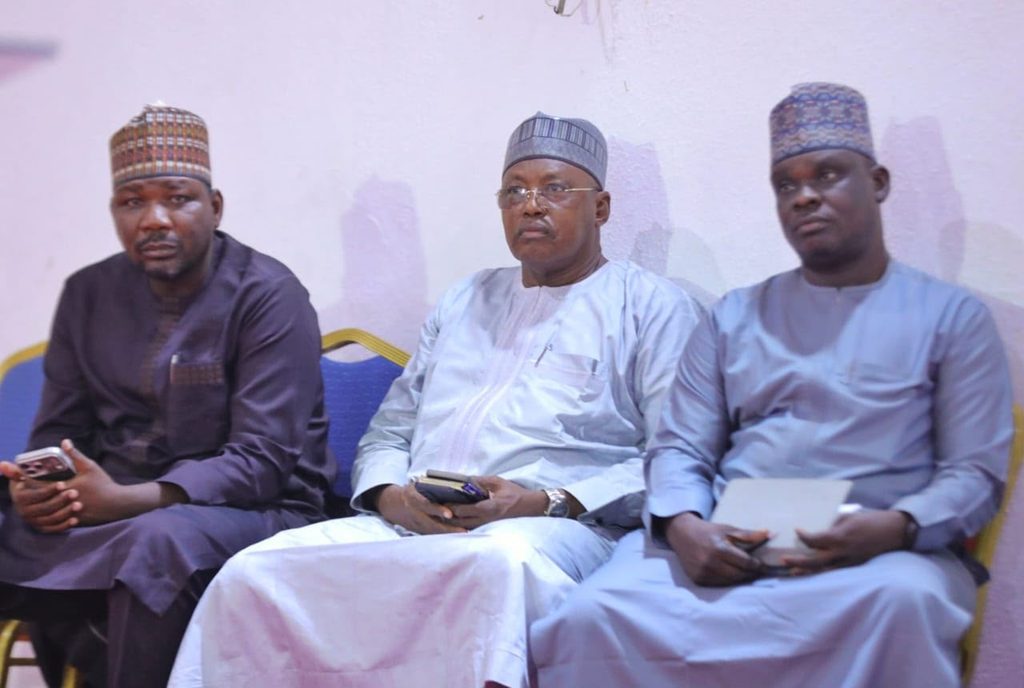
“We have security intelligence that even the insurgents use your platforms to sell looted metals. So, no responsible government will ignore such intelligence just to be politically correct.”
He further granted a waiver allowing the operators to evacuate stock accumulated before the ban at selected locations, a move intended to ease the impact of the restriction on genuine businesses.
Ajakuta: Borno loses infrastructure worth billions to scavengers, Zulum says

Zamfara Bandit Clashes: Aleru’s Fighters Reportedly Kill Notorious Kachallah Dogo Baldu

Bangladesh High Commissioner Says Lalon Shah’s Philosophy Can Strengthen Nigeria’s Unity

Four Killed as fulani bandits Attack Shurum Community in Plateau

Roger Federer’s Shock as DNA Results Reveal Myla and Charlene Are Not His Biological Children

THE PLIGHT OF FARIDA

FAILED COUP IN BURKINA FASO: HOW TRAORÉ NARROWLY ESCAPED ASSASSINATION PLOT AMID FOREIGN INTERFERENCE CLAIMS
-
 News3 years ago
Roger Federer’s Shock as DNA Results Reveal Myla and Charlene Are Not His Biological Children
-
Opinions5 years ago
THE PLIGHT OF FARIDA
-
 News1 year ago
FAILED COUP IN BURKINA FASO: HOW TRAORÉ NARROWLY ESCAPED ASSASSINATION PLOT AMID FOREIGN INTERFERENCE CLAIMS
-
 Opinions5 years ago
POLICE CHARGE ROOMS, A MINTING PRESS
-

 News3 years ago
EYN: Rev. Billi, Distortion of History, and The Living Tamarind Tree
-

 ACADEMICS3 years ago
A History of Biu” (2015) and The Lingering Bura-Pabir Question (1)
-

 Columns3 years ago
Army University Biu: There is certain interest, but certainly not from Borno.
-

 Politics1 year ago
2027: Why Hon. Midala Balami Must Go, as Youths in Hawul and Asikira/Uba Federal Constituency Reject ₦500,000 as Sallah Gift
