
News
Senator Lawan lauds President Tinubu’s efforts to reposition the livestock sector.

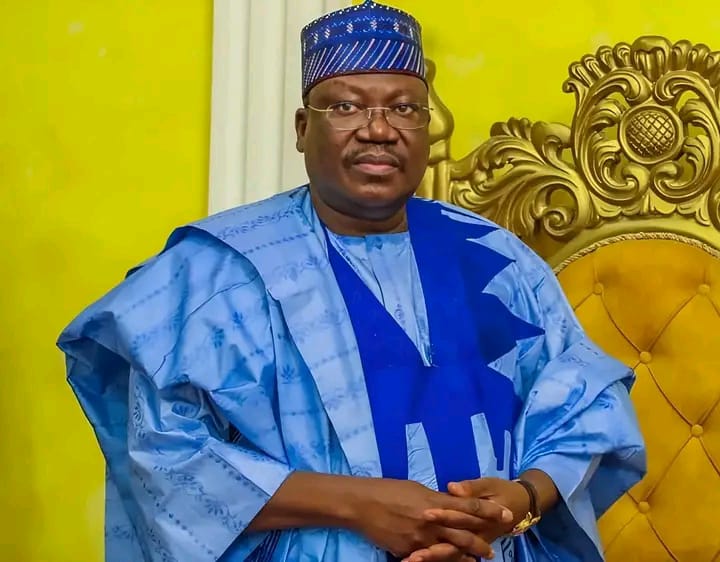
Senator Lawan lauds President Tinubu’s efforts to reposition the livestock sector.
By: Yahaya Wakili
The President of the Ninth Senate, Senator Ahmed Ibrahim Lawan, Ph.D., GCON, Sardaunan Bade, Yobe North Senatorial District, has lauded President Bola Ahmed Tinubu over moves by his administration to reposition the livestock sector in Nigeria with the establishment of the Federal Ministry of Livestock as well as the inauguration of the committee on livestock reforms.
A press statement issued and signed by the former Senate President, Senator Ahmed Lawan, was made available to newsmen in Damaturu, the Yobe state capital, on Thursday.
The statement said the proposed establishment of the ministry by the federal government is in response to the growing importance of livestock production to the nation’s economy and the need for improved animal welfare.
“The ministry, when established, will be tasked with developing and implementing policies and programs to enhance the productivity and sustainability of the livestock industry in Nigeria” he said.
The former Senate President commended the constitution of the committee on livestock reforms, which is chaired by the president and co-chaired by the former chairman of the Independent National Electoral Commission (INEC), Professor Attahiru Jega.
He maintained that the committee is charged with reviewing existing policies and laws governing the livestock industry and recommending comprehensive reforms to address challenges such as grazing, cattle rustling, and animal diseases.
“It will also address other obstacles to agricultural productivity and open up new opportunities that benefit farmers, herders, processors, and distributors in the livestock-farming value chain.
The former Senate President said, “The establishment of the ministry of livestock and the constitution of the committee on livestock reforms are clear indications that President Tinubu recognizes the immense potential of the livestock sector to contribute to the growth and development of Nigeria.
“I am confident that these initiatives will not only boost the livestock industry but also create jobs, reduce poverty, and enhance the well-being of millions of Nigerians who depend on livestock for their livelihoods.
According to him, reviewing and repositioning the livestock sector with inputs from a diverse group of stakeholders, including government officials, industry experts, farmers, and civil society organizations, will stimulate economic growth and ensure food security.
He urged the committee on livestock reforms to include as part of its recommendations to the federal government the prioritization and development of conflict resolution mechanisms and an early warning system to prevent and mitigate conflicts between farmers and herders.
“The establishment of the ministry of livestock and the constitution of the National Committee on Livestock Reforms are indeed welcome developments.
“These moves by the president demonstrate the government’s commitment to modernizing the livestock sector and positioning it as a key driver of economic growth and food security in Nigeria”
“The establishment of the livestock ministry and the constitution of the Committee on Livestock Reforms are significant steps towards addressing the challenges facing the livestock sector in Nigeria.
“The initiatives are expected to foster collaboration between stakeholders, promote sustainable practices, and create a more conducive environment for livestock production,” he added.
Senator Lawan lauds President Tinubu’s efforts to reposition the livestock sector.


NESREA Seals Four Nasarawa Facilities Over Pollution, EIA Violations
By: Michael Mike
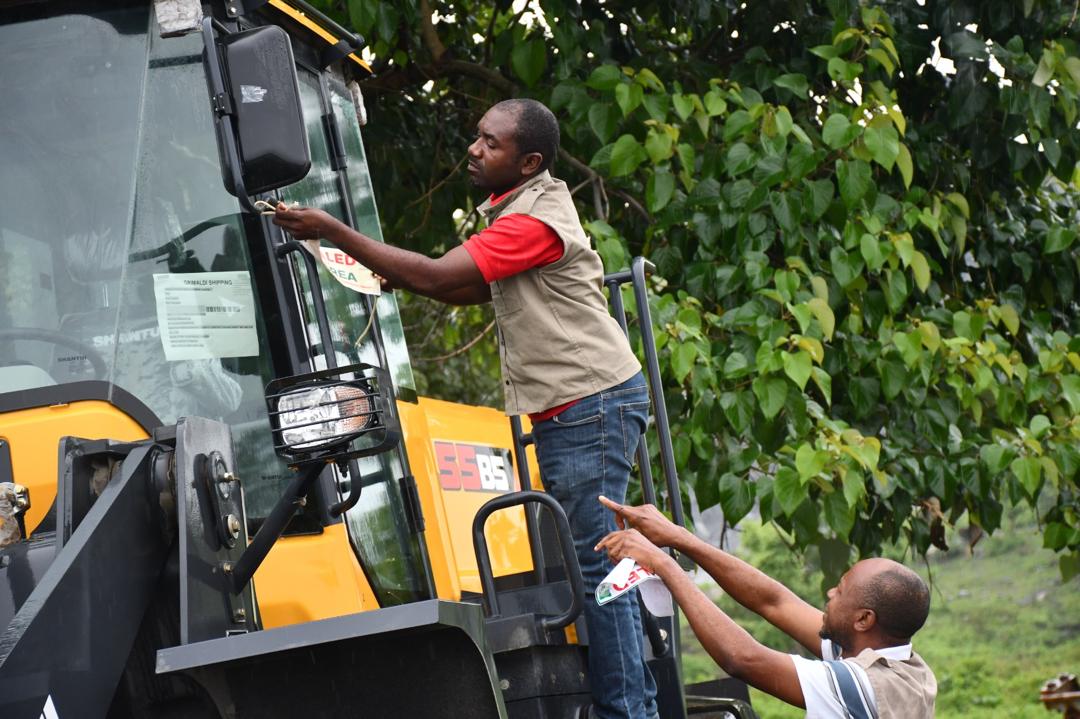
The Federal Government has intensified its crackdown on environmentally harmful industrial activities, with the National Environmental Standards and Regulations Enforcement Agency (NESREA) sealing four facilities in Nasarawa State over alleged breaches of environmental regulations.
The latest enforcement action, carried out on Thursday by the agency’s Karu Operational Office, affected ABZAT Quarry, Hoafong Mining Trading Company Ltd, Emono Venture and Mivanyi Integrated Farms.
NESREA said the facilities were shut down for offences ranging from air pollution to failure to possess required environmental management documents, including Environmental Impact Assessment (EIA).
The operation was led by the Head of Operations of the Karu Operational Office, Mr Da’am Monday.
The agency’s action is significant given the environmental risks associated with quarrying, mining and other industrial activities, particularly their potential impact on air quality, land, water resources and the health of communities hosting such operations.
Nigeria’s environmental regulatory framework specifically provides for the control of pollution from quarrying and blasting operations. NESREA’s regulations on the sector are designed to control the effects of such activities on the environment and human health while promoting responsible exploitation of natural resources.
Similarly, the agency maintains specific regulations governing air quality, with the stated objective of improving air quality and protecting human health, flora, fauna and other resources from deterioration caused by air pollutants.
The Nasarawa enforcement comes against the backdrop of growing regulatory attention to pollution and environmental degradation associated with industrial and extractive activities across the country.
NESREA, established under the 2007 Act, is empowered to enforce Nigeria’s environmental laws, standards, guidelines and regulations and to prohibit activities and processes capable of undermining environmental quality.
In recent years, the agency has increasingly resorted to sealing non-compliant facilities rather than allowing operators to continue activities while disregarding environmental requirements.
In September 2025, for instance, NESREA sealed 29 facilities across Ekiti, Osun and Ogun States, citing environmental pollution and regulatory breaches. The agency said some of the affected recycling operations posed serious health risks because of hazardous waste generated from their processes.
The agency has also taken enforcement action against quarrying operations in the Federal Capital Territory. In February 2026, NESREA shut a quarry in Abuja following a fatal blasting incident involving a 10-year-old boy, with officials stressing that the quarry had previously been sealed as part of enforcement efforts.
The pattern has underscored a central challenge for environmental regulation in Nigeria: balancing economic activities such as mining, quarrying, construction and manufacturing with the obligation to prevent pollution and protect communities.
The issue of environmental documentation is particularly important in the latest Nasarawa action.
An Environmental Impact Assessment is intended to identify and evaluate the potential environmental consequences of projects before or during their implementation and to provide a framework for mitigating harmful effects.
NESREA has repeatedly cited failure to conduct or obtain the necessary environmental assessments among violations that have led to facility closures. In an earlier enforcement operation, the agency sanctioned construction facilities for lacking required environmental documents, including Environmental Impact Statements and Environmental Audit Reports.
For quarrying operations, environmental controls also cover issues such as air pollution, noise pollution, spills and leaks, environmental management plans and emissions associated with quarry operations.
Against this background, the sealing of the four Nasarawa facilities signals that regulatory compliance is being treated as an operational requirement rather than an optional administrative formality.
NESREA reiterated its commitment to enforcing environmental laws and regulations across the country, warning facilities to adopt environmentally responsible practices and deploy the best available technology in their operations.
The agency said the enforcement exercise demonstrated its resolve to safeguard the environment, protect public health and promote sustainable development.
The latest action therefore sends a wider message to operators in Nigeria’s mining, quarrying, agricultural and industrial sectors: economic activity will not be allowed to override environmental obligations, particularly where pollution or regulatory violations could expose surrounding communities to health and environmental risks.
NESREA’s continuing enforcement drive also places renewed focus on the need for industries to obtain the necessary environmental approvals, maintain proper environmental management systems and ensure that their operations meet prescribed national standards before and during production.
NESREA Seals Four Nasarawa Facilities Over Pollution, EIA Violations

NDLEA Moves to Standardise Drug Rehabilitation, Trains Over 100 Counsellors Nationwide
By: Michael Mike
The National Drug Law Enforcement Agency (NDLEA) has commenced a nationwide capacity-building programme for its counsellors as part of efforts to standardise treatment and rehabilitation services for people affected by substance use disorders.
The first phase of the training, being held at the NDLEA Academy in Jos, Plateau State, has brought together more than 100 counsellors drawn from the agency’s formations across the country.
The exercise, coordinated by the Directorate of Counselling, Treatment and Rehabilitation (DCTR), is the first agency-driven training of its kind for NDLEA counsellors in several years.
Speaking at the commencement of the programme on Friday, NDLEA Chairman/Chief Executive Officer, Brig. Gen. Buba Marwa (retd.), said the initiative was designed to strengthen the agency’s rehabilitation pillar and ensure that clients receive evidence-based and quality interventions.
Marwa, who was represented by the Director, Counselling, Treatment and Rehabilitation, Bashir Ibrahim, said the evolving nature of substance abuse required counsellors to continually update their knowledge and therapeutic skills.
He said the programme would harmonise counselling and rehabilitation practices across NDLEA facilities nationwide by introducing uniform operational protocols and improving clinical competencies.
According to him, the training will also equip counsellors to better respond to emerging psychoactive substances and cases involving co-occurring mental health disorders, while ensuring that the agency’s practices conform to national and international standards.
Marwa listed other objectives of the programme as strengthening professional ethics, confidentiality and quality assurance; improving data management for evidence-based policymaking; promoting continuous professional development through peer review and clinical supervision; and reducing inconsistencies in service delivery.
He said the initiative was also aimed at improving rehabilitation outcomes and reinforcing the integrity of Nigeria’s drug treatment and rehabilitation system.
“The training is critical to revitalising staff morale and equipping officers with modern therapeutic tools to tackle the evolving complexities of substance use disorders,” he said.
The NDLEA boss assured that the agency would continue to invest in the professional development of its personnel as part of its comprehensive strategy for reducing both the supply and demand for illicit drugs in Nigeria.
He said strengthening the counselling workforce remained essential to achieving sustainable outcomes in the agency’s drug demand reduction efforts.
Marwa added that the agency would continue to entrench global best practices in its interventions, with a view to ensuring that rehabilitation services provided in its facilities meet acceptable professional and clinical standards.
NDLEA Moves to Standardise Drug Rehabilitation, Trains Over 100 Counsellors Nationwide
JNIM ambush kills 19 Malian, Russian troops in Tombouctou
By: Zagazola Makama
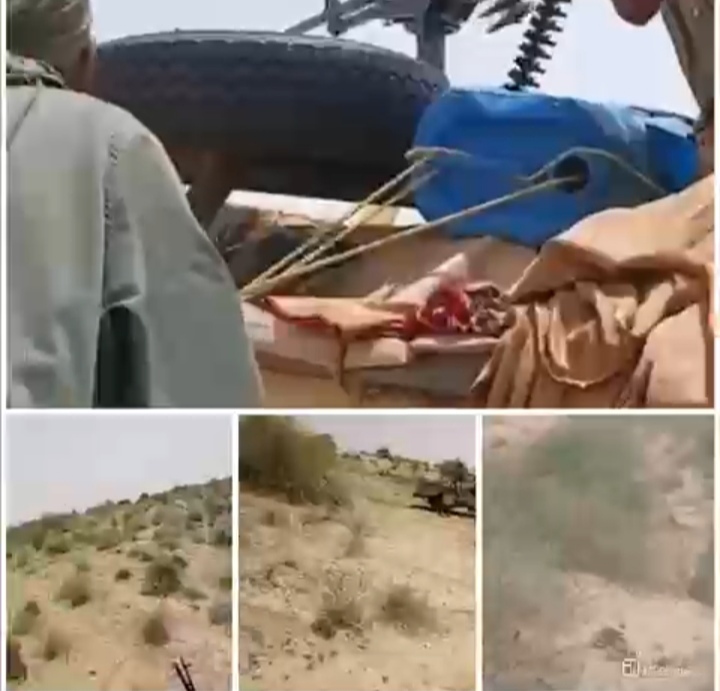
At least 19 personnel of the Malian Armed Forces (FAMa) and Russia’s Africa Corps were reportedly killed in a coordinated ambush by fighters of the Jama’at Nusrat al-Islam wal-Muslimin (JNIM) near Erintedjeft, east of Ber in Mali’s Tombouctou Region.
The attack occurred at about midday on Wednesday, Aug. 26, 2026, according to reports attributed to JNIM’s Az-Zallaqa media channel.
Sources said the joint FAMa-Africa Corps patrol was first targeted with two explosive devices before the attackers opened fire on the column.
The reported casualties included eight Africa Corps personnel and 11 Malian soldiers, among them a commander identified as Salif Doumbia.
Twenty-three other personnel were reportedly wounded, including 14 Russians and nine Malian soldiers.
The attack also resulted in significant equipment losses, with six vehicles reportedly destroyed or set ablaze. They included two armoured vehicles, three pickup trucks and a truck.
Nine motorcycles were also reportedly destroyed. The wounded and bodies of the deceased were said to have been evacuated by helicopters operating several sorties.
Reports further indicated that a reinforcement column dispatched from Bourem to assist the embattled patrol reportedly turned back after encountering concerns over the possibility of another ambush along the route.
If confirmed, the development could underscore the growing operational challenges facing security forces operating in parts of northern Mali, where JNIM has maintained the capacity to conduct roadside attacks, ambushes and attacks against military movements.
The incident also highlights the vulnerability of joint Malian and Russian forces to improvised explosive devices and coordinated attacks in remote operational areas.
Analysts say such attacks can have effects beyond the immediate casualties, including restricting troop movements, disrupting logistics, damaging military assets and forcing security forces to divert additional resources towards securing routes and responding to attacks.
The reported losses come amid continued counter-insurgency operations by FAMa, supported by Russian military personnel, against jihadist groups operating across northern and central Mali.
The JNIM, an al-Qaeda-linked militant organisation, has remained one of the most active armed groups in the region and has repeatedly targeted military convoys and positions.
The reported incident at Erintedjeft could therefore represent another significant test for the Malian military and its Russian partners as they seek to maintain freedom of movement and expand security operations across contested areas.
There was no immediate independent confirmation of the reported casualty figures, while the Malian authorities had not, at the time of filing this report, issued an official statement on the incident.
Zagazola News will continue to monitor developments.
JNIM ambush kills 19 Malian, Russian troops in Tombouctou

Troops neutralise terrorists, recover weapons, motorcycles in Sokoto

NESREA Seals Four Nasarawa Facilities Over Pollution, EIA Violations

NDLEA Moves to Standardise Drug Rehabilitation, Trains Over 100 Counsellors Nationwide

Roger Federer’s Shock as DNA Results Reveal Myla and Charlene Are Not His Biological Children

THE PLIGHT OF FARIDA

FAILED COUP IN BURKINA FASO: HOW TRAORÉ NARROWLY ESCAPED ASSASSINATION PLOT AMID FOREIGN INTERFERENCE CLAIMS
-
 News2 years ago
Roger Federer’s Shock as DNA Results Reveal Myla and Charlene Are Not His Biological Children
-
Opinions5 years ago
THE PLIGHT OF FARIDA
-
 News1 year ago
FAILED COUP IN BURKINA FASO: HOW TRAORÉ NARROWLY ESCAPED ASSASSINATION PLOT AMID FOREIGN INTERFERENCE CLAIMS
-

 News2 years ago
EYN: Rev. Billi, Distortion of History, and The Living Tamarind Tree
-
 Opinions5 years ago
POLICE CHARGE ROOMS, A MINTING PRESS
-

 ACADEMICS3 years ago
A History of Biu” (2015) and The Lingering Bura-Pabir Question (1)
-

 Columns2 years ago
Army University Biu: There is certain interest, but certainly not from Borno.
-

 Politics1 year ago
2027: Why Hon. Midala Balami Must Go, as Youths in Hawul and Asikira/Uba Federal Constituency Reject ₦500,000 as Sallah Gift
