
News
Violent Extremism in West Africa and the Need for a New Strategy to Peace

Violent Extremism in West Africa and the Need for a New Strategy to Peace
By: Michael Mike
The persistent threat of violent extremism in West African states, exacerbated by groups such as Boko Haram, ISWAP, and Al-Qaeda, necessitates a reevaluation of current strategies. The complexity of this issue, driven by factors such as widespread poverty, weak governance, political instability, and limited educational opportunities, calls for a comprehensive and multifaceted approach.
This article by Senator Iroegbu and Maureen Okpe, highlights the urgent need for a new strategy that addresses the socio-economic and political root causes of extremism, emphasizing the importance of community engagement, economic development, and inclusive governance in building a more resilient and peaceful West Africa.
Rising Extremism and Its Drivers
Violent extremism has long plagued West African countries, with groups such as Boko Haram and its splinter groups like the Islamic State in West Africa Province (ISWAP) and Ansaru, bandits, herdsmen, and Al-Qaeda spreading terror and destabilizing the region. Despite ongoing efforts by governments, international organizations, and civil society groups, the threat of violent extremism continues to grow, underscoring the need for a new, comprehensive strategy to tackle this pressing issue. West Africa has experienced a steady rise in violent extremist groups, driven by a complex web of interrelated factors. Key among these are: widespread poverty, which creates a fertile ground for extremist groups to exploit vulnerable populations, offering financial incentives in exchange for allegiance.
Other factors include weak governance and political instability that undermine state authority, providing opportunities for extremist groups to gain influence and territory. Historical and ongoing ethnic conflicts also contribute to the cycle of violence, as extremist groups manipulate these divisions to further their agendas. This is added to the fact that limited educational opportunities leave many youths without prospects for a better future, making them susceptible to radicalization.
Consequently, extremist groups have adeptly exploited these vulnerabilities to recruit disenfranchised youth and spread their toxic ideologies. By capitalizing on socio-economic grievances and offering a sense of belonging and purpose, these groups have managed to swell their ranks, leading to a surge in violence and instability across the region.
To this end, the persistent threat posed by these violent extremism in West Africa calls for a reevaluation of current approaches and the development of a new, multifaceted strategy. This strategy must go beyond traditional military responses and address the underlying socio-economic and political factors that fuel extremism. Key components should include economic development by investing in job creation and opportunities to alleviate poverty and provide alternatives to joining extremist groups. Also critical is the need for political reforms by strengthening governance and promoting political stability to restore public trust and diminish the appeal of extremist narratives.
It is therefore crucial to note that while violent extremism continues to challenge the stability and security of West African states, a comprehensive and inclusive strategy that addresses the root causes of extremism holds the promise of building a more peaceful and resilient region. These strategies could also include expanding access to quality education to empower youth and equip them with the tools to resist radicalization; and fostering dialogue and reconciliation within and between communities to bridge divides and promote social cohesion.
The Role of Peacebuilders, Peacebuilding and Conflict Prevention
In the face of the escalating threat of violent extremism in West Africa, a network of dedicated peacebuilders is working tirelessly to counteract extremist narratives and promote peaceful conflict resolution. Through grassroots initiatives, community engagement, and dialogue, these activists strive to address the root causes of violence and build a more peaceful and inclusive society.
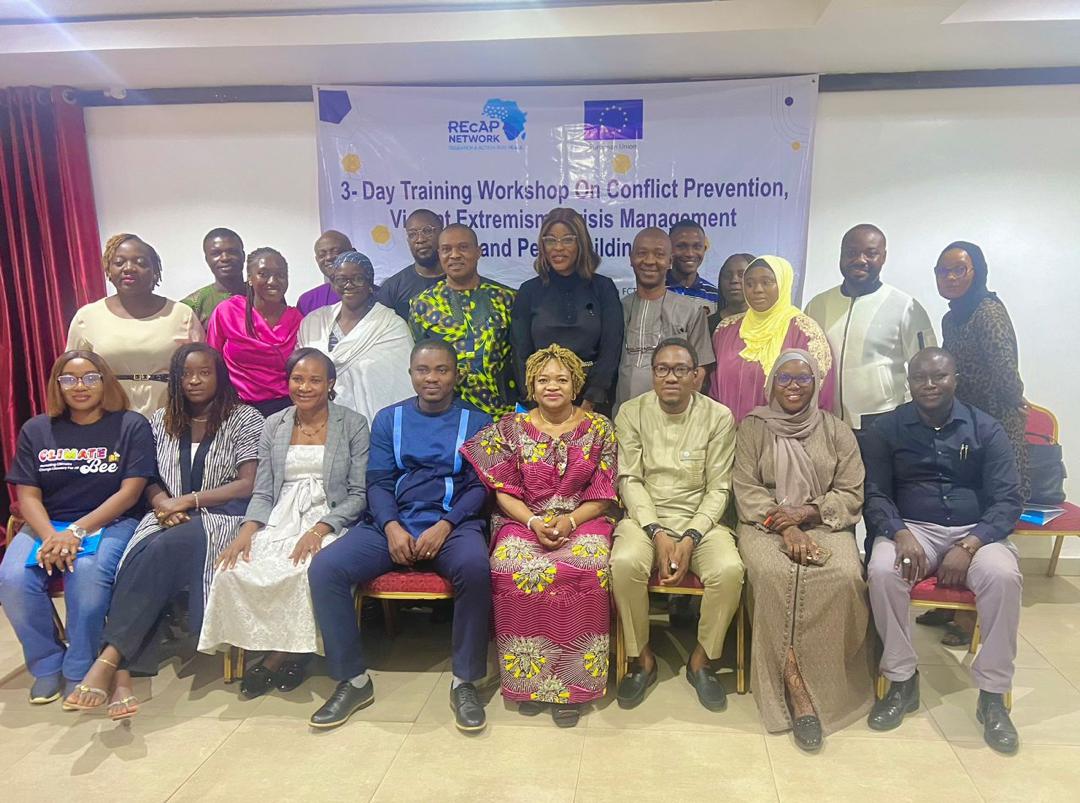
One notable effort is the recent three-day training workshop held in Abuja, Nigeria, organized by the Research and Action for Peace Network (REcAP Network). This workshop, implemented by the West Africa Network for Peacebuilding (WANEP) in partnership with the Stockholm International Peace Research Institute (SIPRI) and the Danish Refugee Council (DRC), and funded by the European Union (EU), focused on “Conflict Prevention, Violent Extremism, Crisis Management, and Peacebuilding.” The objective was to foster stronger community ties, promote dialogue and reconciliation, and cultivate a culture of peace and mutual understanding.
The three-day training featured various facilitators, including Dr. Bridget Osakwe, the Nigeria National Network Coordinator for WANEP-Nigeria; and Dr. Festus Kofi Aubyn, Regional Coordinator for Research and Capacity Building at WANEP-Regional. Others are: Ms. Edwige Dede Mensah, who discussed early warning response, negotiations, mediation, and dialogue on alternative dispute resolution; and Ms. Patience Ikpeh-Obaulo, Head of Programmes at WANEP-Nigeria, who facilitated sessions on Gender, Peace, and Security.
The project, which trained 20 participants, aims to establish a sustainable, inclusive, and effective regional network of experts specialized in peacebuilding and the prevention of conflicts and violent extremism. This network will operate across 18 countries in West Africa and the Lake Chad Basin, providing an interactive platform for regional cooperation and knowledge sharing.
Training the next generation of peacebuilders: Osakwe highlighted the goal of the training, which is to engage 20 beginners who had no prior knowledge in peacebuilding. “The overall objective of the project is to strengthen the role of civil society, including regional, national, and community practitioners and researchers, in effective peacebuilding, crisis management, and the prevention of conflict and violent extremism in West Africa and the Lake Chad Basin. This enables more informed decision-making by policymakers,” she explained. She underscored the necessity of expanding peacebuilding efforts to include more practitioners and researchers who can apply their knowledge in various domains. According to her, the ultimate goal is to have more individuals practicing and studying peacebuilding, thereby broadening the reach and impact of these efforts.
Building knowledge and community resilience: Aubyn described knowledge as progressive, saying: “it is always good to acquire knowledge, but don’t keep it to yourself; it is always good to impart it”. According to him, “knowledge should be shared within communities and workplaces. We need to change, and that change doesn’t rest solely on the government.” Aubyn emphasized that peacebuilding knowledge should be disseminated at the community level and integrated into everyday practices and interactions. He pointed out that while the government plays a crucial role, community-driven initiatives are equally important in fostering sustainable peace.
The path forward and inclusive efforts: Despite these commendable efforts, peacebuilders face significant challenges. The complex web of factors driving violent extremism—poverty, political instability, ethnic tensions, and lack of access to education—requires comprehensive and coordinated approaches. Osakwe noted that expanding peacebuilding initiatives and bringing more practitioners and researchers into the field is essential for addressing these multifaceted issues effectively. The facilitators stressed on the central theme of the training was the importance of inclusive efforts in peacebuilding. Accordingly, the workshop aimed to build bridges between communities, promote dialogue and reconciliation, and create a culture of peace and understanding. By involving a diverse group of participants, including those without prior knowledge of peacebuilding, the project sought to cultivate a broad-based, grassroots movement for peace. They noted that the collaborative approach adopted by REcAP Network, WANEP, SIPRI, DRC, and the EU underscores the vital role of international partnerships in addressing violent extremism. Such partnerships bring together diverse perspectives and resources, enhancing the effectiveness of peacebuilding initiatives.
Challenges of Conflict Faced by West African Governments
Despite concerted efforts by West African governments to combat violent extremism, the challenges they face are immense. The region is plagued by weak governance, widespread corruption, porous borders, and limited resources, all of which significantly hinder the ability to effectively address the root causes of extremism and dismantle the networks of extremist groups operating in the region. Moreover, the transnational nature of violent extremism complicates efforts, making it difficult for individual countries to tackle the issue in isolation.
“When you look at the West African states, the Sahel, Lake Chad and even the coastal areas these places are involved with different levels of conflict. At the Sahel, we have aggravated conflict, in part of Nigeria and the Lake Chad basin we also have high-intensity conflict, what this is saying is that we are not doing much in terms of conflict prevention,” Aubyn noted.
Ungoverned Spaces: Ungoverned spaces have been a significant factor contributing to extremism in many West African states. These areas, often perceived as marginalized by the government, become breeding grounds for violent activities due to the lack of effective governance and security presence. Providing insight into the violence in Nigeria’s North East, Dr. Osakwe explained, “At the start of Boko Haram, it was initially perceived through the lens of religion, power struggles, and other factors. However, we now see banditry in the North West and farmer-herder conflicts in the North Central. “The crises differ in their ideologies,” Osakwe continued, “but one common factor is that these crises thrive in ungoverned spaces where government presence is minimal. In these areas, there are numerous identity issues and unresolved grievances.”
Osakwe emphasized that the perceived marginalization and lack of appropriate channels for addressing grievances exacerbate the situation. “A lot of people feel marginalized and do not have proper avenues to voice their concerns, leading to an escalation of violence and extremism,” she noted. This highlights the critical need for governments to establish stronger governance and security frameworks in these vulnerable areas to prevent the proliferation of extremist ideologies and violence.
Weak Governance and Corruption: Weak governance and rampant corruption are pervasive issues in many West African countries. Government institutions often lack the capacity and resources to enforce the rule of law effectively, which creates an environment where extremist groups can operate with relative impunity. Corruption further undermines public trust in government institutions, making it easier for extremist groups to exploit grievances and recruit disenfranchised individuals. The lack of accountability and transparency within government structures also means that funds meant for development and security are often misappropriated, exacerbating the conditions that give rise to extremism.
Porous Borders: The region’s porous borders facilitate the movement of extremist groups, weapons, and illicit goods, making it challenging for any single country to contain the spread of violence. Extremist groups like Boko Haram and Al-Qaeda in the Islamic Maghreb (AQIM) take advantage of these ungoverned spaces to establish safe havens and conduct cross-border attacks. The difficulty in securing these borders is compounded by the vast and often inhospitable terrain, which stretches the limited resources of border security agencies.
Limited Resources: Many West African countries face significant economic challenges that limit their ability to invest in comprehensive counter-extremism strategies. Limited resources mean that governments often focus on immediate security responses rather than long-term preventive measures. This reactive approach is insufficient to address the deeply rooted socio-economic issues that fuel extremism, such as poverty, unemployment, and lack of access to education. Without sufficient investment in development and social services, the underlying drivers of extremism remain unaddressed.
Transnational Nature of Extremism: The transnational nature of violent extremism poses a significant challenge to regional stability. Extremist groups operate across national borders, making it difficult for individual countries to combat them effectively. Coordinated regional responses are essential but often hampered by differing national interests, lack of trust between governments, and bureaucratic inefficiencies. The need for intelligence sharing, joint military operations, and harmonized policies is critical to disrupt the operations of extremist networks.
Early Warning Signs and Conflict Escalation: Dr. Aubyn, during his presentation on ‘Conflict and Conflict Prevention,’ emphasized the importance of recognizing and responding to early warning signs of conflict. He noted that conflicts in the region often come with early indicators that are neglected by authorities, leading to escalation. “For every conflict experienced in an environment, there have been early warning signs neglected by the authorities,” Aubyn stated. He highlighted the necessity of immediate and concerted efforts by relevant authorities to prevent situations from escalating into full-blown conflicts. He illustrated the varying levels of conflict across the region, from aggravated conflicts in the Sahel to high-intensity conflicts in parts of Nigeria and the Lake Chad Basin. “When you look at the West African states, the Sahel, Lake Chad, and even the coastal areas, these places are involved with different levels of conflict. At the Sahel, we have aggravated conflict; in part of Nigeria and the Lake Chad Basin, we also have high-intensity conflict. What this is saying is that we are not doing much in terms of conflict prevention.”
Deep-Rooted Grievances and Injustices: The challenges the region faces are complex and multifaceted. The rise of extremist groups, the proliferation of weapons, and the lack of economic opportunities have created a fertile ground for conflict. Deeply entrenched grievances and injustices further fuel extremism. Addressing these issues requires a coordinated, multi-dimensional approach that involves strengthening governance, reducing corruption, securing borders, and allocating sufficient resources to conflict prevention and resolution efforts.
The Need for a New Strategy
The threat of violent extremism in West Africa continues to evolve and spread, making the need for a new, comprehensive strategy more urgent than ever. By prioritizing prevention, community engagement, and international cooperation, West African governments can address the root causes of extremism and build a more peaceful and resilient society for future generations.
Evolving Conflict Dynamics: The nature of conflicts is constantly changing, requiring strategies that are adaptable and multifaceted. A purely military approach is insufficient; addressing the underlying grievances that drive individuals to join extremist groups is crucial. Dr. Bridget Osakwe emphasized the importance of community engagement, youth empowerment, education, and economic development as key pillars of prevention and intervention efforts. “The effectiveness of any peacebuilding strategy is only as good as the conflict analysis it is based on,” Osakwe stated. She underscored the need for the government to provide basic amenities for citizens, particularly in rural areas. “These individuals are only demanding their rights, which is not difficult to achieve,” she added.
Addressing Ungoverned Spaces: Osakwe highlighted that violent extremism thrives in ungoverned spaces. “In the North East, terrorism penetrated easily because extremists provided locals with their basic needs,” she explained. Recently, the government has recognized that purely military approaches are ineffective and has begun incorporating non-kinetic interventions. “All over the world, kinetic approaches have not worked. We need dialogues, conversations, and comprehensive conflict analysis to identify causes and necessary actions for intervention,” Osakwe emphasized. She urged for proactive measures to manage conflicts before they escalate. “We must think of missed opportunities within our environment and address them as early warning signs. Early response and inclusive processes are crucial,” she said.
Engaging the Youth: Dr. Festus Kofi Aubyn stressed the importance of engaging the youth, who constitute the majority of the population. “The youths today are not the youths of the 90s. Look at what happened in Kenya, where the youth opposed the government’s actions. We must not take the youth for granted,” he cautioned. Referring to the ENDSARS protest in Nigeria, he emphasized the need for the government to empower the private sector to create job opportunities for young people. “The government needs to invest in the economic system for the youth. The youth must be represented in decision-making processes to ensure their perspectives are considered,” Aubyn said. He warned that if the youth are excluded from economic opportunities and decision-making, civil unrest led by the youth is inevitable. “We are heading towards a pit if measures are not put in place to stem the tide,” he warned.
Broader African Context: Aubyn noted that the issues facing Nigeria are common across many African countries. “In the 1960s, there were fewer universities and less population pressure. Now, the population has more than doubled, but opportunities have not kept pace,” he observed. He highlighted the problem of older generations occupying positions that should be available to the youth. “This situation forces some young people to undertake dangerous journeys in search of better opportunities, illustrating the failure of our governments,” he concluded.
Proffering Solutions
Aubyn posited that proactive steps must be taken to prevent conflicts from escalating. “In terms of future responses, we need to invest more in conflict prevention and peacebuilding. Our attention has always been on reactive responses by defense and security forces, which do not address the root problems,” he stated. He called for greater investment in governance, especially on issues concerning the youth, such as unemployment and economic opportunities.
“We need a paradigm shift in our government structures, institutions, and ways of doing things. Otherwise, we are heading for danger,” Aubyn warned. He emphasized Nigeria’s potential role as a leader in Africa, urging the country to take decisive action to improve governance and address the challenges it faces.
Coordinated Regional Efforts: To effectively tackle violent extremism, West African governments must enhance their collaboration, not only within the region but also with international partners. This includes sharing intelligence, coordinating military efforts, and harmonizing policies to disrupt the operations of extremist networks. Additionally, investing in socio-economic development to address the underlying causes of extremism—such as poverty, unemployment, and lack of education—remains critical.
Investing in Socio-Economic Development: A holistic approach to combating violent extremism involves not just immediate security measures but also long-term strategies aimed at promoting good governance, economic development, and social cohesion. Governments need to invest in education, healthcare, and infrastructure to create opportunities for their citizens. By addressing the socio-economic disparities that extremists exploit, governments can reduce the appeal of extremist ideologies.
Building Resilient and Inclusive Societies: Ultimately, building resilient and inclusive societies where grievances can be addressed through dialogue and peaceful means is essential. This requires a holistic approach that combines immediate security measures with long-term strategies aimed at promoting good governance, economic development, and social cohesion. Engaging communities in peacebuilding efforts, promoting dialogue and reconciliation, and ensuring that all segments of society feel represented and heard are crucial steps towards achieving lasting peace and stability in West Africa.
Participants’ Takeaways
The workshop and training sessions left a lasting impact on the participants, who shared their key takeaways and insights:
Ayebaebi Ruth Moses, Member, Women and Girls with Albinism Network: “The workshop on capacity building, conflict prevention, peacebuilding, and countering violent extremism provided participants with valuable insights and practical tools to address the complex challenges of conflict and violence in their communities. By investing in capacity-building initiatives and promoting inclusive and participatory peacebuilding processes, stakeholders can work together to build resilient communities that are better equipped to prevent and resolve conflicts non-violently. Moving forward, it is essential to continue engaging with stakeholders and taking a holistic approach to peacebuilding and countering violent extremism to promote sustainable peace and security.”
Amb. Salihu Honest Gode, AMAC Student President: “My key takeaway from the REcAP Training was learning strategies to combat misinformation and disinformation. I was inspired by the focus on promoting diversity and equity, which aligns with my goal of creating an inclusive platform for open dialogue and skill-building workshops. I plan to apply the knowledge gained from the training to enhance my efforts in empowering youths by conducting step-down training to pass on the knowledge acquired.”
Susan Oluwatosin Michael, Director, Women Peace and Security, BBFORPEACE: “The REcAP Workshops provided valuable insights into effective conflict resolution. Among the key learnings, I found the following particularly thought-provoking: Readiness for peace, whereas external actors, no matter how skilled, cannot impose peace if conflicting parties are not willing to settle. While ensuring readiness for peace is essential, comprehensive and ongoing conflict analysis is also crucial for successful peacebuilding. Neglecting it can result in ineffective strategies and responses, therefore, anticipating crises should be paramount. Crises are not sudden events but rather the result of insufficient information or analysis. Early warning systems should gather data and trigger timely and appropriate responses.“
Earnest Oche, Youth Network for Community and Sustainable Development: ” For me, I learned that conflict is a clash of interest between two or more parties that perceive their interests or goals as incompatible. These groups can be small or large, communities, or states. When people’s goals are not compatible, conflict will likely occur. Perception matters greatly—the way we receive information or view a particular subject or situation is crucial. In dealing with conflict, we must analyze the situation critically to understand it thoroughly and propose better solutions that benefit both parties involved. In peacebuilding, one must be an excellent analyst to avoid taking sides and exacerbating the conflict. The training has given me a clearer picture of how to handle conflicts at various stages and manage any disputes within my community.”
Building a Better Future – A Call to Action
The challenges faced by West African citizens and governments in combating violent extremism are immense and multifaceted. Addressing these challenges requires a comprehensive and coordinated approach that involves strengthening governance, securing borders, investing in socio-economic development, promoting regional collaboration, and engaging communities, especially the youth. By taking these steps, West African countries can begin to address the root causes of extremism and build a more peaceful and resilient future for their citizens.
The efforts of peacebuilders in West Africa represent a crucial step towards combating violent extremism. By empowering individuals and communities with knowledge and strategies for conflict prevention and peacebuilding, these initiatives create a more stable and harmonious region. The success of these efforts depends on continued support from governments, international organizations, and local communities. Through sustained collaboration and commitment, it is possible to build a future where peace and security prevail over violence and extremism.
In a nutshell, the rising extremism in West Africa underscores the critical need for a holistic and coordinated strategy to combat this menace. The insights from the REcAP workshop, alongside the testimonies of dedicated peacebuilders, highlight the importance of addressing the root causes of extremism through comprehensive conflict analysis, proactive governance, and socio-economic development. By fostering regional collaboration, empowering communities, and prioritizing youth engagement, West African states can work towards mitigating the threat of violent extremism and building a more stable and secure future for their citizens. The collective efforts of governments, international organizations, and civil society are pivotal in realizing this vision of peace and resilience.
Violent Extremism in West Africa and the Need for a New Strategy to Peace


Military
COAS commissions 6 Division RSM House, reaffirms frontline leadership role of regimental sergeant majors
COAS commissions 6 Division RSM House, reaffirms frontline leadership role of regimental sergeant majors
By Zagazola Makama
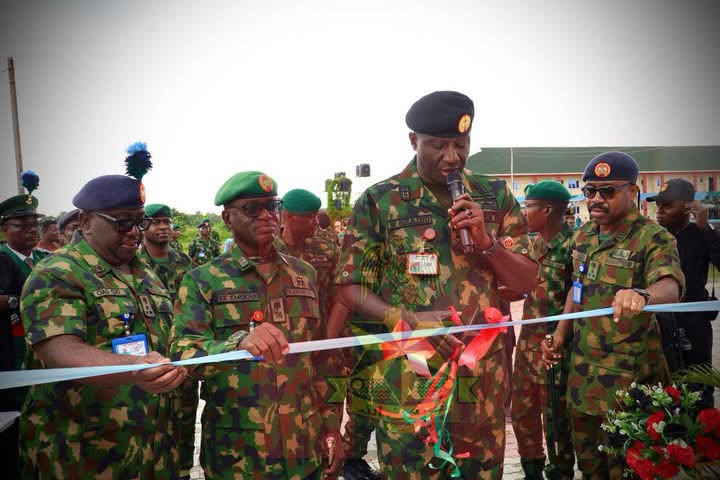
The Chief of Army Staff (COAS), Lieutenant General Waidi Shaibu, has reaffirmed the critical role of Regimental Sergeant Majors (RSMs) in strengthening discipline, leadership and operational effectiveness across the Nigerian Army.
The COAS made the remarks on Friday during the commissioning of the newly constructed 6 Division Regimental Sergeant Major’s House in Port Harcourt as part of activities marking the 163rd Nigerian Army Day Celebration (NADCEL 2026).
Speaking at the event, Lt.-Gen. Shaibu described RSMs as the backbone of regimental administration and custodians of discipline, standards and morale within the Army.

He said the provision of dedicated accommodation for RSMs was not merely a welfare initiative but a strategic investment aimed at enhancing leadership at the unit level and improving operational efficiency.
According to the Army Chief, RSMs play a vital role in translating command directives into action, maintaining troop cohesion and ensuring effective implementation of operational orders across various theatres of operation.
He added that the senior non-commissioned officers also serve as the crucial link between officers and soldiers, fostering professionalism, mutual trust and esprit de corps within formations and units.

Shaibu noted that the influence of RSMs in mentoring soldiers, enforcing discipline and sustaining troop morale remains indispensable to the success of military operations.
He stressed that providing conducive accommodation for key regimental leaders would enhance their ability to discharge their responsibilities effectively and contribute to improved operational readiness.
The COAS reiterated that under his “Soldier First” philosophy, the welfare of personnel, particularly those occupying critical leadership positions, remains a top priority.
He maintained that sustained investment in welfare infrastructure and leadership development would continue to strengthen the Nigerian Army’s capacity to remain a resilient, professional and combat-ready force capable of addressing the country’s evolving security challenges.
COAS commissions 6 Division RSM House, reaffirms frontline leadership role of regimental sergeant majors
Troops intercept cattle grazing in restricted area in Plateau, herders flee
By: Zagazola Makama
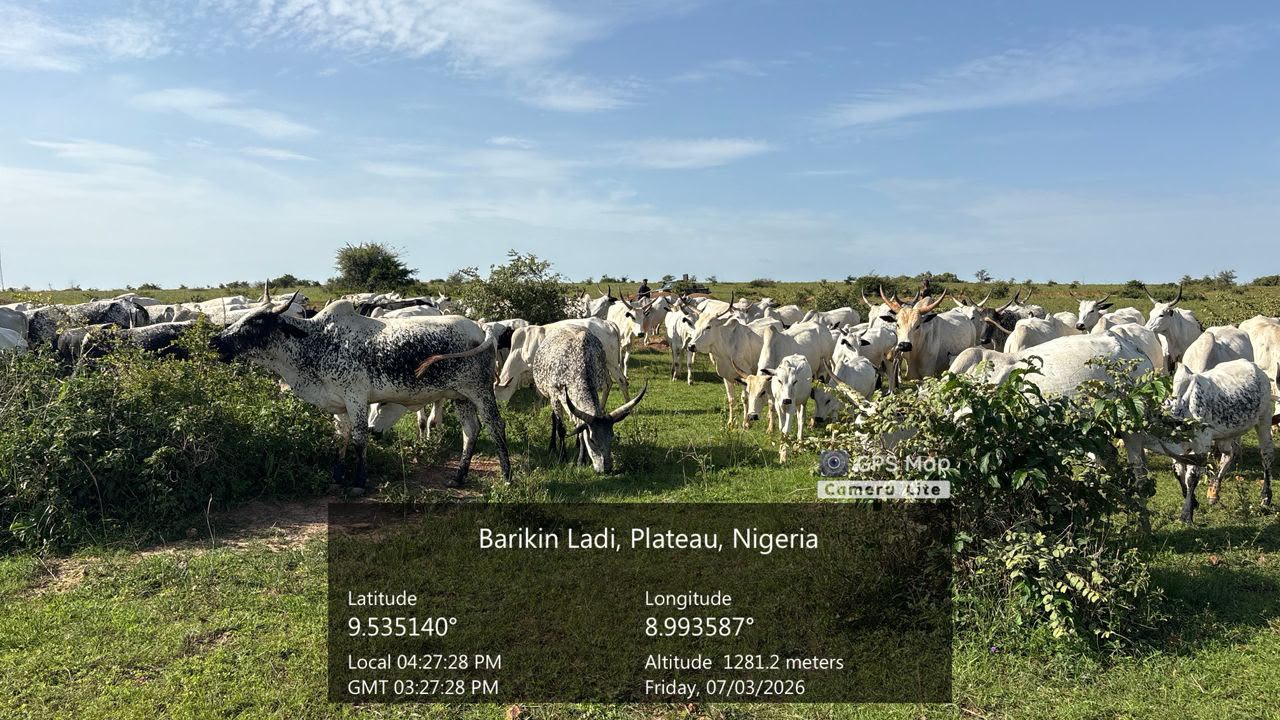
Troops of Operation Enduring Peace (OPEP) have intercepted a herd of cattle found grazing in a restricted area in Barkin Ladi Local Government Area of Plateau State.
Intelligence sources told Zagazola Makama that the troops of Sector 4 OPEP responded to a report of illegal grazing at about 3:30 p.m. on Friday in Nyerwie village.
The sources said that upon arrival at the location, the troops found a herd of cattle grazing in the restricted area.
The herders reportedly fled into nearby bushes on sighting the troops, abandoning the livestock.
The intercepted cattle were subsequently moved to a secure location for necessary administrative action, while efforts are ongoing to identify and apprehend the fleeing herders, the sources said.
Troops intercept cattle grazing in restricted area in Plateau, herders flee
Troops Arrest Two Suspected Vandals, Recover Stolen Construction Materials in Jos
By: Zagazola Makama
Troops of Operation Enduring Peace (OPEP) have arrested two suspected vandals in Jos North Local Government Area of Plateau State for allegedly stealing construction materials from an ongoing road construction site.
Security sources said the suspects, identified as Arin Itse, 21, and Agwom Christopher, 19, were arrested at about 9:30 a.m. on Friday during a routine patrol by troops of Sector 1, Sub-Sector 12, along the Kwanga road in Jos North.
The sources said the suspects were intercepted while in possession of iron rods suspected to have been stolen from a road construction company handling an ongoing project in the area.
According to the sources, the suspects were taken into custody for further investigation, while the recovered iron rods were handed over to the construction company.
The sources added that investigations were ongoing to determine the circumstances surrounding the alleged theft and whether other persons were involved.
Troops Arrest Two Suspected Vandals, Recover Stolen Construction Materials in Jos

COAS commissions 6 Division RSM House, reaffirms frontline leadership role of regimental sergeant majors

Troops intercept cattle grazing in restricted area in Plateau, herders flee

Troops Arrest Two Suspected Vandals, Recover Stolen Construction Materials in Jos

Roger Federer’s Shock as DNA Results Reveal Myla and Charlene Are Not His Biological Children

THE PLIGHT OF FARIDA

FAILED COUP IN BURKINA FASO: HOW TRAORÉ NARROWLY ESCAPED ASSASSINATION PLOT AMID FOREIGN INTERFERENCE CLAIMS
-
 News2 years ago
Roger Federer’s Shock as DNA Results Reveal Myla and Charlene Are Not His Biological Children
-
Opinions4 years ago
THE PLIGHT OF FARIDA
-
 News1 year ago
FAILED COUP IN BURKINA FASO: HOW TRAORÉ NARROWLY ESCAPED ASSASSINATION PLOT AMID FOREIGN INTERFERENCE CLAIMS
-

 News2 years ago
EYN: Rev. Billi, Distortion of History, and The Living Tamarind Tree
-
 Opinions5 years ago
POLICE CHARGE ROOMS, A MINTING PRESS
-

 ACADEMICS2 years ago
A History of Biu” (2015) and The Lingering Bura-Pabir Question (1)
-

 Columns2 years ago
Army University Biu: There is certain interest, but certainly not from Borno.
-

 Politics1 year ago
2027: Why Hon. Midala Balami Must Go, as Youths in Hawul and Asikira/Uba Federal Constituency Reject ₦500,000 as Sallah Gift
