
News
NDLEA, NAFDAC Sign MoU to strengthen Collaboration on Illicit Drugs, Counterfeit Products

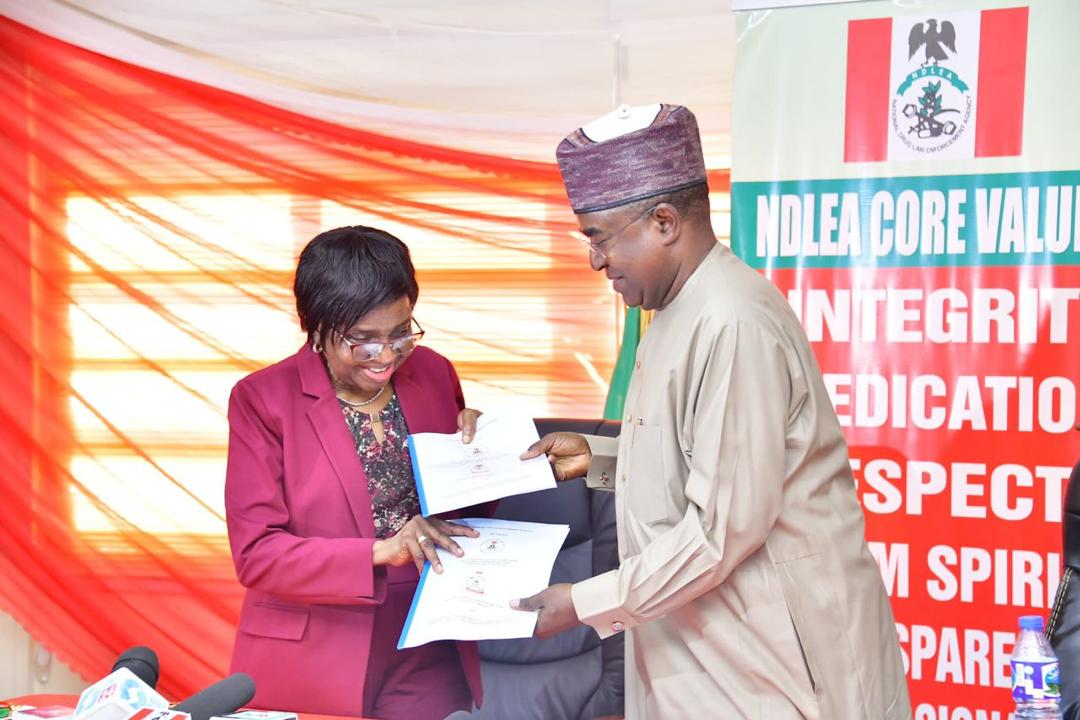
NDLEA, NAFDAC Sign MoU to strengthen Collaboration on Illicit Drugs, Counterfeit Products
By: Michael Mike
The ongoing fight against drug abuse and trafficking in the country gets a boost as the National Drug Law Enforcement Agency (NDLEA) and the National Agency for Food and Drug Administration and Control (NAFDAC) on Wednesday signed a Memorandum of Understanding (MoU) to share vital intelligence, facilities, and expertise.
Speaking at the signing ceremony at the NDLEA Headquarters in Abuja, the Chairman/Chief Executive Officer of the anti-narcotics agency, Brig. Gen. Buba Marwa (Rtd) noted that the renewed partnership between NDLEA and NAFDAC will curb substance abuse and protect public health. This position was also affirmed by the Director General of NAFDAC, Prof. Mojisola Adeyeye.
Marwa said the development “marks a significant turning point in our shared endeavour to improve operational effectiveness, protect public health, and guarantee community safety.”
He added that: “NAFDAC and NDLEA play vital roles in our citizens’ health and safety. While the NDLEA focuses on combating illicit drug production, trafficking, and abuse, NAFDAC is responsible for regulating and ensuring the safety of food, drugs, and other consumables. Therefore, deepening our collaboration will ensure robust protection for public health and the well-being of our citizens. Our collaboration spans several decades and we are here to strengthen it further today.”
He said the MoU will establish a framework that will enhance the sharing of vital intelligence, facilities, and expertise, which will amplify ability to effectively address the intertwined challenges of drug abuse and counterfeit products.
Marwa said: “As we sign this MoU today, we are taking significant steps towards harnessing our collective strengths. It will align our strategies and resources, making us better equipped to tackle the growing menace of drug abuse and ensure that only safe, approved, and genuine products reach the hands of consumers.
“Today’s signing ceremony is not just a formal agreement but a commitment to our collective responsibility to intensify our service delivery. Together, we will work towards creating safer communities, reducing the prevalence of drug abuse, and ensuring that our people have access to safe and high-quality products.”
The NDLEA boss urged everyone to embrace the collaboration with enthusiasm and dedication while stressing the importance of maintaining open lines of communication, sharing of knowledge, and supporting each other in the national assignment.
In her remarks, Prof. Adeyeye aligned with the position of the NDLEA Chairman on the significance of the MoU, saying that stakeholders cannot afford to work in silos on the issues that border on substance abuse, illicit drug trafficking and public health in Nigeria.
She said: “We may not be taking illicit drugs, but we may have relatives taking illicit drugs. We may not have relatives taking illicit drugs, but we may have friends of relatives taking illicit drugs. When we look at it globally, it is our national security. It is not knowing what your neighbor may do to you, because illicit drugs alter the state of minds. Illicit drugs directly work on the central nervous system and make one feel what one is not supposed to feel. And that can include violence, terrorism, banditry, and those are the higher levels of societal ills that illicit drugs can result in.
“It can lead to spouse abuse, failure of children in school, health conditions, of course. As a pharmacist, whenever we deal with the pharmacology of a drug, we talk about the benefits, benefits, benefits, and then we end up with the side effects. And for almost all drugs, one of the side effects is death. It’s logical that NDLEA and NAFDAC should work very, very closely together. And I want to thank the chairman again for making this happen. We have been at it in terms of the timing and what not.
“We cannot afford to work in silo in Nigeria. We have sister agencies that work in silo, including NAFDAC. We are just changing the culture now. Working as focus groups to deal with problems, to solve problems. Therefore, this ceremony is for all of us to think that we have to work together, and collaborate together.”
NDLEA, NAFDAC Sign MoU to strengthen Collaboration on Illicit Drugs, Counterfeit Products


News
HOMEF, CAPPA Seek Review of GMO Approvals, Advocate Agroecology as Nigeria’s Food Security Path
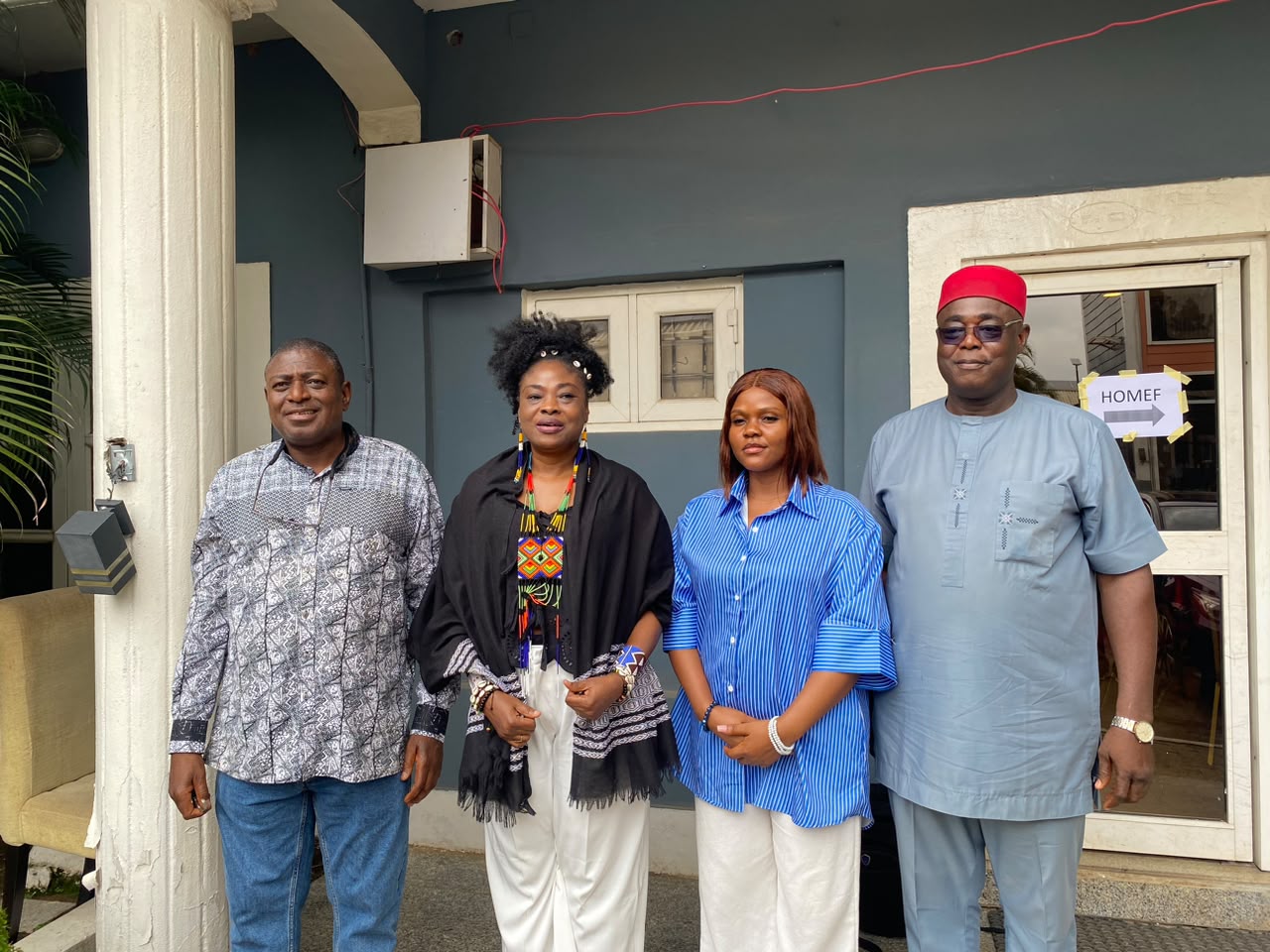
HOMEF, CAPPA Seek Review of GMO Approvals, Advocate Agroecology as Nigeria’s Food Security Path
By: Michael Mike
Civil society organisations have intensified calls for a review of genetically modified organism (GMO) approvals in Nigeria, urging the federal government to adopt agroecology as a cornerstone of the country’s food security strategy amid growing concerns over food sovereignty, public health and environmental sustainability.
The call was made during a media training on Biodiversity and Agroecology in Nigeria themed “Nigeria’s Food Future,”organised by the Home of Mother Earth Foundation (HOMEF) and its partners, where participants challenged the increasing adoption of genetically modified crops and called for stronger biosafety oversight.
Executive Director of HOMEF, Nnimmo Bassey, warned against what he described as the growing influence of multinational corporations on Nigeria’s agricultural system, arguing that the country’s food future should remain in the hands of local farmers.
According to him, smallholder farmers account for more than 80 per cent of food production in Nigeria, yet face mounting pressure from proprietary seed systems and corporate-controlled agricultural technologies.
“Smallholder farmers produce more than 80 per cent of the food consumed in Nigeria, yet there are strong vested interests trying to increase dependency on patented seeds and corporate-controlled technology. This is why we describe it as food colonialism,” Bassey said.
He also questioned the effectiveness of Nigeria’s biosafety governance framework, expressing concerns about transparency and accountability in the approval of genetically modified crops.
“The question is, who is really in charge? If another agency can approve GMOs outside the established regulatory process, where are we in terms of biosafety?” he asked.
Bassey maintained that agroecology, which emphasises biodiversity, ecological balance and indigenous farming knowledge, offers a sustainable pathway to food security while protecting local ecosystems and rural livelihoods.
Public health expert, Dr. Ifeanyi Casmir, urged policymakers to broaden the national conversation beyond food availability to include food safety and food sovereignty.
“Food security is just one leg of the tripod. You must also look at food safety and food sovereignty. If, because of one leg of the tripod, you jettison the other two, then there are very germane reasons for us to be circumspect about genetically modified crops in Nigeria,” he said.
Casmir argued that genetic modification can alter the composition of crops and potentially introduce proteins capable of triggering allergic reactions in some consumers.
He also warned that increasing reliance on proprietary seed systems could undermine the role of smallholder farmers and weaken local food systems.
“If you take away control and make access to seeds very difficult and cost-prohibitive, you have destroyed our food system. Smallholder farmers are the people who feed the world, and they must not be pushed aside through proprietary control of staple crops,” he said.
On the environmental and health implications of agricultural chemicals, Casmir expressed concerns about the use of herbicides and pesticides associated with some GMO farming systems, noting that chemical residues could find their way into the food chain.
Executive Director of the Corporate Accountability and Public Participation Africa, Akinbode Oluwafemi, called on the government to apply the precautionary principle in decisions relating to genetically modified crops.
“There have been global concerns about the health implications of genetically modified organisms across the world, and many countries are taking precautionary steps. We do not want the Nigerian government to open our food system to issues of concern,” he said.
Oluwafemi stressed the need to safeguard indigenous seeds and traditional farming systems, arguing that food production is closely linked to culture, identity and national heritage.
“Local farmers are responsible for over 80 per cent of the food we consume in Nigeria. There is an attempt to take over our food chain and food system by corporations outside our shores. It rests on the Nigerian people and government to protect our food environment, our indigenous seeds and our indigenous crops,” he said.
Presenting a communiqué issued at the end of the training, Associate Director of CAPPA, Ogunlade Olamide Martins, said participants resolved to campaign for a comprehensive review of GMO approvals and biosafety regulations in Nigeria.
According to him, stakeholders called for greater transparency, public participation and independent scientific assessments in all biosafety-related decisions.
“Participants resolved to advocate for a comprehensive review of GMO approvals and biosafety governance measures in Nigeria, while promoting transparency, public participation and independent risk assessment in all biosafety decision-making processes,” Martins said.
The communiqué further called on the government to suspend new GMO approvals pending independent, long-term and peer-reviewed assessments covering feeding trials, environmental impacts, performance evaluations and social consequences.
Participants also urged authorities to strengthen legal protections for farmers’ rights to save, exchange and reuse indigenous seeds while increasing public investment in agroecological research, innovation and farmer training programmes.
In her closing remarks, HOMEF Programme Director, Joyce Brown, said Nigeria was at a defining moment in determining how it would address food insecurity and climate change.
“We seem to be at a crossroads in Nigeria and largely in Africa as to which pathway we need to take in responding to food insecurity and climate change challenges. There are efforts towards promoting agroecology, while some actors are strongly pushing GMOs. We are advocating for a concrete decision. We can’t be on the fence and we can’t be both ways,” she said.
The advocacy groups maintained that while food production must increase to meet the needs of a growing population, such efforts should not come at the expense of biodiversity conservation, farmers’ rights and long-term environmental sustainability.
HOMEF, CAPPA Seek Review of GMO Approvals, Advocate Agroecology as Nigeria’s Food Security Path
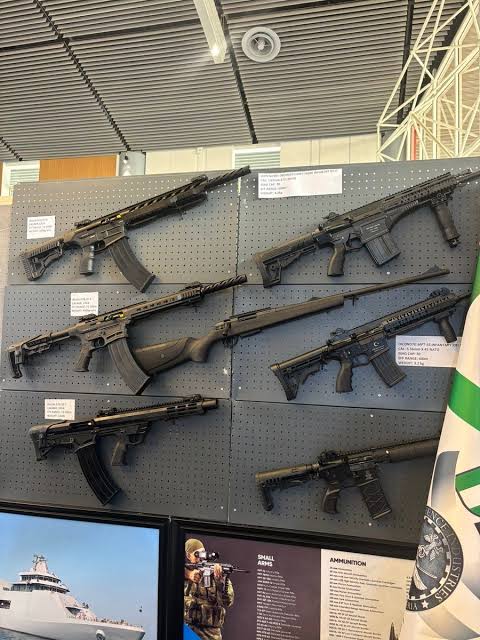
Indigenous Arms Production Gains Momentum as DICON Partner Unveils Tactical Shotgun Platform
By: Michael Mike
Nigeria’s push for greater self-reliance in defence production received a boost on Tuesday as DICON Gray Insignia Ltd (DGI), a strategic partner of the Defence Industries Corporation of Nigeria (DICON), unveiled an indigenous tactical shotgun platform aimed at supporting state-led security initiatives across the country.
The announcement comes amid growing investments by state governments in forest guards, vigilante services, civilian protection units and other community-based security structures established to complement the efforts of conventional security agencies in tackling insecurity.
In a statement issued to journalists on Tuesday and signed by its Managing Director and Chief Executive Officer, Bem Ibrahim Garba, the company said the platform was developed specifically to address the operational realities confronting security personnel working in rural communities, forests, agricultural zones and critical infrastructure corridors.
According to the statement, the initiative represents another milestone in efforts to strengthen Nigeria’s indigenous defence manufacturing capacity while reducing dependence on imported security equipment.
DGI said the platform is intended to support government-approved security formations, including Civilian Joint Task Forces (CJTFs), forest guards, community protection units, critical infrastructure protection teams and other state-backed security organisations.
The company noted that the increasing role of community-based security structures in safeguarding lives and property has heightened the need for equipment that is reliable, sustainable and supported locally.
“Security effectiveness is not simply about equipment. It is about providing a complete capability that includes training, maintenance support, responsible deployment and long-term sustainability,” the statement said.
Beyond equipment supply, DGI disclosed that it has developed a comprehensive training and capacity-building programme designed to improve professionalism, operational readiness and accountability among security personnel.
The training package includes weapons handling and safety, tactical marksmanship, armourer training, instructor development, leadership courses, protective security operations and range management.
According to the company, the programmes will be delivered by former military, intelligence and security professionals with extensive operational experience.
Industry stakeholders have long argued that Nigeria’s vast security requirements present an opportunity to deepen local defence production, create skilled jobs and retain critical technical expertise within the country.
Analysts say indigenous manufacturing can also help address recurring challenges associated with imported security equipment, including procurement delays, maintenance bottlenecks and foreign exchange constraints.
The collaboration between DGI and DICON is viewed as part of broader efforts to strengthen Nigeria’s defence-industrial base through partnerships that combine government support with private-sector innovation and technical expertise.
As states continue to expand investments in community security initiatives, access to locally manufactured and locally supported equipment is increasingly being seen as a critical component of sustainable security planning.
The company said it is engaging state governments, policymakers and security stakeholders across the country to demonstrate how indigenous defence solutions can contribute to improved security outcomes while supporting local industrial growth.
For observers, the unveiling underscores a growing shift in Nigeria’s security strategy—one that seeks not only to confront immediate threats but also to build the domestic industrial capacity needed to sustain long-term national security objectives.
With security concerns remaining high across several parts of the country, the emergence of locally developed defence solutions is expected to intensify discussions about the role indigenous manufacturers can play in strengthening Nigeria’s security architecture and reducing reliance on foreign suppliers.
Indigenous Arms Production Gains Momentum as DICON Partner Unveils Tactical Shotgun Platform
News
Israel Reaffirms Commitment to Peace, Deepens Partnership with Nigeria at 78th Independence Anniversary
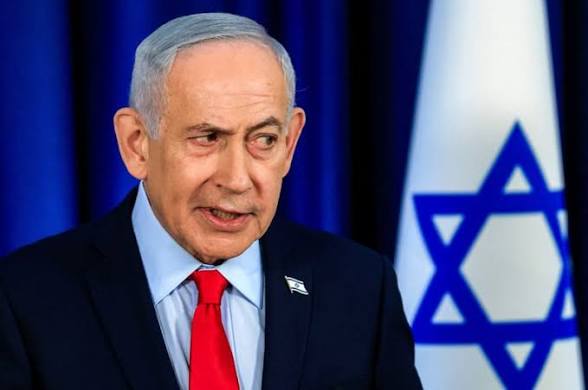
Israel Reaffirms Commitment to Peace, Deepens Partnership with Nigeria at 78th Independence Anniversary
By: Michael Mike
Israel has renewed its call for peace across the Middle East while unveiling fresh initiatives aimed at strengthening economic, agricultural and healthcare cooperation with Nigeria.
Speaking at celebrations marking Israel’s 78th Independence Anniversary in Abuja, Israeli Ambassador to Nigeria, Michael Freeman, said his country remains committed to the vision of peace outlined by Israel’s founding leaders despite decades of conflict and security challenges.
Drawing from a personal family connection to Israel’s founding in 1948, Freeman recalled the words of the country’s first Prime Minister, David Ben-Gurion, who called for cooperation and peaceful coexistence with neighbouring states at the birth of the Israeli nation.
The ambassador said that vision remains central to Israel’s foreign policy today, arguing that the country has consistently sought peaceful relations despite repeated conflicts in the region.
He pointed to the Abraham Accords as evidence that dialogue and cooperation can transform relationships in the Middle East, creating opportunities for economic growth, innovation and regional stability.
Freeman, however, accused Iran and its regional allies of undermining efforts to achieve lasting peace. He cited recent tensions involving Lebanon and ongoing missile attacks on Israeli communities, saying millions of Israelis had been forced into bomb shelters as hostilities escalated.
According to him, the people of Israel, Lebanon and the wider Middle East deserve a future free from violence and conflict.
“It is time to stop allowing Iran and other extremists and outside actors to hold the future of our region hostage,” he said.
Beyond regional security issues, the ambassador devoted significant attention to growing ties between Israel and Nigeria, describing the relationship as one built on innovation, entrepreneurship and shared development goals.
He announced that Israel would launch a fifth cohort of the Innovation Fellowship for Aspiring Inventors and Researchers (iFAIR) programme in 2027, providing additional opportunities for Nigerian entrepreneurs to receive mentorship and business development support from Israeli and Nigerian experts.
The programme, he said, has already helped young innovators transform ideas into businesses capable of creating jobs, attracting investment and addressing societal challenges.
Freeman also highlighted ongoing agricultural partnerships between both countries, noting that Israeli technology and seedlings are already being deployed by Nigerian farmers to improve productivity and food security.
He urged guests to view the agricultural products displayed at the event as symbols of what stronger collaboration could achieve across Nigeria’s farming sector.
“Imagine that success multiplied across Nigeria—higher yields, stronger rural communities, greater food security, and millions upon millions of lives improved,” he said.
In another major announcement, the ambassador disclosed that the first three fully equipped ambulances donated by Israel were on their way to Nigeria. He described the donation as a practical demonstration of friendship and cooperation between the two countries.
According to him, the ambulances will help strengthen emergency response capabilities and save lives in critical situations.
Freeman said Israel intends to further expand cooperation with Nigeria in healthcare, education, security, innovation, agriculture and skills development, stressing that such partnerships represent investments in a shared future rather than acts of charity.
Reflecting on Israel’s journey since independence, the envoy highlighted how the country had transformed itself from a resource-poor nation facing severe security threats into a global leader in technology, medicine, cybersecurity, water management and agriculture.
He attributed Israel’s success to its ability to turn challenges into opportunities, saying the same spirit could drive transformative progress through deeper collaboration with Nigeria.
“The future of Israel-Nigeria relations will not be defined by speeches. It will be defined by entrepreneurs who build companies, farmers who increase their harvests, doctors and paramedics who save lives, and young people who refuse to accept limitations,” he said.
The anniversary celebration underscored the growing diplomatic and economic ties between both countries as they seek to expand cooperation in areas critical to development, innovation and regional stability.
Israel Reaffirms Commitment to Peace, Deepens Partnership with Nigeria at 78th Independence Anniversary

HOMEF, CAPPA Seek Review of GMO Approvals, Advocate Agroecology as Nigeria’s Food Security Path

Indigenous Arms Production Gains Momentum as DICON Partner Unveils Tactical Shotgun Platform

Israel Reaffirms Commitment to Peace, Deepens Partnership with Nigeria at 78th Independence Anniversary

Roger Federer’s Shock as DNA Results Reveal Myla and Charlene Are Not His Biological Children

THE PLIGHT OF FARIDA

FAILED COUP IN BURKINA FASO: HOW TRAORÉ NARROWLY ESCAPED ASSASSINATION PLOT AMID FOREIGN INTERFERENCE CLAIMS
-
 News2 years ago
Roger Federer’s Shock as DNA Results Reveal Myla and Charlene Are Not His Biological Children
-
Opinions4 years ago
THE PLIGHT OF FARIDA
-
 News1 year ago
FAILED COUP IN BURKINA FASO: HOW TRAORÉ NARROWLY ESCAPED ASSASSINATION PLOT AMID FOREIGN INTERFERENCE CLAIMS
-

 News2 years ago
EYN: Rev. Billi, Distortion of History, and The Living Tamarind Tree
-
 Opinions4 years ago
POLICE CHARGE ROOMS, A MINTING PRESS
-

 ACADEMICS2 years ago
A History of Biu” (2015) and The Lingering Bura-Pabir Question (1)
-

 Columns2 years ago
Army University Biu: There is certain interest, but certainly not from Borno.
-

 Politics12 months ago
2027: Why Hon. Midala Balami Must Go, as Youths in Hawul and Asikira/Uba Federal Constituency Reject ₦500,000 as Sallah Gift
