
News
FG Launches Hazard Risk Analysis For Disaster Preparedness, Mitigation

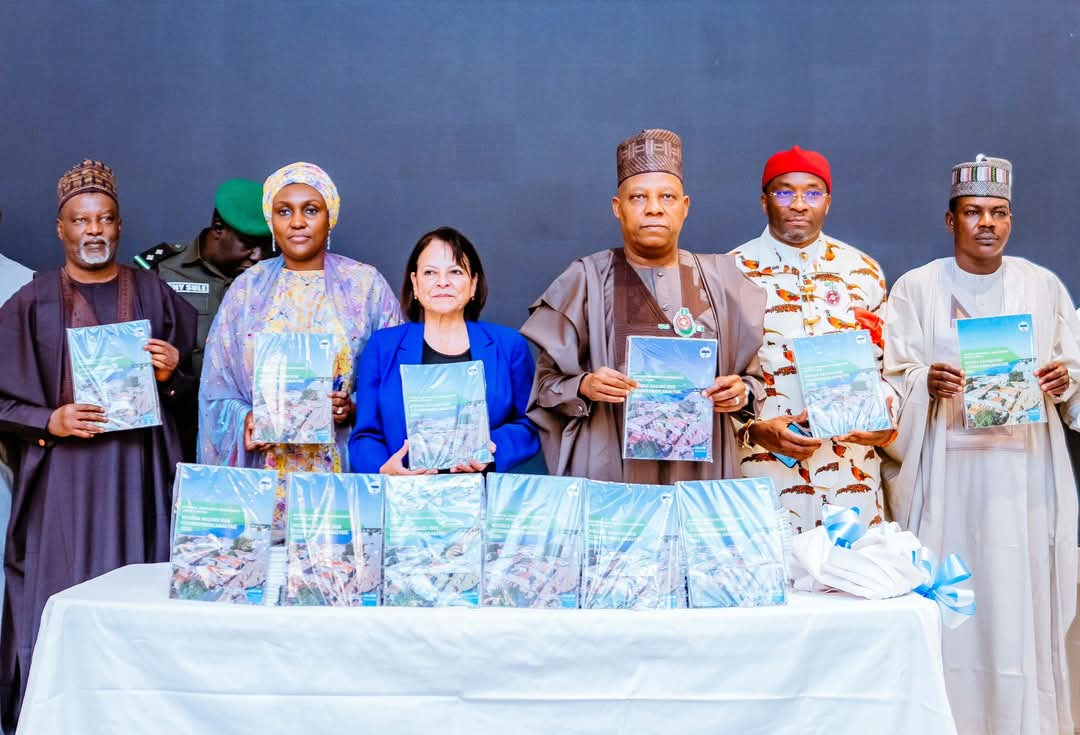
FG Launches Hazard Risk Analysis For Disaster Preparedness, Mitigation
*** Our goal is to protect citizens from ecological risks, says VP Shettima
By: Our Reporter
The federal government has launched the 2024 Hazard Risk Countrywide Analysis aimed at strengthening disaster preparedness and mitigation efforts across the country.
To this effect, Vice President Kashim Shettima called for enhanced collaboration among stakeholders to address Nigeria’s vulnerabilities to disasters and climate change as well as building a safer and more resilient Nigeria.
Speaking during the launch event on Thursday in Abuja, VP Shettima reaffirmed the federal government’s commitment to safeguarding lives and livelihoods from ecological and other risks.
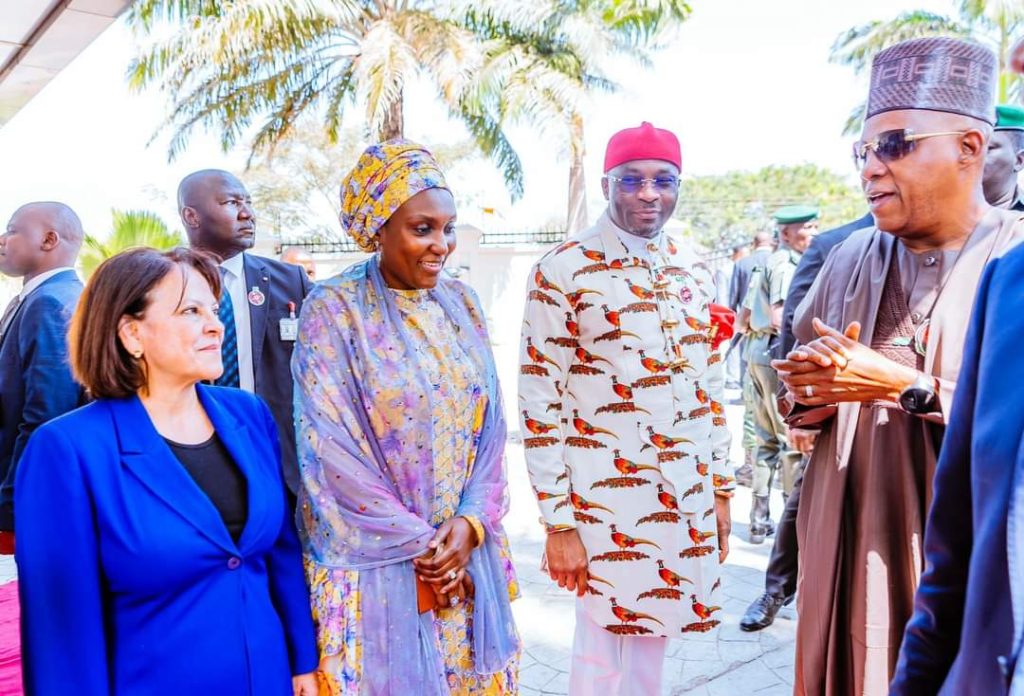
He said, “This launch is a testament to our resolve as a nation to confront the uncertainties of our ecological realities with informed strategies. We are committed to protecting citizens from ecological risks while building the infrastructure and mechanisms necessary for disaster prevention and response.”
The report, developed under the leadership of the National Emergency Management Agency (NEMA) with technical support from UNICEF, offers a detailed analysis of Nigeria’s vulnerability to hazards such as floods, droughts, and public health emergencies.
It provides policymakers, emergency responders, and community leaders with critical data to improve early warning systems and enhance risk mitigation strategies.
Noting that the nation cannot prepare for risks it does not know, the Vice President said the document provides the foundation for understanding the magnitude of the challenges facing Nigeria, empowering government “to move from reactive to proactive strategies in addressing disasters.”
VP Shettima noted recent challenges in Nigeria, including devastating floods and outbreaks of diseases like cholera, which have displaced thousands and claimed lives, just as he explained that these recurring disasters bring to the fore the urgency of robust preparedness mechanisms.
“While we may not prevent every disaster, we can reduce their impact significantly by institutionalizing risk assessment and continuously monitoring hazards and vulnerabilities. This analysis is not just a tool—it is a lifeline for building community resilience,” the Vice President said.
He commended NEMA, development partners, and other stakeholders for their dedication in producing the report, describing it as a landmark achievement that reflects the administration’s focus on proactive governance.
“This is not the conclusion of our efforts; it is the beginning of a new chapter. We must now work together to use this report as a springboard for policies and actions that will make Nigeria more resilient against future risks,” he added.
He also expressed gratitude to international partners, including UN agencies and NGOs, for their contributions to the nation’s disaster preparedness and response initiatives.
“Protecting lives and property is a collective responsibility, and this launch symbolizes the unity of purpose that we need to build a safer Nigeria,” Shettima concluded.
Earlier in his remarks, the Deputy Speaker of the House of Representatives, Hon. Benjamin Kalu, said the launch of the report was timely.
He reaffirmed the commitment of the House of Representatives to leveraging the findings of the report to make legislations that will impact crisis management and disaster mitigation.
Hon. Kalu identified three key areas of the National Assembly’s legislative support for disaster management to include strengthening of early warning systems; funding for risk mitigation and community-centered interventions aimed at building grassroots capacity for disaster mitigation.
In his goodwill message, Chairman of Senate Committee on Special Duties, Sen. Kaka Shehu Lawan, congratulated the National Emergency Management Agency (NEMA) and other stakeholders on the successful launch of the report.
He said the launch of the report is a giant stride and a step in the right direction, pledging the support of the Senate to the actualization of the mandate of the National Emergency Management Agency (NEMA) and other related agencies in the country, especially in enhancing the preparedness of the country to disasters and crises.
In her remarks, the Director General of NEMA, Dr Zubaida Umar, said the launch of the 2024 Countrywide Risk Analysis for Nigeria marked a milestone in stakeholders’ collective effort to enhance disaster preparedness and response.
She said the document will serve as a vital tool to support the development and review of Nigeria’s preparedness plans and related frameworks which will position the foundation for a safer and more resilient country.
Dr Umar said preparedness is the cornerstone of disaster management and a shared responsibility to ensure that all actors respond swiftly and efficiently to emergencies when they occur.
On her part, the UNICEF Country Representative, Ms Cristian Munduate, said the report provides a countrywide mapping of occurrences such as flash flooding, conflict and disease outbreaks, among others, across the country.
She said the 2024 Countrywide Risk Analysis for Nigeria aligns with President Tinubu’s Renewed Hope Agenda, especially in building a disaster-resilient nation and caring for the welfare of vulnerable groups.
FG Launches Hazard Risk Analysis For Disaster Preparedness, Mitigation


Military
Residents Cheer Troops as Operation FANSAN YAMMA Returns with Captured Terrorists’ Logistics in Zamfara
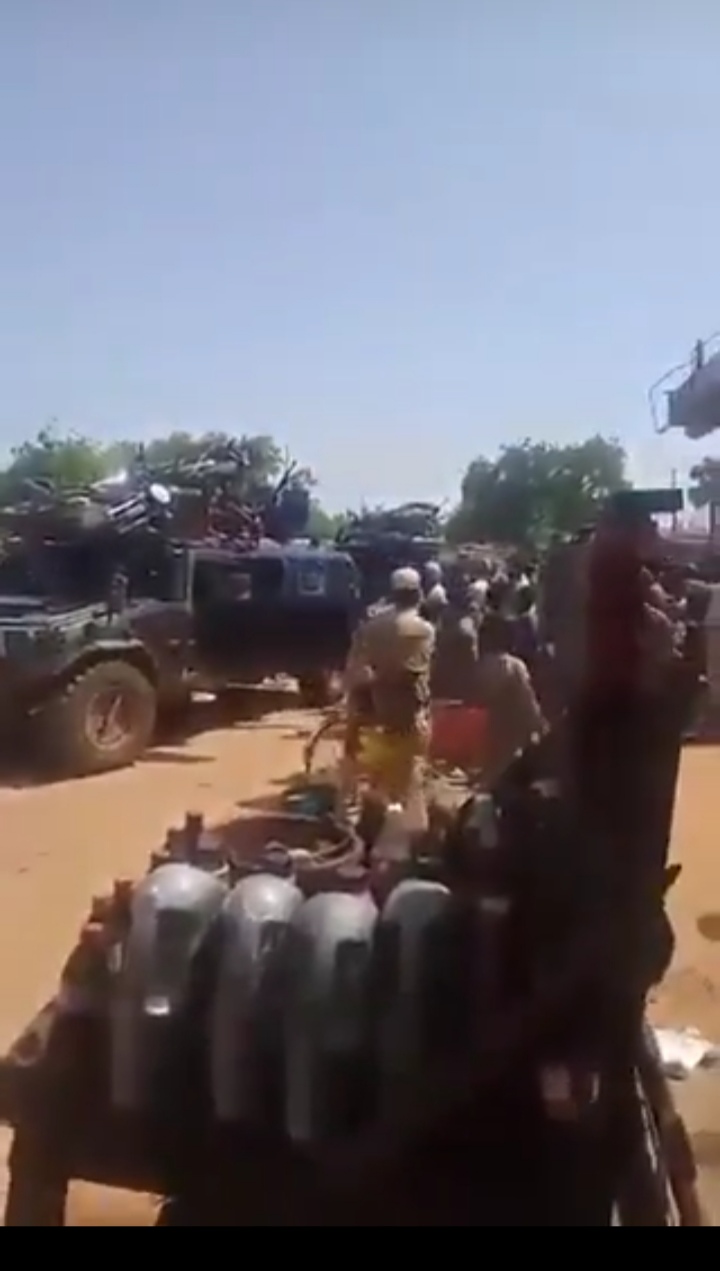
Residents Cheer Troops as Operation FANSAN YAMMA Returns with Captured Terrorists’ Logistics in Zamfara
By Zagazola Makama
Residents of Gummi town in Zamfara State on Thursday poured into the streets to celebrate troops of the Joint Task Force North West, Operation FANSAN YAMMA, following a major operational success against terrorists in the area.
Eyewitnesses said the jubilant crowd gathered as soldiers arrived in town with logistics recovered from terrorists after a successful counter-ambush operation that reportedly left more than 100 terrorists neutralised.
The recovered items, including eight motorcycles used by the armed groups for movement during attacks on communities, were transported on an Armoured Personnel Carrier (APC) to the Headquarters of Operation FANSAN YAMMA in Gummi.
Residents were seen cheering, waving at the troops and applauding their efforts as the convoy entered the military base, with many expressing appreciation for the soldiers’ courage and sacrifices in the ongoing fight against banditry in the North West.
Security sources told Zagazola Makama that the successful operation dealt a significant blow to the criminal networks operating in the area, disrupting their mobility and logistical capabilities.
The spontaneous celebration by residents is seen as a reflection of growing public confidence in the military’s sustained offensive against terrorists and bandits across Zamfara and neighbouring states.
Military authorities reaffirmed that Operation FANSAN YAMMA remains committed to sustaining offensive operations aimed at dismantling terrorist enclaves, denying criminal elements freedom of movement, and restoring lasting peace across the North West.
The Joint Task Force also acknowledged the continued support and actionable intelligence provided by residents, describing community cooperation as critical to the success of ongoing operations.
Residents Cheer Troops as Operation FANSAN YAMMA Returns with Captured Terrorists’ Logistics in Zamfara
News
WAHO, AfDB Hand Over 10 Ambulances, Medical Equipment to The Gambia in $3.4m Health System Boost
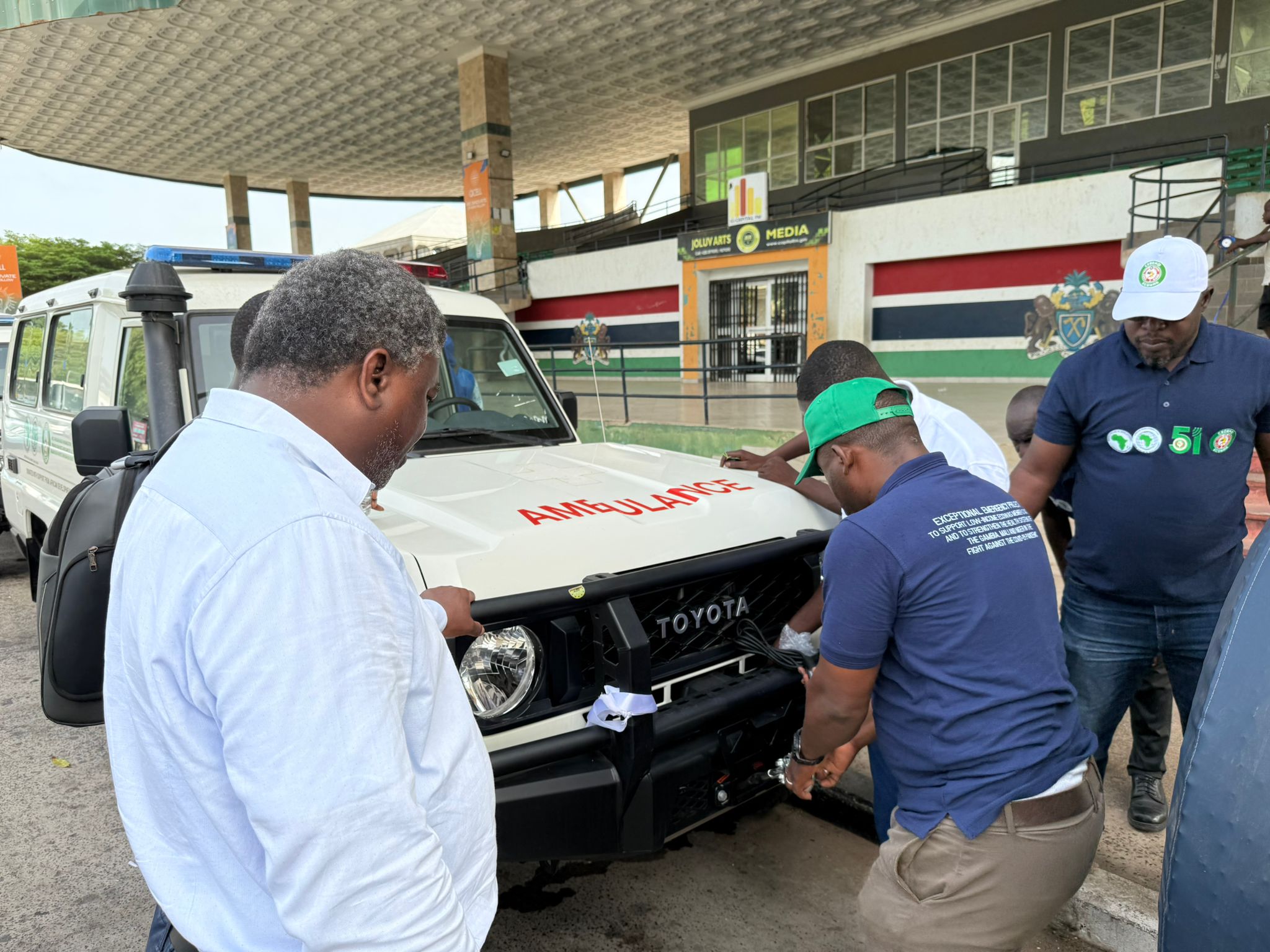
WAHO, AfDB Hand Over 10 Ambulances, Medical Equipment to The Gambia in $3.4m Health System Boost
By: Michael Mike
The Gambia – The Economic Community of West African States (ECOWAS), through the West African Health Organization (WAHO), on Friday handed over 10 fully equipped four-wheel-drive ambulances and critical medical equipment to The Gambia in a major effort to strengthen the country’s emergency response capacity and bolster regional health security.
The intervention, financed by the African Development Bank (AfDB) under the COVID-19 Exceptional Emergency Project for Low-Income ECOWAS Member States, represents an investment of approximately $3.4 million in The Gambia out of the project’s overall $22.3 million regional budget.
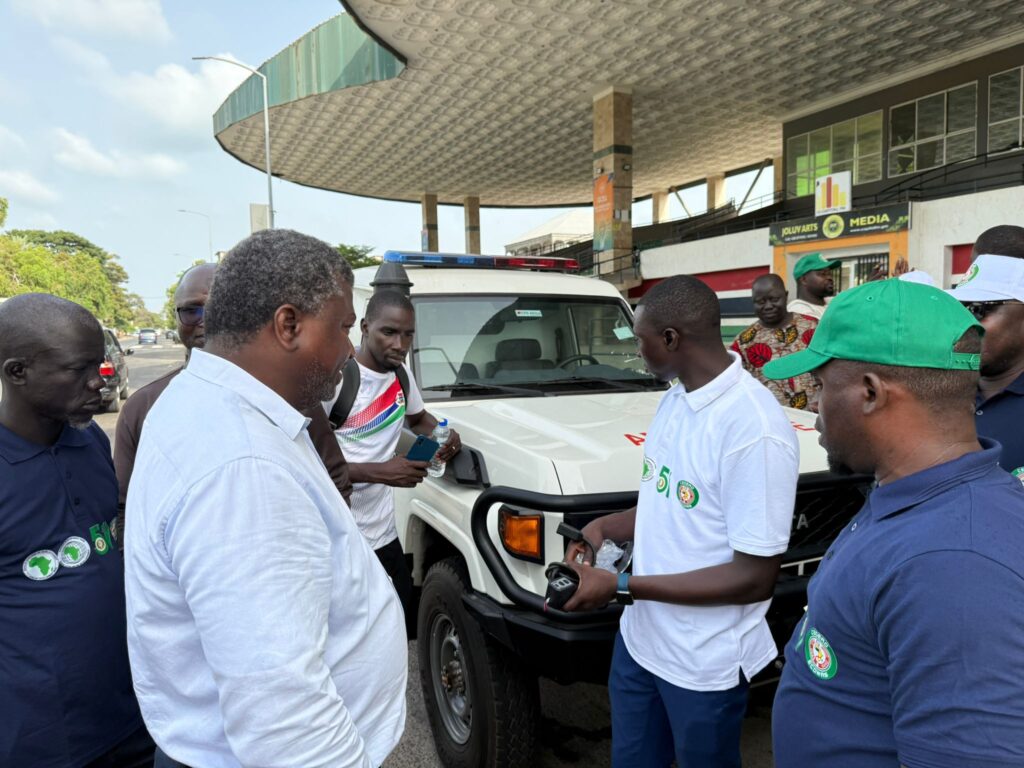
The medical equipment includes oxygen concentrators, haemodialysis machines, X-ray machines, anaesthetic machines, patient monitors, diagnostic tools, biomedical engineering equipment and other critical supplies aimed at improving emergency, diagnostic and specialised healthcare services.
Speaking at the handover ceremony in Banjul, President of the ECOWAS Commission, Dr. Omar Alieu Touray, described the intervention as a landmark demonstration of regional solidarity, stressing that the investment extends beyond the COVID-19 pandemic to building resilient health systems capable of responding to future public health emergencies.
Touray, a Gambian, said returning home to witness the delivery of the project carried deep personal significance.
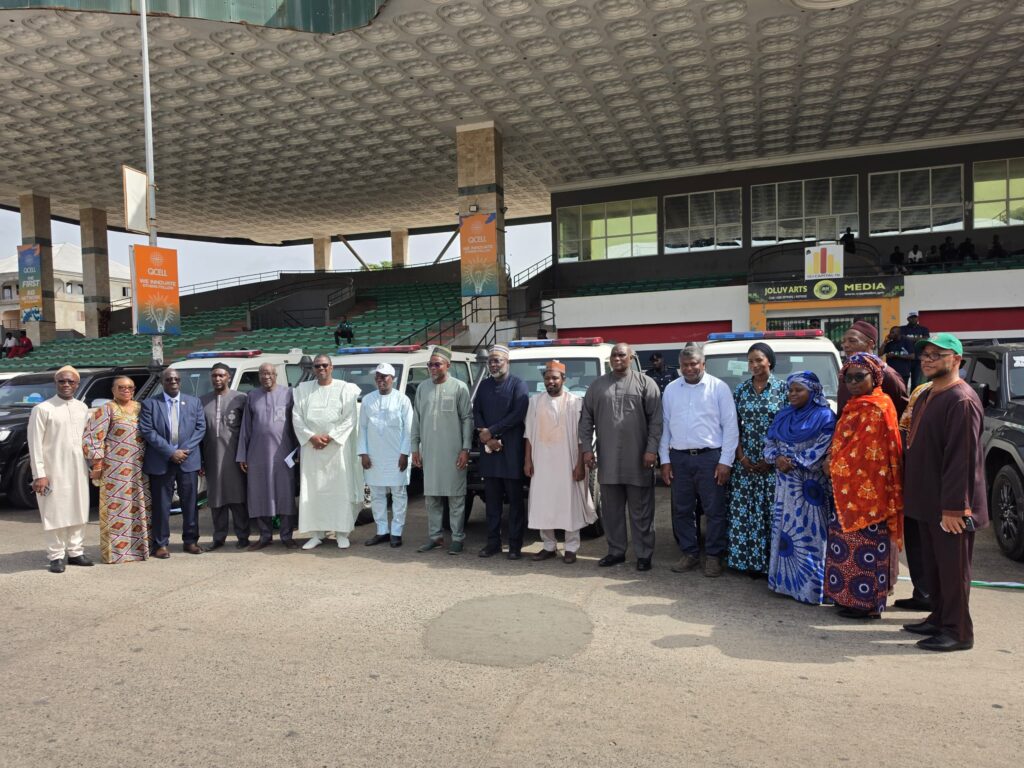
“It is with immense pride, profound emotion and a deep sense of honour that I stand before you today in my own home country. To return to my homeland and witness the tangible fruits of our regional cooperation is deeply humbling and inspiring,” he said.
He explained that WAHO, as a specialised institution of ECOWAS, was funded through the ECOWAS Community Levy paid by citizens across the region, adding that the project reflected what West African countries could achieve through collective action.
“When the COVID-19 pandemic struck, it exposed the vulnerabilities of our health systems, but it also ignited our collective resolve. We learned that we are indeed better and stronger together,” Touray stated.
According to him, the project has trained 1,427 health professionals, equipped 55 points of entry across participating countries and supplied thousands of sets of personal protective equipment.
He disclosed that The Gambia recorded a 100 per cent physical completion rate for all project interventions, while 852 health workers and stakeholders were trained between 2024 and 2025 in Integrated Disease Surveillance and Response (IDSR), Incident Management Systems, Infection Prevention and Control, among other critical areas.
The ECOWAS Commission President said the newly donated ambulances and equipment would significantly improve emergency medical services and expand access to life-saving healthcare, particularly for vulnerable communities.
“As we receive these materials today, let us remember that they represent more than just tools. They represent hope, resilience and our shared commitment to protecting the lives and dignity of every West African,” he said.
Receiving the equipment on behalf of President Adama Barrow, the Vice President of The Gambia, Mohammed Jallow described the donation as a direct response to critical gaps in healthcare delivery, especially in rural communities where transporting critically ill patients to health facilities remains a major challenge.
He said the ambulances would serve as “vehicles of hope” and improve responses to road traffic accidents, obstetric emergencies and infectious disease outbreaks.
The Vice President commended WAHO, the African Development Bank and the Government of Germany for their continued support to The Gambia’s health sector, noting that the intervention demonstrated the tangible benefits of regional cooperation.
“This support represents a significant investment in our health system and demonstrates that, through collective action, ECOWAS member states and their partners can deliver results that directly improve the lives of ordinary citizens,” he said.
He charged the Ministry of Health and healthcare workers to ensure proper maintenance and accountability in the management of the newly acquired assets.
“Please ensure that spare parts are available, maintenance schedules are strictly followed, and that these vehicles and medical equipment remain fully operational at all times,” he urged.
Earlier, The Gambia’s Minister of Health, Dr. Ahmadou Samateh. praised WAHO for what he described as years of unwavering support to the country’s health sector through capacity building, technical assistance and training programmes.
He noted that hardly a month passed without WAHO sponsoring Gambian health professionals for training within and outside the country, describing the organisation as one of the country’s most dependable health development partners.
The minister said the donation was unprecedented in the country’s history.
“To the best of my knowledge, we have never received such a donation of ambulances from any institution in this quantity at one time,” he said.
The ceremony, which also coincided with WAHO’s anniversary celebration, was attended by the Director-General of WAHO, Dr. Melchior Aïssi, representatives of the African Development Bank, the German Government, senior ECOWAS officials, members of the Gambian Cabinet, development partners and senior government officials.
The intervention is expected to strengthen The Gambia’s emergency medical response system while reinforcing ECOWAS’ broader strategy of building resilient regional health systems capable of responding to future disease outbreaks and other public health emergencies.
WAHO, AfDB Hand Over 10 Ambulances, Medical Equipment to The Gambia in $3.4m Health System Boost
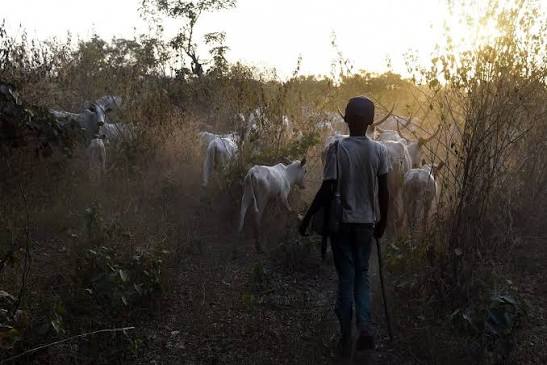
Farmer killed by Fulani bandits in fresh Plateau attack as cycle of violence deepens
By Zagazola Makama
A farmer has been killed in a fresh attack by yet-to-be-identified gunmen in Butura Gida village, Bokkos Local Government Area of Plateau State, in the latest incident pointing to the persistent cycle of violence between farming and herding communities.
Security sources told Zagazola Makama that the attack occurred at about 7:47 p.m. on Tuesday, July 8, prompting troops of Sector 5 of Operation Enduring peace to mobilise to the community after receiving a distress call.
On arrival, the troops found the victim’s lifeless body. The attackers had fled the scene before security personnel arrived, and no contact was made.
A manhunt has since been launched to identify and apprehend those responsible for the killing.
The latest incident came less than 24 hours after a 13-year-old herder, Mustapha Abdul Kadir, was found dead alongside four cattle in Mangu Local Government Area in what authorities suspected was an attack by armed militia.
Earlier the same day, two residents were also killed in Torok community in Riyom Local Government Area in an attack blamed on suspected Fulani bandits.
The succession of attacks illustrates the entrenched and increasingly vicious pattern of retaliatory violence that has continued to plague Plateau State.
Killings of farmers are often followed by attacks on herders, while attacks on herders frequently trigger reprisals against farming communities, creating a dangerous cycle that has claimed hundreds of lives and destroyed livelihoods over the years.
Despite sustained military deployments, peace meetings and community engagements, mistrust between the two groups remains deep, with criminal elements exploiting the fragile security situation to perpetrate violence.
Zagazola warn that unless perpetrators on all sides are brought to justice and local grievances addressed, the state risks remaining trapped in an endless cycle of revenge attacks.
Farmer killed by Fulani bandits in fresh Plateau attack as cycle of violence deepens

Residents Cheer Troops as Operation FANSAN YAMMA Returns with Captured Terrorists’ Logistics in Zamfara

WAHO, AfDB Hand Over 10 Ambulances, Medical Equipment to The Gambia in $3.4m Health System Boost

Farmer killed by Fulani bandits in fresh Plateau attack as cycle of violence deepens

Roger Federer’s Shock as DNA Results Reveal Myla and Charlene Are Not His Biological Children

THE PLIGHT OF FARIDA

FAILED COUP IN BURKINA FASO: HOW TRAORÉ NARROWLY ESCAPED ASSASSINATION PLOT AMID FOREIGN INTERFERENCE CLAIMS
-
 News2 years ago
Roger Federer’s Shock as DNA Results Reveal Myla and Charlene Are Not His Biological Children
-
Opinions4 years ago
THE PLIGHT OF FARIDA
-
 News1 year ago
FAILED COUP IN BURKINA FASO: HOW TRAORÉ NARROWLY ESCAPED ASSASSINATION PLOT AMID FOREIGN INTERFERENCE CLAIMS
-

 News2 years ago
EYN: Rev. Billi, Distortion of History, and The Living Tamarind Tree
-
 Opinions5 years ago
POLICE CHARGE ROOMS, A MINTING PRESS
-

 ACADEMICS2 years ago
A History of Biu” (2015) and The Lingering Bura-Pabir Question (1)
-

 Columns2 years ago
Army University Biu: There is certain interest, but certainly not from Borno.
-

 Politics1 year ago
2027: Why Hon. Midala Balami Must Go, as Youths in Hawul and Asikira/Uba Federal Constituency Reject ₦500,000 as Sallah Gift
