
Uncategorized
Tuggar: Exit of AES Countries Will Have Far-reaching Consequences for West Africa’s Security, Economy, Integration Efforts

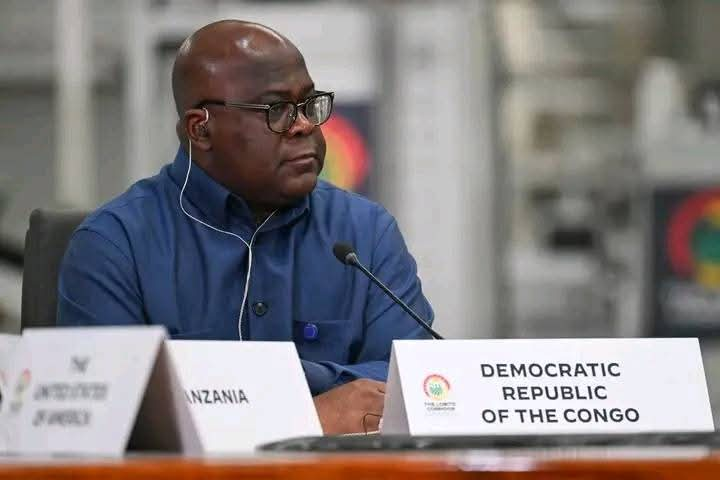
Tuggar: Exit of AES Countries Will Have Far-reaching Consequences for West Africa’s Security, Economy, Integration Efforts
By: Michael Mike
The Minister of Foreign Affairs, Ambassador Yusuf Tuggar has warned that the withdrawal of Burkina Faso, Mali, and Niger from the Economic Community of West African States (ECOWAS) will have far-reaching consequences for regional security, economy, and integration efforts.
The minister in a statement on Wednesday by his spokesman, AlKasim AbdulKadir noted that the exit of these countries from ECOWAS is a complex issue that requires careful consideration and diplomatic efforts to address the underlying concerns.
The Minister stressed that the decision to impose sanctions on these countries was a collective one made by the ECOWAS Heads of States and Government, noting that President Bola Tinubu has been working tirelessly to address the concerns of these countries through diplomatic channels.
Tuggar said: Several delegations have been sent to these countries, and the presidents of Togo and Sierra Leone have been appointed as mediators to facilitate dialogue.
“Additionally, ECOWAS has lifted sanctions on these countries, paving the way for potential reconciliation.”
Tuggar also said, the security implications of this exit are a significant concern, as the region is already grappling with terrorism and humanitarian crises.
He said: “ECOWAS has established a 1650-man strong brigade to combat terrorism and offered financial assistance to support the affected countries in their fight against terrorism.
“The economic implications are also substantial, as these countries will no longer be part of the regional economic community, potentially limiting their access to markets and hindering economic growth.”
“The withdrawal may also disrupt regional integration efforts, including the African Continental Free Trade Area (AfCFTA).
“The African Union and other international organisations have expressed concerns about the potential impact on regional integration efforts and the stability of the continent.
The Minister emphasized the need for continued collaboration and cooperation to mitigate the challenges arising from this development.
He said: “The regional bloc has also offered support to the affected countries to address their security concerns.
“We recognize the challenges faced by these countries, and we are committed to providing assistance to help them address their security concerns.”
He also said the exit of these countries from ECOWAS has also raised concerns about the potential impact on regional health organisations.
He noted that: “The West African Health Organization (WAHO) is based in Burkina Faso, and its relocation could have significant implications for the region.
He however emphasized that the door remains open for these countries to rejoin the regional bloc. “We hope that they will take advantage of this opportunity to re-engage with their West African neighbors and work towards a more stable and prosperous future for all.” He said.
While reacting to uncertainty surrounding the future of the Alliance of Sahel States(AES) countries’ relationship with ECOWAS, Tuggar said with continued diplomacy, cooperation, and a commitment to the well-being of the people, it is possible to navigate these challenges and promote a more stable and prosperous West Africa.
“The region is at a critical juncture, and the decisions made in the coming months and years will have a lasting impact on the future of West Africa.
“As such, it is essential that leaders prioritize the needs and concerns of the people and work towards finding solutions that promote peace, stability, and prosperity.
“Ultimately, the future of the AES countries’ relationship with ECOWAS will depend on the ability of leaders to work together and find common ground.”
“As President Tinubu emphasized, the door remains open for these countries to rejoin the regional bloc, and it is hoped that they will take advantage of this opportunity to re-engage with their West African neighbors.” He said.
Tuggar: Exit of AES Countries Will Have Far-reaching Consequences for West Africa’s Security, Economy, Integration Efforts


Uncategorized
Plateau local militiamen Kill another 18-Year-Old Herder, Rustle Cattle in Plateau Community
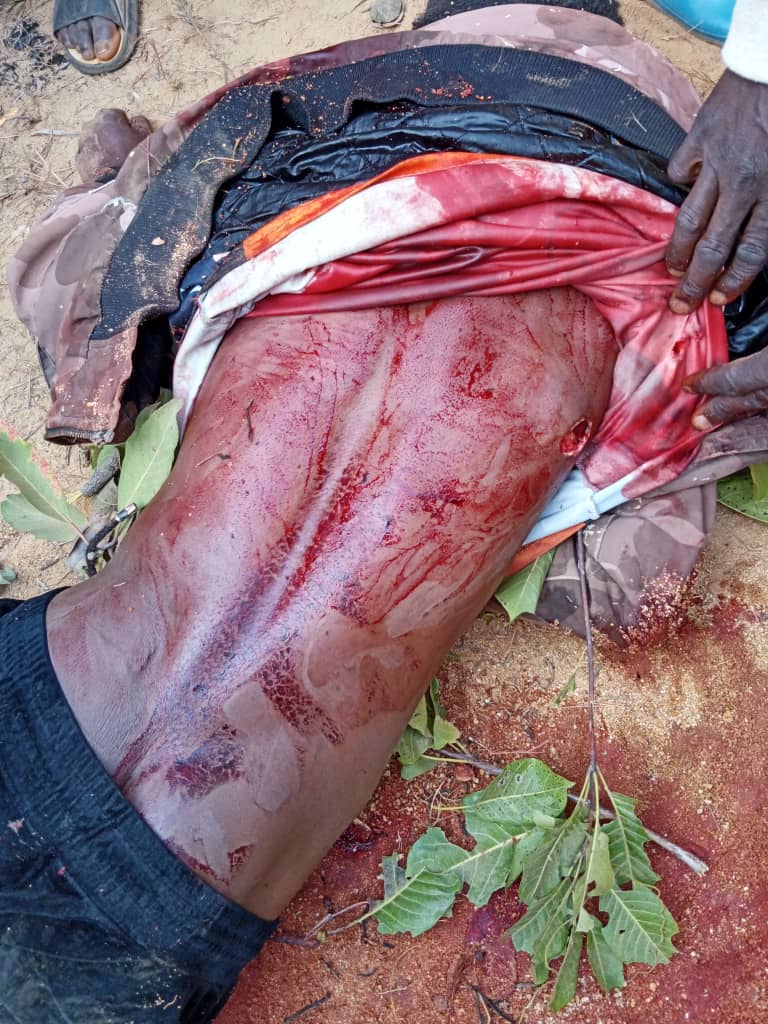
Plateau local militiamen Kill another 18-Year-Old Herder, Rustle Cattle in Plateau Community
By: Zagazola Makama
Gunmen suspected to be armed local militia elements have killed an 18-year-old herder, identified as Musa Bappa, and rustled an unspecified number of cattle in Fulani Ruga, Fusa Fursum District of Jos East Local Government Area of Plateau State.
Security sources said the incident occurred at about 1:30 a.m. on November 23, 2026, when troops of Sector 1, Sub-Sector 12, Operation Enduring Peace (OPEP), responded to a report of an attack on the community.
On arrival at the scene, the troops discovered that the assailants had killed the herder and escaped with an unconfirmed number of cattle.
Following the incident, troops, in collaboration with local hunters and the Vigilante Group of Nigeria (VGN), launched search-and-rescue operations in nearby bushes around Kio and Ribung villages in Barkin Ladi Local Government Area.
Plateau local militiamen Kill another 18-Year-Old Herder, Rustle Cattle in Plateau Community
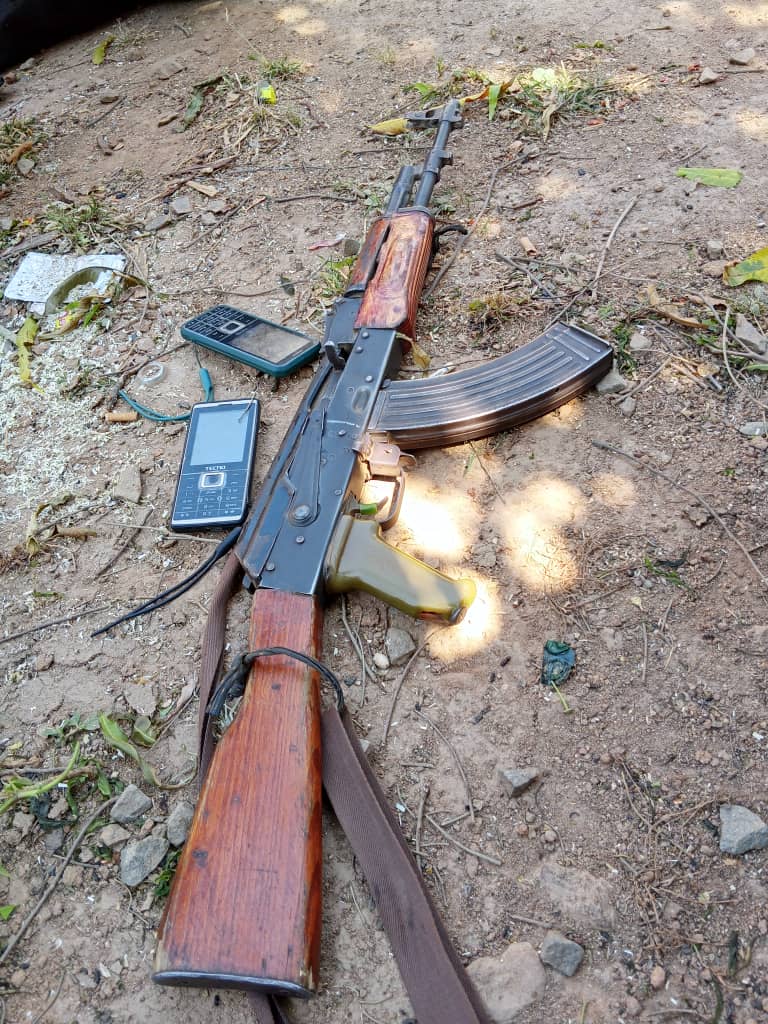
Hunters Repel Bandits’ Attack on Zamfara Community, Two Gunmen Killed, Personnel Dies
By: Zagazola Makama
Personnel of the Hunters Group have repelled an attack by armed bandits on Dansadau community in Maru Local Government Area of Zamfara State, killing two of the attackers.
The incident occurred at about 10:30 a.m. on November 22, 2026, when a large group of armed bandits launched an attack on the community.
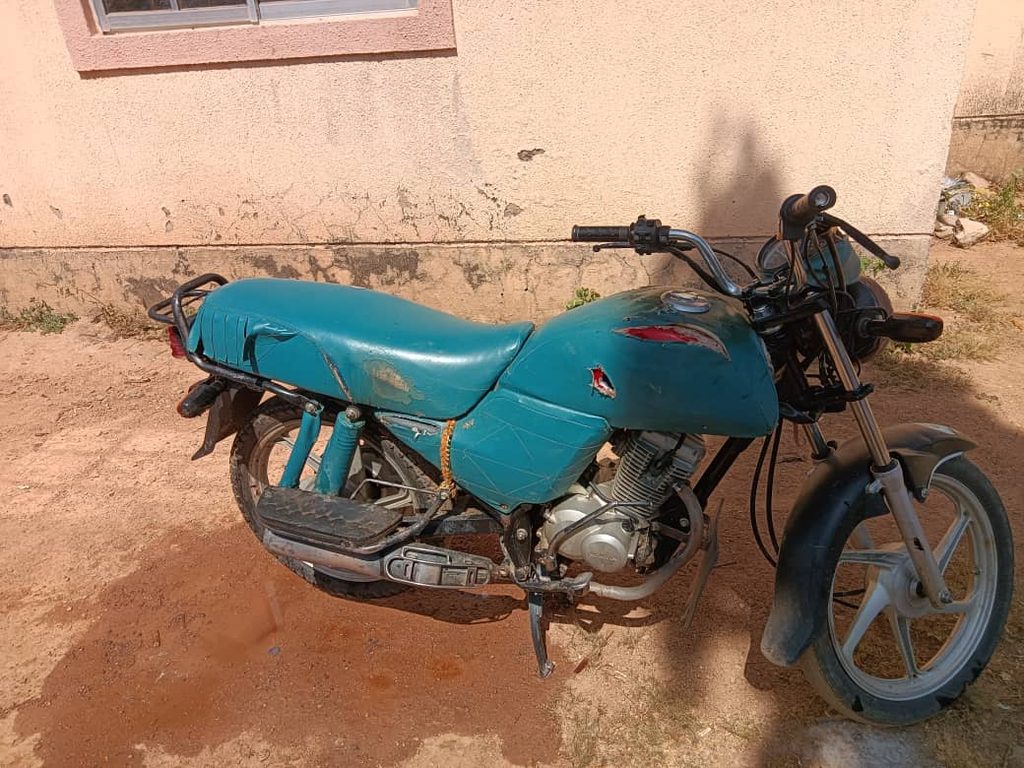
Hunters Group personnel stationed in Dansadau engaged the attackers in a gun battle and successfully repelled the assault.
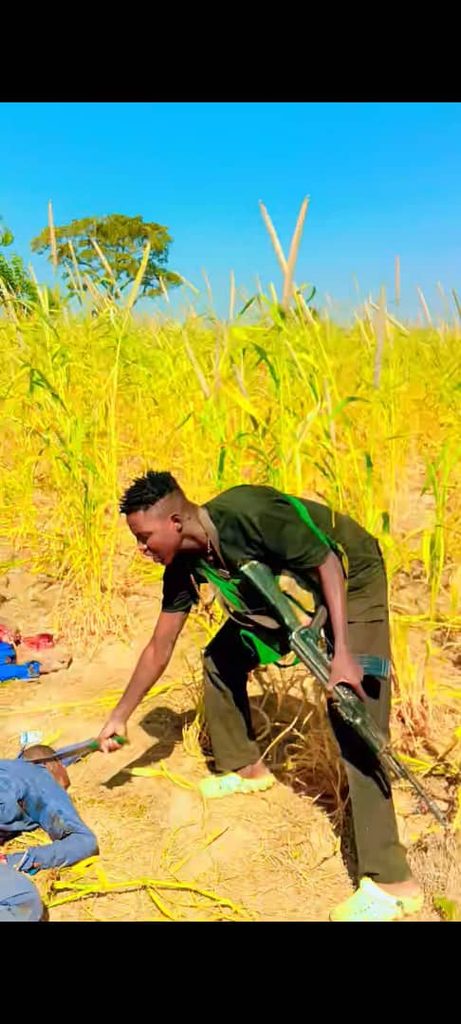
Two bandits were reportedly neutralised during the encounter, while the personnel recovered one AK-47 rifle, a motorcycle and a mobile phone.
However, the encounter claimed the life of one Hunters Group personnel, who was killed in action.
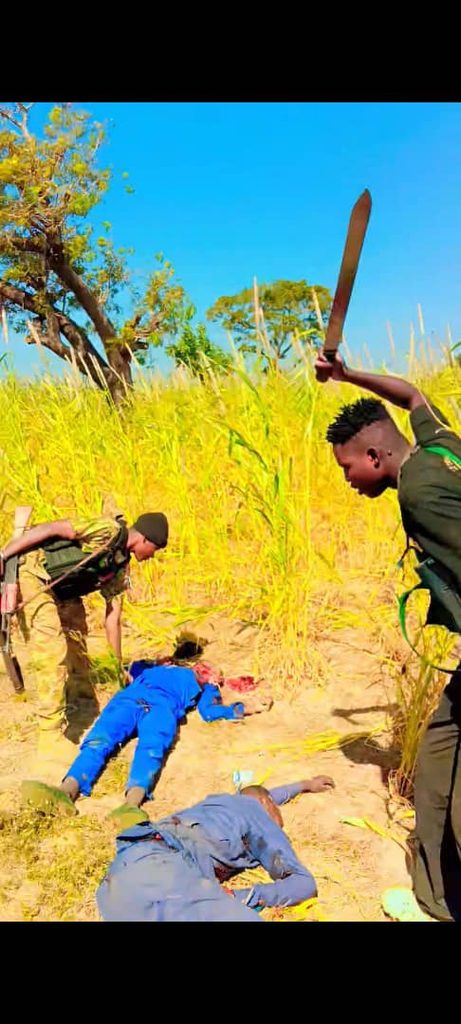
The successful defence of the community prevented the attackers from overrunning the area, while security personnel continued efforts to maintain security in the general area.
Hunters Repel Bandits’ Attack on Zamfara Community, Two Gunmen Killed, Personnel Dies
Uncategorized
SOJA Demands Release of Journalist Daniel Ojukwu, Seeks Review of Cybercrimes Act, Criminal Defamation Laws
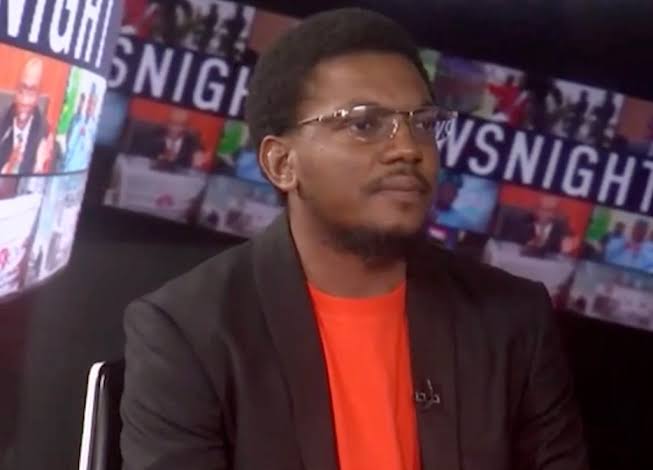
SOJA Demands Release of Journalist Daniel Ojukwu, Seeks Review of Cybercrimes Act, Criminal Defamation Laws
By: Michael Mike
Speak Out for Justice Advocacy Ltd/Gte (SOJA) has demanded the immediate and unconditional release of investigative journalist Daniel Ojukwu, urging the Federal Government to review the Cybercrimes Act and other criminal laws allegedly being used to suppress freedom of expression and public-interest journalism.
Ojukwu, a journalist with the Foundation for Investigative Journalism (FIJ), was remanded at the Kuje Correctional Centre, Abuja, following his arraignment on November 10, 2026, over allegations of cyberstalking and criminal defamation arising from his journalistic work.
In a press statement on Thursday, SOJA’s Founder and Executive Director, Hameed Ajibola Jimoh, described Ojukwu’s detention as a troubling development for press freedom and called for the discontinuation of criminal proceedings arising from legitimate investigative journalism.
The organisation aligned itself with Avocats Sans Frontières France (ASF France) and other press-freedom groups advocating Ojukwu’s unconditional release, warning against the use of criminal laws to intimidate journalists investigating public expenditure, government activities and alleged wrongdoing.
“A journalist’s investigation into public resources is not, without more, a criminal enterprise. It is an essential component of democratic accountability,” SOJA said.
While acknowledging the judiciary’s independence, the presumption of innocence and the legitimate responsibility of government to protect reputation, privacy and security, the organisation argued that such interests should not be used to justify indiscriminate criminal prosecution of journalists for publications that question public officials or expose alleged misconduct.
SOJA said Nigeria’s constitutional guarantees of freedom of expression under Section 39 and the responsibility of the media to hold government accountable under Section 22 of the 1999 Constitution were reinforced by international human-rights instruments, including the International Covenant on Civil and Political Rights (ICCPR), the African Charter on Human and Peoples’ Rights and the Universal Declaration of Human Rights.
It maintained that restrictions on freedom of expression must satisfy the established three-part test of legality, legitimate purpose, and necessity and proportionality in a democratic society.
The group further outlined a five-step framework for assessing restrictions, requiring that they be clearly prescribed by law, pursue a legitimate objective, respond to a pressing social need, constitute the least restrictive measure available and be reasonably suited to achieving the intended purpose.
According to SOJA, criminal provisions that are vague, overly broad or disproportionately enforced against investigative journalism risk undermining constitutional freedoms and creating a chilling effect on journalists and citizens seeking to expose wrongdoing.
Citing the United Nations Human Rights Committee’s General Comment No. 34, the organisation said international standards encouraged the decriminalisation of defamation and rejected imprisonment as an appropriate punishment for defamation.
It also referenced the African Commission on Human and Peoples’ Rights’ 2019 Declaration of Principles on Freedom of Expression and Access to Information in Africa, which requires restrictions on expression to be clear, precise, accessible and foreseeable, with safeguards against abuse.
On the Cybercrimes Act, SOJA recalled the 2022 judgment of the ECOWAS Court of Justice in Registered Trustees of SERAP v. Federal Republic of Nigeria, which found the former Section 24 inconsistent with human-rights protections and directed Nigeria to amend the provision.
Although Section 24 was subsequently amended in 2024, the organisation said concerns over its interpretation and enforcement remained, warning that the amended provision could still be abused to target public-interest journalism, criticism and civic participation.
SOJA also called for a broader review of criminal defamation provisions under the Criminal and Penal Codes, as well as other laws relating to false publication, sedition, insult, public mischief and disclosure of official information, which it said could be deployed to intimidate journalists and suppress legitimate expression.
It cited the experiences of several journalists, including Agba Jalingo, Gidado Yushau, Alfred Olufemi, Luke Binniyat, Mienpamo Onitsha, Chinonso Uba, Haruna Mohammed Salisu, Ahmed Isah Sakpe and Blessing Edet, as well as journalists of The Informant247, as examples underscoring the need for a comprehensive review of Nigeria’s legal framework on freedom of expression.
The organisation also expressed concern over the proceedings involving Ojukwu and FIJ founder, Fisayo Soyombo, insisting that the cases reflected broader challenges facing investigative journalism and digital rights in the country.
SOJA urged the Federal Government, National Assembly, Nigeria Police Force, Office of the Attorney-General of the Federation and other relevant institutions to ensure Ojukwu’s release, discontinue criminal proceedings linked to legitimate journalism and protect journalists from intimidation, arbitrary arrest and detention.
It also demanded a comprehensive and participatory review of the Cybercrimes Act, particularly Section 24, alongside the decriminalisation of defamation and the adoption of civil remedies for reputational disputes.
The group called for safeguards against the misuse of police powers to settle private disputes or silence criticism, as well as continuous training for judges, prosecutors and law-enforcement officers on freedom of expression, digital rights and the protection of journalists.
SOJA said freedom of expression was not a privilege granted by government but a fundamental right, warning that the protection of reputation and public order should not become justification for suppressing legitimate criticism.
“The Cybercrimes Act must combat cybercrime, not criminalise journalism. Criminal laws must protect citizens, not silence them,” it said, adding that the public’s right to know must not be sacrificed to intolerance of scrutiny.
SOJA Demands Release of Journalist Daniel Ojukwu, Seeks Review of Cybercrimes Act, Criminal Defamation Laws

Gunmen Abduct Driver, Female Passenger in SUV Attack Along Barkin Ladi-Jos Road

Troops Arrests Two Suspects Over Machete Attack on Man in Plateau

Plateau local militiamen Kill another 18-Year-Old Herder, Rustle Cattle in Plateau Community

Roger Federer’s Shock as DNA Results Reveal Myla and Charlene Are Not His Biological Children

THE PLIGHT OF FARIDA

FAILED COUP IN BURKINA FASO: HOW TRAORÉ NARROWLY ESCAPED ASSASSINATION PLOT AMID FOREIGN INTERFERENCE CLAIMS
-
 News3 years ago
Roger Federer’s Shock as DNA Results Reveal Myla and Charlene Are Not His Biological Children
-
Opinions5 years ago
THE PLIGHT OF FARIDA
-
 News2 years ago
FAILED COUP IN BURKINA FASO: HOW TRAORÉ NARROWLY ESCAPED ASSASSINATION PLOT AMID FOREIGN INTERFERENCE CLAIMS
-
 Opinions5 years ago
POLICE CHARGE ROOMS, A MINTING PRESS
-

 News3 years ago
EYN: Rev. Billi, Distortion of History, and The Living Tamarind Tree
-

 ACADEMICS3 years ago
A History of Biu” (2015) and The Lingering Bura-Pabir Question (1)
-

 Columns3 years ago
Army University Biu: There is certain interest, but certainly not from Borno.
-

 Politics1 year ago
2027: Why Hon. Midala Balami Must Go, as Youths in Hawul and Asikira/Uba Federal Constituency Reject ₦500,000 as Sallah Gift
