
News
Army, DSS-backed hybrid forces kill 45 bandits in Niger gun battle

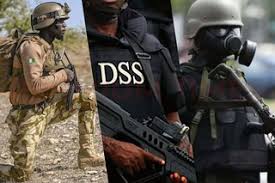
Army, DSS-backed hybrid forces kill 45 bandits in Niger gun battle
By: Zagazola Makama
The troops of the Nigerian Army and hybrid forces, with critical intelligence support from the Department of State Services (DSS), have neutralised no fewer than 45 bandits during a fierce gunfight in Iburu village, Shiroro Local Government Area of Niger State, in what appears to be a major success in Nigeria’s ongoing counter-terrorism efforts,
Security sources told Zagazola Makama that the joint operation was launched on Friday evening following intelligence that a large number of terrorists riding on motorcycles were advancing to launch coordinated attacks on Iburu and neighbouring communities.
According to the sources, the DSS intercepted early signals of the planned movement and quickly passed the alert to troops who had been on standby in the general area.
“The terrorists were said to have split into smaller columns, attempting to encircle the village under the cover of dusk, but were ambushed by the troops who engaged them in a sustained firefight that lasted several hours,” one source said.
The troops who returned to the scene after the exchange of gunfire confirmed counting at least 40 dead bodies of the bandits, while dozens of motorcycles used by the attackers were reportedly destroyed.
Two members of the hybrid forces fighting alongside the troops paid the supreme price, while four others were evacuated with serious gunshot wounds and are currently receiving treatment at a public hospital in Minna, the state capital.
Friday’s clash is the latest in a series of counter-offensives launched by security forces to decimate terrorists and secure communities across Niger State, especially in the volatile Shiroro-Munya axis which has become a stronghold for various criminal groups.
In April, the Comptroller General of the Nigeria Customs Service (NCS), Mr Bashir Adeniyi, raised the alarm over escalating terrorist activity around the Babanna border area of Niger State.
Adeniyi had revealed that Customs officers narrowly escaped an ambush by terrorists after intercepting 500 jerrycans of petrol allegedly being smuggled to insurgents operating within the state and across the border.
Friday’s success point to the importance of synergy between intelligence services and ground forces in disrupting terrorist logistics and operational movements across the North Central region.
The proactive engagement by DSS, coupled with swift tactical response by the military, is beginning to shift the operational advantage in favour of state forces.
Army, DSS-backed hybrid forces kill 45 bandits in Niger gun battle


Farmers, herders fail to reach settlement over farm destruction in Plateau
By: Zagazola Makama
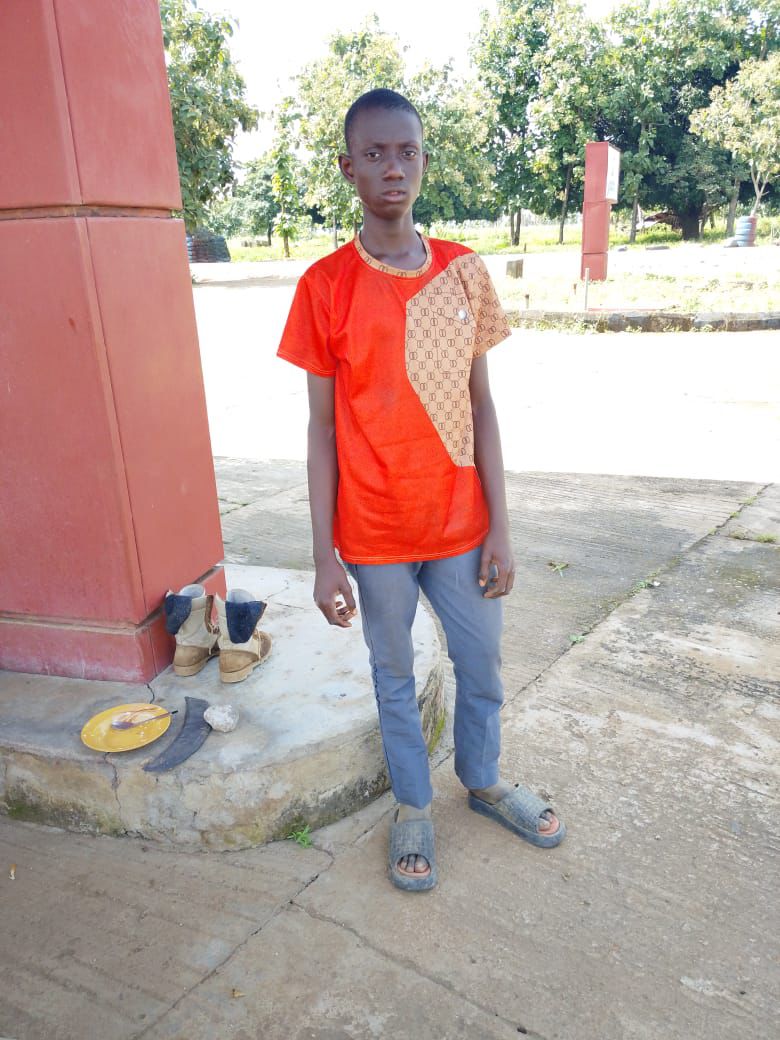
Efforts by troops of Operation ENDURING PEACE (OPEP) to broker a peaceful settlement between farmers and herders over an alleged farm destruction incident in Kwatas Village, Bokkos Local Government Area of Plateau State, have ended without an agreement.
The incident followed a report of farm destruction recorded on Aug. 31, 2026, in the community.
According to a military situation report, troops of Sector 5, OPEP, intervened at about 1:30 p.m. on Sept. 1 and initiated efforts to resolve the dispute amicably between the affected farmers and herders.
However, both parties were reportedly unable to reach a compromise on the terms for settling the matter.
Consequently, the case, alongside the confiscated cattle, was handed over to the Keystone Bokkos Division for further necessary action.
The intervention is part of ongoing efforts by Operation ENDURING PEACE to prevent disputes between farming and herding communities from escalating into violence and to promote peaceful resolution of local conflicts.
Security personnel continue to monitor the situation to maintain calm and prevent any possible reprisal or escalation in the affected communities.
Farmers, herders fail to reach settlement over farm destruction in Plateau
Two ISWAP terrorists surrender to troops in Monguno, Borno
By: Zagazola Makama
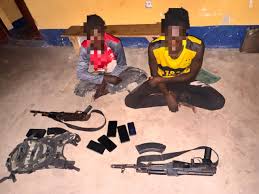
Two suspected members of the Islamic State West Africa Province (ISWAP) have surrendered to troops of the Nigerian Army in Monguno Local Government Area of Borno State.
The two men, identified as Jidda Modu, 20, and Kaka Kawu, 21, surrendered at about 8:20 p.m. on Sept. 1 to troops of Headquarters Sector 3 deployed at Charlie 4, Monguno town.
Sources told Zagazola Makama that the surrendered terrorists handed over two AK-47 rifles, eight rounds of 7.62mm special ammunition and two magazines.
Other items recovered from them included five mobile phones — Infinix, Tecno, Samsung, Redmi and a Tecno button phone — as well as one pair of earbuds, a power bank, a Zenith Bank ATM card, a memory card and a USB cable.
The troops also recovered two head warmers and one bag from the men.
Preliminary interrogation revealed that the two were among a group of about 10 ISWAP members who reportedly left a terrorist camp at Arinna Chiki with the intention of surrendering to the authorities.
The surrendered individuals and the recovered items have been taken into the custody of Headquarters Sector 3 for further action. Two ISWAP terrorists surrender to troops in Monguno, Borno
By: Zagazola Makama
Two suspected members of the Islamic State West Africa Province (ISWAP) have surrendered to troops of the Nigerian Army in Monguno Local Government Area of Borno State.
The two men, identified as Jidda Modu, 20, and Kaka Kawu, 21, surrendered at about 8:20 p.m. on Sept. 1 to troops of Headquarters Sector 3 deployed at Charlie 4, Monguno town.
Sources told Zagazola Makama that the surrendered terrorists handed over two AK-47 rifles, eight rounds of 7.62mm special ammunition and two magazines.
Other items recovered from them included five mobile phones — Infinix, Tecno, Samsung, Redmi and a Tecno button phone — as well as one pair of earbuds, a power bank, a Zenith Bank ATM card, a memory card and a USB cable.
The troops also recovered two head warmers and one bag from the men.
Preliminary interrogation revealed that the two were among a group of about 10 ISWAP members who reportedly left a terrorist camp at Arinna Chiki with the intention of surrendering to the authorities.
The surrendered individuals and the recovered items have been taken into the custody of Headquarters Sector 3 for further action.
Two ISWAP terrorists surrender to troops in Monguno, Borno
Berom Militia shoot five cows in Plateau, troops move to prevent reprisal attack
By: Zagazola Makama
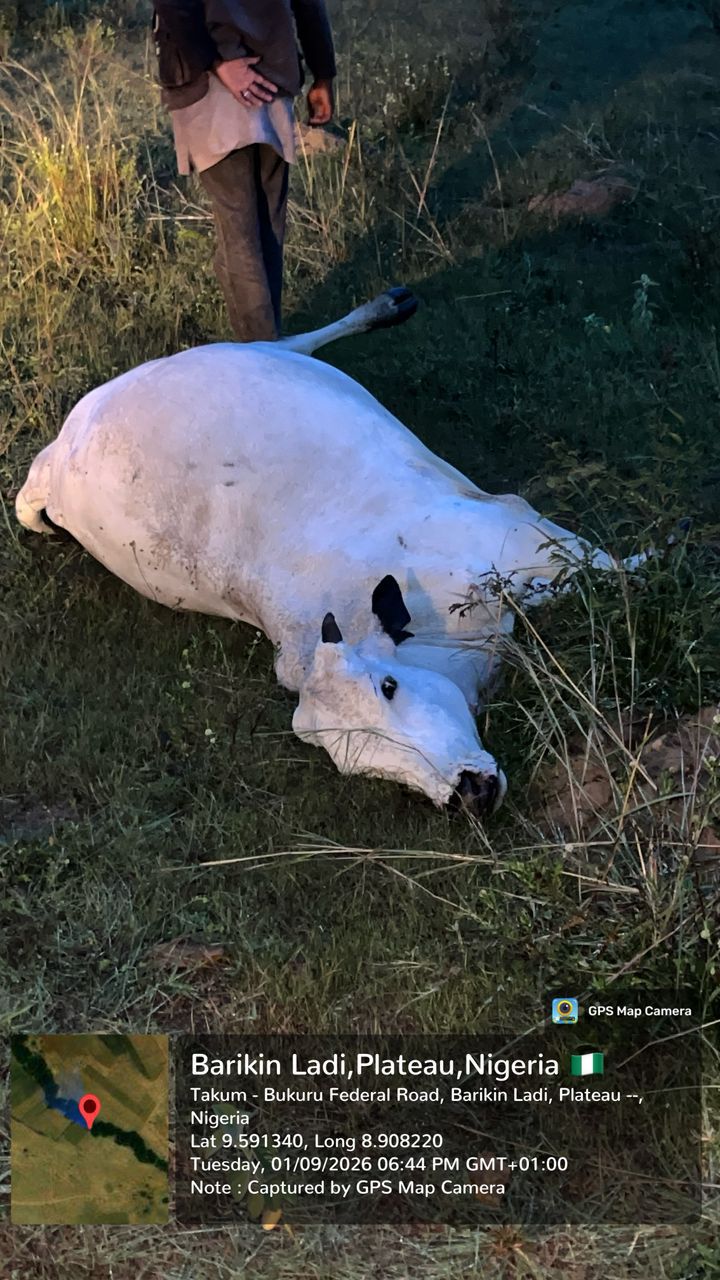
Troops of Joint Task Force Operation ENDURING PEACE (OPEP) have intensified patrols around communities in Barkin Ladi Local Government Area of Plateau State following an attack on cattle by Berom Militia
The incident occurred at about 9:47 p.m. on Sept. 1 at Jong Village, Ropp District, where the troops responded to a report of an attack on cattle.
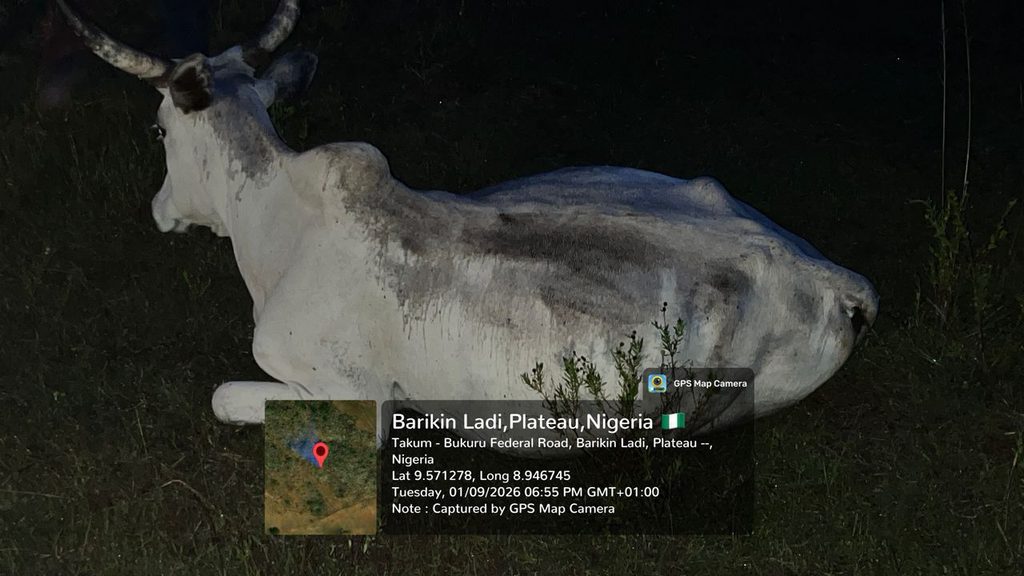
According to a 12-hourly situation report covering 6:00 p.m. on Sept. 1 to 6:00 a.m. on Sept. 2, troops arrived at the location and discovered that five cows had been shot by unidentified gunmen.
Three of the animals reportedly died at the scene.
Following the incident, troops deployed across the general areas of Jong, Nyerwai and Dorowa Babuje to prevent possible reprisals and maintain peace among communities in the area.

The deployment is aimed at containing tensions and averting any escalation that could result from the attack.
Meanwhile, routine patrols are ongoing across the Operation ENDURING PEACE Joint Operations Area to safeguard schools, communities and other critical national infrastructure.
Berom Militia shoot five cows in Plateau, troops move to prevent reprisal attack

Farmers, herders fail to reach settlement over farm destruction in Plateau

Two ISWAP terrorists surrender to troops in Monguno, Borno

Berom Militia shoot five cows in Plateau, troops move to prevent reprisal attack

Roger Federer’s Shock as DNA Results Reveal Myla and Charlene Are Not His Biological Children

THE PLIGHT OF FARIDA

FAILED COUP IN BURKINA FASO: HOW TRAORÉ NARROWLY ESCAPED ASSASSINATION PLOT AMID FOREIGN INTERFERENCE CLAIMS
-
 News2 years ago
Roger Federer’s Shock as DNA Results Reveal Myla and Charlene Are Not His Biological Children
-
Opinions5 years ago
THE PLIGHT OF FARIDA
-
 News1 year ago
FAILED COUP IN BURKINA FASO: HOW TRAORÉ NARROWLY ESCAPED ASSASSINATION PLOT AMID FOREIGN INTERFERENCE CLAIMS
-

 News2 years ago
EYN: Rev. Billi, Distortion of History, and The Living Tamarind Tree
-
 Opinions5 years ago
POLICE CHARGE ROOMS, A MINTING PRESS
-

 ACADEMICS3 years ago
A History of Biu” (2015) and The Lingering Bura-Pabir Question (1)
-

 Columns3 years ago
Army University Biu: There is certain interest, but certainly not from Borno.
-

 Politics1 year ago
2027: Why Hon. Midala Balami Must Go, as Youths in Hawul and Asikira/Uba Federal Constituency Reject ₦500,000 as Sallah Gift
