
News
Armed men attack cattle herders, one killed, one kidnapped in Bauchi

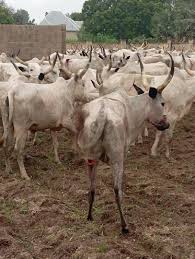
Armed men attack cattle herders, one killed, one kidnapped in Bauchi
By: Zagazola Makama
An adult man was killed and a 12-year-old boy kidnapped after unidentified armed men attacked cattle herders in Yankari bush, Alkaleri Local Government, on Sunday morning.
Alhaji Ibrahim of Kunkar village reported that at about 7:20 a.m., while his family members were tending to cattle, the assailants approached and demanded to know who was the son of the owner. During the confrontation, 35-year-old Adamu Ibrahim attempted to flee but was shot in the left leg.
The injured man was rushed to the Primary Health Centre in Gar, where he was pronounced dead. The assailants subsequently kidnapped Sule Ibrahim, aged 12, before fleeing the scene.
Local hunters and community members have intensified search efforts in the area to rescue the boy and apprehend the attackers. Investigations are ongoing.
Armed men attack cattle herders, one killed, one kidnapped in Bauchi



Troops Foil Attack on Manja Community, Disperse Armed Herders in Plateau
By Zagazola Makama
Troops of Joint Task Force Operation ENDURING PEACE (JTF OPEP), Sector 8, have foiled an attempted attack on Manja community in Mangu Local Government Area of Plateau State.
Zagazola Makama reports that the incident occurred at about 4:44 p.m. on Aug. 20, when troops responded to reports of armed Fulani herders moving alongside their cattle in the area.
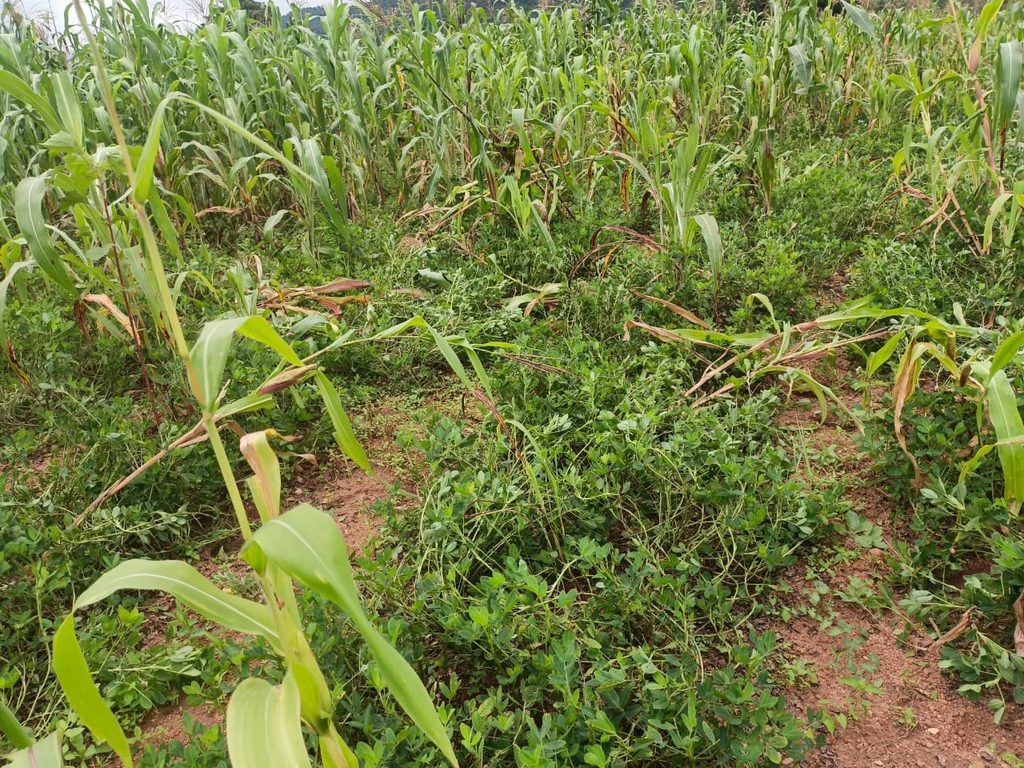
The armed men were reportedly accused of destroying farmlands and attempting to attack the Manja community.
The troops swiftly deployed to the location and established contact with the armed group.
On sighting the troops, the suspects fled alongside their cattle into the surrounding bushes, abandoning their reported attempt to attack the community.
The troops subsequently dominated the general area and commenced offensive operations to prevent the armed group from regrouping or launching further attacks.
Security sources said the operation was part of ongoing efforts by JTF OPEP to protect vulnerable communities and prevent attacks in areas affected by farmer-herder tensions.

Meanwhile, troops across the Operation ENDURING PEACE Joint Operations Area have continued routine patrols aimed at safeguarding schools, places of worship and other critical national infrastructure.
The military also said troops remained committed to sustaining security operations across the area to protect residents and maintain peace.
The latest operation underscores the continued security challenges in parts of Plateau State, where tensions over farmland, grazing activities and access to land have occasionally triggered violent confrontations.

Security forces are expected to sustain patrols and offensive operations across vulnerable communities to prevent criminal elements from exploiting the situation and to safeguard civilians.
Troops Foil Attack on Manja Community, Disperse Armed Herders in Plateau
After a Decade in Exile, Buni’s Visit Rekindles Hope Among Forgotten Nigerian Refugees in Chad
By Zagazola Makama
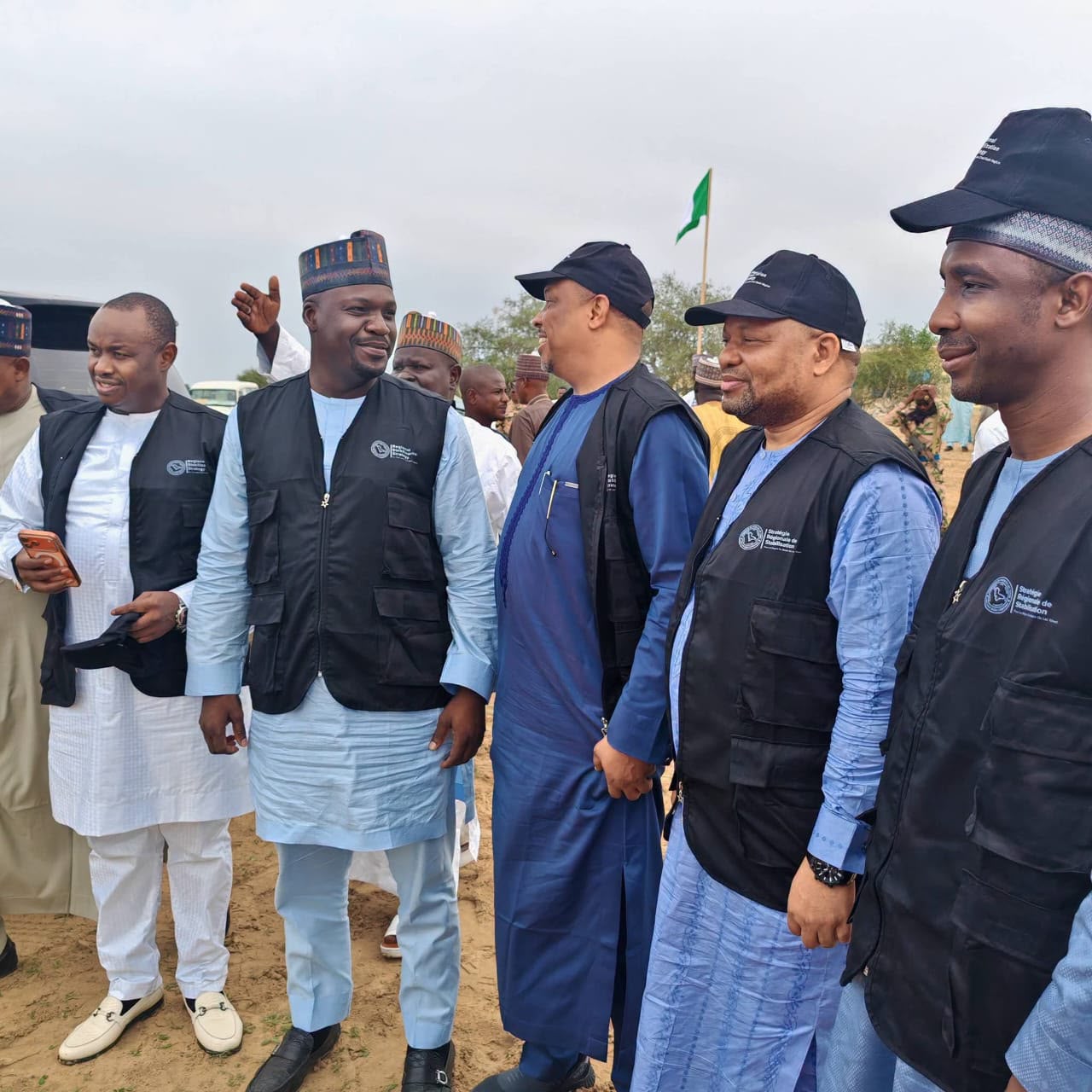
Yobe State Governor and Chairman of the Lake Chad Basin Governors’ Forum, Hon. Mai Mala Buni, has visited Nigerian refugees at Kaya in Chad’s Lac Province, in a move that has renewed hopes among displaced Nigerians of returning home after more than a decade in exile.
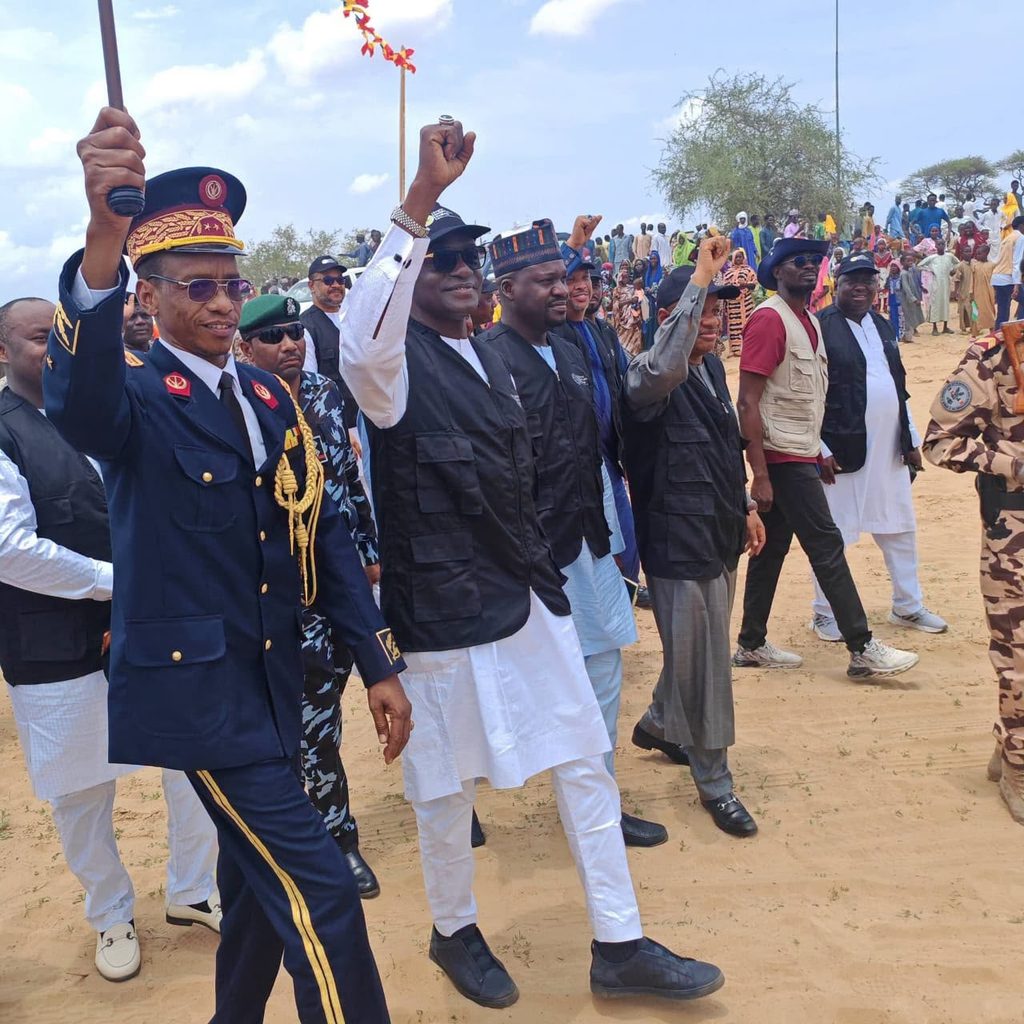
The visit, which was the first known visit by a Nigerian government official to the refugee community in Kaya in many years, was described by the refugees as a major source of encouragement and a reminder that they had not been forgotten.
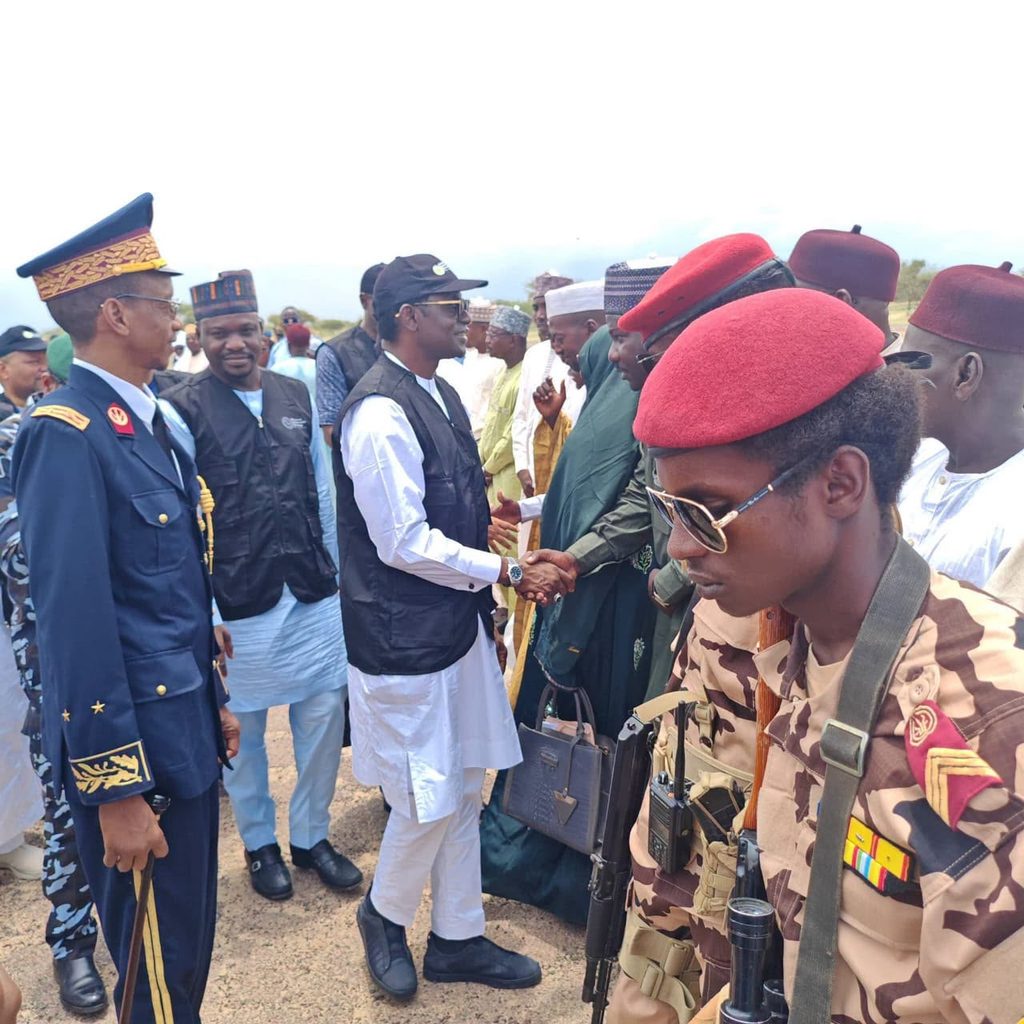
For more than a decade, they have lived between memory and uncertainty. They fled their homes in Nigeria when violence of Boko Haram and ISWAP swept through communities around the Lake Chad Basin, carrying little more than what they could gather in the hurried flight from danger. Years passed. Children were born. The young grew into adults. Fishing nets replaced farming tools, makeshift shelters became homes and, gradually, the painful possibility grew that the people they left behind had forgotten them.
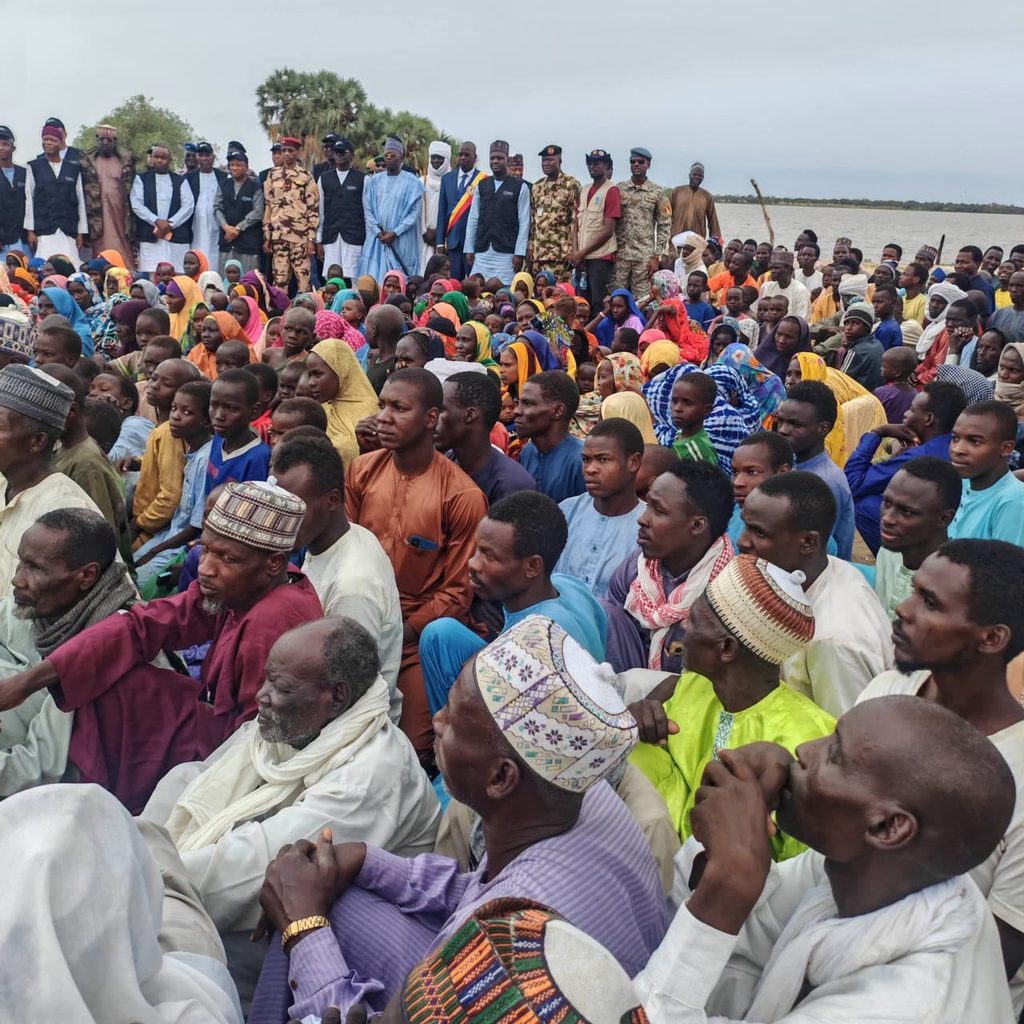
Then, on Friday, something happened that many of them had almost stopped expecting. A senior Nigerian government official came looking for them.
Mamman Mohammed, the Director General of Press and Media Affairs to Yobe State Governor, Mala Buni, said that the arrival of Yobe State Governor and Chairman of the Lake Chad Basin Governors’ Forum, Hon. Mai Mala Buni, at the Kaya refugee site in Chad’s Lac Province was more than a courtesy visit. For the Nigerian refugees gathered there, it was an emotional for the refugees that they remained citizens with a homeland that had not completely forgotten them. Some wept. Others gathered around the Governor, eager to tell stories that had remained unheard for years.
For many, the most powerful words came from their community leader, Ba Bulama Usman.
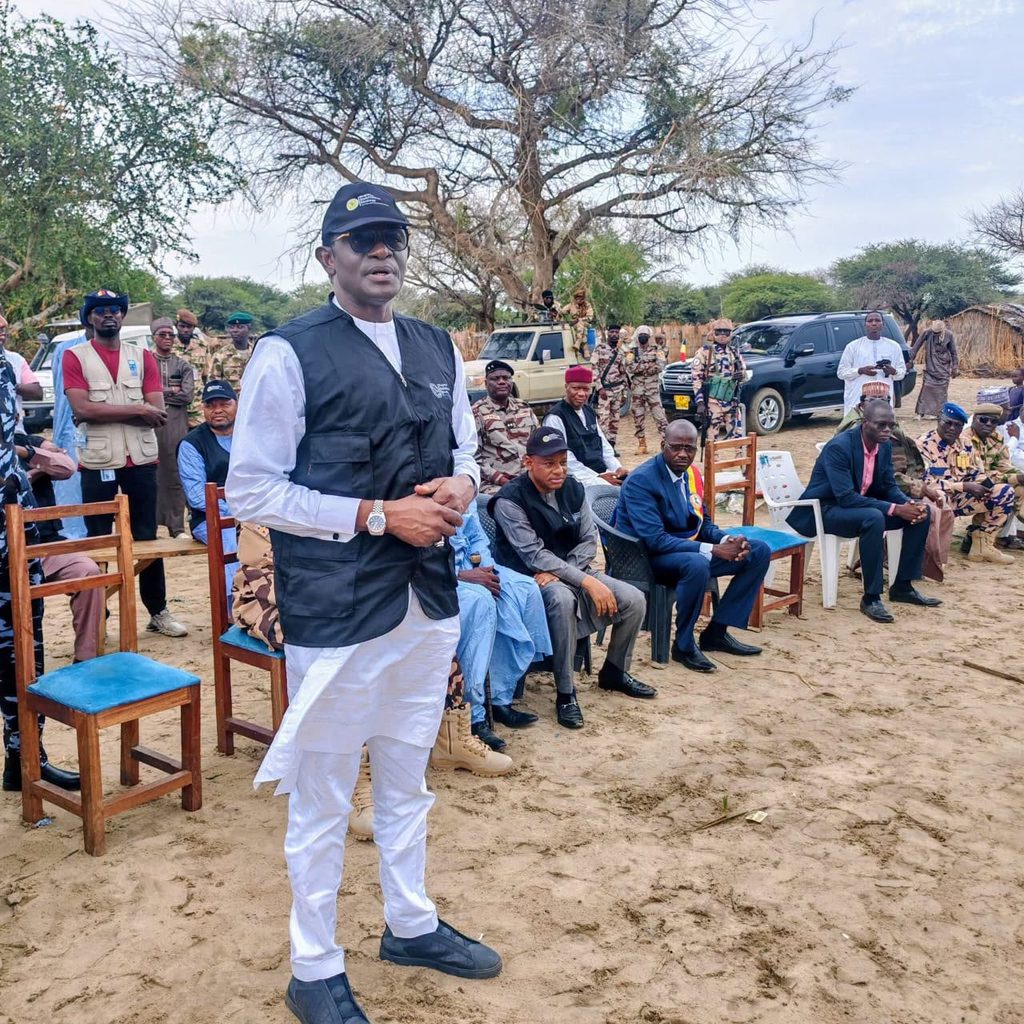
“You are the only government official from Nigeria to visit us,” he told Governor Buni.
The statement carried the weight of more than ten years of displacement.
The refugees at Kaya are largely Nigerians from Borno, Adamawa and Yobe states, the three Nigerian states most deeply connected to the Lake Chad Basin. Some others are from Chad and Cameroon, reflecting the complex movement of communities across borders created by conflict, geography and shared ethnic and economic ties.
Their displacement was not simply a journey from one village to another. It was a rupture from everything familiar homes, farms, businesses, schools, neighbours and ancestral land. Yet, despite the hardship, they have survived. Many have built modest livelihoods through fishing and farming, reducing their dependence on humanitarian assistance and becoming economically useful to their host communities.
Governor Buni noticed this and commended them. He told the refugees that their engagement in fishing and farming was important because it made them more productive and less dependent on aid.
But behind their resilience is a yearning that has never disappeared. Home. Governor Buni’s visit also carried a broader diplomatic significance.
Earlier, during a courtesy call on the Governor of Lac Province, General Saleh Hagar Tidjani, Buni commended the Chadian authorities for accommodating Nigerian citizens and refugees and maintaining peaceful relations between the displaced communities and their hosts.
He stressed that Nigeria and Chad must continue working together to preserve security, stability and peaceful coexistence around the Lake Chad Basin. The Lake Chad region has never respected the artificial boundaries drawn on maps. Families, traders, fishermen and farmers have historically moved across the borders linking Nigeria, Chad, Niger and Cameroon. The same reality that creates opportunities for economic integration can also be exploited by criminal and terrorist networks.
He urged the refugees to remain law-abiding, avoid criminal activities and promptly report suspicious persons, movements and possible infiltration.
He reminded them that returning home must be accompanied by responsibility, security awareness and cooperation with authorities.
Buni also reaffirmed the commitment of the Lake Chad Basin Governors’ Forum to deeper cooperation among the countries and communities surrounding the lake.
He spoke of efforts to open waterways to improve transportation, facilitate security operations and promote the movement of goods and services.
“We appreciate the Chadian Government for accommodating us,” Bulama Usman said. “We appreciate the host communities for the peaceful coexistence. But there is no place like home.”
For years, the question of return has remained difficult. Many of the refugees say they are willing to return to Nigeria, particularly those who have heard that relative peace has returned to parts of their communities. But willingness alone cannot rebuild a life.
They need transportation. They need shelter. They need land. They need tools to farm or fish. They need assistance to restart businesses and livelihoods destroyed by years of displacement.
This is where Governor Buni’s message became significant. Rather than encouraging a disorderly return, he directed those willing to go back to liaise with the Lake Chad Basin Commission (LCBC) so that their names can be properly documented and their locations and needs established.
The information, he said, would provide the basis for the respective state governments to engage them and facilitate their repatriation.
That approach could turn a scattered population into an organised return process.
The refugees were therefore encouraged to give their names and relevant details to the LCBC, allowing the Commission to establish who wants to return, where they came from and which state government should take responsibility for their reintegration.
The refugees who had spent years wondering whether anyone in Nigeria knew where they were, the prospect of being formally identified again was itself a source of hope.
The emotional response from the refugees was unmistakable. Many said they had heard of improved security in parts of Borno, Adamawa and Yobe and were increasingly considering returning. But their biggest obstacle is not necessarily the desire to return.It is the means.
Bulama appealed to the governments of the affected states to assist returnees with the means of livelihood. The refugees do not want to return merely to become dependent on others.
They want to work. They want to farm.
They want to fish. They want to rebuild their homes and communities. They want their children to grow up knowing the places their parents were forced to flee.
The next step, they said, is for the LCBC and the respective state governments to translate that hope into a structured return programme that provides not only transportation home but the means to rebuild sustainable lives once they arrive.
Earlier, Buni paid a courtesy call on the Governor of Lac Province, Gen. Saleh Hagar Tidjani, where he commended the Chadian government for accommodating Nigerian refugees and promoting peaceful relations between the displaced communities and their hosts.
Buni said Nigeria and Chad would continue to work together to strengthen security, stability and peaceful coexistence along their common border.
He also reaffirmed the commitment of the Lake Chad Basin Governors’ Forum to implementing agreements reached at its meeting in Maiduguri to promote sustainable peace, security and economic development across the region.
According to him, efforts would also be intensified towards opening up waterways in the Lake Chad Basin to facilitate transportation, security operations and the movement of goods and services.
The Governor of Lac Province described Buni’s visit as an important demonstration of cooperation between Nigeria and Chad, saying such engagements would strengthen security, stability and economic development among communities in the Lake Chad Basin.
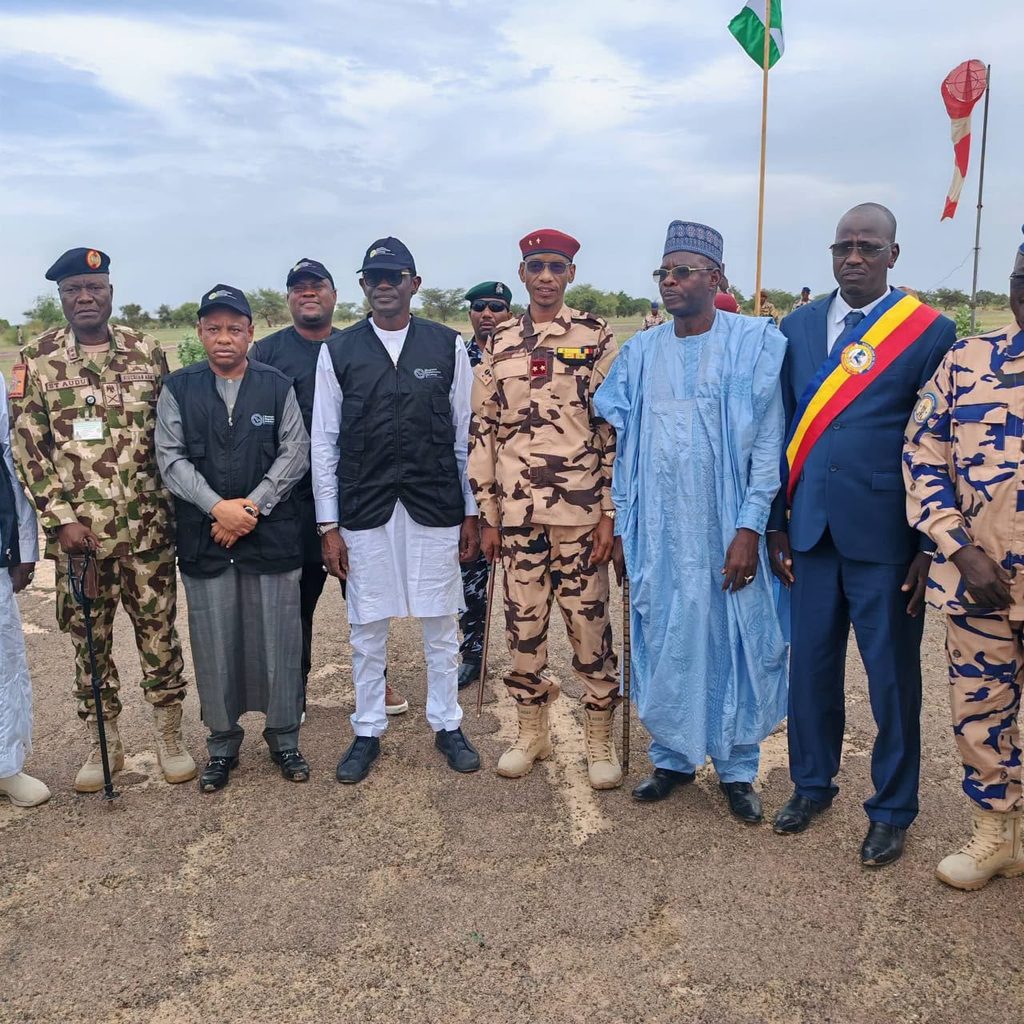
Buni was accompanied by the Executive Secretary of the Lake Chad Basin Commission, Ambassador Ibrahim Babani; Force Commander of the Multinational Joint Task Force, Maj. Gen. ST Audu; Secretary to the Yobe State Government, Dr. Mohammed Goje; Special Adviser on Security, Brig. Gen. Dahiru Abdulsalam (rtd); Honourary Adviser on Policy Delivery, Dr. Kole Shettima; Honourary Adviser on Lake Chad Governors’ Forum and International Investment, Dr. Said Alkali Kori; Special Adviser on Food Security, Dr. Muhammed Babagana; and other senior government officials.
After a Decade in Exile, Buni’s Visit Rekindles Hope Among Forgotten Nigerian Refugees in Chad
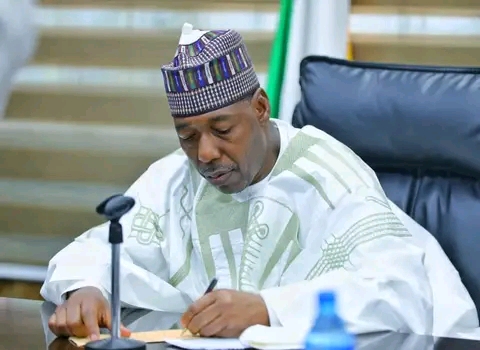
Farmers laud Borno security measures against clashes
By Peter Uwumarogie
Farmers in Kwaya Kusar Local Government Area of Borno have commended the state government’s security initiatives aimed at tackling farmer-herder clashes in the area.
Alhaji Hassan Musa, Chairman, All Farmers Association of Nigeria (AFAN), Kwaya Kusar chapter, gave the commendation in an interview with the News Agency of Nigeria (NAN) in Kwaya Kusar town on Thursday.
Musa said measures adopted by the state government, including the establishment of Agro-Rangers and other security initiatives, had helped reduce farmer-herder clashes in the area.
He said since the state government, in collaboration with the local government, implemented the initiative, farmers had enjoyed safe access to their farmlands.
According to him, the council chairman, Mr Dahiru Hamma, and the Biu Emirate Council had also strengthened dialogue and community engagement to promote peaceful coexistence between farmers and herders.
“Farmers and herders are now carrying out their activities without any rancor because of the measures put in place and these have helped farmers boost productivity.
“No more destruction on our farmlands which often cause huge losses for farmers and reduce their incomes.
“We now have hunters guarding our farmlands and coordinating activities around our farmlands to ensure no encroachment until we harvest our produce.
“We thank Gov. Babagana Zulum, Mr Hamma and the Biu Emirate Council for being proactive,” he said.
Musa also commended Zulum for subsidising fertilisers for farmers in the area, providing input support for dry-season farming and distributing 500 bicycles to farmers.
He said the bicycles, which had been distributed to farmers, had ensured easier access to farmlands while reducing transportation costs.
Farmers laud Borno security measures against clashes

Troops Foil Attack on Manja Community, Disperse Armed Herders in Plateau

Troops Rescue Kidnapped Victim After Ambush in Edo

After a Decade in Exile, Buni’s Visit Rekindles Hope Among Forgotten Nigerian Refugees in Chad

Roger Federer’s Shock as DNA Results Reveal Myla and Charlene Are Not His Biological Children

THE PLIGHT OF FARIDA

FAILED COUP IN BURKINA FASO: HOW TRAORÉ NARROWLY ESCAPED ASSASSINATION PLOT AMID FOREIGN INTERFERENCE CLAIMS
-
 News2 years ago
Roger Federer’s Shock as DNA Results Reveal Myla and Charlene Are Not His Biological Children
-
Opinions5 years ago
THE PLIGHT OF FARIDA
-
 News1 year ago
FAILED COUP IN BURKINA FASO: HOW TRAORÉ NARROWLY ESCAPED ASSASSINATION PLOT AMID FOREIGN INTERFERENCE CLAIMS
-

 News2 years ago
EYN: Rev. Billi, Distortion of History, and The Living Tamarind Tree
-
 Opinions5 years ago
POLICE CHARGE ROOMS, A MINTING PRESS
-

 ACADEMICS2 years ago
A History of Biu” (2015) and The Lingering Bura-Pabir Question (1)
-

 Columns2 years ago
Army University Biu: There is certain interest, but certainly not from Borno.
-

 Politics1 year ago
2027: Why Hon. Midala Balami Must Go, as Youths in Hawul and Asikira/Uba Federal Constituency Reject ₦500,000 as Sallah Gift
