
News
IMPACT: Borno Emerges Best Performing State in Malaria, Immunisation Project

IMPACT: Borno Emerges Best Performing State in Malaria, Immunisation Project
By: Our Reporter
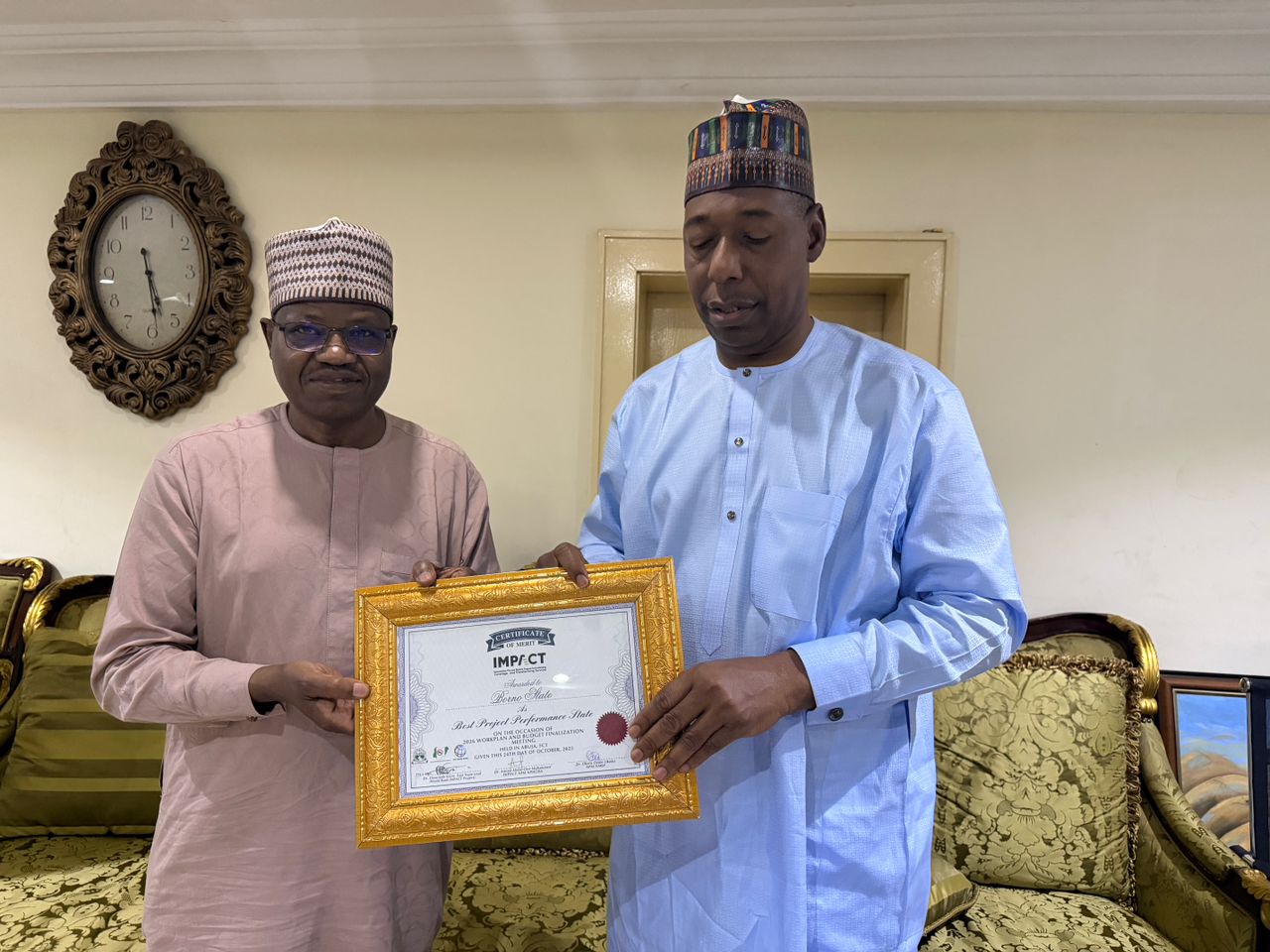
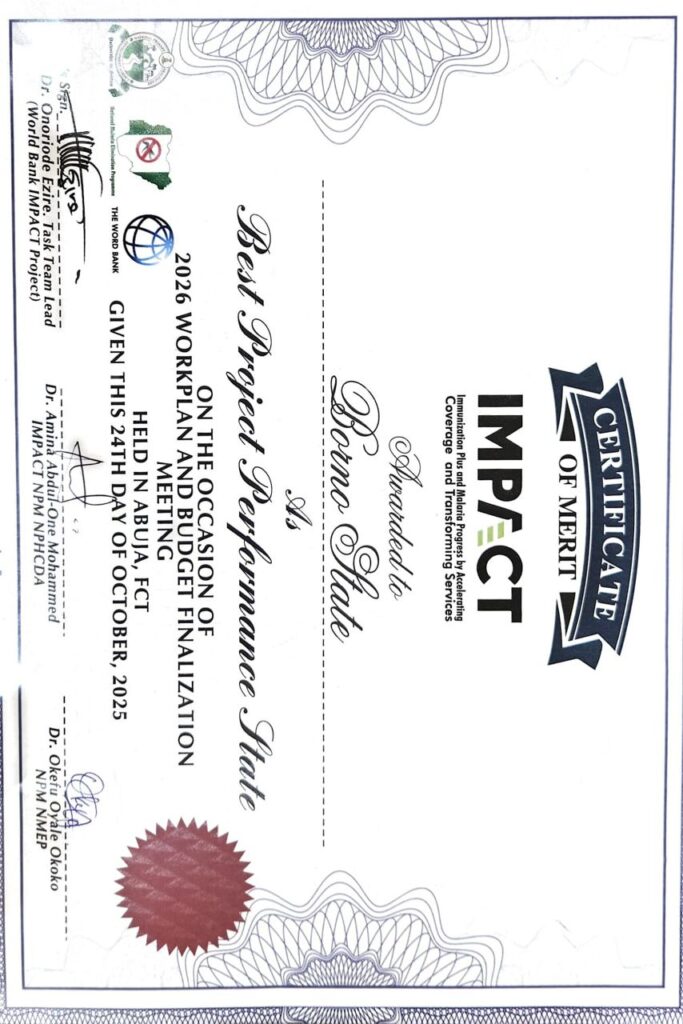
Borno State has emerged as the overall best in the implementation of Immunisation Plus and Malaria Progress by Accelerating Coverage and Transforming Services (IMPACT), surpassing other participating states across the country.
IMPACT is a World Bank-supported community driven project aimed at reducing by half the mortality of chidren under five by 2030, through strengthening the primary healthcare centers.
The project delivers integrated immunisation-plus and malaria sevices to vulnerable population across 235 primary and secondary healthcare facilities across the state.
Receiving the award at the Government House in Maiduguri, Borno State Governor Babagana Umara Zulum commended the effort of the Ministry of Health for achieving the milestone.
Governor Zulum reaffirmed his administration’s commitment to continuing its investment in the health sector to improve the wellbeing of people of the state.
“I would like to commend the Health Commissioner, the Permanent Secretary, the IMPACT project coordinator, and the rest of the team for their efforts in achieving this feat of becoming the best-performing state. On behalf of the government and people of the state, I extend our sincere gratitude,” Governor Zulum stated.
“Healthcare is one of the priorities of this admnistration, therefore, I willl like to assure you that more investment will be made in the entire value-chain of the health sector to ensure quality and affordable healthcare delivery system for people of the state,” he added.
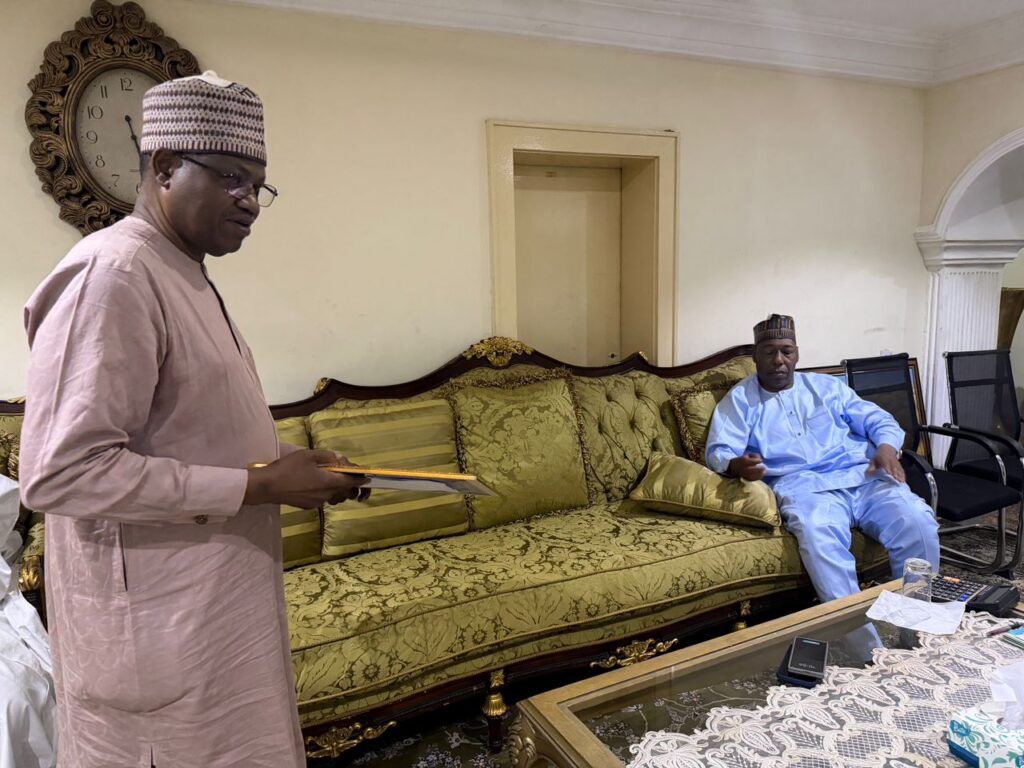
Presenting the award to the governor, Communissioner for Health and Human Services, Prof. Baba Malum Gana, said the state achieved this feat owing to the high perfomance in the implementation of the project in a holistic and coordinated approach, deployment of digital monitoring tools as well as data quality.
He remarked that more than two million anti-malaria drugs, two million test kits and other essential consumables have been distributed in the last one year.
“In the last one year more than 2 million anti-malaria, 359,596 long-lasting Insecticide treated nets and 2 million test kits and other essential non-malaria drugs and medical consumables have been distributed across 235 health facilities across the state,” Malum Gana said.
The commissioner emphasized that despite the security challenges and 2024 flood disaster, the state was able to achieve immunization coverage in vulnerable areas.
IMPACT: Borno Emerges Best Performing State in Malaria, Immunisation Project



Osun Election Violence: Group Demands Probe into 29 Deaths, Fadahunsi Threat Claims
By: Michael Mike
The Revolutionary Socialist Movement (RSM) has called for an immediate investigation into the deaths of 29 people reportedly linked to 73 incidents of electoral violence in Osun State ahead of the governorship election, warning that political violence is threatening the credibility and safety of the polls.
The group also demanded a transparent investigation into alleged death threats reportedly issued by Senator Francis Fadahunsi, representing Osun East Senatorial District, against supporters of the Accord Party in Ilesa.
In a statement issued on Thursday by its Publicity Secretary, Comrade Salako Kayode, the RSM described the reported violence as a disturbing indication of the extent to which political competition has degenerated in the state.
The socialist organisation said no politician, regardless of political affiliation or position, should be allowed to use threats, intimidation or violence against opponents without facing the consequences of the law.
“Such threats must not be dismissed as ordinary political rhetoric,” the group said, insisting that the allegations against Fadahunsi should be investigated and that prosecution should follow if they are substantiated.
The RSM called for investigations into all 73 reported cases of electoral violence and the 29 deaths, as well as the prosecution of anyone found culpable for killings, assaults or threats.
It further demanded that security agencies provide protection for voters, candidates and political activists irrespective of their political affiliations, while urging authorities to dismantle the networks of political thugs and armed groups allegedly deployed during elections.
The group warned that allowing political violence to go unchecked could turn elections into contests between rival groups fighting for control of public resources rather than democratic exercises in which citizens freely choose their leaders.
‘Nigeria cannot continue under rule of political gangs’
Beyond the immediate security concerns surrounding the Osun election, the RSM used the statement to launch a broader attack on what it described as Nigeria’s entrenched political establishment.
According to the organisation, successive governments have failed to translate the enormous public resources under their control into meaningful improvements in the lives of ordinary Nigerians.
It cited unemployment, insecurity, poverty, inadequate healthcare and poor access to quality education as evidence of what it described as a political system driven more by competition for wealth and power than by the interests of workers and other vulnerable groups.
The RSM argued that workers, farmers, young people, students and traders should not be forced to choose between rival political formations whose leadership, it alleged, is primarily interested in controlling public resources.
It declared that Nigeria required a fundamental restructuring of political and economic power, with public wealth deployed to meet social needs rather than private enrichment.
In a significant political intervention ahead of the Osun election, the group urged voters to consider the African Action Congress (AAC) as an alternative to the established political parties.
The RSM called on workers, youths, farmers, students, traders and other groups it described as oppressed to reject vote-buying, intimidation and political violence.
However, the organisation acknowledged that an election alone would not transform the political system.
It called for sustained organisation and mobilisation after the polls, arguing that citizens must build independent movements capable of holding whoever emerges from the election accountable.
The group said such mobilisation should focus on securing decent employment, living wages, quality education and healthcare, affordable housing, democratic freedoms and greater public control over the country’s resources.
The RSM’s demands include an immediate probe into the reported electoral violence and deaths, investigation of the allegations against Fadahunsi, prosecution of those found responsible, an end to the deployment of political thugs during elections and stronger protection for all participants in the democratic process.
The group also called for an end to what it described as the looting and privatisation of public wealth for the benefit of political elites.
Concluding its statement, the RSM urged the people of Osun to reject what it called the politics of competing political gangs and rally behind what it described as a people’s alternative.
“Vote for the alternative. Vote AAC. Organise. Mobilise,” the group declared, calling for a broader struggle for what it termed “a Socialist Nigeria.”
Osun Election Violence: Group Demands Probe into 29 Deaths, Fadahunsi Threat Claims
Troops Foil Armed Robbery, Clear Highway in Plateau
By Zagazola Makama
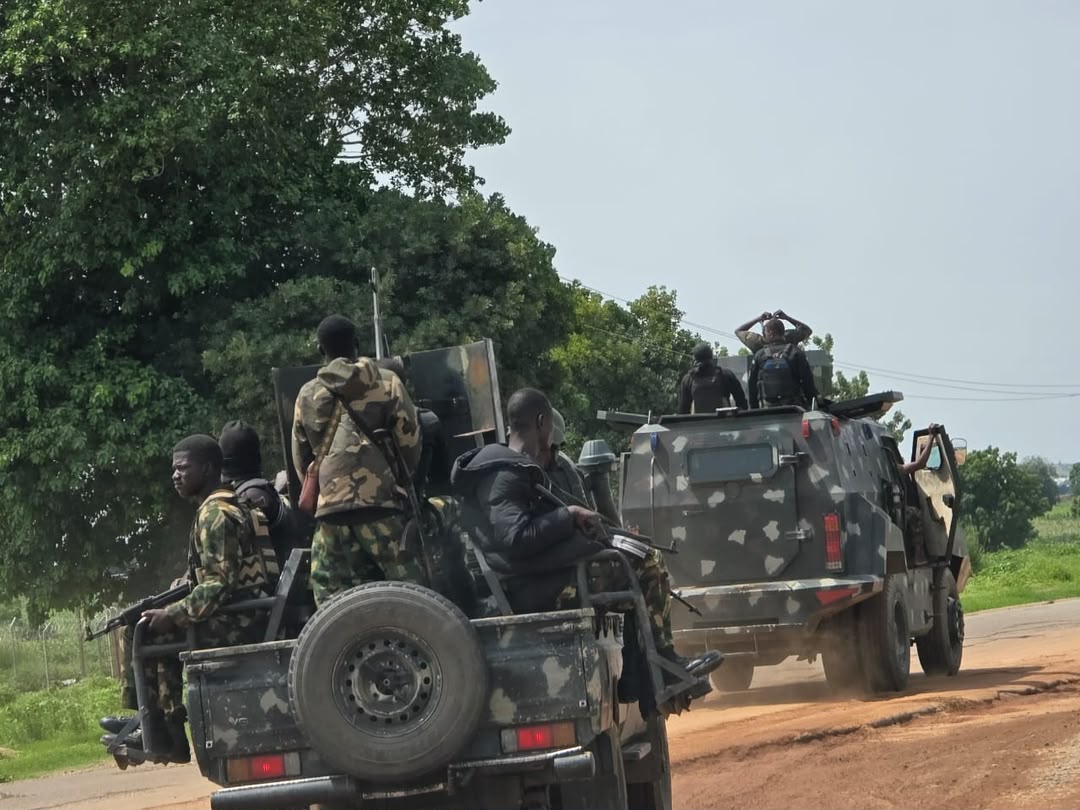
Troops of Sector 4, Sub-Sector 41, Operation Enduring Peace (OPEP), have foiled an attempted armed robbery along the Barkin Ladi–Bokkos road in Barkin Ladi Local Government Area of Plateau State.
Sources told Zagazola Makama that the incident occurred at about 9:00 p.m. on August 11, 2026, when troops deployed at the Kurra Junction Check Point responded to a report of suspected armed robbers blocking the highway.
The criminals had reportedly blocked the road in an attempt to rob motorists and other road users.
The troops swiftly mobilised to the location, forcing the suspected robbers to abandon their criminal operation and flee into the surrounding rocky hills.
The troops subsequently cleared the highway and restored the free flow of traffic along the route.
Security personnel have continued to dominate the general area through robust patrols to prevent the criminals from regrouping and to deny other criminal elements freedom of action.
Troops Foil Armed Robbery, Clear Highway in Plateau

Zulum calls for a shift from tractor ownership to modern agricultural services
By: Michael Mike
Borno State Governor, Babagana Umara Zulum, has called for a fundamental shift in Nigeria’s approach to agricultural mechanisation, stressing that the country must move beyond simply purchasing tractors to a more productive and modern, investment-driven agricultural system.
Zulum made the call while speaking at a High-level National Policy Dialogue on Agricultural Mechanisation organised by the Federal Ministry of Agriculture and Food Security in Abuja on Wednesday.
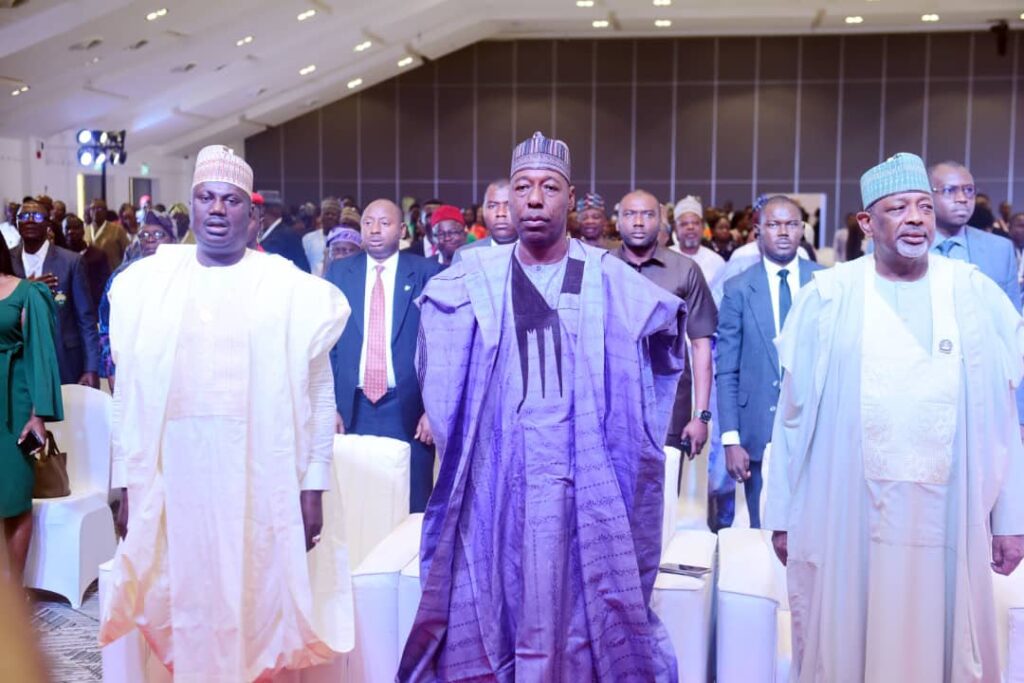
The Governor identified low productivity, limited technology, inadequate investment and weak value chains as major challenges facing Nigeria’s agricultural sector.
He emphasised that mechanisation should be delivered as a service, giving farmers timely access to land preparation, precision farming, irrigation and other modern agricultural technologies.
Commenting on Borno’s agricultural transformation initiatives, Zulum noted that massive investment by his administration in agriculture is central to rebuilding livelihoods and restoring communities affected by insecurity and displacement.
Zulum highlighted a four-pronged approach to agricultural mechanisation in Nigeria, including mechanising agriculture to increase productivity and reduce drudgery, digitalising agriculture to improve precision, intelligence, and efficiency, regenerating agricultural resources to ensure long-term sustainability, and investing in infrastructure, technology, and enterprises that will drive the transformation.

Zulum also called for stronger private-sector participation and innovative financing for local manufacturing and assembly of agricultural machinery, irrigation, renewable energy, storage, processing, value addition and youth- and women-led agricultural businesses.
He emphasised that Nigeria must not simply recreate the agriculture of yesterday, but build the agriculture of tomorrow, which should be modern, smart, climate-resilient, productive and inclusive.
The goal, he said, is to build an agricultural economy capable of feeding the nation, competing globally, creating jobs and delivering sustainable prosperity to rural communities.
The Governor was accompanied by the member of the House of Representatives, Engr Bukar Talba; Commissioner of Local Government and Emirates Affairs, Sugun Mai Mele; CEO/Managing Director of the Borno Investment Company, Mohammed Bukar Umar; and Permanent Secretary, Government House, Mustapha Ali Busiguma.
Zulum calls for a shift from tractor ownership to modern agricultural services

Between the politics and comedy of Nigerian religious leaders

Osun Election Violence: Group Demands Probe into 29 Deaths, Fadahunsi Threat Claims

Man Killed by Unknown Assailants in Plateau

Roger Federer’s Shock as DNA Results Reveal Myla and Charlene Are Not His Biological Children

THE PLIGHT OF FARIDA

FAILED COUP IN BURKINA FASO: HOW TRAORÉ NARROWLY ESCAPED ASSASSINATION PLOT AMID FOREIGN INTERFERENCE CLAIMS
-
 News2 years ago
Roger Federer’s Shock as DNA Results Reveal Myla and Charlene Are Not His Biological Children
-
Opinions4 years ago
THE PLIGHT OF FARIDA
-
 News1 year ago
FAILED COUP IN BURKINA FASO: HOW TRAORÉ NARROWLY ESCAPED ASSASSINATION PLOT AMID FOREIGN INTERFERENCE CLAIMS
-

 News2 years ago
EYN: Rev. Billi, Distortion of History, and The Living Tamarind Tree
-
 Opinions5 years ago
POLICE CHARGE ROOMS, A MINTING PRESS
-

 ACADEMICS2 years ago
A History of Biu” (2015) and The Lingering Bura-Pabir Question (1)
-

 Columns2 years ago
Army University Biu: There is certain interest, but certainly not from Borno.
-

 Politics1 year ago
2027: Why Hon. Midala Balami Must Go, as Youths in Hawul and Asikira/Uba Federal Constituency Reject ₦500,000 as Sallah Gift
