
News
IPCR: Livestock Sector Now Sits at the Heart of Nigeria’s Ecosystem

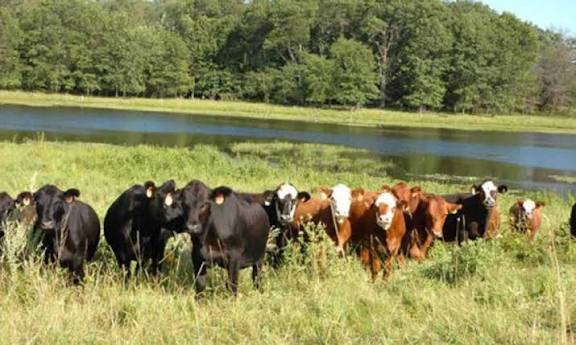
IPCR: Livestock Sector Now Sits at the Heart of Nigeria’s Ecosystem
By: Michael Mike
The Institute for Peace and Conflict Resolution (IPCR) has said the livestock sector now sits “at the heart of Nigeria’s conflict ecosystem,” influencing local economies, intergroup relations, and national security.
While Nigeria has produced multiple livestock policies over the years, speakers at the Policy Review Meeting of the Network of Policy Makers for the Support of Peace, Security and Reconciliation in Nigeria organized by IPCR in partnership with King Abdullah Bin Abdullaziz International Centre for Interreligious and Intercultural Dialogue (KAICIID), agreed that the country’s biggest challenge is not policy creation but policy implementation.
The Executive Secretary of IPCR, Dr. Joseph Ochogwu said: “Policies exist, but they often die before they leave the shelf,” echoing past criticisms that Nigeria has become a “graveyard of unimplemented policies.”
He warned that the farmer–herder conflict has evolved into a complex risk system shaped by climate pressures, land scarcity, population growth, trans-border migration, and weak governance structures. Without coordinated action, these pressures threaten to overwhelm already stretched local and national institutions.
He stressed that the success of livestock reforms will depend on effective coordination between federal ministries, state governments, local authorities, and community actors.
He said: “When institutions operate in silos, conflict fills the gap. But when federal, state, and local structures move in alignment, policy becomes a stabilizing tool.”
He described traditional rulers, pastoralist associations, farmers’ groups, and religious leaders as “indispensable partners” in the process rather than observers brought in after decisions are made.
The session also addressed growing concerns around communal violence and allegations of targeted attacks against specific religious groups. Recent claims suggesting that Christians are being systematically exterminated in Nigeria have gained international attention.
Ochogwu acknowledged the emotional weight of such claims but cautioned against narratives not grounded in verified evidence.
“Nigeria’s security challenges stem from terrorism, banditry, resource competition, and historical grievances,” he said, while adding that: “These problems affect all groups, and they require collective solutions—not divisive interpretations.”
He emphasized that Nigeria must not allow any trajectory that resembles genocide or the destruction of any community, calling for stronger early-warning systems, improved regulation of pastoral mobility, and policies that prevent local tensions from escalating into large-scale atrocities.
Participants agreed that the partnership between policymakers and faith leaders is central to preventing violence. Religious institutions, they noted, have moral authority and grassroots influence that government structures often lack, particularly in rural communities most affected by the conflict.
“This network exists because peace is not a government-only project,” the convener said. “It must be built through a multi-layered alliance of policymakers, traditional institutions, and religious leaders.”
Ochogwu highlighted four areas requiring urgent action: Strengthening vertical and horizontal coordination across federal, state, and community levels; Embedding conflict-sensitive practices into all livestock policy implementation; Ensuring inclusive engagement involving farmers, pastoralists, women, youth, and local institutions and Institutionalizing evidence-based monitoring systems that track conflict hotspots and pastoral mobility using real-time data.
IPCR reaffirmed its commitment to supporting the Federal Government through conflict analysis, policy advisory services, mediation, and early-warning mechanisms. Its partnerships with KAICIID and other international bodies, it said, are aimed at ensuring that the outcomes of these dialogues translate into tangible impact at the community level.
Participants agreed that Nigeria stands at a critical moment. Transforming livestock policy into practical action, they said, is not only a matter of agricultural reform—it is a prerequisite for national stability.
Ochogwu said: “Moving from intention to impact is the only path to sustainable peace,” note”ing that: “Strengthening coordination in the livestock sector is ultimately strengthening Nigeria itself.”
Policymakers, diplomats, and leading clerics convened in Abuja on Friday for the Second Quarter Policy Review Dialogue of the Network of Policymakers and Religious Leaders, with a renewed push to transform Nigeria’s long-standing livestock policy from paper commitments into real, coordinated action.
The meeting, held at the Institute for Peace and Conflict Resolution (IPCR) headquarters, focused on the theme “From Policy to Practice: Strengthening Coordination and Implementation of Nigeria’s Livestock Policy.” It brought together government officials, faith leaders, security experts and community representatives who described the dialogue as a crucial step in tackling the persistent farmer–herder crisis and its broader security implications.
IPCR: Livestock Sector Now Sits at the Heart of Nigeria’s Ecosystem


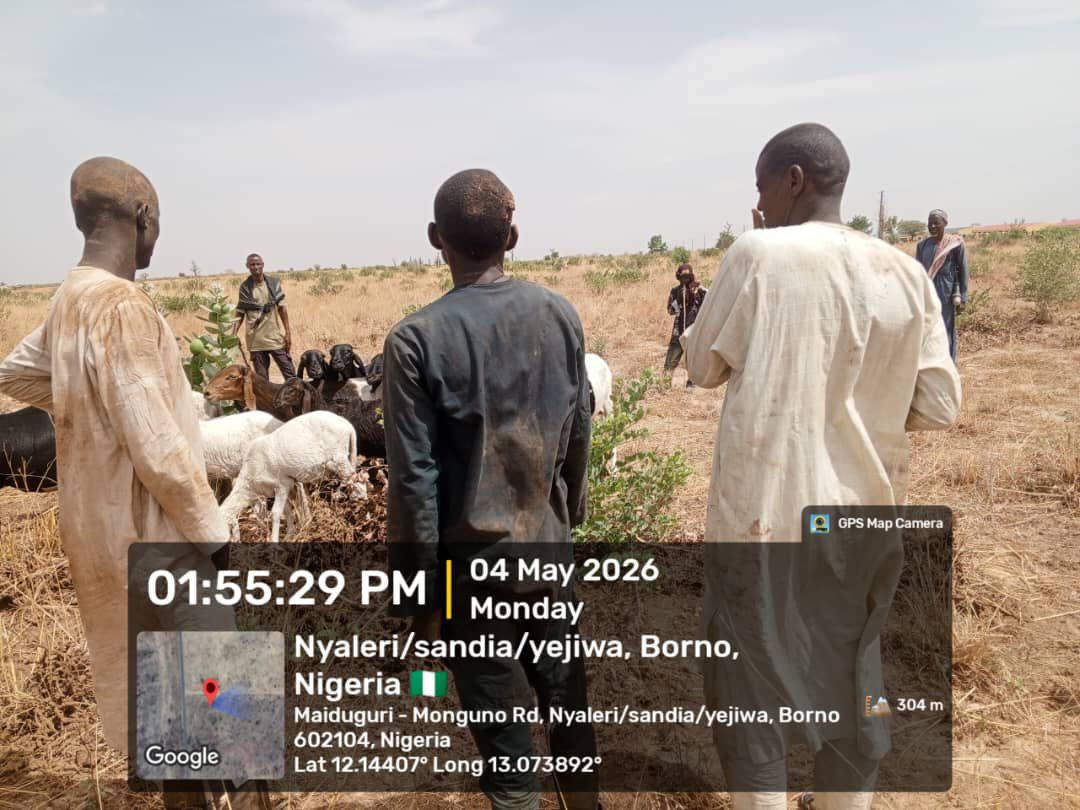
Troops Arrest Three Suspected Cattle Rustlers in Borno
By: Zagazola Makama
Troops of 212 Battalion deployed at Forward Operating Base (FOB) Tuba have arrested three suspected cattle rustlers during an operation in Karnuwa general area of Borno State.
Security sources said the operation followed intelligence provided by a local resident, Malam Muhammadu Ardo, concerning alleged cattle rustling activities within the area.
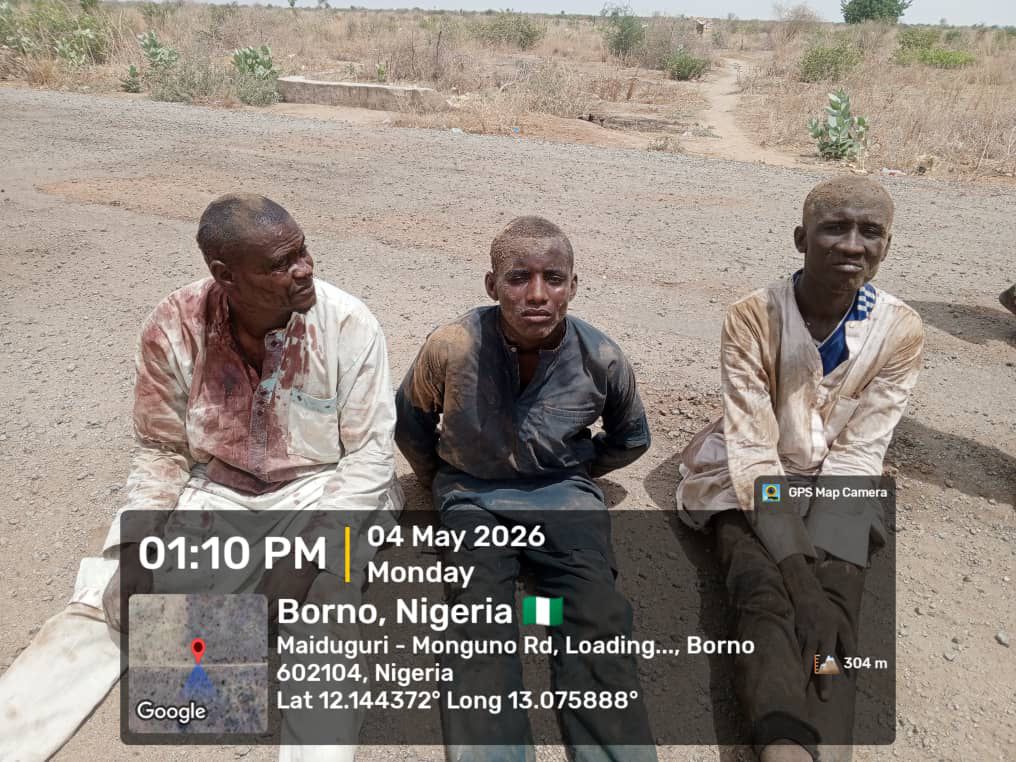
The troops reportedly mobilised to Karnuwa at about 12:30 p.m. on May 4, 2026, where they apprehended the suspects identified as Mallam Mohammad Abatcha, 28; Mallam Mamman Bukar, 18; and Malam Modu Hassan, 30.
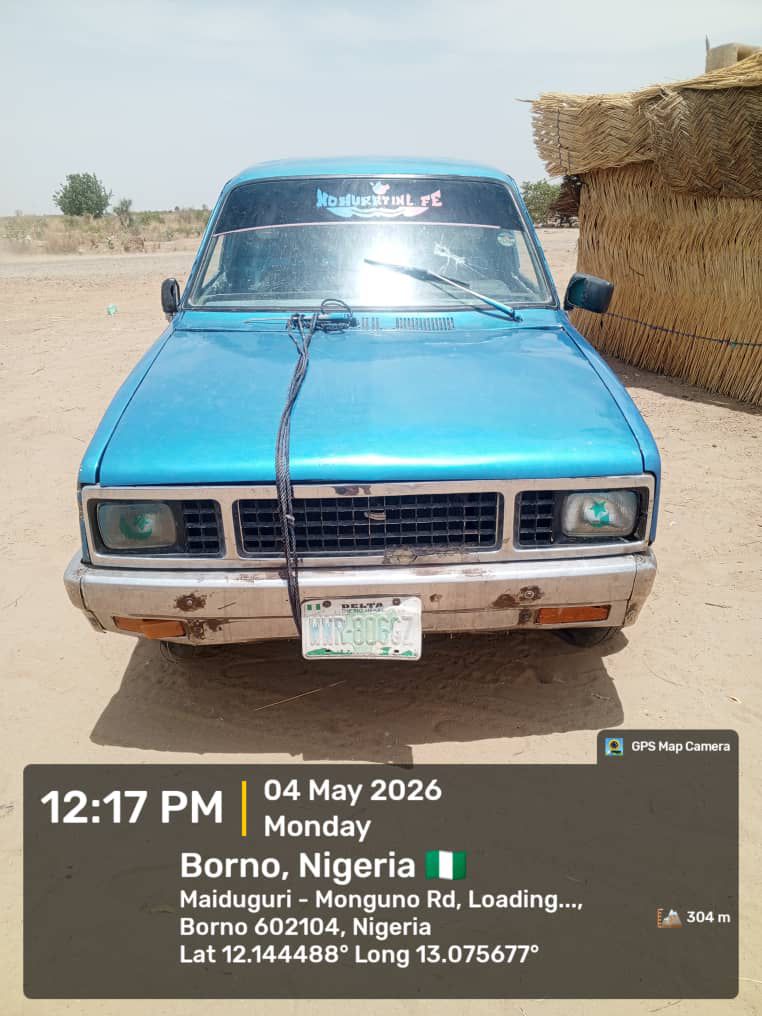
According to the sources, the suspects were intercepted while using a pickup vehicle with registration number WW 806 GZ Delta, allegedly employed in transporting stolen cattle.
The rustled cattle were recovered and immediately handed over to their rightful owners at the scene of the arrest.
Items recovered from the suspects included a bow and arrow, three mobile phones, five national identity cards and the sum of N20,650.
Preliminary investigation reportedly revealed that the suspects admitted to repeatedly stealing and selling rustled cattle to buyers in Maiduguri.
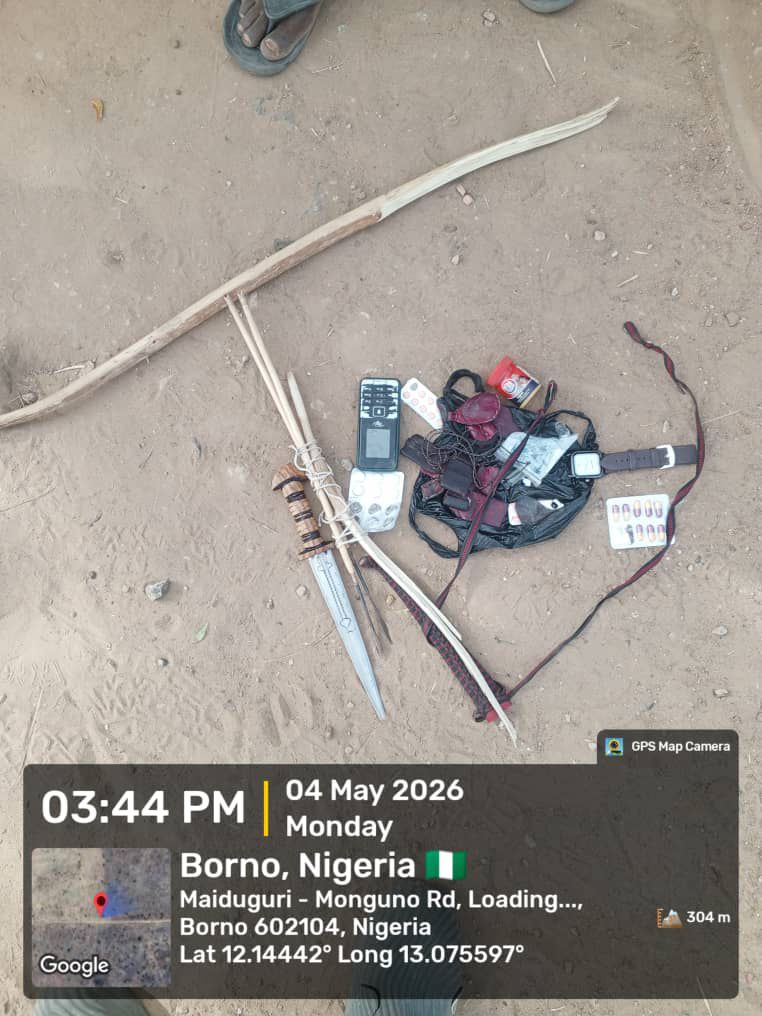
Security sources further disclosed that investigators suspect possible links between the suspects and members of the Islamic State West Africa Province or Jama’atu Ahlis Sunna Lidda’awati wal-Jihad due to alleged inconsistencies observed in their statements during interrogation.
Troops Arrest Three Suspected Cattle Rustlers in Borno
Troops Discover Illegal Refinery Site, Recover 600 Litres of Stolen Crude in Rivers
By: Zagazola Makama
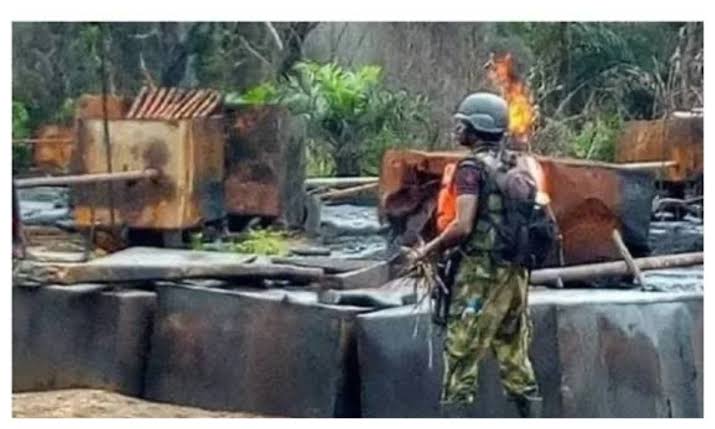
Troops of 29 Battalion operating under the Joint Task Force South-South, Operation Delta Safe (OPDS), have uncovered an illegal refining site and recovered about 600 litres of suspected stolen crude oil in Oyigbo Local Government Area of Rivers State.
Security sources said the discovery was made at about 10:00 a.m. on May 12, 2026, during ongoing anti-illegal bunkering operations in the Niger Delta region.
The troops reportedly discovered the illegal refining site around Asa community, where a large cooking pot loaded with stolen crude oil was found stockpiled in sacks.
Military authorities said the recovered products and equipment were handled in accordance with operational directives guiding anti-crude oil theft operations under Operation Delta Safe.
The operation was conducted without any confrontation or security incident.
The Nigerian military has continued to intensify operations against crude oil theft, illegal refining and other forms of economic sabotage across the Niger Delta region.
Troops Discover Illegal Refinery Site, Recover 600 Litres of Stolen Crude in Rivers

Troops, NDLEA Raid Drug Hideout in Katsina, Arrest Suspected Supplier to Terrorists
By: Zagazola Makama
Troops of the Forward Operating Base (FOB) Malumfashi at Kafur, in collaboration with the National Drug Law Enforcement Agency, have raided a suspected drug peddlers’ hideout in Kafur Local Government Area of Katsina State.
Security sources said the operation was conducted at about 12:30 p.m. on May 12, 2026, at Huguma village following intelligence on illicit drug activities within the area.
During the raid, troops apprehended one suspect identified as a major supplier of illicit drugs and other substances to terrorists and criminal elements operating within Kafur Local Government Area and surrounding communities.
Items recovered during the operation included 146 grams of suspected cannabis and 16.5 grams of a substance identified as Exol-5.
The suspect and the recovered drugs have since been handed over to the National Drug Law Enforcement Agency for further investigation and necessary legal action.
Troops, NDLEA Raid Drug Hideout in Katsina, Arrest Suspected Supplier to Terrorists

Troops Neutralise Two Terrorists in Night Ambush Operation in Borno

Troops Arrest Three Suspected Cattle Rustlers in Borno

Troops Intercept Vehicle Conveying Illegal Diesel in Bayelsa

Roger Federer’s Shock as DNA Results Reveal Myla and Charlene Are Not His Biological Children

THE PLIGHT OF FARIDA

FAILED COUP IN BURKINA FASO: HOW TRAORÉ NARROWLY ESCAPED ASSASSINATION PLOT AMID FOREIGN INTERFERENCE CLAIMS
-
 News2 years ago
Roger Federer’s Shock as DNA Results Reveal Myla and Charlene Are Not His Biological Children
-
Opinions4 years ago
THE PLIGHT OF FARIDA
-
 News1 year ago
FAILED COUP IN BURKINA FASO: HOW TRAORÉ NARROWLY ESCAPED ASSASSINATION PLOT AMID FOREIGN INTERFERENCE CLAIMS
-

 News2 years ago
EYN: Rev. Billi, Distortion of History, and The Living Tamarind Tree
-
 Opinions4 years ago
POLICE CHARGE ROOMS, A MINTING PRESS
-

 ACADEMICS2 years ago
A History of Biu” (2015) and The Lingering Bura-Pabir Question (1)
-

 Columns2 years ago
Army University Biu: There is certain interest, but certainly not from Borno.
-

 Opinions2 years ago
Tinubu,Shettima: The epidemic of economic, insecurity in Nigeria
