
News
How killing of 12 Illegal miners in Barkin Ladi, linked to rustling of 171 livestock plateau


How killing of 12 Illegal miners in Barkin Ladi, linked to rustling of 171 livestock plateau
By: Zagazola Makama
The recent attack on an illegal mining site in Fann District, Barkin Ladi Local Government Area of Plateau State, has again exposed the sustained fragility of security and the precarious balance between herders and local communities in the state.
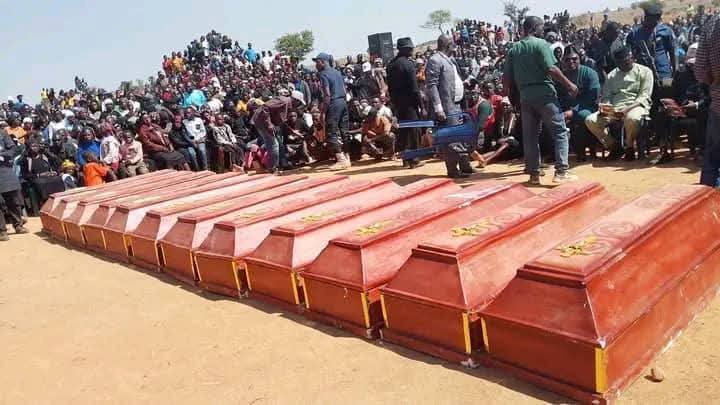
On the night of 16 December 2025, gunmen, reportedly dressed in military attire, stormed a mining site at Tosho Community, rounded up illegal miners, and demanded information about the location of cattle stolen from Nding Community on 10 December. The attack left 12 miners dead, three abducted, and several others injured.
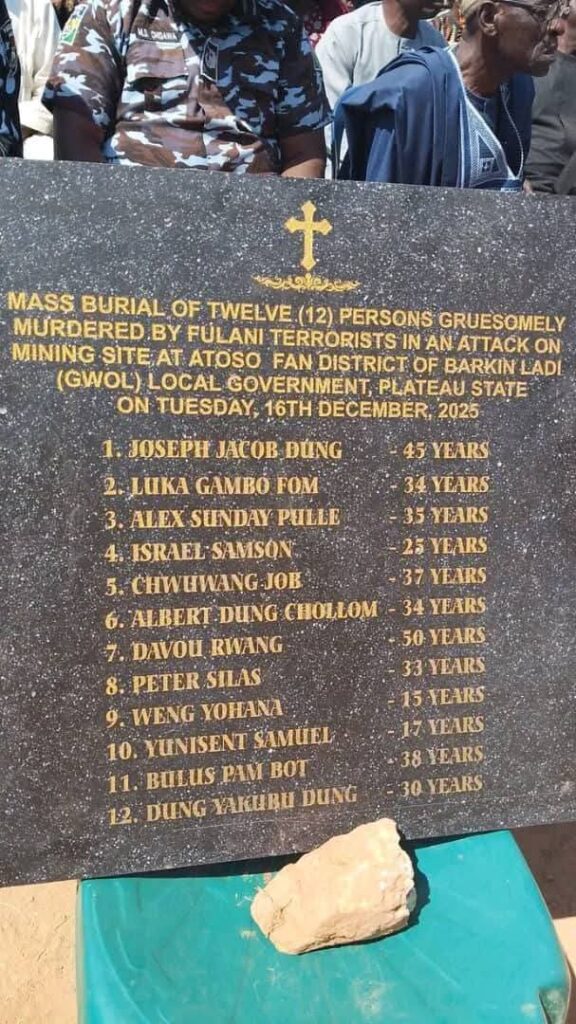
Zagazola Makama report that the attack was retaliatory, linked to the rustling of 171 cattle across Nding and Bakin Kogi communities earlier in the month. The victims, miners who were present at the site despite an extant ban on night mining, were particularly vulnerable due to the clandestine nature of the operations and the delayed reporting of the attack to security forces. Troops of Sector 2 Operation Enduring Peace responded early the following morning, conducting offensive operations to rescue the abducted and secure the area.
However, the Fann District attack represents only the latest episode in a rapidly escalating cycle of reprisal violence across Plateau State. Within days, coordinated assaults on pastoral communities in Barkin Ladi and Jos East LGAs resulted in the rustling of 168 cattle, while nine additional cows reportedly died after grazing on poisoned substances in Kwi village, Riyom LGA. These attacks, illustrated the deepening insecurity that continues to place herders, farmers and other vulnerable communities alike at risk.

In a further escalation, four children were killed in Dorong village, Foron District of Barkin Ladi LGA, allegedly in reprisal for the earlier cattle rustling. Victims included Precious Joshuah, 17; Isa’ac Joshuah, 9; Mary Joshuah, 7; and Eve Sambo, 3. Community sources indicated that the attack occurred amid a climate of fear, with residents warning that reprisals were imminent if no preventive action was taken.
Another disturbing incident in Gero village, Jos South LGA, saw the killing and injury of at least 10 cattle, reportedly by Berom militias targeting Fulani herders. Twelve others were left fatally wounded. Local sources indicated that repeated complaints to authorities regarding such attacks had yielded little response, fostering a perception of selective intervention that largely reacts to incidents affecting one side of the conflict.
Zagazola Makama, have long warned in a series of articles of this predictable pattern: attacks on herders, particularly cattle rustling and livestock poisoning, often trigger retaliatory strikes against innocent civilians, which triggers continued attacks. Despite repeated alerts, the Plateau State government and other concerned authorities have been accused of inaction or selective enforcement, which some residents allege has emboldened criminal actors and state-supported militias.
This growing environment of impunity has left communities vulnerable and created conditions where reprisal attacks are almost inevitable. While the recent attacks are universally condemned, a critical review shows that violence in Plateau often escalates when perpetrators operate with little fear of prosecution or accountability. The complicity of certain local militias and the failure of government to intervene decisively have deepened the cycle, placing innocent civilians including women and children at the highest risk.ll
Zagazola emphasized that unless the Plateau State Government and security agencies implement robust measures to arrest perpetrators on all sides, prosecute offenders, and engage in non-kinetic conflict resolution, the state is likely to witness further retaliatory violence. Immediate steps are required to address both the underlying causes of insecurity and the selective handling of incidents, which currently fuels perceptions of bias and aggravates existing ethno-religious and pastoral-farming tensions.
Without decisive action, Plateau State will continue to experience a self-perpetuating cycle of violence, where acts of aggression against one community invariably provoke retaliatory strikes on another, leaving the most vulnerable particularly children bearing the heaviest burden.
How killing of 12 Illegal miners in Barkin Ladi, linked to rustling of 171 livestock plateau


Troops Arrest Three Suspected Cattle Rustlers in Borno
By: Zagazola Makama
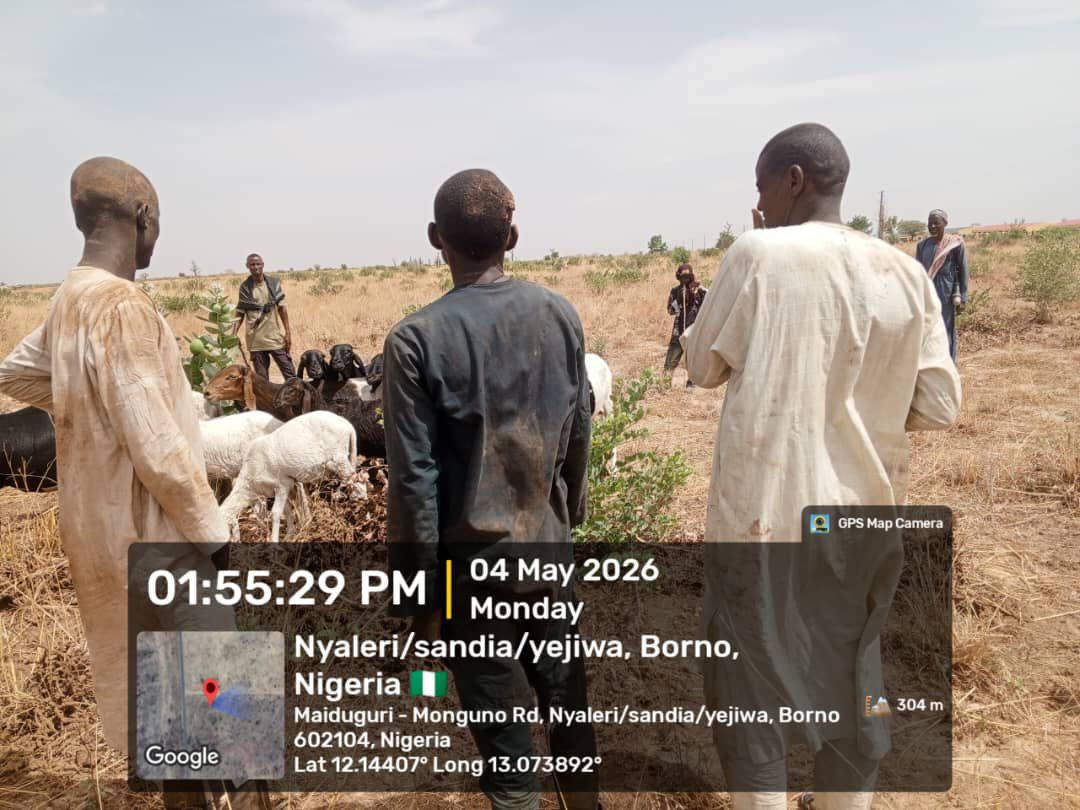
Troops of 212 Battalion deployed at Forward Operating Base (FOB) Tuba have arrested three suspected cattle rustlers during an operation in Karnuwa general area of Borno State.
Security sources said the operation followed intelligence provided by a local resident, Malam Muhammadu Ardo, concerning alleged cattle rustling activities within the area.
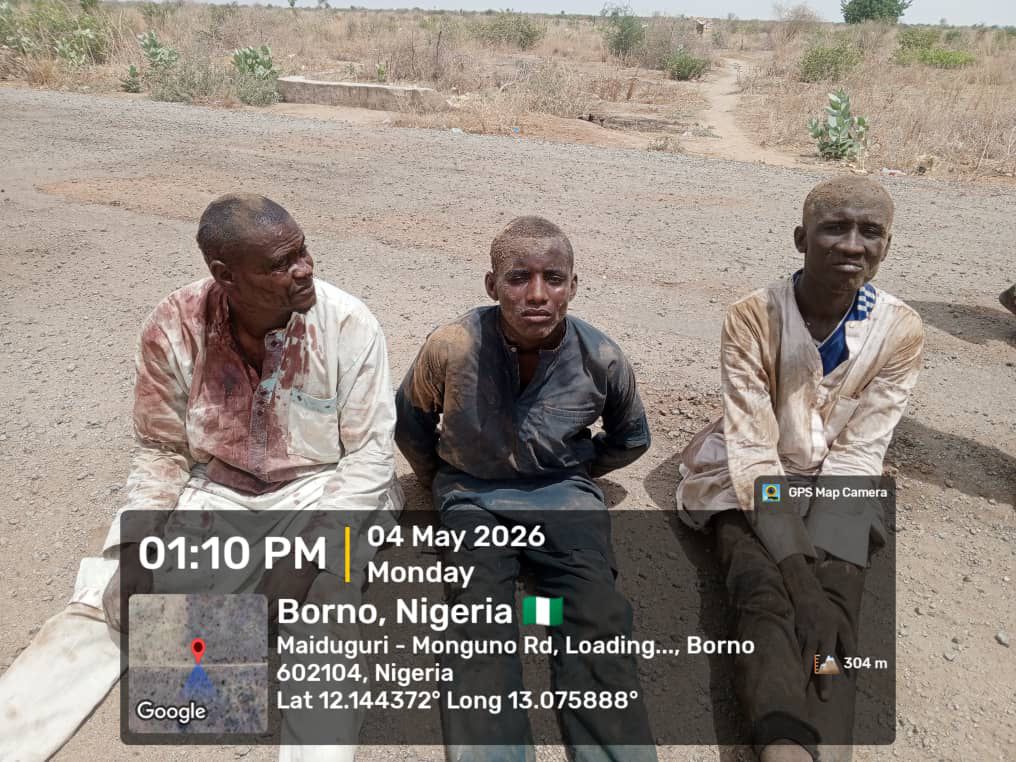
The troops reportedly mobilised to Karnuwa at about 12:30 p.m. on May 4, 2026, where they apprehended the suspects identified as Mallam Mohammad Abatcha, 28; Mallam Mamman Bukar, 18; and Malam Modu Hassan, 30.
According to the sources, the suspects were intercepted while using a pickup vehicle with registration number WW 806 GZ Delta, allegedly employed in transporting stolen cattle.
The rustled cattle were recovered and immediately handed over to their rightful owners at the scene of the arrest.
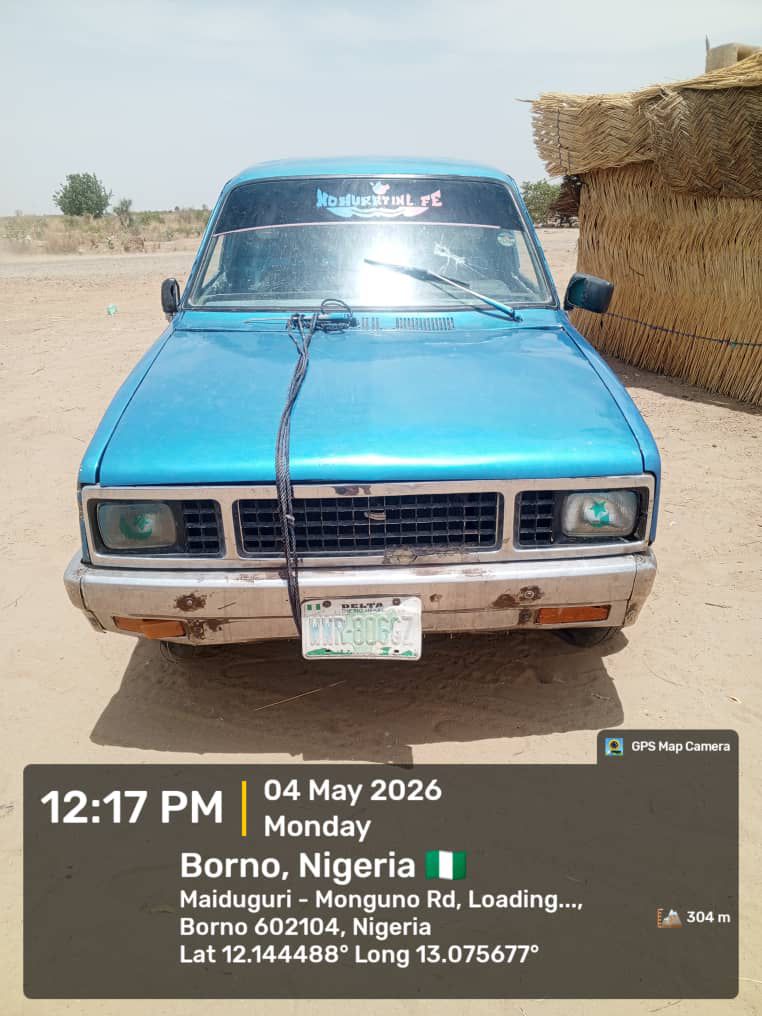
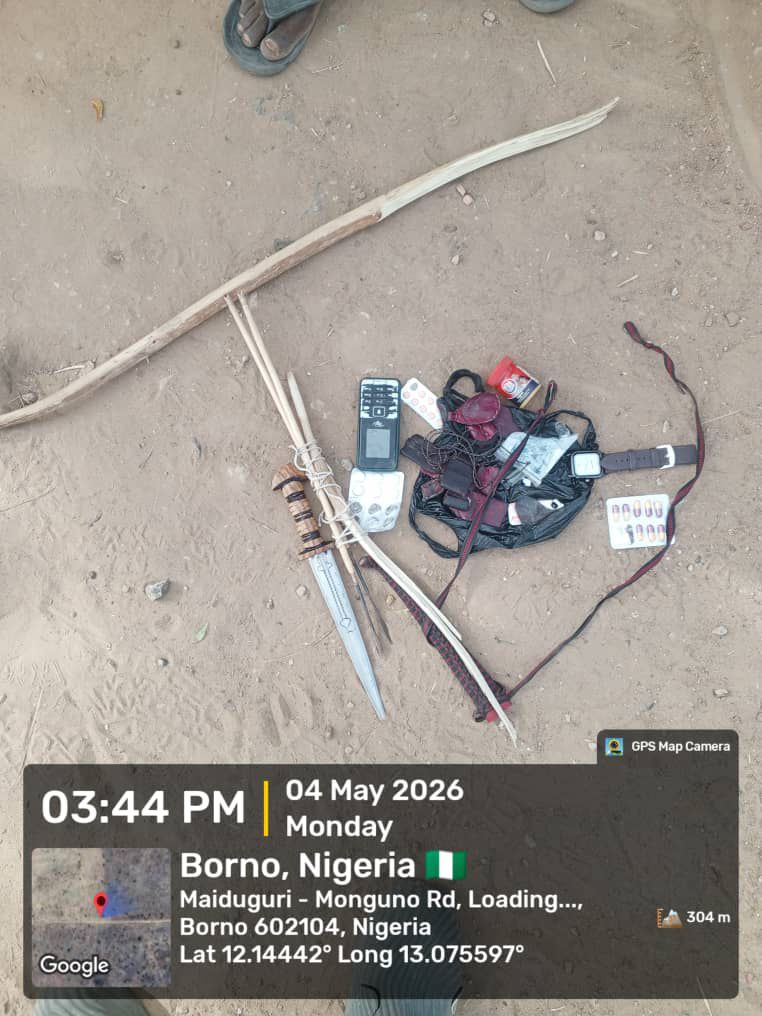
Items recovered from the suspects included a bow and arrow, three mobile phones, five national identity cards and the sum of N20,650.
Preliminary investigation reportedly revealed that the suspects admitted to repeatedly stealing and selling rustled cattle to buyers in Maiduguri.
Security sources further disclosed that investigators suspect possible links between the suspects and members of the Islamic State West Africa Province or Jama’atu Ahlis Sunna Lidda’awati wal-Jihad due to alleged inconsistencies observed in their statements during interrogation.
Troops Arrest Three Suspected Cattle Rustlers in Borno
Troops Discover Illegal Refinery Site, Recover 600 Litres of Stolen Crude in Rivers
By: Zagazola Makama
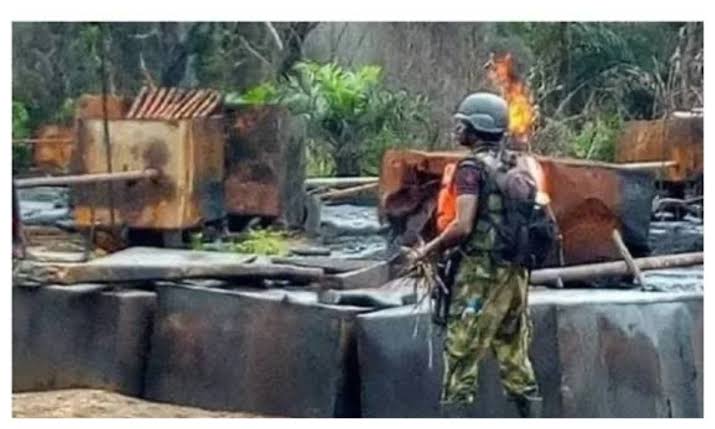
Troops of 29 Battalion operating under the Joint Task Force South-South, Operation Delta Safe (OPDS), have uncovered an illegal refining site and recovered about 600 litres of suspected stolen crude oil in Oyigbo Local Government Area of Rivers State.
Security sources said the discovery was made at about 10:00 a.m. on May 12, 2026, during ongoing anti-illegal bunkering operations in the Niger Delta region.
The troops reportedly discovered the illegal refining site around Asa community, where a large cooking pot loaded with stolen crude oil was found stockpiled in sacks.
Military authorities said the recovered products and equipment were handled in accordance with operational directives guiding anti-crude oil theft operations under Operation Delta Safe.
The operation was conducted without any confrontation or security incident.
The Nigerian military has continued to intensify operations against crude oil theft, illegal refining and other forms of economic sabotage across the Niger Delta region.
Troops Discover Illegal Refinery Site, Recover 600 Litres of Stolen Crude in Rivers

Troops, NDLEA Raid Drug Hideout in Katsina, Arrest Suspected Supplier to Terrorists
By: Zagazola Makama
Troops of the Forward Operating Base (FOB) Malumfashi at Kafur, in collaboration with the National Drug Law Enforcement Agency, have raided a suspected drug peddlers’ hideout in Kafur Local Government Area of Katsina State.
Security sources said the operation was conducted at about 12:30 p.m. on May 12, 2026, at Huguma village following intelligence on illicit drug activities within the area.
During the raid, troops apprehended one suspect identified as a major supplier of illicit drugs and other substances to terrorists and criminal elements operating within Kafur Local Government Area and surrounding communities.
Items recovered during the operation included 146 grams of suspected cannabis and 16.5 grams of a substance identified as Exol-5.
The suspect and the recovered drugs have since been handed over to the National Drug Law Enforcement Agency for further investigation and necessary legal action.
Troops, NDLEA Raid Drug Hideout in Katsina, Arrest Suspected Supplier to Terrorists

Troops Neutralise Two Terrorists in Night Ambush Operation in Borno

Troops Arrest Three Suspected Cattle Rustlers in Borno

Troops Intercept Vehicle Conveying Illegal Diesel in Bayelsa

Roger Federer’s Shock as DNA Results Reveal Myla and Charlene Are Not His Biological Children

THE PLIGHT OF FARIDA

FAILED COUP IN BURKINA FASO: HOW TRAORÉ NARROWLY ESCAPED ASSASSINATION PLOT AMID FOREIGN INTERFERENCE CLAIMS
-
 News2 years ago
Roger Federer’s Shock as DNA Results Reveal Myla and Charlene Are Not His Biological Children
-
Opinions4 years ago
THE PLIGHT OF FARIDA
-
 News1 year ago
FAILED COUP IN BURKINA FASO: HOW TRAORÉ NARROWLY ESCAPED ASSASSINATION PLOT AMID FOREIGN INTERFERENCE CLAIMS
-

 News2 years ago
EYN: Rev. Billi, Distortion of History, and The Living Tamarind Tree
-
 Opinions4 years ago
POLICE CHARGE ROOMS, A MINTING PRESS
-

 ACADEMICS2 years ago
A History of Biu” (2015) and The Lingering Bura-Pabir Question (1)
-

 Columns2 years ago
Army University Biu: There is certain interest, but certainly not from Borno.
-

 Opinions2 years ago
Tinubu,Shettima: The epidemic of economic, insecurity in Nigeria
