
Uncategorized
Islamic State claims attack on Niamey airport


Islamic State claims attack on Niamey airport
By: Zagazola Makama
The Islamic State’s media arm, Amaq News Agency, has claimed responsibility for an overnight attack on Diori Hamani International Airport in Niamey, Niger’s capital, marking a rare strike close to the heart of the city.
In a statement circulated on Friday, Amaq said fighters of the Islamic State in the Greater Sahara (ISGS) carried out a “surprise and coordinated” operation on the night of Jan. 29–30, targeting Air Base 101 located within the airport complex.
The group alleged that the attack caused “significant damage” and “heavy losses,” though Nigerien authorities have not released official casualty figures. Airport operations reportedly continued after the incident, while damage assessment was ongoing.
Zagazola report that the assault, which lasted several hours on the night of 28–29 January, was carried out by armed assailants mounted on motorcycles who switched off their headlights to infiltrate the city undetected.
The attackers reportedly targeted military installations co-located with the civilian airport, including drone platforms, air defense systems, and commercial aircraft belonging to Air Côte d’Ivoire and ASKY Airlines. Mortars, drones, and small arms were used in the attack.
The Nigerien Defense and Security Forces, with the support of Russian African Corps personnel, repelled the assault, sustaining four injuries among security personnel. Twenty assailants were neutralized, 11 apprehended, and several motorcycles destroyed or seized. Civilians were unharmed.
Reacting to the incident, Niger’s military leader, Gen. Abdourahamane Tiani, accused France, Benin and Côte d’Ivoire of backing the attackers, while commending Russia for its support to Niger’s defence efforts. ISIS had now came out to claim responsibility for the attack dismissing the initial claims of Niger’s Junta.
Islamic State claims attack on Niamey airport


Hunters Repel Bandits’ Attack on Zamfara Community, Two Gunmen Killed, Personnel Dies
By: Zagazola Makama
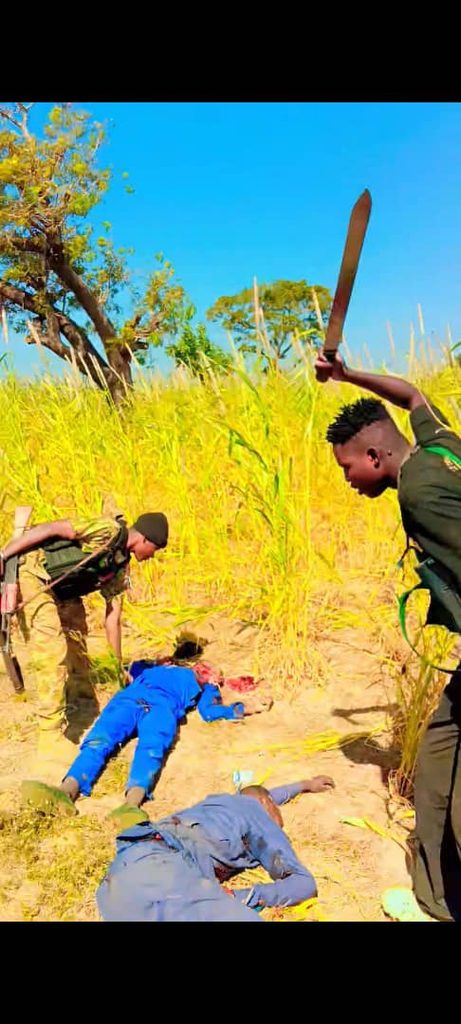
Personnel of the Hunters Group have repelled an attack by armed bandits on Dansadau community in Maru Local Government Area of Zamfara State, killing two of the attackers.
The incident occurred at about 10:30 a.m. on November 22, 2026, when a large group of armed bandits launched an attack on the community.
Hunters Group personnel stationed in Dansadau engaged the attackers in a gun battle and successfully repelled the assault.

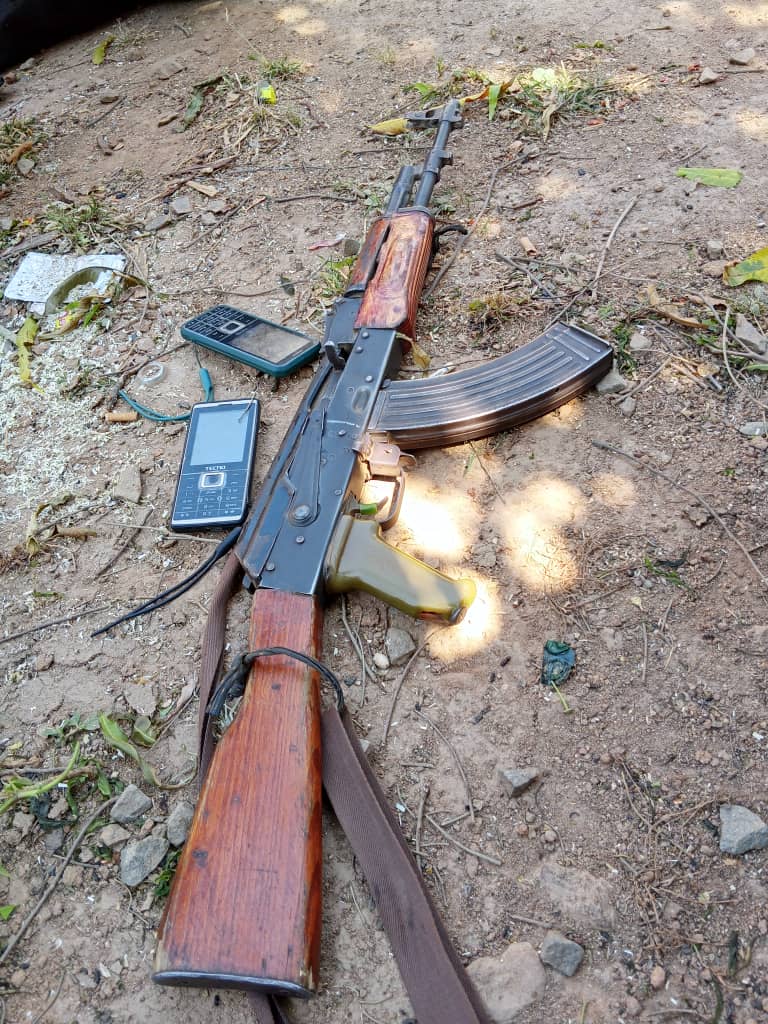
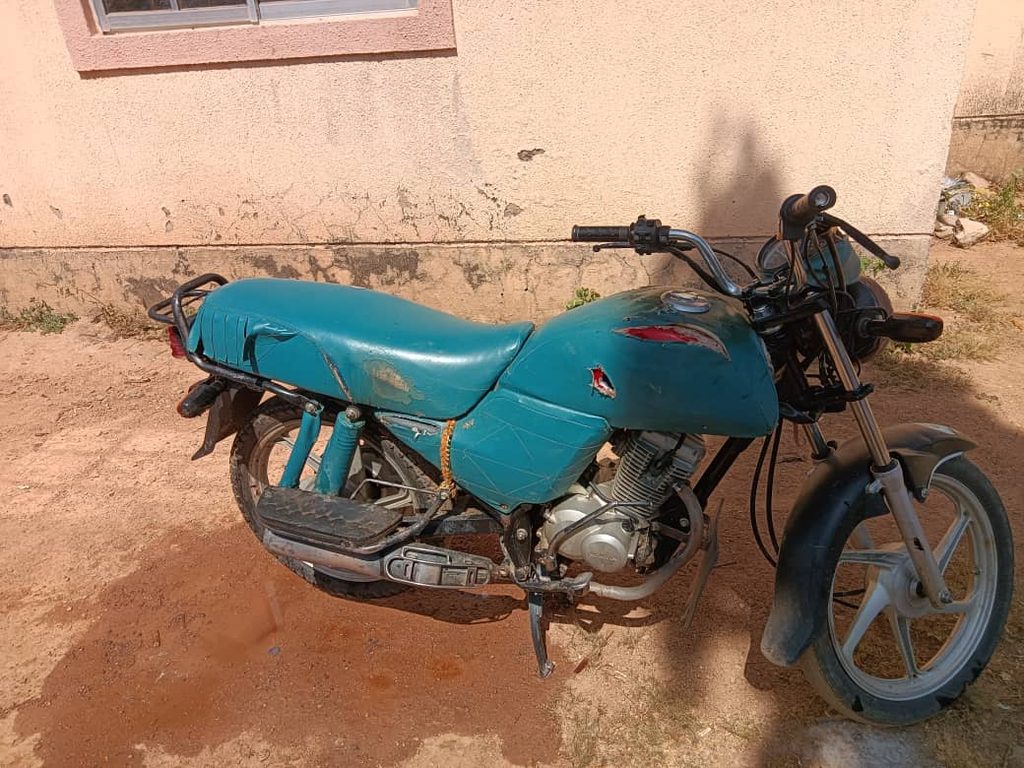
Two bandits were reportedly neutralised during the encounter, while the personnel recovered one AK-47 rifle, a motorcycle and a mobile phone.
However, the encounter claimed the life of one Hunters Group personnel, who was killed in action.
The successful defence of the community prevented the attackers from overrunning the area, while security personnel continued efforts to maintain security in the general area.
Hunters Repel Bandits’ Attack on Zamfara Community, Two Gunmen Killed, Personnel Dies
Uncategorized
SOJA Demands Release of Journalist Daniel Ojukwu, Seeks Review of Cybercrimes Act, Criminal Defamation Laws
SOJA Demands Release of Journalist Daniel Ojukwu, Seeks Review of Cybercrimes Act, Criminal Defamation Laws
By: Michael Mike
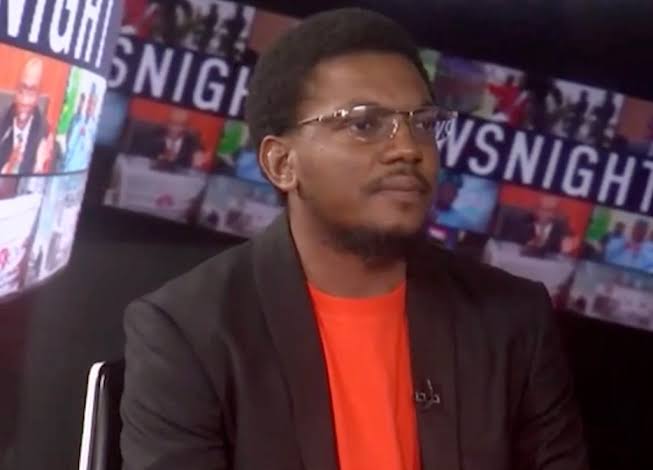
Speak Out for Justice Advocacy Ltd/Gte (SOJA) has demanded the immediate and unconditional release of investigative journalist Daniel Ojukwu, urging the Federal Government to review the Cybercrimes Act and other criminal laws allegedly being used to suppress freedom of expression and public-interest journalism.
Ojukwu, a journalist with the Foundation for Investigative Journalism (FIJ), was remanded at the Kuje Correctional Centre, Abuja, following his arraignment on November 10, 2026, over allegations of cyberstalking and criminal defamation arising from his journalistic work.
In a press statement on Thursday, SOJA’s Founder and Executive Director, Hameed Ajibola Jimoh, described Ojukwu’s detention as a troubling development for press freedom and called for the discontinuation of criminal proceedings arising from legitimate investigative journalism.
The organisation aligned itself with Avocats Sans Frontières France (ASF France) and other press-freedom groups advocating Ojukwu’s unconditional release, warning against the use of criminal laws to intimidate journalists investigating public expenditure, government activities and alleged wrongdoing.
“A journalist’s investigation into public resources is not, without more, a criminal enterprise. It is an essential component of democratic accountability,” SOJA said.
While acknowledging the judiciary’s independence, the presumption of innocence and the legitimate responsibility of government to protect reputation, privacy and security, the organisation argued that such interests should not be used to justify indiscriminate criminal prosecution of journalists for publications that question public officials or expose alleged misconduct.
SOJA said Nigeria’s constitutional guarantees of freedom of expression under Section 39 and the responsibility of the media to hold government accountable under Section 22 of the 1999 Constitution were reinforced by international human-rights instruments, including the International Covenant on Civil and Political Rights (ICCPR), the African Charter on Human and Peoples’ Rights and the Universal Declaration of Human Rights.
It maintained that restrictions on freedom of expression must satisfy the established three-part test of legality, legitimate purpose, and necessity and proportionality in a democratic society.
The group further outlined a five-step framework for assessing restrictions, requiring that they be clearly prescribed by law, pursue a legitimate objective, respond to a pressing social need, constitute the least restrictive measure available and be reasonably suited to achieving the intended purpose.
According to SOJA, criminal provisions that are vague, overly broad or disproportionately enforced against investigative journalism risk undermining constitutional freedoms and creating a chilling effect on journalists and citizens seeking to expose wrongdoing.
Citing the United Nations Human Rights Committee’s General Comment No. 34, the organisation said international standards encouraged the decriminalisation of defamation and rejected imprisonment as an appropriate punishment for defamation.
It also referenced the African Commission on Human and Peoples’ Rights’ 2019 Declaration of Principles on Freedom of Expression and Access to Information in Africa, which requires restrictions on expression to be clear, precise, accessible and foreseeable, with safeguards against abuse.
On the Cybercrimes Act, SOJA recalled the 2022 judgment of the ECOWAS Court of Justice in Registered Trustees of SERAP v. Federal Republic of Nigeria, which found the former Section 24 inconsistent with human-rights protections and directed Nigeria to amend the provision.
Although Section 24 was subsequently amended in 2024, the organisation said concerns over its interpretation and enforcement remained, warning that the amended provision could still be abused to target public-interest journalism, criticism and civic participation.
SOJA also called for a broader review of criminal defamation provisions under the Criminal and Penal Codes, as well as other laws relating to false publication, sedition, insult, public mischief and disclosure of official information, which it said could be deployed to intimidate journalists and suppress legitimate expression.
It cited the experiences of several journalists, including Agba Jalingo, Gidado Yushau, Alfred Olufemi, Luke Binniyat, Mienpamo Onitsha, Chinonso Uba, Haruna Mohammed Salisu, Ahmed Isah Sakpe and Blessing Edet, as well as journalists of The Informant247, as examples underscoring the need for a comprehensive review of Nigeria’s legal framework on freedom of expression.
The organisation also expressed concern over the proceedings involving Ojukwu and FIJ founder, Fisayo Soyombo, insisting that the cases reflected broader challenges facing investigative journalism and digital rights in the country.
SOJA urged the Federal Government, National Assembly, Nigeria Police Force, Office of the Attorney-General of the Federation and other relevant institutions to ensure Ojukwu’s release, discontinue criminal proceedings linked to legitimate journalism and protect journalists from intimidation, arbitrary arrest and detention.
It also demanded a comprehensive and participatory review of the Cybercrimes Act, particularly Section 24, alongside the decriminalisation of defamation and the adoption of civil remedies for reputational disputes.
The group called for safeguards against the misuse of police powers to settle private disputes or silence criticism, as well as continuous training for judges, prosecutors and law-enforcement officers on freedom of expression, digital rights and the protection of journalists.
SOJA said freedom of expression was not a privilege granted by government but a fundamental right, warning that the protection of reputation and public order should not become justification for suppressing legitimate criticism.
“The Cybercrimes Act must combat cybercrime, not criminalise journalism. Criminal laws must protect citizens, not silence them,” it said, adding that the public’s right to know must not be sacrificed to intolerance of scrutiny.
SOJA Demands Release of Journalist Daniel Ojukwu, Seeks Review of Cybercrimes Act, Criminal Defamation Laws
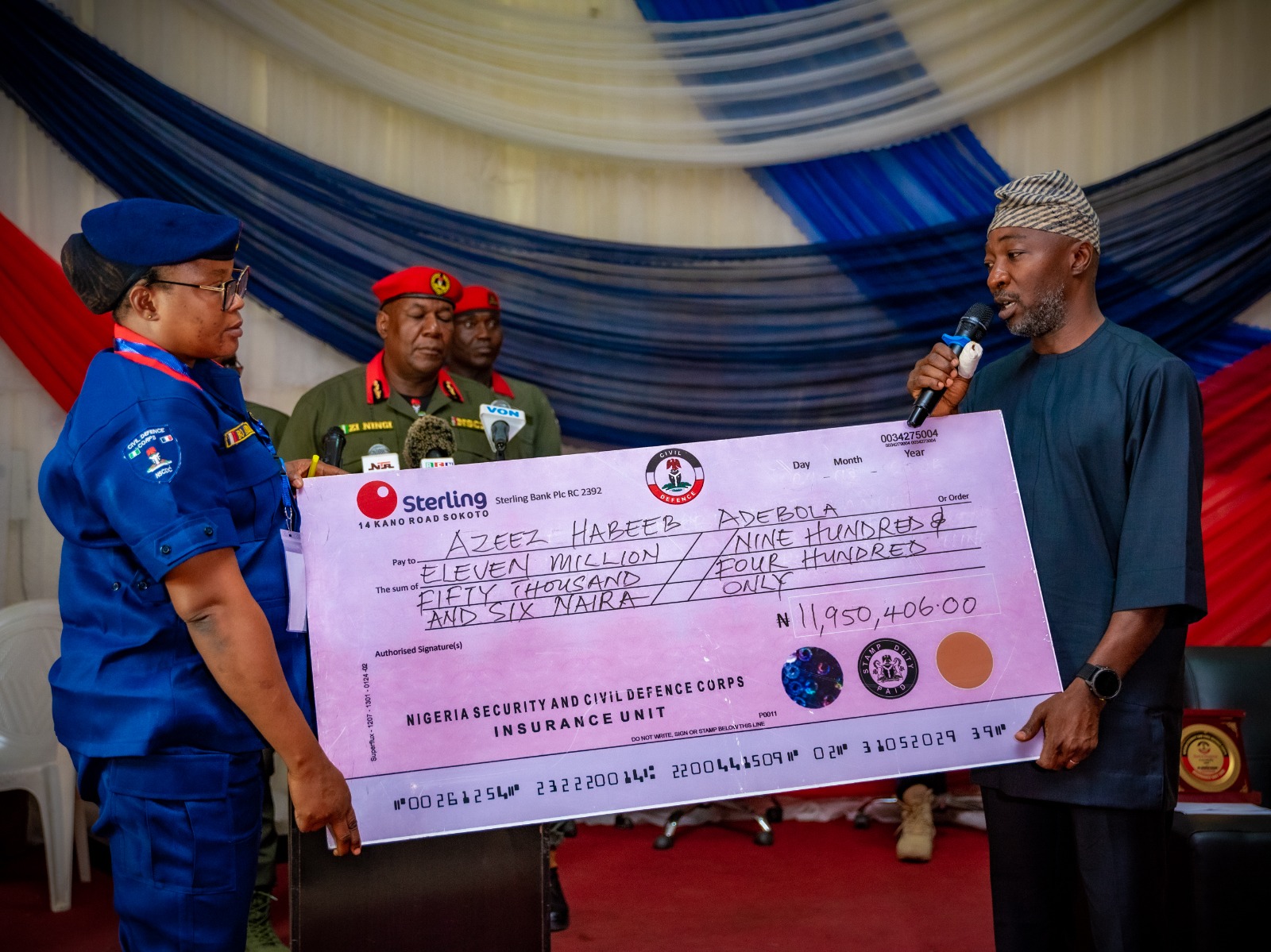
NSCDC CG Reaffirms Personnel Welfare Priority, Pays N87.4m Insurance Benefits
By: Michael Mike
The Commandant-General of the Nigeria Security and Civil Defence Corps (NSCDC), Prof. Ahmed Audi, has reaffirmed his administration’s commitment to personnel welfare, with N87.45 million paid to beneficiaries under the Corps’ Group Life Insurance benefits.
Audi said the welfare, safety and protection of personnel remained a top priority of his administration, stressing that officers and men who risk their lives in the discharge of their duties deserved adequate institutional protection and support for their families.
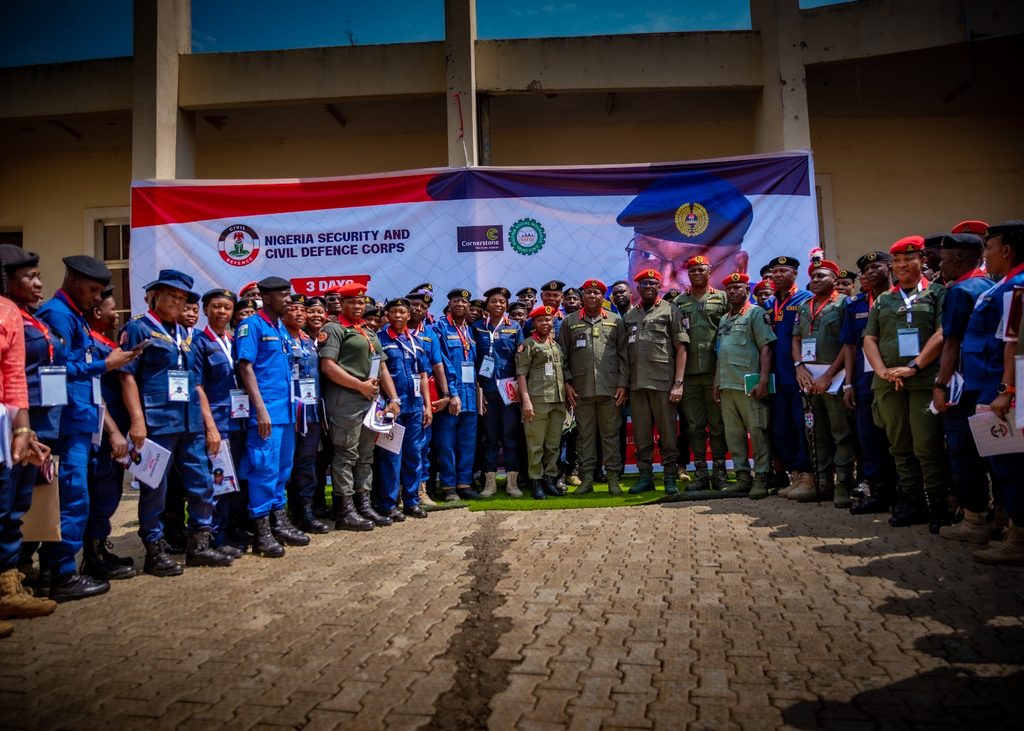
He stated this at the opening of a three-day sensitisation programme for insurance desk officers and personnel on the onboarding of NSCDC personnel onto the Employees’ Compensation Scheme (ECS), organised in collaboration with the Nigeria Social Insurance Trust Fund (NSITF).
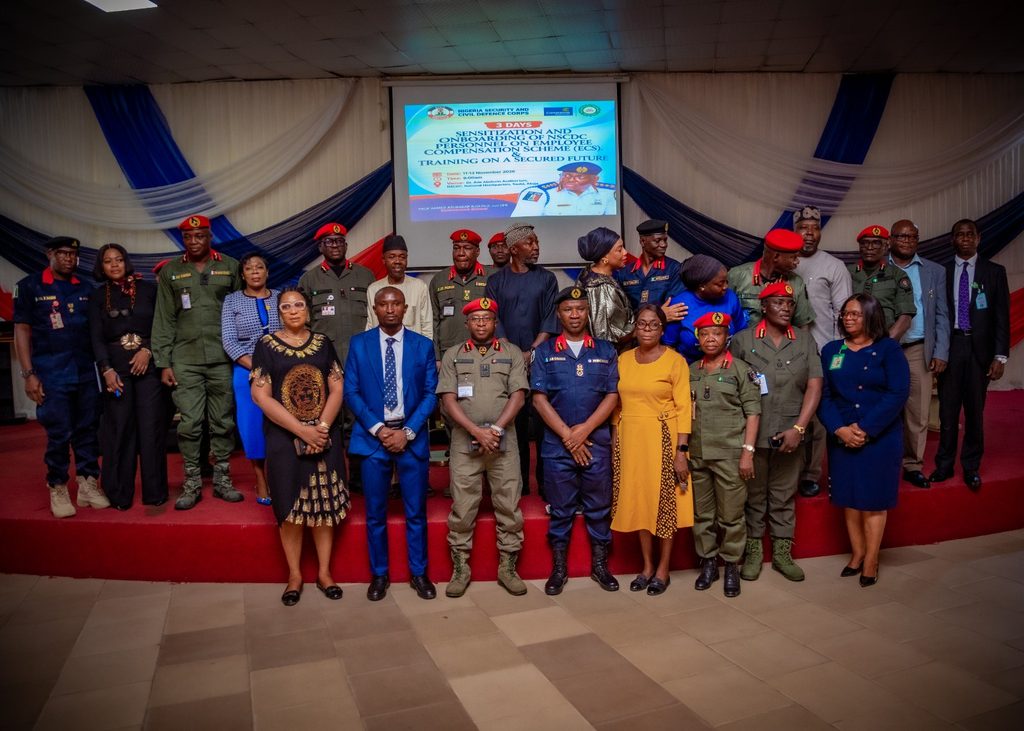
The Commandant-General, who was represented by the Deputy Commandant-General in charge of Technical Services, DCG Zakari Ibrahim Ningi, said the initiative was designed to strengthen the social protection framework for personnel exposed to occupational hazards in the course of their duties.
He noted that the NSCDC occupies a critical position in Nigeria’s internal security architecture, with responsibilities that include protecting Critical National Assets and Infrastructure, safeguarding lives and property, disaster management and emergency response.
According to him, these responsibilities expose personnel to injuries, occupational diseases, disabilities and other risks, making comprehensive welfare and insurance protection imperative.
Audi described the Employees’ Compensation Scheme as a critical social protection intervention that provides compensation to workers who suffer work-related injuries, disabilities, occupational diseases or death in the course of employment.
“Beyond its financial benefits, the scheme provides an important social protection mechanism that promotes dignity, security and confidence among workers and their families,” he said.
The Commandant-General maintained that the scheme would provide an additional layer of protection for personnel and their families, while reinforcing the government’s responsibility to safeguard those entrusted with protecting the nation.
In his remarks, the Managing Director of NSITF, Barr. Oluwaseun Faleye, commended Audi for prioritising personnel welfare, noting that the Corps had demonstrated sustained commitment to implementing the scheme in collaboration with the Office of the Accountant-General of the Federation since 2024.
Faleye said the collaboration reflected growing institutional recognition of the need to protect public servants against the financial and social consequences of workplace-related risks.
Earlier, the Deputy Commandant in charge of the NSCDC Insurance Unit, Dr. Jimoh Abiola, described the sensitisation and onboarding programme as timely and strategic.
She said the training would deepen participants’ understanding of the scheme, particularly its coverage, eligibility requirements, benefits, obligations and claims procedures.
Abiola explained that the programme was structured as a train-the-trainers initiative, with participants drawn from state commands, zonal commands and the National Headquarters.
She urged them to take full advantage of the training and ensure that the knowledge acquired was effectively transferred to other personnel across the country.
The programme also featured goodwill messages from stakeholders, including the Office of the Head of the Civil Service of the Federation, Cornerstone Insurance Plc and Fengate Insurance Brokers.
Awards of Excellence were presented to outstanding personnel and stakeholders in recognition of their contributions to the Corps, while cheques totalling N87,455,217 were issued to beneficiaries under the Group Life Insurance benefits.
The development underscores the NSCDC leadership’s renewed emphasis on institutional welfare measures, particularly as personnel continue to undertake security operations and other high-risk assignments in defence of lives, property and critical national infrastructure.
NSCDC CG Reaffirms Personnel Welfare Priority, Pays N87.4m Insurance Benefits

2027: ActionAid challenges INEC over voter register errors, result transparency

Troops Discover 4,858 Litres of Stolen Crude Oil, Illegal Refining Sites in Rivers

Troops Arrest Suspected Terrorist Collaborator in Monguno, Recover Phone, Cash

Roger Federer’s Shock as DNA Results Reveal Myla and Charlene Are Not His Biological Children

THE PLIGHT OF FARIDA

FAILED COUP IN BURKINA FASO: HOW TRAORÉ NARROWLY ESCAPED ASSASSINATION PLOT AMID FOREIGN INTERFERENCE CLAIMS
-
 News3 years ago
Roger Federer’s Shock as DNA Results Reveal Myla and Charlene Are Not His Biological Children
-
Opinions5 years ago
THE PLIGHT OF FARIDA
-
 News2 years ago
FAILED COUP IN BURKINA FASO: HOW TRAORÉ NARROWLY ESCAPED ASSASSINATION PLOT AMID FOREIGN INTERFERENCE CLAIMS
-
 Opinions5 years ago
POLICE CHARGE ROOMS, A MINTING PRESS
-

 News3 years ago
EYN: Rev. Billi, Distortion of History, and The Living Tamarind Tree
-

 ACADEMICS3 years ago
A History of Biu” (2015) and The Lingering Bura-Pabir Question (1)
-

 Columns3 years ago
Army University Biu: There is certain interest, but certainly not from Borno.
-

 Politics1 year ago
2027: Why Hon. Midala Balami Must Go, as Youths in Hawul and Asikira/Uba Federal Constituency Reject ₦500,000 as Sallah Gift
