
News
APC E-Registration: Ambassador Jidda Leads Committee to Bama, Konduga to Strengthen Party Base

APC E-Registration: Ambassador Jidda Leads Committee to Bama, Konduga to Strengthen Party Base
By: Michael Mike
The Chairman of the All Progressives Congress (APC) E-Registration and Reconciliation Committee in Borno State, Ambassador Baba Ahmad Jidda has led a high-powered delegation on a working visit to Bama and Konduga Local Government Areas as part of efforts to deepen grassroots participation in the party’s ongoing electronic registration exercise.
The tour, aimed at monitoring progress and galvanising party members, brought the committee into direct engagement with local government officials, lawmakers, traditional institutions, and party executives across the two councils.
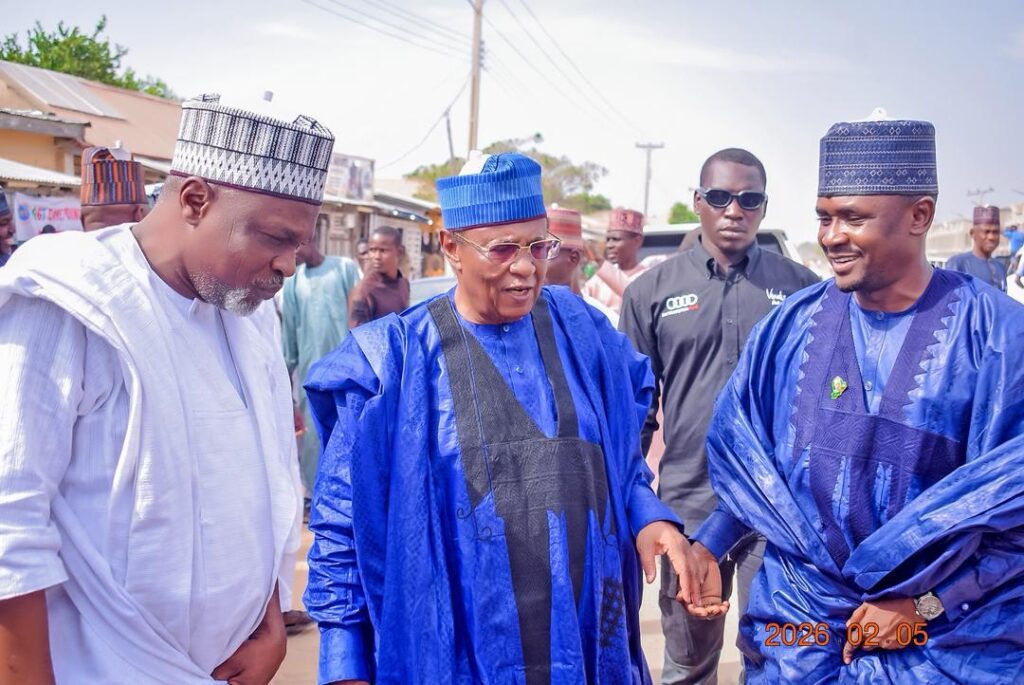
Members of the committee on the visit included Hon. Tijjani Umara Kumalia, Mohammed Makinta, Hon. Busami Ardoram, Hon. Babakura Shettima, Hon. Mohd Maina Tar, Hajiya Mairo Bunu Lawan, Alh. Zanna Mahdi, Alh. Yusuf Adamu, Barrister Ba’ande Imam, and the committee’s Secretary, Dr. Babakura Mamman Gadai.
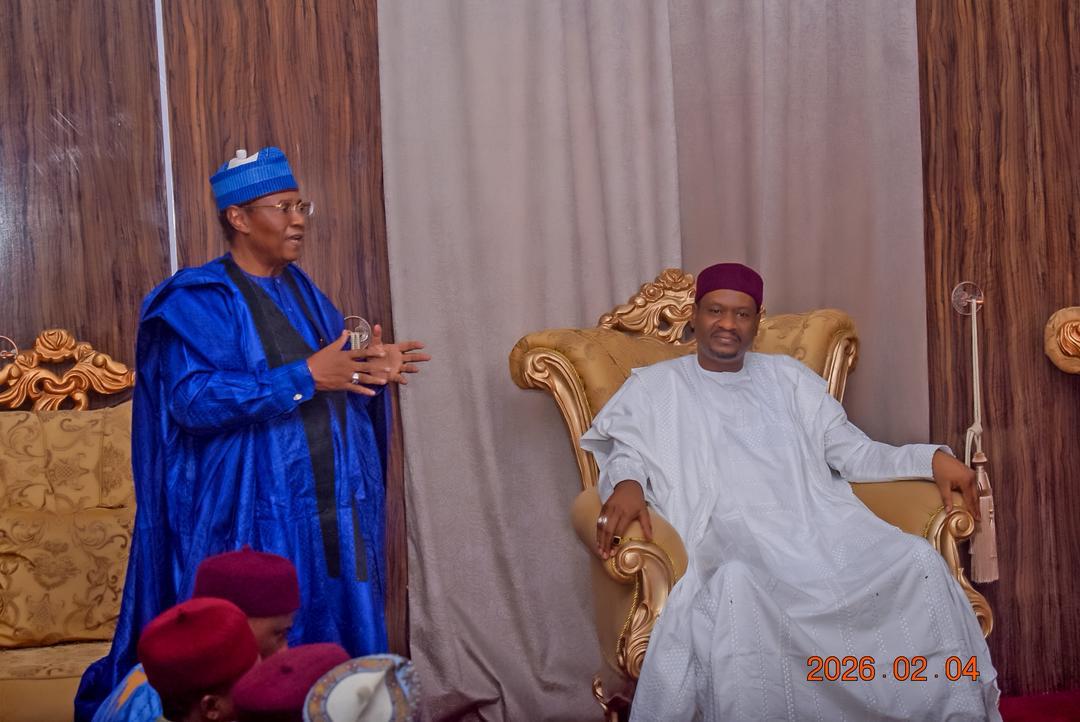
In Bama, the delegation paid a courtesy visit to the Shehu of Bama, His Royal Highness Alhaji Dr. Shehu Umar Ibn Kyari, where Ambassador Jidda expressed appreciation for the traditional ruler’s support and the warm reception accorded the team. He described Bama as a community with which he shares deep personal and political ties.
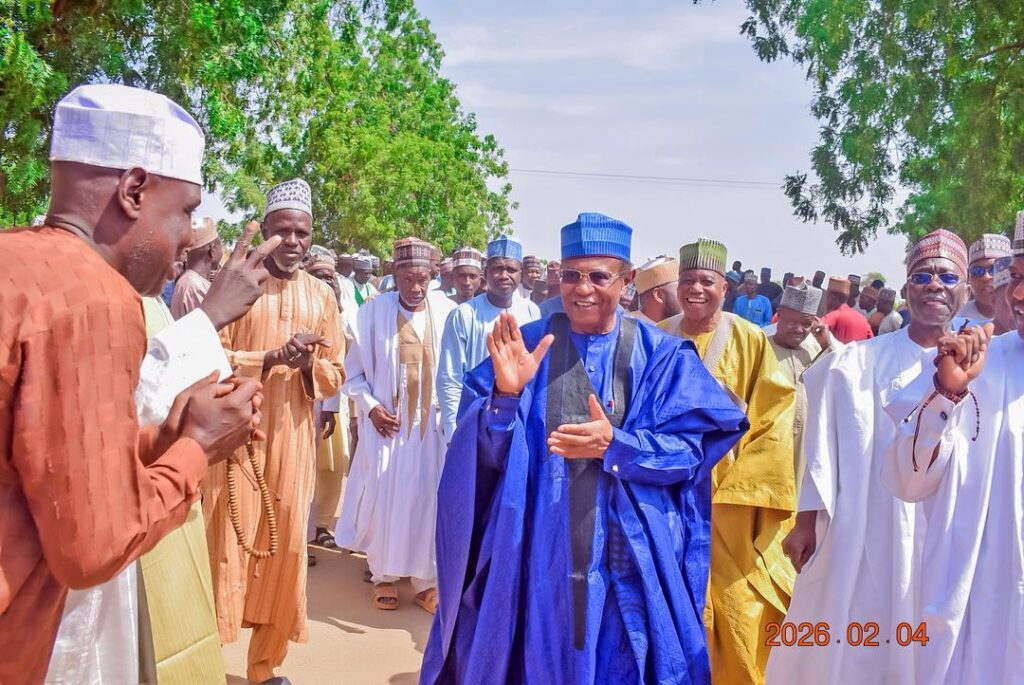
Addressing party leaders and stakeholders at the Bama Government Lodge, Ambassador Jidda recalled the overwhelming support he received from the people of Bama during the 1999 governorship election, describing it as a testament to the area’s enduring commitment to progressive politics.
He reaffirmed that Borno remains a stronghold of the APC, noting that the party’s decisive victories in the 2023 general elections reflected unity, discipline, and effective leadership within the party. According to him, the leadership of Vice President Kashim Shettima, GCON, and Governor Babagana Umara Zulum, mni, has been instrumental in sustaining the party’s dominance and credibility in the state.
Ambassador Jidda emphasised that the ongoing e-registration exercise is a strategic political process that goes beyond record-keeping, explaining that it determines legitimate membership, internal participation, and eligibility for leadership and elective positions within the party.
Speaking on behalf of stakeholders in Bama, Hon. Aji Kolo Ali Gujja, the Matawali of Bama, urged party members to take full advantage of the exercise and ensure total participation. The Chairman of Bama Local Government Area, Hon. Babagana Bagados, also assured the committee of the council’s full support to guarantee a smooth and inclusive registration process.
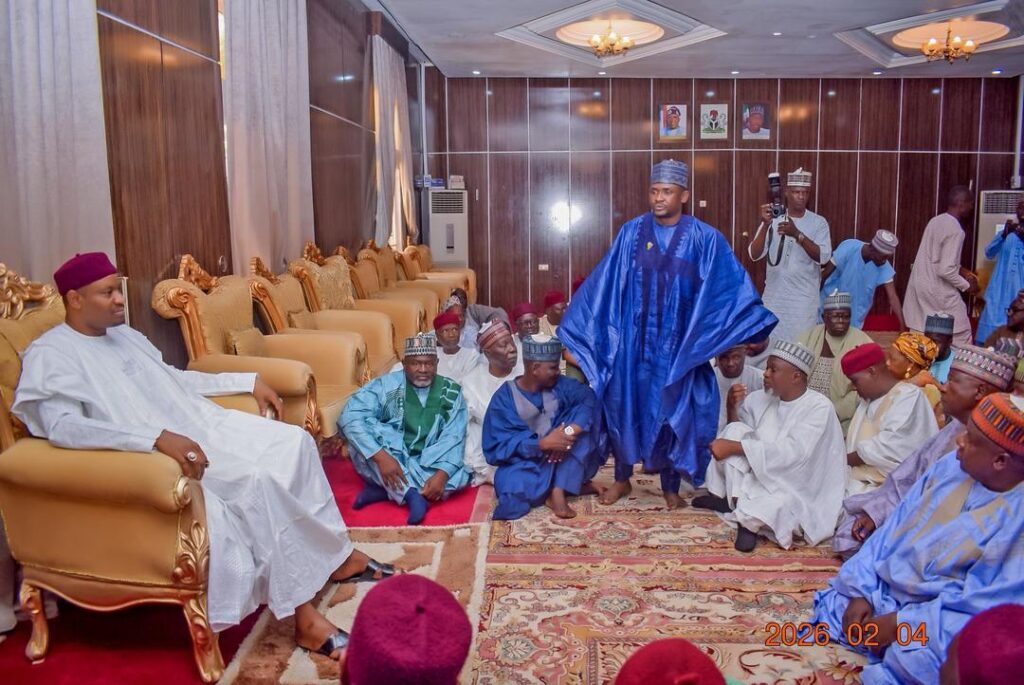
In Konduga Local Government Area, the committee was received by the council chairman, Dr. Abba Saje Mohd Nur, the area’s representative in the Borno State House of Assembly, and the Executive Secretary of the Borno ICT Development Agency, Hon. Engr. Kabir Wanori, alongside other party stakeholders.
The delegation inspected the APC e-registration centre in the area and expressed satisfaction with the level of coordination and turnout recorded. Local party leaders pledged continued mobilisation to ensure that all eligible members are captured before the close of the exercise.
Ambassador Jidda described the extension of the e-registration exercise as a critical opportunity for APC members in Borno State to reaffirm their loyalty, unity, and numerical strength. He called on ward, local government, and zonal leaders, as well as youth and women groups, to intensify grassroots mobilisation ahead of the February 8 deadline.
He assured party members of a transparent, inclusive, and credible process, urging all APC supporters to participate fully and contribute to strengthening the party’s structure from the grassroots level.
APC E-Registration: Ambassador Jidda Leads Committee to Bama, Konduga to Strengthen Party Base


News
Miyetti Allah President Bello Bodejo Pleads Not Guilty to $2.63 Million Money Laundering, Terrorism Financing Charges
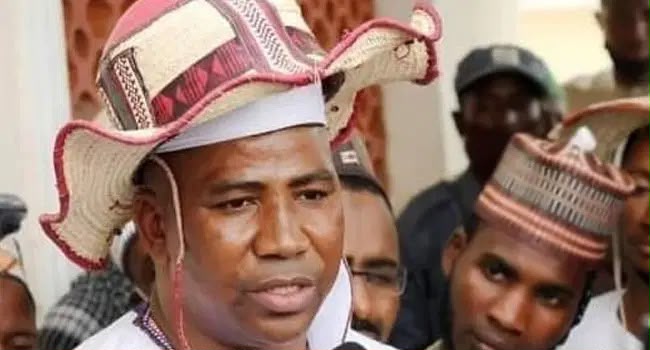
Miyetti Allah President Bello Bodejo Pleads Not Guilty to $2.63 Million Money Laundering, Terrorism Financing Charges
By Zagazola Makama
The National President of Miyetti Allah Kautal Hore, Bello Bodejo, on Thursday pleaded not guilty to a 12-count charge bordering on alleged money laundering and terrorism financing before the Federal High Court in Abuja.
Bodejo was arraigned by the Economic and Financial Crimes Commission (EFCC) before Justice Inyang Ekwo over allegations involving the laundering of 2.63 million dollars.
The anti-graft agency also accused the Miyetti Allah leader of financing terrorism.
At the commencement of proceedings, EFCC counsel informed the court that the matter was scheduled for the defendant to take his plea on the charges.
Counsel to the defendant, Ahmed Raji, SAN, did not oppose the application.
After the 12-count charge was read to him, Bodejo pleaded not guilty to all the counts.
Following the plea, the court adjourned the matter for further proceedings in accordance with the law.
Miyetti Allah President Bello Bodejo Pleads Not Guilty to $2.63 Million Money Laundering, Terrorism Financing Charges
News
Africa Moves to Capture Trillions in Carbon Finance, Trains Diplomats for Global Climate Market Negotiations
Africa Moves to Capture Trillions in Carbon Finance, Trains Diplomats for Global Climate Market Negotiations
…AU, ACBF equip over 80 ambassadors and senior diplomats as continent pushes for bigger share of carbon trading under Paris Agreement
By: Michael Mike
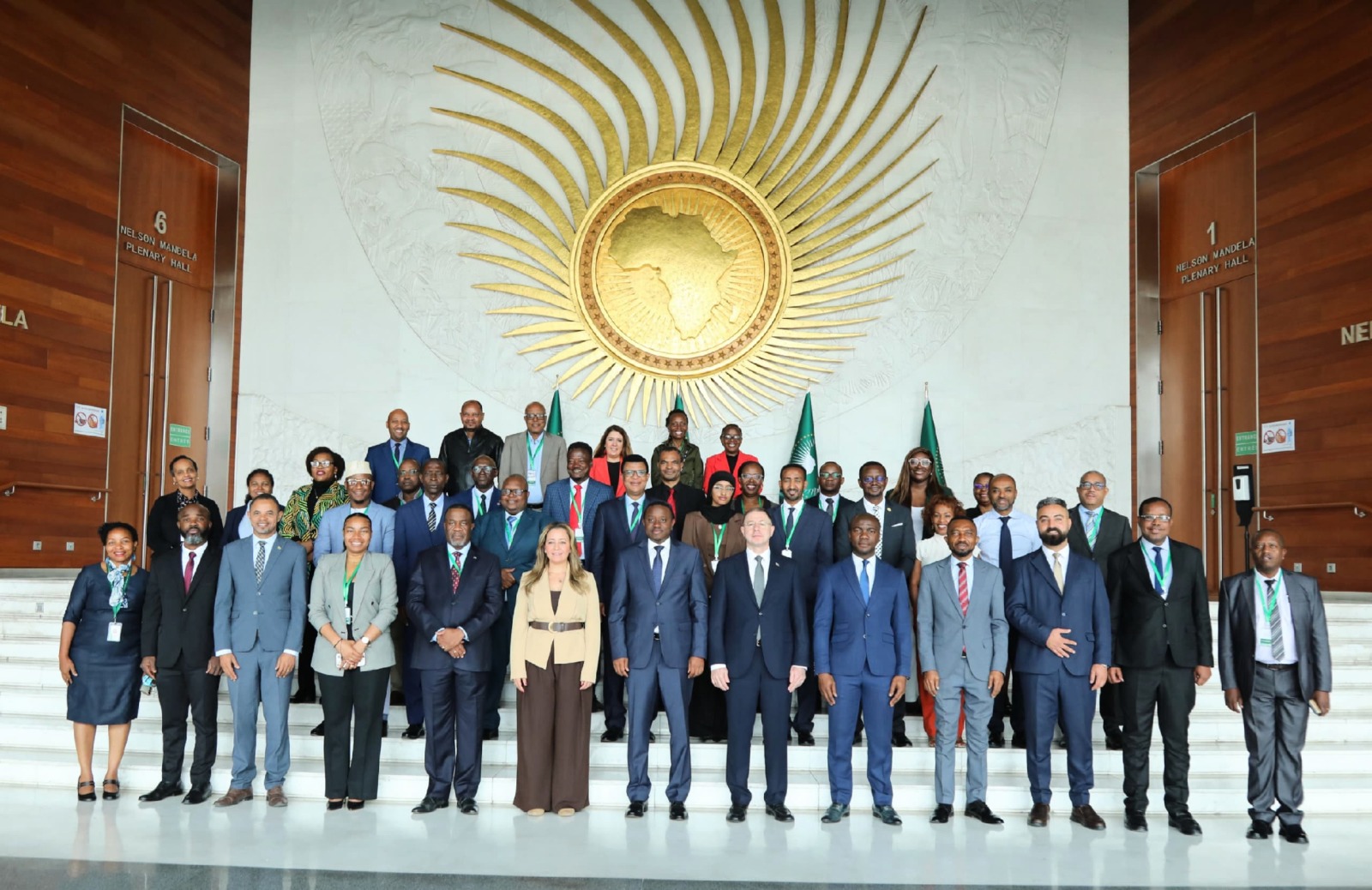
The African Union (AU) and the African Capacity Building Foundation (ACBF) have begun preparing African diplomats for what could become one of the continent’s biggest climate financing opportunities, training more than 80 ambassadors, senior diplomats and policy experts to negotiate a stronger African position in the rapidly expanding global carbon market.
The high-level training, held at the AU headquarters in Addis Ababa, Ethiopia, marks a major step in implementing the Africa Action Plan on Carbon Markets, adopted by the AU Assembly in 2025 to ensure African countries derive greater economic and environmental benefits from international carbon trading.
The initiative comes as decisions reached under Article 6 of the Paris Agreement at the COP29 climate conference in Baku, Azerbaijan, are expected to significantly expand global carbon markets, potentially unlocking billions of dollars in climate finance for developing countries, including those in Africa.
According to a statement signed by Fatou Diouf, Head of Communications and Influencing at the African Capacity Building Foundation, the seminar aimed to strengthen the technical and negotiating capacity of African diplomats ahead of increasingly complex international climate negotiations.
Speaking during the programme, AU Commissioner for Agriculture, Rural Development, Blue Economy and Sustainable Environment, Moses Vilakati, stressed that Africa must pursue a coordinated continental strategy.
“Our collective approach must continue to be guided by our continental frameworks,” Vilakati said.
He emphasised that strong governance, transparency, free, prior and informed consent, and legally enforceable benefit-sharing mechanisms are critical to ensuring carbon markets generate tangible benefits for African countries and local communities rather than external investors alone.
Participants explored African-led carbon credit projects, examined the differences between compliance and voluntary carbon markets, and studied international regulatory models, including the European Union’s Emissions Trading System, to identify best practices adaptable across the continent.
Discussions also focused on safeguarding community rights, ensuring environmental integrity and directing carbon revenues towards climate adaptation, sustainable development and local economic growth.
Special Adviser to the ACBF Executive Secretary and Head of the Foundation’s AU Liaison Office, Ambassador Laho Bangoura, said Africa must invest in human capacity if it is to maximise emerging opportunities in climate finance.
“As climate finance becomes increasingly central to Africa’s development agenda, capacity development must remain at the heart of our response,” Bangoura said.
Organisers noted that a better-equipped diplomatic corps would enable African countries to negotiate more effectively, speak with one voice and secure fairer outcomes as global demand for high-quality carbon credits continues to rise.
The training received support from the Government of Azerbaijan through the Azerbaijan International Development Agency (AIDA), reflecting growing international collaboration on climate action and sustainable development.
Carbon markets allow countries and companies to buy and sell carbon credits generated from activities that reduce or remove greenhouse gas emissions, such as forest conservation, renewable energy projects and sustainable land management. Africa possesses vast carbon sequestration potential through its forests, wetlands and renewable energy resources but currently accounts for only a small fraction of the global carbon market.
Experts believe that with stronger regulatory frameworks, improved governance and enhanced negotiating capacity, African countries could attract billions of dollars annually in climate finance while advancing environmental protection, job creation and sustainable development. The AU’s Action Plan seeks to ensure that Africa is not merely a supplier of carbon credits but a key beneficiary of the growing global carbon economy.
Africa Moves to Capture Trillions in Carbon Finance, Trains Diplomats for Global Climate Market Negotiations

Centre lauds Kaduna Govt over life skills, gender education policies approval
By Aisha Gambo
The Centre for Girls’ Education (CGE) has commended the Kaduna State Executive Council for approving the Kaduna State Life Skills Policy and the State Policy on Gender in Education (SPGE 2026–2030).
The Executive Director of the organisation, Habiba Mohammed, made this known in a statement issued on Wednesday in Kaduna.
She said the approval marked a transition from donor-supported, time-bound interventions to a sustainable, government-led framework for delivering life skills education and promoting gender equity in schools.
According to her, the Life Skills Policy will equip young people with the knowledge, skills, attitudes and values required to succeed in education, employment and life, while the Gender in Education Policy providzbves a framework to promote equity, inclusion, participation, retention, completion and improved learning outcomes.
“The approval moves life skills and gender equity from the margins of the classroom into the core of Kaduna State’s education system,” she said.
Mohammed said CGE contributed to the development and validation of the policies through its system-strengthening project supported by Co-Impact, OASIS Initiative and the Malala Fund, in collaboration with the Adolescent Girls Initiative for Learning and Empowerment (AGILE) and the Kaduna State Ministry of Education.
She said the policies built on more than 18 years of the organisation’s Safe Space model, which independent evaluations showed had helped reduce child marriage, increase school enrolment and delay early marriage.
According to her, the AGILE programme in Kaduna has reached more than 127,319 girls and 6,250 boys between the ages of 14 and 18, while over 1,400 female and male teachers have been trained as mentors.
She added that institutionalising the model through public policy would ensure that life skills education became a permanent component of the state’s education system.
Mohammed said the policies would address barriers to school access, retention and completion, particularly for girls and other vulnerable learners.
She added that they would also institutionalise life skills as a co-curricular programme, strengthen evidence-based decision-making across the state’s 23 local government areas and guarantee continuity beyond donor-funded programmes.
The executive director commended Gov. Uba Sani for providing the leadership that made the policy approval possible.
She also appreciated the Commissioner for Education, Prof. Abubakar Sani Sambo, the Kaduna State Ministry of Education, the AGILE State Project Implementation Unit, the World Bank and other stakeholders for their contributions to the process.
Mohammed reaffirmed CGE’s commitment to supporting the Kaduna State Government with technical assistance during the implementation phase, including teacher training, gender-responsive education sector budgeting and monitoring.
She said the ultimate goal was to ensure that every girl and boy in Kaduna State had the opportunity to learn, develop and thrive.
Centre lauds Kaduna Govt over life skills, gender education policies approval

Miyetti Allah President Bello Bodejo Pleads Not Guilty to $2.63 Million Money Laundering, Terrorism Financing Charges

Africa Moves to Capture Trillions in Carbon Finance, Trains Diplomats for Global Climate Market Negotiations

Centre lauds Kaduna Govt over life skills, gender education policies approval

Roger Federer’s Shock as DNA Results Reveal Myla and Charlene Are Not His Biological Children

THE PLIGHT OF FARIDA

FAILED COUP IN BURKINA FASO: HOW TRAORÉ NARROWLY ESCAPED ASSASSINATION PLOT AMID FOREIGN INTERFERENCE CLAIMS
-
 News2 years ago
Roger Federer’s Shock as DNA Results Reveal Myla and Charlene Are Not His Biological Children
-
Opinions4 years ago
THE PLIGHT OF FARIDA
-
 News1 year ago
FAILED COUP IN BURKINA FASO: HOW TRAORÉ NARROWLY ESCAPED ASSASSINATION PLOT AMID FOREIGN INTERFERENCE CLAIMS
-

 News2 years ago
EYN: Rev. Billi, Distortion of History, and The Living Tamarind Tree
-
 Opinions5 years ago
POLICE CHARGE ROOMS, A MINTING PRESS
-

 ACADEMICS2 years ago
A History of Biu” (2015) and The Lingering Bura-Pabir Question (1)
-

 Columns2 years ago
Army University Biu: There is certain interest, but certainly not from Borno.
-

 Politics1 year ago
2027: Why Hon. Midala Balami Must Go, as Youths in Hawul and Asikira/Uba Federal Constituency Reject ₦500,000 as Sallah Gift
