
News
Nigeria, Netherlands Forge Stronger Pact to Combat Human Trafficking

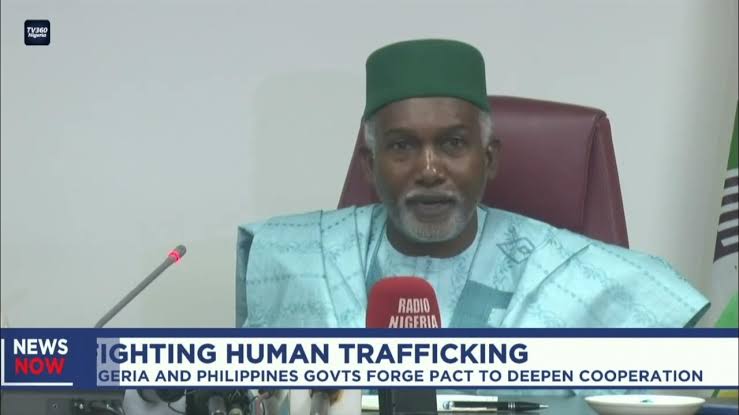
Nigeria, Netherlands Forge Stronger Pact to Combat Human Trafficking
By: Michael Mike
Nigeria and the Kingdom of the Netherlands have stepped up joint efforts to dismantle human trafficking networks, as senior officials from both countries met in Abuja to review progress under the TIPVAP NG project — an initiative aimed at building a safer environment free from trafficking in persons and violence against vulnerable groups.
The Second project Steering Meeting was organized by the International Centre for Migration Policy Development (ICMPD) in partnership with NAPTIP, with support from the Ministry of Asylum and Migration of the Kingdom of the Netherlands under the Building and Environment Free of Human Trafficking and Violence Against Persons in Nigeria (TIPVAP NG) project
It was attended by a delegation from the Netherlands led by Victor Cramer, the Deputy Director General, Ministry of Asylum and Migration, Ms Isabelle Wolfsgruber, Nigeria Head of Office, Official of NAPTIP, led by the Director General, Binta Bello, Focal Persons from the relevant MDAs, and other Stakeholders.
At the heart of discussions was the Justice and Security Migration Partnership Programme, which officials described as a critical instrument for reinforcing Nigeria’s legal and institutional response to trafficking and violence.
Director-General of NAPTIP, Binta Bello, said the partnership has begun to produce measurable gains in investigations, prosecutions, and victim support services across selected states, including Benue, Delta, Edo, Enugu, Ogun and the Federal Capital Territory.
She noted that beyond enforcement, the initiative focuses on improving operational procedures, strengthening inter-agency collaboration, and deepening public awareness to prevent trafficking at its roots.
According to her, the Project Steering Committee serves as the programme’s highest oversight body, ensuring accountability, strategic direction, and alignment with both national priorities and international standards.
Bello emphasised that sustained international cooperation remains essential, particularly as trafficking networks continue to evolve and operate across borders. She called for renewed commitment to a victim-centred and rights-based approach that prioritises the protection and dignity of survivors.
Leader of the Dutch delegation, Victor Cramer, described Nigeria as a key partner in addressing irregular migration and trafficking flows between West Africa and Europe.
He pointed to data showing that Nigerian nationals remain significantly represented among trafficking victims identified in the Netherlands, especially in cases involving sexual exploitation and forced criminality. This reality, he said, underscores the need for coordinated prevention, protection and prosecution strategies.
Cramer commended Nigerian authorities for their commitment and stressed that stronger capacity building and intelligence-sharing would help reduce dangerous migration pathways exploited by criminal syndicates.
ICMPD’s Nigeria Head of Office, Isabelle Wolfsgruber, said the TIPVAP NG project is central to strengthening coordination between federal and state institutions under NAPTIP’s leadership. She highlighted the importance of awareness campaigns that equip communities with knowledge about trafficking risks and deceptive recruitment tactics.
Wolfsgruber added that the programme is designed not merely around activities, but around measurable outcomes — ensuring that institutional reforms translate into real protection for vulnerable persons.
The meeting ended with a renewed pledge by Nigeria, the Netherlands and ICMPD to deepen collaboration, strengthen institutional capacity, and sustain a coordinated national response against human trafficking and violence.
For both countries, officials agreed, the fight against trafficking is not only a security priority but also a shared humanitarian responsibility — one that demands persistence, partnership and people-focused solutions.
Nigeria, Netherlands Forge Stronger Pact to Combat Human Trafficking


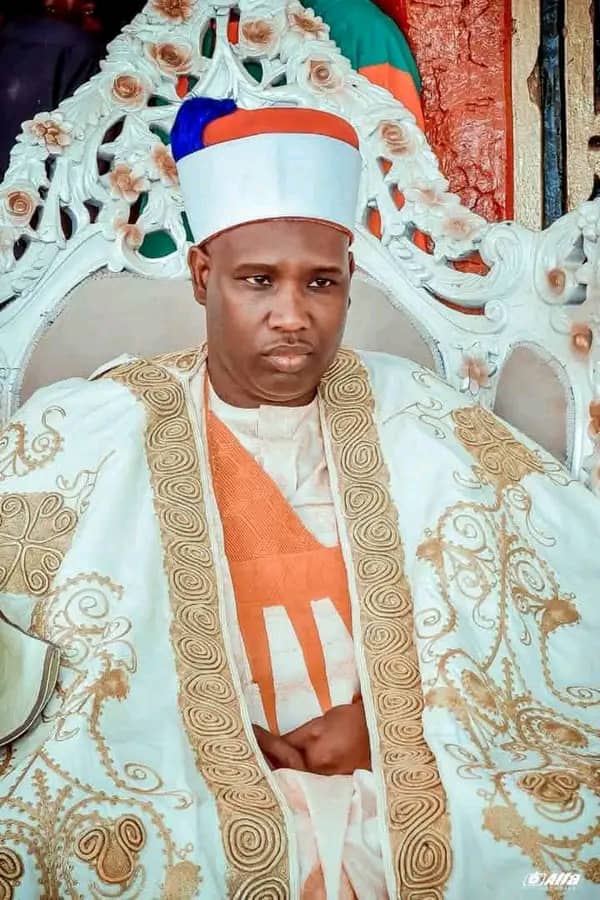
Emir of Tikau commends the foundation for its people-oriented project in Yobe.
By: Yahaya Wakili
His Royal Highness, the Emir of Tikau, Alhaji Abubakar Muhammadu Ibn Grema II, PhD, has commended the Alminnah Charitable Foundation for executing the people-oriented giant project in the emirate.
Dr. Abubakar Muhammadu Ibn Grema II made the commendation today while commissioning the new Juma’at Mosque at Dugum in the Watinane district of the Nangere local government area of Yobe State.
He said, “Actually, we have nothing to say. We say Alhamdulila; thank you for everything you have done.” The mosque was named after the late emir of Tikau, Alhaji Muhammadu Abubakar Ibn Grema.
Adding to that, they are looking forward to still partnering with you to bring more of this kind of project to our communities.
The royal father maintained that, and inshallah, we are going to collaborate and lease with you to bring all the necessary development immediately to our community.
“We know that you have brought many things, such as boreholes, and a lot of educational support to our citizens,” the emir added.
Emir of Tikau commends the foundation for its people-oriented project in Yobe.

Troops Rescue 16 Kidnap Victims, Including Four Children, in Kogi
By Zagazola Makama
Security forces have rescued 16 kidnapped victims, including four children, following an operation against suspected bandits in Dekina Local Government Area of Kogi State.
The victims were kidnapped on Aug. 9 when suspected bandits attacked commuters along the Ojuwo-Ajengo-Memarebo and Ojiwo-Itobe roads in Ofu Local Government Area.

According Intelligence sources, information received at about 11:30 a.m. on Aug. 10 indicated that the victims had been sighted around Adumu community in Dekina.
Following the intelligence, troops of 21 Battalion and personnel of Nigerian Navy Ship (NNS) Lugard, in conjunction with the Nigeria Police, local vigilantes and Hybrid Forces, launched a search-and-rescue operation in the area.

The security forces eventually made contact with the suspected kidnappers and engaged them in a gun battle, forcing the criminals to abandon the victims and flee into the surrounding area.
The encounter, however, resulted in the death of one member of the Hybrid Forces, while a police personnel sustained injuries.
The rescued victims comprised six males, six females and four children.
The victims have been taken into the custody of the Nigeria Police, Ajaokuta Division, for further action, while security forces continue efforts to track down the fleeing kidnappers.
Troops Rescue 16 Kidnap Victims, Including Four Children, in Kogi
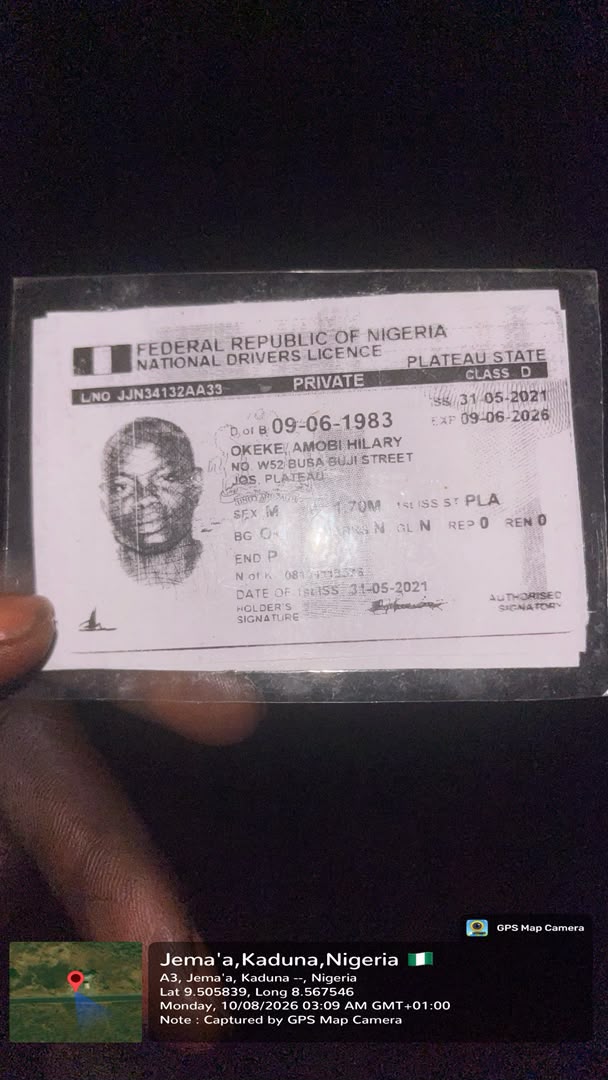
Troops Rescue Kidnap Victim, Pursue Suspects in Plateau
By Zagazola Makama
Troops of Sector 6, Operation ENDURING PEACE (OPEP), have rescued a suspected kidnap victim following an attack on a vehicle in Riyom Local Government Area of Plateau.
The incident occurred at about 1:30 a.m. on Aug. 10 along the Angwan Boka-Forest axis in Riyom, according to a security report.
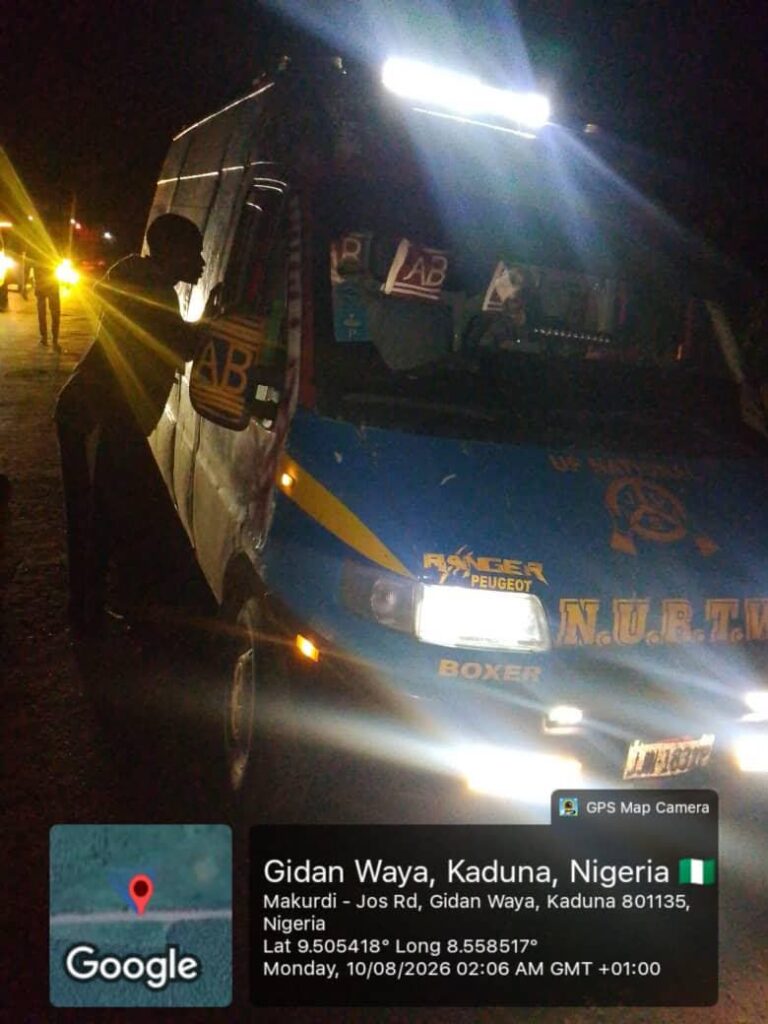
Troops deployed at SOPP responded to information on the activities of suspected kidnappers who had blocked a blue J5 vehicle with registration number JJN 183 XP.
Upon arrival at the location, the troops established contact with the suspected kidnappers and launched a pursuit, mounting sustained pressure on the criminals.
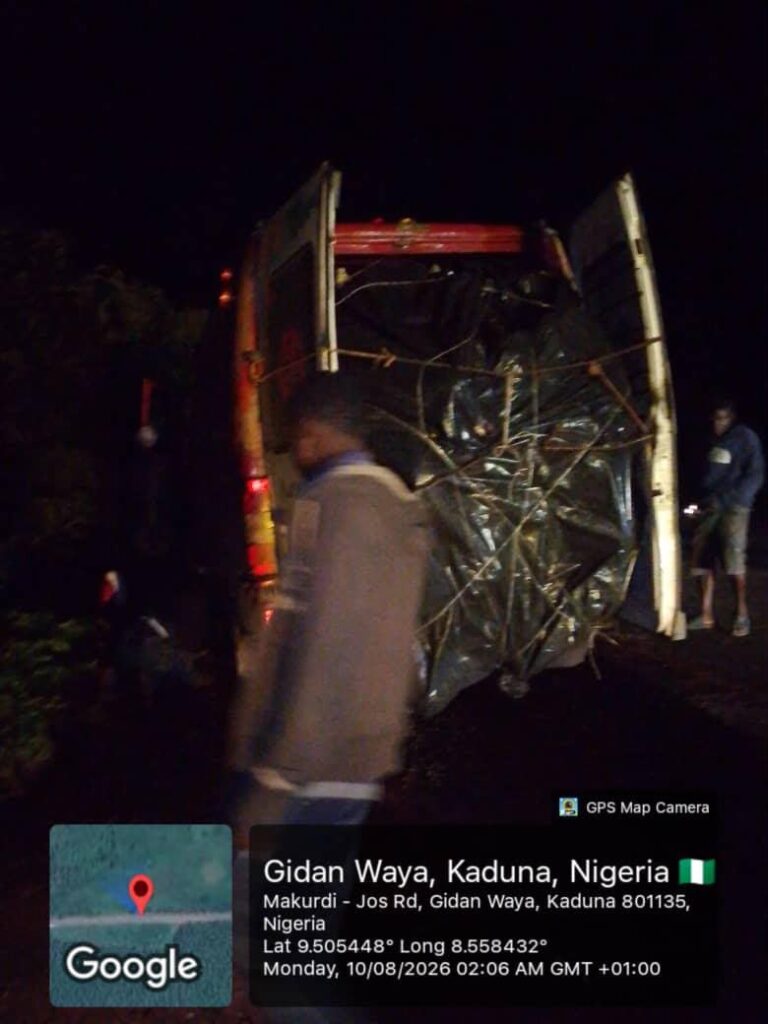
During the operation, one of the occupants of the vehicle, identified as Mr Ali Abdullahi, was rescued.
Troops are currently conducting a search and rescue operation for the third occupant, who is reportedly the owner of goods being conveyed in the vehicle.
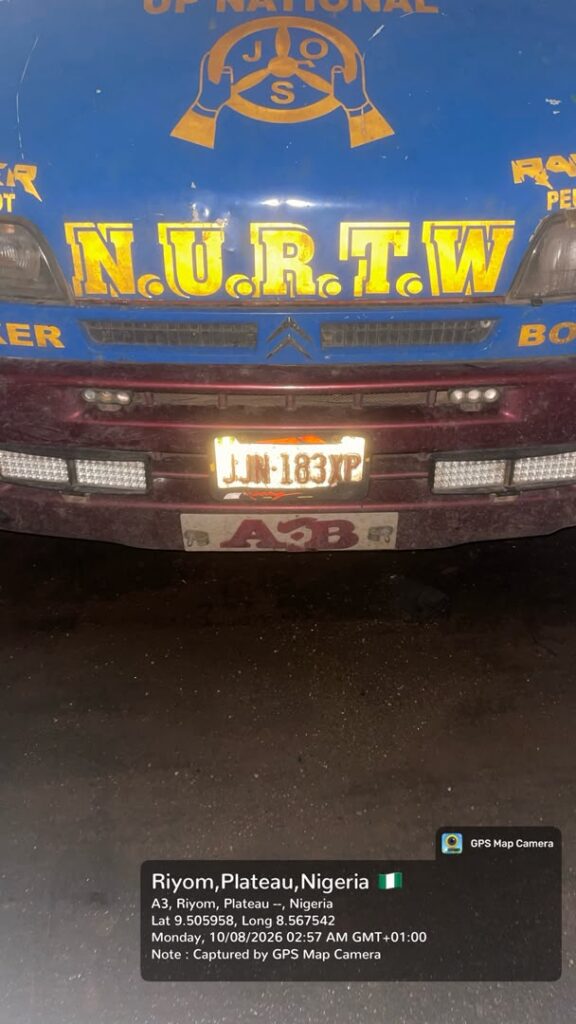
Efforts are ongoing to apprehend the fleeing suspects and safely recover the remaining victim.
Troops Rescue Kidnap Victim, Pursue Suspects in Plateau

Emir of Tikau commends the foundation for its people-oriented project in Yobe.

Troops Ambush Lakurawa Terrorists Heading to Attack Kebbi Community, Recover Motorcycles, Communication Equipment

Troops Rescue 16 Kidnap Victims, Including Four Children, in Kogi

Roger Federer’s Shock as DNA Results Reveal Myla and Charlene Are Not His Biological Children

THE PLIGHT OF FARIDA

FAILED COUP IN BURKINA FASO: HOW TRAORÉ NARROWLY ESCAPED ASSASSINATION PLOT AMID FOREIGN INTERFERENCE CLAIMS
-
 News2 years ago
Roger Federer’s Shock as DNA Results Reveal Myla and Charlene Are Not His Biological Children
-
Opinions4 years ago
THE PLIGHT OF FARIDA
-
 News1 year ago
FAILED COUP IN BURKINA FASO: HOW TRAORÉ NARROWLY ESCAPED ASSASSINATION PLOT AMID FOREIGN INTERFERENCE CLAIMS
-

 News2 years ago
EYN: Rev. Billi, Distortion of History, and The Living Tamarind Tree
-
 Opinions5 years ago
POLICE CHARGE ROOMS, A MINTING PRESS
-

 ACADEMICS2 years ago
A History of Biu” (2015) and The Lingering Bura-Pabir Question (1)
-

 Columns2 years ago
Army University Biu: There is certain interest, but certainly not from Borno.
-

 Politics1 year ago
2027: Why Hon. Midala Balami Must Go, as Youths in Hawul and Asikira/Uba Federal Constituency Reject ₦500,000 as Sallah Gift
