
News
Zulum meets 56 state-sponsored doctors, approves training fund, others

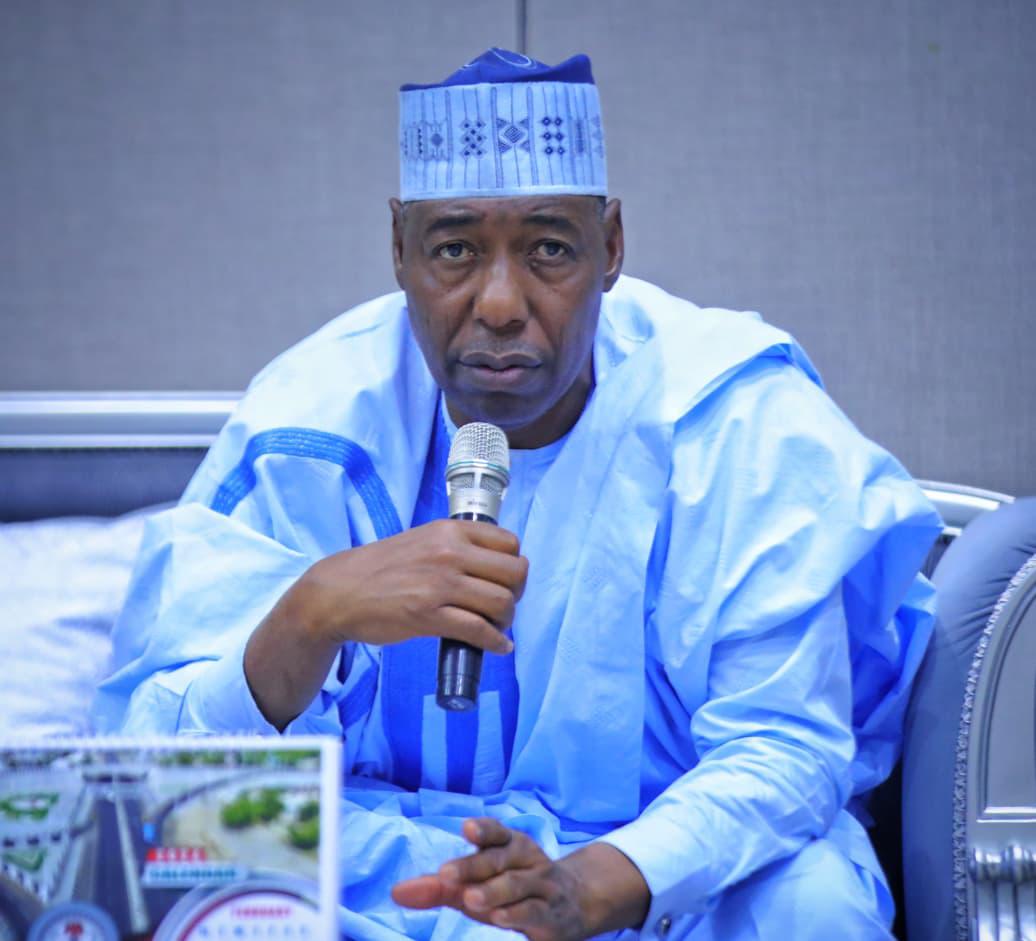
Zulum meets 56 state-sponsored doctors, approves training fund, others
By: Our Reporter
Borno State Governor, Professor Babagana Umara Zulum, has approved a special training fund for the 56 medical doctors currently undergoing residency training under the state’s sponsorship.
The governor granted the approval during an interactive meeting with the resident doctors at the Government House in Maiduguri on Thursday.
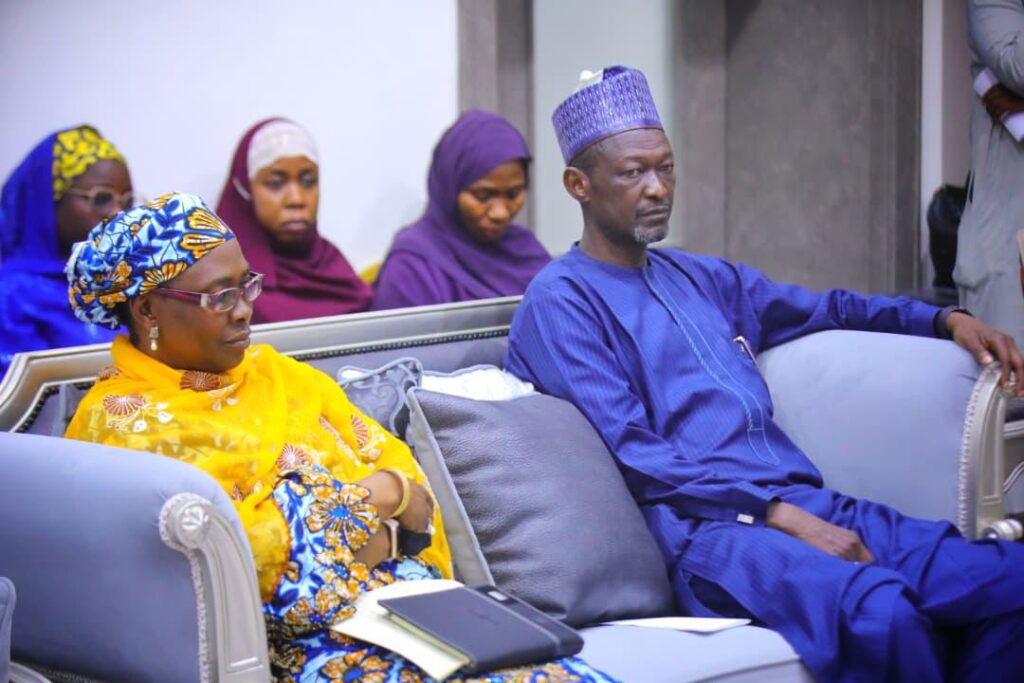
The meeting was convened at the governor’s instance to assess the progress of the doctors’ training and address any challenges hindering their seamless progression in their various places of primary assignments.
Beyond approving the training fund, Zulum also approved the immediate implementation of promotional benefits for all resident doctors due for career progression.
He directed that the promotions be implemented with immediate effect and that all arrears be paid to the beneficiaries, dating back to the effective date of their promotions.
The governor also directed the Borno State Hospital Management Board to organise a similar interaction with other medical doctors in the state who are not undergoing residency training.
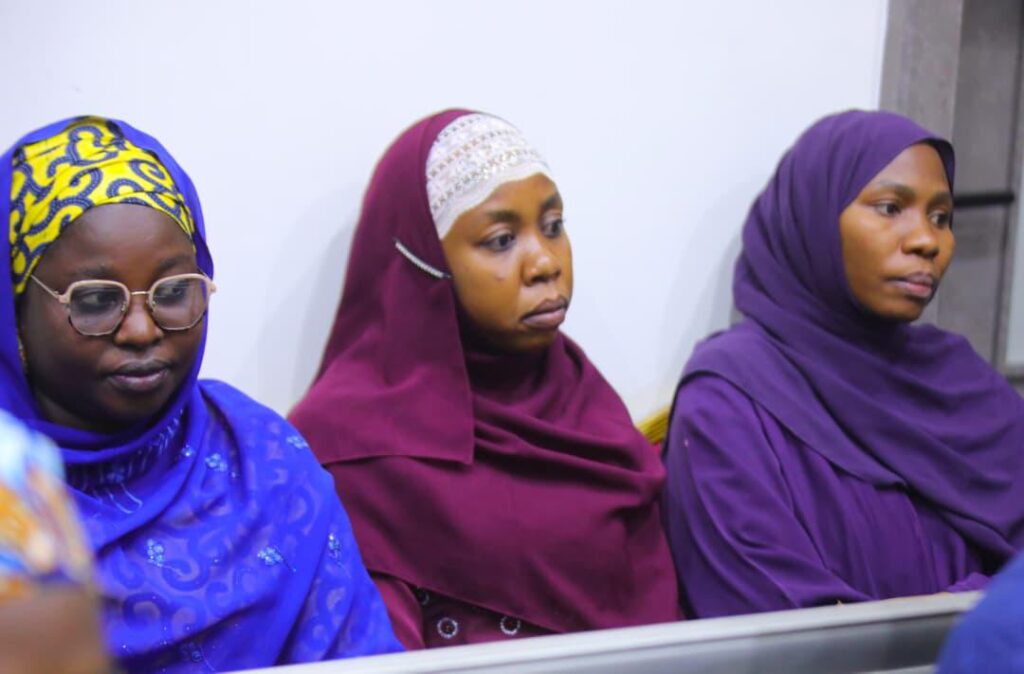
He reiterated that the welfare of all health workers in the state remained a top priority for his administration, stressing that a motivated workforce is essential for delivering quality healthcare services to the people of Borno.
“My administration is committed to creating an enabling environment for our health professionals. We understand that without their dedication, we cannot achieve the needed health coverage we desire for our citizens,” the governor stated.
The meeting was attended by key stakeholders in the health sector, including the Commissioner for Health, Professor Baba Mallam Gana; the chairman of the State Hospital Management Board, Dr Joseph Jatau; and the Chief Medical Director, Professor Abubakar Kullima.
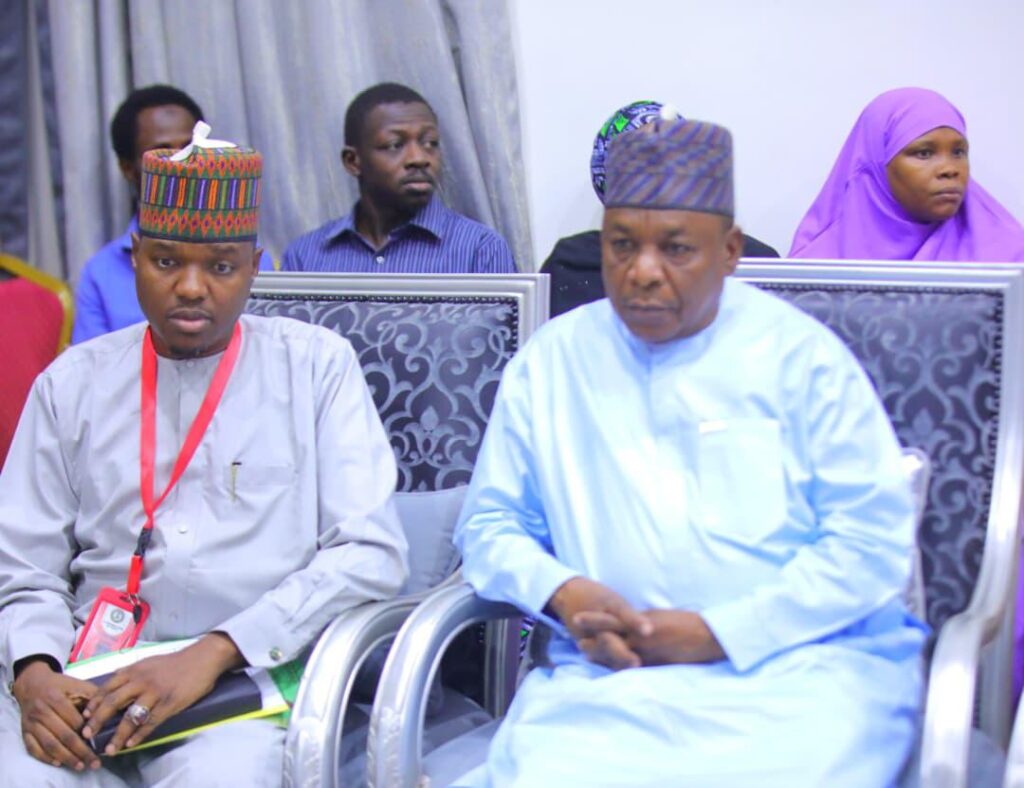
Also in attendance were the acting Chief of Staff, Dr Babagana Mustapha Mallumbe; the Chief Adviser to the Governor, Dr Mairo Mandara, the Executive Director, Borno State Primary Healthcare Development Board, Professor Arab Alhaji Mohammed and the Chief Medical Director of the Kashim Ibrahim University Teaching Hospital, Prof. Ibrahim Musa Kida.
Zulum meets 56 state-sponsored doctors, approves training fund, others


From Access to Opportunity : India’s decade long journey of transformation
[Abhishek Singh, High Commissioner of India to Nigeria, Benin and the ECOWAS]
By: Michael Mike
The truest test of economic growth is what changes inside a home: whether there is water in the tap, food on the table, a bank account in a mother’s name and a fair chance for her children. By that test, India’s journey over the past decade emerges as an unprecedented one.
Over the past decade, Hon’ble Prime Minister Narendra Modi’s clarion call of Sabka Saath, Sabka Vikas, Sabka Vishwas, Sabka Prayas—Together with All, Development for All, Trust of All, and Efforts of All has served as the guiding philosophy behind India’s socio-economic transformation. Welfare was looked at from a lens of empowerment, empowering and enabling every citizen to become an active partner in the nation’s progress.
The World Bank’s October 2026 Poverty & Equity Brief highlights one of the fastest sustained declines in poverty anywhere in the world. Between 2011 and 2023, extreme poverty in India—measured at US$3 a day—fell from 27.1 per cent to 2.6 per cent, while at the higher lower-middle-income line of US$4.20 a day, the poverty rate dropped from 57.7 per cent to 16.1 per cent, lifting roughly 496 million people above the threshold. These income gains are mirrored by sweeping improvements in human development: multidimensional poverty—which captures overlapping deprivations in health, education, and basic living standards—declined from 29.17 per cent in 2013–14 to 11.28 per cent in 2022–23, moving about 248 million people out of deprivation.
Essentials that restore dignity:
Poverty is not merely having a low income. It is the hours spent fetching water, the smoke in the kitchen and the illness that wipes out a family’s savings. India has chosen to tackle these deprivations together, with the aim of reaching every eligible household.
Rural homes with tap water rose from 32.3 million in August 2019 to 158.4 million, about 82 per cent, by May 2026. Under the Swachh Bharat (Clean India) Mission, more than 121 million household toilets have been built. Over 105 million free cooking-gas connections have gone to women from poor households. More than 30 million rural and 9.8 million urban homes have been completed under the Pradhan Mantri Awas Yojana housing programme. Average rural power supply rose from 12.5 hours a day in 2014 to 22.6 hours in 2025.
Security matters as much as access. Free foodgrain reaches to over 810 million people. Ayushman Bharat offers eligible families hospital cover of up to ₹500,000 a year. Maternal mortality fell from 130 per 100,000 live births in 2014–16 to 88 in 2021–23, while child stunting declined from 38.4 per cent in 2015–16 to 29.3 per cent in 2023–24. Social protection coverage has expanded from 19 per cent of the population in 2015 to 68.4 per cent in 2026 reaching nearly a billion people.
Delivery that reaches the last citizen:
A programme is only as good as its delivery. Effective delivery through the JAM Trinity (Jan Dhan bank accounts, Aadhaar digital identity and Mobile penetration) has powered what the World Bank’s October 2026 Poverty & Equity Brief highlights as a historic decline in poverty.
Between 2011 and 2023, 496 million Indians moved out of poverty as rates at the $4.20/day threshold fell from 57.7% to 16.1%, while extreme poverty ($3.00/day) dropped from 27.1% to 2.6%. Growth has been further anchored by expanded social transfers, rising household consumption, and rural women’s employment, supported by scale infrastructure including over 580 million Jan Dhan accounts, ₹6.83 trillion in direct benefit transfers for FY 2024–25, and high-volume UPI and ration portability systems.
From collective action to opportunity:
Governments can build toilets and lay pipes, but communities make the change last. Sanitation became a people’s movement. Village assemblies certify when their villages achieve full tap-water coverage, and local women have been trained to test water quality.
Women’s self-help groups show this collective strength most vividly. Around 100 million rural women belong to more than nine million groups through which they save, borrow and build enterprises. By May 2026, over 30 million had become Lakhpati Didis, (Millionaire Sisters) women whose annual household income exceeds ₹100,000. Collateral-free loans have also opened formal credit to small entrepreneurs, with about two-thirds of loans going to women.
These grassroots gains form the bedrock of broader economic growth. Healthier families, connected villages, and financially included women are better equipped to work, learn, and invest, while rural roads link farmers to markets and children to schools. According to the World Bank’s October 2026 brief, India added 134 million jobs between 2017 and 2023 nearly double the growth of the working-age population, propelled largely by rural women entering paid work alongside strong consumption growth and expanded social transfers.
It must be acknowledged though that our work is far from finished. Poverty that remains is increasingly concentrated in particular regions, and many workers need more productive and better-paid jobs. Meeting these challenges is central to our goal of a developed India, i.e. Viksit Bharat, by 2047.
A partnership for shared progress:
India and Nigeria are large, young and diverse democracies with longstanding bilateral ties. India opened its liaison office in Lagos in 1958, two years before Nigeria’s independence, and our ties became a Strategic Partnership in 2007. Today, bilateral trade stands at around US$ 08 billion (April – September 2026), more than 200 Indian companies operate in Nigeria, being the second largest employers of the Nigerian workforce after the Federal Government.
Every nation must chart its own path, and India offers its experience in that spirit. Our journey shows that basic services are investments in human potential, that digital public infrastructure can narrow the distance between citizen and state, and that development moves faster when women and communities lead it.
India is partnering closely with Nigeria to deepen cooperation in digital public infrastructure, affordable medicines, agriculture, food security, defence, trade and capacity building. True South–South cooperation demands more than economic statistics; it requires shared growth that reaches every doorstep and transforms the lives of every family.
From Access to Opportunity : India’s decade long journey of transformation
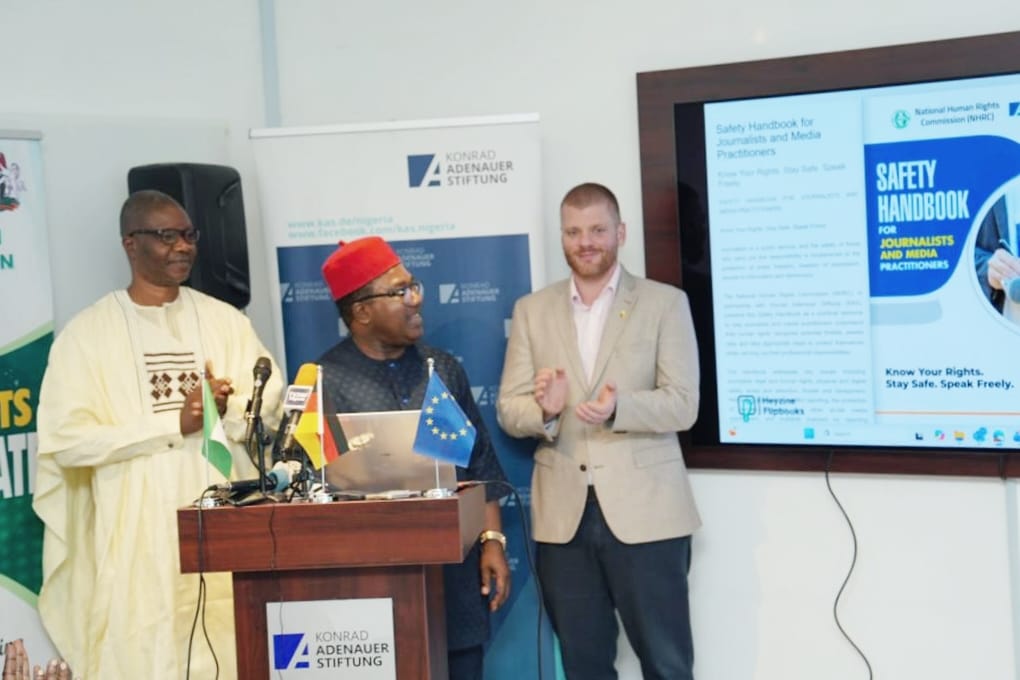
2027 Elections: NHRC, KAS Unveil Safety Handbook for Journalists
By: Michael Mike
The National Human Rights Commission (NHRC) and the Konrad-Adenauer-Stiftung (KAS) have unveiled a safety handbook for journalists and media practitioners to strengthen protection of media professionals and promote responsible reporting ahead of Nigeria’s 2027 general elections.
The handbook was launched at a joint breakfast meeting for journalists in Abuja, which examined the duties, rights and responsibilities of media practitioners reporting elections in conflict-prone areas.
The engagement, themed “Reporting Elections and the Protection of Democratic Participation in Conflict-Prone Areas: The Duties, Rights and Responsibilities of Journalists,” underscored the importance of safe, accurate, ethical and responsible journalism in protecting democratic participation, particularly in the build-up to the 2027 elections.
Speaking at the event, the Country Representative of KAS, Moritz Sprenker, described the safety of journalists as a fundamental pillar of democracy, stressing that the protection of media professionals should not be treated as a concern exclusive to the journalism profession.
He said professional journalism remained critical to separating verified information from rumours, misinformation and manipulation, particularly during periods of political tension, violence and conflict.
“The rights, protection, and safety of journalists are therefore not concerns of the media profession alone. They are questions concerning democracy itself,” Sprenker stated.
He, however, emphasised that press freedom must be exercised alongside professional responsibility, noting that journalists covering conflict-prone environments must carefully consider the implications of their reports, images and information on the safety of individuals and communities.
According to him, the handbook brings together two fundamental principles of journalism — the freedom to report and the right of journalists to carry out their professional duties safely and responsibly.
The Executive Secretary of the NHRC, Tony Ojukwu, OFR, SAN, reaffirmed that journalists’ safety was indispensable to democracy, credible elections and the protection of fundamental human rights.
Ojukwu said journalists’ rights to life, dignity, personal liberty, freedom of expression and press freedom were guaranteed under Sections 33, 34, 35, 39 and 22 of the 1999 Constitution of Nigeria, as amended.
He described the handbook as a practical guide intended to equip media practitioners with knowledge of their rights, preventive safety measures and appropriate responses to threats, intimidation and attacks encountered in the course of their professional responsibilities.
The NHRC boss urged journalists, media proprietors and security agencies to adopt and utilise the handbook, stressing the need for collective efforts to create a safer environment for journalism and strengthen respect for human rights.
Delivering the keynote address, Jide Ojo urged journalists to uphold the highest standards of accuracy, fairness, professionalism and ethical conduct, noting that press freedom must be accompanied by accountability and responsible public communication.
He commended the NHRC for producing the handbook, describing it as a timely and valuable resource, particularly for journalists covering sensitive assignments and beats where they are exposed to heightened security risks.
Participants at the meeting welcomed the initiative and pledged to uphold professional and responsible reporting, while commending the NHRC and KAS for providing practical guidance to help media practitioners navigate the risks associated with their work.
The NHRC and KAS reaffirmed their commitment to sustained collaboration towards credible elections, peaceful democratic participation, accountability and the protection of journalists, insisting that no media practitioner should face attacks, intimidation or threats for performing legitimate professional duties.
2027 Elections: NHRC, KAS Unveil Safety Handbook for Journalists
News
ISLAMIC STATE MILITANTS KILL 32 NIGER GUARDSMEN IN SANAM CAMP ATTACK, 22 OTHERS CRITICALLY INJURED
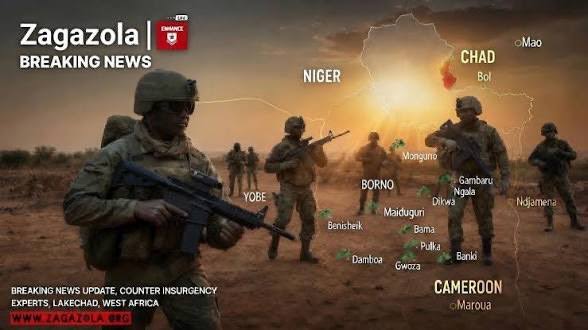
ISLAMIC STATE MILITANTS KILL 32 NIGER GUARDSMEN IN SANAM CAMP ATTACK, 22 OTHERS CRITICALLY INJURED
By: Zagazola Makama
At least 32 soldiers of the Nigerien National Guard have been killed and 22 others, including three civilians, critically injured following an attack by Islamic State in the Sahel (IS-Sahel) militants on a military camp in Sanam, Tillabéri Region of Niger Republic.
A military source told sources that the attack occurred in the early hours of Thursday, Nov. 26, 2026, during the morning flag-raising ceremony, when the guardsmen were assembled for the parade.
The source said the assailants launched a surprise assault on the camp, overwhelmed the troops and subsequently took full control of the military facility.
The attackers reportedly carted away two military vehicles, weapons and ammunition before withdrawing from the area.
They also reportedly proceeded to the residence of the traditional Islamic leader, the Sheikh of Sanam, but could not find him as he was away on a trip at the time of the attack.
The attackers reportedly carted away two military vehicles, weapons and ammunition before withdrawing from the area.
They also reportedly proceeded to the residence of the traditional Islamic leader, the Sheikh of Sanam, but could not find him as he was away on a trip at the time of the attack.
The casualty figure provided by the military source is significantly higher than the official account released by Niger’s Ministry of National Defence.
In a provisional statement broadcast on state television, the ministry reported that 13 National Guard personnel were killed and 20 others injured, some of them critically.
The ministry also claimed that troops neutralised several attackers and destroyed their logistical infrastructure during the engagement.
Meanwhile, later the same day, another military unit belonging to the Paratroopers Company was reportedly attacked along the Gothèye-Dargol axis.
As of Friday morning, no official casualty figure had been established for the second incident.
The Sanam attack came barely two days after another deadly ambush in Baroua, Diffa Region, where 11 Nigerien soldiers were killed in an attack attributed to Boko Haram terrorists.
With the two incidents, at least 43 military personnel have reportedly been killed across the two operational fronts within one week, according to field casualty assessments.
The significant discrepancy between the military source’s account and the official casualty figures has raised fresh concerns over transparency in reporting military losses and the true scale of casualties suffered by Nigerien security forces.
ISLAMIC STATE MILITANTS KILL 32 NIGER GUARDSMEN IN SANAM CAMP ATTACK, 22 OTHERS CRITICALLY INJURED
From Access to Opportunity : India’s decade long journey of transformation

2027 Elections: NHRC, KAS Unveil Safety Handbook for Journalists

ISLAMIC STATE MILITANTS KILL 32 NIGER GUARDSMEN IN SANAM CAMP ATTACK, 22 OTHERS CRITICALLY INJURED

Roger Federer’s Shock as DNA Results Reveal Myla and Charlene Are Not His Biological Children

THE PLIGHT OF FARIDA

FAILED COUP IN BURKINA FASO: HOW TRAORÉ NARROWLY ESCAPED ASSASSINATION PLOT AMID FOREIGN INTERFERENCE CLAIMS
-
 News3 years ago
Roger Federer’s Shock as DNA Results Reveal Myla and Charlene Are Not His Biological Children
-
Opinions5 years ago
THE PLIGHT OF FARIDA
-
 News2 years ago
FAILED COUP IN BURKINA FASO: HOW TRAORÉ NARROWLY ESCAPED ASSASSINATION PLOT AMID FOREIGN INTERFERENCE CLAIMS
-
 Opinions5 years ago
POLICE CHARGE ROOMS, A MINTING PRESS
-

 News3 years ago
EYN: Rev. Billi, Distortion of History, and The Living Tamarind Tree
-

 ACADEMICS3 years ago
A History of Biu” (2015) and The Lingering Bura-Pabir Question (1)
-

 Columns3 years ago
Army University Biu: There is certain interest, but certainly not from Borno.
-

 Politics1 year ago
2027: Why Hon. Midala Balami Must Go, as Youths in Hawul and Asikira/Uba Federal Constituency Reject ₦500,000 as Sallah Gift
