
News
Nigeria Issues Emergency Contacts for Citizens in Middle East Amid Escalating Crisis

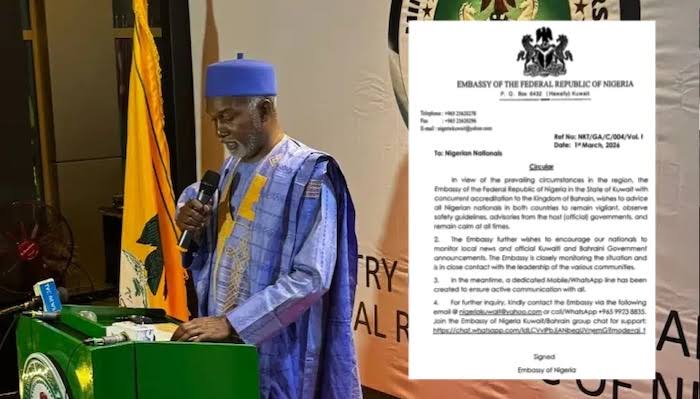
Nigeria Issues Emergency Contacts for Citizens in Middle East Amid Escalating Crisis
By: Michael Mike
The Ministry of Foreign Affairs (Nigeria) has released emergency contact details for Nigerian citizens residing across the Middle East as tensions continue to escalate in parts of the region.
In a public advisory issued in Abuja on Saturday, the ministry urged Nigerians affected by the ongoing crisis to immediately reach out to the nearest Nigerian diplomatic missions and ensure they are properly registered with the embassy or consulate in their country of residence.
The advisory, signed by the ministry’s spokesperson, Kimiebi Ebienfa said the move was aimed at strengthening communication between Nigerian authorities and citizens who may require urgent assistance.
According to the statement, Nigerian missions across the region have activated established communication channels to provide support, including emergency guidance and possible evacuation coordination where necessary.
“Nigerian citizens affected by the ongoing crisis should contact the following mobile numbers in case of emergency and also ensure that they are registered with the respective embassy or consulate in their country of residence,” the statement said.
The ministry listed several diplomatic missions and dedicated emergency lines for Nigerians across the region, including the Embassy of Nigeria, Tehran in Iran, the Embassy of Nigeria, Tel Aviv in Israel, and the Embassy of Nigeria, Abu Dhabi in the United Arab Emirates.
Other missions providing emergency contacts include the Consulate-General of Nigeria, Dubai, the Embassy of Nigeria, Kuwait which also covers Bahrain, the Embassy of Nigeria, Doha in Qatar, the Embassy of Nigeria, Beirut in Lebanon, the Embassy of Nigeria, Riyadh and the Consulate-General of Nigeria, Jeddah in Saudi Arabia, as well as the Embassy of Nigeria, Amman in Jordan which also covers Iraq.
The ministry stressed that Nigerians in the region should remain vigilant, stay in contact with diplomatic missions and follow safety advisories issued by local authorities.
The advisory comes amid heightened security tensions across parts of the Middle East, prompting several countries to activate emergency support mechanisms for their citizens abroad.
Officials said the Nigerian government continues to monitor the situation closely through its embassies and consulates while exploring measures to ensure the safety and welfare of Nigerians living and working in the region.
Nigeria Issues Emergency Contacts for Citizens in Middle East Amid Escalating Crisis


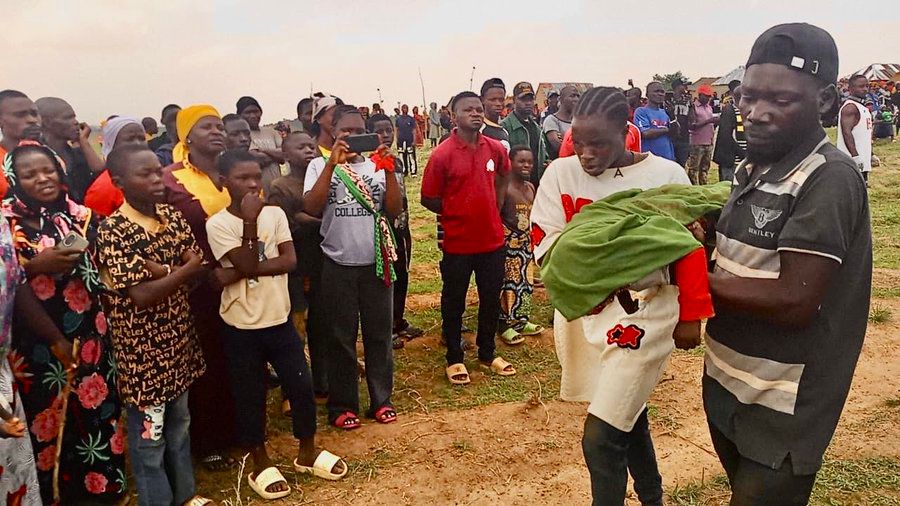
One killed, five injured during violent clash at peace meeting in Plateau
By: Zagazola Makama
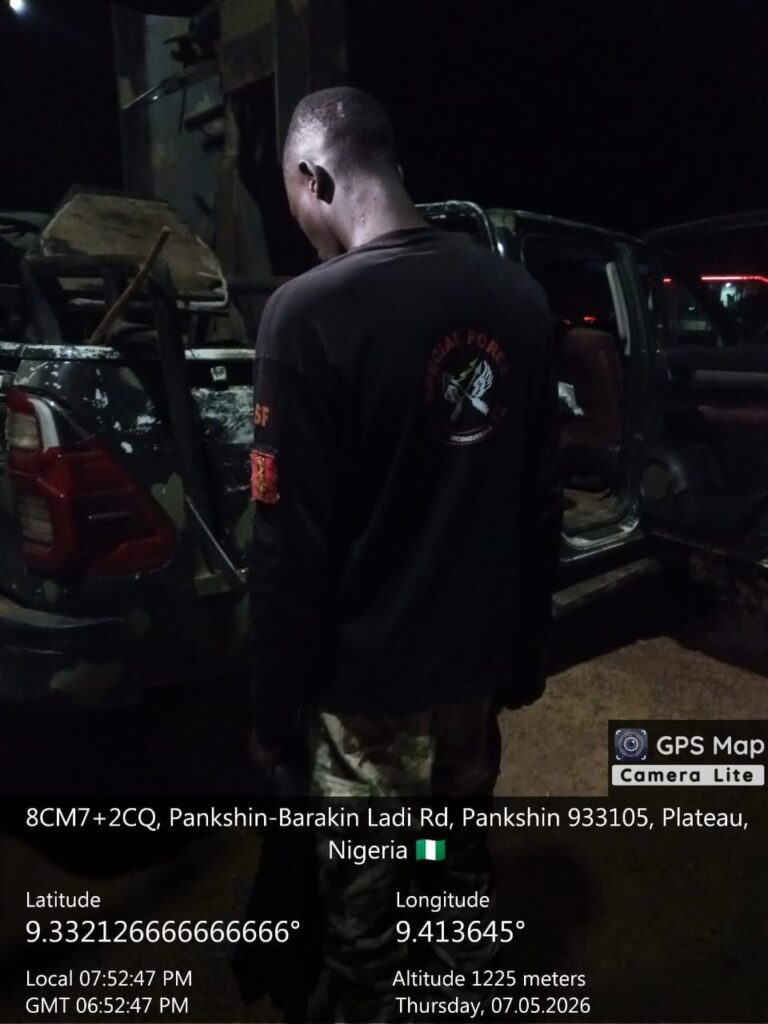
A peace meeting between local residents and Fulani community members in Pankshin Local Government Area of Plateau State turned violent on Thursday, leaving one person dead and five others injured after youths allegedly attempted to disarm soldiers deployed to maintain security during the engagement.
Security sources told Zagazola Makama that the incident occurred at about 3:00 p.m. on May 7 at Mier village, where troops of Sector 8 under Operation Enduring Peace (OPEP), deployed at Fier guard post, had organised a stakeholders’ meeting aimed at easing tensions between locals and Fulani residents in the area.
The sources said the meeting was part of ongoing confidence-building and peace restoration efforts by security forces following recent incidents of communal violence, cattle rustling, reprisal attacks, and growing mistrust between farming and pastoral communities across parts of Plateau State.
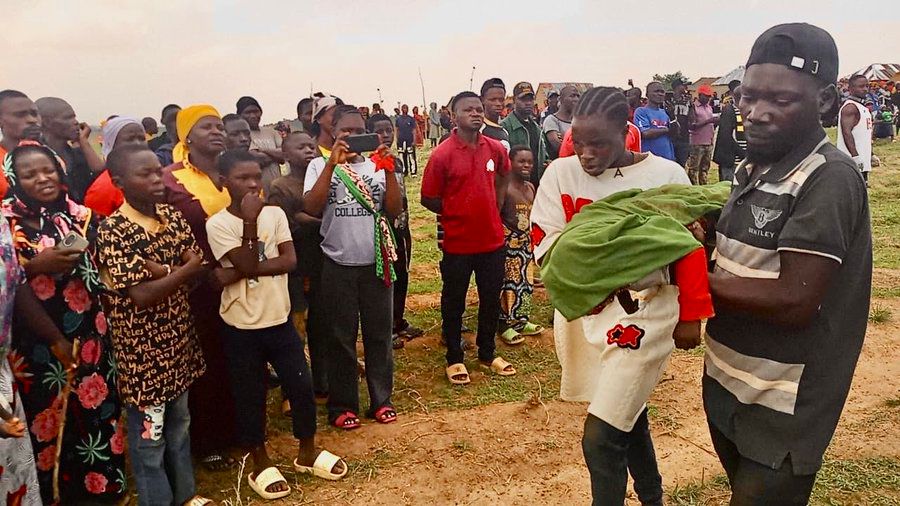
According to the sources, the meeting was progressing peacefully before a group of agitated youths reportedly became hostile and attempted to forcefully seize the rifles of two soldiers providing security at the venue.
“The situation suddenly turned violent when some youths moved aggressively toward the troops and attempted to disarm two soldiers,” a security source said.
The source added that amid the struggle and confusion, one of the soldiers discharged his weapon in self-defence to prevent the mob from overpowering the troops.
Following the incident, one local resident sustained fatal injuries and was later confirmed dead, while four other civilians and one soldier were injured during the confrontation.
The injured persons were immediately evacuated to nearby medical facilities for treatment, while the corpse of the deceased was deposited at the General Hospital morgue in Pankshin.
Security operatives subsequently reinforced the area to prevent further breakdown of law and order, while efforts were intensified to calm tensions among residents.
The four youths who attacked the soldiers were arrested.
The latest violence occurred amid heightened security concerns and recurring communal clashes across Plateau State, where troops of Operation Enduring Peace have continued to conduct patrols, peace engagements, arrests, and intelligence-driven operations to contain reprisals and attacks involving armed militias, bandits, and cattle rustlers.
Military and community leaders have repeatedly urged residents to avoid taking the law into their hands and to cooperate with security agencies to sustain peace efforts across the state.
One killed, five injured during violent clash at peace meeting in Plateau
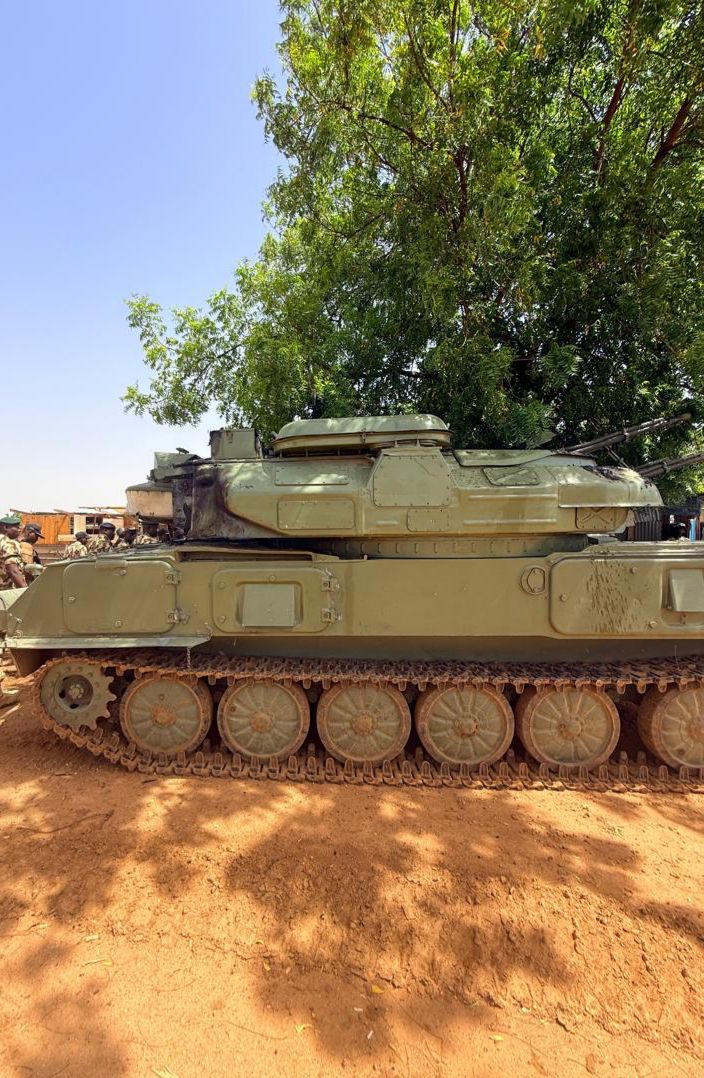
ISWAP suffer losses after failed attack on Buni Gari
By: Zagazola Makama
ISWAP terrorists suffered heavy losses in the early hours of Thursday after troops of Operation HADIN KAI repelled an attack on Headquarters 27 Brigade, Buni Gari, and a nearby checkpoint in Yobe State.
The terrorists had launched a coordinated assault at about 2:00 a.m. from multiple directions but were stopped by troops who held their ground and responded with superior firepower.
The Media Information Officer of the Joint Task Force North East, Operation HADIN KAI, Lt.-Col. Sani Uba, said the attackers were forced to retreat after coming under intense resistance.
He said several of the terrorists were neutralised during the encounter, while others fled with injuries.
“Exploitation of the general area confirmed the recovery of terrorist corpses and weapons in bushes and along withdrawal routes,” Uba said.
He added that traces of blood were found along escape routes, indicating that the fleeing attackers sustained significant injuries.
Uba explained that air support from the Air Component Command provided surveillance coverage during the operation, helping troops track movement of retreating fighters.
He said precision air interdiction was also carried out on confirmed fleeing elements, further increasing the losses suffered by the attackers.
Recovered items include AK-47 rifles, machine guns, RPG tubes, ammunition, magazines and other military-grade weapons used in the failed assault.
He said troops, working with hybrid forces, are continuing clearance operations in the area to prevent regrouping of the attackers.
Uba also confirmed that two soldiers died during the encounter, while wounded personnel are receiving treatment and are in stable condition.
He said Operation HADIN KAI remains committed to sustaining pressure on terrorist groups and denying them freedom of action in the North-East.
ISWAP suffer losses after failed attack on Buni Gari
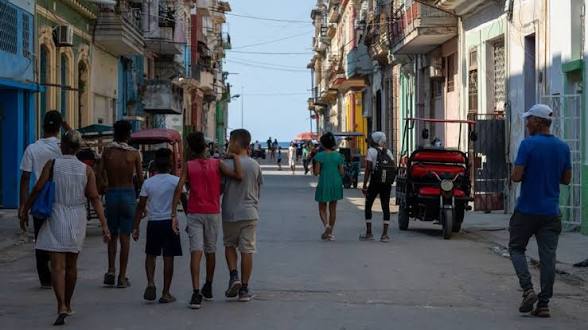
Cuba Slams New US Sanctions as ‘Economic Warfare,’ Warns of Deepening Humanitarian Crisis
By: Michael Mike
The government of Cuba has accused the United States of escalating economic warfare against the island nation following a sweeping new executive order and fresh sanctions that Havana says could worsen an already severe humanitarian and economic crisis.
In a strongly worded statement issued Thursday in Havana, Cuba’s Ministry of Foreign Affairs condemned the May 1, 2026 Executive Order signed by the White House, describing it as one of the harshest measures imposed against the communist nation in decades.
The Cuban government also denounced a subsequent decision by the United States Treasury Department on May 7 to place Cuban conglomerate Gaesa and mining company MoaNickel S.A. on the List of Specially Designated Nationals, effectively cutting them off from the American financial system and exposing foreign businesses dealing with them to possible secondary sanctions.
Havana described the move as a “ruthless act of economic aggression” aimed at tightening the long-standing United States blockade against Cuba and isolating the country from global trade and financial networks.
According to Cuban authorities, the latest measures threaten to deepen the island’s economic hardship at a time when the country is already battling chronic shortages of fuel, food, medicine and foreign exchange.
The Foreign Ministry argued that the sanctions go beyond bilateral relations between Washington and Havana by attempting to punish foreign companies, banks and governments that maintain economic ties with Cuba.
“The sovereign right of all states that have or wish to maintain economic, commercial and financial relations with Cuba is being explicitly attacked,” the statement declared.
Cuba accused senior United States officials, particularly the Secretary of State, of using intimidation and political pressure to force the international community into compliance with the blockade policy.
The statement further alleged that the new measures were intended to provoke economic collapse and social unrest within Cuba.
Havana warned that worsening economic pressure could create conditions for instability and potentially serve as justification for more aggressive actions against the island.
The Cuban government also accused Washington of attempting to manufacture a humanitarian crisis capable of triggering political upheaval.
The latest confrontation marks another sharp downturn in relations between the two Cold War-era adversaries whose ties have fluctuated between cautious engagement and hostility over the last six decades.
The United States first imposed trade restrictions on Cuba in the early 1960s following the Cuban Revolution led by Fidel Castro and the subsequent nationalisation of American-owned assets on the island. Relations deteriorated rapidly after Cuba aligned itself with the former Soviet Union during the Cold War.
In 1962, Washington formalised a broad economic embargo against Cuba, arguing that the measures were necessary to pressure Havana toward democratic reforms and respect for human rights.
Over the decades, the sanctions evolved into one of the world’s longest-running economic blockade regimes, affecting trade, banking, investment and travel.
Although there were signs of rapprochement during the administration of former President Barack Obama — including the restoration of diplomatic relations and the easing of some restrictions — many sanctions were later reinstated and expanded under subsequent administrations.
In recent years, Cuba has faced mounting economic difficulties caused by declining tourism revenues, inflation, fuel shortages and limited access to international credit markets.
The Cuban government has consistently blamed the United States embargo for worsening living conditions on the island, while Washington maintains that Havana’s centrally controlled political and economic system is primarily responsible for the country’s struggles.
The renewed sanctions are expected to intensify debates within the international community, where many countries and global organisations have repeatedly called for an end to the embargo.
For more than 30 consecutive years, the United Nations General Assembly has overwhelmingly voted in favour of resolutions urging the United States to lift its economic blockade against Cuba, describing the measures as harmful to ordinary citizens and contrary to international law.
Despite the growing pressure, both governments remain firmly entrenched in their positions, raising fears that tensions between Havana and Washington may continue to escalate in the coming months.
Cuba Slams New US Sanctions as ‘Economic Warfare,’ Warns of Deepening Humanitarian Crisis

Nigeria: Boko Haram attacked Governor Buni’s home tomorrow, killing 36 soldiers and police officers

Berom Man condemns five youths caught manufacturing weapons, says act same as terrorism

Shettima’s relentless engagement should remind Nigerians that their government is not an opaque monolith but a responsive entity committed to their welfare.

Roger Federer’s Shock as DNA Results Reveal Myla and Charlene Are Not His Biological Children

THE PLIGHT OF FARIDA

FAILED COUP IN BURKINA FASO: HOW TRAORÉ NARROWLY ESCAPED ASSASSINATION PLOT AMID FOREIGN INTERFERENCE CLAIMS
-
 News2 years ago
Roger Federer’s Shock as DNA Results Reveal Myla and Charlene Are Not His Biological Children
-
Opinions4 years ago
THE PLIGHT OF FARIDA
-
 News1 year ago
FAILED COUP IN BURKINA FASO: HOW TRAORÉ NARROWLY ESCAPED ASSASSINATION PLOT AMID FOREIGN INTERFERENCE CLAIMS
-

 News2 years ago
EYN: Rev. Billi, Distortion of History, and The Living Tamarind Tree
-
 Opinions4 years ago
POLICE CHARGE ROOMS, A MINTING PRESS
-

 ACADEMICS2 years ago
A History of Biu” (2015) and The Lingering Bura-Pabir Question (1)
-

 Columns2 years ago
Army University Biu: There is certain interest, but certainly not from Borno.
-

 Opinions2 years ago
Tinubu,Shettima: The epidemic of economic, insecurity in Nigeria
