
News
World Environment Day: Group Launches #Vote4Climate 2027, Urges Nigerians to Hold Politicians Accountable

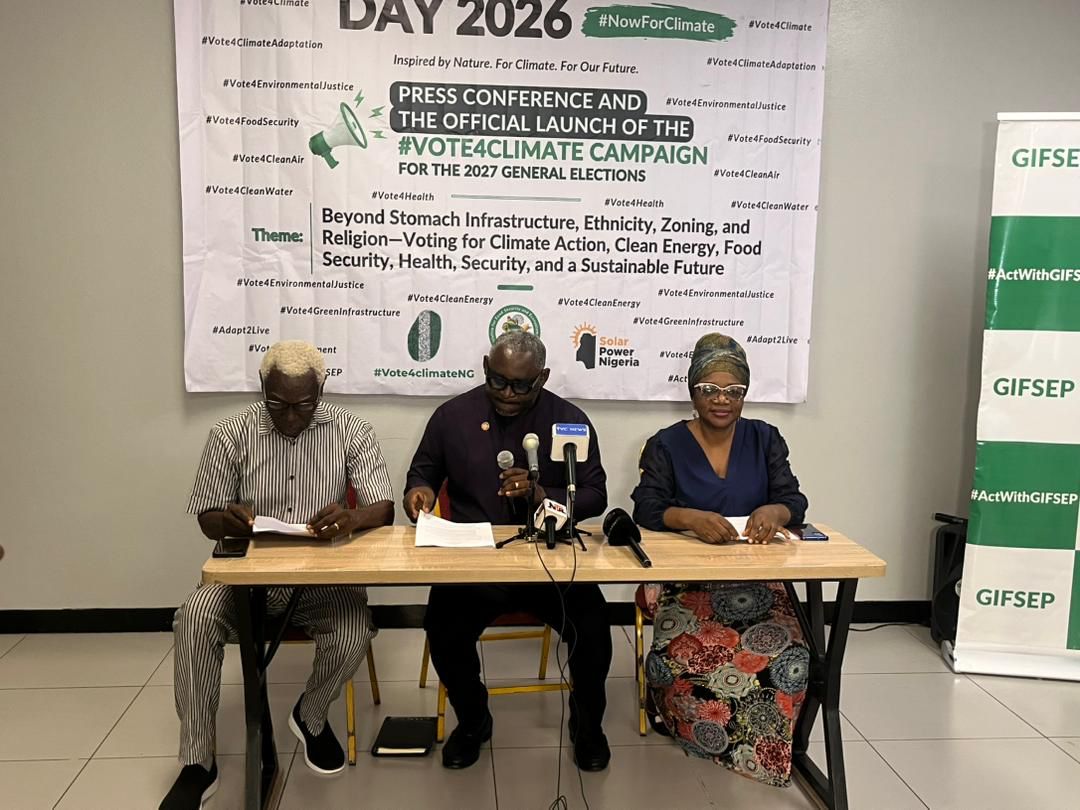
World Environment Day: Group Launches #Vote4Climate 2027, Urges Nigerians to Hold Politicians Accountable
By: Michael Mike
As Nigeria joined the rest of the world to commemorate World Environment Day 2026, the Global Initiative for Food Security and Ecosystem Preservation (GIFSEP) has launched a nationwide campaign aimed at making climate action a decisive issue in the 2027 general elections.
The organisation unveiled its #Vote4Climate 2027 Campaign on Friday in Abuja, calling on Nigerians to demand clear commitments from political leaders on environmental protection, renewable energy, food security and climate resilience.
Speaking at a press conference attended by environmental experts, development partners and civil society actors, GIFSEP Executive Director, Dr. Michael David, warned that climate change has moved beyond scientific projections and is now inflicting severe economic and social consequences across the country.
Marking this year’s World Environment Day under the theme, “Inspired by Nature. For Climate. For Our Future. #NowForClimate,” David said Nigerians are already experiencing the devastating effects of environmental degradation through flooding, desertification, food insecurity and displacement.
According to him, the shrinking of Lake Chad by more than 90 per cent since the 1960s has jeopardised livelihoods across the region, while advancing desertification in northern Nigeria continues to swallow fertile farmland, deepen poverty and fuel resource-based conflicts.
He also highlighted the growing threat posed by coastal erosion and rising sea levels to communities in Lagos, Bayelsa, Delta and Cross River states, noting that extreme weather events are becoming more frequent and destructive.
David recalled the catastrophic 2022 floods that displaced over 1.4 million Nigerians, describing them as a stark reminder of the country’s vulnerability to climate-related disasters.
He further drew attention to worsening air pollution caused by gas flaring, open waste burning and vehicle emissions, which he said contributes to thousands of premature deaths every year. Land degradation, he added, is costing the nation billions of naira annually through declining agricultural productivity and loss of livelihoods.
The environmental advocate warned that more than 35 million Nigerians are already facing acute food insecurity and that climate-induced shocks could significantly reduce agricultural output in the coming years if urgent action is not taken.
He also identified energy poverty as a major challenge, arguing that Nigeria’s continued dependence on fossil fuels threatens both economic growth and environmental sustainability.
“Climate change is no longer a future threat. It is a present crisis affecting our economy, security, health and food systems,” he said.
At the centre of GIFSEP’s intervention is the #Vote4Climate 2027 campaign, designed to push climate issues to the forefront of national political conversations ahead of the next election cycle.
David criticised what he described as the dominance of ethnic, regional and patronage politics in Nigeria’s electoral discourse, insisting that environmental sustainability must become a key criterion for evaluating political candidates.
He urged citizens to question aspirants on their plans for climate adaptation, renewable energy expansion, pollution control, green job creation and environmental justice.
“Every Nigerian is a green voter because every Nigerian depends on a stable environment for survival and prosperity,” he declared.
The campaign also seeks to mobilise citizens to reject leaders who ignore climate risks or support policies that encourage unsustainable exploitation of natural resources.
Contributing to the discussion, Richard Nzekwu, a consultant with the United Nations Convention to Combat Desertification (UNCCD), warned that land degradation is accelerating across the country and poses a serious threat to national stability.
He advocated increased investment in nature-based solutions and youth-driven environmental restoration programmes, stressing that millions of Nigerians depend directly on land resources for their livelihoods.
Nzekwu cautioned that failure to reverse environmental decline could trigger mass migration from affected communities, intensifying pressure on urban centres and increasing the risk of social unrest.
Also speaking, GIFSEP Board Member Gloria Agema called for stronger participation of women in climate governance and decision-making.
She noted that women often bear the heaviest burden of climate-related challenges, including food shortages, health risks, insecurity and displacement, yet remain underrepresented in shaping climate policies.
Agema urged governments and development partners to expand support for women-led climate initiatives, arguing that inclusive solutions are essential to building resilient communities.
The event ended with a rallying call to journalists, civil society organisations, youth groups and citizens to demand greater environmental accountability from public office holders.
As the countdown to the 2027 elections begins, GIFSEP’s message was clear: climate change is no longer a peripheral issue but one that could determine Nigeria’s future prosperity and security.
For the organisation, the choice before Nigerians is simple — the future of the environment, and indeed the nation, will be decided at the ballot box.
World Environment Day: Group Launches #Vote4Climate 2027, Urges Nigerians to Hold Politicians Accountable


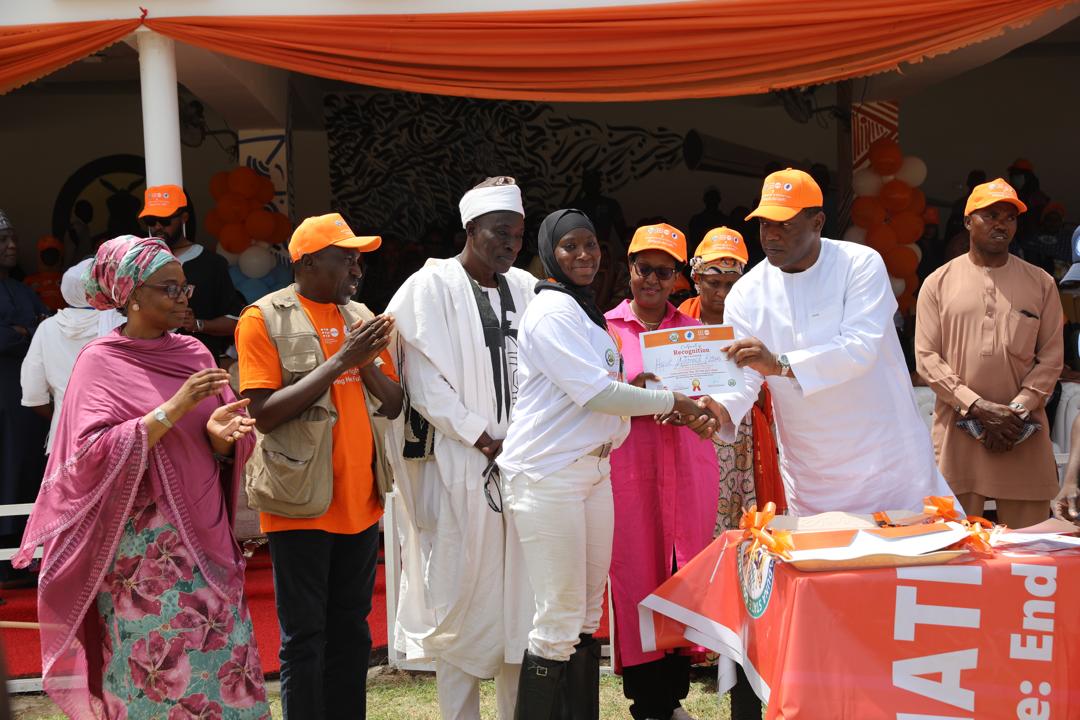
UNFPA, Kaduna Polo Club Use All-Female Match to Champion Girls’ Rights
By: Michael Mike
The United Nations Population Fund (UNFPA) and the Kaduna Polo Club have used an all-female novelty polo match to draw attention to the rights, safety and wellbeing of women and adolescent girls, as concerns grow over teenage pregnancy, child marriage and gender-based violence.
The advocacy initiative, organised in partnership with the Elamin Polo Team on October 21 and 22 in Kaduna, featured a public dialogue with adolescent girls and a special exhibition match tagged Polo for Humanity, introducing an all-female team into a traditionally male-dominated sport.
The events, held to commemorate the 2026 International Day of the Girl Child, sought to challenge restrictive gender norms, promote the inclusion and agency of girls and mobilise influential stakeholders to strengthen efforts to prevent gender-based violence (GBV) and harmful practices.
UNFPA cited findings from the 2024 Nigeria Demographic and Health Survey indicating that 29.9 per cent of adolescent girls aged 15 to 19 had experienced pregnancy, highlighting the challenges facing young girls in accessing opportunities to complete their education and realise their potential.
The agency also warned that violent conflicts, which affect nearly half of young people globally through their impact on health, rights and dignity, further expose adolescent girls to risks, including gender-based violence, female genital mutilation and child marriage.
Speaking at the opening of the novelty polo match, UNFPA Resident Representative, Ms Muriel Mafico, said society must protect girls’ childhoods and ensure they have opportunities to pursue their ambitions.
“No girl should have to exchange her childhood for marriage, her education for motherhood, or her dreams. Investment in girls is the smartest thing we can do,” Mafico said.
She said UNFPA worked with partners to provide critical support to adolescent girls, including those in Nigeria, as part of efforts to protect their rights and improve their wellbeing.
The use of polo as an advocacy platform was designed to take the conversation beyond conventional policy forums by engaging sporting communities, young people, policymakers and other influential stakeholders in promoting the rights of women and girls.
The First Vice-President of the Kaduna Polo Club, Brigadier-General Kapeh Kazir (retd.), said the club was proud to deploy sport in support of social causes.
He said the club would continue to open its doors to initiatives that promote equality and protect the future of Nigerian children.
The UNFPA and its partners expressed appreciation to the participating players, club members, partners and the media, pledging to sustain their collaboration beyond the International Day of the Girl Child commemoration.
They said the partnership would support continued advocacy on gender-based violence prevention, harmful practices, sexual and reproductive health and rights (SRHR), and maternal health interventions.
UNFPA is the United Nations’ sexual and reproductive health agency, working towards a world where every pregnancy is wanted, every childbirth is safe and every young person can fulfil their potential.
UNFPA, Kaduna Polo Club Use All-Female Match to Champion Girls’ Rights
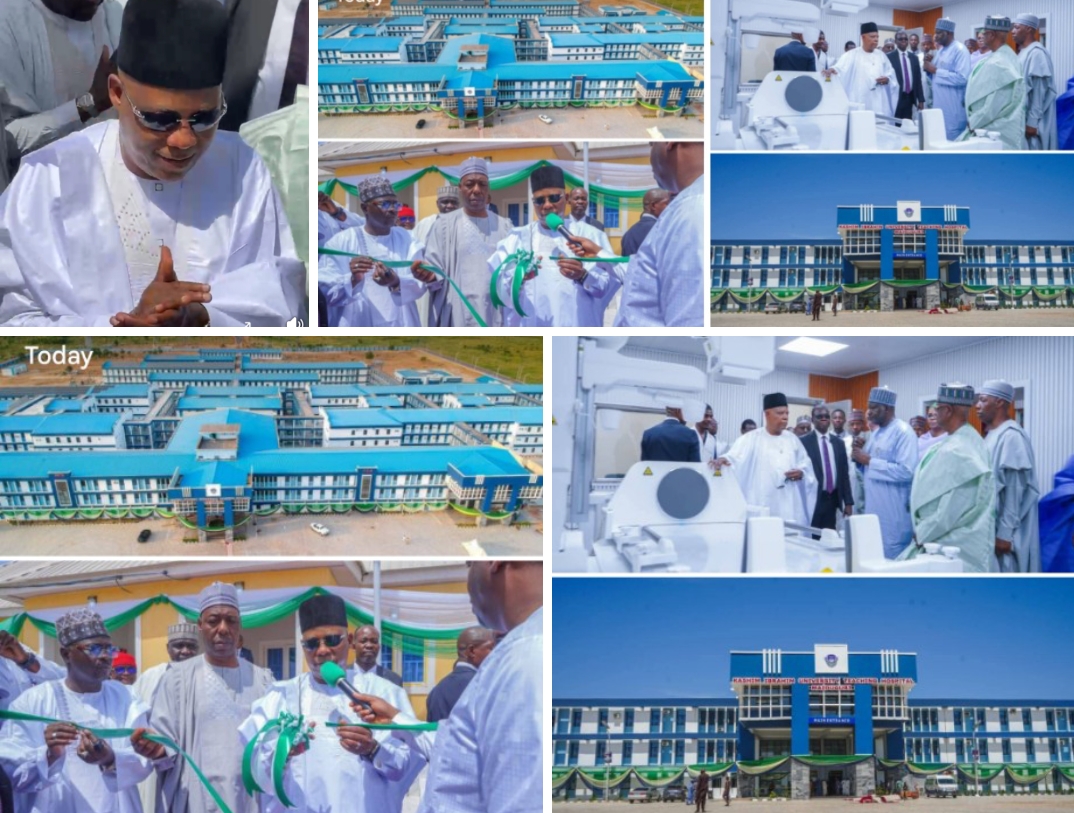
VP Shettima: Why Kashim Ibrahim Teaching Hospital Is Key to Borno’s Future
By: Dr James Bwala
Vice-President Kashim Shettima’s commissioning of the Kashim Ibrahim University Teaching Hospital represents more than just the opening of another public facility. It is a significant investment in the health, education and long-term recovery of Borno State. That this development is coming in a region that has experienced years of insecurity, displacement and weakened public services, the hospital offers an opportunity to rebuild not only infrastructure but also confidence in government institutions.
Speaking on Governor Zulum’s vision, the VP said combining specialist healthcare with the training of medical professionals, the governor has seen beyond this generation, as the facility has the potential to transform the delivery of healthcare in Borno and across the North-east for years to come.
According to Shettima, the importance of the teaching hospital cannot be measured solely by the size of its buildings or the sophistication of its equipment. Its real value lies in its capacity to save lives, reduce medical inequality, retain healthcare workers, improve medical education and support the wider development of the Lake Chad region. The project is therefore not merely a state government achievement; it is a practical expression of the principle that public office should be judged by the institutions established and the lives improved.
For many years, residents of Borno requiring advanced medical care have had to travel to other states or even outside the country. Such journeys are expensive, stressful and often impossible for poor families, people living in remote communities and patients requiring urgent treatment. The absence of specialised services has placed a heavy burden on households already affected by poverty, displacement and insecurity. The new teaching hospital can reduce this burden by making advanced diagnosis and treatment available closer to the people who need them.
The facility’s medical equipment demonstrates the seriousness of its intended role. A 1.5-tesla magnetic resonance imaging scanner, a 160-slice computed tomography scanner, conventional and mobile X-ray machines, 4D ultrasound machines, a fluoroscopy system and digital mammography equipment will expand the state’s diagnostic capacity. These services are essential in the detection and management of cancer, stroke, internal injuries, cardiovascular conditions, neurological disorders, pregnancy-related complications and many other illnesses.
Access to accurate diagnosis is one of the foundations of effective healthcare. Without the appropriate equipment, doctors may be forced to rely on incomplete information, resulting in delayed treatment or incorrect decisions. In emergencies, such delays can determine whether a patient survives or dies. A modern diagnostic unit in a teaching hospital will help specialists look into complicated cases more quickly and come up with the best treatment plans. It will also improve the quality of medical education by exposing students and trainee professionals to technologies used in contemporary healthcare.
The hospital’s 13 specialist departments further strengthen its potential. Covering diagnostic, medical, surgical, emergency, paediatric, internal medicine and physiotherapy services, the facility is structured to provide comprehensive care. Patients will not need to move between several disconnected facilities to receive treatment. Instead, they can benefit from a more coordinated system in which specialists collaborate and medical records, diagnostic results and treatment plans are integrated.
This integrated approach is especially important for patients with complicated or long-term conditions. A child with a chronic illness, a pregnant woman with complications, a road accident victim or an elderly person requiring surgery may need the attention of several professionals. A teaching hospital can bring these professionals together in one institution, improving efficiency and reducing avoidable delays. It can also provide referral services for smaller hospitals and primary healthcare centres across the state.
However, the hospital’s greatest long-term contribution may be its role in training healthcare workers. Buildings and machines are essential, but they cannot provide care without qualified doctors, nurses, radiographers, laboratory scientists, physiotherapists, pharmacists and other professionals. Nigeria’s health sector continues to experience shortages and unequal distribution of medical personnel. The North-east has been particularly affected by insecurity, limited economic opportunities and the movement of professionals to larger cities or other regions.
The medical college complex attached to the hospital can help address this challenge. By providing students with access to clinical training in their own region, it can strengthen the pipeline of healthcare workers who understand the particular needs of Borno and neighbouring communities. Students trained in the region may be more likely to remain there, especially if the state provides opportunities for employment, postgraduate education and professional development.
Medical training must be connected to the realities of the population being served. Borno faces specific challenges linked to conflict, displacement, malnutrition, infectious diseases, maternal and child health, trauma and mental health.
The supporting infrastructure accompanying the hospital is equally important. The students’ hostel will provide accommodation for trainees, while the 200-unit staff estate can help attract and retain healthcare professionals. Housing is often overlooked in public-sector planning, yet it is a major factor in the ability of institutions to recruit qualified personnel. Doctors and other specialists are unlikely to remain in an area where accommodation, security and basic living conditions are inadequate. The staff estate therefore represents an investment in the stability and continuity of healthcare delivery.
The oxygen plant complex is another critical component. Oxygen is indispensable in emergency medicine, surgery, intensive care, neonatal care and the treatment of respiratory illnesses. During the COVID-19 pandemic, many hospitals across Nigeria experienced the consequences of inadequate oxygen supply. A reliable oxygen plant can improve the hospital’s ability to respond to emergencies and reduce dependence on distant or irregular sources. It may also support other healthcare facilities in the state if a coordinated supply system is established.
The benefits of the hospital should not be restricted to Maiduguri. Although the facility is located in the state capital, its planned impact extends to neighbouring communities and the wider Lake Chad region. Patients from areas with limited medical services may be referred there for specialist care. This could make the hospital a regional centre of excellence and strengthen cooperation among healthcare institutions in the North-east.
For this vision to become reality, accessibility must remain a priority. The government should ensure that referral systems are functional, transportation networks are improved and patients from low-income backgrounds are not excluded by high fees. A facility equipped with advanced technology can only fulfil its public purpose if ordinary citizens can afford to use it. The hospital should therefore operate with a clear policy on subsidised care, health insurance coverage and emergency treatment for vulnerable populations.
The commissioning also carries wider significance because it links healthcare recovery to educational development. Vice-President Shettima commissioned Yerwa Practice Mega Primary School and another mega primary school built under the Kashim Shettima Free Education Programme, which supports orphans and vulnerable children. These projects reflect an important understanding: recovery from conflict cannot be achieved through physical reconstruction alone. People must also regain access to the basic services that enable them to build secure and productive lives.
Healthcare and education are closely connected. A child who is frequently ill is less likely to attend school or perform well academically. Likewise, families overwhelmed by medical expenses may be forced to withdraw children from school. Investment in hospitals and schools can therefore reinforce itself. Better healthcare improves educational participation, while better education produces citizens who are more capable of making informed health decisions and contributing to the economy.
The focus on orphans and vulnerable children is particularly relevant in Borno, where years of insurgency have disrupted family structures and displaced communities. Free education can give children who have lost parents, homes or economic support a pathway to stability. It can also prevent vulnerable children from becoming victims of exploitation, child labour, early marriage or recruitment by criminal and extremist groups. In this sense, schools are not simply centres of learning; they are instruments of protection, inclusion and peacebuilding.
Vice-President Shettima’s remarks about the lasting value of institutions are therefore appropriate. Political positions, convoys and official privileges are temporary. Institutions, when properly established and maintained, can serve generations. A hospital that continues to treat patients, train professionals and conduct research long after its founders leave office is a more meaningful legacy than any temporary political achievement.
Nevertheless, commissioning a major project is only the beginning. The success of the Kashim Ibrahim University Teaching Hospital will depend on its management, funding, maintenance and accountability. Medical equipment requires regular servicing, calibration and replacement. Buildings need proper maintenance. Staff must receive competitive salaries and opportunities for career advancement. Patients must be treated with dignity, and the institution must operate transparently.
There is also a need for strong partnerships. The state government should collaborate with the federal government, universities, international health organisations, private-sector providers and development agencies. Such partnerships can support research, specialist training, telemedicine, public health programmes and continuing professional education. The hospital should also develop outreach services that connect it with primary healthcare centres in rural areas. Specialist care in Maiduguri will have limited impact if people in remote communities cannot reach the referral system or obtain early treatment.
Accountability will be equally important. The public deserves regular information about the hospital’s performance, including patient numbers, available services, staffing levels, equipment functionality and financial management. Independent oversight can help prevent the deterioration that has affected many public projects after commissioning. Citizens should be able to see that the facility remains operational and that public funds are being used responsibly.
The hospital also provides an opportunity to promote local employment and economic development. Construction, maintenance, administration, healthcare provision and supply chains can create jobs for residents. Medical training can generate a pool of professionals who contribute to the state’s economy. Over time, the presence of a major teaching hospital may attract research institutions, pharmaceutical suppliers and other health-related businesses.
Borno’s recovery requires precisely this kind of long-term thinking. Rebuilding after conflict is not limited to repairing roads or erecting buildings. It involves restoring essential institutions and creating conditions in which people can live with dignity. A functioning teaching hospital can become a symbol of that recovery because it addresses immediate suffering while also preparing the state for the future.
The Kashim Ibrahim University Teaching Hospital should therefore be viewed as a strategic investment rather than a single project.
- James Bwala, PhD, writes from Abuja.
VP Shettima: Why Kashim Ibrahim Teaching Hospital Is Key to Borno’s Future
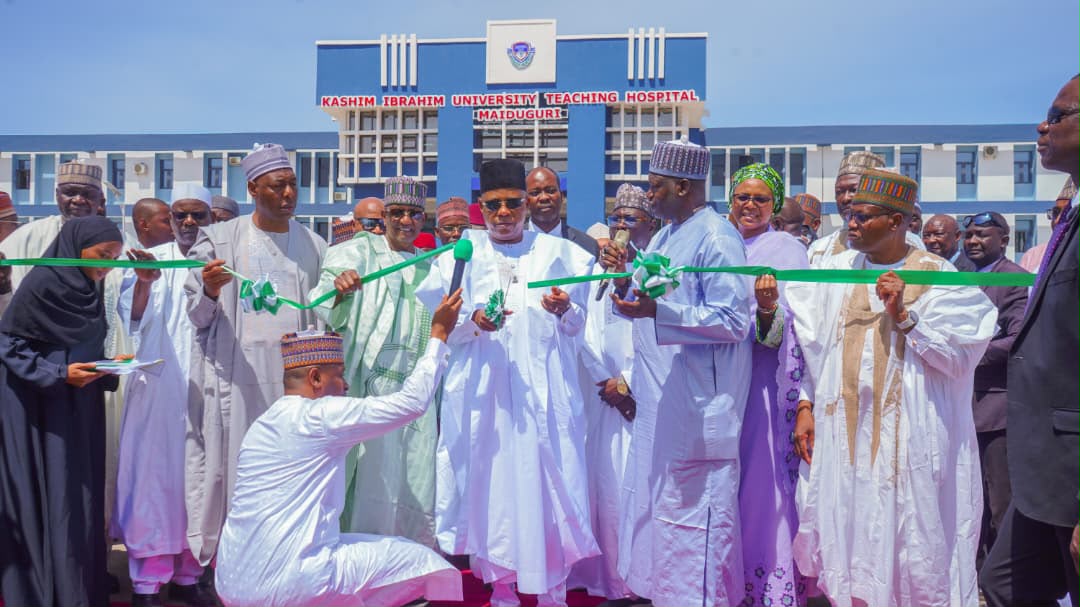
Zulum Targets End to Medical Tourism as Shettima Commissions 400-Bed Teaching Hospital
By: Michael Mike
Borno State Governor, Babagana Zulum, has intensified efforts to curb medical tourism with the establishment of a 400-bed teaching hospital equipped with advanced diagnostic technology and specialist healthcare facilities in Maiduguri.
Vice-President Kashim Shettima on Friday commissioned the Kashim Ibrahim University Teaching Hospital alongside other key projects delivered by the Zulum administration, in a move aimed at expanding access to quality healthcare and strengthening medical training in the North-east.
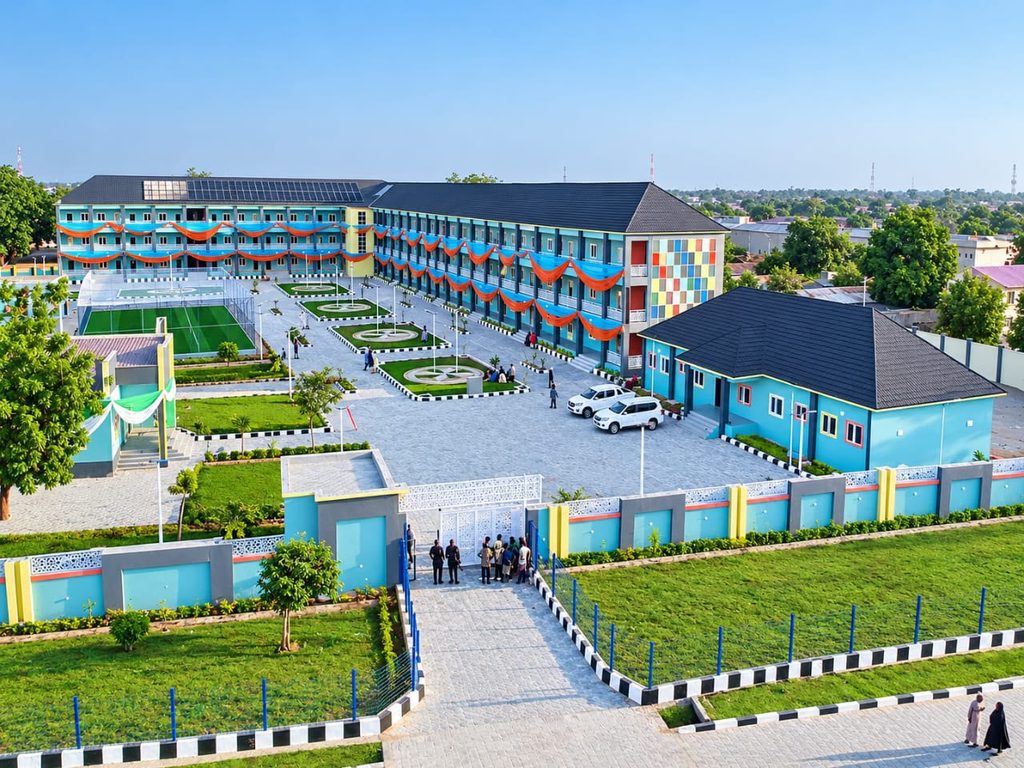
The hospital, which combines specialist medical services with the training of healthcare professionals, is expected to reduce the need for patients in Borno and neighbouring communities to travel elsewhere for advanced diagnosis and treatment.
Equipped with a 1.5-tesla magnetic resonance imaging (MRI) scanner, a 160-slice computed tomography (CT) scanner, three conventional and two mobile X-ray machines, three 4D ultrasound machines, a fluoroscopy system and digital mammography equipment, the facility is designed to expand access to specialised medical services.
Its infrastructure also includes 13 specialist departments covering diagnostic, medical, surgical, emergency, paediatric, internal medicine and physiotherapy services, among others.
The project comprises a medical college complex, a students’ hostel, a 200-unit staff estate and an oxygen plant complex, providing supporting infrastructure for patient care, medical education and healthcare delivery.
Beyond reducing the burden of seeking treatment outside the state, the hospital is expected to serve residents of neighbouring communities and people across the Lake Chad region, while improving access to specialist care for underserved populations.
It is also expected to strengthen healthcare manpower development by providing training opportunities for doctors, nurses and allied health professionals, helping to address shortages that have constrained healthcare delivery in Borno and the wider North-east.
Speaking at the commissioning, Shettima commended Zulum for investing in institutions capable of delivering lasting benefits to the state, particularly in healthcare and education.
He said the value of public office should ultimately be measured by the institutions established, infrastructure delivered and lives improved, rather than the privileges associated with political positions.
“We shall be judged by what survives our time in office, the offices we held, the aides who surrounded us, and the length of our convoys will have surrendered their importance. What will endure are the institutions we built, the roads we built and the lives we improved through service. That is the meaning of our gathering here in Maiduguri. That is why this occasion brings me such joy,” the Vice-President said.
Shettima said the hospital and the schools established by the state government reflected Zulum’s commitment to rebuilding Borno through investments that directly affect people’s lives.
“According to Carl Sagan’s law of insignificance, 100 years from now, everyone you know or who knows you will be out of this world. This is why I do not doubt the vision of His Excellency Professor Babagana Umara Zulum; his passion for healthcare and education is expressed in the institution before us,” he said.
He added that the teaching hospital and schools being established across Maiduguri and other parts of the state demonstrated the governor’s conviction that recovery must translate into tangible improvements in healthcare and access to education.
“The ultra-modern Kashim Ibrahim University Teaching Hospital and the school that dotted our landscape in Maiduguri and across the state give substance to his belief that Borno recovery must reach the patient awaiting treatment and the child sitting in a place in the classroom,” Shettima said.
In the education sector, the Vice-President also commissioned Yerwa Practice Mega Primary School, built by the Zulum administration, and another mega primary school delivered under the Kashim Shettima Free Education Programme.
The programme, regarded as one of the Vice-President’s key education initiatives, provides free education for orphans and vulnerable children.
The projects underscore the Borno government’s strategy of linking post-conflict recovery with investments in essential public services, particularly healthcare and education.
For a state grappling with the long-term effects of insurgency, expanding access to specialist medical services and strengthening the institutions responsible for training health workers remain critical to improving living conditions and rebuilding public infrastructure.
The new teaching hospital is expected to provide a major boost to those efforts by bringing advanced diagnostic services, specialist treatment and medical training together in one institution.
Zulum Targets End to Medical Tourism as Shettima Commissions 400-Bed Teaching Hospital

UNFPA, Kaduna Polo Club Use All-Female Match to Champion Girls’ Rights

VP Shettima: Why Kashim Ibrahim Teaching Hospital Is Key to Borno’s Future

Zulum Targets End to Medical Tourism as Shettima Commissions 400-Bed Teaching Hospital

Roger Federer’s Shock as DNA Results Reveal Myla and Charlene Are Not His Biological Children

THE PLIGHT OF FARIDA

FAILED COUP IN BURKINA FASO: HOW TRAORÉ NARROWLY ESCAPED ASSASSINATION PLOT AMID FOREIGN INTERFERENCE CLAIMS
-
 News3 years ago
Roger Federer’s Shock as DNA Results Reveal Myla and Charlene Are Not His Biological Children
-
Opinions5 years ago
THE PLIGHT OF FARIDA
-
 News2 years ago
FAILED COUP IN BURKINA FASO: HOW TRAORÉ NARROWLY ESCAPED ASSASSINATION PLOT AMID FOREIGN INTERFERENCE CLAIMS
-
 Opinions5 years ago
POLICE CHARGE ROOMS, A MINTING PRESS
-

 News3 years ago
EYN: Rev. Billi, Distortion of History, and The Living Tamarind Tree
-

 ACADEMICS3 years ago
A History of Biu” (2015) and The Lingering Bura-Pabir Question (1)
-

 Columns3 years ago
Army University Biu: There is certain interest, but certainly not from Borno.
-

 Politics1 year ago
2027: Why Hon. Midala Balami Must Go, as Youths in Hawul and Asikira/Uba Federal Constituency Reject ₦500,000 as Sallah Gift
