
News
ISWAP Commanders Clash in Timbuktu Triangle, Several Feared Dead

ISWAP Commanders Clash in Timbuktu Triangle, Several Feared Dead
By: Zagazola Makama
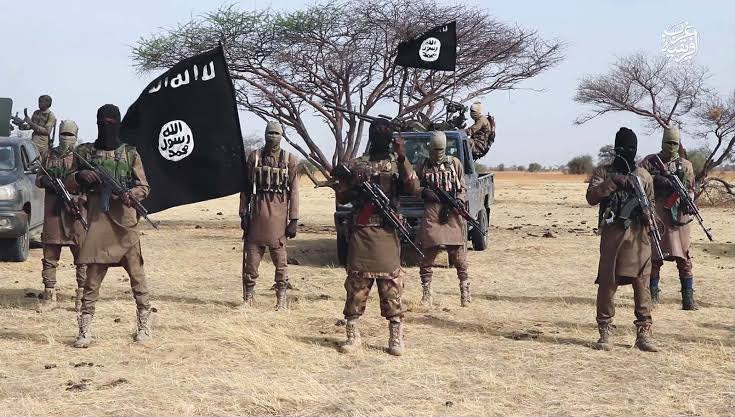
The Islamic State West Africa Province (ISWAP) has been hit by a violent internal power struggle in its stronghold within the Timbuktu Triangle, with several fighters reportedly killed after rival commanders turned their weapons on one another over a disagreement on a planned attack.
Intelligence sources told Zagazola Makama that the clash occurred on Friday, June 27, following a heated dispute between senior field commanders over the conduct of an operation that had been scheduled for the previous night.
According to the sources, one of the commanders, identified simply as Abu Ali, reportedly refused to allow fighters under his control to participate in the planned attack. His decision was said to have angered another senior commander, who accused him of deliberately frustrating the operation and questioned his loyalty to the group.
What began as an argument between the rival factions quickly degenerated into an exchange of gunfire inside the group’s enclave in the Timbuktu Triangle, one of ISWAP’s most fortified hideouts in the Lake Chad region.
Multiple intelligence sources familiar with developments in the area said several fighters were killed during the confrontation, while one of the rival commanders is believed to have died from injuries sustained in the clash. Security agencies are still working to establish the identities of those involved and determine the full casualty figure.
The incident marks one of the most serious cases of internal fighting recorded within ISWAP in recent months and points to growing cracks in the group’s command structure.
Sources said the dispute was not an isolated disagreement but the culmination of weeks of rising tension among commanders over operational decisions, dwindling resources and the management of logistics inside the enclave.
Sources believe the refusal to approve the planned attack merely exposed deeper grievances that had been building within the organisation, with rival commanders increasingly competing for influence, manpower and control of supplies.
The Timbuktu Triangle has for years remained one of ISWAP’s principal operational bases, serving as a sanctuary for commanders, training camps and logistics hubs from where attacks are coordinated across parts of the Lake Chad Basin. Any disruption to command within the enclave is therefore considered significant from an operational standpoint.
Security sources said the latest confrontation is expected to affect the group’s ability to coordinate attacks in the immediate term as distrust spreads among commanders and fighters.
“The incident has created divisions within the camp. There is now suspicion among different factions, and this could affect decision-making, logistics and operational planning until the leadership is able to reassert control,” one intelligence source familiar with the situation said.
There are also concerns that the killing of a senior figure could trigger retaliatory attacks within the group, as loyalists seek revenge against those they hold responsible. Such reprisals have historically deepened divisions within terrorist organisations and weakened internal cohesion.
The latest development reflects the cumulative pressure ISWAP has come under in recent months as sustained military operations continue to target its commanders, logistics networks and freedom of movement across the Lake Chad region.
Although the group remains capable of carrying out attacks, security analysts believe persistent military pressure has increased competition over scarce resources and intensified mistrust among field commanders, creating conditions for internal conflict.
The incident offers a rare glimpse into the growing strains within one of the region’s most organised terrorist groups, suggesting that, beyond the battlefield, ISWAP is increasingly confronting a struggle for cohesion and control from within.
The development is also viewed as an opportunity for ongoing counter-terrorism efforts. Intelligence officials believe divisions within the group could encourage defections and make it more difficult for ISWAP to plan and execute coordinated operations if the internal crisis persists.
ISWAP Commanders Clash in Timbuktu Triangle, Several Feared Dead


Military Mortar Strikes Kill Several ISWAP Fighters, Including Three Foreigners, at Dumba
By: Zagazola Makama
The Nigerian army troops of Sector 3 Operation HADIN KAI have killed several suspected Islamic State West Africa Province (ISWAP) fighters, including three foreign fighters, in an offensive operation targeting a terrorist enclave at Dumba.
Security sources said the operation was conducted on November 1, 2026, by a fire team comprising troops of the Nigerian Army’s Lake Chad Basin operations and 403 Amphibious Brigade.
The sources said troops initially observed that the terrorists had relocated northwards, beyond the effective range of their 60mm mortar weapons, prompting the soldiers to manoeuvre to a more favourable firing position.
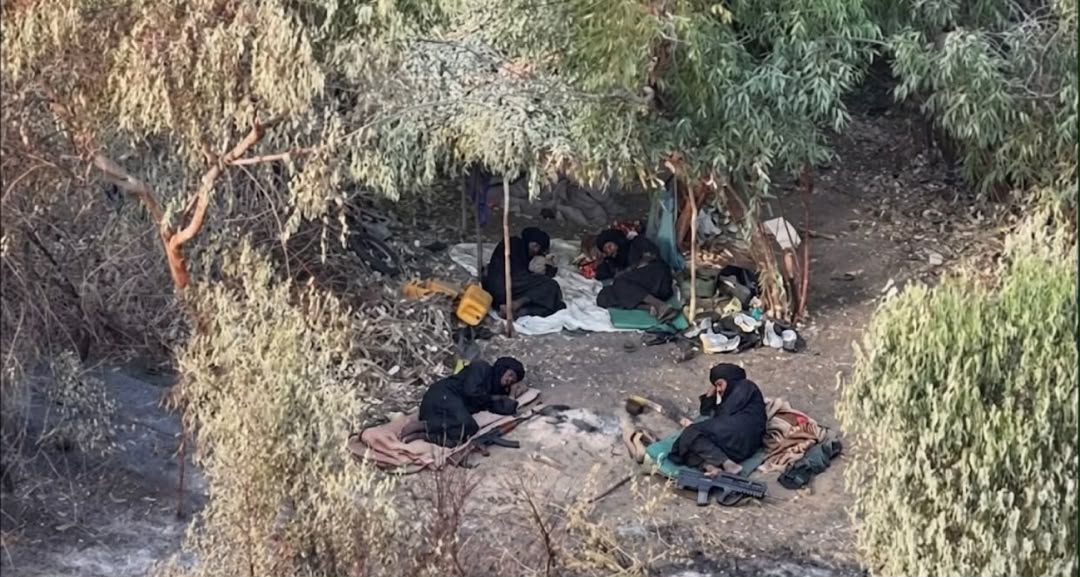
At about 5:00 p.m., following extensive reconnaissance of the terrorist hideouts, troops located the fighters at a new position in Dumba, where some foreign fighters were sighted.
The troops subsequently engaged the targets with 60mm mortar fire, recording effective hits on the terrorist position.
Human intelligence sources later confirmed the impact of the bombardment, reporting that several terrorist casualties were evacuated from the area using wheelbarrows.
Further intelligence indicated that three foreign fighters were among those killed in the bombardment.
Mire battle damage assessment and follow-on operations were ongoing to determine the full impact of the strikes and sustain pressure on the terrorist group.
Attached below is Exclusive Photo of Terrorists position before the strikes obtained by Zagazola
Military Mortar Strikes Kill Several ISWAP Fighters, Including Three Foreigners, at Dumba

Ikpeazu Seeks Spanish Technology Transfer to Modernise Nigeria’s Footwear Industry
…Nigerian envoy engages Alicante footwear manufacturers, explores training, investment and business partnerships to boost local production
By: Michael Mike
Nigeria has begun exploring strategic partnerships with Spain’s established footwear industry to modernise local shoe manufacturing, improve production standards and strengthen the competitiveness of Nigerian manufacturers in domestic and international markets.
The Nigerian Ambassador to Spain, Dr Victor Ikpeazu, made the move during a visit to Alicante Province on Monday, November 2, where he held discussions with leading Spanish footwear industry stakeholders on technology transfer, technical training, innovation and business-to-business partnerships.
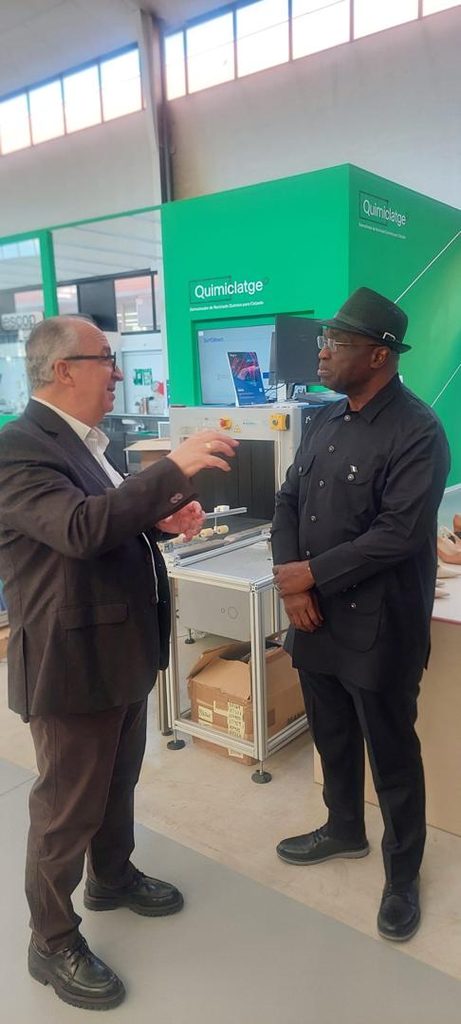
According to a statement issued by the Nigerian Embassy in Madrid, Ikpeazu met with the President of the Valencian Association of Footwear Manufacturers Entrepreneurs (AVECAL), Vicente Pastor Perez, as well as representatives of the footwear technology centre, INESCOP, and manufacturers Pikolinos and Hispanitas.
The engagement is part of efforts by the Nigerian Mission to connect local footwear manufacturers with Spain’s established manufacturing ecosystem and create opportunities for skills development, industrial cooperation and investment.
At INESCOP, a footwear technology and innovation centre based in Elda, Alicante, the ambassador was received by its Director of Technologies and Materials, Elena Orgilés Calpena, who conducted him round the facility to showcase its technological capabilities, research activities and manufacturing standards.
INESCOP works with more than 400 member companies across different countries, providing support for advances in footwear design, materials and manufacturing processes.
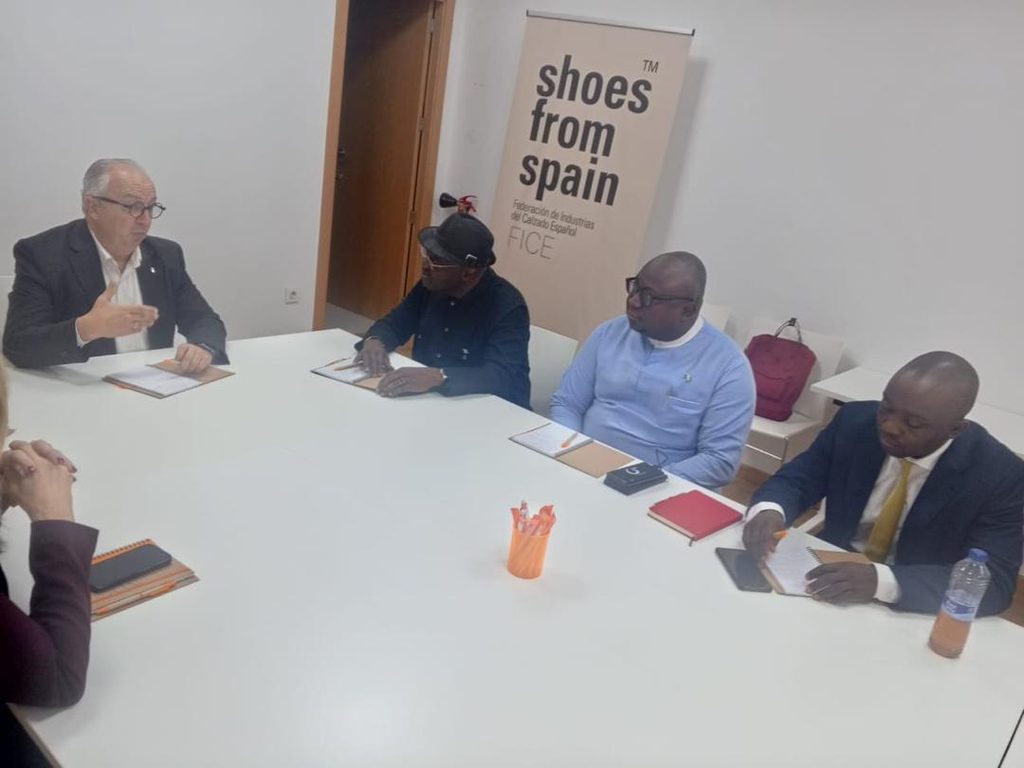
Discussions focused on how its technical expertise could be adapted to strengthen Nigeria’s footwear industry, particularly through specialised training, technology transfer, quality management, certification and innovation.
The parties also explored capacity-building programmes for Nigerian technicians, manufacturers and industry-support organisations, with emphasis on sustainability, improved productivity and compliance with international quality standards.
Speaking during the engagements, Ikpeazu highlighted the entrepreneurial capacity and ingenuity of Nigerian footwear manufacturers, noting that many had continued to produce different categories of shoes manually despite limited access to modern technology and advanced manufacturing equipment.
He said the Nigerian Embassy was prepared to facilitate direct engagements between interested Nigerian entrepreneurs and their Spanish counterparts to encourage partnerships and business-to-business matchmaking.
At his meeting with AVECAL, Pikolinos and Hispanitas, the ambassador explored opportunities for structured collaboration, including knowledge-sharing platforms, technical exchanges, joint programmes and exposure to modern production processes.
The visit to Pikolinos provided an opportunity to examine practical aspects of industrial footwear production, while discussions with Hispanitas centred on strengthening commercial and technical relationships between manufacturers in both countries.
Pastor Perez assured the ambassador of AVECAL’s willingness to work with the Nigerian Embassy to establish the necessary arrangements for sustained engagement between Spanish footwear businesses and Nigerian entrepreneurs.
The association also expressed readiness to explore practical cooperation that could facilitate access to industry expertise, training opportunities and potential business partnerships.
Ikpeazu said closer engagement with Spain’s footwear manufacturing cluster, particularly in the Valencia region and Alicante Province, could offer Nigerian manufacturers opportunities to upgrade their production capabilities, improve product quality and expand their access to international markets.
He identified technology transfer, specialised training and sustained industry dialogue as important elements in building a more competitive Nigerian footwear sector.
The Spanish industry representatives also expressed willingness to explore concrete cooperation mechanisms, including technical exchanges, training attachments and knowledge-sharing initiatives.
The ambassador was accompanied on the visit by the Senior Counsellor, Mr Kimiebi Ebienfa, and First Secretary, Mr Likson Dadi.
The engagement forms part of the Nigerian Mission’s broader economic diplomacy initiative aimed at attracting foreign direct investment, promoting industrial partnerships and supporting the Federal Government’s efforts to stimulate manufacturing and economic development under President Bola Tinubu’s ongoing economic reforms.
Ikpeazu Seeks Spanish Technology Transfer to Modernise Nigeria’s Footwear Industry
FG Raises Alarm Over Gambian Directive to Replace 57 Nigerian Bank Workers
…Commission seeks reversal of December deadline, warns against displacement of African professionals
By: Michael Mike
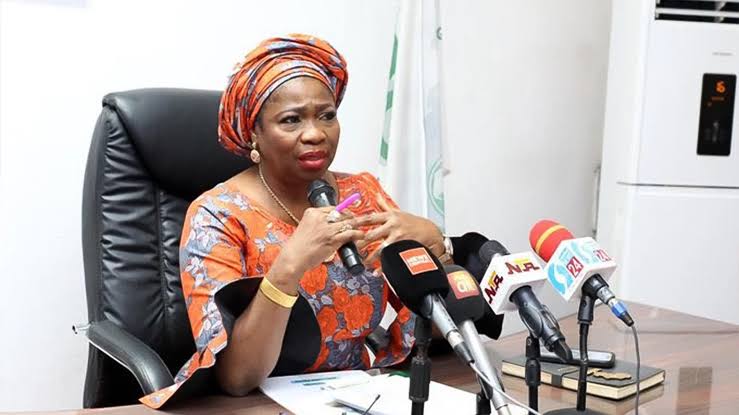
An agency of the Federal Government, the Nigerians in Diaspora Commission (NiDCOM) has called on the Central Bank of The Gambia to reverse a directive requiring banks operating in the country to replace non-Gambian employees with qualified Gambian nationals, warning that the policy could lead to the displacement of 57 Nigerian professionals.
The directive, reportedly issued on September 16, 2026, gives banks until December 31, 2026, to replace their existing non-Gambian employees with Gambians, a development NiDCOM said had raised serious concerns about the welfare and employment rights of affected Nigerians.
The Chairman/Chief Executive Officer of NiDCOM, Hon. Abike Dabiri-Erewa, described the development as deeply worrisome, particularly as the affected Nigerian professionals reportedly possess valid residency and work permits and have made significant contributions to The Gambia’s banking sector.
In a statement issued in Abuja on Tuesday, the Commission acknowledged The Gambia’s right to promote local employment and develop its workforce but insisted that such policies must respect existing employment arrangements, legitimate work authorisations and the principles of African solidarity and regional integration.
NiDCOM said information available to it indicated that 57 Nigerian professionals working in four Nigerian-origin banks operating in The Gambia could be affected by the directive.
The Commission also drew attention to the economic contributions of the four banks, which collectively account for approximately 37.2 per cent of total banking industry deposits, valued at 35.3 billion Gambian dalasi, and 32.6 per cent of loans, worth 7.67 billion dalasi.
The banks also reportedly control 37 per cent of the industry’s total assets, valued at 44.78 billion dalasi, while accounting for about 34.5 per cent of investments in Central Bank bonds.
More significantly, NiDCOM said the four institutions reportedly contributed 90 per cent of the funding supporting the operations of the National Water and Electricity Company (NAWEC), highlighting their importance to the Gambian economy
.
The Commission expressed concern that a blanket employment replacement policy could undermine the contributions of African professionals and investors to host economies, particularly at a time when African countries are seeking to deepen economic cooperation and regional integration.
It argued that encouraging African investment and the free movement of people while implementing policies capable of indiscriminately displacing qualified African professionals could undermine the objectives of continental economic integration.
NiDCOM therefore urged the Central Bank of The Gambia to immediately reconsider and reverse the directive, calling for consultations with the Nigerian High Commission in Banjul, the affected financial institutions and other relevant stakeholders to achieve an equitable resolution.
The Commission also appealed to Gambian authorities to uphold the spirit of the Economic Community of West African States (ECOWAS) integration framework and the longstanding cordial relationship between Nigeria and The Gambia.
It called for constructive diplomatic engagement to resolve the dispute without jeopardising the livelihoods of affected Nigerian professionals or the broader economic relationship between both countries.
The development comes against the backdrop of regional efforts to promote the free movement of people, capital and services, as well as stronger economic partnerships among African countries.
FG Raises Alarm Over Gambian Directive to Replace 57 Nigerian Bank Workers

Military Mortar Strikes Kill Several ISWAP Fighters, Including Three Foreigners, at Dumba

Borno Safe, Stable and Ready for Investment… Zulum

Ikpeazu Seeks Spanish Technology Transfer to Modernise Nigeria’s Footwear Industry

Roger Federer’s Shock as DNA Results Reveal Myla and Charlene Are Not His Biological Children

THE PLIGHT OF FARIDA

FAILED COUP IN BURKINA FASO: HOW TRAORÉ NARROWLY ESCAPED ASSASSINATION PLOT AMID FOREIGN INTERFERENCE CLAIMS
-
 News3 years ago
Roger Federer’s Shock as DNA Results Reveal Myla and Charlene Are Not His Biological Children
-
Opinions5 years ago
THE PLIGHT OF FARIDA
-
 News2 years ago
FAILED COUP IN BURKINA FASO: HOW TRAORÉ NARROWLY ESCAPED ASSASSINATION PLOT AMID FOREIGN INTERFERENCE CLAIMS
-
 Opinions5 years ago
POLICE CHARGE ROOMS, A MINTING PRESS
-

 News3 years ago
EYN: Rev. Billi, Distortion of History, and The Living Tamarind Tree
-

 ACADEMICS3 years ago
A History of Biu” (2015) and The Lingering Bura-Pabir Question (1)
-

 Columns3 years ago
Army University Biu: There is certain interest, but certainly not from Borno.
-

 Politics1 year ago
2027: Why Hon. Midala Balami Must Go, as Youths in Hawul and Asikira/Uba Federal Constituency Reject ₦500,000 as Sallah Gift
