
News
Release of Oyo School Kidnap Victims, a Testimony of Effective Inter-Agency Collaboration- NSCDC Boss

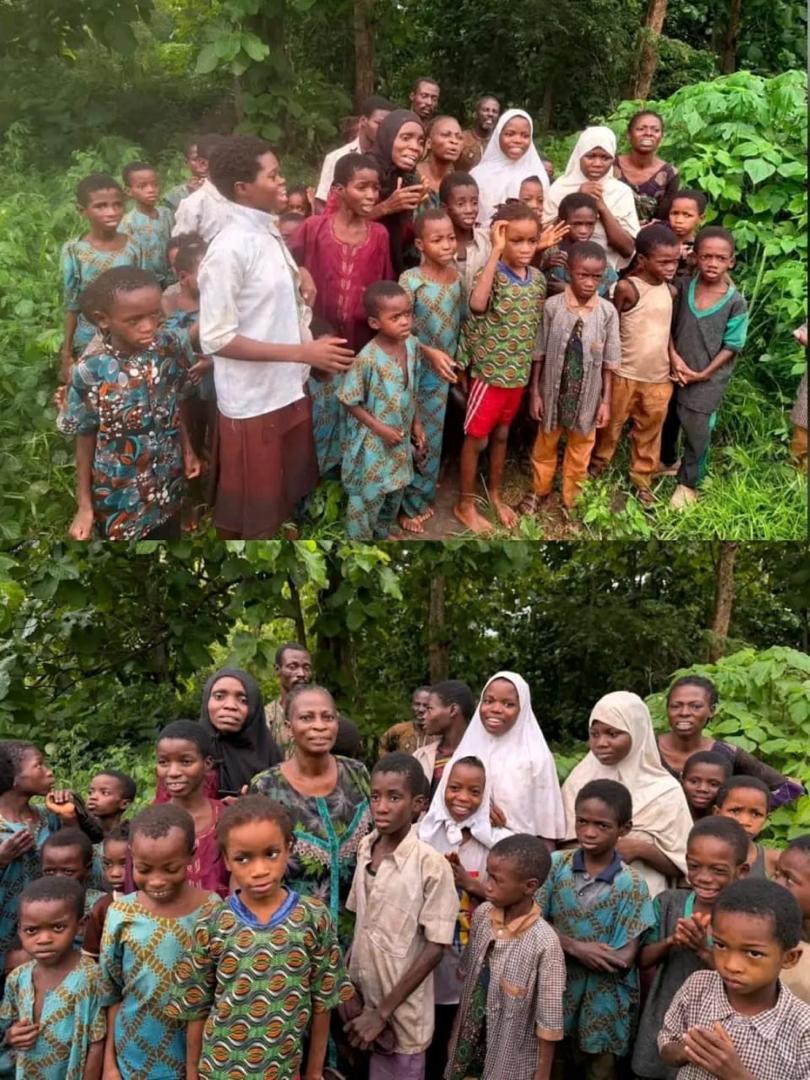
Release of Oyo School Kidnap Victims, a Testimony of Effective Inter-Agency Collaboration- NSCDC Boss
By: Michael Mike
The Nigeria Security and Civil Defence Corps (NSCDC) has applauded the successful rescue of 44 pupils and teachers abducted in Oyo State, describing the operation as a major boost to the Federal Government’s Safe Schools Initiative.
The Commandant General of the Corps, Prof. Ahmed Audi, commended the coordinated efforts of security agencies involved in the operation, saying the rescue underscored the effectiveness of intelligence sharing and inter-agency collaboration in tackling insecurity.
The victims were kidnapped by armed terrorists on May 15, 2026, in Oriire Local Government Area of Oyo State before they were freed in a coordinated intelligence-led operation involving multiple security agencies.
Those involved in the rescue include the National Counter Terrorism Centre (NCTC) under the Office of the National Security Adviser, Defence Headquarters, the Nigerian Army Special Forces, the Nigerian Navy, the Nigerian Air Force, the Nigeria Police Force, the Department of State Services (DSS), the National Intelligence Agency (NIA), and the NSCDC.
Reacting to the development, Prof. Audi said the operation reflected the Federal Government’s resolve to combat terrorism, secure schools and safeguard the lives of Nigerians.
He praised the courage, professionalism and commitment demonstrated by the security personnel, noting that the NSCDC would continue to support efforts aimed at protecting schools and other critical national assets through intelligence gathering, strategic deployment of personnel, community engagement and sustained collaboration with sister security agencies.
The NSCDC boss also called on Nigerians to support security agencies by providing timely and credible information that could aid the arrest of criminal elements, stressing that security is a shared responsibility.
Reaffirming the Corps’ commitment to its statutory responsibilities, Audi said the NSCDC would continue to protect critical national assets and infrastructure, respond to emergencies, strengthen disaster management and work closely with other security agencies to promote peace and security across the country.
Release of Oyo School Kidnap Victims, a Testimony of Effective Inter-Agency Collaboration- NSCDC Boss


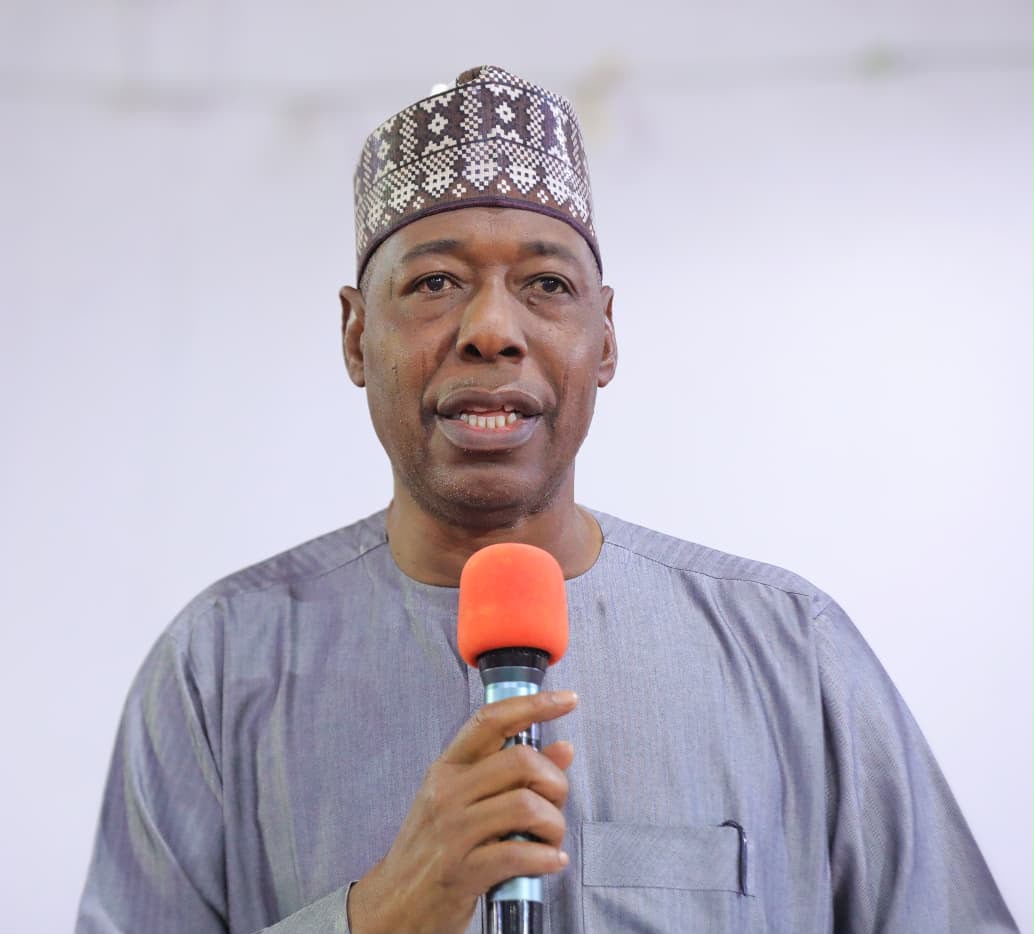
Ajakuta: Borno loses infrastructure worth billions to scavengers, Zulum says
By: Our Reporter
Borno State Governor, Babagana Umara Zulum, has revealed that the state has lost metals, electrical materials and infrastructure worth billions of naira to scavengers, locally known as Ajakuta.

He said this, among other security concerns, led to a ban on the scrap metal trade in Borno State.
The Governor disclosed this on Saturday while addressing operators, urging them to submit proposals on how they can continue their businesses without contributing to insecurity or destroying public infrastructure.

Zulum explained that the ban was imposed in the overall interest of the state and not to deprive operators of their livelihood.

He stressed that the government had no personal interest in stopping their businesses, adding that the measure aimed to protect public assets and strengthen security.

Governor Zulum said, “It is deeply concerning to me if one person loses his livelihood for whatever reason in Borno; believe me, there is nothing I stand to gain from banning scrap metal trade rather than addressing the serious security concerns associated with your activities.”
“We spent more than N3 billion to connect an electricity distribution line from Damaturu to Maiduguri, but unfortunately we lost all the wires to the metal scavenging activities. Before the ban, hundreds of your members were killed in the process of scavenging for metals in the villages that are not yet safe for civilian activities.”
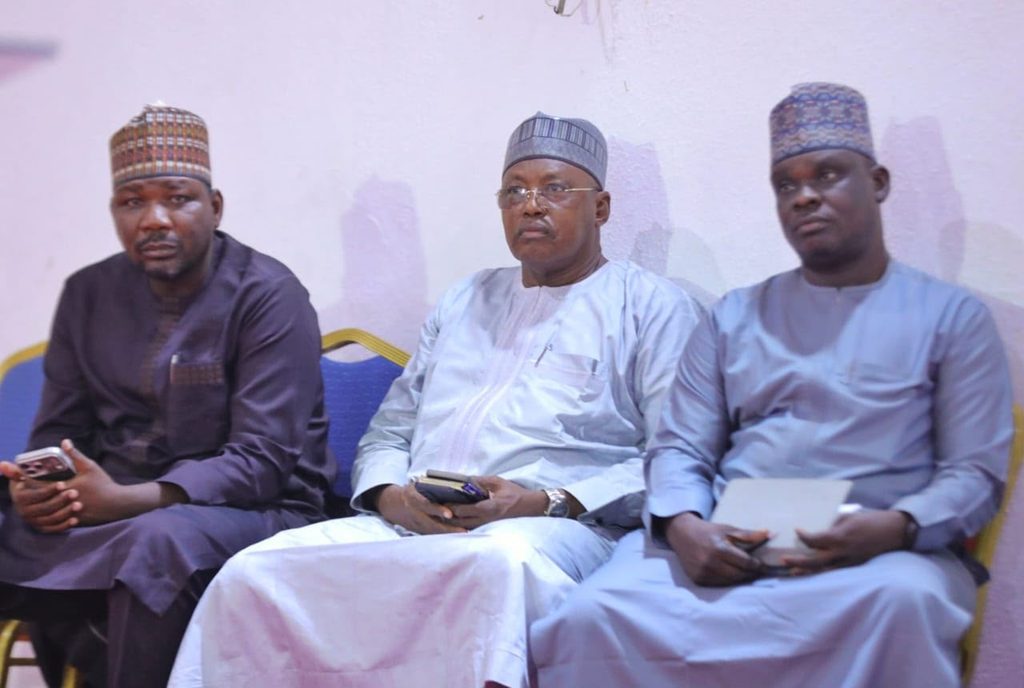
“We have security intelligence that even the insurgents use your platforms to sell looted metals. So, no responsible government will ignore such intelligence just to be politically correct.”
He further granted a waiver allowing the operators to evacuate stock accumulated before the ban at selected locations, a move intended to ease the impact of the restriction on genuine businesses.
Ajakuta: Borno loses infrastructure worth billions to scavengers, Zulum says
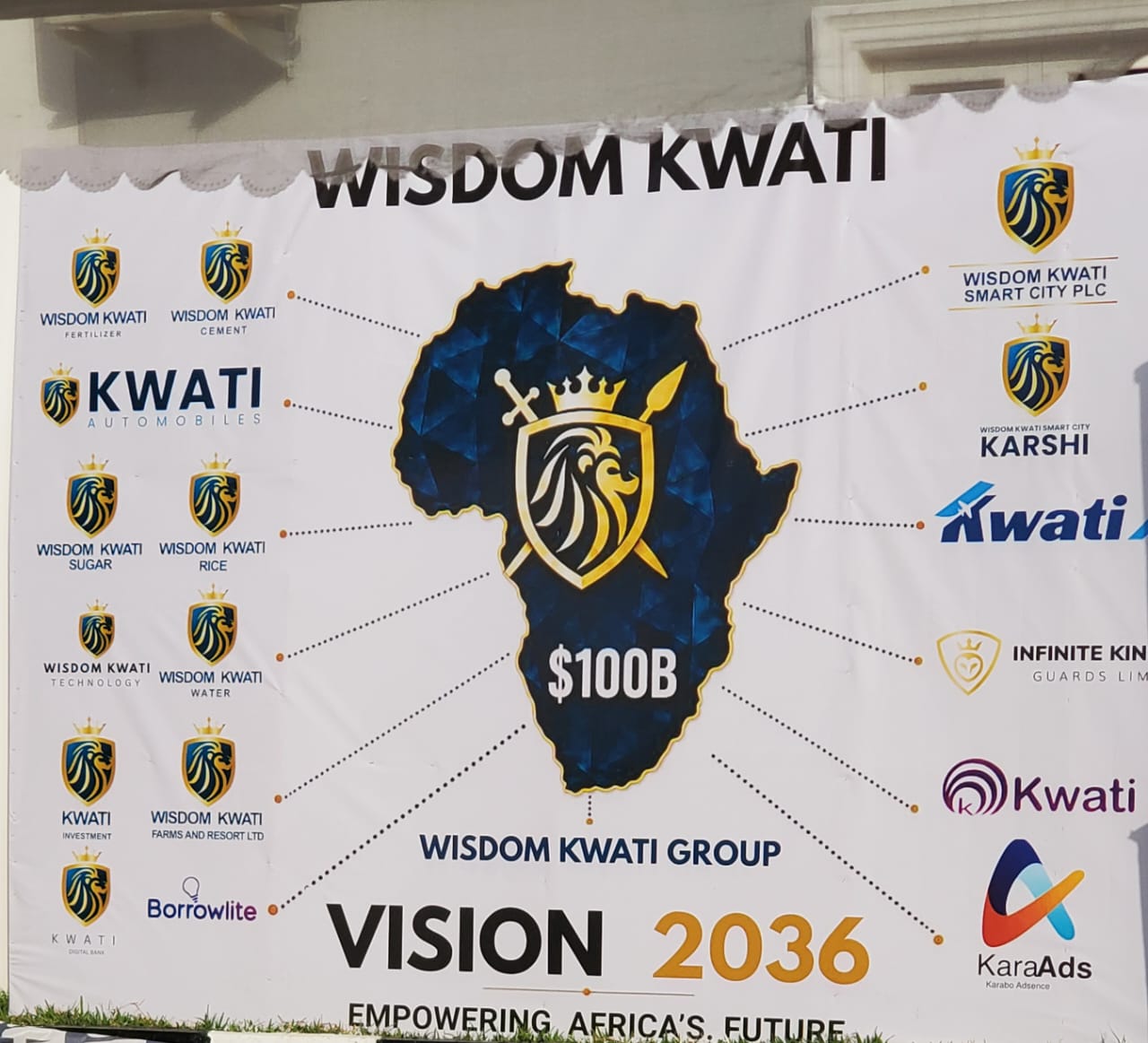
Wisdom Kwati Group Targets $100bn Revenue by 2036, Eyes NGX, London Listings
By: Michael Mike
Wisdom Kwati Group, a Nigerian conglomerate, has unveiled plans to grow its consolidated revenue to $100 billion by 2036 and pursue listings on the Nigerian Exchange (NGX) and London Stock Exchange in 2027, setting out an ambitious expansion programme spanning real estate, agriculture, financial technology, aviation and manufacturing.
The group announced the 10-year growth blueprint, tagged Vision 2036, during the inauguration of its corporate headquarters in Abuja and the presentation of Wisdom Kwati Smart City Plc as a public limited company.
Its chairman, Wisdom Kwati, said the $100 billion revenue target represented a long-term ambition rather than the group’s current financial position, pledging to strengthen corporate governance, introduce independent oversight and adopt international auditing standards as the business expands.
“It is not a claim that we are already a $100 billion enterprise. We are not. We will report under IFRS, audited internationally. Related-party transactions will go to independent directors. If we cannot defend that figure, we will not claim it,” Kwati said.
He said the group’s immediate priorities included compliance, documentation and measurable delivery, adding that the success of Vision 2036 would depend on building businesses whose performance could be independently verified.
As part of its capital-raising strategy, management said Wisdom Kwati Smart City Plc had received clearance to begin its listing process, with private placements expected to precede a proposed initial public offering and dual listing on the NGX and London Stock Exchange in 2027.
The proposed listings would mark a significant step in the group’s efforts to access capital markets, although the timeline remains subject to applicable regulatory requirements and the completion of the necessary processes.
Management said the smart city subsidiary operated across seven locations in Adamawa, Rivers, Abuja, Lagos, Kaduna, Nasarawa and Oyo states. It put the subsidiary’s asset valuation at about N74 billion, against reported turnover of N10 million at an earlier stage of its operations. The figures were not independently verified at the event.
Under Vision 2036, the group projects that its smart city business will contribute $50 billion in revenue through the development of five million homes across Africa, Asia, Europe and North America.
Its financial technology platform, which management said currently has more than 7,000 users, is expected to grow to two million users within 24 months and 50 million by 2036, contributing a projected $20 billion in revenue.
The group also plans to expand its agricultural operations following the acquisition of 1,000 hectares in Keffi, Nasarawa State, for farming. It intends to increase the area under cultivation to 10,000 hectares by 2030, with a longer-term target of securing up to 500,000 hectares across West Africa.
In Sierra Leone, management said it had secured 11,500 hectares in Nuni, near an airport, in partnership with the country’s government. Discussions were also said to be ongoing on proposed smart city projects in the United Arab Emirates, Ghana and Houston, Texas, by 2030.
Beyond real estate and agriculture, the group outlined plans to introduce bottled water and rice products by January 2027, followed by sugar in the second quarter, cement in the third quarter and fertiliser towards the end of the year.
Its artificial intelligence platform, Karrot, which management said had generated more than N100 million, is projected to achieve $1 billion in revenue by 2030.
The Group Chief Operating Officer, Pastor Baba Yerima Ballah, traced the organisation’s development from its beginnings as Tarabost about a decade ago to what he described as a 500-person organisation.
Ballah said the company had initially explored foreign financing for its smart city concept through a proposal submitted to the German government. However, he said regulatory bottlenecks frustrated efforts to secure the funding, prompting the group to reconsider its strategy and pursue local development.
He said the group’s interests now span construction, security, financial technology, agriculture, aviation, technology and real estate, including Karabo Construction, Infinity Kingdom Guards, Kwati Fintech Bank, Kwati Rice and Sugar, Kwati AI and Kwati Air.
Kwati said the group’s objective was to build businesses capable of delivering tangible infrastructure and services rather than relying on ambitious projections.
“Africa does not lack visions. What it lacks is the operating machine that will turn visions into houses with bedrooms, flights that land on time, and cities that will have water and title, not only renders,” he said.
He added that the group intended to develop an interconnected business model in which its subsidiaries patronised one another, creating demand and supporting growth across its various operations.
Management also pledged to protect investors’ funds and meet agreed returns, saying the credibility of Vision 2036 would ultimately be determined by execution.
The scale of the programme, however, presents significant financing, regulatory and operational demands. Delivering the proposed housing developments, expanding agricultural holdings across several countries and growing the fintech platform to millions of users would require substantial capital, effective management and sustained commercial performance.
The group’s revenue projections, asset valuation, proposed stock market listings and international expansion plans were not independently verified at the event. Their eventual realisation will depend on the availability of funding, compliance with regulatory requirements and the ability to translate the announced targets into demonstrable business results.
Wisdom Kwati Group Targets $100bn Revenue by 2036, Eyes NGX, London Listings
HOMEF: Hunger Amid Abundance Exposes Failure of Nigeria’s Food System
By: Michael Mike
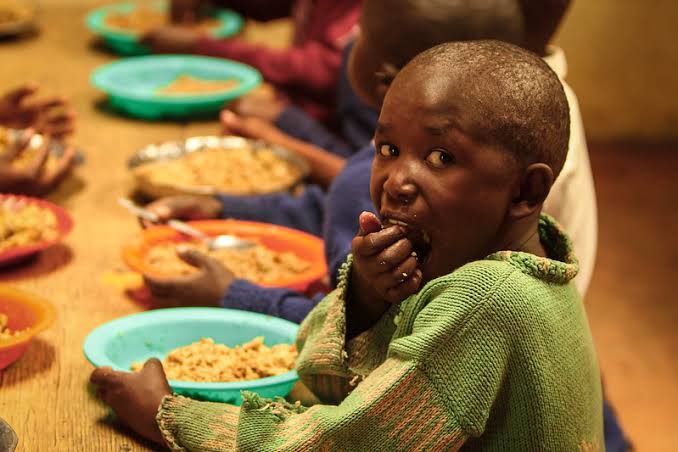
The Health of Mother Earth Foundation (HOMEF) has called for urgent reforms to Nigeria’s food system, warning that industrial agriculture, restrictions on farmers’ rights to indigenous seeds and the neglect of agroecology are undermining food sovereignty, nutrition and climate resilience.
The environmental organisation said hunger amid abundant natural and human resources reflected deeper failures in political and economic choices, stressing that tackling food insecurity required more than increasing agricultural output.
In a statement to mark World Food Day, HOMEF urged governments to address the root causes of hunger and malnutrition, protect farmers’ rights, strengthen local food systems and ensure that smallholder farmers retain control over the seeds they plant.
The organisation said climate change, economic instability and conflicts continued to disrupt food production and distribution, exposing the vulnerability of food systems that prioritise industrial uniformity over agricultural diversity.
Its Executive Director, Nnimmo Bassey, said the annual observance should serve as an opportunity to confront the structural problems within the food system rather than merely celebrate food production.
“World Food Day should be a day of reflection. It must also be a day of structural reckoning,” Bassey said, criticising what he described as a food system dominated by monoculture and cash cropping at the expense of biodiversity and farmers’ independence.
He said the approach had weakened food supply chains, depleted soil vitality and reduced farmers’ ability to determine what they grow and how they produce it.
Bassey urged Nigerians to be more conscious of the food they consume, arguing that food sovereignty must be central to efforts to address the interconnected food and climate crises.
He described indigenous seeds as critical resources for adapting to changing climatic conditions, noting that their genetic diversity could support drought resistance, pest management and improved nutritional outcomes.
“We must move beyond the short-sighted goal of ‘yield at any cost’ and support a transition to agroecology,” he said.
According to him, protecting indigenous seeds goes beyond local control of agricultural resources, as it also safeguards the biodiversity needed to sustain ecosystems and food production.
“We cannot have a healthy planet if we continue to destroy the very biological foundations that are our seeds, that allow life to persist,” he added.
HOMEF’s Director of Programmes, Joyce Brown, said the persistence of hunger in a resource-rich continent exposed the consequences of prevailing political and economic policies.
She argued that food should not be treated merely as a commodity for profit but as an essential component of public health, cultural identity and human rights.
Brown said genuine food sovereignty required governments and international institutions to reconsider policies that favour industrial exporters over small-scale local producers.
“True food sovereignty means shifting the power dynamics of the food system,” she said, adding that local producers should receive greater support to produce food that meets the nutritional and cultural needs of their communities.
She also warned that restrictions on farmers’ access to and use of indigenous seeds could weaken nutritional security, particularly among vulnerable populations.
Brown specifically raised concerns about the Nigerian Plant Variety Protection Act, 2021, arguing that seed-related policies must protect farmers’ rights and preserve their ability to save and replant traditional varieties.
“We must ensure that our policies treat the right to food as a right to local sovereignty, ensuring that the people closest to the land have the authority to decide how it is used and what is grown upon it,” she said.
Similarly, the Deputy Director of Environmental Rights Action/Friends of the Earth Nigeria (ERA/FoEN), Mariann Bassey-Olsson, described seed-saving as an act of resistance, independence and cultural preservation.
She rejected the argument that industrial agriculture was the only viable means of feeding the world, pointing to the contributions of smallholder farmers who have sustained communities for generations.
According to her, preserving and exchanging indigenous seeds enables farmers to maintain control over their agricultural resources without becoming dependent on corporate seed ownership and chemical-intensive production systems.
Bassey-Olsson said traditional seed varieties represented generations of adaptation to local soils and climatic conditions, making them valuable resources for resilient food production.
“Food sovereignty begins and ends with the absolute freedom to save, exchange, and replant our own varieties. If we lose control of our seeds, we surrender our autonomy,” she said.
HOMEF further called for greater investment in diverse local food systems and improved access to agricultural knowledge and resources for smallholder farmers and marginalised communities.
The organisation urged a shift towards regenerative agricultural practices, particularly agroecology, which it said could improve soil health, support biodiversity, strengthen rural livelihoods and enhance the nutritional quality of food.
It also opposed what it described as false solutions to food insecurity, including genetic modification of crops, arguing that such technologies could threaten farmers’ control over seeds and increase dependence on foreign corporations.
The organisation maintained that future food systems should prioritise nutritional quality, ecological sustainability and the economic wellbeing of local communities rather than focus narrowly on production volumes.
World Food Day, observed annually on October 16, seeks to raise awareness of hunger and food security and promote access to safe, nutritious and affordable food.
With this year’s theme stated as “Innovate Today” and “Nourish Tomorrow,” HOMEF said efforts to secure the future of food must begin with policies that empower local farmers, protect agricultural biodiversity and recognise adequate food as a fundamental human right.
HOMEF: Hunger Amid Abundance Exposes Failure of Nigeria’s Food System

Ajakuta: Borno loses infrastructure worth billions to scavengers, Zulum says

NDLEA Intercepts Saudi-Bound Cannabis in Palm Oil Keg, Seizes N7bn Tramadol at Lagos Port

Wisdom Kwati Group Targets $100bn Revenue by 2036, Eyes NGX, London Listings

Roger Federer’s Shock as DNA Results Reveal Myla and Charlene Are Not His Biological Children

THE PLIGHT OF FARIDA

FAILED COUP IN BURKINA FASO: HOW TRAORÉ NARROWLY ESCAPED ASSASSINATION PLOT AMID FOREIGN INTERFERENCE CLAIMS
-
 News3 years ago
Roger Federer’s Shock as DNA Results Reveal Myla and Charlene Are Not His Biological Children
-
Opinions5 years ago
THE PLIGHT OF FARIDA
-
 News1 year ago
FAILED COUP IN BURKINA FASO: HOW TRAORÉ NARROWLY ESCAPED ASSASSINATION PLOT AMID FOREIGN INTERFERENCE CLAIMS
-
 Opinions5 years ago
POLICE CHARGE ROOMS, A MINTING PRESS
-

 News3 years ago
EYN: Rev. Billi, Distortion of History, and The Living Tamarind Tree
-

 ACADEMICS3 years ago
A History of Biu” (2015) and The Lingering Bura-Pabir Question (1)
-

 Columns3 years ago
Army University Biu: There is certain interest, but certainly not from Borno.
-

 Politics1 year ago
2027: Why Hon. Midala Balami Must Go, as Youths in Hawul and Asikira/Uba Federal Constituency Reject ₦500,000 as Sallah Gift
