
News
Zulum @57: On The Crest Of History

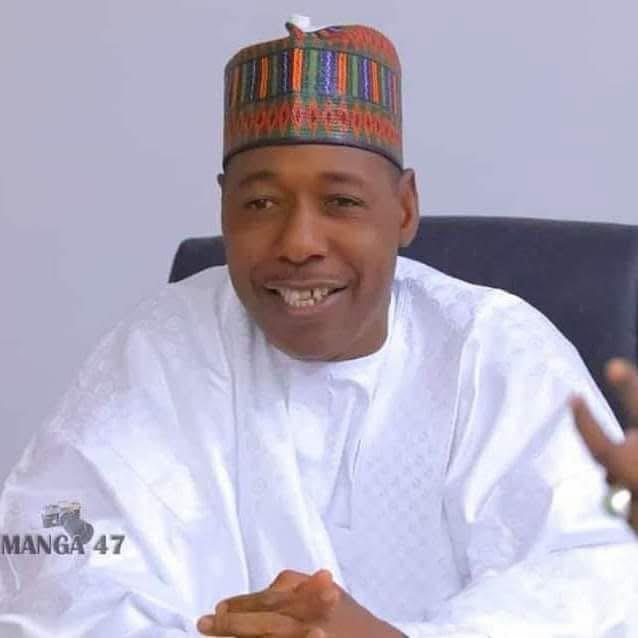
Zulum @57: On The Crest Of History
Governor Babagana Workaphile Zulum’s new age, 57, opens a vista on a golden future for Borno
By: Dauda Iliya
The Executive Governor of Borno State, Professor Babagana Umara Zulum, will turn 57 tomorrow, Tuesday, 25th August, 2026.
Lest we forget, his middle name is ‘Workaphile’, a fond name he acquired for his passion and commitment to work, and for his almost year-round trotting around the state, coordinating reconstruction and ministering to the needs of the terrorised population.
It is pertinent to view this year’s birthday celebration far beyond the usual, mundane, and insipid tradition of sending birthday wishes and congratulatory message placements in the print and electronic media and on social media pages, and the rollout of programmes or social activities for that purpose.
As his last birthday in office, Zulum’s new age, 57, its celebration and what he has, as a public servant and governor, accomplished by its attainment, are all bound by the bond of faith in the sacredness and potency of the covenant he struck with his fellow Bornoans who elected him their governor in 2019, and re-elected him in 2023.
The covenant: On their unshakeable faith in his character, credibility, capacity and commitment to coordinate the course of their affairs according to their needs and aspirations, they would elect him governor. He would, on his part, deploy that character, credibility, capacity, and commitment, and perhaps even more than expected, to govern them according to those needs and aspirations.
They fulfilled their own part of the covenant. They elected him in 2019, and re-elected him in 2023. He is fulfilling his part with as much zest and credibility as he can muster in all circumstances.
At 57, his zest for that fulfilment has attained its zenith. For him, there is no alternative to that fulfilment.
At 57, his focus is firmly fixed, much more than at any time over the last seven years, on breaking the tape at the finish line, with record-breaking accomplishments in purposeful and prosperous governance.
In broad terms, his own part of the covenant requires him to deploy all available resources to mitigate the terror-orchestrated humanitarian crisis suffered by his people, deliver a state safe and secure from terror and solidly placed on the broadway of sustainable recovery and prosperity in all sectors of life, come 29th May, 2027.
He has vowed not to disappoint his new age, 57, about this.
Powered by his public service name, Workaphile, he now operates his governorship machine at full throttle, steering expertly, avoiding potholes and bumps, on the highly dilapidated road of Borno governance.
It is startling to note that Workaphile Zulum has, as he attains 57, spent more than 4,000 days in office, both as Commissioner of Rehabilitation, Reconstruction and Resettlement and Governor, thinking Borno, serving Borno, executing programs, projects, policies and initiatives for the reconstruction, growth and development of his terror-battered state.
While receiving prominent sons and daughters of Gubio Local Government Area recently in Maiduguri, the Workaphile, also hailed as Servant Governor, reflected on the challenges he encountered at the beginning of his administration in 2019.
He recalled how he stood face-to-face with the gargantuan imperative to make enormous sacrifices to confront the state’s security and humanitarian crises.
“When I took over the leadership of the state, in the first 55 days of my administration, I saw my children only three times. The first four years were really challenging, but Almighty Allah has helped us to see light at the end of the tunnel,” he said.
At 57, he is, more than at any time over the last seven years, firmer in his vow to beam that light permanently on the state as he strides out of office come 29th May, 2027, brandishing his towering list of accomplishments.
As he strides forth with much more gusto than ever before, Governor Workaphile Zulum knows no holidays or festival breaks. He knows no rest. Rest, for him, comes after the fulfilment of his own part of the Borno Covenant, as credibly as is required of him.
That is when he will rest in the full comfort of his uncommon credibility and integrity. He has, at 57, resolved to source his rest only from an exceptional fulfilment of his part of the Borno Deal.
Over the last seven years, he has travelled extensively across all the local government areas of Borno State, trotting even to the most remote communities to engage directly with residents, understand their challenges, and respond swiftly to their needs.
This showcases the depth of his commitment, compassion, and an unmatched sense of duty in governance.
Over the last seven years, he has galloped across his terror-ravaged terrain from Damasak at the Nigerien border and Wulgo and Gamboru at the Lake Chad shores and the Cameroonian border down to Bayo at the border with Gombe State, armed with his UN-praised Borno Model, snatching comprehensive recovery from the fangs of an epochal humanitarian crisis.
He has known and done nothing less than laying the foundations for the reconstruction of critical infrastructure; commissioning completed infrastructure; relocating and resettling displaced communities in their ancestral homes to rebuild their lives towards the rapid resuscitation of the state economy; and distributing palliatives to the vulnerable population; providing succour to communities rescued from the terrorists.
This is how Zulum has governed Borno State for the past seven years. This is how he is; at 57, he is governing it better as his covenant with his people stares him in the face.
He was just a few months away from turning 50 when he assumed office in 2019, undeniably younger and perhaps more energetic then. Yet the same fervour he brought to humanitarian work and statewide engagement at 50 remains, if not exceeds, what he demonstrates today at 57.
The Governor has consistently said: “Leadership is not about living in your comfort zone and then addressing people and addressing their concerns, but coming directly to the doorsteps of the less privileged. This has been my tradition; this has been my culture since I assumed duty as the governor of the state.”
He has always said: “I cannot remember when I lived consecutively for 10 days in my office or even one week since I assumed duty. I’m always in the remote areas attending to people, and I believe this is what we should do from now on to the end of my own administration.”
Marvelled by his credibility, capacity and commitment, and his uncommon passion for the deployment of these enviable qualities to governing Borno State, an expansive population of prominent personalities and statesmen across the country and the globe have showered praises on him.
Just a few:
President Bola Ahmed Tinubu
President Tinubu in a tribute: “Babagana is one of those luminescent north stars of meritocratic rise in the Nigerian political firmament. From humble beginnings, his tenacious pursuit of personal growth and, later, expeditious state and national development serve as a guide for Nigeria’s future generations. Borno State and Nigeria at large are fortunate to benefit from his benevolent brand of modest, rigorous, and visionary political and administrative leadership.”
Vice President Kashim Shettima GCON
“Certainly, Your Excellency, Professor Babagana Umara Zulum, you are one of the best-performing governors in the federation”.
Reflecting on their succession relationship, Shettima said: “Our state was very lucky to find such a person in Professor Zulum. Allah made the recruitment of a successor. Borno State got it right with him. I think that is ‘magic'”.
UN Secretary-General, António Guterres
Following his May 2022 visit to Maiduguri, Guterres said: “The Borno I found today is a Borno of hope. It’s a Borno with a future, and I was very impressed to see the policy that is being applied here, recognising that we don’t fight terrorism just by military means”.
The Minister of State for Foreign Affairs, Ambassador Sola Enikanolaiye
The minister was speaking at the High-level Retreat of Nigerian Ambassadors, Sahel and Lake Chad Basin Diplomatic representatives in Maiduguri
“We once travelled together with the Governor. It was a night flight. I didn’t sleep at night. This governor worked throughout the night. There were four other governors on the flight. They all slept. And when we got down in Abuja, I asked, you did not sleep. He said, yes, day and night I’m thinking of Borno State”.
The Sultan of Sokoto, Alhaji Muhammad Sa’ad Abubakar CFR
At a January 2026 peace summit, the Sultan of Sokoto, Mohammed Sa’ad Abubakar, said: “I congratulate Governor Zulum for his very glaring achievements in bringing peace and development to the state, despite numerous challenges… I also thank him for his usual hospitality and wish him the best in all his endeavours”.
A school teacher at Konduga, Hauwa Mohammed:
“I never thought a governor would walk into our school without warning, sit on a broken bench, and ask us what we need. But Governor Zulum did.” A displaced mother in Monguno, Mama Ya Kura, said: “Governor Zulum came to our IDP camp himself. He asked about our children’s education and health… He gave us not just food — but dignity”.
At 57, our dear covenant-fulfilling governor, Professor Babagana Workaphile Zulum, gives us joyful tidings of a golden future time.
Your Excellency, hearty congratulations; I wish you more years in your life, and more life in your years.
Dauda Iliya is the Special Adviser on Media/ Spokesperson to the Borno State Governor.
Zulum @57: On The Crest Of History



GOC 3 Division Engages Irigwe Youths, Urges Dialogue to Sustain Peace in Plateau
By: Zagazola Makama
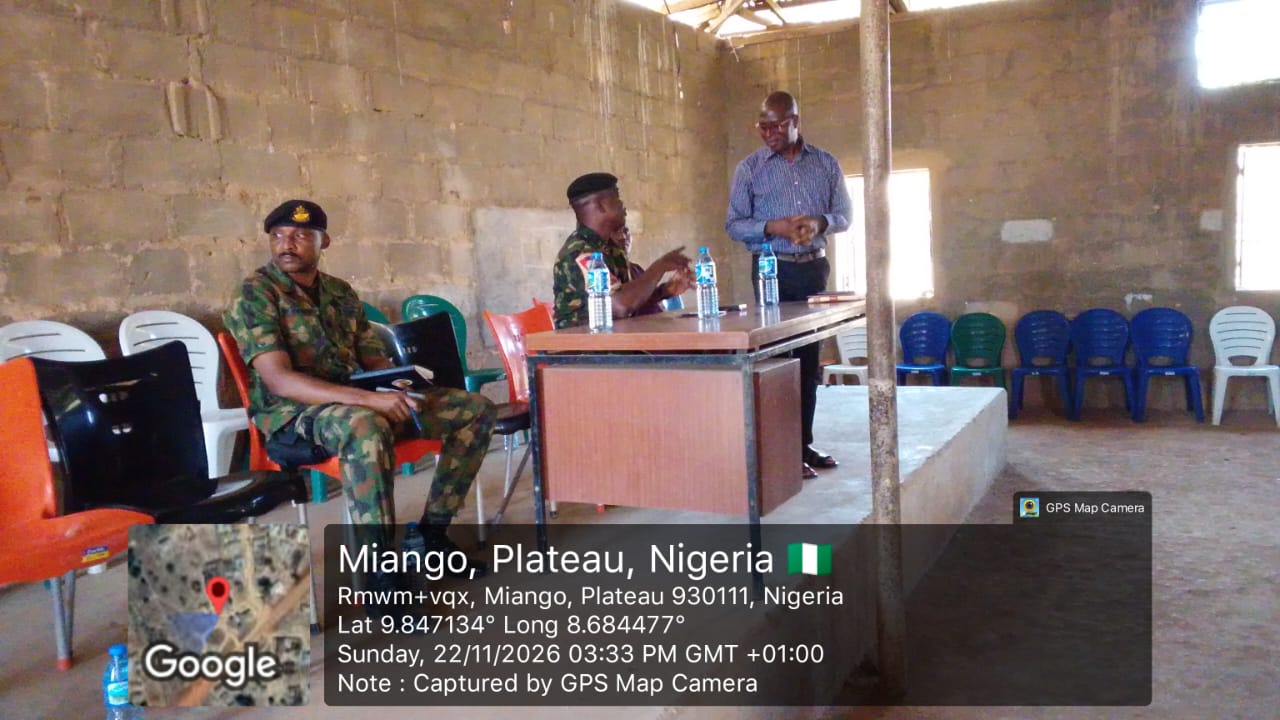
The General Officer Commanding (GOC) 3 Division Nigerian Army and Commander of Operation Enduring Peace (OPEP), Maj.-Gen. W.M. Dangana, has engaged Irigwe youths in Miango, Bassa Local Government Area of Plateau State, as part of efforts to address security concerns and strengthen peaceful coexistence in the area.
The engagement, held at about 3:20 p.m. on November 22, 2026, at the ECWA Community Hall in Miango, provided an opportunity for the military leadership and the youths to discuss critical security challenges affecting the community and possible measures to address them.
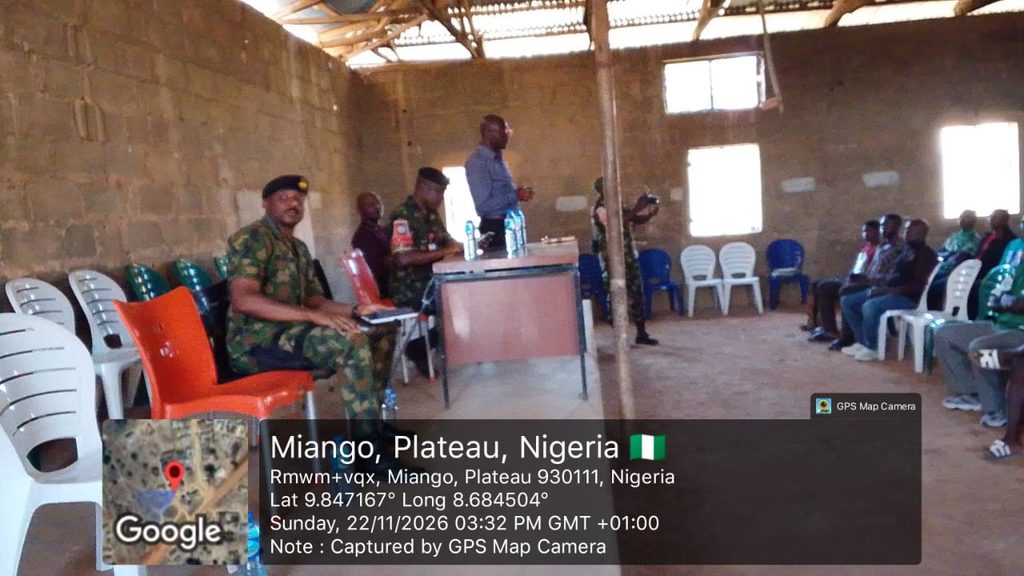
During the meeting, Maj.-Gen. Dangana emphasised the importance of dialogue, mutual understanding and peaceful resolution of disputes in addressing grievances and preventing further escalation of tensions.
He stressed that sustained peace could only be achieved through cooperation between communities, security agencies and other relevant stakeholders.
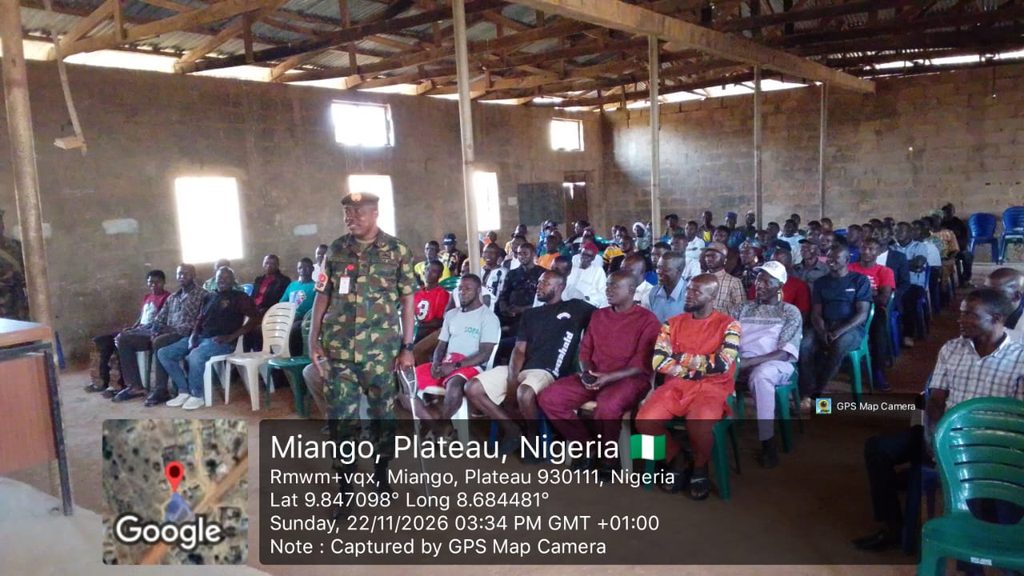
The GOC urged the youths to embrace peaceful means of resolving disagreements rather than resorting to actions capable of undermining security and stability in their communities.
The engagement forms part of ongoing efforts by Operation Enduring Peace to strengthen community relations, build confidence and promote collaborative approaches to addressing security challenges across Plateau State.
GOC 3 Division Engages Irigwe Youths, Urges Dialogue to Sustain Peace in Plateau
Troops Foil Attack on Man by Angry Youths in Plateau, Victim Sustains Machete Injuries
By: Zagazola Makama
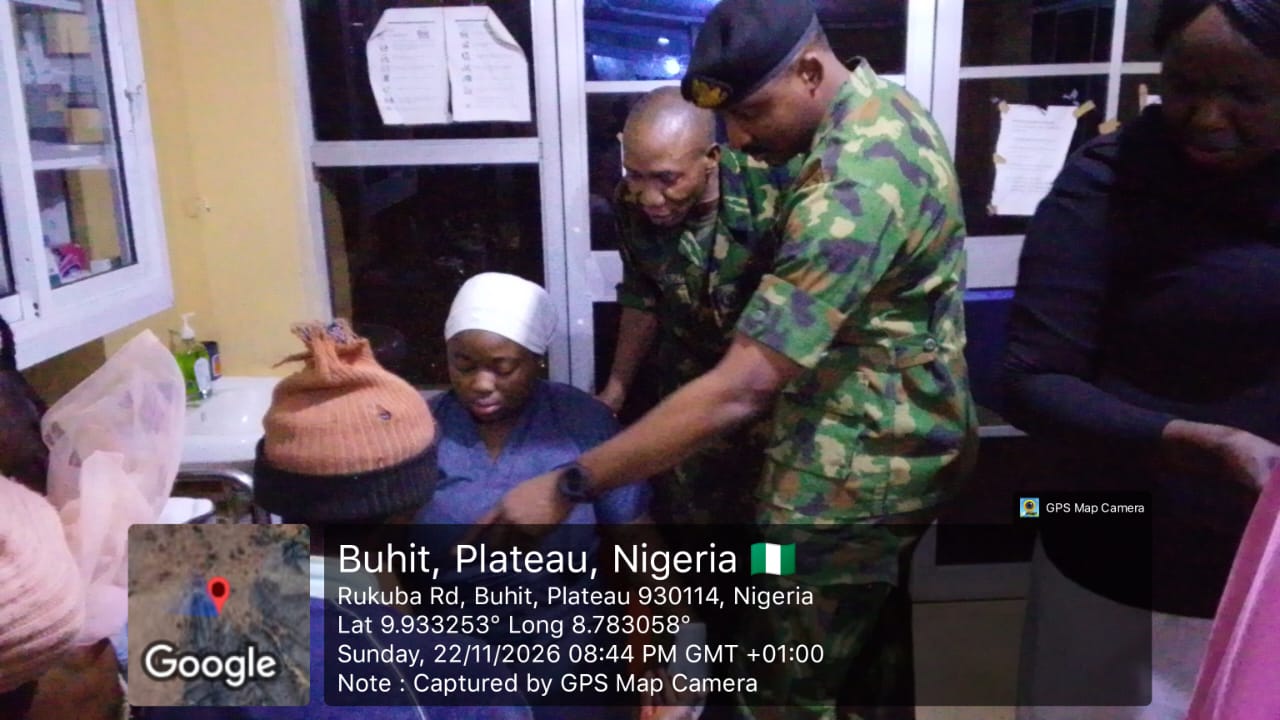
Troops of Operation Enduring Peace (OPEP) have responded to an assault on a 35-year-old man, Nuhu Alhassan, by suspected angry youths in Bagama Village, Katumei area of Bassa Local Government Area of Plateau State.
Security sources said the incident occurred at about 6:30 p.m. on November 22, 2026, when troops deployed at DTV under Sector 3 of OPEP received a report that Alhassan was being attacked by some youths in the community.
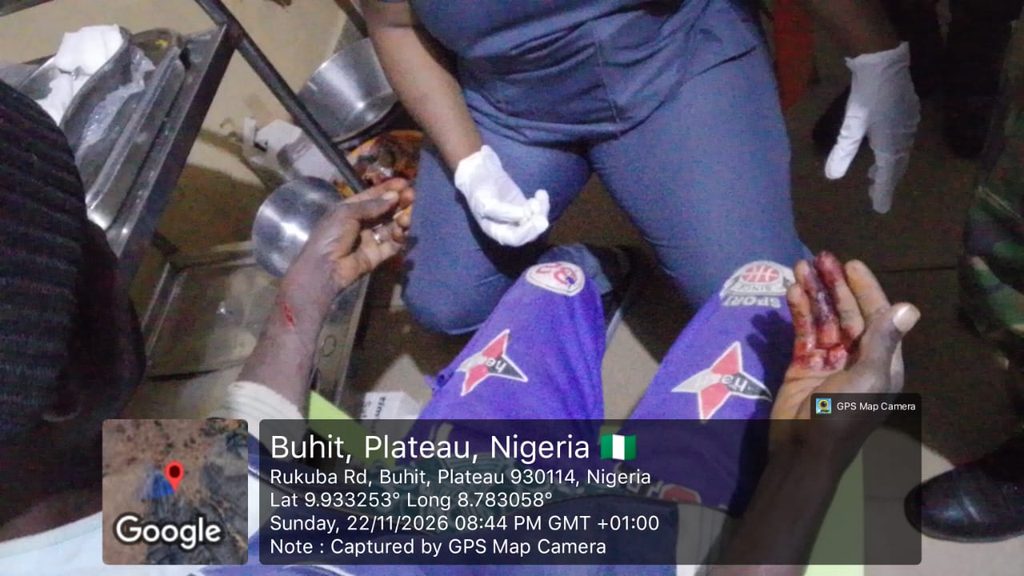
The troops swiftly mobilised to the scene, forcing the attackers to flee on sighting their arrival.
However, the victim sustained machete cuts to his hand during the assault and was evacuated to the 3 Division Medical Services and Hospital (3 DMSH) for medical attention.
The sources said efforts were ongoing to apprehend the fleeing suspects and establish the circumstances surrounding the attack.
Operation Enduring Peace continues to sustain security operations across Plateau State to protect lives and property and prevent the escalation of communal tensions.
Troops Foil Attack on Man by Angry Youths in Plateau, Victim Sustains Machete Injuries
UNAIDS Warns Funding Cuts Threaten Decades of HIV Gains, Nigeria Among Most Exposed
By: Michael Mike
Global progress in combating HIV/AIDS is under serious threat from declining international funding, shrinking prevention programmes and the closure of community-based services, with Nigeria among countries heavily dependent on external support to sustain its HIV response.
The Joint United Nations Programme on HIV/AIDS (UNAIDS) warned that funding cuts and growing restrictions on civil society organisations could reverse decades of progress against the epidemic, exposing millions to new infections and preventable deaths.
In a new report, Ending AIDS Starts with Access, released to mark its 30th anniversary, UNAIDS said the world was increasingly at risk of a resurgence of HIV as critical prevention services, outreach programmes and health systems came under pressure from shrinking resources.
The agency said resources available for HIV programmes in low- and middle-income countries fell by more than $1 billion in 2025, leaving an annual funding gap of $4.3 billion needed to keep the world on track towards ending AIDS as a public health threat by 2030.
Nigeria emerged among the countries facing particularly severe financing vulnerabilities, with external resources accounting for approximately 98 per cent of its HIV funding, according to the report.
The report said the funding crisis was already undermining access to preventive medicines, condoms, testing, treatment support and community-based services, warning that the consequences could extend beyond the immediate period of financial disruption.
UNAIDS Executive Director, Winnie Byanyima, said the world was heading towards a preventable crisis by dismantling programmes that had helped significantly reduce HIV infections and deaths.
“We know what happens when HIV prevention collapses. People become infected, treatment needs rise, costs soar and lives are lost,” she warned.
Byanyima said the closure of clinics, loss of outreach workers and denial of access to preventive services could translate into new infections, particularly among vulnerable populations.
The warning comes amid a sharp deterioration in HIV prevention coverage, with the report documenting declining access to pre-exposure prophylaxis (PrEP), condoms and voluntary medical male circumcision, despite the availability of increasingly effective prevention tools.
UNAIDS said approximately 446,000 fewer people accessed oral PrEP in 2025 than the previous year across reporting countries, while condom distribution declined from three billion in 2024 to 2.7 billion in 2025.
Voluntary medical male circumcision, another proven HIV prevention intervention, also recorded a 53 per cent decline in procedures across priority countries within the same period.
Access to PrEP among key populations reportedly dropped by 59 per cent among sex workers, 58 per cent among people who inject drugs, 23 per cent among transgender people, and 17 per cent among gay men and other men who have sex with men.
Against an estimated 20 million people requiring PrEP by 2030, only 2.6 million had access in 2025, underscoring the widening gap between available prevention technologies and those able to benefit from them.
Byanyima said the situation was particularly troubling because scientific advances had created opportunities to significantly reduce new infections, including long-acting HIV prevention medicines.
“HIV infections do not happen because prevention tools do not exist. They happen when people cannot access those tools,” she said, describing the funding cuts as unacceptable at a time when breakthrough innovations could protect millions.
The report also highlighted the weakening of community-led HIV services, with civil society organisations facing funding withdrawals, operational restrictions and shrinking civic space in several countries.
A study cited by UNAIDS found that more than three-quarters of surveyed civil society organisations experienced service disruptions, while over 80 per cent were operating at less than half their capacity by the end of 2025.
Byanyima said community organisations remained critical to reaching people often excluded from formal healthcare systems, warning that their disappearance would erode trust, limit access to services and cost lives.
She said community clinics and outreach workers were often the bridge between health systems and people most vulnerable to HIV, stressing that their contributions could not be treated as optional in national responses.
The funding crisis is further compounded by mounting fiscal pressures in developing countries, where debt obligations and limited public resources make it difficult to replace lost donor support.
UNAIDS said data from 55 countries showed increased domestic HIV spending in response to the crisis, but many governments lacked the fiscal capacity to absorb international funding losses quickly enough to prevent disruptions.
In sub-Saharan Africa, the financing challenge is particularly acute. Western and Central Africa rely on external sources for about 90 per cent of HIV treatment financing, while donor dependence accounts for approximately 98 per cent of HIV resources in Nigeria, 94 per cent in Mozambique and 80 per cent in Uganda.
External funding also accounts for virtually all reported HIV prevention expenditure in Eritrea and Zambia, 98 per cent in Nigeria, 94 per cent in Mozambique and Namibia, 93 per cent in Ethiopia, 88 per cent in Uganda and 86 per cent in Malawi.
UNAIDS warned that the full consequences of the funding disruptions might not yet be reflected in current HIV statistics because of the time lag between the withdrawal of services and the resulting infections, treatment interruptions, illness and deaths.
Already, fewer HIV tests are being conducted, laboratory services are weakening, treatment initiation is declining and support systems helping patients remain on treatment are being dismantled.
Declining viral-load and CD4 testing, the agency said, could compromise the ability of health workers to detect treatment failure, identify advanced HIV disease and intervene before patients develop life-threatening complications.
The report estimated that 3.4 million people globally were living with advanced HIV disease in 2025, representing about eight per cent of the total population living with HIV.
It cited a recent review which found that one in eight people presenting with advanced HIV disease died within a year, with most deaths occurring within the first three months.
A study across six countries also recorded a 35 per cent decline in CD4 testing between 2024 and 2025, while other analyses showed viral-load testing reductions ranging from 16 to 68 per cent.
The decline in diagnostic and monitoring services, UNAIDS said, threatened early detection of advanced disease and access to interventions including tuberculosis screening, cryptococcal meningitis screening and prompt treatment optimisation.
Despite the setbacks, UNAIDS said the 2030 target of ending AIDS as a public health threat remained achievable if governments urgently strengthen domestic financing, protect community services and remove barriers to access.
It estimated that achieving the target could prevent 3.2 million new HIV infections and avert 1.3 million AIDS-related deaths by the end of the decade.
The agency called for HIV programmes to be prioritised within national health systems, with services integrated into inclusive, rights-based healthcare frameworks and efforts intensified to tackle stigma, discrimination and exclusion.
It stressed that communities, people living with HIV, women, young people and key populations must be at the centre of the response, particularly in reaching those most likely to be left behind by conventional health services.
UNAIDS said the challenge was no longer simply the absence of scientific solutions but the failure to ensure that life-saving prevention, testing, treatment and support reached the people who needed them.
The agency warned that without urgent action to restore funding, sustain prevention programmes and protect community-led services, the world risks reversing decades of progress and turning a preventable HIV resurgence into a devastating public health crisis.
UNAIDS Warns Funding Cuts Threaten Decades of HIV Gains, Nigeria Among Most Exposed

GOC 3 Division Engages Irigwe Youths, Urges Dialogue to Sustain Peace in Plateau

Troops Foil Attack on Man by Angry Youths in Plateau, Victim Sustains Machete Injuries

2027: THE SILENT WAR FOR POWER! How Political Tensions, Opposition Campaigns, and the Bamayi Syndrome Could Shape Tinubu’s and Shettima’s Fate

Roger Federer’s Shock as DNA Results Reveal Myla and Charlene Are Not His Biological Children

THE PLIGHT OF FARIDA

FAILED COUP IN BURKINA FASO: HOW TRAORÉ NARROWLY ESCAPED ASSASSINATION PLOT AMID FOREIGN INTERFERENCE CLAIMS
-
 News3 years ago
Roger Federer’s Shock as DNA Results Reveal Myla and Charlene Are Not His Biological Children
-
Opinions5 years ago
THE PLIGHT OF FARIDA
-
 News2 years ago
FAILED COUP IN BURKINA FASO: HOW TRAORÉ NARROWLY ESCAPED ASSASSINATION PLOT AMID FOREIGN INTERFERENCE CLAIMS
-
 Opinions5 years ago
POLICE CHARGE ROOMS, A MINTING PRESS
-

 News3 years ago
EYN: Rev. Billi, Distortion of History, and The Living Tamarind Tree
-

 ACADEMICS3 years ago
A History of Biu” (2015) and The Lingering Bura-Pabir Question (1)
-

 Columns3 years ago
Army University Biu: There is certain interest, but certainly not from Borno.
-

 Politics1 year ago
2027: Why Hon. Midala Balami Must Go, as Youths in Hawul and Asikira/Uba Federal Constituency Reject ₦500,000 as Sallah Gift
