
Northeast
Coalition Urges Lagos Assembly to Ban GMOs, Cites Health, Environmental Risks

Coalition Urges Lagos Assembly to Ban GMOs, Cites Health, Environmental Risks
By: Michael Mike
A coalition of more than 70 organisations has called on the Lagos State House of Assembly to ban genetically modified organisms (GMOs), revoke existing approvals and investigate their long-term health and environmental implications.
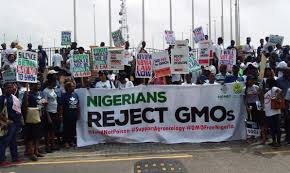
The coalition, comprising scientists, farmers, food sovereignty advocates, environmentalists, nutritionists, women and youth groups, made the demand in a joint position paper submitted during an awareness rally in Lagos on Thursday.
The rally was organised by the Health of Mother Earth Foundation (HOMEF), Environmental Rights Action (FoEN/ERA), Corporate Accountability and Public Participation Africa (CAPPA), Kebetcache Women Development and Resource Centre, and the GMO-Free Nigeria Alliance.
The groups argued that the cultivation and use of GMOs could threaten Nigeria’s biodiversity, undermine farmers’ control over seeds and expose consumers and the environment to potential risks.
They expressed concern that cross-pollination from genetically engineered crops could contaminate indigenous plant varieties, while the transfer of toxins from crops such as Bt cowpea and Bt cotton could affect soil health and ecological balance.
The coalition also warned that patent restrictions on genetically modified seeds could force farmers to purchase seeds repeatedly, weakening the traditional practice of saving, reusing and sharing seeds and increasing dependence on multinational corporations.
HOMEF’s Director of Programmes, Joyce Brown, said opposition to GMOs was not peculiar to Nigeria, noting that several countries had adopted restrictions or bans on genetically modified crops.
She cited concerns about biodiversity as one of the reasons some countries had imposed restrictions, urging Nigerian authorities to examine the potential implications of GMOs for the country’s food system and environment.
Brown said the coalition wanted the Lagos Assembly to push for a ban, including the reversal of existing permits, and an extensive investigation into the long-term effects of GMOs.
She added that such a move would build on a 2024 motion by the House of Representatives seeking the suspension of GMOs and an investigation into approvals already granted.
According to her, action by Lagos could encourage other states to consider measures aimed at protecting local food systems, indigenous seeds and the environment.
Also speaking, molecular biologist and public health policy analyst, Dr Ifeanyi Casmir, urged Nigeria to adopt a precautionary, transparent and people-centred biotechnology policy.
Casmir cited what he described as potential allergenic, toxicological, reproductive and ecological risks, arguing that the country’s existing food system, biodiversity and public health challenges made it necessary to exercise caution.
He claimed that research had detected Cry toxins, used in genetically engineered crops to control insect pests, in the blood of pregnant women and umbilical cord blood, raising questions about possible fetal exposure.
An Associate Director at CAPPA, Olamide Martins, questioned the adequacy of Nigeria’s biosafety regulatory framework, saying more than 20 products had reportedly received approval since 2016 for purposes including commercial cultivation, food, animal feed and processing.
He argued that the absence of demonstrable long-term, independent risk assessments was a major concern, given the potential implications for public health, environmental safety and food sovereignty.
HOMEF Project Officer, Esele Ojeanelo, said the patent requirements associated with some genetically modified seeds could restrict farmers’ ability to retain and reuse seeds, undermining their independence and threatening indigenous crop varieties.
“A nation cannot secure its food future by surrendering control of its seeds, its biodiversity and its farming system to corporate control,” Ojeanelo said.
She called for policies that would protect farmers’ rights to preserve indigenous varieties and support locally rooted, sustainable agricultural practices.
Beyond the proposed GMO ban, the coalition urged the Lagos State Government to address insecurity that prevents farmers from accessing their farms and strengthen support for smallholder farmers through extension services, infrastructure and improved access to land and markets, particularly for women and young people.
The groups also called for increased investment in agroecology, which they said could strengthen local economies while promoting food security, biodiversity and farmers’ control over food production.
The position paper was endorsed by the GMO-Free Nigeria Alliance, which the organisers said comprises more than 70 organisations.
Coalition Urges Lagos Assembly to Ban GMOs, Cites Health, Environmental Risks
Coalition Urges Lagos Assembly to Ban GMOs, Cites Health, Environmental Risks


Zulum Targets End to Medical Tourism as Shettima Commissions 400-Bed Teaching Hospital
By: Michael Mike
Borno State Governor, Babagana Zulum, has intensified efforts to curb medical tourism with the establishment of a 400-bed teaching hospital equipped with advanced diagnostic technology and specialist healthcare facilities in Maiduguri.
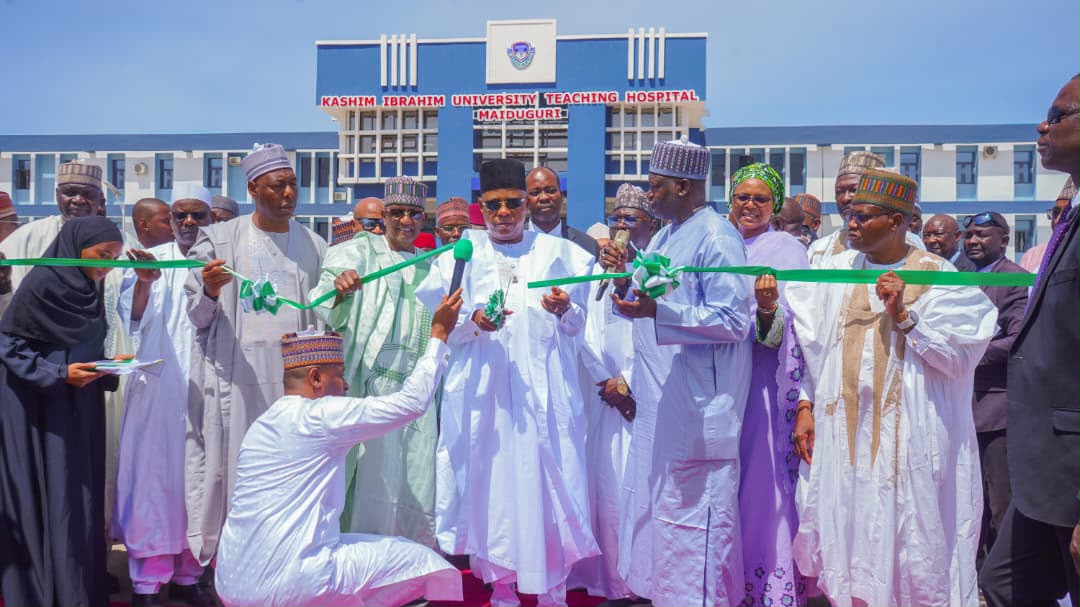
Vice-President Kashim Shettima on Friday commissioned the Kashim Ibrahim University Teaching Hospital alongside other key projects delivered by the Zulum administration, in a move aimed at expanding access to quality healthcare and strengthening medical training in the North-east.
The hospital, which combines specialist medical services with the training of healthcare professionals, is expected to reduce the need for patients in Borno and neighbouring communities to travel elsewhere for advanced diagnosis and treatment.
Equipped with a 1.5-tesla magnetic resonance imaging (MRI) scanner, a 160-slice computed tomography (CT) scanner, three conventional and two mobile X-ray machines, three 4D ultrasound machines, a fluoroscopy system and digital mammography equipment, the facility is designed to expand access to specialised medical services.
Its infrastructure also includes 13 specialist departments covering diagnostic, medical, surgical, emergency, paediatric, internal medicine and physiotherapy services, among others.
The project comprises a medical college complex, a students’ hostel, a 200-unit staff estate and an oxygen plant complex, providing supporting infrastructure for patient care, medical education and healthcare delivery.
Beyond reducing the burden of seeking treatment outside the state, the hospital is expected to serve residents of neighbouring communities and people across the Lake Chad region, while improving access to specialist care for underserved populations.
It is also expected to strengthen healthcare manpower development by providing training opportunities for doctors, nurses and allied health professionals, helping to address shortages that have constrained healthcare delivery in Borno and the wider North-east.
Speaking at the commissioning, Shettima commended Zulum for investing in institutions capable of delivering lasting benefits to the state, particularly in healthcare and education.
He said the value of public office should ultimately be measured by the institutions established, infrastructure delivered and lives improved, rather than the privileges associated with political positions.
“We shall be judged by what survives our time in office, the offices we held, the aides who surrounded us, and the length of our convoys will have surrendered their importance. What will endure are the institutions we built, the roads we built and the lives we improved through service. That is the meaning of our gathering here in Maiduguri. That is why this occasion brings me such joy,” the Vice-President said.
Shettima said the hospital and the schools established by the state government reflected Zulum’s commitment to rebuilding Borno through investments that directly affect people’s lives.
“According to Carl Sagan’s law of insignificance, 100 years from now, everyone you know or who knows you will be out of this world. This is why I do not doubt the vision of His Excellency Professor Babagana Umara Zulum; his passion for healthcare and education is expressed in the institution before us,” he said.
He added that the teaching hospital and schools being established across Maiduguri and other parts of the state demonstrated the governor’s conviction that recovery must translate into tangible improvements in healthcare and access to education.
“The ultra-modern Kashim Ibrahim University Teaching Hospital and the school that dotted our landscape in Maiduguri and across the state give substance to his belief that Borno recovery must reach the patient awaiting treatment and the child sitting in a place in the classroom,” Shettima said.
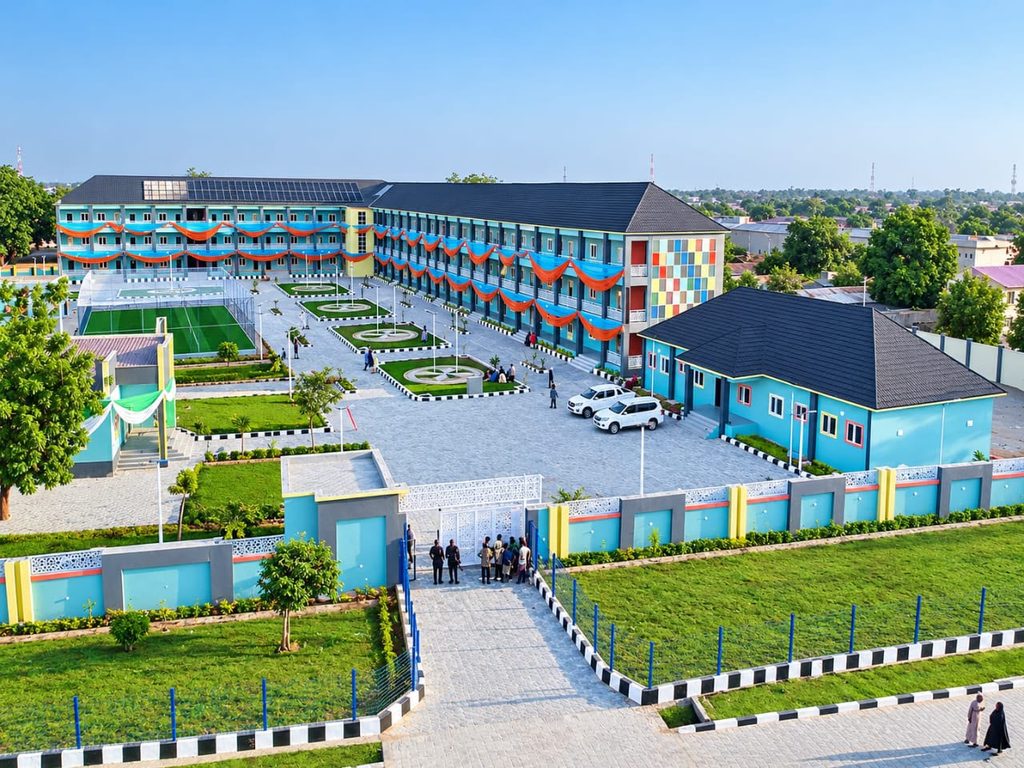
In the education sector, the Vice-President also commissioned Yerwa Practice Mega Primary School, built by the Zulum administration, and another mega primary school delivered under the Kashim Shettima Free Education Programme.
The programme, regarded as one of the Vice-President’s key education initiatives, provides free education for orphans and vulnerable children.
The projects underscore the Borno government’s strategy of linking post-conflict recovery with investments in essential public services, particularly healthcare and education.
For a state grappling with the long-term effects of insurgency, expanding access to specialist medical services and strengthening the institutions responsible for training health workers remain critical to improving living conditions and rebuilding public infrastructure.
The new teaching hospital is expected to provide a major boost to those efforts by bringing advanced diagnostic services, specialist treatment and medical training together in one institution.
Zulum Targets End to Medical Tourism as Shettima Commissions 400-Bed Teaching Hospital

Suspected ISWAP Member, Wife and Sons Surrender to Troops in Borno
By: Zagazola Makama
A suspected member of the Islamic State West Africa Province (ISWAP), alongside his wife and sons, has surrendered to troops in Pulka, Gwoza Local Government Area of Borno State.
Security sources told Zagazola Makama that the surrender occurred at about 3:54 p.m. on Oct. 21 at the Forward Operating Base (FOB) Pulka.
The sources said the suspected terrorist surrendered to troops of 192 Battalion (Motorised), under 26 Task Force Brigade.
Preliminary investigations revealed that the family had escaped from the Wuja terrorist enclave on the Mandara Mountains before surrendering to the troops.
One mobile phone was recovered from the family.
The suspected terrorist and his family are currently in military custody for further investigation and necessary action.
The development comes amid ongoing military operations aimed at dismantling terrorist enclaves and encouraging members of insurgent groups to abandon violence and surrender to security forces.
Suspected ISWAP Member, Wife and Sons Surrender to Troops in Borno
Ajakuta: Borno loses infrastructure worth billions to scavengers, Zulum says
By: Our Reporter
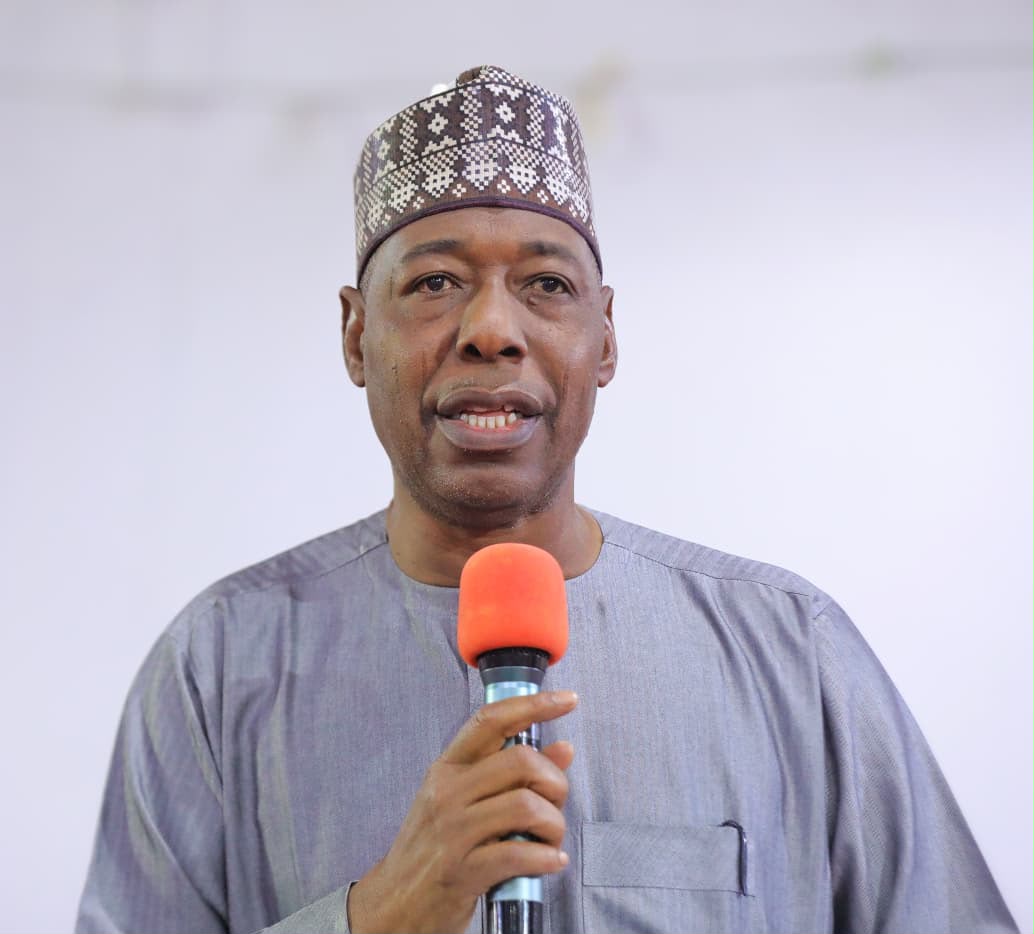
Borno State Governor, Babagana Umara Zulum, has revealed that the state has lost metals, electrical materials and infrastructure worth billions of naira to scavengers, locally known as Ajakuta.
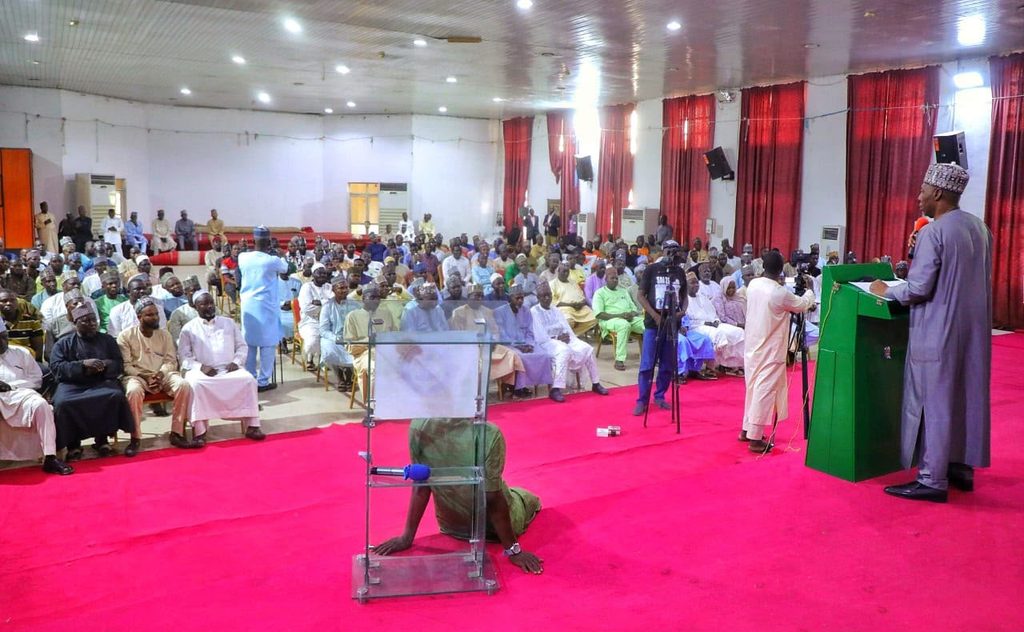
He said this, among other security concerns, led to a ban on the scrap metal trade in Borno State.
The Governor disclosed this on Saturday while addressing operators, urging them to submit proposals on how they can continue their businesses without contributing to insecurity or destroying public infrastructure.
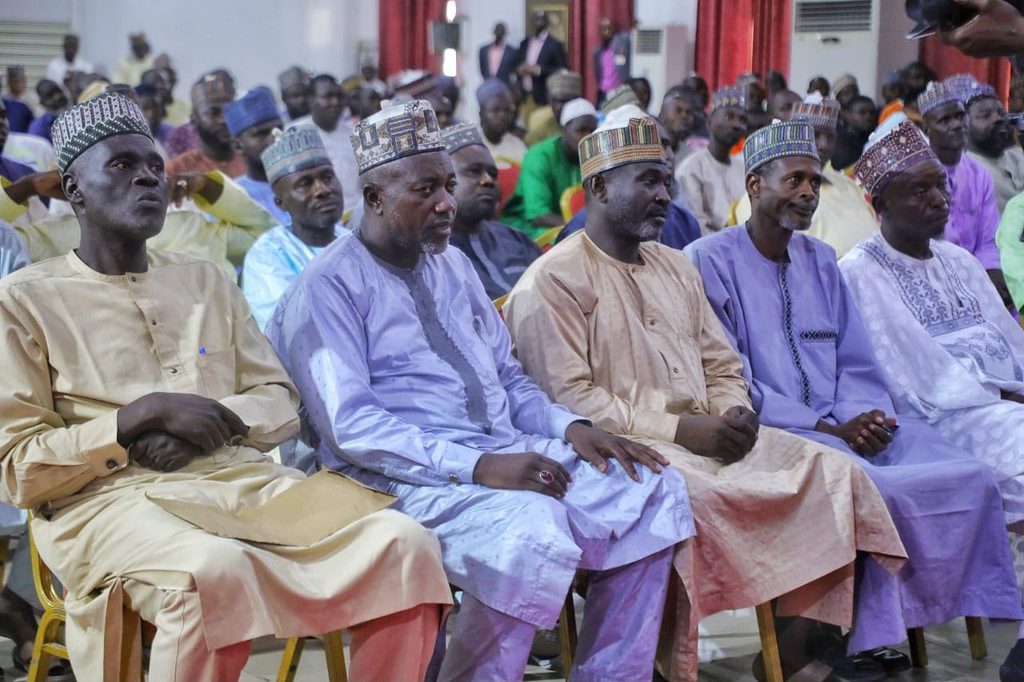
Zulum explained that the ban was imposed in the overall interest of the state and not to deprive operators of their livelihood.
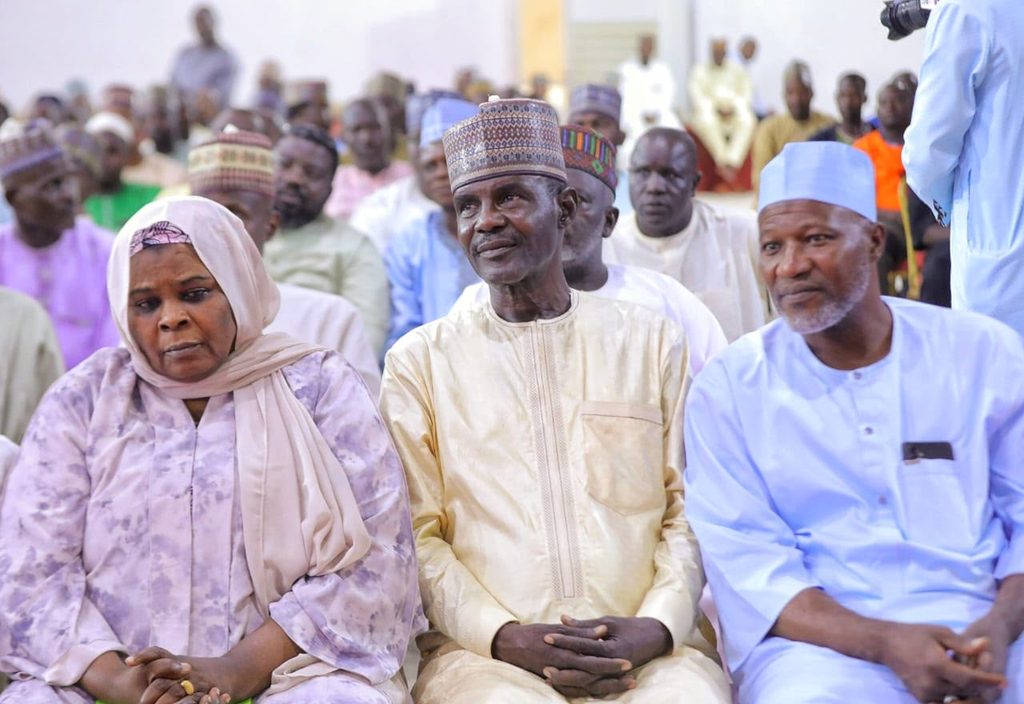
He stressed that the government had no personal interest in stopping their businesses, adding that the measure aimed to protect public assets and strengthen security.
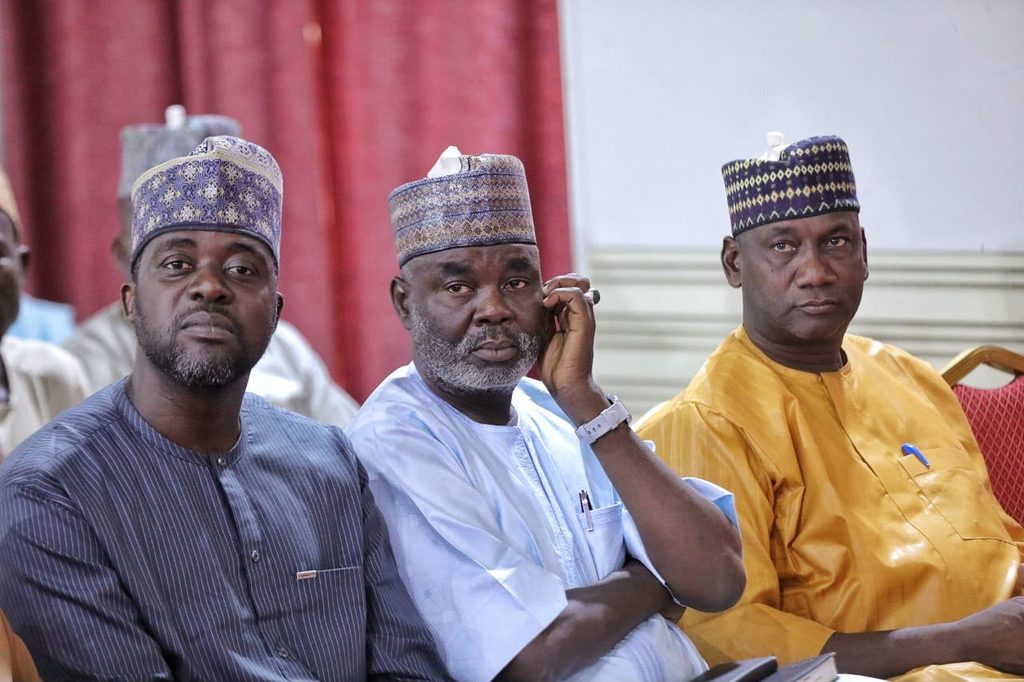
Governor Zulum said, “It is deeply concerning to me if one person loses his livelihood for whatever reason in Borno; believe me, there is nothing I stand to gain from banning scrap metal trade rather than addressing the serious security concerns associated with your activities.”
“We spent more than N3 billion to connect an electricity distribution line from Damaturu to Maiduguri, but unfortunately we lost all the wires to the metal scavenging activities. Before the ban, hundreds of your members were killed in the process of scavenging for metals in the villages that are not yet safe for civilian activities.”
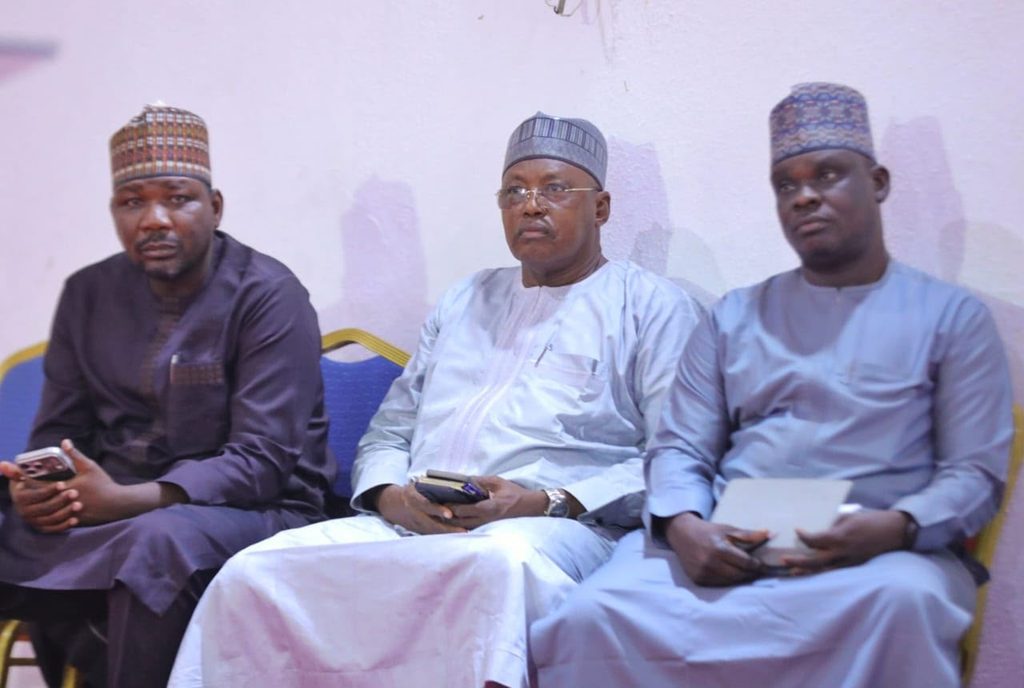
“We have security intelligence that even the insurgents use your platforms to sell looted metals. So, no responsible government will ignore such intelligence just to be politically correct.”
He further granted a waiver allowing the operators to evacuate stock accumulated before the ban at selected locations, a move intended to ease the impact of the restriction on genuine businesses.
Ajakuta: Borno loses infrastructure worth billions to scavengers, Zulum says

Kula Boat Tragedy: HOMEF Condemns Oil Industry’s Human Cost

Coalition Urges Lagos Assembly to Ban GMOs, Cites Health, Environmental Risks

Nigeria targets 840,000 jobs from climate transition, seeks investment at COP31

Roger Federer’s Shock as DNA Results Reveal Myla and Charlene Are Not His Biological Children

THE PLIGHT OF FARIDA

FAILED COUP IN BURKINA FASO: HOW TRAORÉ NARROWLY ESCAPED ASSASSINATION PLOT AMID FOREIGN INTERFERENCE CLAIMS
-
 News3 years ago
Roger Federer’s Shock as DNA Results Reveal Myla and Charlene Are Not His Biological Children
-
Opinions5 years ago
THE PLIGHT OF FARIDA
-
 News2 years ago
FAILED COUP IN BURKINA FASO: HOW TRAORÉ NARROWLY ESCAPED ASSASSINATION PLOT AMID FOREIGN INTERFERENCE CLAIMS
-
 Opinions5 years ago
POLICE CHARGE ROOMS, A MINTING PRESS
-

 News3 years ago
EYN: Rev. Billi, Distortion of History, and The Living Tamarind Tree
-

 ACADEMICS3 years ago
A History of Biu” (2015) and The Lingering Bura-Pabir Question (1)
-

 Columns3 years ago
Army University Biu: There is certain interest, but certainly not from Borno.
-

 Politics1 year ago
2027: Why Hon. Midala Balami Must Go, as Youths in Hawul and Asikira/Uba Federal Constituency Reject ₦500,000 as Sallah Gift
