
News
Athena Graduates 13 Pioneer Fellows, Publishes Essays on Nigerian Unity

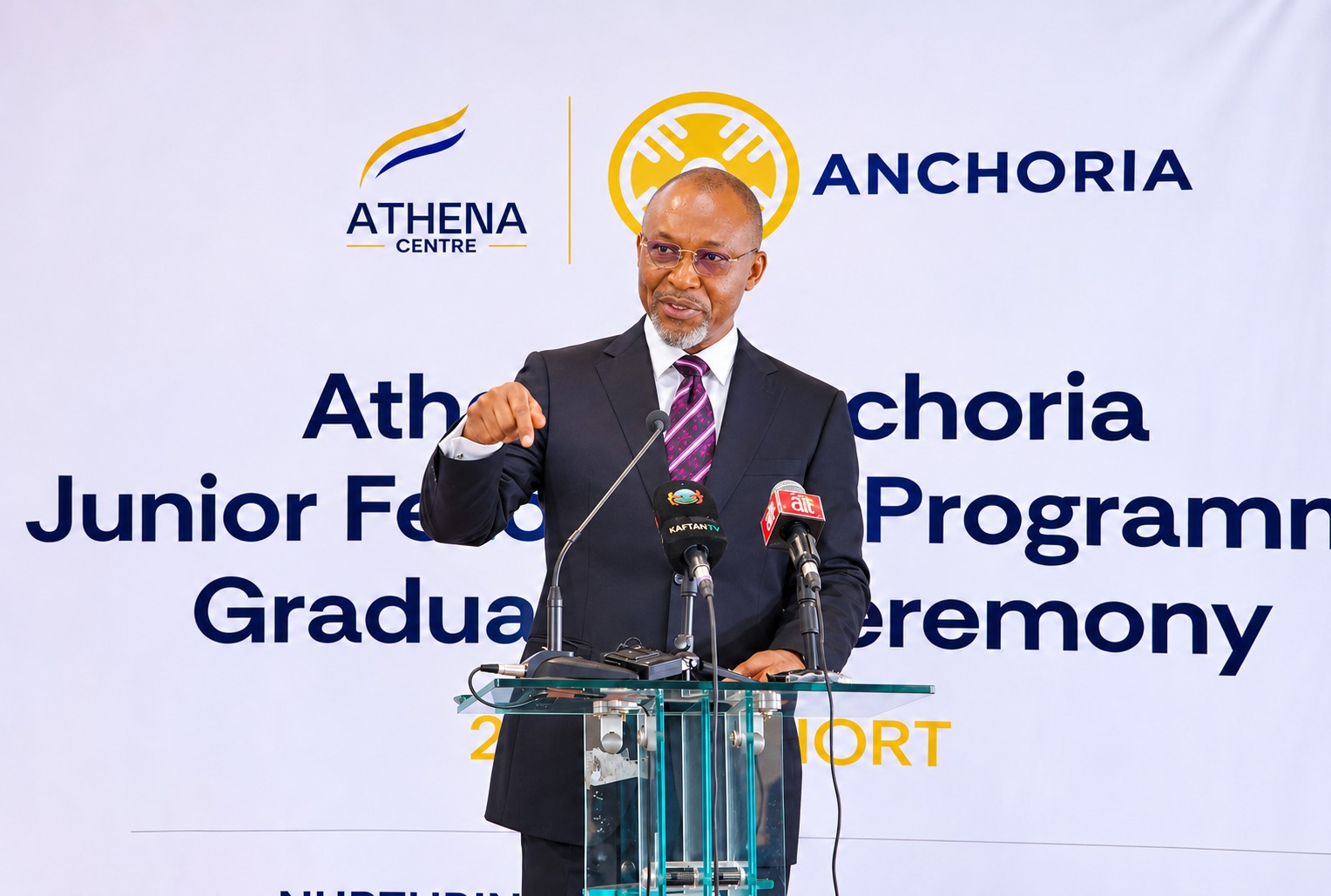
Athena Graduates 13 Pioneer Fellows, Publishes Essays on Nigerian Unity
By: Michael Mike
The Athena Centre for Policy and Leadership has graduated 13 pioneer fellows of its Junior Fellowship Programme, with a call on young Nigerians to take up leadership responsibilities and help build institutions capable of delivering good governance and national development.
The six-month programme, implemented in partnership with Anchoria Group, brought together young Nigerians from the six geopolitical zones, 11 states, 11 universities and 11 academic disciplines to deepen their understanding of public policy, governance, institutional development and leadership.
The graduation ceremony in Abuja also witnessed the unveiling of a collection of 13 civic essays written by the fellows, titled Though Tribe and Tongue May Differ: Young Nigerians on Belonging, Equal Citizenship and the Work of Nation-Building.
The publication, produced by Athena Press, is the first volume in an annual series, The Republic We Are Building, designed to encourage young Nigerians to examine the country’s founding ideals against the realities of governance and citizenship.
Speaking at the event, Founder and Chancellor of the Centre, Osita Chidoka, said the fellowship was established on the conviction that building strong institutions required deliberate investment in the people who would eventually lead them.
“We cannot continue to demand better institutions without deliberately investing in the people who will lead them. Institutions do not build themselves. People build them,” he said.
Chidoka said the programme deliberately brought together young Nigerians from different geographical, educational and professional backgrounds to foster mutual understanding and develop their capacity to work across the country’s differences.
“We brought together young Nigerians who might otherwise never have met, from different regions, universities, disciplines and experiences, and asked them to learn, argue and grow as one cohort.
“If we are serious about building the Republic we all dream of, learning to live, think and work across our differences has to become a habit,” he said.
He said the fellows were exposed to intensive learning, mentorship and practical engagements with experienced professionals, including BudgIT’s Seun Onigbinde, Dr Sam Amadi and Dr Dakuku Peterside.
The programme featured six months of virtual learning and mentorship, during which participants received monthly stipends, followed by a one-week residential session. Each graduate also received an HP laptop to support continued research and writing.
Anchoria Group part-funded the initiative, which combined public policy, governance, research and leadership training with financial literacy, investment and practical economic decision-making.
Chidoka said the fellows’ essays were inspired by the line in Nigeria’s National Anthem, “Though tribe and tongue may differ, in brotherhood we stand”, and explored questions of belonging, equal citizenship, identity and nation-building.
He described the National Anthem, the National Pledge and Chapter II of the Constitution as embodying what he called “the promise of the Republic”.
“They describe the Nigeria we say we want: a country founded on justice, equality, dignity, unity and opportunity.
“Every generation inherits that promise, and every generation must convert the promise into performance through the institutions it builds, the standards it enforces and the everyday experience of the citizen,” he said.
According to him, subsequent cohorts of the fellowship will use the annual publication to assess how effectively the country is translating these national ideals into tangible outcomes for its citizens.
The fellows also benefited from engagements with prominent figures in public policy and national development, including Patrick Okigbo, Founding Partner of Nextier, who discussed the promise of Nigeria and the experiences of young Nigerians within the country.
Representatives of Nextier attended the graduation and interacted with the fellows on career opportunities in policy and advisory services.
The fellows were also received by the Coordinating Minister of Health and Social Welfare, Prof. Muhammad Ali Pate, who shared his experiences of international training, returning to Nigeria and contributing to national development.
One of the fellows was subsequently invited to participate in the forthcoming Ministerial Conference on Antimicrobial Resistance.
In his valedictory address, the Overall Best Fellow, Ezekiel Adebisi, said the programme had equipped participants with the analytical skills, intellectual discipline and sense of responsibility required to contribute meaningfully to national development.
He said the fellows arrived as young professionals seeking answers but were leaving with a deeper appreciation of the complexity of governance and the responsibilities associated with knowledge.
Adebisi urged them to approach public institutions with courage, integrity and a commitment to evidence-based decision-making.
He cautioned against equating access to political power with the ability to drive meaningful institutional reforms.
“We came to learn how institutions shape nations. We leave committed to shaping institutions that serve nations,” he said.
The graduating fellows are Augustina Enuwa Abakpa, Rashida Bafashi Abubakar, Yahaya Abubakar, Ezekiel Adebisi, Afodun Muhammad Saheed, Adaobi Ayogu, Kosisochukwu Praise Bosah, Enegbuma Angelica Onagiekhuwemhe, Haruna Hassan Suleiman, Mohammed Baba Kale, Daniel Nnamani, Eunice Olasunkanmi and Shedrack Owen.
Chidoka urged the graduates to measure their success not merely by the knowledge acquired during the fellowship but by their contributions to the institutions and communities they would serve.
“The value of this Fellowship will be measured over years: in the institutions you serve, the decisions you influence and the people you, in turn, help to develop.
“Today, we celebrate what you have learnt. Tomorrow, Nigeria will judge what you do with it,” he said.
He announced that the Junior Fellows Programme would continue with new cohorts, sustaining the Centre’s effort to develop a new generation of Nigerians committed to responsible leadership and institution-building.
Athena Graduates 13 Pioneer Fellows, Publishes Essays on Nigerian Unity


NDLEA Busts International Drug Routes, Uncovers Gun Factory, Seizes Tons of Illicit Drugs
By: Michael Mike
The National Drug Law Enforcement Agency (NDLEA) has uncovered an international drug trafficking network involving South Africa, Thailand and Nigeria, intercepting 25.05 kilogrammes of methamphetamine concealed in breakfast cereal packs and arresting an American professional basketball player over a separate 33.95 kilogramme cannabis shipment at the Murtala Muhammed International Airport, Lagos.
The twin airport operations, which exposed elaborate concealment methods and attempts to evade security checks, were part of a nationwide crackdown that also uncovered an illegal firearms manufacturing factory in Kaduna, intercepted 196 rounds of AK-47 ammunition and resulted in the seizure of several tonnes of illicit drugs across six states.
The operations brought together two particularly striking cases: a 56-year-old Nigerian who allegedly lived in South Africa for more than 24 years under a forged identity and an American basketball player who allegedly abandoned two bags containing drugs after arriving in Lagos from Thailand.
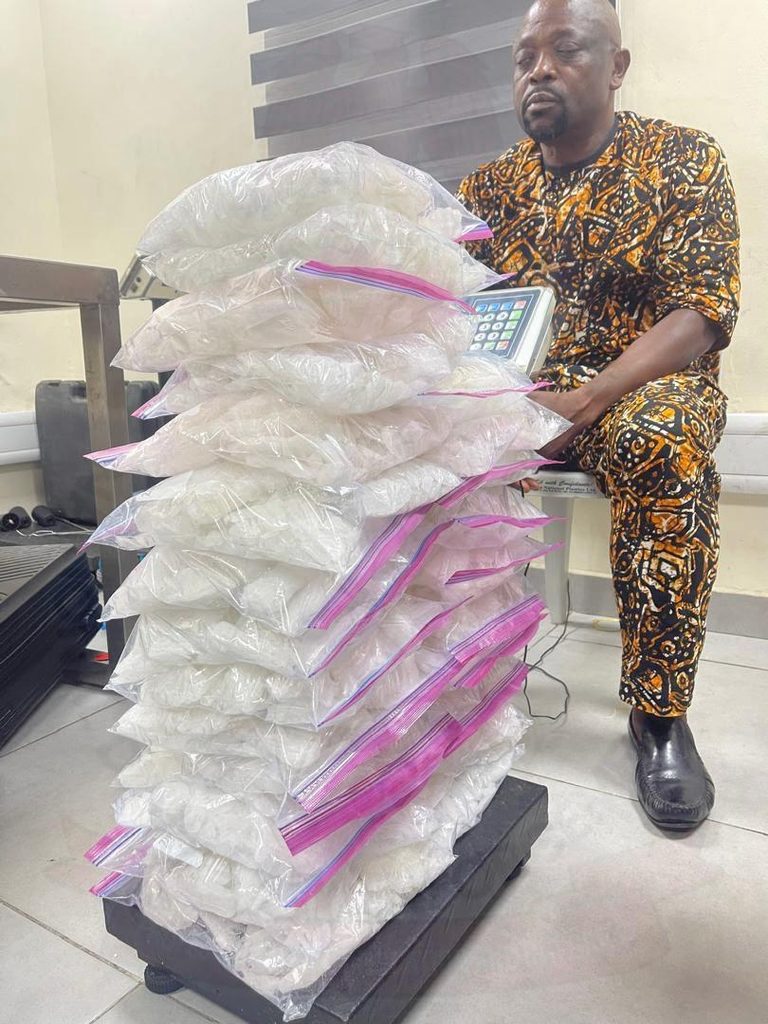
The NDLEA said the methamphetamine consignment was intercepted on Wednesday, November 11, when operatives arrested the Nigerian suspect, identified as Omokan Isaac Babatope, whose real name was given as Chinedu Onwude, at the arrival hall of Terminal II of the Lagos airport.
A search of his two travelling boxes uncovered 25 parcels of a white crystalline substance weighing 25.05 kilogrammes, which tested positive for methamphetamine.
The trafficker had allegedly concealed the drugs inside packs of assorted breakfast cereals and cereal-based food products in an attempt to pass through airport security without detection.
Investigations reportedly revealed that the 56-year-old, who holds Nigerian and South African passports, had adopted the identity Omokan Isaac Babatope after using forged documents to gain entry into South Africa more than two decades ago.
He allegedly confessed to maintaining the assumed identity throughout his stay in the country and told investigators that a South Africa-based man, identified as Obiora Okoye, contracted him to deliver the consignment in Nigeria for 20,000 South African rand.
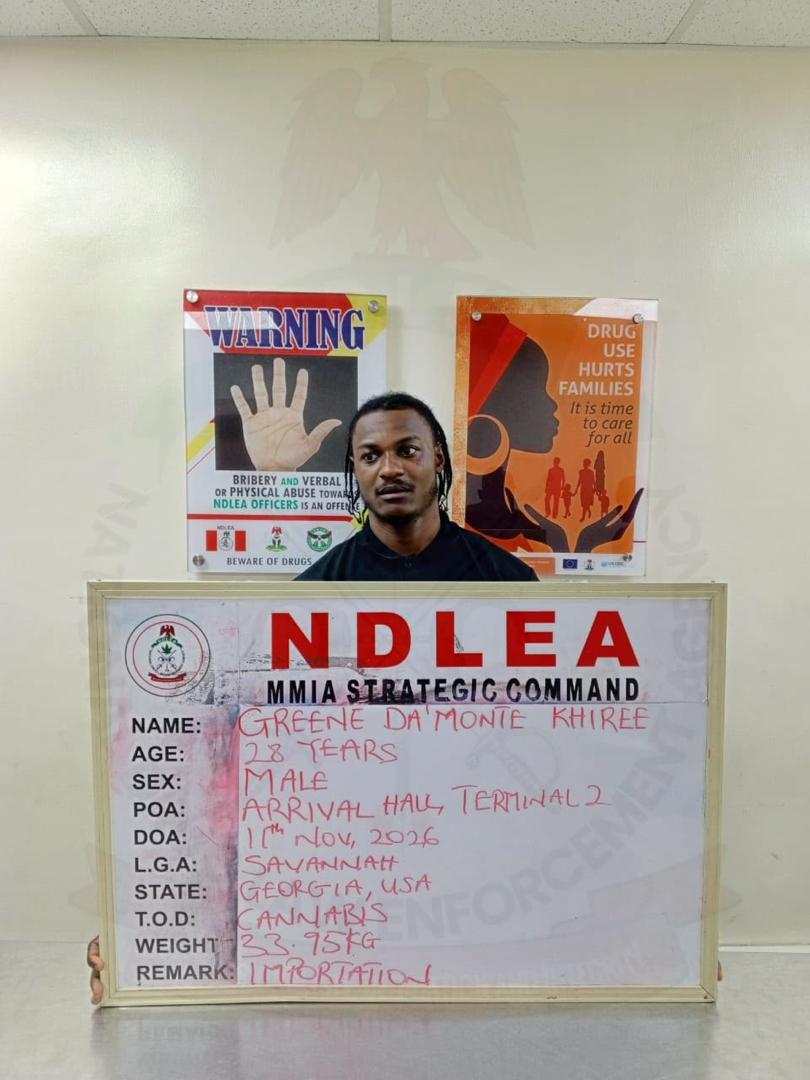
In another international interception at the same airport on the same day, operatives arrested a 28-year-old American citizen, Greene Da’monte Khiree, over 33.95 kilogrammes of Loud, a potent strain of cannabis, allegedly imported from Thailand.
The suspect arrived in Lagos aboard an Emirates Airline flight from Thailand through Dubai but reportedly attempted to leave the airport without his two checked-in bags, taking only his carry-on luggage.
Operatives, who had placed him under discreet surveillance, apprehended him at the airport car park after observing his attempt to abandon the luggage.
A search of the two bags, both bearing his name tag, uncovered 32 parcels of Loud weighing 33.95 kilogrammes. A tracking device was also recovered from the luggage.
The suspect, a native of Savannah, Georgia, United States, reportedly told investigators that he had lived in Thailand since October 2025, where he played professional basketball, and had travelled to Nigeria on holiday to build networks for his basketball career.
However, a forensic examination of his mobile phone reportedly revealed information pointing to his knowledge of and involvement in the drug trafficking operation.
The airport seizures were followed by a major security discovery in Kaduna State, where NDLEA operatives uncovered a factory used for the local manufacture of firearms.
During a raid on Sabon Garin Kangin on November 9, operatives arrested a 45-year-old man, Sagiru Musa, and recovered 17 locally fabricated Dane guns, two pistols, 25 Dane gun pipes and other materials used in the production of firearms.
The discovery was accompanied by another interception along the Abuja-Kaduna Expressway, where officers on patrol at Jere arrested a 31-year-old woman, Tabara Dauda, on November 13 with 196 rounds of live AK-47 ammunition and N675,000 cash.
In another Kaduna operation, a 30-year-old man, Samson Chibuike Andebe, was arrested at Grace Land, Sabon Gari Local Government Area, with 3,840 tablets of tramadol 225mg weighing 2.5 kilogrammes.
Operatives also recovered 499.3 kilogrammes of skunk from two suspects, Celestine Chime, 34, and Chibueze Christ, 36, following a raid on their hideout in Gonin-Gora on November 14.
Lagos recorded further seizures when operatives arrested a 33-year-old man, Taiwo Adebayo Aderoju, at Ebute Metta on November 10 with 119.71 kilogrammes of cannabis sativa.
A separate operation in Ajah on November 14 led to the recovery of 78.8 kilogrammes of cannabis, 2.5 litres of skuchies, 6.8 litres of codeine syrup, 23 grammes of Rohypnol, 478 grammes of tramadol, 10.6 kilogrammes of nitrous oxide and 714 grammes of pregabalin.
The substances were recovered from a silver Toyota Sienna allegedly abandoned by a suspect who fled upon sighting NDLEA operatives.
In Ondo State, two suspects, Victor William, 42, and Akeem Azeez, 27, were arrested at Olabi village bush on November 10 after allegedly bringing out bags of cannabis for sale.
Their arrest led operatives to a storage facility where 50 bags of cannabis weighing 560 kilogrammes were recovered.
Another raid on a cannabis farm in Ipele forest on November 13 resulted in the arrest of three suspects, Godwin Benson, 30; Muhammed Awwal, 34; and James Timothy, 18, with 122 kilogrammes of the substance seized.
Delta State recorded one of the largest individual seizures during the operations when a 43-year-old woman, Esther Igba, was arrested at Alihame, Agbor, Ika South Local Government Area, on November 12 with 255.670 kilogrammes of cannabis sativa and 1.5 kilogrammes of cannabis seeds.
Earlier, on November 10, operatives arrested a 25-year-old suspected drug distributor, Aaron Thomas, popularly known as Ibori, at Oguato, Ughelli South Local Government Area, after tracking him for more than six months.
Described by the agency as a major illicit drug distributor operating a notorious bush bar, Thomas was arrested with 360 grammes of cannabis, 12.7 litres of codeine syrup, 500 grammes of tramadol 100mg, 90 grammes of tramadol 200mg, 215 grammes of swinol and 135 grammes of Molly, also known as MDMA.
In Osun State, NDLEA operatives conducting a farm destruction exercise at Owena Forest Reserve arrested two suspects, Eze Chidiebere, 23, and Nwaoge Ugochukwu, 24, with 86 kilogrammes of cannabis.
A related operation in the forest reserve led to the arrest of a 40-year-old man, Ugwu Chukwuemeka, with 28 kilogrammes of dried cannabis and 21 kilogrammes of fresh cannabis leaves.
His 0.855-hectare cannabis farm, estimated to contain 2,137.5 kilogrammes of the plant, was subsequently destroyed.
In Edo State, weeks of surveillance on illicit drug activities in Benin City culminated in a raid on Jamila Street, Ikpoba Hill, on November 10, leading to the arrest of a 39-year-old woman, Blessing Chukwudi.
Operatives recovered 22 compressed parcels of Loud weighing 14 kilogrammes, 65 grammes of Colorado and 73 grammes of methamphetamine from her.
Beyond the enforcement operations, the agency continued its War Against Drug Abuse sensitisation campaign in schools, religious institutions and communities across the country.
Schools reached during the week included Poko Community Primary School, Poka, Epe, Lagos; Community Grammar School, Eyinni, Ibadan; Iganmode Grammar School, Ota; Presco High School, Abakaliki; Federal Government Girls College, Efon Alaye; Obasanjo Modern Primary School, Jos; and Government Girls Secondary School, Sabon Garin Gaidam, Kano.
The Ondo State Command also paid an advocacy visit to the Olu of Ilu Abo, Oba Olu Falae, as part of efforts to enlist traditional institutions in the campaign against drug abuse.
Commending officers and men of the affected commands, NDLEA Chairman and Chief Executive Officer, Brig. Gen. Buba Marwa (retd.), said the interception of methamphetamine hidden in breakfast cereal packs demonstrated that traffickers could not outsmart the agency through sophisticated concealment methods.
He said the discovery of the firearms factory in Kaduna further underscored the connection between illicit drug activities and violent crime, urging officers nationwide to sustain the momentum in both drug supply reduction and demand reduction.
Marwa stressed that enforcement operations must go hand in hand with public education and community engagement to tackle both the trafficking and consumption of illicit substances.
NDLEA Busts International Drug Routes, Uncovers Gun Factory, Seizes Tons of Illicit Drugs
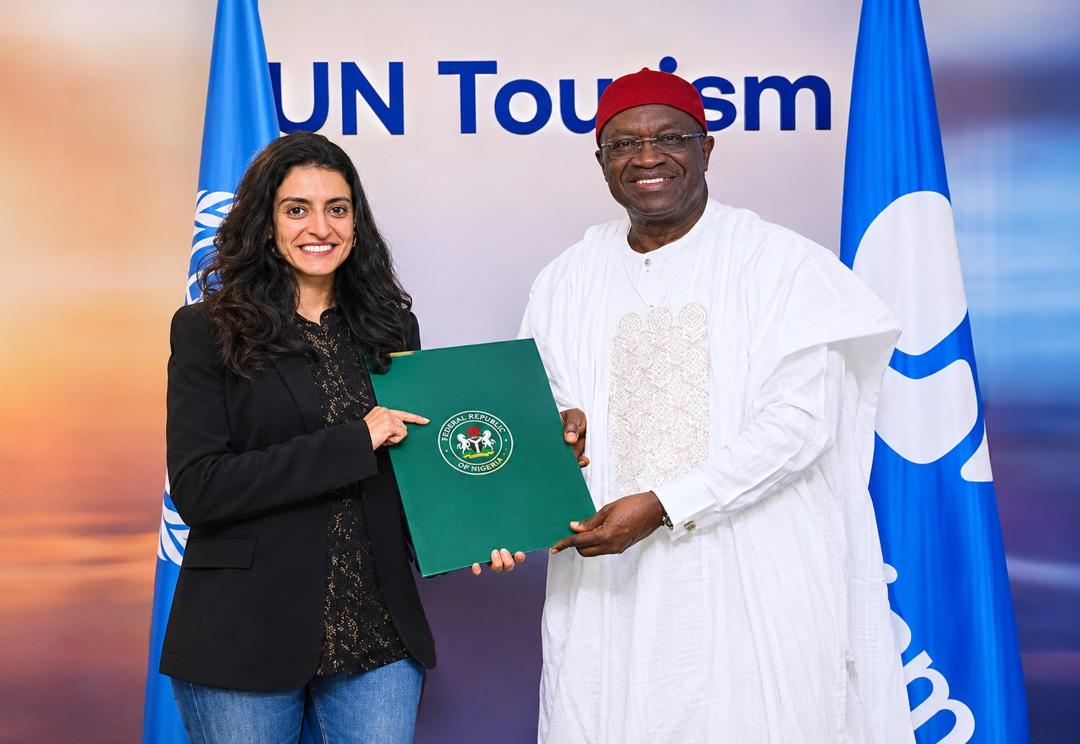
Ikpeazu Presents Credentials as Nigeria’s Permanent Representative to UN Tourism
By: Michael Mike
Nigeria’s Ambassador to Spain, Dr Okezie Victor Ikpeazu, has formally assumed duties as the country’s Permanent Representative to the United Nations World Tourism Organisation (UN Tourism), with a mandate to attract investment, deepen international partnerships and promote Nigeria’s tourism potential.
Ikpeazu presented his Letters of Commission to the Secretary-General of UN Tourism, Shaikha Al Nowais, at the organisation’s headquarters in Madrid, Spain, at the weekend.
The Ministry of Foreign Affairs disclosed this in a statement issued in Abuja by its spokesperson, Oluwafemi Adeniyi.
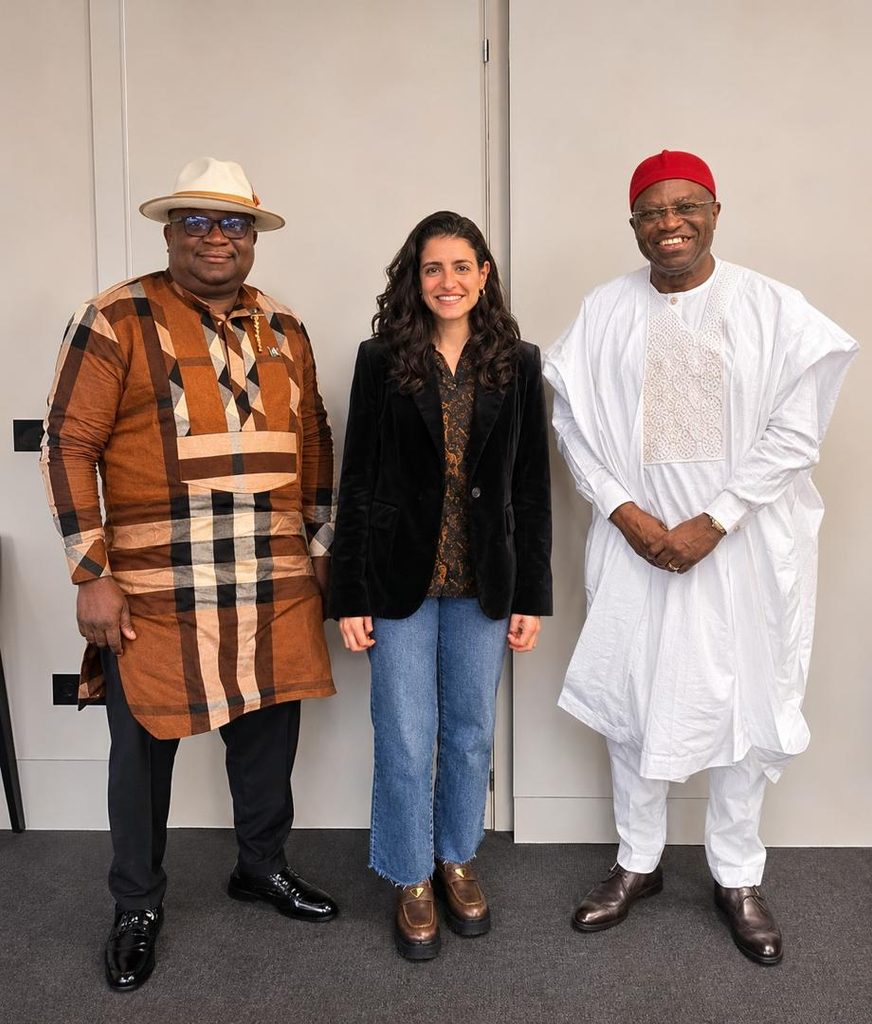
The presentation formally accredits Ikpeazu as Nigeria’s chief diplomatic representative to the specialised UN agency and is expected to strengthen the country’s participation in global tourism policy discussions and initiatives.
During a meeting after the ceremony, Al Nowais commended Nigeria’s active participation in the organisation’s activities and expressed her readiness to work closely with the Nigerian envoy to strengthen bilateral cooperation.
In his response, Ikpeazu conveyed the goodwill of President Bola Tinubu to the Secretary-General and highlighted Nigeria’s vast tourism and creative industry potential.
He identified the country’s cultural diversity, vibrant music industry, globally acclaimed Nollywood film industry, colourful festivals and seasonal events such as Detty December as major attractions capable of drawing international visitors.
He said Nigeria’s tourism offerings presented significant opportunities for international collaboration, investment and economic growth.
As Permanent Representative, Ikpeazu is expected to articulate Nigeria’s tourism priorities, build partnerships with other member states and promote inward investment and technical cooperation within the UN Tourism framework.
His appointment aligns with the Federal Government’s economic diversification agenda, which identifies tourism and the creative industries as important drivers of economic growth, employment generation and foreign exchange earnings.
The ministry said the accreditation also marked a renewed phase of Nigeria’s engagement with the organisation, whose leadership is currently headed by Al Nowais, the first woman to serve as Secretary-General in its 50-year history.
Nigeria has continued to participate in the organisation’s programmes, including the recent admission of the Eko Tourism Foundation as an Affiliate Member during the 126th Session of the UN Tourism Executive Council in Toledo, Spain.
The ministry said Ikpeazu’s concurrent accreditation as Permanent Representative would enable Nigeria to take advantage of Madrid’s position as the organisation’s headquarters to advance its cultural diplomacy and tourism interests.
Ikpeazu was accompanied to the presentation ceremony by Mr Kimiebi Imomotimi Ebienfa, Senior Counsellor at the Nigerian Embassy in Madrid.
Ikpeazu Presents Credentials as Nigeria’s Permanent Representative to UN Tourism
MSF Raises Alarm Over Diphtheria Drug Shortage, Says Thousands of Nigerian Children at Risk
By: Michael Mike
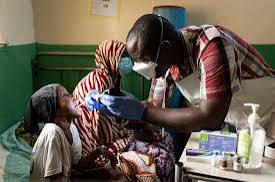
Médecins Sans Frontières (MSF), otherwise known as Doctors Without Borders, has warned that shortages of life-saving diphtheria antitoxin and poor vaccination coverage are worsening Nigeria’s diphtheria outbreak, leaving thousands of children vulnerable to severe illness and death.
The international medical humanitarian organisation said the global shortage of diphtheria antitoxin (DAT), the only specific treatment capable of neutralising the toxin produced by the disease, was undermining treatment efforts, particularly in northern Nigeria where infections and deaths remain high.
It urged the Federal Government, state authorities, donors and international health partners to urgently secure available supplies of antitoxin, vaccines and other essential medicines, while ensuring their prompt clearance at ports and distribution to affected communities.
MSF Medical Coordinator in Nigeria, Dr David Kizito, raised the alarm in a statement issued on Friday, warning that dwindling stocks could leave medical teams unable to treat critically ill children.
“The global shortage of diphtheria antitoxin is becoming a matter of life and death. Our stocks are dangerously low, and we risk being unable to treat children and save lives as the outbreak continues,” Kizito said.
He regretted that children continued to develop life-threatening complications from a preventable disease because of incomplete vaccination and delays in accessing medical care.
According to MSF, diphtheria antitoxin is most effective when administered within 48 hours of the onset of symptoms, making timely availability critical to preventing complications and deaths.
The organisation said inadequate supplies had repeatedly forced its medical teams to ration treatment or manage patients without sufficient quantities of the essential drug, thereby compromising treatment outcomes.
Nigeria has been battling a major diphtheria outbreak since late 2022, with cumulative figures exceeding 41,000 suspected cases, more than 24,000 confirmed infections and over 1,260 deaths nationwide.
The outbreak has particularly affected northern states, including Bauchi, Borno, Kaduna, Katsina, Kano, Plateau, Sokoto and Zamfara, where several communities have recorded fresh increases in infections.
In 2026 alone, Nigeria had recorded 12,977 suspected cases, 10,476 confirmed infections and 406 deaths as of August 9, according to the organisation.
The figures underscore the continuing pressure on healthcare facilities, particularly in communities where routine immunisation remains inadequate and access to specialised treatment is limited.
MSF said it had treated more than 9,000 diphtheria patients through facility and community-based interventions since the beginning of its response this year, while supporting state health authorities with surveillance, infection prevention, vaccination, health promotion, referrals and medical supplies.
Its teams are currently supporting treatment and isolation facilities in Kano, Sokoto and Zamfara, with additional interventions in Bauchi, Katsina and Kebbi states.
In Kano, the organisation supported a two-round vaccination campaign in April and June in partnership with the state Ministry of Health, administering more than 835,000 vaccine doses to children.
In Sokoto, it supported two vaccination rounds between February and April, reaching 49,018 children under the age of 15.
However, the situation in Zamfara illustrates the scale of the vaccination gap confronting efforts to contain the outbreak.
Following the state’s declaration of an outbreak in September, MSF-supported facilities in Gusau recorded more than 671 admissions within one month, beginning October 6.
The organisation said most of the patients were children, while four out of every five admitted had not received diphtheria vaccination.
It further disclosed that only 25,000 of the 90,000 vaccine doses required for a reactive vaccination campaign in Zamfara had been supplied, leaving approximately three-quarters of the targeted children unreached.
MSF said it was working with government health authorities to secure additional doses and implement a large-scale vaccination campaign to close the gap.
The organisation also highlighted the human consequences of the outbreak through the experience of Shafa’atu, a mother whose three children were treated for diphtheria at an MSF-supported hospital in Sokoto.
She said her family initially knew little about the disease and became frightened when their first child developed symptoms.
“My child struggled to eat, and whenever he ate, he vomited. Diphtheria is a dangerous disease,” she said.
Beyond the immediate shortage of treatment, MSF identified weak routine immunisation as a major factor sustaining transmission, particularly in rural communities across northern Nigeria.
It called for sustained investment in routine vaccination to build community immunity and prevent recurring outbreaks, while urging pharmaceutical manufacturers and global health partners to expand diphtheria antitoxin production and establish reliable supply arrangements.
The organisation noted that although DAT is included in the World Health Organisation’s Model List of Essential Medicines, its global availability remains inconsistent because manufacturers produce limited quantities amid unpredictable demand and low financial returns.
It said many countries, including Nigeria, lacked contingency stocks and depended on donations or procurement through United Nations agencies.
Diphtheria is a potentially fatal bacterial infection transmitted mainly through respiratory droplets and contact with infected wounds. It can cause fever, sore throat, swollen lymph nodes and the formation of a thick membrane in the throat that can obstruct breathing.
In severe cases, the toxin can damage the heart, nerves and kidneys, with between 30 and 40 per cent of infected persons at risk of dying without appropriate treatment, according to MSF.
The organisation said its interventions in Zamfara’s Gummi, Talata Mafara, Shinkafi and Zurmi local government areas had resulted in the treatment of 1,054 patients since January 2026.
In Bauchi State, MSF said it helped reduce the diphtheria case fatality rate from 8.7 per cent to one per cent after treating at least 1,890 suspected patients between August 2025 and May 2026.
It also reported that its teams managed 86 diphtheria cases in Katsina between October 26 and November 12, comprising 70 severe and 16 non-severe cases.
During the same period, 1,315 contacts were reached through facility-based interventions and contact tracing, with 1,301 vaccinated and 1,311 given antibiotic prophylaxis.
MSF stressed that addressing the outbreak required more than emergency treatment, insisting that uninterrupted access to antitoxin, expanded vaccination coverage and sustained investment in primary healthcare were essential to protecting children and preventing further deaths.
MSF Raises Alarm Over Diphtheria Drug Shortage, Says Thousands of Nigerian Children at Risk

NDLEA Busts International Drug Routes, Uncovers Gun Factory, Seizes Tons of Illicit Drugs

Ikpeazu Presents Credentials as Nigeria’s Permanent Representative to UN Tourism

MSF Raises Alarm Over Diphtheria Drug Shortage, Says Thousands of Nigerian Children at Risk

Roger Federer’s Shock as DNA Results Reveal Myla and Charlene Are Not His Biological Children

THE PLIGHT OF FARIDA

FAILED COUP IN BURKINA FASO: HOW TRAORÉ NARROWLY ESCAPED ASSASSINATION PLOT AMID FOREIGN INTERFERENCE CLAIMS
-
 News3 years ago
Roger Federer’s Shock as DNA Results Reveal Myla and Charlene Are Not His Biological Children
-
Opinions5 years ago
THE PLIGHT OF FARIDA
-
 News2 years ago
FAILED COUP IN BURKINA FASO: HOW TRAORÉ NARROWLY ESCAPED ASSASSINATION PLOT AMID FOREIGN INTERFERENCE CLAIMS
-
 Opinions5 years ago
POLICE CHARGE ROOMS, A MINTING PRESS
-

 News3 years ago
EYN: Rev. Billi, Distortion of History, and The Living Tamarind Tree
-

 ACADEMICS3 years ago
A History of Biu” (2015) and The Lingering Bura-Pabir Question (1)
-

 Columns3 years ago
Army University Biu: There is certain interest, but certainly not from Borno.
-

 Politics1 year ago
2027: Why Hon. Midala Balami Must Go, as Youths in Hawul and Asikira/Uba Federal Constituency Reject ₦500,000 as Sallah Gift
