
News
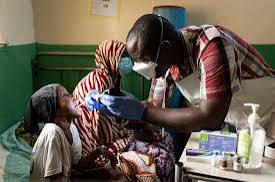
MSF Raises Alarm Over Diphtheria Drug Shortage, Says Thousands of Nigerian Children at Risk

MSF Raises Alarm Over Diphtheria Drug Shortage, Says Thousands of Nigerian Children at Risk
By: Michael Mike
Médecins Sans Frontières (MSF), otherwise known as Doctors Without Borders, has warned that shortages of life-saving diphtheria antitoxin and poor vaccination coverage are worsening Nigeria’s diphtheria outbreak, leaving thousands of children vulnerable to severe illness and death.
The international medical humanitarian organisation said the global shortage of diphtheria antitoxin (DAT), the only specific treatment capable of neutralising the toxin produced by the disease, was undermining treatment efforts, particularly in northern Nigeria where infections and deaths remain high.
It urged the Federal Government, state authorities, donors and international health partners to urgently secure available supplies of antitoxin, vaccines and other essential medicines, while ensuring their prompt clearance at ports and distribution to affected communities.
MSF Medical Coordinator in Nigeria, Dr David Kizito, raised the alarm in a statement issued on Friday, warning that dwindling stocks could leave medical teams unable to treat critically ill children.
“The global shortage of diphtheria antitoxin is becoming a matter of life and death. Our stocks are dangerously low, and we risk being unable to treat children and save lives as the outbreak continues,” Kizito said.
He regretted that children continued to develop life-threatening complications from a preventable disease because of incomplete vaccination and delays in accessing medical care.
According to MSF, diphtheria antitoxin is most effective when administered within 48 hours of the onset of symptoms, making timely availability critical to preventing complications and deaths.
The organisation said inadequate supplies had repeatedly forced its medical teams to ration treatment or manage patients without sufficient quantities of the essential drug, thereby compromising treatment outcomes.
Nigeria has been battling a major diphtheria outbreak since late 2022, with cumulative figures exceeding 41,000 suspected cases, more than 24,000 confirmed infections and over 1,260 deaths nationwide.
The outbreak has particularly affected northern states, including Bauchi, Borno, Kaduna, Katsina, Kano, Plateau, Sokoto and Zamfara, where several communities have recorded fresh increases in infections.
In 2026 alone, Nigeria had recorded 12,977 suspected cases, 10,476 confirmed infections and 406 deaths as of August 9, according to the organisation.
The figures underscore the continuing pressure on healthcare facilities, particularly in communities where routine immunisation remains inadequate and access to specialised treatment is limited.
MSF said it had treated more than 9,000 diphtheria patients through facility and community-based interventions since the beginning of its response this year, while supporting state health authorities with surveillance, infection prevention, vaccination, health promotion, referrals and medical supplies.
Its teams are currently supporting treatment and isolation facilities in Kano, Sokoto and Zamfara, with additional interventions in Bauchi, Katsina and Kebbi states.
In Kano, the organisation supported a two-round vaccination campaign in April and June in partnership with the state Ministry of Health, administering more than 835,000 vaccine doses to children.
In Sokoto, it supported two vaccination rounds between February and April, reaching 49,018 children under the age of 15.
However, the situation in Zamfara illustrates the scale of the vaccination gap confronting efforts to contain the outbreak.
Following the state’s declaration of an outbreak in September, MSF-supported facilities in Gusau recorded more than 671 admissions within one month, beginning October 6.
The organisation said most of the patients were children, while four out of every five admitted had not received diphtheria vaccination.
It further disclosed that only 25,000 of the 90,000 vaccine doses required for a reactive vaccination campaign in Zamfara had been supplied, leaving approximately three-quarters of the targeted children unreached.
MSF said it was working with government health authorities to secure additional doses and implement a large-scale vaccination campaign to close the gap.
The organisation also highlighted the human consequences of the outbreak through the experience of Shafa’atu, a mother whose three children were treated for diphtheria at an MSF-supported hospital in Sokoto.
She said her family initially knew little about the disease and became frightened when their first child developed symptoms.
“My child struggled to eat, and whenever he ate, he vomited. Diphtheria is a dangerous disease,” she said.
Beyond the immediate shortage of treatment, MSF identified weak routine immunisation as a major factor sustaining transmission, particularly in rural communities across northern Nigeria.
It called for sustained investment in routine vaccination to build community immunity and prevent recurring outbreaks, while urging pharmaceutical manufacturers and global health partners to expand diphtheria antitoxin production and establish reliable supply arrangements.
The organisation noted that although DAT is included in the World Health Organisation’s Model List of Essential Medicines, its global availability remains inconsistent because manufacturers produce limited quantities amid unpredictable demand and low financial returns.
It said many countries, including Nigeria, lacked contingency stocks and depended on donations or procurement through United Nations agencies.
Diphtheria is a potentially fatal bacterial infection transmitted mainly through respiratory droplets and contact with infected wounds. It can cause fever, sore throat, swollen lymph nodes and the formation of a thick membrane in the throat that can obstruct breathing.
In severe cases, the toxin can damage the heart, nerves and kidneys, with between 30 and 40 per cent of infected persons at risk of dying without appropriate treatment, according to MSF.
The organisation said its interventions in Zamfara’s Gummi, Talata Mafara, Shinkafi and Zurmi local government areas had resulted in the treatment of 1,054 patients since January 2026.
In Bauchi State, MSF said it helped reduce the diphtheria case fatality rate from 8.7 per cent to one per cent after treating at least 1,890 suspected patients between August 2025 and May 2026.
It also reported that its teams managed 86 diphtheria cases in Katsina between October 26 and November 12, comprising 70 severe and 16 non-severe cases.
During the same period, 1,315 contacts were reached through facility-based interventions and contact tracing, with 1,301 vaccinated and 1,311 given antibiotic prophylaxis.
MSF stressed that addressing the outbreak required more than emergency treatment, insisting that uninterrupted access to antitoxin, expanded vaccination coverage and sustained investment in primary healthcare were essential to protecting children and preventing further deaths.
MSF Raises Alarm Over Diphtheria Drug Shortage, Says Thousands of Nigerian Children at Risk


IPCR, ECOWAS Deepen Early Warning Collaboration to Prevent Regional Conflicts
By: Michael Mike
The Institute for Peace and Conflict Resolution (IPCR) and the Economic Community of West African States (ECOWAS) have moved to strengthen cooperation on conflict prevention, intelligence sharing and early response mechanisms to address emerging security threats across Nigeria and the West African sub-region.
The two institutions identified improved coordination of national and regional early warning systems, timely exchange of security information and joint conflict analysis as critical to preventing emerging threats from escalating into violence.
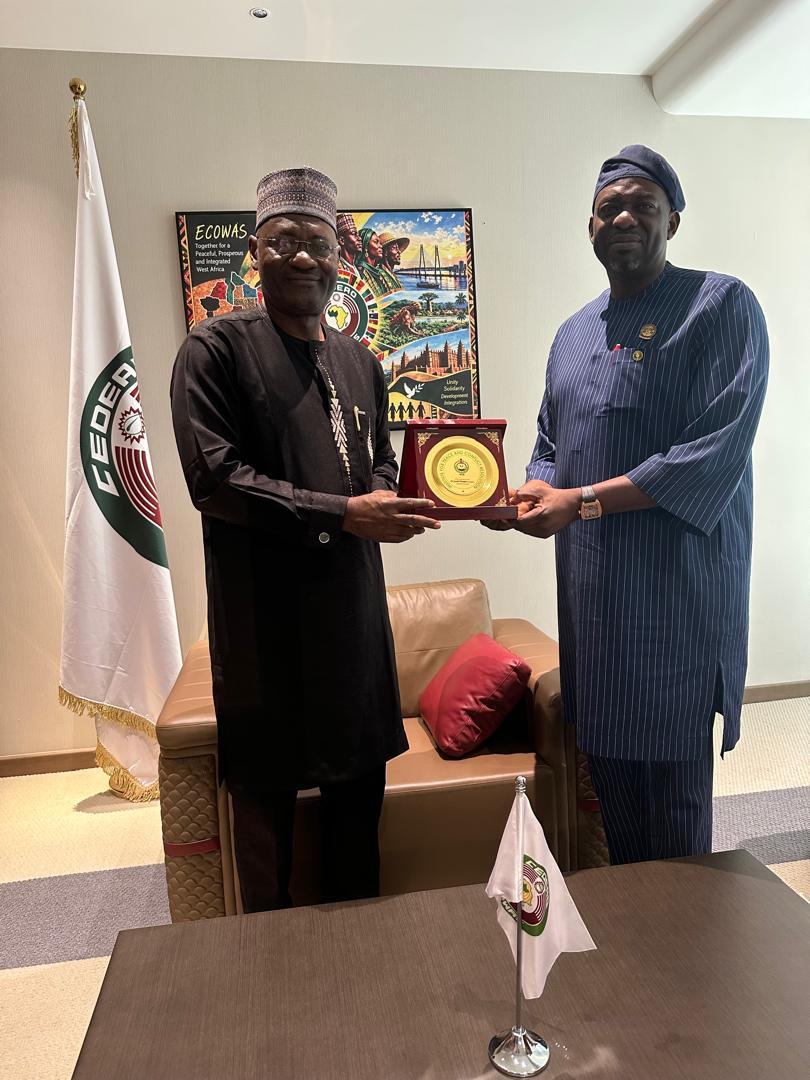
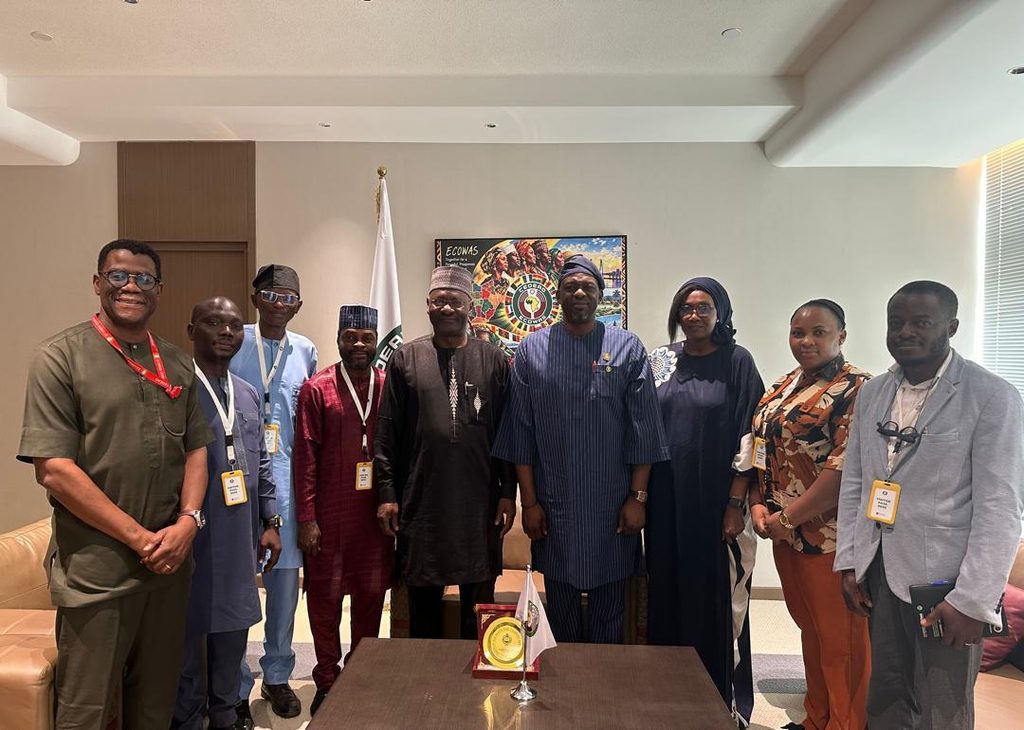
The Director-General of IPCR, Dr. Joseph Ochogwu led a delegation of the institute’s National Conflict Early Warning and Early Response System (NCEWERS) Unit on a strategic engagement with the ECOWAS Early Warning Directorate in Abuja on Friday
The meeting, which also involved the Vice-President of the ECOWAS Commission and the Director of the Early Warning Directorate, provided an opportunity to review existing areas of mutual interest and explore practical measures for strengthening institutional collaboration.
Discussions centred on improving the collection, analysis and exchange of reliable information on emerging threats, as well as ensuring that early warning signals translated into timely interventions by relevant national and regional authorities.
The institutions noted that the effectiveness of early warning systems depended not only on identifying potential conflicts but also on the ability of stakeholders to respond promptly before tensions developed into full-scale violence.
They emphasised the need to strengthen institutional linkages between national and regional early warning structures to improve information flow, conflict monitoring and preventive diplomacy.
The engagement also examined opportunities for joint research, technical exchanges and staff capacity-building programmes to improve expertise in conflict monitoring, risk assessment, early warning analysis and response planning.
Both institutions expressed interest in sharing operational experiences and best practices to strengthen the effectiveness, responsiveness and sustainability of their respective early warning and early response mechanisms.
They further underscored the importance of sustained cooperation between national peacebuilding institutions and regional security organisations in addressing the increasingly complex security challenges confronting West Africa.
Participants agreed that regular institutional engagement and coordinated preventive interventions would enhance the capacity of national and regional actors to identify potential flashpoints, assess emerging risks and initiate appropriate responses before conflicts escalated.
The meeting ended with a commitment to deepen cooperation, maintain regular consultations and pursue joint initiatives to advance preventive diplomacy, peacebuilding and sustainable security across Nigeria and the ECOWAS region.
IPCR, ECOWAS Deepen Early Warning Collaboration to Prevent Regional Conflicts
Athena Graduates 13 Pioneer Fellows, Publishes Essays on Nigerian Unity
By: Michael Mike
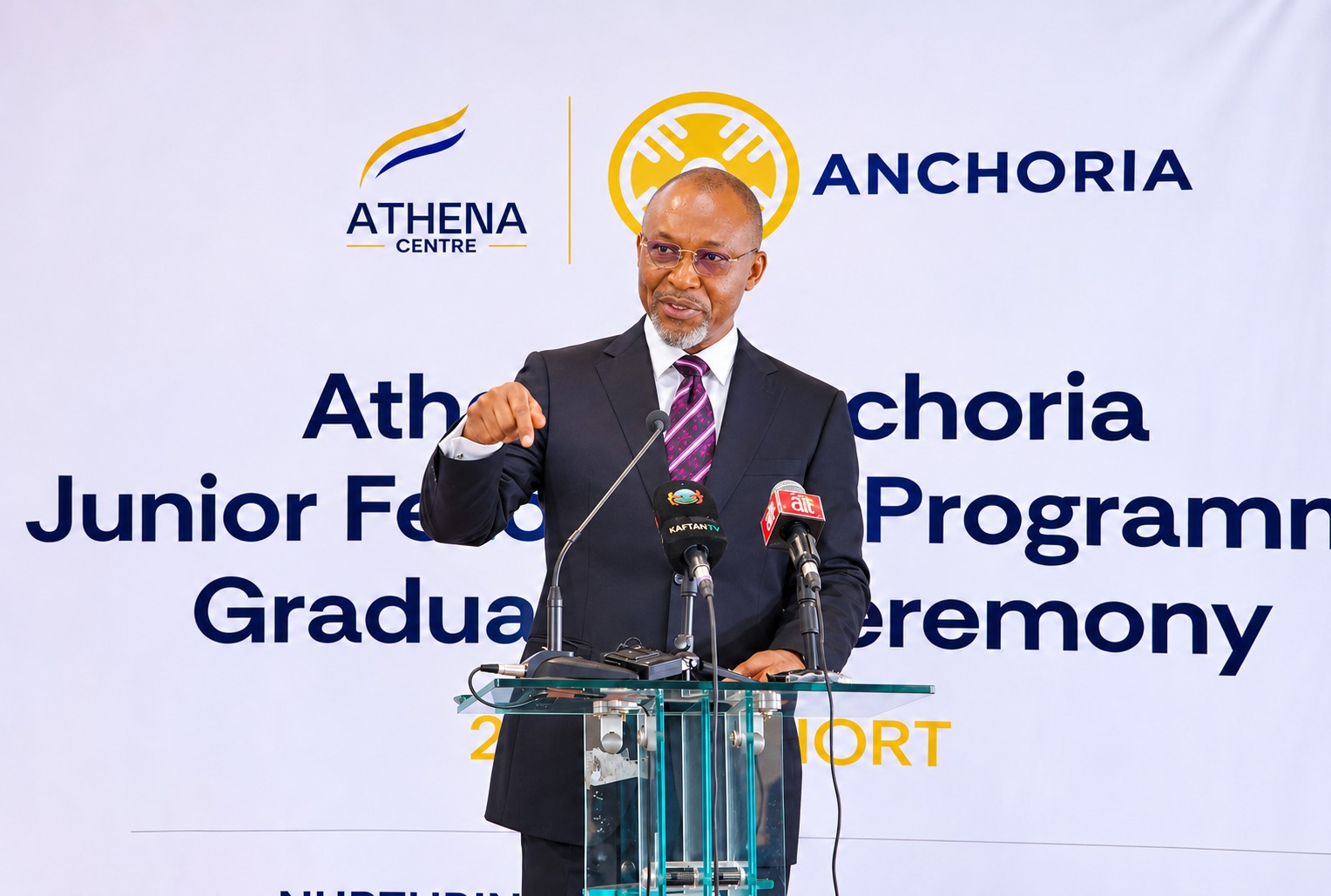
The Athena Centre for Policy and Leadership has graduated 13 pioneer fellows of its Junior Fellowship Programme, with a call on young Nigerians to take up leadership responsibilities and help build institutions capable of delivering good governance and national development.
The six-month programme, implemented in partnership with Anchoria Group, brought together young Nigerians from the six geopolitical zones, 11 states, 11 universities and 11 academic disciplines to deepen their understanding of public policy, governance, institutional development and leadership.
The graduation ceremony in Abuja also witnessed the unveiling of a collection of 13 civic essays written by the fellows, titled Though Tribe and Tongue May Differ: Young Nigerians on Belonging, Equal Citizenship and the Work of Nation-Building.
The publication, produced by Athena Press, is the first volume in an annual series, The Republic We Are Building, designed to encourage young Nigerians to examine the country’s founding ideals against the realities of governance and citizenship.
Speaking at the event, Founder and Chancellor of the Centre, Osita Chidoka, said the fellowship was established on the conviction that building strong institutions required deliberate investment in the people who would eventually lead them.
“We cannot continue to demand better institutions without deliberately investing in the people who will lead them. Institutions do not build themselves. People build them,” he said.
Chidoka said the programme deliberately brought together young Nigerians from different geographical, educational and professional backgrounds to foster mutual understanding and develop their capacity to work across the country’s differences.
“We brought together young Nigerians who might otherwise never have met, from different regions, universities, disciplines and experiences, and asked them to learn, argue and grow as one cohort.
“If we are serious about building the Republic we all dream of, learning to live, think and work across our differences has to become a habit,” he said.
He said the fellows were exposed to intensive learning, mentorship and practical engagements with experienced professionals, including BudgIT’s Seun Onigbinde, Dr Sam Amadi and Dr Dakuku Peterside.
The programme featured six months of virtual learning and mentorship, during which participants received monthly stipends, followed by a one-week residential session. Each graduate also received an HP laptop to support continued research and writing.
Anchoria Group part-funded the initiative, which combined public policy, governance, research and leadership training with financial literacy, investment and practical economic decision-making.
Chidoka said the fellows’ essays were inspired by the line in Nigeria’s National Anthem, “Though tribe and tongue may differ, in brotherhood we stand”, and explored questions of belonging, equal citizenship, identity and nation-building.
He described the National Anthem, the National Pledge and Chapter II of the Constitution as embodying what he called “the promise of the Republic”.
“They describe the Nigeria we say we want: a country founded on justice, equality, dignity, unity and opportunity.
“Every generation inherits that promise, and every generation must convert the promise into performance through the institutions it builds, the standards it enforces and the everyday experience of the citizen,” he said.
According to him, subsequent cohorts of the fellowship will use the annual publication to assess how effectively the country is translating these national ideals into tangible outcomes for its citizens.
The fellows also benefited from engagements with prominent figures in public policy and national development, including Patrick Okigbo, Founding Partner of Nextier, who discussed the promise of Nigeria and the experiences of young Nigerians within the country.
Representatives of Nextier attended the graduation and interacted with the fellows on career opportunities in policy and advisory services.
The fellows were also received by the Coordinating Minister of Health and Social Welfare, Prof. Muhammad Ali Pate, who shared his experiences of international training, returning to Nigeria and contributing to national development.
One of the fellows was subsequently invited to participate in the forthcoming Ministerial Conference on Antimicrobial Resistance.
In his valedictory address, the Overall Best Fellow, Ezekiel Adebisi, said the programme had equipped participants with the analytical skills, intellectual discipline and sense of responsibility required to contribute meaningfully to national development.
He said the fellows arrived as young professionals seeking answers but were leaving with a deeper appreciation of the complexity of governance and the responsibilities associated with knowledge.
Adebisi urged them to approach public institutions with courage, integrity and a commitment to evidence-based decision-making.
He cautioned against equating access to political power with the ability to drive meaningful institutional reforms.
“We came to learn how institutions shape nations. We leave committed to shaping institutions that serve nations,” he said.
The graduating fellows are Augustina Enuwa Abakpa, Rashida Bafashi Abubakar, Yahaya Abubakar, Ezekiel Adebisi, Afodun Muhammad Saheed, Adaobi Ayogu, Kosisochukwu Praise Bosah, Enegbuma Angelica Onagiekhuwemhe, Haruna Hassan Suleiman, Mohammed Baba Kale, Daniel Nnamani, Eunice Olasunkanmi and Shedrack Owen.
Chidoka urged the graduates to measure their success not merely by the knowledge acquired during the fellowship but by their contributions to the institutions and communities they would serve.
“The value of this Fellowship will be measured over years: in the institutions you serve, the decisions you influence and the people you, in turn, help to develop.
“Today, we celebrate what you have learnt. Tomorrow, Nigeria will judge what you do with it,” he said.
He announced that the Junior Fellows Programme would continue with new cohorts, sustaining the Centre’s effort to develop a new generation of Nigerians committed to responsible leadership and institution-building.
Athena Graduates 13 Pioneer Fellows, Publishes Essays on Nigerian Unity
Tijjani Muhammed’s promotion to Lithuania’s top division excites Mailantarki Care FC
The management and entire family of Mailantarki Care FC proudly extend heartfelt congratulations to our former star forward, Tijjani Muhammed, on helping FK Babrungas clinch the 2026 I Lyga title and secure a historic promotion to Lithuania’s elite top-tier division, the TOPLYGA.
Mr Adamu Usman Ahmed, the
General Secretary of
Mailantarki Care FC conveyed the management’s message in a press statement issued to newsmen on Saturday.
Tijjani Muhammed’s remarkable journey from sharpening his craft at Mailantarki Care FC to making a decisive, high-impact presence on the European stage is a testament to his exceptional talent, discipline, and relentless work ethic.
Playing a pivotal role in guiding FK Babrungas to the summit of Lithuanian football marks a monumental milestone in his professional career and stands as a shining example for young talents across Nigeria.
Commenting on the milestone, the club leadership led by its President Hon Khamisu Ahmed Mailantarki noted that Tijjani’s success reflects the core vision of Mailantarki Care FC of developing world-class players equipped to compete and excel at the highest levels of global football.
“We celebrate this well-deserved achievement with Tijjani. His hunger for success and dedication continue to make us immensely proud. We wish him even greater milestones, stellar performances, and countless goals as he prepares to take on the challenge of the TOPLYGA next season,” the statement read.
Tijjani Muhammed earned his pathway into European football following a scintillating, star-making performance with Mailantarki Care FC, the champions of the 2024 Dana Cup in Denmark, where he clinched both the highest goal scorer award and the tournament’s Most Valuable Player (MVP) honor.
Mailantarki Care FC remains steadfast in its mission to discover, nurture, and project homegrown talent onto the international stage, living up to its mantra.
Tijjani Muhammed’s promotion to Lithuania’s top division excites Mailantarki Care FC

MSF Raises Alarm Over Diphtheria Drug Shortage, Says Thousands of Nigerian Children at Risk

IPCR, ECOWAS Deepen Early Warning Collaboration to Prevent Regional Conflicts

A Child’s Vow, A Nation’s Wound: Nigeria’s Tragic Encounter with Banditry

Roger Federer’s Shock as DNA Results Reveal Myla and Charlene Are Not His Biological Children

THE PLIGHT OF FARIDA

FAILED COUP IN BURKINA FASO: HOW TRAORÉ NARROWLY ESCAPED ASSASSINATION PLOT AMID FOREIGN INTERFERENCE CLAIMS
-
 News3 years ago
Roger Federer’s Shock as DNA Results Reveal Myla and Charlene Are Not His Biological Children
-
Opinions5 years ago
THE PLIGHT OF FARIDA
-
 News2 years ago
FAILED COUP IN BURKINA FASO: HOW TRAORÉ NARROWLY ESCAPED ASSASSINATION PLOT AMID FOREIGN INTERFERENCE CLAIMS
-
 Opinions5 years ago
POLICE CHARGE ROOMS, A MINTING PRESS
-

 News3 years ago
EYN: Rev. Billi, Distortion of History, and The Living Tamarind Tree
-

 ACADEMICS3 years ago
A History of Biu” (2015) and The Lingering Bura-Pabir Question (1)
-

 Columns3 years ago
Army University Biu: There is certain interest, but certainly not from Borno.
-

 Politics1 year ago
2027: Why Hon. Midala Balami Must Go, as Youths in Hawul and Asikira/Uba Federal Constituency Reject ₦500,000 as Sallah Gift
