
News
KACRAN HAILS NEDC OVER N30BN PROJECTS, URGES NWDC, NCDC TO END ROW WITH CSOs


KACRAN HAILS NEDC OVER N30BN PROJECTS, URGES NWDC, NCDC TO END ROW WITH CSOs
By: Michael Mike
The Kulen Allah Cattle Rearers Association of Nigeria (KACRAN) has commended the North East Development Commission (NEDC) for commissioning multi-sectoral development projects worth billions of naira and unveiling a N30 billion empowerment fund, urging its North-West and North-Central counterparts to emulate its operational model.
The association specifically urged the North-West Development Commission (NWDC) and the North-Central Development Commission (NCDC) to commence full-scale operations without waiting for formal commissioning by top government officials, warning that continued disagreements with Civil Society Organisations (CSOs) could erode public confidence in the commissions.

In a statement issued on Wednesday, KACRAN National President, Hon. Khalil Mohammed Bello, said the ongoing misunderstanding between the NWDC and some CSOs over the commission’s delayed operations was capable of undermining its development mandate.
KACRAN expressed concern that more than two years after the establishment of the NWDC, and with billions of naira reportedly allocated to it, the commission was yet to deliver tangible benefits to the people of the region.
The association cited reports by BBC Hausa Radio alleging that the commission had purchased utility vehicles, relief materials and agricultural inputs more than six months ago but was yet to distribute the items to intended beneficiaries, including Internally Displaced Persons (IDPs).

The CSOs were also reported to have questioned the commission’s failure to recruit personnel required to operate the vehicles and threatened to petition the Economic and Financial Crimes Commission (EFCC) and the Independent Corrupt Practices and Other Related Offences Commission (ICPC) over the alleged delays.
The commission, however, reportedly maintained that the necessary arrangements had been completed and that it was awaiting formal commissioning by the appropriate authorities before commencing full operations.
KACRAN said the disagreement was unnecessary, considering that both development commissions and CSOs shared similar objectives of promoting human welfare, social development and improved living conditions.
It argued that rather than allow their differences to degenerate into petitions and public exchanges, both parties should embrace dialogue, mutual understanding and collaboration to ensure that resources meant for vulnerable communities were properly utilised.
The association also acknowledged the CSOs’ concerns about transparency, particularly their demand to monitor the distribution of relief materials to prevent diversion and ensure that intended beneficiaries received the items.
However, it cautioned that sustained confrontation could distract the commission from its responsibilities and undermine the very development objectives both parties sought to advance.
As a way out, KACRAN urged the NWDC to adopt the operational approach of the NEDC, which it described as an example of a development commission that had demonstrated results through visible projects and sustained interventions.
It advised the NWDC to begin distributing relief materials and agricultural inputs, as well as executing projects in education, housing and infrastructure, without making such activities dependent on the presence of the President, Vice-President, ministers or other high-ranking government officials.
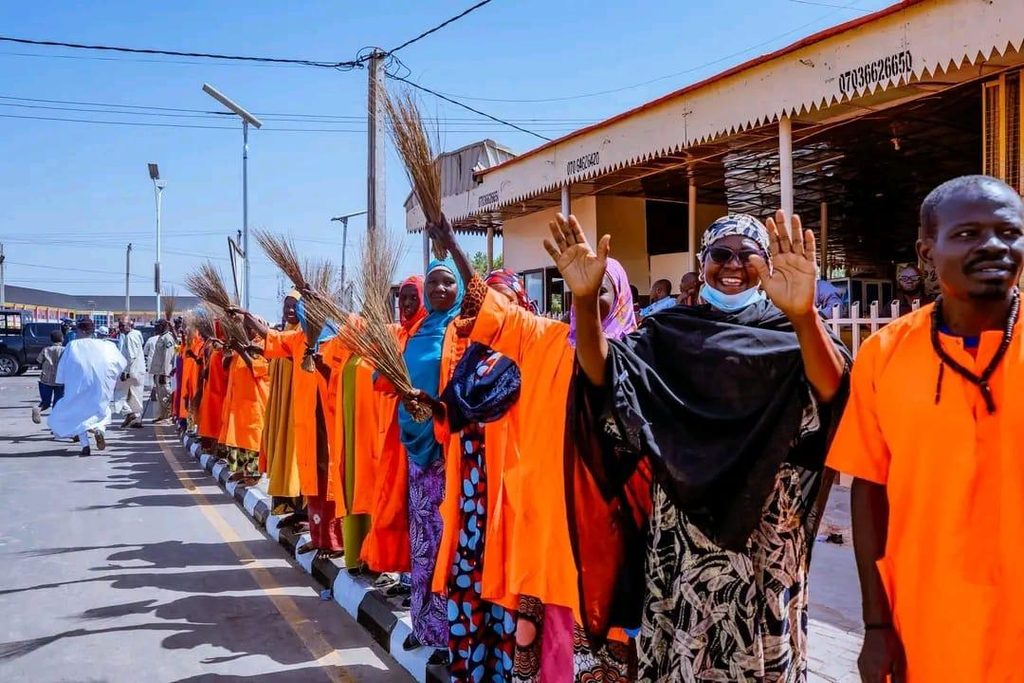
According to the association, commissions should concentrate on delivering projects, documenting their activities and publicising their achievements, while reserving high-level official commissioning ceremonies for major interventions.
KACRAN said the NEDC had demonstrated that approach through its development interventions across the six states of the North-East.
It noted that the commission, under the leadership of its Managing Director, Alhaji Mohammed Goni Alkali, recently hosted Vice-President Kashim Shettima, who represented President Bola Tinubu at the commissioning of several projects and the unveiling of a N30 billion empowerment fund for women and youths.
The association also highlighted the NEDC’s adoption of 10,330 electric vehicles, comprising metro buses, taxis and tricycles, as well as the installation of 100,000 streetlights across the six states of the North-East.
It said the commission’s interventions cut across several sectors and had established a visible presence in local government areas throughout the region.
KACRAN particularly commended Alkali, the Director of Administration and Finance, Dr Garba Iliya, other directors and staff of the commission for what it described as their commitment to the transformation of the North-East after years of devastation caused by insurgency.
The association urged the NWDC and NCDC to learn from the NEDC’s approach, stressing that the two commissions needed to build public confidence through visible interventions, transparency and constructive engagement with stakeholders.
It warned that continued exchanges with CSOs could damage the commissions’ credibility and ultimately undermine their ability to fulfil their statutory responsibilities.
“The more they keep dragging and exchanging words with CSOs, the more they will lose public trust and confidence, which will finally lead to total failure. And time is not on their side,” the statement said.
KACRAN congratulated the NEDC, the Presidency and the people of the North-East on the projects, expressing hope that the commission would sustain its interventions and achieve greater development outcomes.
KACRAN HAILS NEDC OVER N30BN PROJECTS, URGES NWDC, NCDC TO END ROW WITH CSOs


Sickle Cell: SGU Links Medical Education with Improved Patient Care, Urges Early Diagnosis
By: Michael Mike
As Nigeria and other African countries continue to grapple with the burden of sickle cell disease, St. George’s University (SGU), Grenada, has highlighted the need to move beyond genotype awareness to early diagnosis, accessible treatment and sustained support for patients.
The university said that while genotype testing remained essential in identifying inherited risks, particularly among couples planning to start families, improved outcomes for people living with sickle cell disease required stronger health systems, trained medical personnel and access to evidence-based care.
According to the World Health Organisation (WHO), an estimated 7.74 million people were living with sickle cell disease worldwide in 2021, while approximately 515,000 babies were born with the condition that year.
Nearly 80 per cent of the births occurred in sub-Saharan Africa, underscoring the disproportionate burden borne by the region and the urgency of strengthening prevention, diagnosis and treatment services.
Sickle cell disease is an inherited blood disorder affecting haemoglobin, the protein in red blood cells responsible for carrying oxygen around the body. The condition can cause chronic anaemia, severe pain episodes, infections, stroke and damage to vital organs.
Although the disease is lifelong, timely diagnosis and appropriate medical intervention can significantly reduce complications and improve patients’ quality of life.
In Nigeria, where genotype awareness is relatively widespread, health advocates have consistently emphasised the importance of understanding haemoglobin test results and obtaining professional guidance before making reproductive decisions.
The commonly recognised haemoglobin classifications include AA, AS and SS, although other variants, including SC, can also cause sickle cell disease.
People with sickle cell trait (AS) generally do not have the disease but can transmit the gene to their children. Where both parents carry the trait, each pregnancy carries a 25 per cent chance of producing a child with sickle cell disease.
Health professionals, however, caution that genotype awareness must be accompanied by proper counselling, early screening and access to medical services, rather than stigma or pressure on individuals and couples.
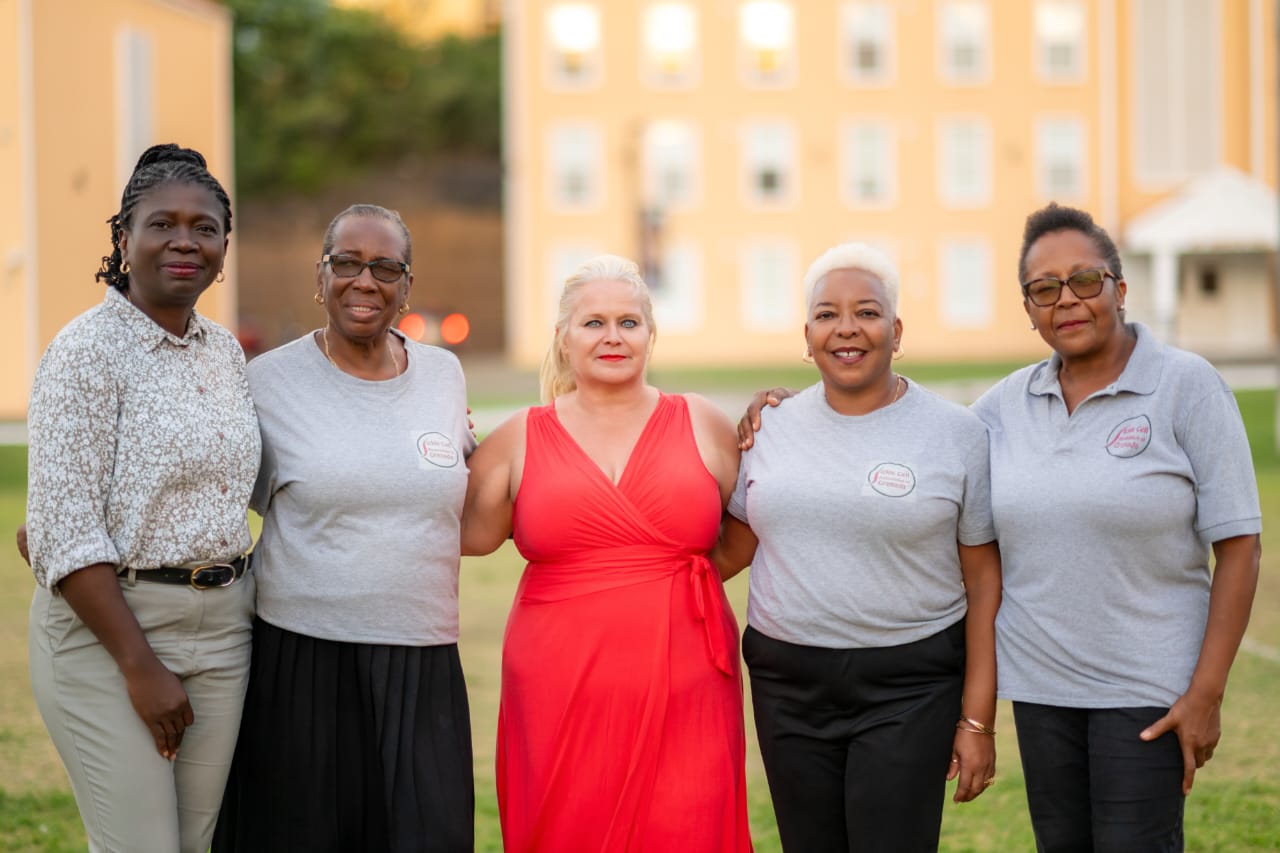
Against this background, SGU is supporting efforts to strengthen sickle cell care in Grenada through an initiative led by Dr Mary Maj, Professor and Deputy Chair of the Department of Biochemistry at the university, in collaboration with the Sickle Cell Association of Grenada.
The initiative involves the development of a Sickle Cell Medical ID Care Card designed to provide healthcare professionals with quick access to essential patient information and treatment guidance during sickle cell crises.
The project is being developed in partnership with local healthcare stakeholders, building on the longstanding advocacy and patient-support activities of the Sickle Cell Association of Grenada.
SGU students are also contributing by researching best-practice treatment guidelines and developing educational resources aimed at improving public awareness and supporting better patient care.
The university explained that the proposed card would contain essential information, including a patient’s diagnosis, treating physician and initial management recommendations, helping medical personnel make timely decisions, particularly in busy casualty departments and clinics.
Dr Maj said the initiative was designed to address the challenges healthcare professionals and families often encounter during emergencies involving sickle cell patients.
“A sickle cell crisis can escalate quickly, and timely treatment is essential,” she said.
She noted that healthcare professionals in Grenada worked tirelessly to care for patients, often under pressure in busy emergency departments and clinics, where immediate access to relevant medical information could make a significant difference.
According to her, the Care Card would bring important patient information and initial management recommendations together in one accessible place, facilitating communication and supporting timely clinical decisions.
She added that the initiative could also ease the burden on families, who frequently arrive at hospitals anxious and overwhelmed when a loved one experiences a painful crisis.
Developed with the Sickle Cell Association of Grenada and local stakeholders, she said, the project aimed to improve the overall care experience for patients and their families.
The university stressed that the Care Card remained under development and was not an intervention currently operating across Africa.
Nevertheless, the initiative illustrates how medical education, research and collaboration with community organisations can translate clinical knowledge into practical resources for healthcare delivery.
Beyond the proposed card, effective sickle cell management requires regular clinical reviews, vaccinations, pain management and medicines such as hydroxyurea where prescribed by qualified clinicians.
Some patients may also require blood transfusions, while stem-cell transplantation could be considered for carefully selected patients following specialist assessment.
Access to safe blood supplies, essential medicines, trained healthcare workers and affordable treatment services remains critical to improving outcomes.
For sub-Saharan Africa, where the majority of babies born with sickle cell disease are recorded, the challenge is therefore not simply to encourage people to know their genotype, but to ensure that those diagnosed with the condition receive consistent, affordable and evidence-based care throughout their lives.
SGU said its broader approach reflected the importance of connecting medical education with community needs, ensuring that research and student involvement contributed to practical solutions in healthcare delivery.
Founded in 1976, St. George’s University is an international institution with students and faculty drawn from more than 150 countries.
Its School of Medicine offers a four-year Doctor of Medicine degree programme, alongside five-, six- and seven-year entry tracks for students from different educational systems.
The university also has a network of more than 75 affiliated hospitals and health centres in the United States and the United Kingdom, providing clinical training opportunities for its medical students.
Sickle Cell: SGU Links Medical Education with Improved Patient Care, Urges Early Diagnosis
Troops Investigate Destruction of Farm Crops in Plateau Community
By: Zagazola Makama
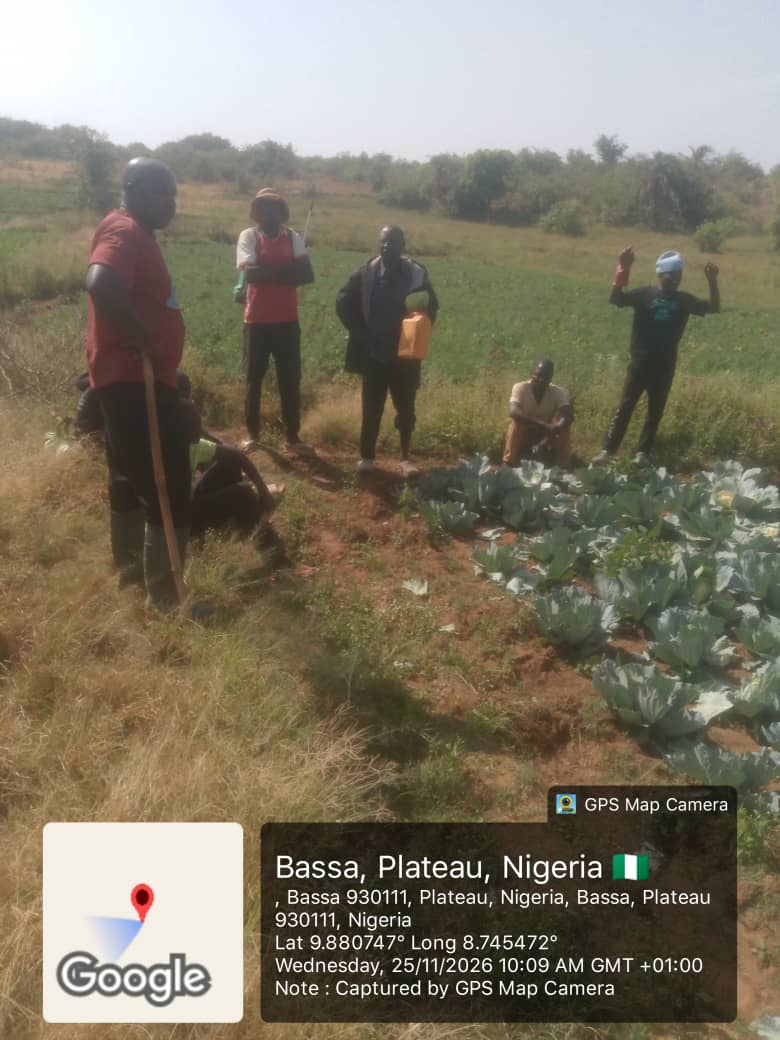
Troops of Operation Enduring Peace (OPEP) have launched efforts to track down and apprehend suspected herders following the destruction of farm crops in Zerenvi Village, Bassa Local Government Area of Plateau State.
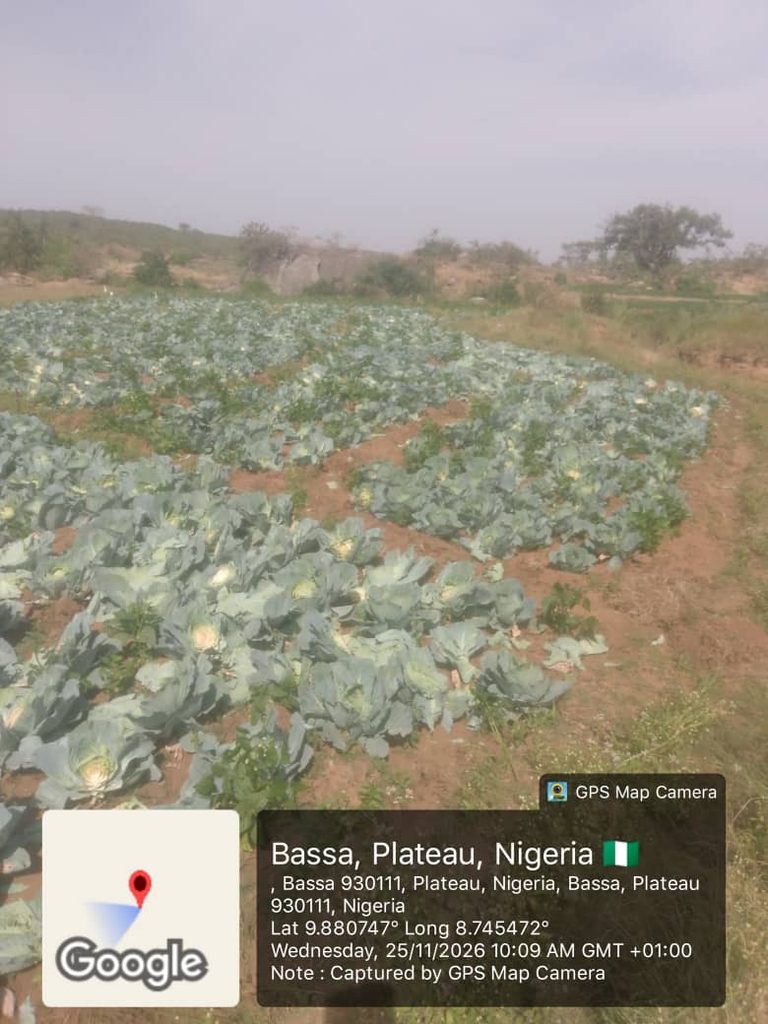
Security sources said the incident was reported at about 11:30 a.m. on November 25, prompting troops of Sector 3 to respond to the affected community.
On arrival, the troops discovered that farmland had been encroached upon during the night by suspected herders who reportedly fled before their arrival.
The sources said efforts were ongoing to track down and apprehend those responsible for the destruction to ensure they face necessary legal action.
The incident comes amid ongoing security efforts to prevent farmer-herder conflicts and protect livelihoods in vulnerable communities across Plateau State.
Troops Investigate Destruction of Farm Crops in Plateau Community

Correctional Service Decorates Newly Promoted Officers in FCT
By: Michael Mike
The Nigerian Correctional Service (NCoS), FCT Command, on Wednesday decorated officers recently promoted to their next ranks, urging them to demonstrate greater professionalism, discipline and commitment to duty.
The decoration ceremony, held at the Command Headquarters in Gwagwalada, Abuja, celebrated the elevation of officers whose promotions were described as recognition of their dedication, hard work and contributions to the Service.

Speaking at the event, the Controller of Corrections, FCT Command, Christopher Peter Jen, congratulated the newly promoted officers and charged them to regard their elevation as a call to greater responsibility and improved service delivery.
Jen urged the officers to uphold the core values of the Service, stressing the need for professionalism, discipline and renewed commitment to their responsibilities.
Among those decorated was the Command’s Public Relations Officer, Adamu Samson Duza, who was elevated from Deputy Superintendent of Corrections (DSC) to Superintendent of Corrections (SC).
The most senior officer among the newly promoted personnel, Deputy Controller of Corrections Julius Phillip, who delivered the vote of thanks on behalf of his colleagues, expressed appreciation to the management of the Service and the FCT Command leadership for recognising their contributions and finding them worthy of promotion.
He assured that the officers would reciprocate the confidence reposed in them through greater dedication, discipline and commitment to their duties.
The ceremony ended with goodwill messages and congratulations to the newly decorated officers, marking another milestone in their careers in the Nigerian Correctional Service.
Correctional Service Decorates Newly Promoted Officers in FCT

Sickle Cell: SGU Links Medical Education with Improved Patient Care, Urges Early Diagnosis

KACRAN HAILS NEDC OVER N30BN PROJECTS, URGES NWDC, NCDC TO END ROW WITH CSOs

Troops Investigate Destruction of Farm Crops in Plateau Community

Roger Federer’s Shock as DNA Results Reveal Myla and Charlene Are Not His Biological Children

THE PLIGHT OF FARIDA

FAILED COUP IN BURKINA FASO: HOW TRAORÉ NARROWLY ESCAPED ASSASSINATION PLOT AMID FOREIGN INTERFERENCE CLAIMS
-
 News3 years ago
Roger Federer’s Shock as DNA Results Reveal Myla and Charlene Are Not His Biological Children
-
Opinions5 years ago
THE PLIGHT OF FARIDA
-
 News2 years ago
FAILED COUP IN BURKINA FASO: HOW TRAORÉ NARROWLY ESCAPED ASSASSINATION PLOT AMID FOREIGN INTERFERENCE CLAIMS
-
 Opinions5 years ago
POLICE CHARGE ROOMS, A MINTING PRESS
-

 News3 years ago
EYN: Rev. Billi, Distortion of History, and The Living Tamarind Tree
-

 ACADEMICS3 years ago
A History of Biu” (2015) and The Lingering Bura-Pabir Question (1)
-

 Columns3 years ago
Army University Biu: There is certain interest, but certainly not from Borno.
-

 Politics1 year ago
2027: Why Hon. Midala Balami Must Go, as Youths in Hawul and Asikira/Uba Federal Constituency Reject ₦500,000 as Sallah Gift
