
News
Another Pipeline Bursts

Another Pipeline Bursts
…Trans Niger Pipeline eruption in B-Dere community in Ogoniland
By: Michael Mike
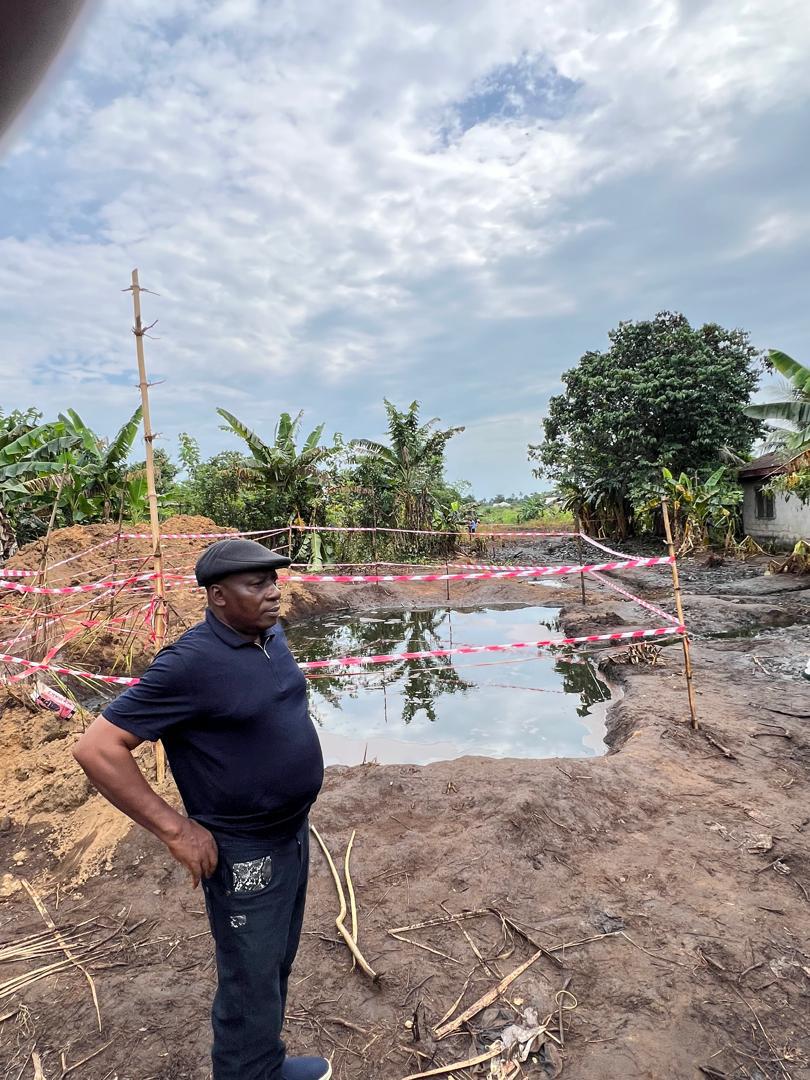
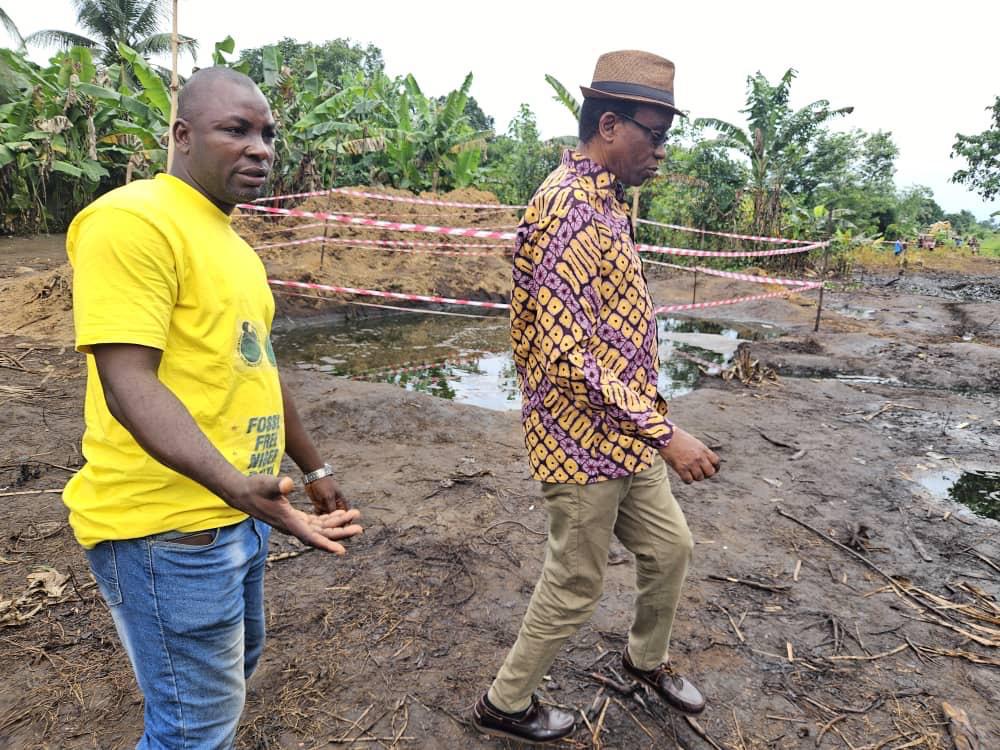
The Trans Niger Pipeline erupted and triggered streams of crude oil flowing through B-Dere community, Gokana Local Government Area of Rivers State.
The incident happened on May 6th, 2025, and the cause of the explosion is said to be equipment failure.
Recalled that a similar explosion occurred in the Bodo community on the 17th of March 2025, which caused a massive fire that spread through the mangroves.
These spils show very clearly the massive risks the communities will be exposed to if the desire of the federal government to resume oil extraction in Ogoniland happens. Many of the B-Dere community people have been internally displaced while those already impacted by the spill are living in fear over the health and safety.
On a visit by HOMEF team along with other CSOs a visit to the spill site, we met distressed indigenes of the community who expressed the high level of pain and a sense of exposure and abandonment.
The woman leader of the community, Chief Mrs Augustina Biebie, stated that the level of restlessness in the community has only worsened. “The spill brought crude oil into houses of many of our people. The thick smell of crude oil has affected our health. Breathing has become a problem, and it has become difficult to even feed because some of us cannot light fires in our kitchens.”
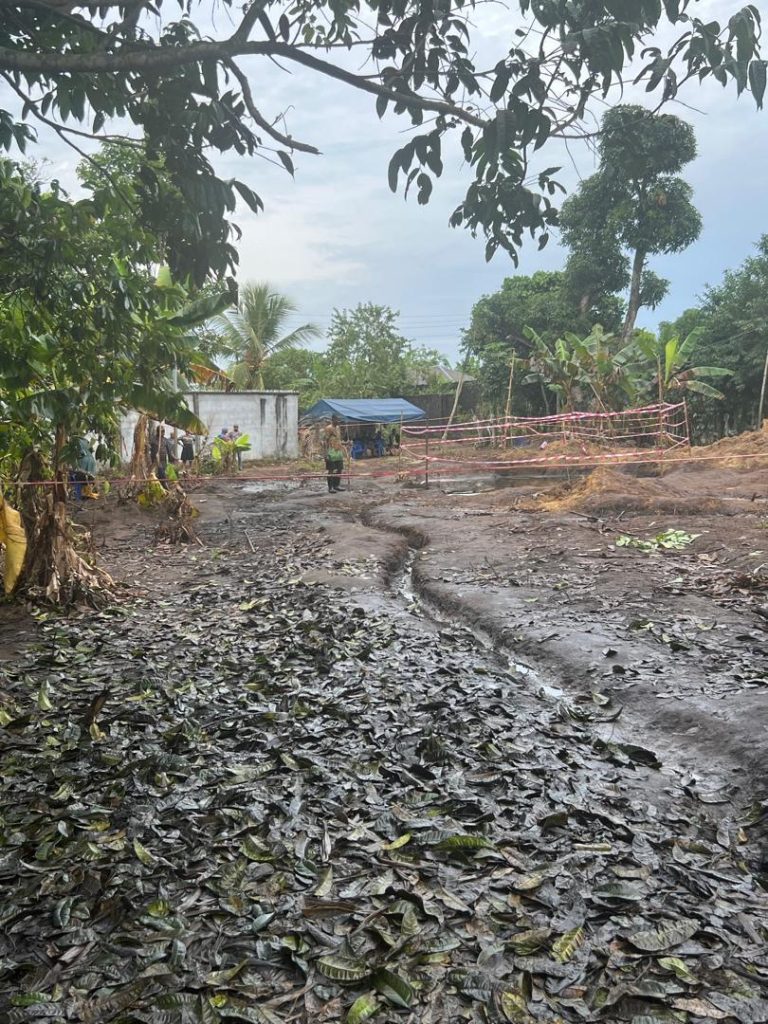
Pastor Kpobari Bani, whose house was affected, stated that “Since this incident started, I have not been able to cook for fear of explosion. My mother has been displaced and has moved to a neighbour’s house for fear of the explosion. Shell said it has sold to Renaissance Oil, who now owns the pipeline. So we call on them to come and stop the spill. We also call on the government and other relevant authorities to come to our aid and bring remedy to the land.”
The Executive Director of Health of Mother Earth Foundation (HOMEF), Dr. Nnimmo Bassey expressed disappointment over the level of neglect to communities.
“We are in a disaster zone and further disasters can erupt from even an accidental a spark of fire. The slow response of government and oil companies underscores the lack of care for the people and the environment. This level of laxity is absolutely unconscionable. The fact that this spill that happened a week ago is yet to be stopped sends a very strong point to why government should focus on cleaning up Ogoniland and not seek to open new oil wells. The old wells should be shut down, and decommissioned. Our communities must not continue to be sacrificed on the altar of petrodollars.”
Bassey further calls on all relevant authorities to move into action to curtail the spread of the flowing crude.
“The government cannot be silent at a time as this. This is a time when all agencies should be here to stop halting the shit down the pipeline, stop the pollution and carry out urgent clean up and remediation. We call on NOSDRA, NESRA, MENA and HYPREP to move into swift action to stem the unfolding ecological and human crises.”
Also, Celestine Akpobari, an environmental activist, stated that “This is one of the reasons why we have rejected the idea of restarting oil exploitation in Ogoni. The exploitation has not started, but the situation is becoming more volatile with spills of this nature. This is supposed to be a remediation site, but as you can see it is an ecological crime scene. We are afraid that if this is not properly contained, the damage will be far worse than what we see.”
HOMEF calls for a swift action to plug the leakage, remediate the land and carry out a thorough health audit on the exposed people of the community. Government must show that they care for the people and the environment. Aged oil facilities should be decommissioned and retired, and all alleged divestments should be nullified to ensure that those who have made our communities literal land mines do not walk away from accountability.
Another Pipeline Bursts



Troops intercept 11 youths with donkeys during patrol in Borno
By: Zagazola Makama
Troops of 68 Battalion have intercepted 11 youths during a routine patrol in Mallam Fatori area of Abadam Local Government Area of Borno State.
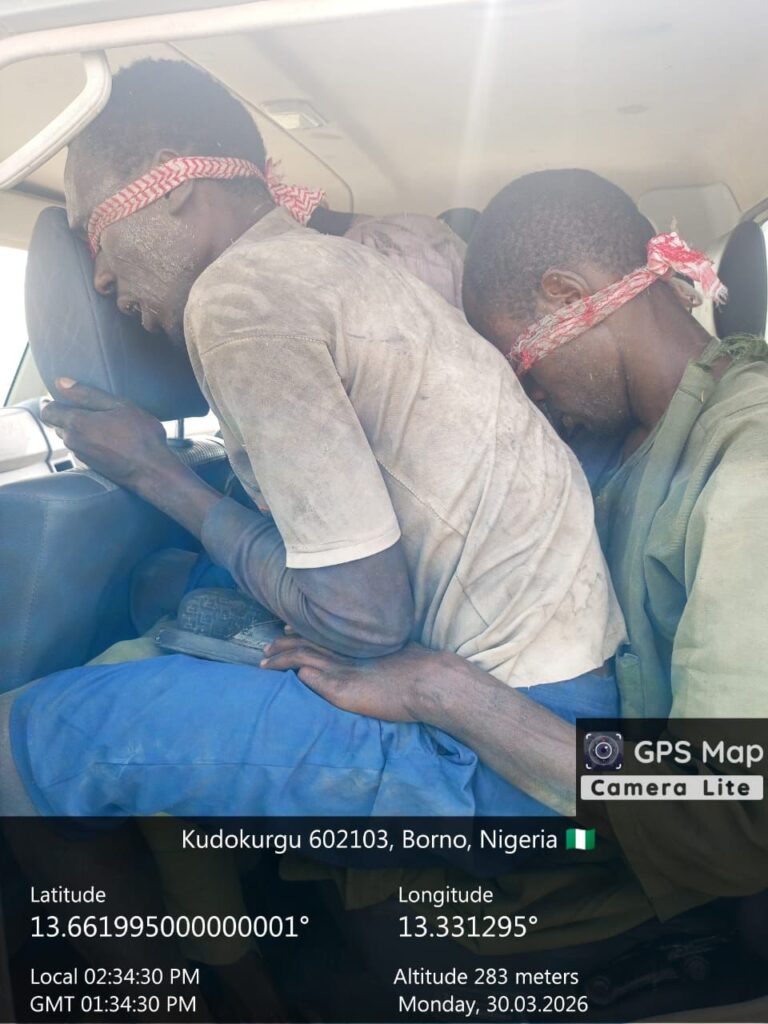
Security sources said the interception occurred along the Bulagana–Cheisa axis on April 2 during ongoing clearance operations in the area.
According to the sources, the individuals were found moving in the area with 12 donkeys when they were stopped and briefly interrogated by troops.
The sources added that the youths were later handed over, alongside the animals, to relevant authorities in a neighbouring country for further necessary action.
The military said the patrol was part of sustained efforts to maintain security dominance and prevent exploitation of border communities by criminal elements.
Troops intercept 11 youths with donkeys during patrol in Borno
Troops recover ammunition, logistics items in Kwara patrol operation
By: Zagazola Makama
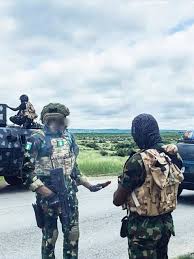
Troops of the Nigerian Army under the 22 Brigade have recovered ammunition and other logistics items during a fighting patrol in Ifelodun Local Government Area of Kwara State.
A security source disclosed that the operation was conducted at about 4:00 p.m. on April 2 at Daban Lema, where troops of the brigade, operating from the Patrol Base, encountered signs of suspected terrorist activities in a deserted location.
According to the source, the troops immediately carried out exploitation of the area, leading to the recovery of four rounds of 7.62mm special ammunition and one empty PKT ammunition belt link.
Other items recovered include four mobile phones, two head warmers, two small solar panels, and assorted repair tools believed to have been used by the suspected terrorists.
The source added that the recovery indicates the presence and movement of suspected criminal elements within the area, noting that troops have intensified surveillance and patrols to deny them freedom of action.
Troops recover ammunition, logistics items in Kwara patrol operation
Troops foil attack by Criminal Youths, rescue victims, arrest suspects in plateau
By: Zagazola Makama
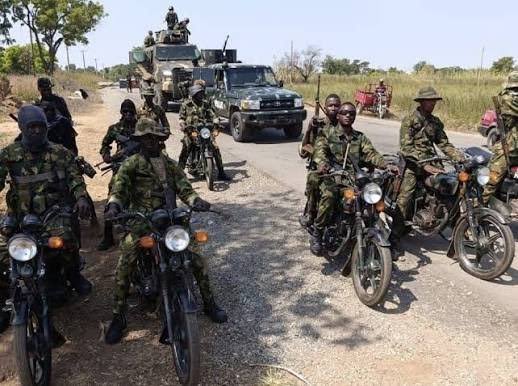
Troops of Sector 1, Operation Enduring Peace (OPEP), have foiled an attack on residents at Dutse Uku in Jos North Local Government Area of Plateau State.
A security source said the troops responded swiftly to a report of sporadic gunshots in the area at about 11:50 p.m. on April 2.
According to the source, upon arrival at the scene, the suspected criminals fled, abandoning their operation due to the prompt intervention of the troops.
He said the troops rescued two victims who sustained gunshot wounds during the incident and immediately evacuated them to a hospital for medical attention.
The source further disclosed that two suspects, dressed in black attire, were arrested at the scene.
Items recovered from the suspects include a cutlass and a knife.
He added that the suspects are currently in military custody and undergoing preliminary investigation, while efforts are ongoing to track down other fleeing members of the group.
Zagazola report that despite heightened security, there has been report of pocket of attacks in some communities.
The source reassured residents of the military’s commitment to protecting lives and property and urged the public to continue providing timely information to security agencies.
Troops foil attack by Criminal Youths, rescue victims, arrest suspects in plateau

Troops intercept suspected Boko Haram logistics convoy conveying 13 persons in Borno

Troops intercept 11 youths with donkeys during patrol in Borno

Troops, CJTF arrest three suspected Boko Haram logistics suppliers in Borno

Roger Federer’s Shock as DNA Results Reveal Myla and Charlene Are Not His Biological Children

THE PLIGHT OF FARIDA

FAILED COUP IN BURKINA FASO: HOW TRAORÉ NARROWLY ESCAPED ASSASSINATION PLOT AMID FOREIGN INTERFERENCE CLAIMS
-
 News2 years ago
Roger Federer’s Shock as DNA Results Reveal Myla and Charlene Are Not His Biological Children
-
Opinions4 years ago
THE PLIGHT OF FARIDA
-
 News12 months ago
FAILED COUP IN BURKINA FASO: HOW TRAORÉ NARROWLY ESCAPED ASSASSINATION PLOT AMID FOREIGN INTERFERENCE CLAIMS
-

 News2 years ago
EYN: Rev. Billi, Distortion of History, and The Living Tamarind Tree
-
 Opinions4 years ago
POLICE CHARGE ROOMS, A MINTING PRESS
-

 ACADEMICS2 years ago
A History of Biu” (2015) and The Lingering Bura-Pabir Question (1)
-

 Columns2 years ago
Army University Biu: There is certain interest, but certainly not from Borno.
-

 Opinions2 years ago
Tinubu,Shettima: The epidemic of economic, insecurity in Nigeria
