
National News
APC’s Future in Yobe State: Insights Ahead of the 2027 General Elections and the Case for Baba Mallam Wali as the Next Governor of Yobe State

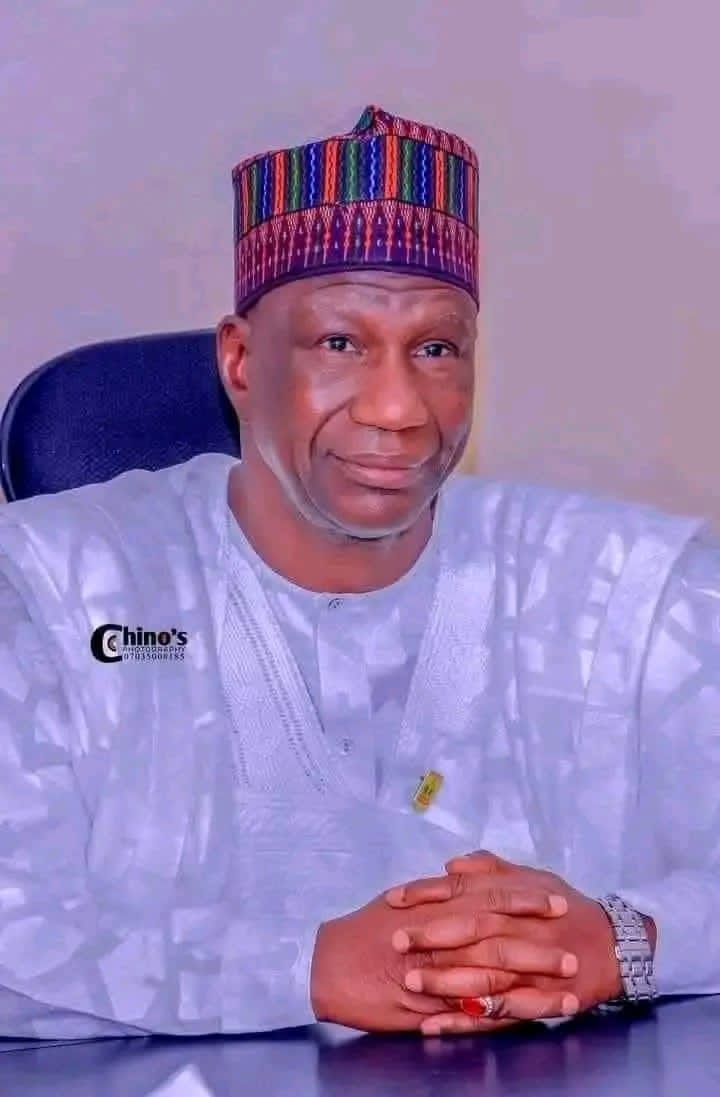
APC’s Future in Yobe State: Insights Ahead of the 2027 General Elections and the Case for Baba Mallam Wali as the Next Governor of Yobe State
By: Yahaya Wakili
As the 2027 general elections approach, the political climate in Yobe State is becoming increasingly lively. Analysts and political commentators are closely observing the All Progressives Congress (APC) and its intentions regarding its continued dominance in the state. Since the APC established a firm foothold in Yobe, many believe the party has fostered significant loyalty among its supporters, dubbing the state a stronghold for the APC.
NEWSng reports that APC has been in power in Yobe State since 2015, following years of challenges and changes in leadership. Under the administration of Governor Mai Mala Buni, the APC has implemented various developmental projects aimed at improving the state’s infrastructure, education, and healthcare systems. These efforts have contributed to a perception among many residents that the APC is committed to the progress of Yobe.
However, political analysts are pondering whether the APC can maintain its influence in the face of emerging challenges. One major factor is the increasing dissatisfaction among some citizens regarding specific policies and governance. Issues such as unemployment, poverty, and insufficient access to basic services remain pressing concerns. As these problems persist, some voters may begin to look for alternatives to the APC, which could impact the party’s performance in the elections.
Recent elections in other states have shown that even long-standing party dominance can be challenged. For instance, the emergence of new parties and alliances has shifted traditional voting patterns. Political analysts are keenly aware of these trends and warn that complacency can hinder the APC’s efforts to secure victory in the upcoming elections.
On the other hand, the APC continues to emphasize its unity and strength within Yobe State. Party leaders assert that the ongoing development initiatives and the restoration of peace and security in the state are testament to their commitment. Also, the integration of youth and women into the party’s activities aims to engage the younger generation, whose voices will be critical during the elections.
Yobe State is divided into three senatorial districts: Yobe East Senatorial District, Zone A; Yobe South Senatorial District, Zone B; and Yobe North Senatorial District, Zone C.
Since the return of democracy in Nigeria in 1999, about 26 years ago, Yobe North Senatorial District has never produced the governor or even the deputy governor; the party didn’t give them or allow them that opportunity or chance, which is now calling for a rotation in the governance of the state. Yobe South Senatorial District produced only one governor, the late Governor Mamman B. Ali, and he didn’t even complete his first tenure; he only spent eighteen months in the seat.
Yobe East Senatorial District has been producing governors since then. So the call for APC to balance the equation, and if the party wants to continue getting acceptance from the Yobeans, the rotation formula of the governorship seat needs to be adopted if the party must continue winning without facing any challenges in the next coming elections in 2027. They should shift the governor’s seat to Yobe North Senatorial District, Zone C.
Analysts in Yobe North Senatorial District, also referred to as Zone C, have expressed their belief that Baba Mallam Wali, the current Secretary to the State Government, stands out as the most suitable candidate for the governorship of Yobe State in 2027. They argue that Wali possesses the necessary qualifications, competencies, and credibility that are vital for effective governance.
“Baba Mallam Wali has a wealth of experience that makes him a formidable candidate. As the Secretary to the State Government, he is already familiar with the workings of government and has built a strong network within the political framework of Yobe State. His current role involves overseeing various government functions, which equips him with the knowledge and skills needed to address the pressing issues facing the state,” Kabiru Umar said.
Analysts argue that this experience could lead to more efficient administration and quicker resolution of challenges, such as infrastructure development and educational reform. They also pointed out that credibility is an essential trait for any leader. Wali is viewed as a person of integrity and has gained the trust of many citizens in Yobe State. This trust is necessary for a governor who will need the support of the public to implement policies effectively.
“Baba Mallam Wali is the longest-serving SSG since the creation of Yobe State. If APC wants to win the election in 2027, let them give the governorship seat to Yobe North and pick Baba Mallam Wali mni as its candidate; the party will win one hundred percent (100%) without any challenge. This is because Baba Mallam Wali mni has the capacity and the vast experience in administration, and everybody in Yobe State knows that Baba Mallam Wali mni is capable of handling and governing the state in 2027. I know if the mandate is given to him, definitely APC will win the seat easily in the 2027 general elections, inshallah,” Abubakar Imam, a political analyst, observed.
In recent years, the importance of integrity in leadership has been highlighted across Nigeria, as communities yearn for leaders who will prioritize their needs above personal gain. Wali’s reputation positions him as a candidate who can work for the people’s best interests, making him a viable option for the position.
Additionally, Wali’s commitment to community development has not gone unnoticed. He has been involved in various initiatives aimed at improving the quality of life for residents in Yobe State. He has demonstrated a deep understanding of the challenges that local populations face. His vision for the future of Yobe State aligns with the aspirations of many citizens who are looking for transformative leadership that prioritizes social welfare.
The arguments put forth by analysts regarding Baba Mallam Wali’s candidacy for the governorship of Yobe State in 2027 highlight his qualifications, credibility, and commitment to community development. As the state continues to navigate various challenges, it is crucial to have a leader who is prepared and capable of making informed decisions.
” The current Secretary to the State Government, Baba Mallam Wali mni work with His Excellency, the Honourable Minister of Police Affairs, Senator Ibrahim Geidam for almost good eight years, they take Yobe state to the greater height and they bring a lot of developmental projects in Yobe state and now he is the current Secretary to the State Government of His Excellency, the Executive Governor of Yobe state, Hon. Dr Mai Mala Buni CON, COMN, Chiroman Gujba and everybody has witnessed the rapid development they bring to Yobe state and see how they turn Yobe state to a semi London and all these gigantic development which executed by the government of His Excellency, the Executive Governor, Hon. Dr Mai Mala Buni CON, COMN Chiroman Gujba with the support and cooperation of Baba Mallam Wali.” Ibrahim Hassan said.
“Therefore, with these great developments that Yobe State has witnessed under Senator Ibrahim Geidam’s administration and the current governor, His Excellency, the Executive Governor, Hon. Dr. Mai Mala Buni CON, COMN, Chiroman Gujba, Yobe State needs people like Baba Mallam Wali mni to replace Governor Hon. Dr. Mai Mala Buni CON, COMN, Chiroman Gujba in 2027, because of his competence and capacity as well as his long experience, his credibility, his honesty, and his dedication to work. Baba Mallam Wali MNI extends his heartfelt congratulations to their Excellencies, the Vice President of the Federal Republic of Nigeria, Senator Kashim Shettima GCON, and Minister of Police Affairs, Senator Ibrahim Geidam, on their birthday anniversaries.” He added
NEWSng reports that Baba Wali’s experience as the secretary to the state government and his dedication to serving the people of Yobe State position him as a strong candidate worthy of leadership in the upcoming elections in 2027.
APC’s Future in Yobe State: Insights Ahead of the 2027 General Elections and the Case for Baba Mallam Wali as the Next Governor of Yobe State


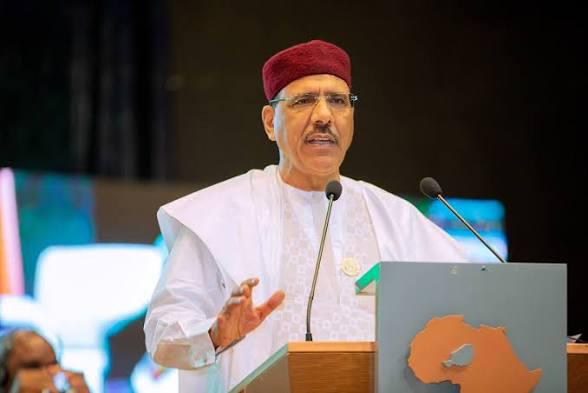
EU Parliament calls for release of Niger’s ousted president Bazoum
By: Zagazola Makama
The European Parliament has adopted a resolution calling for the immediate and unconditional release of Niger’s ousted president, Mohamed Bazoum, and his wife, who have remained in detention since the 2023 Niger coup d’état.
Bazoum, who was democratically elected in Niger’s historic transfer of power in 2021, would have completed his first five-year term in April 2026 if he had not been overthrown by members of his presidential guard.
In a resolution adopted almost unanimously on Friday, the European Parliament condemned the continued detention of Bazoum and his wife by the military authorities currently ruling Niger, describing their detention as arbitrary.
The lawmakers urged the military junta to release the former president immediately and restore constitutional order in the country.
The resolution warned that the international community could consider further sanctions and legal measures against members of the military leadership if the situation persists.
Bazoum and his wife have been held in confinement since July 2023 when soldiers led by Abdourahamane Tiani, the former head of the presidential guard, overthrew the government and suspended the constitution.
The coup drew widespread condemnation from the international community, including ECOWAS, which initially threatened military intervention to restore democratic governance.
However, the proposed intervention was never carried out, and Bazoum has remained in detention while the military authorities consolidated power.
Political observers say the failure of regional and international efforts to secure Bazoum’s release has raised concerns about the weakening of democratic norms in parts of the Sahel.
The European Parliament said the continued detention of the former president represents a violation of democratic principles and human rights, warning that silence or indifference toward such actions could encourage unconstitutional changes of government elsewhere.
The resolution also highlighted the deteriorating political and security situation in Niger since the coup, noting that democratic gains and human rights protections have been undermined under military rule.
Meanwhile, critics have also raised questions about the silence of Mahamadou Issoufou, Bazoum’s long-time political ally and predecessor, who some analysts say has not publicly pressed strongly enough for Bazoum’s release despite their decades-long political relationship.
The European Parliament’s move could revive international attention on Bazoum’s detention and increase diplomatic pressure on the junta to release him and return Niger to constitutional governance.
They also urged African governments and institutions to play a more active role in defending democratic norms and supporting the restoration of civilian rule in Niger.
Bazoum’s supporters continue to call for stronger international mobilisation to secure his freedom and restore the democratic mandate given to him by the Nigerien electorate.
EU Parliament calls for release of Niger’s ousted president Bazoum
National News
Northern Nigeria Faces Environmental Crisis as FG Unveils Plans to Revive Dying Rivers, Farmlands
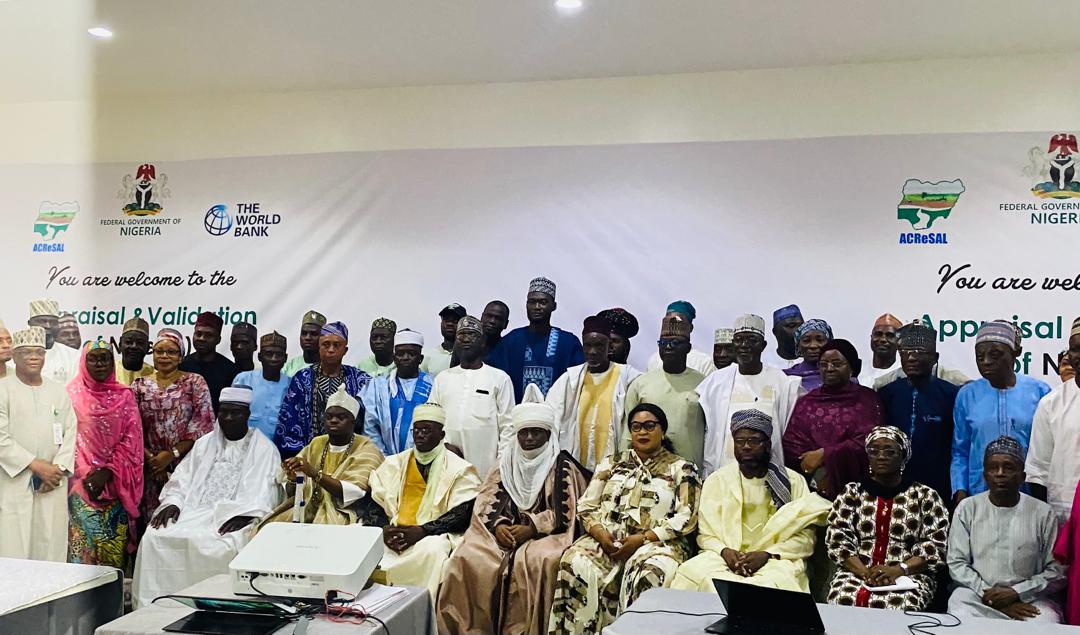
Northern Nigeria Faces Environmental Crisis as FG Unveils Plans to Revive Dying Rivers, Farmlands
By: Michael Mike
Alarm over worsening desertification and environmental degradation across Northern Nigeria has prompted the Federal Government to move ahead with new strategic plans aimed at restoring damaged ecosystems and safeguarding the livelihoods of millions of rural residents.
The initiative, supported by the World Bank and implemented under the Agro-Climatic Resilience in Semi-Arid Landscapes (ACReSAL) Project, focuses on the development and validation of nine Strategic Catchment Management Plans intended to tackle land degradation, water scarcity and declining agricultural productivity in vulnerable communities.
The plans are currently being reviewed at a multi-stakeholder workshop in Abuja, where government officials, development partners, environmental experts and community representatives are examining strategies to restore critical watersheds and strengthen climate resilience across the region.
Officials said the intervention has become urgent as environmental pressures continue to threaten food production, water supply and the stability of rural communities in the country’s northern belt.
Director of Hydrology at the Federal Ministry of Water Resources and Sanitation, Engr. Abohwo Ngozi, who represented the Minister, Joseph Terlumun Utsev, warned that desert encroachment, erratic rainfall and shrinking water bodies are already affecting livelihoods across the 19 northern states and the Federal Capital Territory.
She noted that degraded farmlands and drying rivers have become daily realities for farmers and pastoralists who depend on the region’s fragile ecosystems for survival.
According to Ngozi, the catchment management plans will provide a comprehensive framework for coordinating environmental restoration efforts while improving water and land management practices.
She explained that the strategies would help identify priority intervention areas, mobilise resources and guide long-term investments aimed at reversing environmental decline.
National Coordinator of the ACReSAL Project, Abdulhamid Umar, represented by Shettima Adams, said the nine catchment plans were developed after extensive consultations with communities directly affected by environmental degradation.
He said the catchments include Malenda, Oshin-Oyi, Gurara-Gbako, Aloma-Konshisha, Benue-Mada, Sarkin-Pawa-Kaduna, Zungur-Gongola, Gaji-Lamurde and Hawul-Kilange.
Umar noted that the plans would guide practical interventions such as tree planting, soil conservation, climate-smart agriculture and improved water management aimed at restoring ecosystems and boosting rural livelihoods.
“These plans reflect the voices of communities that are already living with the realities of desertification, shrinking water sources and degraded farmlands. They offer practical solutions designed to rebuild the landscapes and support sustainable livelihoods,” he said.
The catchment areas span several states including Adamawa, Bauchi, Benue, Borno, Gombe, Kaduna, Kano, Katsina, Kebbi, Kogi, Kwara, Nasarawa, Niger, Plateau, Taraba, Yobe and Zamfara, as well as the Federal Capital Territory.
Beyond environmental restoration, experts say improved catchment management could also help reduce tensions linked to competition for land and water resources among farmers, herders and rural communities in parts of Northern Nigeria.
Representing the World Bank Task Team Leader, Joy Iganya Agene, Henrietta Alhassan said the validation process marks an important step toward strengthening sustainable water resource management and climate adaptation efforts in the region.
She stressed that protecting catchment ecosystems is critical not only for environmental sustainability but also for ensuring long-term economic development and the resilience of communities that rely on these natural resources.
Officials involved in the programme said the workshop will complete the validation of the final batch of catchment plans, bringing the total number developed under the ACReSAL project to 20 and paving the way for large-scale environmental restoration and climate resilience interventions across Northern Nigeria.
Northern Nigeria Faces Environmental Crisis as FG Unveils Plans to Revive Dying Rivers, Farmlands
National News
NHRC Chief Urges West Africa to Break Silence on Gender Violence, Reveals 3.7m Rights Complaints Received in 2025
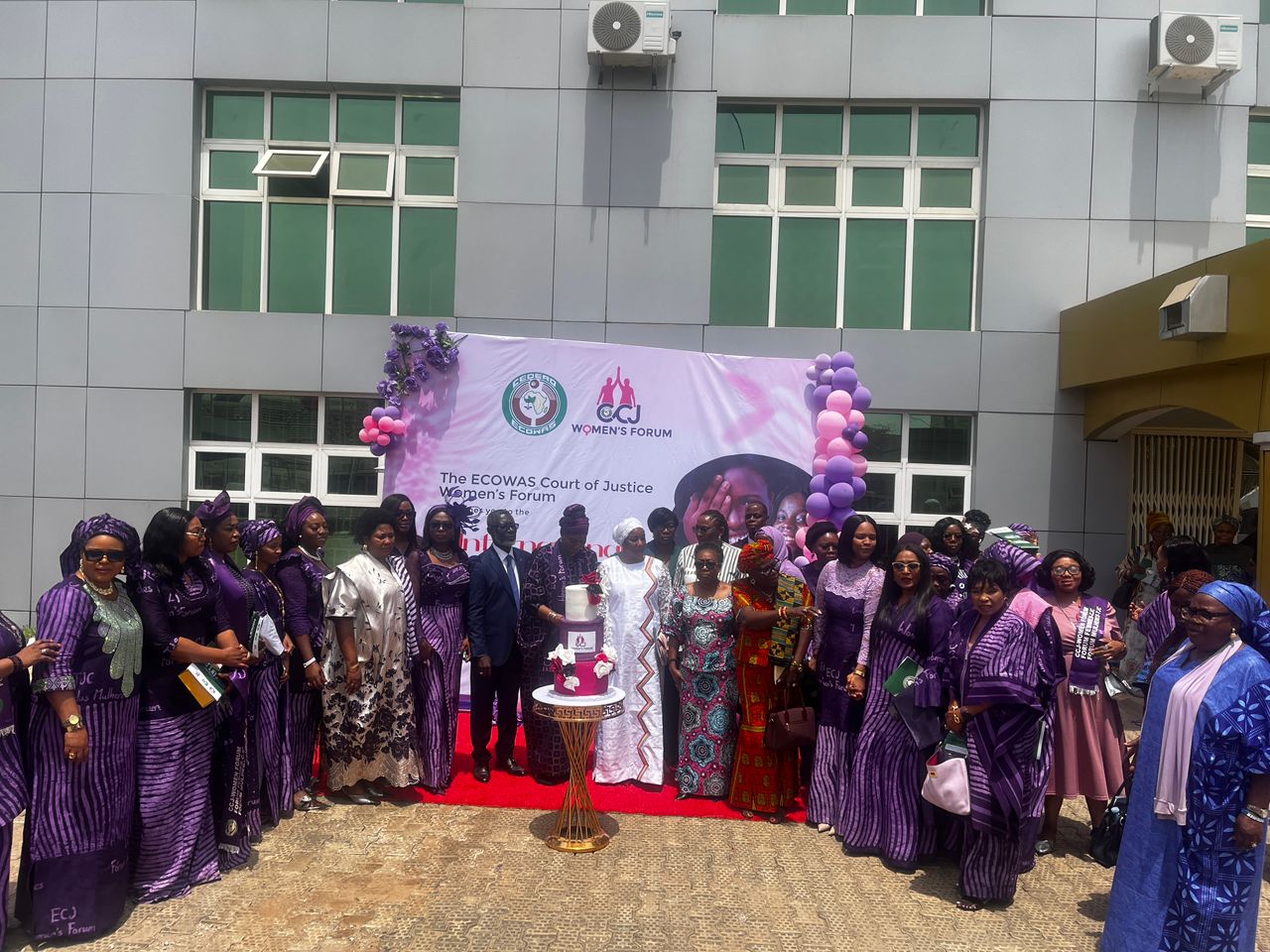
NHRC Chief Urges West Africa to Break Silence on Gender Violence, Reveals 3.7m Rights Complaints Received in 2025
By: Michael Mike
The Executive Secretary of the National Human Rights Commission (NHRC), Tony Ojukwu, on Monday issued a strong call for urgent regional action to end gender-based violence, warning that millions of women and girls across Nigeria and West Africa continue to suffer abuse in silence.
Ojukwu made the appeal while delivering a keynote address at the International Women’s Day event organised by the Women’s Forum of the ECOWAS Court of Justice in Abuja, where he stressed that breaking the silence around gender violence is essential to achieving justice and equality.
Speaking on the theme “Rights. Justice. Action. For All Women and Girls,” the NHRC boss warned that gender-based violence remains one of the most widespread human rights violations in the world, stripping women and girls of dignity, safety and opportunity.
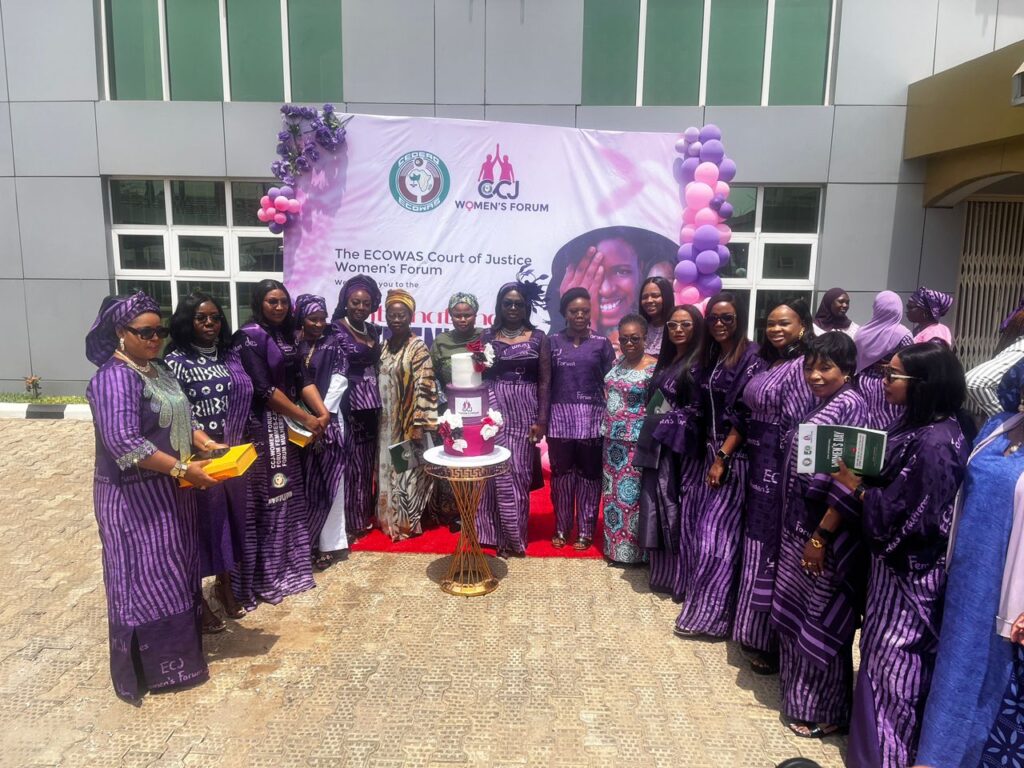
He said that while International Women’s Day is often marked with speeches and celebrations, the deeper challenge lies in confronting the realities that many women face daily.
“Silence has too often been the accomplice of violence. Too many women suffer in silence because they fear stigma, retaliation or disbelief. Today we must declare with one voice that silence is no longer an option,” Ojukwu said.
The human rights chief, who was represented by the Commission’s Director Women and Children Department, Mrs. Ngozi Okorie, painted a troubling picture of the scale of abuse, noting that Nigeria alone accounts for about 10 per cent of global survivors of gender-based violence, with an estimated 20 million women affected.
Citing data from the Nigeria Demographic and Health Survey 2018, he said nearly one in three Nigerian women between the ages of 15 and 49 has experienced physical or sexual violence at some point in her life.
Ojukwu also disclosed that the National Human Rights Commission received 3,724,822 complaints of human rights violations in 2025, a figure he described as both alarming and revealing of the scale of rights abuses across the country.
According to him, the complaints ranged from gender-based violence and child rights violations to abuses against other vulnerable groups.
He said the figures were compiled through the Commission’s 36 state offices and the Abuja Metropolitan Office, reflecting growing public awareness of the Commission’s mandate and increased willingness by victims to report violations.
“In Kano State alone, the Commission recorded 3,019 complaints between January and December 2025. Out of these, 2,276 were resolved while 743 cases remain under investigation,” he said.
He added that the Commission’s human rights monitoring dashboard recorded 670 cases of child abandonment in December 2025 alone, warning that such cases highlight the deeper social consequences of discrimination and violence against women and girls.
The NHRC boss emphasised that the choice of the ECOWAS Court as the venue for the event was symbolic, noting that the regional court has become a crucial platform for human rights enforcement in West Africa.
He recalled landmark rulings of the court, including the case of Dorothy Njemanze v Nigeria, in which the court found Nigeria guilty of discriminatory policing and gender-based violence against women.
Ojukwu said the judgment reinforced the role of the court in ensuring accountability and protecting the rights of women across the region.
“The ECOWAS Court has proven that justice can reach even the most vulnerable woman in a remote village. When this court says ‘break the silence,’ it speaks with the authority of an institution that listens to the cry of the common woman,” he said.
He disclosed that the Commission has introduced several initiatives to combat gender-based violence, including the launch of a Human Rights Dashboard for tracking violations and the introduction of a national short code 6472 to enable victims easily report abuses.
Ojukwu said the Commission is also expanding access to justice through technology, nationwide public awareness campaigns and stronger collaboration with civil society organisations and the media.
He noted that the NHRC has also endorsed the Male Feminists Network, a civil society initiative aimed at mobilising men and boys to challenge harmful cultural norms that enable violence against women.
According to him, addressing gender-based violence requires collective action involving governments, the judiciary, civil society groups, the media and traditional leaders.
He called on ECOWAS member states to harmonise and strengthen laws against gender-based violence while ensuring the enforcement of the Violence Against Persons (Prohibition) Act and other legal frameworks protecting women.
The NHRC chief further urged the judiciary to establish specialised gender-based violence courts, fast-track cases involving abuse against women and children and adopt survivor-centred approaches in the administration of justice.
He also appealed to the media to play a stronger role in exposing abuses and amplifying the voices of survivors while reporting cases with sensitivity and respect for victims.
“Ending gender-based violence requires more than sympathy. It demands justice. Perpetrators must be held accountable and survivors must have access to remedies that restore dignity and hope,” he said.
Ojukwu said by urging governments and stakeholders across West Africa to move beyond rhetoric and commit to concrete action that guarantees safety, dignity and equal rights for every woman and girl.
On her part, the President, ECOWAS Court of Justice Women’s Forum, Oluwatosin Nguher noted that gender-based violence remains one of the most pervasive human rights challenges of our time.
She said: “It undermines dignity, weakens institutions, disrupts communities, and directly affects access to justice.”
Nguher further stated that: “As a judicial institution serving the ECOWAS region, we cannot be indifferent to its impact. Silence perpetuates harm; action restores hope. Therefore, our proposed activities are carefully structured to foster informed dialogue, strengthen preventive strategies, and reaffirm our Court’s unwavering commitment to protecting the rights of women and girls.”
She charged that: “Together, through unity, awareness, and deliberate action, we can ensure that rights are protected, justice is accessible, and opportunities are equitable for all women and girls across the ECOWAS region.”
NHRC Chief Urges West Africa to Break Silence on Gender Violence, Reveals 3.7m Rights Complaints Received in 2025

India Strengthens Youth Ties with Nigeria Through Essay Competition Awards

Journalists Health Insurance Gets A Boost with Hundreds Enrolled in Abuja

Before Calling for DSS Disbandment, Look at the Results

Roger Federer’s Shock as DNA Results Reveal Myla and Charlene Are Not His Biological Children

THE PLIGHT OF FARIDA

FAILED COUP IN BURKINA FASO: HOW TRAORÉ NARROWLY ESCAPED ASSASSINATION PLOT AMID FOREIGN INTERFERENCE CLAIMS
-
 News2 years ago
Roger Federer’s Shock as DNA Results Reveal Myla and Charlene Are Not His Biological Children
-
Opinions4 years ago
THE PLIGHT OF FARIDA
-
 News11 months ago
FAILED COUP IN BURKINA FASO: HOW TRAORÉ NARROWLY ESCAPED ASSASSINATION PLOT AMID FOREIGN INTERFERENCE CLAIMS
-

 News2 years ago
EYN: Rev. Billi, Distortion of History, and The Living Tamarind Tree
-
 Opinions4 years ago
POLICE CHARGE ROOMS, A MINTING PRESS
-

 ACADEMICS2 years ago
A History of Biu” (2015) and The Lingering Bura-Pabir Question (1)
-

 Columns2 years ago
Army University Biu: There is certain interest, but certainly not from Borno.
-

 Opinions2 years ago
Tinubu,Shettima: The epidemic of economic, insecurity in Nigeria
