
News
Boko Haram: Borno Communities recount ordeal, emphasise citizens engagement

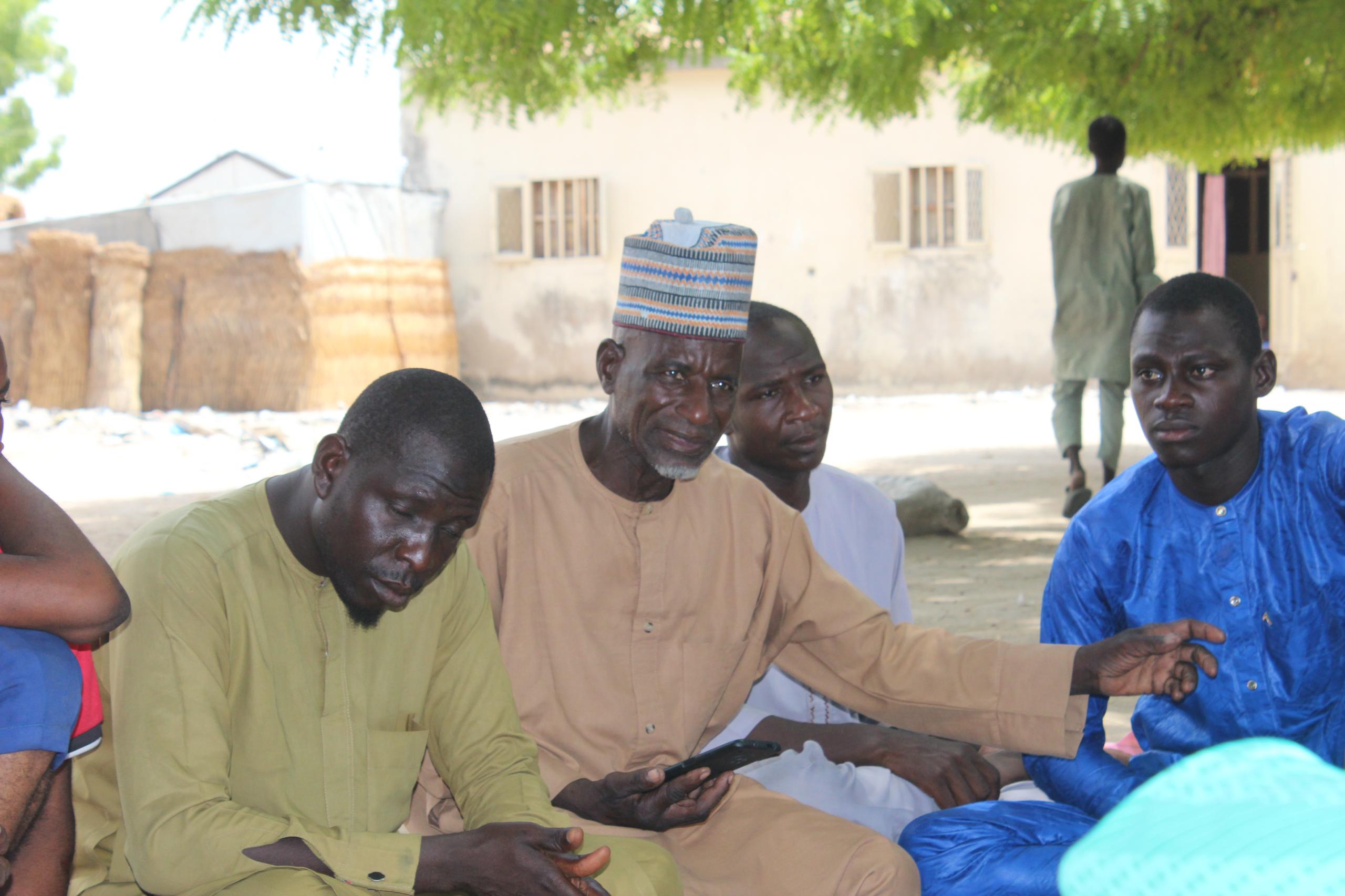
Boko Haram: Borno Communities recount ordeal, emphasise citizens engagement
By: Michael Mike
The communities in Borno State have narrated their ordeal at the hands of Boko Haram terrorists while calling for more engagement of the affected citizens in counter-insurgency and Counter-Terrorism efforts in North East Nigeria.
This was the outcome of consultative meeting and recent engagements led by Neem Foundation and The Truth Alliance, a group of Civil Society Organisations (CSOs) committed to unmasking the atrocities of rhe terrorist groups like Boko Haram and Islamic State in West Africa Province (ISWAP).
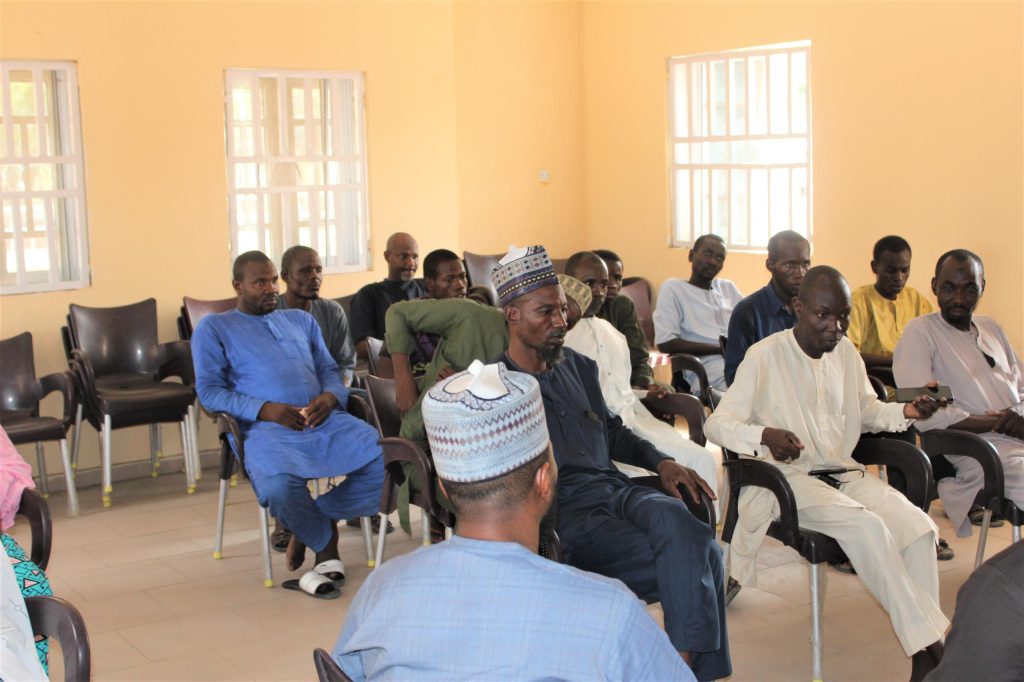
In a statement on Tuesday, The Truth Alliance Spokesperson, Mr. Ahmed Mustapha, said this was the outcome of the group discussions with community leaders, youth groups, and residents from six communities in Maiduguri, Borno state. He said the community members from Baga Road, Bulumkutu, Muna, Shikari, Gamboru, and Hausari, in local fora gathered to discuss the impacts of the conflict and explore sustainable solutions to the long-term effects it has had on their lives.
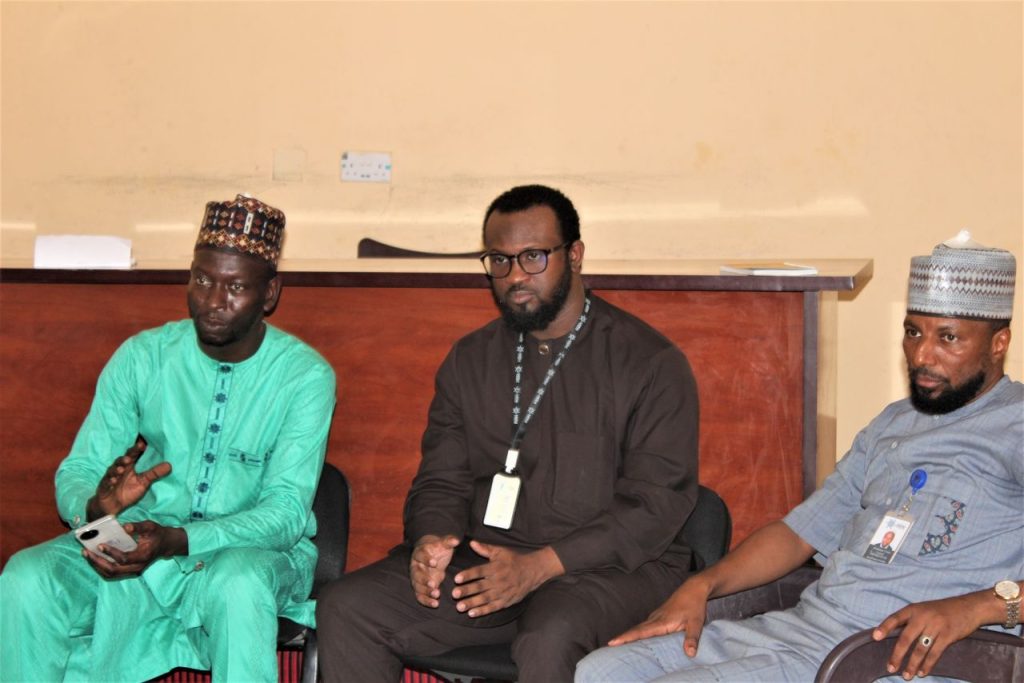
Members of the Truth Alliance led recovery discussions as the Boko Haram crisis recedes in Borno. The Northeast State, for a decade, has suffered from insurgency attacks, destruction, and catastrophic displacements of persons.
During the consultative meeting, Mustapha said, one of the participants and a stakeholder from Gamboru, Mallam Goni, emphasised the importance of community involvement in the recovery process. “Our people have endured unimaginable hardships. It is through these discussions that we can begin to heal and rebuild our society,” he quoted to have said.
“Despite the devastation, our spirit remains unbroken. These forums provide a platform for us to share our experiences and contribute to the development of lasting solutions,” Zarah, another participant remarked.
According to the statement, the community discussions were focused on various aspects of the impact of the conflict, including economic disruption, psychological trauma, and the displacement of thousands of residents. It noted that participants also explored strategies for enhancing security, promoting education, and revitalizing local economies. One of the critical issues raised is the need for comprehensive mental health support for those affected by the violence, suggesting significant levels of trauma caused by violent extremist groups activities across the northeast region of Nigeria.
Part of the statement read: “Community leaders have called for increased access to counseling services and trauma care to address the psychological scars left by years of conflict. Economic recovery was featured, with suggestions ranging from vocational training programs to microfinance initiatives aimed at empowering local entrepreneurs and rebuilding livelihoods. The suggestions and recommendations highlight the devastating scale of atrocities caused by groups such as Boko Haram ISWAP.
“As the Boko Haram crisis shows signs of abating, the Truth Alliance has taken steps towards fostering recovery of lives that were destroyed. The Truth Alliance, a network of civil society organizations across both Nigeria and Niger that have come together to expose the truth behind how violent and extremist groups draw young people into their ranks, has been instrumental in initiating these dialogues through their Time to Tell the Truth Campaign. The groups want to highlight the significant scale of hardship caused by insurgent groups on innocent communities. This hardship includes killings, kidnappings, looting of properties and the propagation of false narratives which seek to divide the society.”
The Truth Alliance is committed to unmasking the truth behind violent and extremist groups and empowering communities to resist tyranny and violence. Through education, outreach, and collaboration, the Truth Alliance strives to build a safer, more resilient society for all.
In a campaign tagged ‘Time to Tell the Truth’, the Truth Alliance has come together to expose the truth behind how violent extremist groups draw young people into their ranks. Their message is simple: These groups manipulate, they deceive, they Control, they kill, they kidnap, they destroy, and their movement as well as ideology is inherently weak.
Boko Haram: Borno Communities recount ordeal, emphasise citizens engagement


News
Nigeria, Saudi Arabia Deepen Humanitarian Alliance as NEMA, KSrelief Roll Out Food Aid to Five States
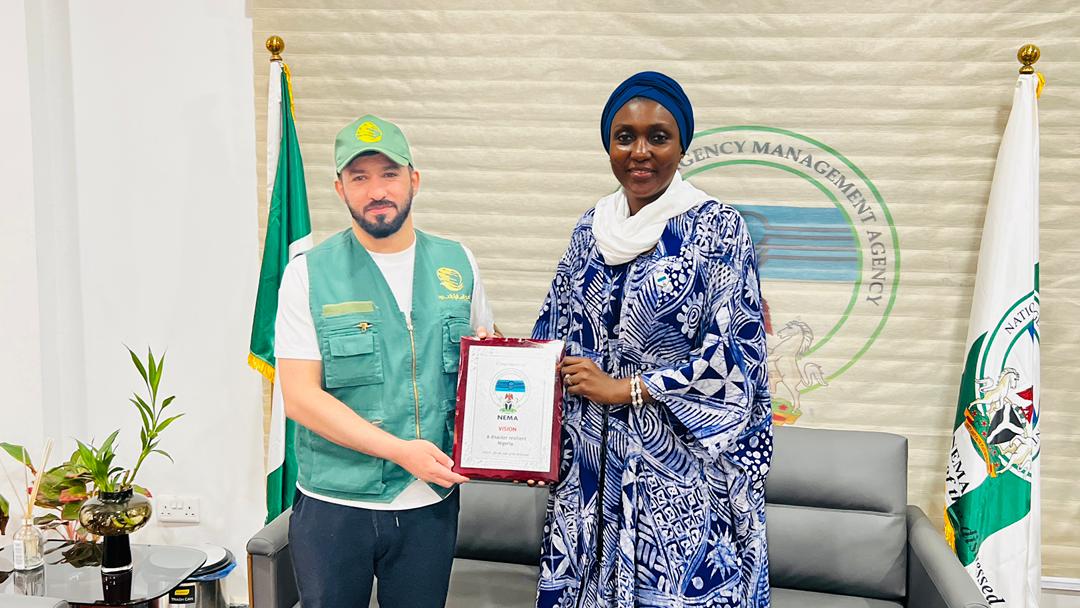
Nigeria, Saudi Arabia Deepen Humanitarian Alliance as NEMA, KSrelief Roll Out Food Aid to Five States
By: Michael Mike
The National Emergency Management Agency (NEMA) has reaffirmed its commitment to strengthening humanitarian cooperation with the King Salman Humanitarian Aid and Relief Centre (KSrelief), as both partners move to scale up emergency food assistance for vulnerable communities across Nigeria.
This was disclosed in Abuja when the Director-General of NEMA, Mrs. Zubaida Umar, received a delegation from KSrelief at the agency’s headquarters, where both sides reviewed ongoing collaboration and planned the next phase of direct humanitarian interventions.
Mrs. Umar commended KSrelief for its sustained support to disaster-affected and vulnerable populations in Nigeria, noting that the partnership has continued to reinforce federal humanitarian response efforts, particularly in reaching communities impacted by disasters, food insecurity, and other vulnerabilities.
KSrelief’s representative, Mr. Majeed Alanazi, said the visit was aimed at strengthening coordination with NEMA ahead of the rollout of direct food basket distribution to selected households in targeted states. He emphasized the organisation’s continued commitment to supporting vulnerable populations and improving welfare outcomes in affected communities.
According to the plan, the food assistance programme will be implemented across Yobe, Benue, Kebbi, Taraba, and Anambra States—covering both conflict-affected and food-insecure populations.
Both organisations described the initiative as part of a broader effort to deepen humanitarian reach and ensure more efficient delivery of aid to households most in need across Nigeria.
Nigeria, Saudi Arabia Deepen Humanitarian Alliance as NEMA, KSrelief Roll Out Food Aid to Five States
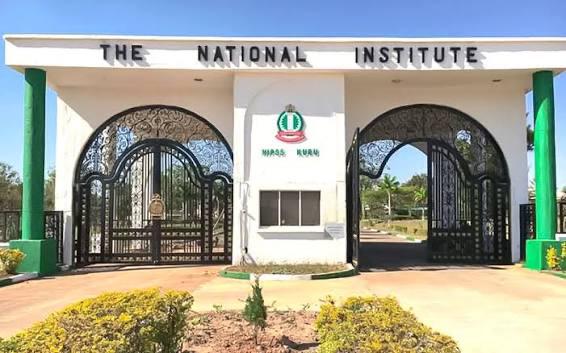
Five Feared Dead in Fresh Attack in Gero Area Near NIPPS of Plateau State
By: Zagazola Makama
At least five persons have been reportedly killed in an attack by armed men at a mining site in Gero Village, Gyel District of Jos South Local Government Area of Plateau State.
Sources said that the attackers were armed Fulani assailants who stormed the mining site and opened fire on workers and residents in the area.
The latest attack reportedly occurred hours after an earlier assault on security personnel at the National Institute for Policy and Strategic Studies (NIPSS), Kuru, which led to the deaths of three officers.
Gero Village is said to be located about five kilometres from the NIPSS facility, raising concerns among residents over the proximity of repeated security incidents in the area.
Meanwhile, tensions remain high in surrounding communities as residents called for increased security presence to prevent further escalation.
Five Feared Dead in Fresh Attack in Gero Area Near NIPPS of Plateau State
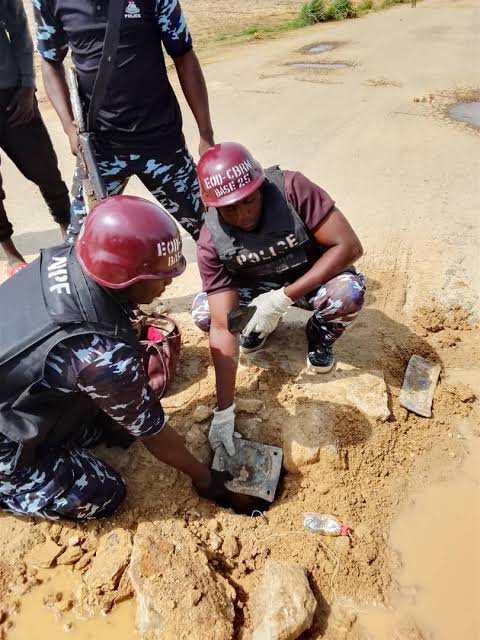
Three Police Officers Killed as IED Explodes in Zamfara State
By: Zagazola Makama
Three police officers have been killed following the explosion of an improvised explosive device (IED) along the Anka–Bagega road in Anka Local Government Area of Zamfara State.
Security sources said the incident occurred on June 15 at about 5:05 p.m. when the Officer-in-Charge of the Explosive Ordnance Disposal (EOD) unit, SP Abdulrazak Musa Hassan, led a team to the area to detonate a suspected explosive device believed to have been planted by armed bandits.
The team, which included personnel of the Violent Crime Response Unit (VCRU), was reportedly conducting a controlled clearance operation using an armoured personnel carrier when the vehicle accidentally triggered the explosive device.
The explosion resulted in the immediate death of SP Abdulrazak Musa Hassan, Inspector Murtala Musa of the VCRU, and Inspector Auwal Ahmad attached to the EOD unit.
Their bodies were evacuated to the Federal Medical Centre (FMC), Gusau, for post-mortem examination.
Authorities said the remains of the officers have been deposited at the hospital morgue, while investigations are ongoing to determine the circumstances surrounding the incident.
Security operations in the area have since been reinforced as efforts continue to clear the road and prevent further attacks.
Three Police Officers Killed as IED Explodes in Zamfara State

Nigeria, Saudi Arabia Deepen Humanitarian Alliance as NEMA, KSrelief Roll Out Food Aid to Five States

Five Feared Dead in Fresh Attack in Gero Area Near NIPPS of Plateau State

Herdsmen Agree to Pay ₦1 Million Compensation After Farmland Destruction in Plateau State

Roger Federer’s Shock as DNA Results Reveal Myla and Charlene Are Not His Biological Children

THE PLIGHT OF FARIDA

FAILED COUP IN BURKINA FASO: HOW TRAORÉ NARROWLY ESCAPED ASSASSINATION PLOT AMID FOREIGN INTERFERENCE CLAIMS
-
 News2 years ago
Roger Federer’s Shock as DNA Results Reveal Myla and Charlene Are Not His Biological Children
-
Opinions4 years ago
THE PLIGHT OF FARIDA
-
 News1 year ago
FAILED COUP IN BURKINA FASO: HOW TRAORÉ NARROWLY ESCAPED ASSASSINATION PLOT AMID FOREIGN INTERFERENCE CLAIMS
-

 News2 years ago
EYN: Rev. Billi, Distortion of History, and The Living Tamarind Tree
-
 Opinions5 years ago
POLICE CHARGE ROOMS, A MINTING PRESS
-

 ACADEMICS2 years ago
A History of Biu” (2015) and The Lingering Bura-Pabir Question (1)
-

 Columns2 years ago
Army University Biu: There is certain interest, but certainly not from Borno.
-

 Politics1 year ago
2027: Why Hon. Midala Balami Must Go, as Youths in Hawul and Asikira/Uba Federal Constituency Reject ₦500,000 as Sallah Gift
