
News
Coalition of CSOs Warn Against Faceless Attack on Non Appointment of Ambassadors

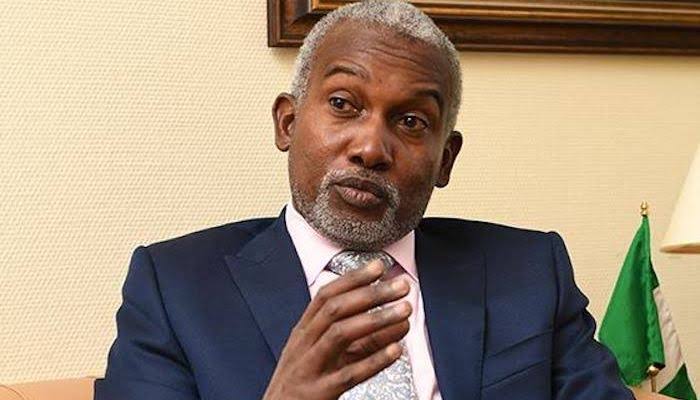
Coalition of CSOs Warn Against Faceless Attack on Non Appointment of Ambassadors
By: Michael Mike
International Relations and Affairs Alliance IRAA, a coalition of international relations practitioners has lampooned a faceless group, who is out in arms with the Minister of Foreign Affairs, Ambassador Yusuf Tuggar over delay in appointment of ambassadors, for a lack of zero knowledge about diplomatic processes.
A statement by the Coalition of Civil Society Groups and signed by Comrade Igwe Ude-Umanta had erroneously pointed accusing fingers at Ambassador Yusuf Tuggar for recalling ambassadors and not appointing new ones.
The Lagos based coalition led by Mrs. Adewusi Bakare, in a statement on Monday said Ude-Umanta should note that Ambassadors serve at the prerogative of the President of a Country and not the Minister of Foreign Affairs, and that their recall and appointment lie solely with President Bola Tinubu.
Bakare led coalition alleged that the Ude-Umanta group has shown zero knowledge of the process of recall and appointment of ambassadors and was only serving the bidding of their paymasters.
Bakare said regarding Ambassador Lamuwa’s alleged sexual excesses, if the faceless group had followed the events, they would have discovered that Ambassador Tuggar was the first to draw the attention of the Head of Service to the matter and asked that she take charge according to the extant rules of the civil service.
“However, the group has mischievously left that out and is now turning it against the Honourable Minister. In this matter, the minister has acted above board to ensure that due process was followed,” Bakare said.
On the achievements under the present Minister of Foreign Affairs, Bakare said: “Tuggar has led the process of the signing of 25 International MoUs that will, in turn, be highly beneficial to Nigeria across energy, business and investment sectors, has revived several bi-national commissions, finalisation of the Basa agreement with the US, vigorous campaign of Nigeria in the inclusion of G20, United Nations Security Council and BRICS. Most importantly, a 14 billion USD investment from Indian investors across ICT, power, steel and manufacturing, agriculture and defence, real estate and hospitality.
“Other investments attracted to Nigeria through Tuggar’s economic diplomacy include a 2 billion USD Investment from Germany for the Nigeria-Siemens Power Project and a 250 million Euros investment from the Netherlands to boost existing business in Nigeria.”
International Relations and Affairs Alliance IRAA also warned interest groups to desist from tarnishing Nigeria’s image by writing outright fabrications to fight proxy wars on behalf of politicians seeking ambassadorial appointments, disgruntled foreign service officers and the disgraced and suspended Ambassador Adamu Lamuwa.
IRAA said Tuggar’s Multipolarity approach to International Relations, which dealt mainly with Nigeria’s interests while relating to the US, EU, Russia, and China, was the best deal Nigeria could have now, insisting that it shows someone who is abreast of global diplomacy and must be supported to succeed in Nigeria’s interest.
Coalition of CSOs Warn Against Faceless Attack on Non Appointment of Ambassadors


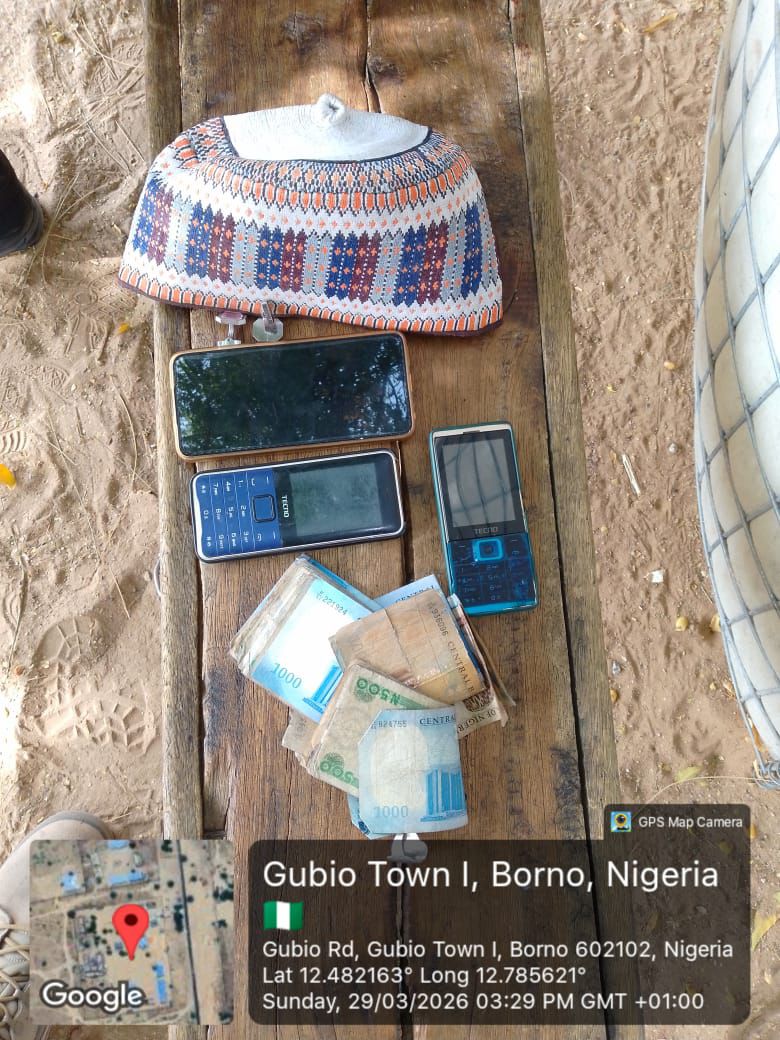
Suspected cultists kill 12 in attack on Jos community, Plateau govt imposes curfew
By: Zagazola Makama
Suspected cultists on Sunday night attacked Angwan Rukuba community in Jos North Local Government Area of Plateau State, leaving 12 persons dead, in a fresh outbreak of violence that has prompted authorities to impose a 48-hour curfew in the area.
Security sources said the incident occurred at about 8:00 p.m. when residents of the community came under sporadic gunfire from unidentified armed men, suspected to be cultists, who stormed the area and shot indiscriminately.
Troops of Sector 1, Operation Enduring Peace (OPEP), were immediately mobilised to the scene following a distress call and moved to restore order and prevent further escalation.
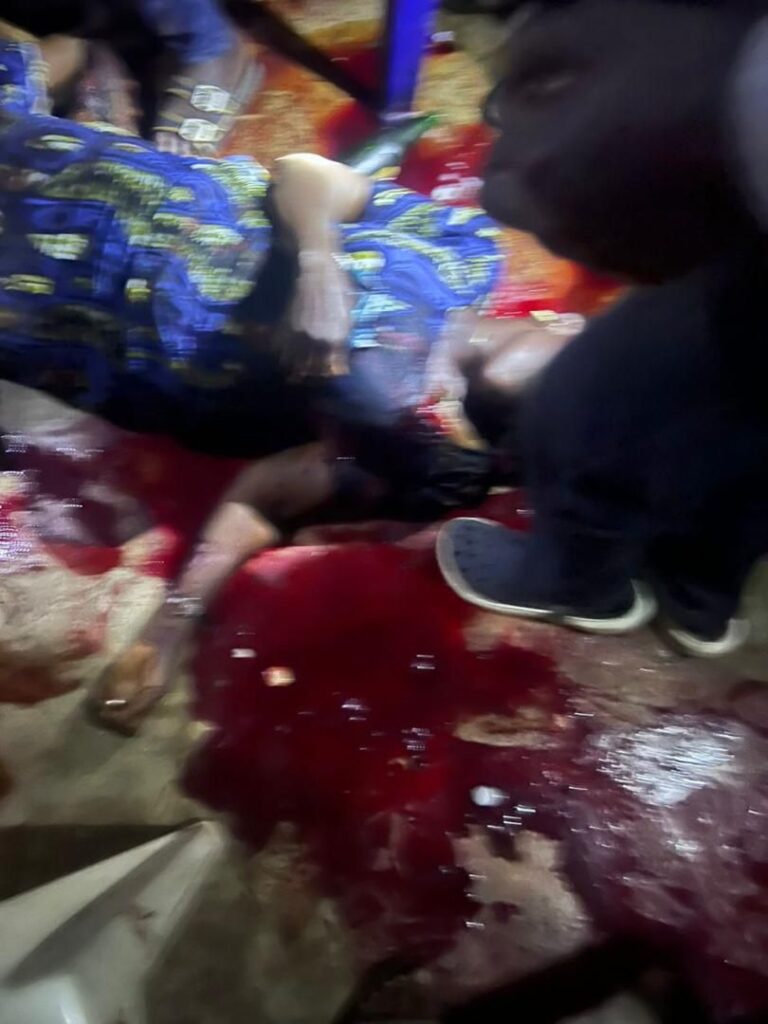
A security report indicated that 12 persons were confirmed dead, while several others sustained varying degrees of injuries. The injured victims were said to have been evacuated to nearby medical facilities for treatment.
The troops subsequently cordoned off major access routes to the community and ordered residents to remain indoors while a coordinated search operation was launched to track down the attackers.
Military sources added that clearance operations were ongoing to apprehend the perpetrators and prevent further breakdown of law and order in the area.
In response to the attack, the Plateau State Government, in collaboration with security agencies, announced the imposition of a 48-hour curfew on Jos North Local Government Area with immediate effect.
The curfew, which took effect from midnight of March 29 to April 1, 2026, was aimed at restoring calm and enabling security agencies to carry out intensified operations.
In a statement issued by the Commissioner for Information and Communication, Rt. Hon. Joyce Lohya Ramnap, the government condemned the attack, describing it as “barbaric and unprovoked.”
The statement assured residents that security agencies had been directed to ensure the arrest and prosecution of those responsible, while urging the public to remain calm and cooperate with ongoing investigations.
Security patrols were still ongoing across affected communities as authorities moved to forestall possible reprisal attacks and restore normalcy.
Suspected cultists kill 12 in attack on Jos community, Plateau govt imposes curfew
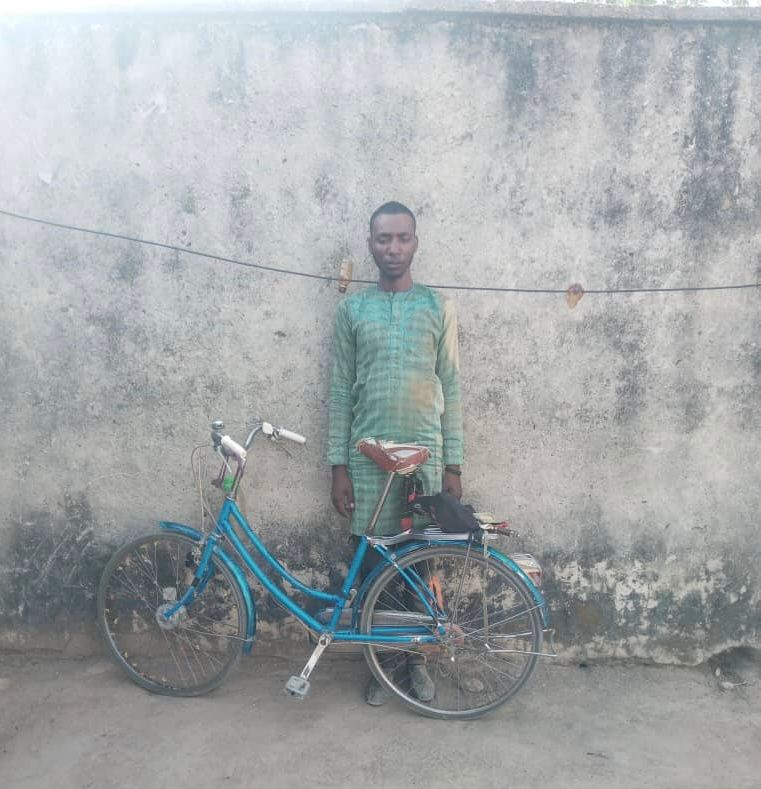
Troops arrest suspected kidnapper in Damboa LGA of Borno
By: Zagazola Makama
Troops of Operation Hadin Kai have arrested a suspected kidnapper in Azir community, Damboa Local Government Area of Borno State.
Sources told Zagazola Malama that the suspect was apprehended at about 5:00 p.m. on March 28 by troops of 25 Brigade and 19 Battalion (Mechanised) deployed at a Forward Operating Base in Azir.
The source disclosed that the suspect was alleged to have been involved in kidnapping activities within the Damboa and Azir general areas.
“During preliminary investigation, the suspect claimed to be a cattle courier operating within Damboa and its environs,” the source said.
He added that one bicycle was recovered from the suspect at the point of arrest.
The suspect and the recovered item are currently in troops’ custody for further investigation and necessary action.
Troops arrest suspected kidnapper in Damboa LGA of Borno
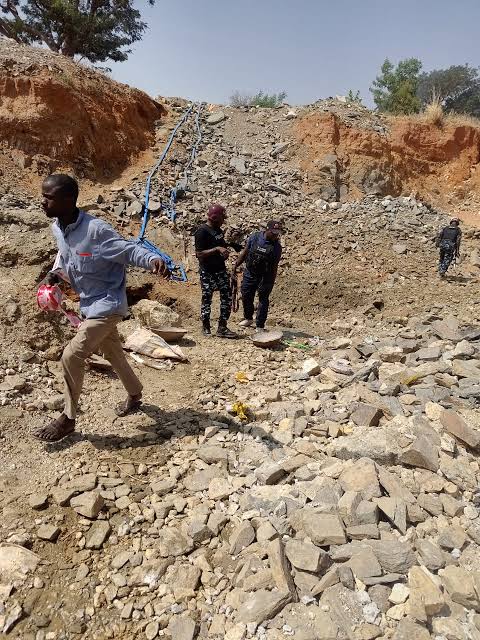
Troops arrest 58 illegal miners in Edo state
By: Zagazola Makama
Troops of Operation MESA have arrested 58 suspected illegal miners at an illegal gold mining site in Ososo general area, Akoko-Edo Local Government Area of Edo State.
A security source disclosed that the suspects were apprehended at about 1:00 p.m. on March 28 during a fighting patrol conducted by troops of 195 Battalion (Rear).
According to the source, the troops stormed the mining site and arrested the suspects without resistance.
“The suspects are currently in troops’ custody for further action,” the source said.
He noted that the operation forms part of ongoing efforts to curb illegal mining activities and other criminal enterprises within Edo State and its environs.
Troops arrest 58 illegal miners in Edo state

Suspected cultists kill 12 in attack on Jos community, Plateau govt imposes curfew

Troops arrest suspected kidnapper in Damboa LGA of Borno

Troops arrest 58 illegal miners in Edo state

Roger Federer’s Shock as DNA Results Reveal Myla and Charlene Are Not His Biological Children

THE PLIGHT OF FARIDA

FAILED COUP IN BURKINA FASO: HOW TRAORÉ NARROWLY ESCAPED ASSASSINATION PLOT AMID FOREIGN INTERFERENCE CLAIMS
-
 News2 years ago
Roger Federer’s Shock as DNA Results Reveal Myla and Charlene Are Not His Biological Children
-
Opinions4 years ago
THE PLIGHT OF FARIDA
-
 News11 months ago
FAILED COUP IN BURKINA FASO: HOW TRAORÉ NARROWLY ESCAPED ASSASSINATION PLOT AMID FOREIGN INTERFERENCE CLAIMS
-

 News2 years ago
EYN: Rev. Billi, Distortion of History, and The Living Tamarind Tree
-
 Opinions4 years ago
POLICE CHARGE ROOMS, A MINTING PRESS
-

 ACADEMICS2 years ago
A History of Biu” (2015) and The Lingering Bura-Pabir Question (1)
-

 Columns2 years ago
Army University Biu: There is certain interest, but certainly not from Borno.
-

 Opinions2 years ago
Tinubu,Shettima: The epidemic of economic, insecurity in Nigeria
