
News
Coup D’etat: Odumegwu-Ojukwu Calls for Defence of Constitution Order

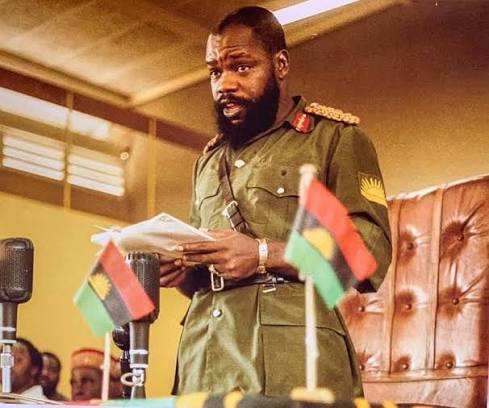
Coup D’etat: Odumegwu-Ojukwu Calls for Defence of Constitution Order
….Challenges ECOWAS to Meet Yearnings of Youth
By: Michael Mike
Minister of State Foreign Affairs, Amb. Bianca Odumegwu-Ojukwu has called on members of the Economic Community of West African States (ECOWAS) to remain steadfast in defending constitutional order, promoting inclusive political dialogue, and supporting credible transitions that reinforce stability.
Odumegwu-Ojukwu, who also called
for the acceleration of economic integration in the sub-region, challenged ECOWAS to meet the yearning of the regional youth who are looking up to the regional body to create opportunities for them.
Odumegwu-Ojukwu, spoke on Wednesday at the opening of the 95th Ordinary Session of the ECOWAS Council of Minister in Abuja.
The Nigeria’s minister while noting that as ECOWAS is still basking in the euphoria of the golden jubilee celebration, the Regional body must confront its challenges headlong.
She identified the recent surge in military take over, banditry and kidnappings as some of the challenges.
According to her: “Recent years have witnessed political instability and lack of inclusivity, including forceful unconstitutional changes of government, deliberate prolonged transitions, and governance uncertainties and deficits in a number of Member States. These situations challenge not only the democratic values to which we have all subscribed, but also threaten hard-won development gains. They undermine citizen confidence and weaken the regional cohesion that has defined ECOWAS for half a century.
“We must therefore remain steadfast in defending constitutional order, promoting inclusive political dialogue, and supporting credible transitions that reinforce stability. Our unity and collective resolve are essential to navigating these periods of uncertainty.”
She added: “At the heart of ECOWAS lies the aspiration for economic integration that delivers tangible benefits for our community citizens. It is this ideal of shared markets, interconnected infrastructure, increased mobility, and coordinated development that inspired our founding fathers to establish the regional body and has guided our Community since 1975.
“Today more than ever, we must accelerate these efforts. Our region’s future depends on deepening intra-regional trade, strengthening value chains, facilitating investments, and creating opportunities for the over 400 million people, especially the young people of 25 years and below who constitute about 65% of the population. They no doubt rely on ECOWAS to chart a path toward progress.”
She also noted the ECOWAS at 50 celebration that is still running, offered an opportunity to reflect deeply on our achievements over the past five decades.
“We celebrated the establishment of free movement, significant trade and economic integration frameworks, regional peacekeeping leadership, improved cooperation in critical sectors from health to infrastructure, and ongoing efforts to address the problems of insecurity in the region. Our accomplishments stand as a powerful testament to the vision of our founders, who understood that West Africa’s greatest strength is forged through unity, solidarity, and collective progress. Moving forward, we are inspired to reach even higher, nurturing a region defined by peace, prosperity, and limitless possibilities for generations to come.”
She therefore reminded the gathering that their insights and decisions will be instrumental in shaping the recommendations to be submitted to the Authority of Heads of State and Government.
On his part, the Sierra Leonian Minister of Foreign Affairs and Regional Integration, Timothy Kabba stressed the need to be persistent in the integration efforts.
Kabba who is also the Chairman of ECOWAS Council of Ministers said: “We must persist in our effort to foster an environment conducive to the growth of the private sector, the principal catalyst of the economic integration agenda. While it is acknowledged that integration may sometimes invoke complex sovereignty issues, it is ultimately advantageous to all Member States.
“Furthermore, it is imperative that we demonstrate a robust commitment to the promotion and enhancement of trade within the subregion.”
He also lamented the current trade gaps in the sub-region, describing it as the lowest when compared to other regions of the world.
He therefore called for the resuscitation of all trade mechanisms to boost intra-regional trade and investment.
According to him: “The current percentage of intra-regional trade lags behind that of other regions. To address this disparity, we should utilize existing mechanisms to foster greater regional economic collaboration, such as the ECOWAS trade liberalization scheme, the ECOWAS investment code, improve transport and energy connectivity, and promote digital transformation as a catalyst for innovation.
“In addition, we must address non-tariff barriers, modernize and operationalize brotherhoods, and improve the joint border management process. We must also prepare our region to fully capitalize on the opportunities presented by the African Continental Free Trade Agreement, which directly advances our internal integration agenda.”
Speaking on the current security and political situation in the region, Kabba said: “They can only be resolved through enhanced cooperation and mutual understanding among our member states. “Consequently, we must assist in investing in peace and security initiatives both through joint border operations, joint intelligence cooperation, and mediation efforts, activate the ECOWAS Standard Force, and provide support to member states facing threat.
“In addition, it is essential to ensure that diligent diplomacy, strategic leadership, political dialogue, military cooperation, and development assistance are integrated effectively to address the root causes and foster long-term resilience and sustainability.”
He charged members of the council of ministers to “seize this opportunity to reflect on the broader security and governance challenges confronting our region, and to renew our collective determination to safeguard peace, protect democratic institutions, and ensure that the aspirations of our peoples for stability and development are not derailed.
Our region has endured too many disruptions to democratic order.
“Let us stand together firmly and in solidarity to defend the principles of democracy, transparency, and the people’s right to choose their leaders.”
Coup D’etat: Odumegwu-Ojukwu Calls for Defence of Constitution Order


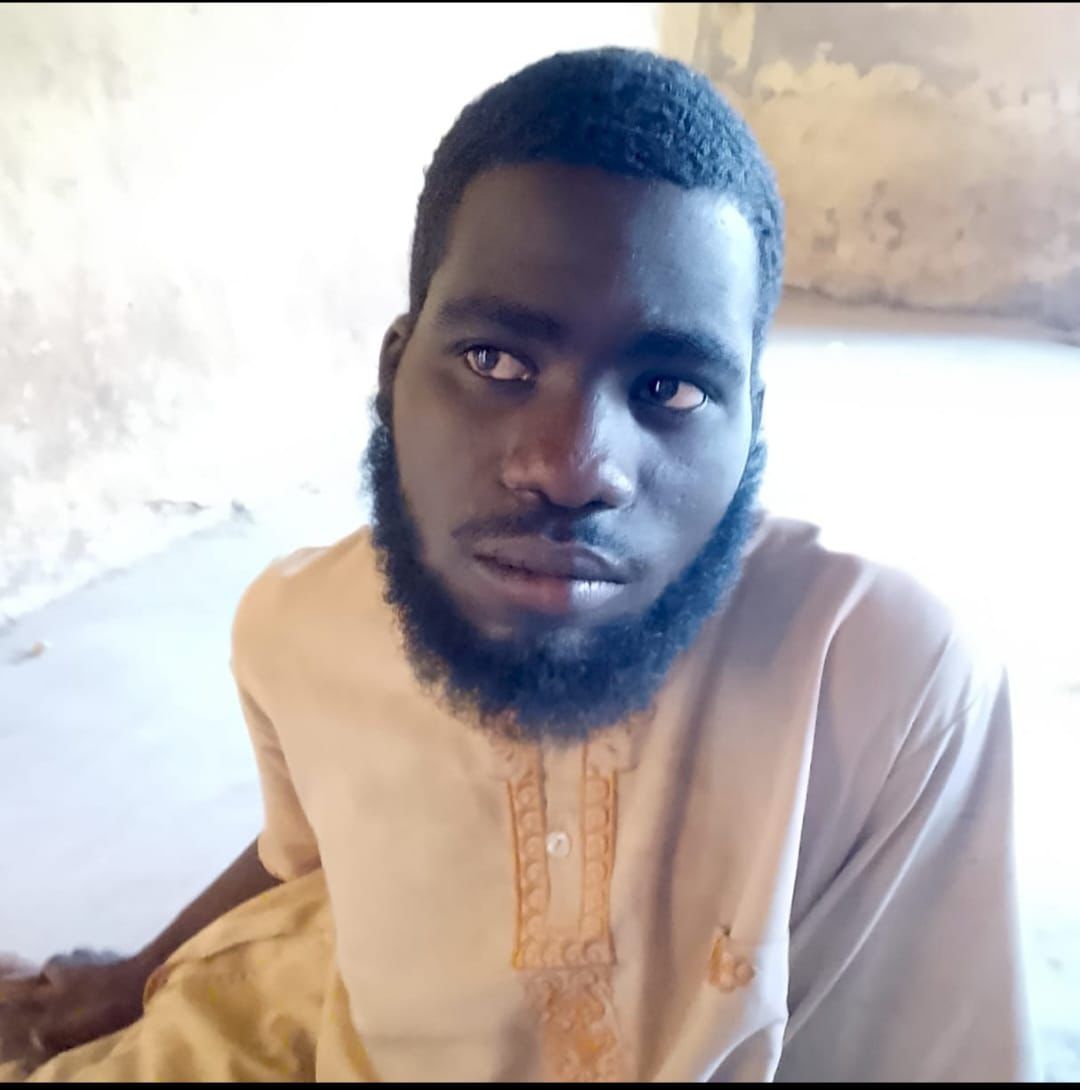
Troops arrest suspected ISWAP informant in Gombi, Adamawa
By: Zagazola Makama
Troops of the Joint Task Force (JTF) Operation HADIN KAI, in conjunction with Civilian Hunters and the Vigilante Group of Nigeria, have arrested a suspected informant of the Islamic State West Africa Province (ISWAP) and Boko Haram Terrorists (BHT) in Gombi.
The suspect, identified as Abdullahi Umar, 25, a native of Gwoza, was apprehended on March 23 following credible intelligence on the presence of ISWAP elements within the 232 Battalion Tactical Area of Responsibility.
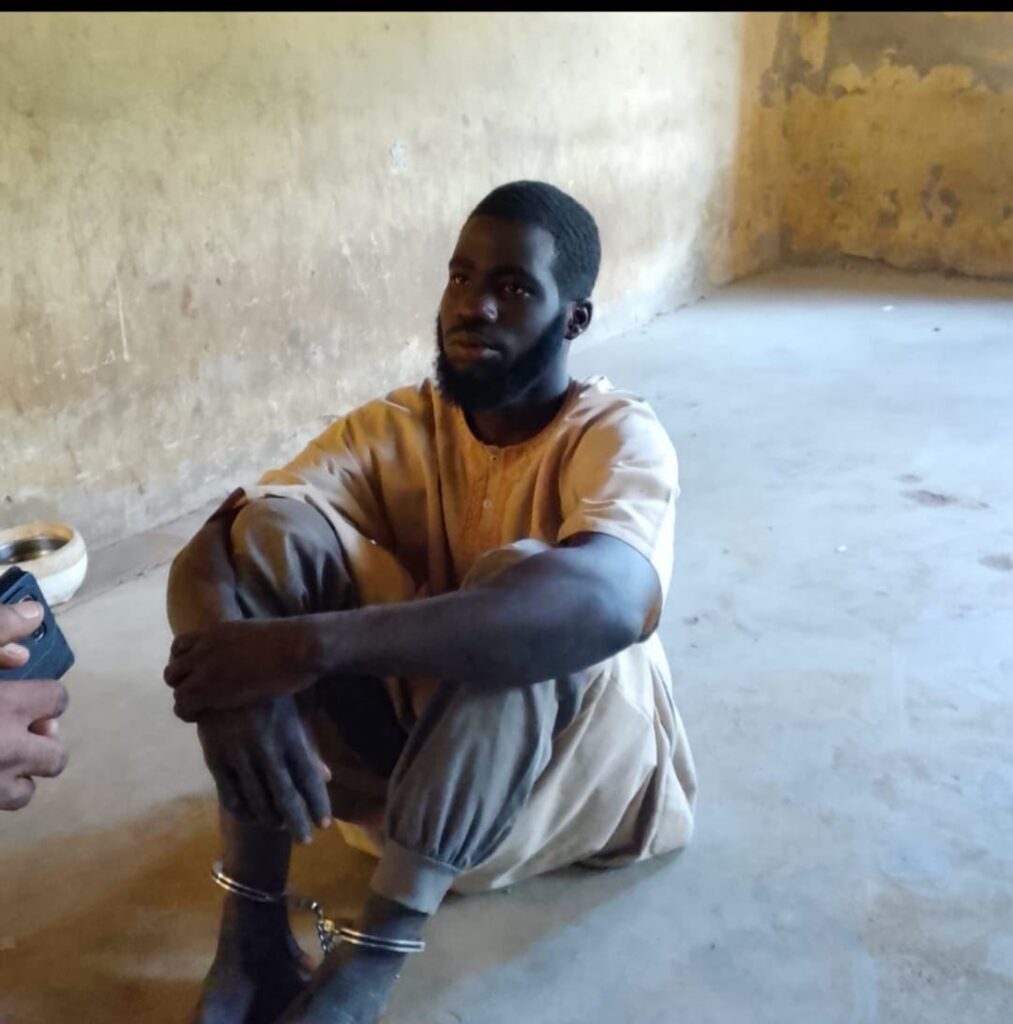
Preliminary investigations revealed that Umar was tasked with conducting reconnaissance along routes leading to the 232 Battalion general area and military structures, with the aim of identifying suitable entry points for future attacks.
The suspect also confessed to involvement in the recent attack on troops in Ngoshe.
Umar is currently in the custody of troops for further investigation and necessary action
Troops arrest suspected ISWAP informant in Gombi, Adamawa
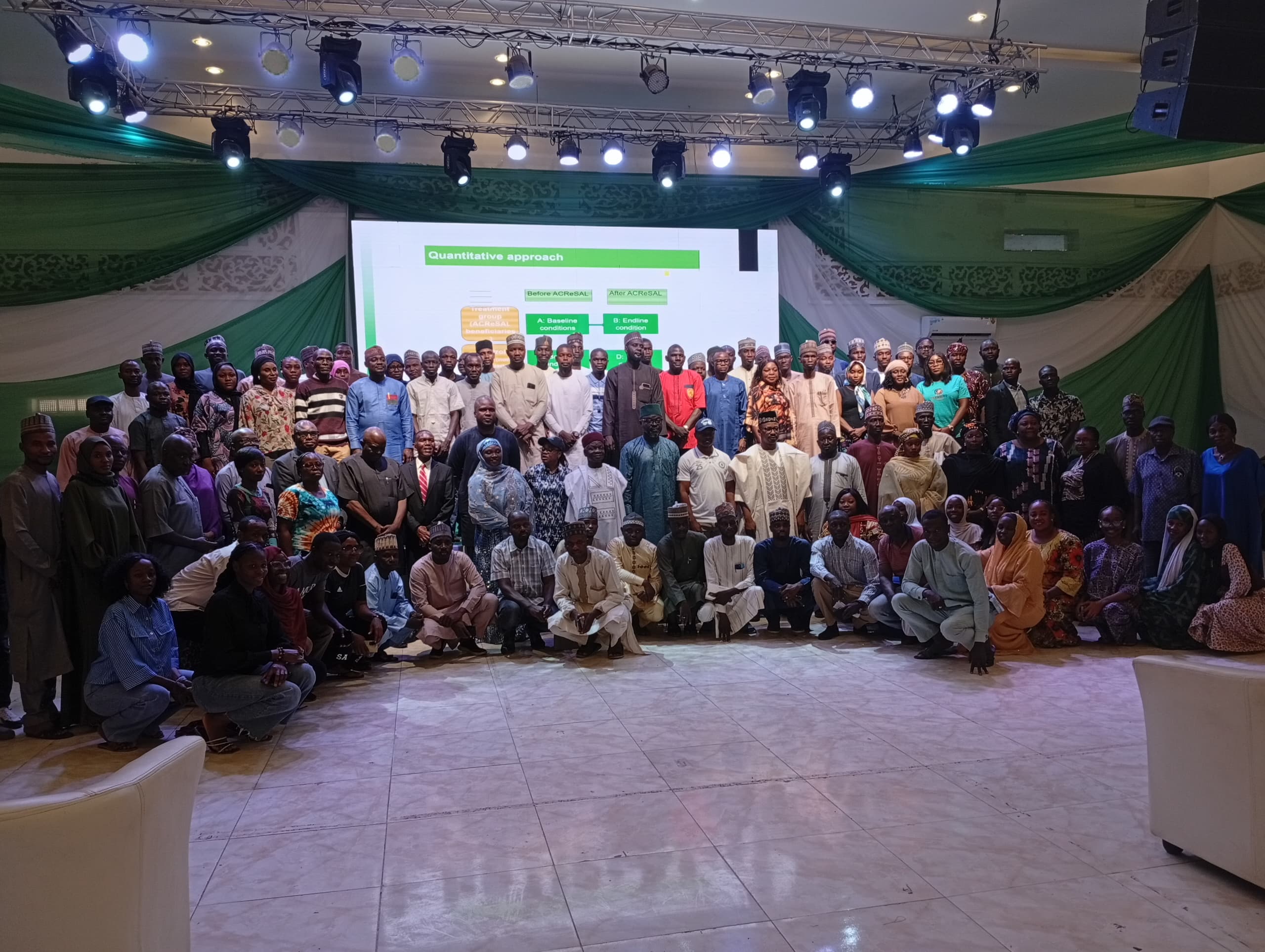
Over 930, 000 persons benefit from ACReSAL Projects in Gombe
Mr Mohammed Fawu, the Gombe State Commissioner of Water, Environment and Forest Resources, has stated that no fewer than 930,162 persons across the state have benefitted from the implementation of the World-Bank-funded Agro-Climatic Resilience in Semi-Arid Landscapes (ACReSAL) Project in the state within the past three years
Fawu stated this in Gombe on Monday while declaring open a four-day training of enumerators for ACReSAL Third Party Assessment.
Fawu stated that Gombe State has within the three years received disbursements amounting to $27.51 million for the implementation of the project which had impacted positively on the lives of residents.
He said that the projects so far implemented have contributed to combating land degradation, erosion, and climate change while improving on the lives of persons living around communities were projects were executed.
“Gombe State has advanced a wide range of landscape and community-level interventions, including: establishment of 313 hectares of woodlot plantation.
“Upgrading of Kanawa Forest into a biosphere resort and botanical garden, indigenous tree plantations and roadside shelterbelts spanning 110 kilometres.
“Canalization of Balanga Dam irrigation channels covering 6,329 hectares provision of 250 wash boreholes to support irrigation farming.
“ At the community level, we have distributed clean cook stoves to 3,000 households, provided rainwater harvesting facilities to 1,000 households and institutions, and supplied drought-tolerant seeds to 10,000 farmers.
“Solar-powered irrigation schemes, borehole drilling, and Community Revolving Fund activities are ongoing, supporting agro-processing, livestock, and farm enterprise development,” he said.
He added that ACReSAL has strengthened smart agricultural practices through the establishment a farm centre dedicated to training and research.
Fawu commended the partnership between the Gombe State government and World Bank, which he said has impacted several sectors while improving the livelihoods of residents of Gombe State.
On his part, Dr Sani Jauro, the Gombe State ACReSAL Project coordinator said that no fewer than 220 enumerators drawn from the 19 Northern States and the Federal Capital Territory were being trained.
Jauro said that the third-party assessment would ensure unbiased review of the projects so far implemented by ACReSAL from independent party.
He said the assessment was part of the procedure of ACReSAL project implementation meant to review the progress and challenges of the projects by enumerators who are not involved in the day-to-day running of ACReSAL projects.
Jauro urged the enumerators to carry out their jobs with fairness and be just in their report, adding that “the credibility of the exercise lies on your shoulder.”
On her part, the World Bank Task Team Leader, Dr. Joy Agene who was represented by Mr Joseph Abang, Operations Officer with World Bank said the assessment would unravel what has changed since the commencement of the implementation of the project.
Agene urged the enumerators to be steadfast and report accurately in line with the essence of the exercise.
Over 930, 000 persons benefit from ACReSAL Projects in Gombe
Police repel attack during attempt to arrest suspected bandit leader, one killed in Kano
By; Zagazola Makama
The Police Command in Kano State has repelled an attack on its personnel during an operation to arrest a suspected bandit leader in Bichi Local Government Area.
Security sources told Zagazola Makama that the incident occurred at about 6:30 p.m. on March 22, following a distress call from Tudun Wulli Outpost.
According to the sources, a team of the Anti-Kidnapping Squad, led by ASP Abubakar Musa, acted on credible intelligence and trailed a suspected bandit leader identified as Muhammad, also known as “Senator” or “Kirchi,” who had reportedly visited Tudun Wulli village for Sallah celebrations.
“The suspect was sighted in possession of an AK-47 rifle, but upon attempt to apprehend him, he fled into a crowd,” the source said.
The situation escalated when a mob allegedly attacked the police team with stones and other dangerous weapons, injuring ASP Lawali Hamidu and damaging the windscreen of a patrol vehicle.
“In the process of tactical withdrawal, four persons sustained gunshot injuries and were rushed to General Hospital, Bichi, for treatment,” the source added.
One of the victims, identified as Halima Saidu, was later confirmed dead by a medical doctor, while the others are responding to treatment.
The police personnel involved in the operation were safely evacuated, and additional security deployments have been made to the area to forestall further breakdown of law and order.
The command said the situation has been brought under control, adding that investigations are ongoing, while efforts are being intensified to apprehend the fleeing suspect.
Police repel attack during attempt to arrest suspected bandit leader, one killed in Kano

Troops arrest suspected ISWAP informant in Gombi, Adamawa

Over 930, 000 persons benefit from ACReSAL Projects in Gombe

Police repel attack during attempt to arrest suspected bandit leader, one killed in Kano

Roger Federer’s Shock as DNA Results Reveal Myla and Charlene Are Not His Biological Children

THE PLIGHT OF FARIDA

FAILED COUP IN BURKINA FASO: HOW TRAORÉ NARROWLY ESCAPED ASSASSINATION PLOT AMID FOREIGN INTERFERENCE CLAIMS
-
 News2 years ago
Roger Federer’s Shock as DNA Results Reveal Myla and Charlene Are Not His Biological Children
-
Opinions4 years ago
THE PLIGHT OF FARIDA
-
 News11 months ago
FAILED COUP IN BURKINA FASO: HOW TRAORÉ NARROWLY ESCAPED ASSASSINATION PLOT AMID FOREIGN INTERFERENCE CLAIMS
-

 News2 years ago
EYN: Rev. Billi, Distortion of History, and The Living Tamarind Tree
-
 Opinions4 years ago
POLICE CHARGE ROOMS, A MINTING PRESS
-

 ACADEMICS2 years ago
A History of Biu” (2015) and The Lingering Bura-Pabir Question (1)
-

 Columns2 years ago
Army University Biu: There is certain interest, but certainly not from Borno.
-

 Opinions2 years ago
Tinubu,Shettima: The epidemic of economic, insecurity in Nigeria
