
National News
Education Through Arts and Culture Receives a Boost In Nigeria

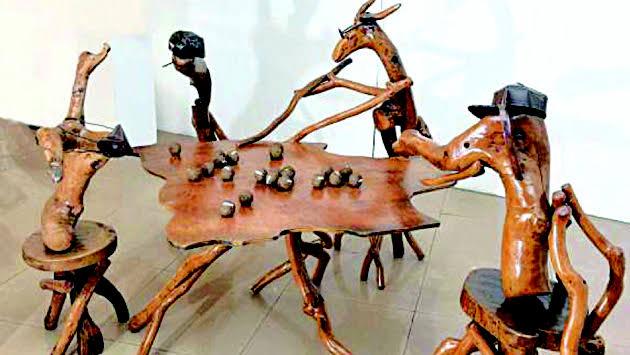
Education Through Arts and Culture Receives a Boost In Nigeria
By: Michael Mike
The Board of Trustees of Five Cowries Arts Education Initiative (FCI) has presented the launch of its 2030 Vision comprising two programmes using arts and culture to enhance learning for children and young adults in Nigeria.
The six-year strategic plan was announced at an event at the Abuja residence of the Ambassador of Spain, Ambassador Juan Sell who hosted the reception.
Sell, speaking on the launch, said: “We are committed to projects that leverage the arts to offer inclusive pathways to education that are responsive to individual learning, social and cultural needs.”
FCI offers more inclusive learning pathways by integrating arts and culture into educational experiences to improve learning outcomes. One of the driving theories behind the initiative is that community driven creative learning sustainably develops community resilience.
Since inception, FCI has delivered projects in Kano via its flagship program Mu Shuka Iri (MSI), a community-based learning programme that engages caregivers and children, aged 4 to early teens, in households through a cohort of community educators called ‘Aunties’.
For the first programme – The Children’s Programme (MSI), the 2030 Vision is about rolling out to 19 states by 2030, starting with Kaduna, Kano, Adamawa, and Sokoto, scheduled for 2024 delivery.
FCI’s ambition is growing the networks of hubs and schools and empowering more aunties across the focus States.
The second, Young Peoples Programme themed, My Story: My Heritage will provide young people soft skills needed to survive the 21st century workplace.
The Chair, FCI, Mr. Olumide Adeosun said, “these programmes will offer a route to education that improves school attendance and results and the Board of Trustees are excited about the planned rollout of this innovative and impactful programme. We are counting on our donors, particularly through these lean times to deliver these programmes to communities that need them the most.”
Founder/CEO, FCI, Polly Alakija, said: “The programmes have a positive impact on educational outcomes, such as improved numeracy and literacy, as well as transferable skills such as communication, problem-solving and creativity and are fun!”
She added that FCI’s goal is to, “drive equitable empowerment in underserved communities”.
Five Cowries Initiative (FCI) founded in 2018, was born out of the over combined 50 years’ experience in arts and education by artist, illustrator and educator, Polly Alakija and Yemisi Mokuolu, cultural entrepreneur and independent producer.
FCI engages with young creatives from different disciplines from dance, performance, visual arts, storytelling, and partners with established arts and education institutions.
Education Through Arts and Culture Receives a Boost In Nigeria


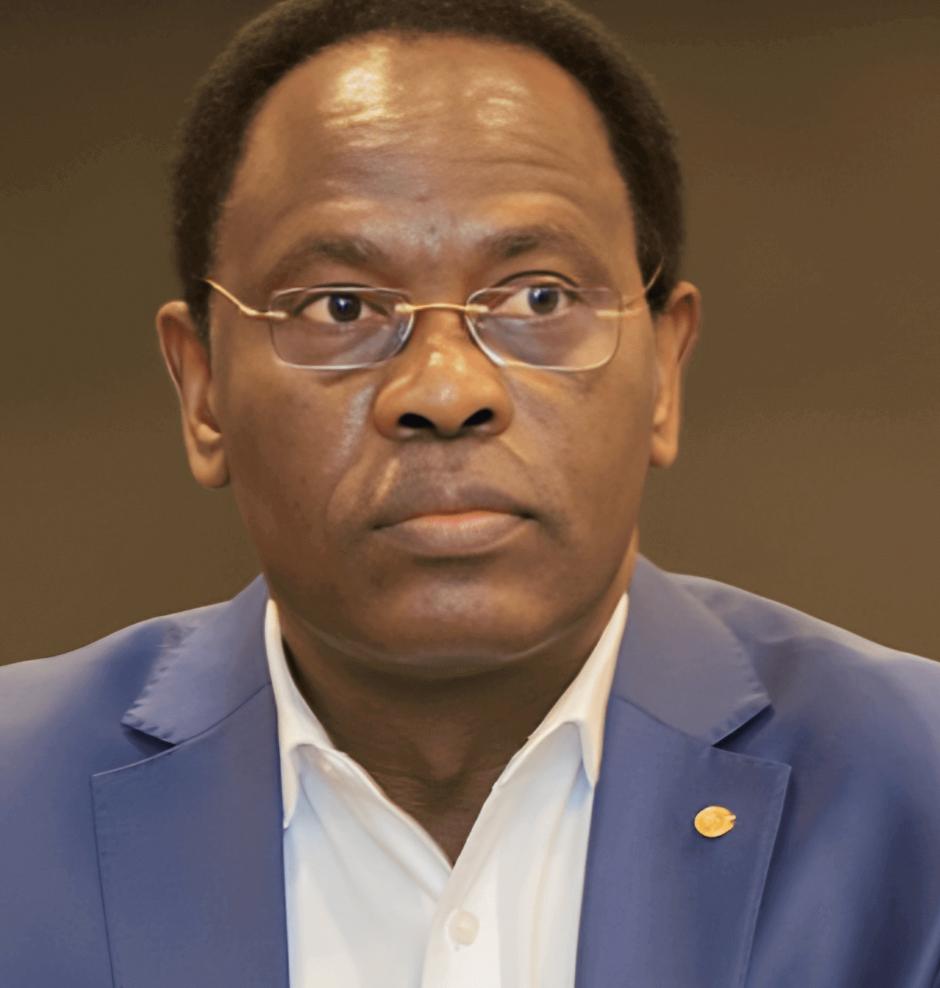
WAHO: Stronger Regional Cooperation Vital to Safeguard West Africa’s Health
The West African Health Organisation (WAHO) has marked its 39th anniversary with a bold declaration that the future of healthcare in the ECOWAS region hinges on stronger regional cooperation, sustainable financing, technological innovation and preparedness against emerging health threats.
In a landmark anniversary statement issued by the Economic Community of West African States (ECOWAS) agency, WAHO Director-General, Dr. Melchior Aïssi, reflected on nearly four decades of regional health collaboration, while outlining an ambitious roadmap aimed at tackling some of the most pressing health challenges confronting West Africa.
Founded on July 9, 1987, by the Heads of State and Government of the Economic Community of West African States (ECOWAS), WAHO was established to coordinate regional responses to health emergencies, harmonise health policies and strengthen healthcare systems across member states. Dr. Aïssi said the organisation has remained steadfast in pursuing that vision despite evolving political and institutional realities.
Describing the anniversary as particularly significant because it coincides with the completion of his tenure as Director-General, Aïssi said the organisation had weathered numerous challenges while recording remarkable achievements through collective commitment by ECOWAS institutions, member states and development partners.
According to him, even the relocation of WAHO’s headquarters to Côte d’Ivoire and wider changes within the ECOWAS community failed to slow the organisation’s momentum.
Instead, he noted, the developments underscored the resilience of the institution and the dedication of its workforce.
The Director-General highlighted several major initiatives pursued over the past year, including efforts to strengthen national health systems, promote exclusive breastfeeding during the first six months of life, mobilise protected domestic resources for healthcare financing and expand implementation of the regional community health policy.
One of the defining milestones, he said, came during the 27th Assembly of ECOWAS Ministers of Health held in Freetown, Sierra Leone, where ministers adopted far-reaching regional policy instruments expected to shape healthcare delivery for years to come.
Among the landmark decisions were the adoption of a Regional Framework for Malaria Elimination, the Freetown Charter on technology and data-driven reduction of maternal, neonatal and infant mortality, regional recommendations on exclusive breastfeeding and new commitments to strengthen domestic financing for healthcare.
Aïssi described the decisions as evidence of a growing determination among ECOWAS member states to build more resilient, innovative and equitable health systems capable of delivering quality healthcare to millions across the sub-region.
The Director-General also welcomed renewed confidence expressed by ECOWAS Ministers of Health in WAHO’s leadership and performance, saying the recognition belonged to the organisation’s staff, member states and partners whose commitment enabled the institution to achieve results despite operating under difficult conditions.
Looking beyond the anniversary celebrations, Aïssi warned that West Africa faces increasingly complex health threats requiring coordinated regional action.
He identified health security, emerging and re-emerging diseases, climate change, digital transformation of healthcare systems, regional pharmaceutical production and sustainable financing as critical priorities that demand stronger collaboration among governments and stakeholders.
“I remain deeply convinced that the future of our Organisation rests on this collective capacity to innovate, to pool our experiences and to act together for the benefit of our populations,” he said.
Paying tribute to those who have contributed to WAHO’s journey over the past 39 years, Aïssi praised ECOWAS leaders, ministers of health, healthcare professionals, technical and financial partners, and the organisation’s staff for building what he described as one of Africa’s leading regional health institutions.
He expressed confidence that WAHO would continue to advance the vision of universal access to quality healthcare for every woman, man and child in West Africa through sustained support from member states and international partners.
WAHO: Stronger Regional Cooperation Vital to Safeguard West Africa’s Health
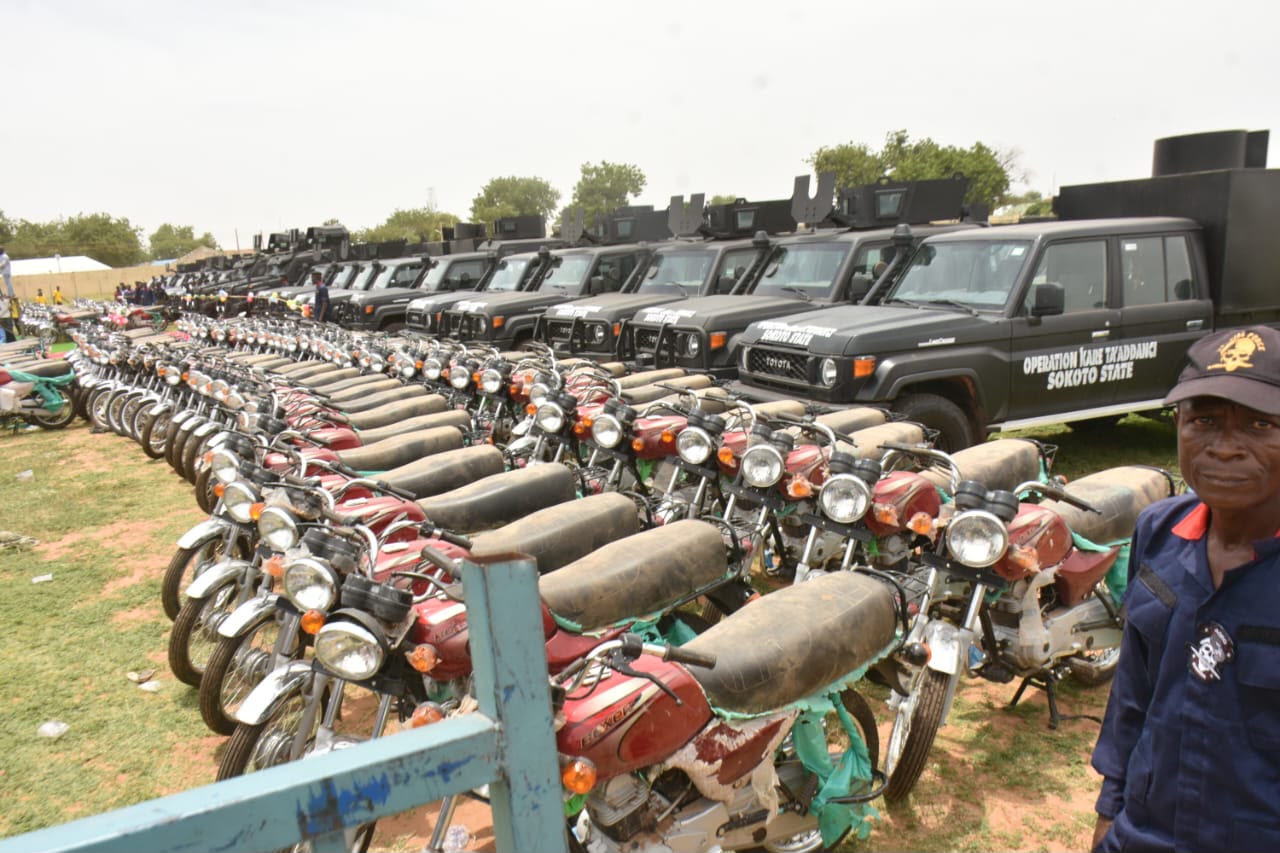
Sokoto donates 62 armoured vehicles, 320 motorcycles to security agencies
By: Zagazola Makama
The Christopher Gwabin Musa has expressed confidence that Nigeria’s current security challenges will soon be overcome, urging Nigerians to continue supporting security agencies in the fight against terrorism and banditry.
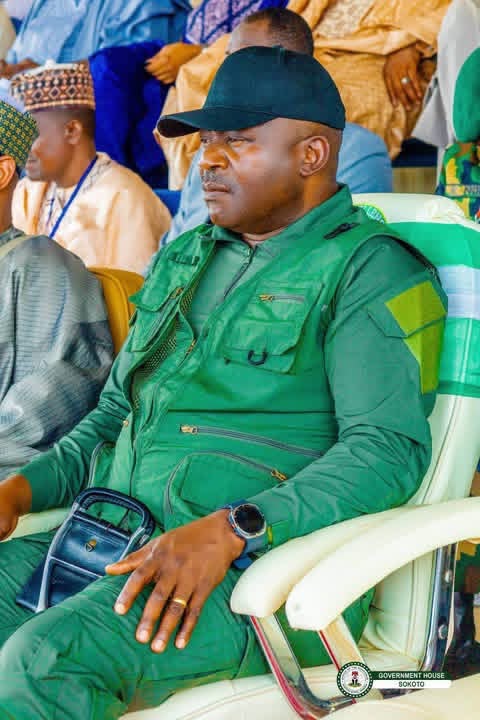
Musa made the remarks on Wednesday in Sokoto during the inauguration of 62 armoured vehicles and 320 motorcycles procured by the Sokoto State Government for deployment by various security agencies operating in the state.
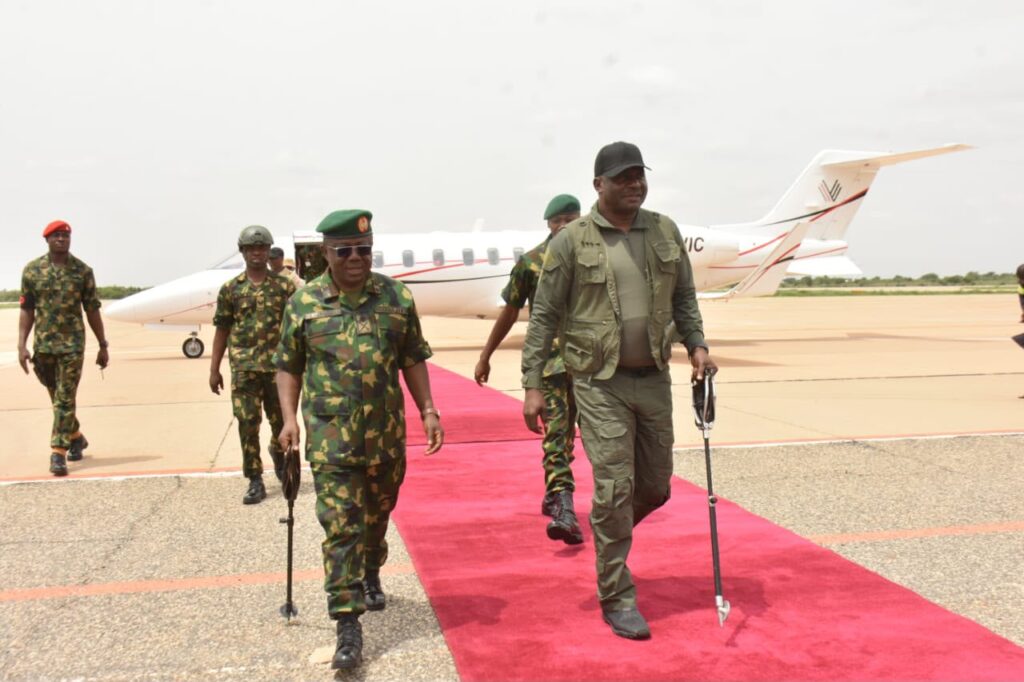
The security assets, valued at about N27.7 billion, are expected to enhance the operational capabilities of security agencies in tackling banditry, terrorism, kidnapping and other violent crimes across the state.
The defence chief stressed the need for security personnel to remain resolute in confronting criminal elements, while urging Nigerians to regard security as a collective responsibility through timely intelligence sharing and community support.
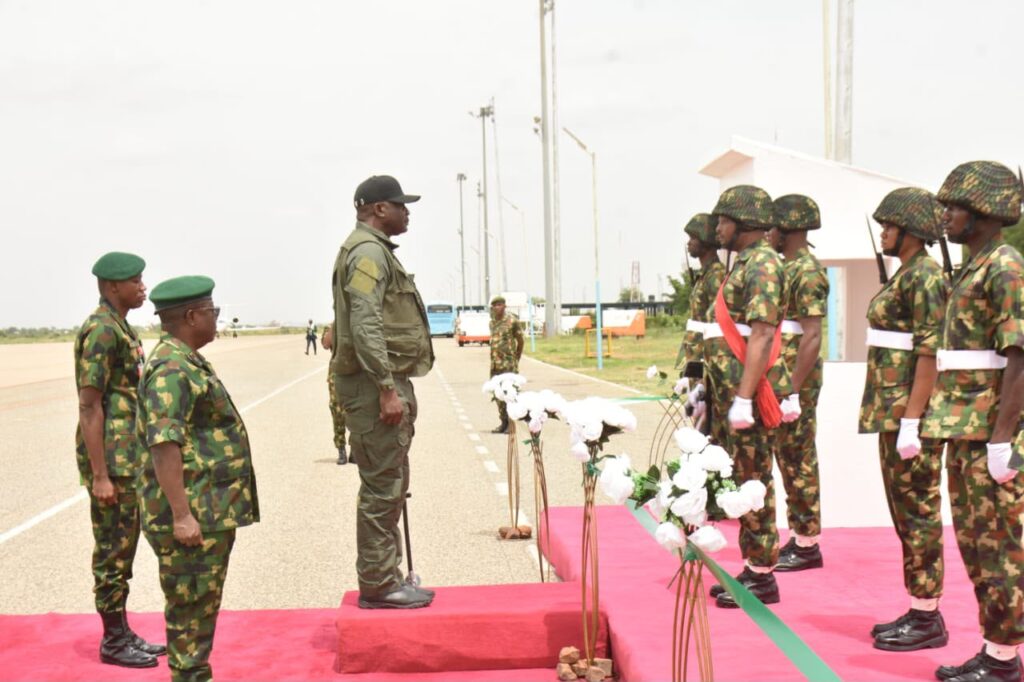
He described Sokoto as his home state, recalling that he was born and raised there, and commended the efforts of the state government in sustaining peace despite recent security challenges in some parts of the state.
According to him, the administration of Ahmed Aliyu has consistently supported security agencies with critical logistics, noting that the latest intervention would further boost troop morale and operational effectiveness.
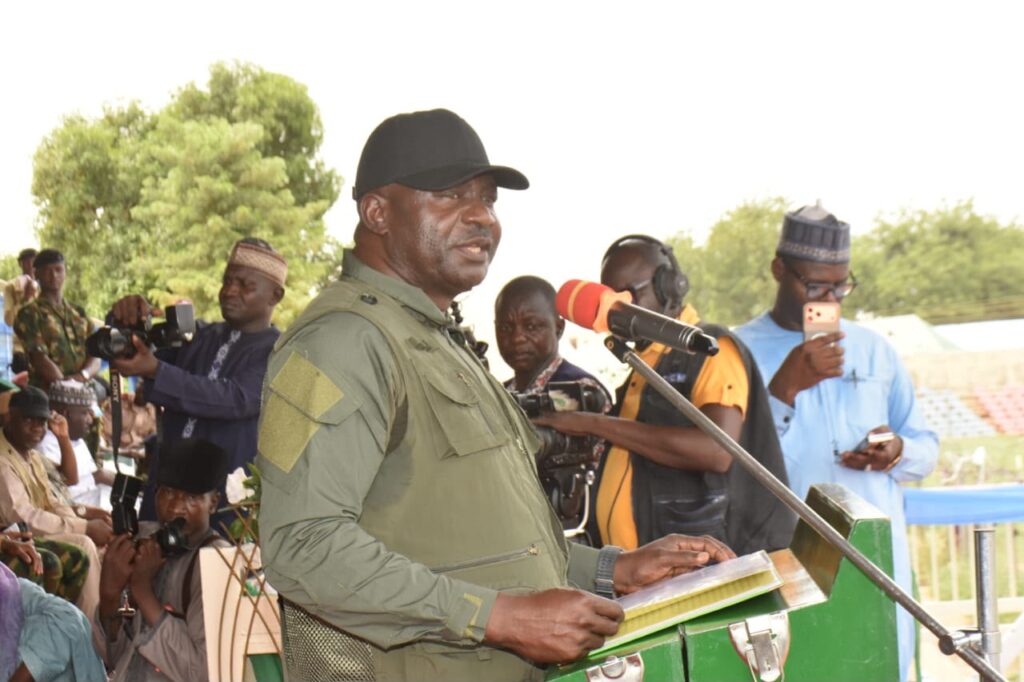
Musa appealed to other state governments and well-meaning Nigerians to emulate the Sokoto Government by supporting security agencies with logistics and other resources needed to combat insecurity.
He also said that security remains a key priority under the Renewed Hope Agenda of Bola Ahmed Tinubu, assuring Nigerians of the Federal Government’s commitment to restoring lasting peace and stability across the country.
Earlier, Gov. Ahmed Aliyu said the newly acquired armoured vehicles and motorcycles would be deployed to identified flashpoints to strengthen ongoing operations against bandits, kidnappers and other criminal elements.
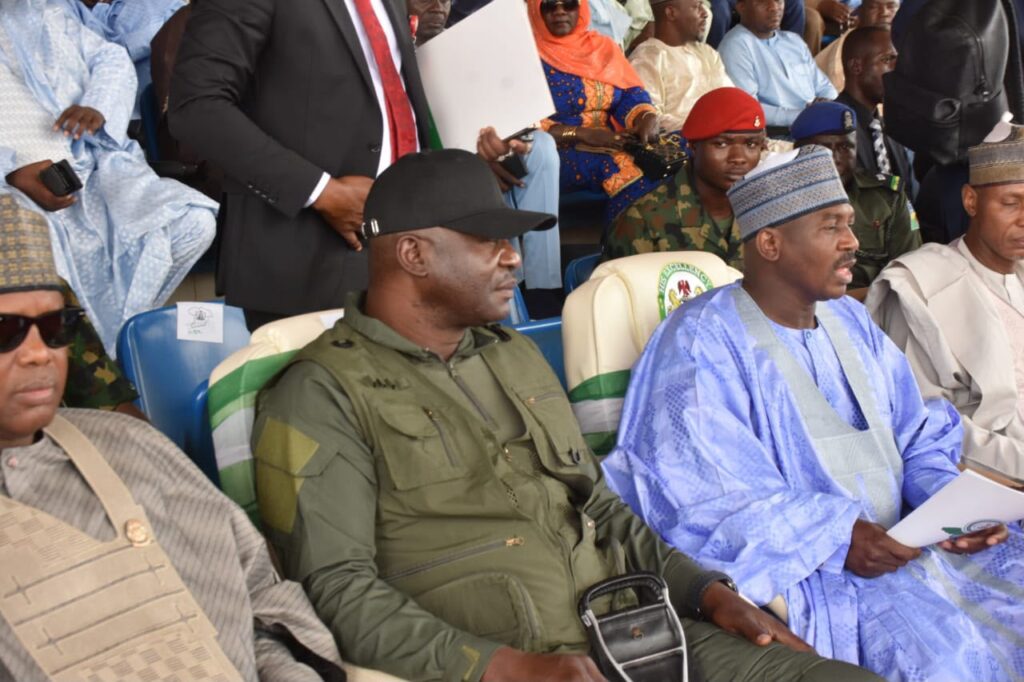
The governor said the intervention was aimed at improving the operational efficiency of security agencies and ensuring the protection of lives and property across the state.
He disclosed that his administration had previously spent more than N36.27 billion on similar logistics support for the Armed Forces and other security agencies operating in Sokoto State.
Aliyu further revealed that the Sokoto State House of Assembly was considering legislation that would prescribe sanctions for informants aiding criminal groups, similar to those imposed on bandits.
He reaffirmed that security remains a top priority under his administration’s Nine-Point Smart Agenda and commended the Federal Government, the Armed Forces, other security agencies and stakeholders for their continued efforts in addressing insecurity.
The governor also appreciated President Bola Tinubu for his sustained support towards improving the nation’s security architecture.
In his remarks, the Sa’ad Abubakar, represented by the Wazirin Sokoto, Sambo Wali Junaidu, commended the governor for his sustained investment in security, describing the intervention as a significant contribution to the protection of lives and property in the state.
Sokoto donates 62 armoured vehicles, 320 motorcycles to security agencies
Nigeria Mourns 21 Killed in China Landslide, Reaffirms Strategic Partnership
By: Michael Mike
The Federal Government has extended its condolences to the Government and people of China following the devastating landslide that struck Tanchang County in Gansu Province, killing at least 21 people and leaving several others affected, as Abuja reaffirmed the enduring strategic partnership between the two countries.
In a statement issued on Wednesday, the spokesperson for the Ministry of Foreign Affairs, Kimiebi Ebienfa, described the disaster as a tragic incident and said Nigeria stood in solidarity with China as rescue teams continued efforts to reach victims and support affected communities.
The landslide occurred on Tuesday in Tanchang County, a mountainous area in northwestern China’s Gansu Province, where heavy rainfall triggered the collapse of earth and debris, burying homes and disrupting transportation. Emergency responders were immediately deployed to search for survivors, evacuate residents and provide humanitarian assistance.
Expressing the Federal Government’s sympathy, Ebienfa said Nigeria shared in China’s grief over the lives lost.
“The Federal Government of Nigeria expresses deep condolences to the Government and people of the People’s Republic of China following the tragic landslide that struck Tanchang County in Gansu Province on Tuesday, July 7, 2026,” he said.
He added: “Nigeria mourns the loss of lives in this disaster, which has claimed at least 21 lives, with others affected amid the rescue operations. Our thoughts and prayers are with the families of the deceased, the injured, and all those who have lost loved ones or property in this unfortunate incident.”
The spokesperson also commended the swift response mounted by the Chinese authorities, praising emergency personnel for their efforts to rescue survivors and provide relief to victims.
“Nigeria commends the swift response of the Chinese authorities and rescue teams in their efforts to save lives and provide relief to those impacted,” he stated.
Beyond the immediate humanitarian message, Nigeria used the occasion to reaffirm the strength of its diplomatic and economic relationship with China, one of its largest trading partners and a key investor in critical infrastructure projects across the country.
Over the years, China has played a significant role in financing and constructing major Nigerian infrastructure, including rail lines, airport terminals, highways and power projects. The two countries have also deepened cooperation in trade, investment, security, agriculture, technology and human capital development under the framework of their Comprehensive Strategic Partnership.
Reflecting on these longstanding ties, Ebienfa said: “Nigeria and China share a long-standing strategic partnership built on mutual respect, friendship, and cooperation. Nigeria stands in solidarity with China during this difficult time, and we are confident in the resilience of the Chinese people and government as they work towards recovery and rehabilitation in the affected areas.”
He also offered prayers for those affected by the disaster.
“We pray for the peaceful repose of the souls of the departed, the speedy recovery of the injured, and strength and comfort for the bereaved families,” he said.
The latest tragedy underscores the vulnerability of many mountainous regions in China to landslides and flash floods, particularly during the annual rainy season. Chinese authorities have in recent years strengthened early warning systems, disaster preparedness and emergency response mechanisms, but extreme weather events linked to intense rainfall continue to pose significant risks to lives and infrastructure.
Nigeria’s condolence message joins those from countries around the world expressing solidarity with China as rescue operations continue and recovery efforts begin in the affected communities.
Nigeria Mourns 21 Killed in China Landslide, Reaffirms Strategic Partnership

Troops Intercept Suspected Arms Traffickers in Kaduna, Recover Seven Illegal Firearms intended to be supplied to bandits from Jos

The Fear Of Shettima: Atiku, Amaechi Draws New Blueprint to Battle Tinubu in 2027

Borno Students Rally Behind Security Agencies, Reject Terrorism, Call for National Unity Against Boko Haram, ISWAP, Banditry

Roger Federer’s Shock as DNA Results Reveal Myla and Charlene Are Not His Biological Children

THE PLIGHT OF FARIDA

FAILED COUP IN BURKINA FASO: HOW TRAORÉ NARROWLY ESCAPED ASSASSINATION PLOT AMID FOREIGN INTERFERENCE CLAIMS
-
 News2 years ago
Roger Federer’s Shock as DNA Results Reveal Myla and Charlene Are Not His Biological Children
-
Opinions4 years ago
THE PLIGHT OF FARIDA
-
 News1 year ago
FAILED COUP IN BURKINA FASO: HOW TRAORÉ NARROWLY ESCAPED ASSASSINATION PLOT AMID FOREIGN INTERFERENCE CLAIMS
-

 News2 years ago
EYN: Rev. Billi, Distortion of History, and The Living Tamarind Tree
-
 Opinions5 years ago
POLICE CHARGE ROOMS, A MINTING PRESS
-

 ACADEMICS2 years ago
A History of Biu” (2015) and The Lingering Bura-Pabir Question (1)
-

 Columns2 years ago
Army University Biu: There is certain interest, but certainly not from Borno.
-

 Politics1 year ago
2027: Why Hon. Midala Balami Must Go, as Youths in Hawul and Asikira/Uba Federal Constituency Reject ₦500,000 as Sallah Gift
