
News
European Union Commits €22m to Accelerate Nigeria’s Fibre Network Under BRIDGE Project

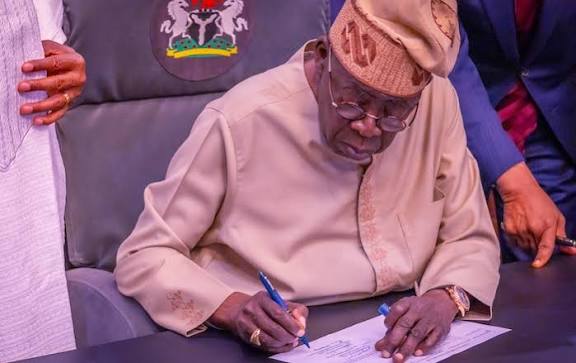
European Union Commits €22m to Accelerate Nigeria’s Fibre Network Under BRIDGE Project
By: Michael Mike
The European Union has pledged €22 million in grant funding to support Nigeria’s large-scale fibre-optic expansion, reinforcing the Federal Government’s drive to transform the country’s digital backbone.
The grant, announced in Abuja on Wednesday, will be channelled through the European Bank for Reconstruction and Development (EBRD) and on-granted to the Federal Ministry of Communications, Innovation and Digital Economy for implementation of the government’s Project BRIDGE initiative.
The EU funding will sit alongside an €86 million loan from the EBRD’s own resources, pending final approval. The operation represents the EBRD’s first major sovereign financing in Nigeria since the country formally became a shareholder of the bank last year.
Minister of Communications, Innovation and Digital Economy, Bosun Tijjani described the agreement as a decisive step toward delivering the BRIDGE project within schedule, noting that Nigeria’s digital transformation agenda depends heavily on robust and inclusive broadband infrastructure.
He said the partnership reflects growing confidence in Nigeria’s digital roadmap and expressed optimism that 2026 would mark a year of tangible progress in cooperation between Nigeria and the EU.
EBRD President, Odile Renaud-Basso, who is on an official visit to Nigeria, said the bank was proud to collaborate with the EU to expand digital infrastructure in Africa’s largest economy. She noted that the technical cooperation embedded in the financing is structured to crowd in private capital while ensuring secure, resilient and inclusive connectivity.
EU Ambassador to Nigeria, Gautier Mignot, underscored the strategic importance of digital networks to both Nigeria and the EU, stressing the need for trusted, high-integrity infrastructure built to international standards.
Project BRIDGE aims to deploy 90,000 kilometres of fibre-optic cables nationwide through a Special Purpose Vehicle (SPV) that will be capitalised with sovereign loans and private sector participation. In addition to the EBRD financing, the Federal Government is expected to receive support from the World Bank and the African Development Bank.
The EU’s €22 million package combines technical assistance with investment support to speed up project preparation and strengthen implementation capacity. It will fund low-level design work for about 40,000 kilometres of the planned network, including route mapping, crossing surveys, digital planning, quality assurance and security risk assessments aligned with global best practices.
Officials said this groundwork would provide the SPV with a ready-to-execute blueprint, enabling immediate rollout once financing arrangements are finalised and the vehicle is established with at least 51 per cent private sector ownership.
Beyond infrastructure, the grant is expected to deepen Nigeria’s digital skills base. About 2,000 technicians will receive specialised training, while small subcontractors will gain access to pooled procurement systems and equipment subsidies designed to reduce entry barriers.
Authorities estimate that these measures could lower deployment costs by between 20 and 30 per cent, while promoting adherence to Nigerian and EU quality standards and encouraging participation of European technology suppliers in the fibre supply chain.
The intervention forms part of the EU’s broader Global Gateway strategy, which supports investments in digital infrastructure, public services and human capital development across partner countries.
For Nigeria, the partnership signals renewed international backing for its ambition to build a resilient, open-access broadband network capable of driving economic growth, innovation and digital inclusion nationwide.
European Union Commits €22m to Accelerate Nigeria’s Fibre Network Under BRIDGE Project


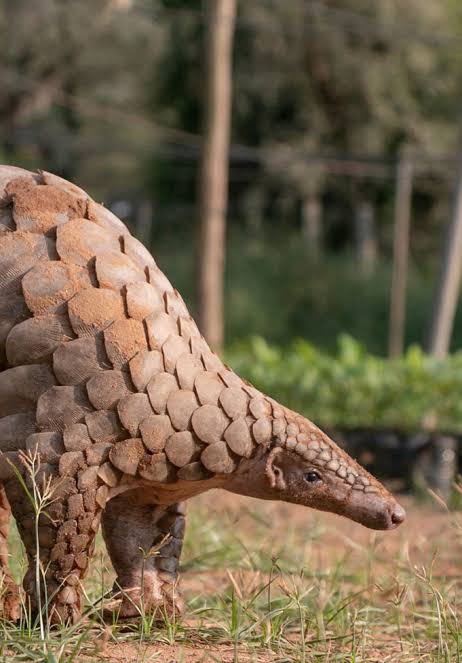
Nigeria Advised to Treat Wildlife Crime as National Security Threat
By: Michael Mike
Nigeria has been urged to treat wildlife trafficking and illegal exploitation of biodiversity as a major organized crime threat capable of undermining national security, economic stability and sustainable development.
The Country Representative of the United Nations Office on Drugs and Crime, Cheikh Touré, gave the warning in Abuja during the commemoration of World Wildlife Day, stressing that wildlife crime now operates as a sophisticated international criminal network rather than merely an environmental issue.
Touré said the illegal trade in wildlife and plant species continues to weaken ecosystems, fuel illicit financial flows and erode the economic potential of countries rich in biodiversity such as Nigeria.
According to him, wildlife crime has evolved into a serious transnational organised crime that threatens the rule of law and deprives communities of valuable natural resources that support livelihoods and sustainable development.
He explained that Nigeria’s rich biodiversity, including valuable medicinal and aromatic plants used for traditional healthcare and economic activities, faces increasing pressure from illegal trade, habitat destruction, climate change and unsustainable harvesting.
Touré, however, acknowledged recent legislative progress made by Nigeria, particularly the passage of the Endangered Species Conservation and Protection Bill, describing it as a major step toward strengthening the country’s legal framework for biodiversity protection.
Despite this progress, he stressed that legislation alone would not stop wildlife crime unless it is backed by effective enforcement, improved institutional capacity and stronger public awareness.
He noted that combating wildlife trafficking requires coordinated partnerships among government institutions, civil society organisations, international agencies and local communities.
The UNODC official also highlighted the organisation’s efforts to mobilise young Nigerians in conservation advocacy through the #BeWildForNature campaign launched in 2024.
Through a competitive process, selected youths were incorporated into a mentorship programme where conservation experts provided training on digital advocacy, wildlife protection and community mobilisation.
According to Touré, the initiative has helped build a network of young environmental advocates now driving conservation campaigns and community outreach programmes across Nigeria.
Speaking at the event, the United Nations Resident and Humanitarian Coordinator in Nigeria, Mohamed Fall, said the protection of biodiversity is directly linked to human health, economic stability and environmental sustainability.
Represented by the UNICEF Representative in Nigeria, Wafaa Saeed, Fall noted that medicinal plants remain a primary healthcare resource for millions of people and are deeply embedded in traditional knowledge systems and local economies.
However, he warned that biodiversity loss, environmental degradation and climate change are threatening these critical natural assets, making conservation an urgent development priority.
He added that protecting biodiversity contributes directly to the achievement of the United Nations Sustainable Development Goals, including goals related to health, climate action and environmental protection.
Also speaking, Onah Bisong of the Federal Ministry of Youth Development (Nigeria) said the Federal Government recognises the important role of young people in advancing environmental sustainability.
Bisong stressed that Nigerian youths must be empowered to champion biodiversity protection through innovation, advocacy and community engagement, noting that such efforts can also create green jobs and support economic growth.
He added that young Nigerians are not merely beneficiaries of the country’s natural resources but critical partners in ensuring that those resources are protected for future generations.
Nigeria Advised to Treat Wildlife Crime as National Security Threat
FG Evacuates 1,230 Stranded Nigerians from Niger
By: Michael Mike
The Federal Government has successfully evacuated 1,230 stranded Nigerians from neighbouring Niger, reinforcing its commitment to protecting citizens abroad amid emerging regional challenges.
The evacuation, coordinated by the Nigeria’s Ministry of Foreign Affairs, involved the voluntary repatriation of Nigerians who had been stranded in Niamey, the capital of Niger Republic.
According to a statement on Wednesday by the spokesperson of the ministry, Kimiebi Ebienfa, the returnees arrived in Nigeria in two separate batches. The first group of 708 Nigerians was received on March 23, 2026, while the second batch of 522 arrived on March 29, bringing the total number of evacuees to 1,230.
He said the humanitarian operation was carried out in partnership with the International Organization for Migration, whose logistical and technical support ensured the smooth movement and reception of the returnees.
On arrival in Kano, the evacuees were received by a coordinated team of government agencies and humanitarian partners tasked with ensuring an orderly reception and immediate support for the returning citizens.
Agencies involved in the reception included the National Commission for Refugees, Migrants and Internally Displaced Persons, National Emergency Management Agency, National Agency for the Prohibition of Trafficking in Persons, Nigeria Immigration Service and the Nigeria Security and Civil Defence Corps.
Other participating bodies were the International Committee of the Red Cross, the Nigeria Police Force and the Department of State Services, as well as officials from the Kano and Katsina state governments.
The returnees were subjected to profiling at the airport to document their details and enable appropriate reintegration support. They were later moved to the Immigration Training School in Kano where temporary accommodation, meals, medical attention and other basic necessities were provided.
Authorities said the evacuees were subsequently discharged after completing the necessary procedures and reunited with their families.
The Ministry noted that the evacuation underscores the Federal Government’s broader responsibility to ensure the safety and dignity of Nigerians wherever they may be, particularly in situations that pose humanitarian risks.
It also expressed appreciation to the Government of Niger for its cooperation throughout the evacuation process, noting that such collaboration reflects the enduring diplomatic and humanitarian ties between both countries.
The ministry further commended international partners, particularly the International Organization for Migration and the International Committee of the Red Cross, for their continued support in addressing migration and humanitarian challenges.
Nigerian citizens residing abroad were urged to respect the laws of their host countries and maintain regular contact with Nigerian diplomatic missions to facilitate timely assistance in emergency situations.
FG Evacuates 1,230 Stranded Nigerians from Niger
FG Declares April 3 and 6 Public Holidays for Easter
By: Michael Mike
The Federal Government has declared Friday, April 3, and Monday, April 6, 2026, as public holidays to enable Christians across the country celebrate Easter.
The announcement was made by the Minister of Interior, Olubunmi Tunji-Ojo, on behalf of the Federal Government, according to a statement issued by the Permanent Secretary of the Federal Ministry of Interior (Nigeria), Magdalene Ajani.
The minister congratulated Christians in Nigeria and in the diaspora on the celebration, describing Easter as a period that reflects the enduring values of sacrifice, renewal and hope.
He urged Nigerians to emulate the virtues of selflessness, forgiveness, patience and love as demonstrated in the life and teachings of Jesus Christ.
Tunji-Ojo also called on citizens to strengthen the spirit of tolerance, unity and peaceful coexistence, stressing that these values remain critical to national cohesion.
According to him, the Federal Government remains committed to policies and decisions aimed at promoting national renewal, economic growth and shared prosperity for all Nigerians.
He further wished Christians across the country a peaceful and joyful Easter celebration.
Easter is one of the most significant events in the Christian calendar, commemorating the resurrection of Jesus Christ and symbolising victory over death and the promise of new life for believers.
FG Declares April 3 and 6 Public Holidays for Easter

NiMet predicts 107 to 138 days of rainfall in Gombe

Nigeria Advised to Treat Wildlife Crime as National Security Threat

WTO Ministerial Talks Collapse as E-Commerce Tariff Deal Fails

Roger Federer’s Shock as DNA Results Reveal Myla and Charlene Are Not His Biological Children

THE PLIGHT OF FARIDA

FAILED COUP IN BURKINA FASO: HOW TRAORÉ NARROWLY ESCAPED ASSASSINATION PLOT AMID FOREIGN INTERFERENCE CLAIMS
-
 News2 years ago
Roger Federer’s Shock as DNA Results Reveal Myla and Charlene Are Not His Biological Children
-
Opinions4 years ago
THE PLIGHT OF FARIDA
-
 News12 months ago
FAILED COUP IN BURKINA FASO: HOW TRAORÉ NARROWLY ESCAPED ASSASSINATION PLOT AMID FOREIGN INTERFERENCE CLAIMS
-

 News2 years ago
EYN: Rev. Billi, Distortion of History, and The Living Tamarind Tree
-
 Opinions4 years ago
POLICE CHARGE ROOMS, A MINTING PRESS
-

 ACADEMICS2 years ago
A History of Biu” (2015) and The Lingering Bura-Pabir Question (1)
-

 Columns2 years ago
Army University Biu: There is certain interest, but certainly not from Borno.
-

 Opinions2 years ago
Tinubu,Shettima: The epidemic of economic, insecurity in Nigeria
