
News
FG Advises Nigerians on Getting Abroad to Profile Themselves at Foreign Missions to Allow for Early Intervention in Case of Mistreatment

FG Advises Nigerians on Getting Abroad to Profile Themselves at Foreign Missions to Allow for Early Intervention in Case of Mistreatment
By: Michael Mike
The Ministry of Foreign Affairs has advised Nigerians traveling abroad to make it a point of duty to register with the Nigerian mission in their host country in order to be accorded timely intervention in case of emergencies.
The Permanent Secretary of Ministry of Foreign Affairs, Ambassador Ahmed Dunoma made this appeal while receiving a delegation from the Diplomatic Correspondents Association of Nigeria, (DICAN), led by its Chairman, Frederick Idehai Frederick.
The Permanent Secretary while citing a recent incident where Nigerians were trapped in the Central African Republic, and some individuals, especially on social media, attempted to tarnish the Ministry’s image emphasised that the ministry, Nigeria embassies and consulates should be informed of their presence during arrival not when they run into trouble.
He said: “I advise Nigerians to make it a point of duty to make their presence known to the Nigerian mission in the country they’re visiting.
“This simple step can help prevent misunderstandings and ensure that Nigerians receive the support they need in times of crisis.
“There was a recent case of Nigerians trapped in Central African Republic, where some Nigerians tried to give the Ministry a bad name,” he said.
Dunoma while highlighting the importance of timely information dissemination, also called for a deeper collaboration between the Ministry and the Diplomatic Correspondents Association of Nigeria (DICAN) in order to combat disinformation and misinformation.
He said DICAN and the ministry share a common goal of promoting a positive image of Nigeria.
“Most of the time, given the necessary information before people will even ask for information is crucial in managing crises effectively.
“We are saddled with the role of laundering the image of the country. Hence, the inevitability of a strengthened partnership between DICAN and the Ministry.
“This partnership is crucial in ensuring that accurate information about Nigeria is disseminated to the public, both locally and internationally,” he said.
The Permanent Secretary expressed gratitude to DICAN for organizing the recent world class maiden Diplomatic, Security International Conference that brought about together about seventy diplomats, security, intelligence, academics, corporate organisations, civil societies among other stakeholders to brainstorm on how to make the world a safer and better place to live.
He stated that the conference has enriched discussions on security and the impact of the 4Ds Policy direction of the President Bola Ahmed Tinubu administration’s in enhancing Nigeria’s foreign image in the face of disinformation.
He said: “I thank DICAN for putting the programme together, it has enriched discuss on security and promote a positive image of Nigeria as well as ensure the safety and well-being of our citizens abroad.
“By working together, the Ministry of Foreign Affairs and DICAN can promote a more accurate understanding of Nigeria’s role in international affairs and address the challenges posed by disinformation and misinformation.
“We have a lot of challenges, but it is our duty to ensure that the positive narrative is given out there, because we have to be patriotic.
“I think we need to sit down, work together and see how we can also be proactive.”
Presenting an award of excellence to the Permanent Secretary, the Chairman of DICAN, Frederick Idehai , solicited more support to ensure that the association carries out its agenda setting programmes.
“The Permanent Secretary has shown commitment to working with DICAN, and we appreciate his efforts in promoting a positive image of Nigeria,” Idehai said.
FG Advises Nigerians on Getting Abroad to Profile Themselves at Foreign Missions to Allow for Early Intervention in Case of Mistreatment


JNIM terrorists clashes with rival factions in rare encounter in Nigeria’s Kebbi state
By: Zagazola Makama
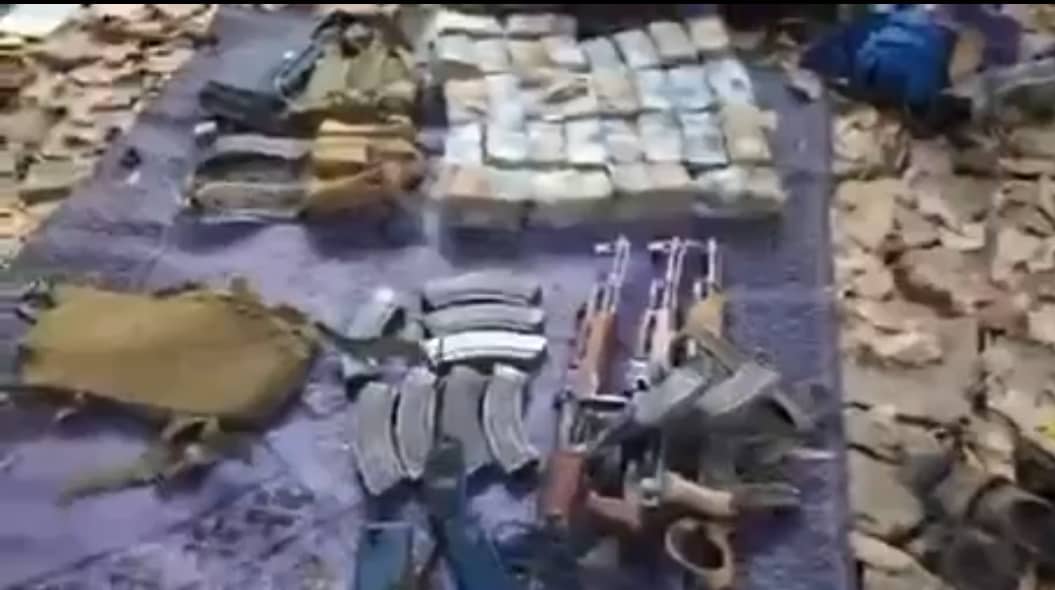
A suspected clash between rival terrorists factions has been reported in Kebbi State, raising fresh security concerns in the North-West region.
Sources said the incident occurred on April 4, when a group identified as Jama’at Nusrat al-Islam wal-Muslimin (JNIM) claimed it engaged a rival faction described as “Khawarij”.
The group alleged that one fighter was killed and another captured during the encounter, while three motorcycles and about N10 million were recovered.
However, the identity of the opposing group has yet to be independently verified.
Preliminary indications suggest the rival faction may be linked to Boko Haram or one of its splinter groups, though this remains subject to confirmation.
Security sources said the development could represent one of the first reported inter-jihadist clashes in the region.
JNIM terrorists clashes with rival factions in rare encounter in Nigeria’s Kebbi state
Troops foil mob attack, rescue suspected terrorist in Danmusa in Katsina
By: Zagazola Makama
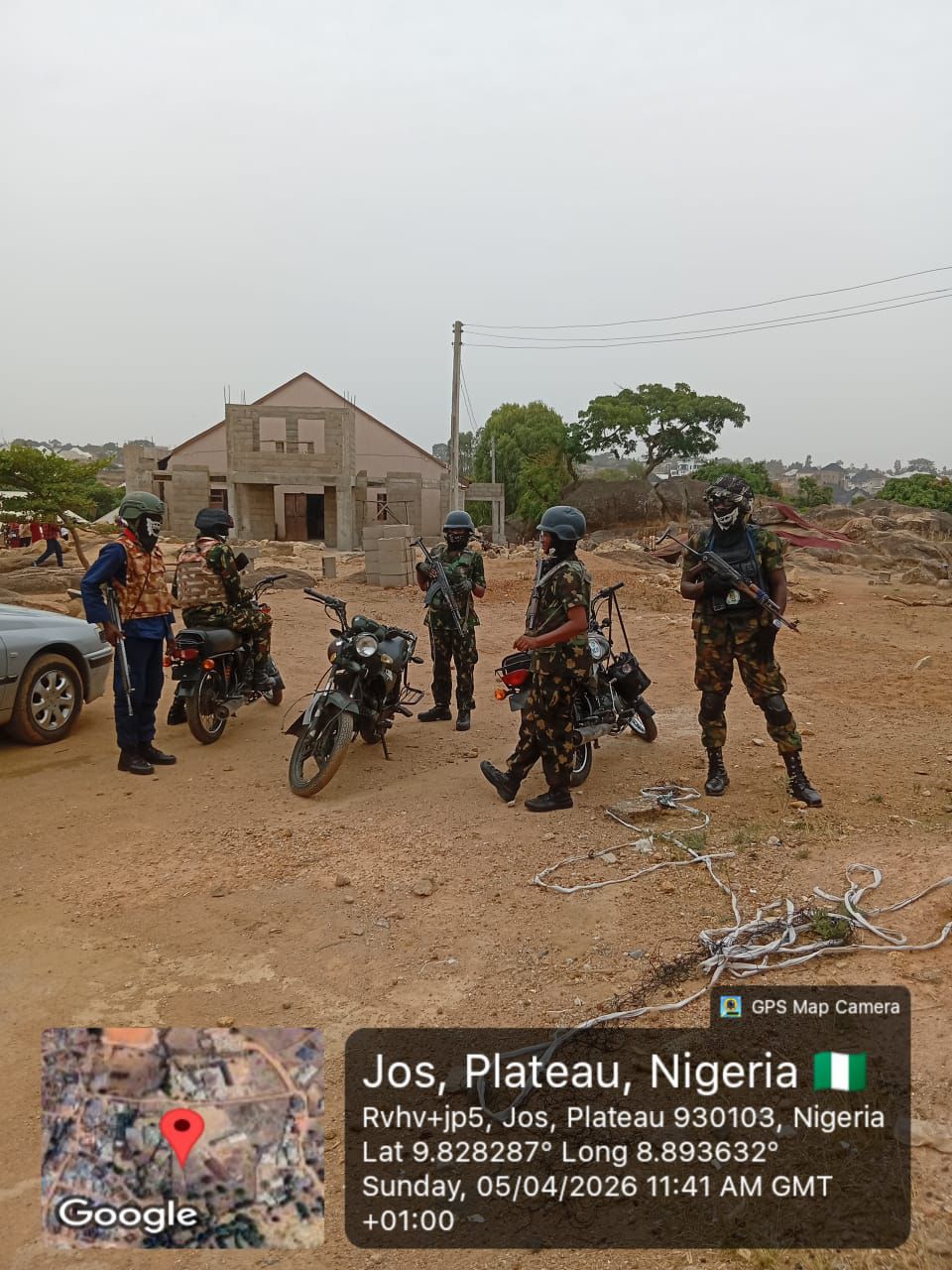
Troops of 17 Brigade have foiled an attempt by a mob to lynch a suspected terrorist and burn down a police station in Danmusa Local Government Area of Katsina State.
Security sources said the incident occurred at about 4:30 p.m. on April 5, 2026, when troops deployed at Combat Team 1 in Danali village responded to a distress call from a Nigerian Police outpost in the area.
The police had reported that a large crowd attempted to set the station ablaze and attack personnel after a suspected terrorist was brought into custody.
Troops were immediately mobilised to the scene and successfully prevented further escalation of the situation, restoring order in the area.
During the intervention, police personnel reportedly fired tear gas to disperse the irate crowd, which led to injuries sustained by one civilian.
The injured victim was evacuated to a medical facility for treatment.
Security sources said calm had since returned to the area, while troops continued to maintain presence to prevent a resurgence of violence and ensure stability.
Troops foil mob attack, rescue suspected terrorist in Danmusa in Katsina
Plateau: troops launch manhunt after armed robbery attack in Bassa LGA
By: Zagazola Makama
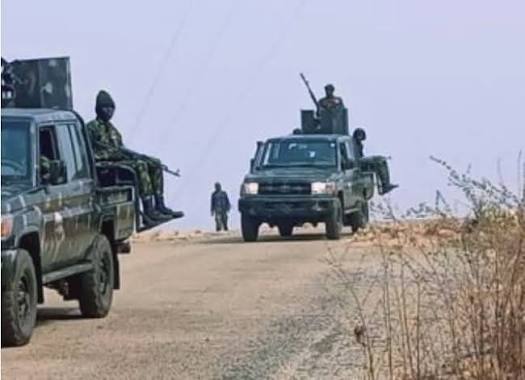
Troops of Operation Enduring Peace have launched a manhunt for suspected armed robbers who attacked three civilians along the Jebbu–Miango–Rewienko road in Bassa Local Government Area of Plateau State.
Security sources said the incident occurred at about 8:55 p.m. on April 5, 2026, when the victims were reportedly ambushed by armed men who dispossessed them of their motorcycles before fleeing the scene.
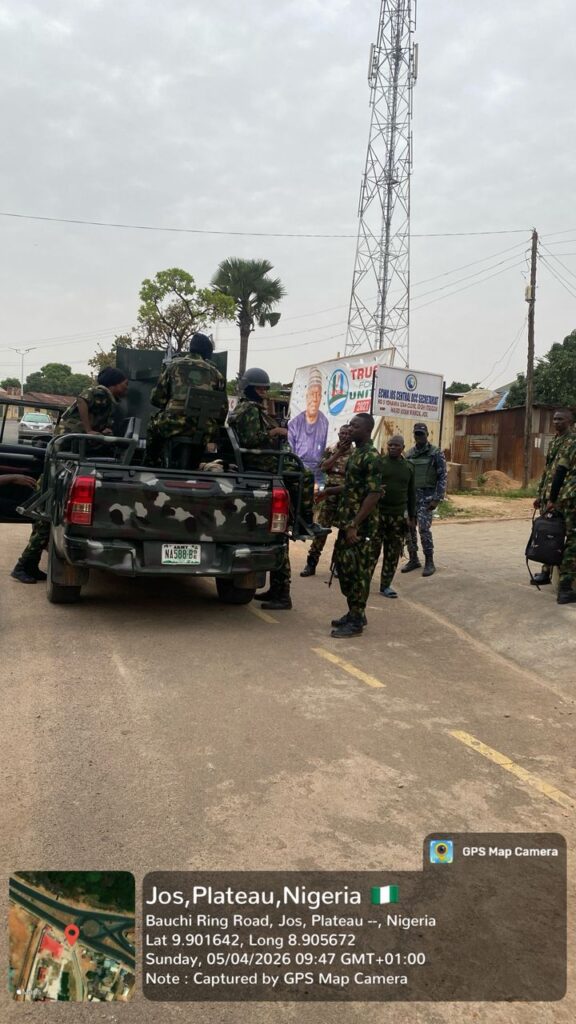
Troops of Sector 3 Operation Enduring Peace were immediately mobilised following the distress call but arrived after the attackers had escaped.
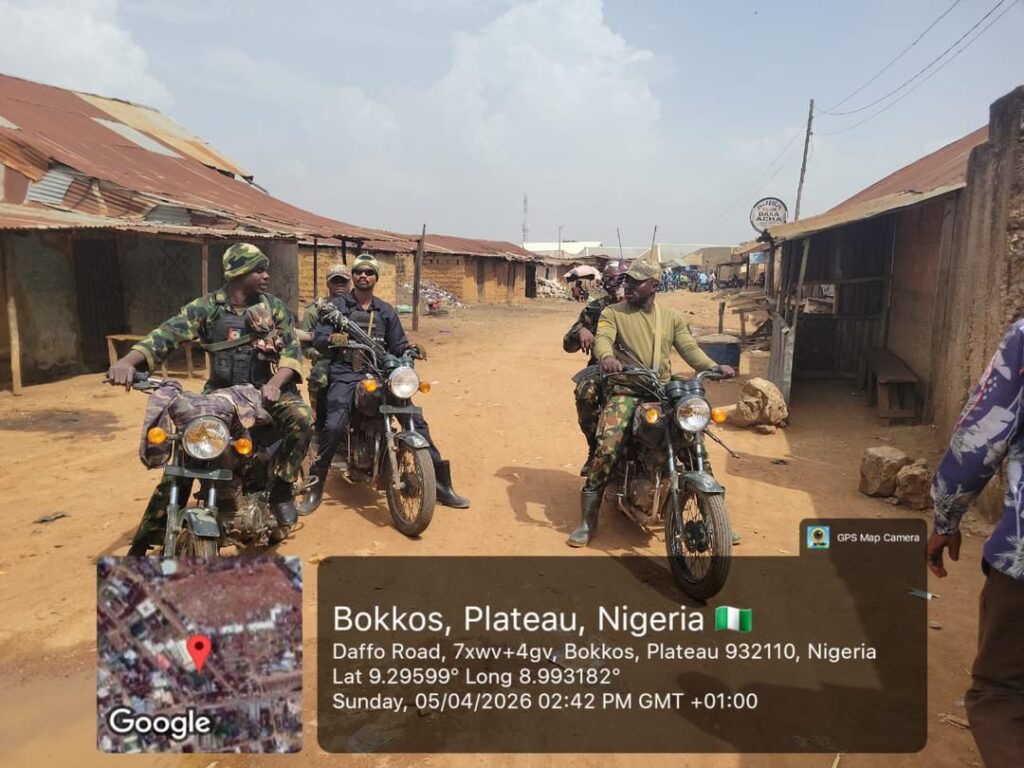
Efforts are ongoing to track and apprehend the fleeing suspects, while patrols have been intensified in the area to prevent further criminal activity.
Plateau: troops launch manhunt after armed robbery attack in Bassa LGA

JNIM terrorists clashes with rival factions in rare encounter in Nigeria’s Kebbi state

Troops foil mob attack, rescue suspected terrorist in Danmusa in Katsina

Plateau: troops launch manhunt after armed robbery attack in Bassa LGA

Roger Federer’s Shock as DNA Results Reveal Myla and Charlene Are Not His Biological Children

THE PLIGHT OF FARIDA

FAILED COUP IN BURKINA FASO: HOW TRAORÉ NARROWLY ESCAPED ASSASSINATION PLOT AMID FOREIGN INTERFERENCE CLAIMS
-
 News2 years ago
Roger Federer’s Shock as DNA Results Reveal Myla and Charlene Are Not His Biological Children
-
Opinions4 years ago
THE PLIGHT OF FARIDA
-
 News12 months ago
FAILED COUP IN BURKINA FASO: HOW TRAORÉ NARROWLY ESCAPED ASSASSINATION PLOT AMID FOREIGN INTERFERENCE CLAIMS
-

 News2 years ago
EYN: Rev. Billi, Distortion of History, and The Living Tamarind Tree
-
 Opinions4 years ago
POLICE CHARGE ROOMS, A MINTING PRESS
-

 ACADEMICS2 years ago
A History of Biu” (2015) and The Lingering Bura-Pabir Question (1)
-

 Columns2 years ago
Army University Biu: There is certain interest, but certainly not from Borno.
-

 Opinions2 years ago
Tinubu,Shettima: The epidemic of economic, insecurity in Nigeria
