
News
FG, Benue, UNHCR Partner to Deliver Life-Saving Support to 100,000 Displaced Persons


FG, Benue, UNHCR Partner to Deliver Life-Saving Support to 100,000 Displaced Persons
By: Michael Mike
The Federal Government, the Benue State Government and the United Nations High Commissioner for Refugees (UNHCR) have agreed on a coordinated intervention to deliver urgent life-saving and protection support to communities affected by violence and displacement in Benue State.
The agreement was formalised following a meeting witnessed by the Minister of Humanitarian Affairs and Poverty Reduction, Bernard Doro, during which letters were exchanged between the Governor of Benue State, Hyacinth Iormem Alia, and UNHCR’s Country Representative in Nigeria, Arjun Jain.
The initiative, supported through the Nigerian Humanitarian Fund, is expected to directly benefit about 100,000 people in Guma and Makurdi Local Government Areas, with many more indirectly supported through improved protection systems and preventive security measures.
Speaking on the partnership, the Minister said the intervention reflects the Federal Government’s commitment to supporting Nigerians affected by conflict and displacement.
According to him, the collaboration will ensure that vulnerable families receive urgent assistance while advancing President Bola Ahmed Tinubu’s Renewed Hope Agenda aimed at restoring safety, dignity and stability to affected communities.
He added that the intervention will focus on three priority areas, including the provision of protection-based life-saving assistance for displaced populations, support for relocating families from camps to safer settlements, and the installation of solar-powered lighting systems to strengthen security in vulnerable communities.
The programme will also expand and digitise protection monitoring systems to enable real-time reporting, early identification of threats and integration into state and federal early-warning mechanisms.
Alia described the partnership as a critical step toward addressing the humanitarian crisis caused by persistent displacement in the state.
He noted that Benue has borne a heavy burden of forced displacement for years and stressed that the collaboration would help scale up immediate humanitarian relief while strengthening long-term systems to protect communities.
The governor reaffirmed his administration’s commitment to ensuring displaced families regain access to safety, recovery and opportunities for rebuilding their lives.
UNHCR Country Representative, Arjun Jain, also underscored the importance of strong government leadership and coordinated action in addressing humanitarian challenges.
He said the collaboration would allow partners to rapidly expand protection services and deliver assistance to families facing severe risks while laying the foundation for sustainable solutions.
Implementation of the joint intervention is expected to begin in April 2026.
FG, Benue, UNHCR Partner to Deliver Life-Saving Support to 100,000 Displaced Persons


Nigeria Secures Strategic Role in Global Digital Economy at World Data Organization Launch
By: Michael Mike
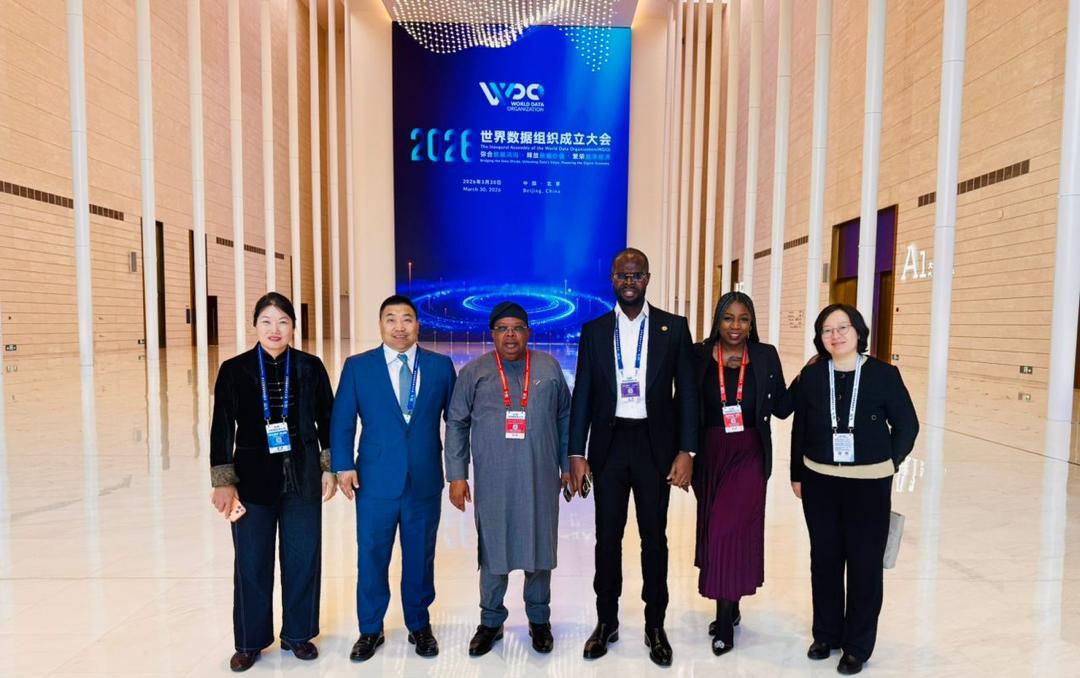
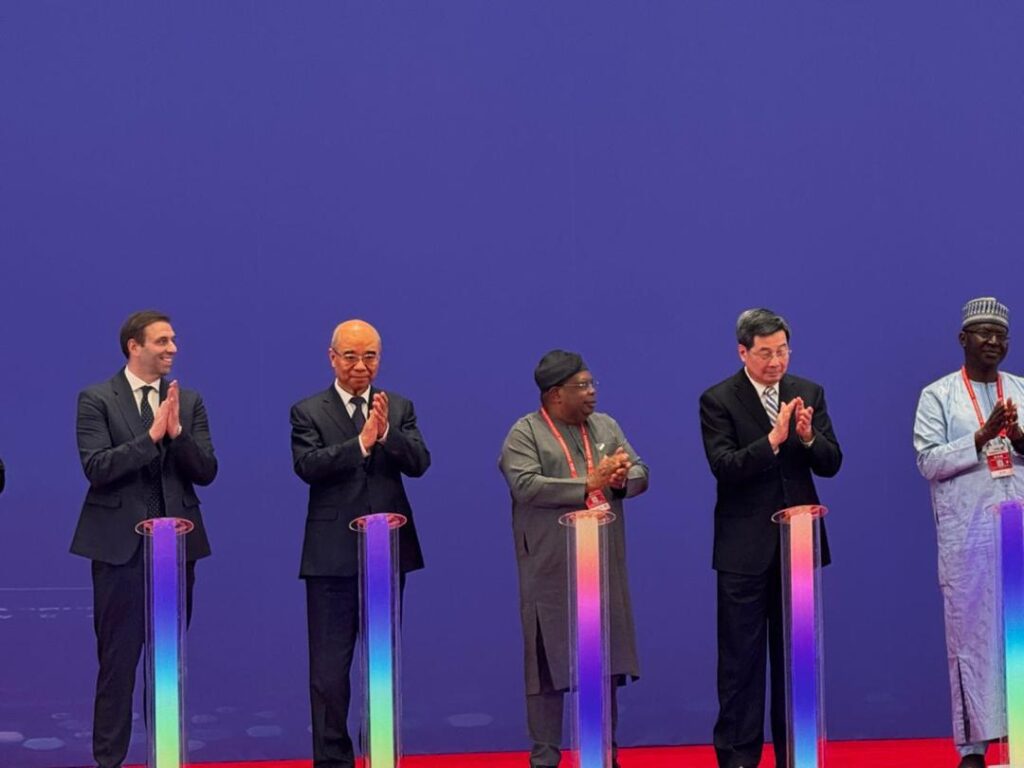
In a landmark move aimed at cementing its influence in the global digital economy, Nigeria participated in the launch of the World Data Organization (WDO) in Beijing, China.
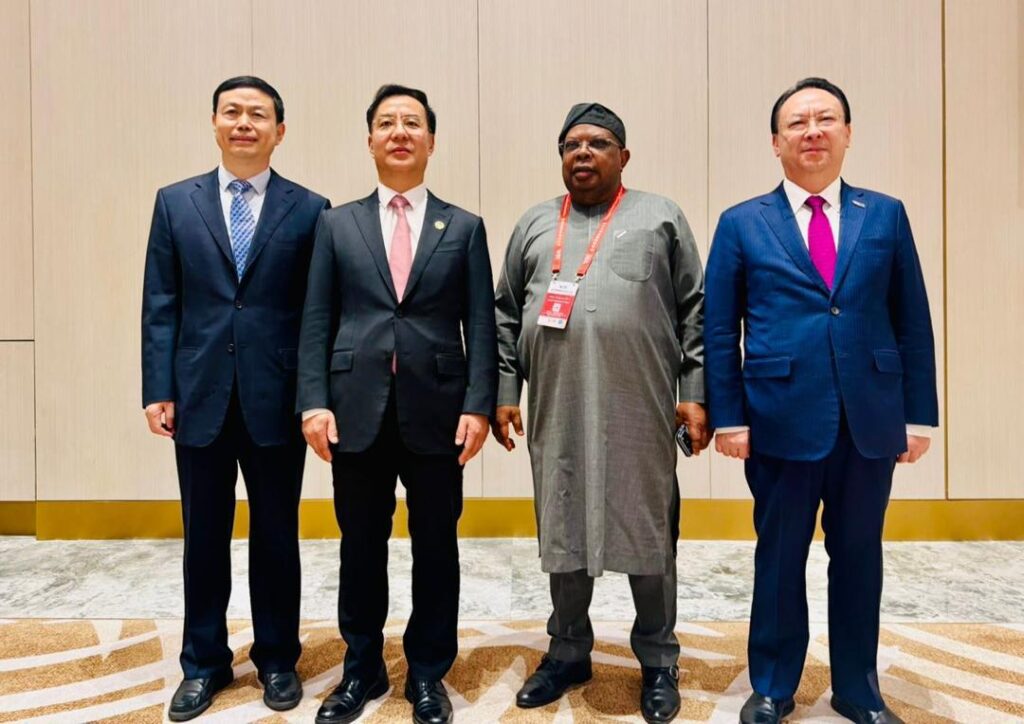
At the event, which held on Monday, the country was represented by Director-General and Global Liaison of the Nigeria-China Strategic Partnership (NCSP), Joseph Tegbe alongside Head of International Relations at NCSP, Judy Melifonwu.
The WDO, headquartered in Beijing, is the first international body dedicated to advancing data governance, enabling secure cross-border data flows, and promoting the inclusive growth of the digital economy. Its launch brings together global powers seeking to address the digital divide, enhance cybersecurity, and establish standards that ensure equitable benefits from data-driven development.
Speaking on behalf of Chinese President Xi Jinping, Ding Xuexiang outlined the organisation’s three strategic pillars: facilitating the free and secure flow of data across borders, promoting inclusive digital development, and establishing coordinated global frameworks to protect data from cyber threats.
For Nigeria, participation at the WDO’s founding stage represents a deliberate, forward-looking strategy under the Renewed Hope Agenda. Analysts note that it positions the country to influence global digital governance standards, accelerate access to emerging technologies, and participate in international research initiatives. Such engagement is expected to strengthen Nigeria’s digital infrastructure, enhance the competitiveness of startups and financial institutions, attract foreign direct investment, and generate high-value employment opportunities for the nation’s growing youth population.
Furthermore, the WDO platform allows Nigeria to deepen collaboration in cybersecurity, enabling the country to contribute to international frameworks that safeguard national data, combat cybercrime, and ensure digital sovereignty.
Observers said Nigeria’s involvement reflects a strategic evolution in the Nigeria–China partnership, which has moved beyond traditional infrastructure projects toward high-impact, technology-driven cooperation. By joining the WDO, Nigeria positions itself to harness the opportunities of the Fourth Industrial Revolution, ensuring that technological innovation drives sustainable growth across critical sectors such as agriculture, healthcare, governance, and finance.
“The participation of Nigeria at the WDO launch is not only symbolic; it is a tangible assertion of the country’s intent to be at the forefront of global digital governance,” said a senior NCSP official. “It ensures that Nigeria has a voice in shaping rules that govern the digital economy while unlocking opportunities that directly benefit its citizens and businesses.”
The WDO’s establishment is being hailed as a critical step in bridging the global digital divide, offering developing nations like Nigeria an unprecedented opportunity to integrate into global digital networks while safeguarding national interests.
With its seat at the WDO table, Nigeria is now strategically positioned to influence global data policies, strengthen cybersecurity frameworks, and drive innovation-led economic growth in the emerging digital era.
Nigeria Secures Strategic Role in Global Digital Economy at World Data Organization Launch
Gombe, UNICEF move to increase immunisation coverage
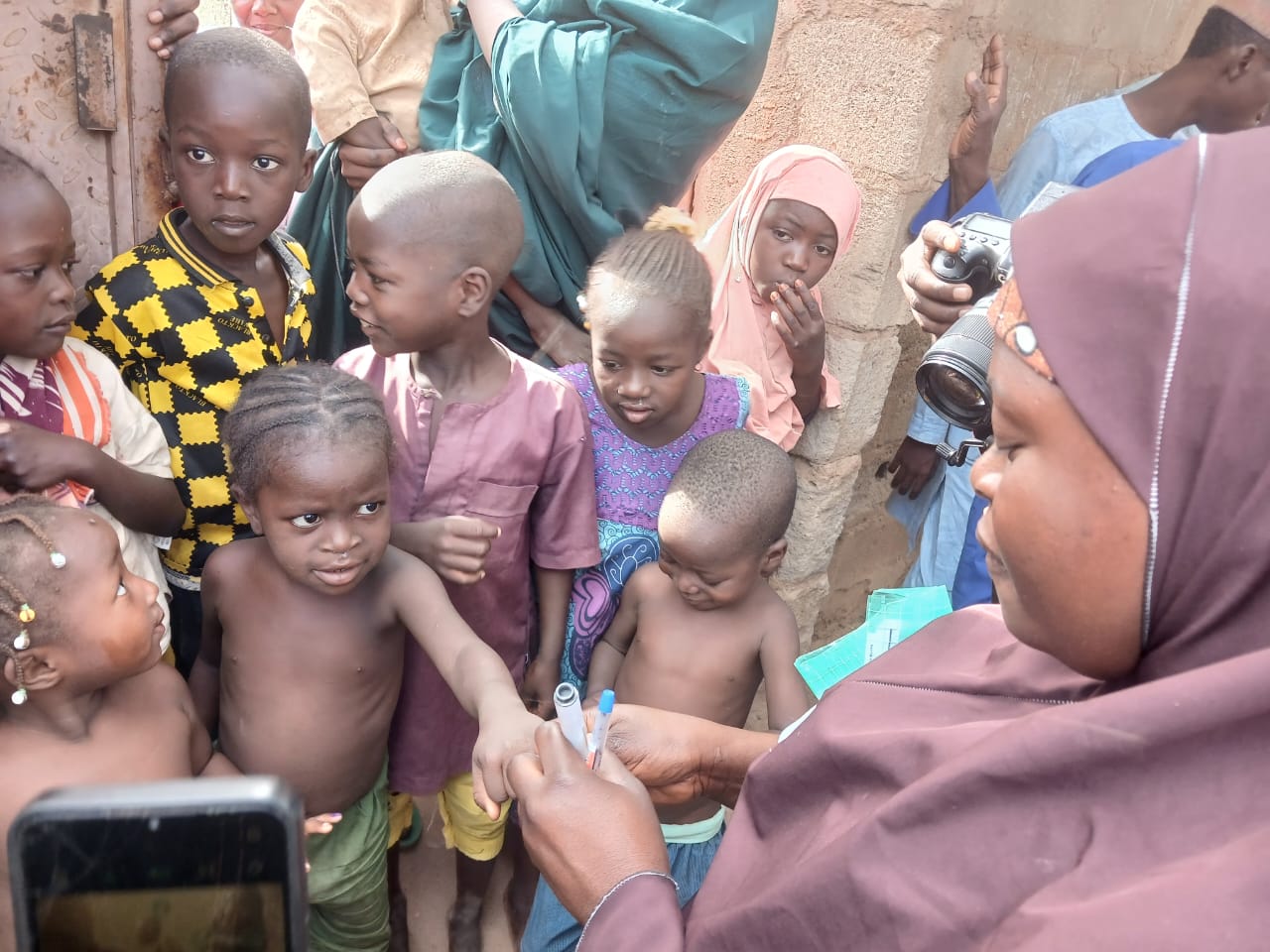
The Gombe State Primary Health Care Development Agency is leading efforts, with support from UNICEF, to increase immunisation coverage across the state.
The Executive Secretary of the agency, Dr. Abdulrahama Shuaibu, disclossed this in an interview with newsmen on Monday, after an immunisation review meeting.
Shuaibu said that the agency had stepped up advocacy and community outreach, working with traditional rulers, religious leaders, and the media to encourage parents to take their children for vaccination.
According to him, vaccination teams, chosen from within the local communities, receive full training and daily refresher sessions to ensure high-quality service delivery.
On the issue of resistance, Shuaibu assured parents that the agency and development partnets would not leave any stone unturned in ensuring every child was fully immunised.
Dr. Nuzhat Rafique, Chief of UNICEF Bauchi Field Office, said engagement and grassroots mobilisation had significantly improved awareness.
Rafique said traditional rulers and emirs were actively supporting the campaign by hosting launch events in their palaces.
“This involvement is important because it helps the campaign reach more people and work better,” she said.
According to her, UNICEF has provided more than 965,000 polio vaccine doses, which have been safely delivered and managed across all local government areas.
She noted that the campaign had strong support from all stakeholders
“The state government has ensured proper storage, handling, and delivery to field teams.
“The campaign is targeting over 700,000 children, with daily reports showing that more than 60 per cent of targets are being met, though final figures will only be confirmed after the campaign ends.
She, however, stated that the major focus was on the more than 50,000 zero-dose children—those who had never received any vaccination.
“Intensified efforts are underway to ensure none are left behind,” she added.
The UNICEF scribe expressed optimism that with the government and its partners, backed by strong leadership, community ownership, and sustained collaboration, Gombe State wss on track to achieve significant results in the remaining three days of the five-day campaign.
The News Agency of Nigeria (NAN), reports that the campaign is targeting more than 900,000 children between the ages of 0–59 months.
Gombe, UNICEF move to increase immunisation coverage
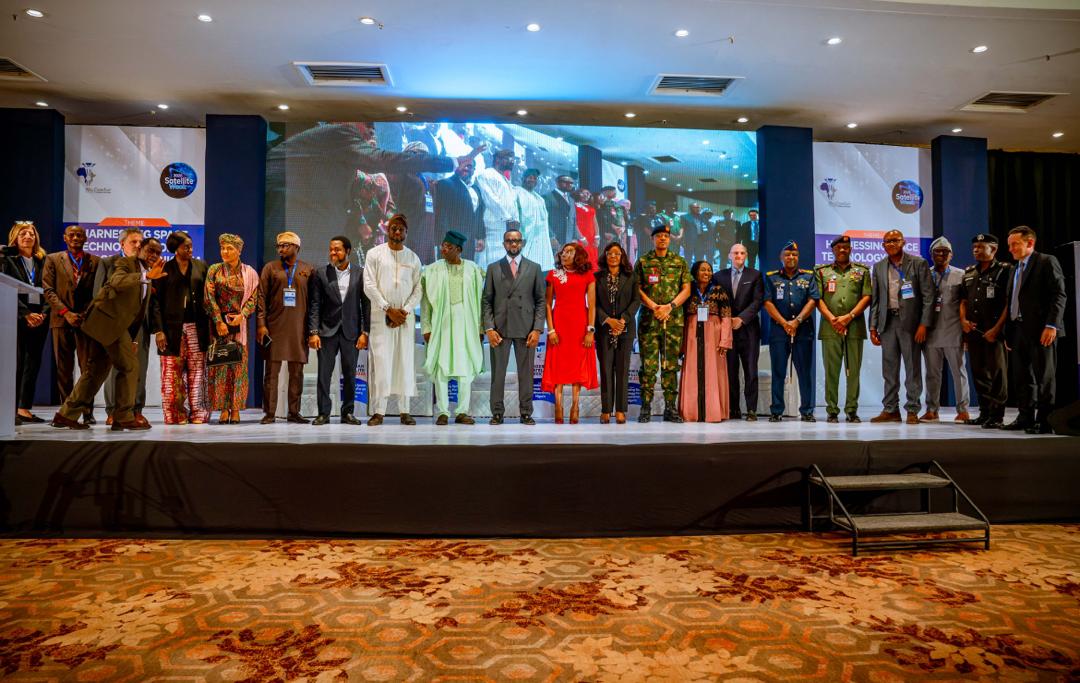
FG Targets Cross-Border Mobile Connectivity to Boost Security, Cut Internet Costs
By: Michael Mike
The Federal Government has unveiled plans to expand Nigeria’s mobile and digital connectivity beyond its borders as part of a broader strategy to strengthen national security and lower the cost of internet services across the region.
The initiative was disclosed on Monday during the second edition of the Nigerian Satellite Week 2026 held in Abuja and organised by Nigerian Communications Satellite Limited.

Speaking at the event, the Minister of Communications, Innovation and Digital Economy, Dr Bosun Tijani, said the Federal Government plans to extend Nigeria’s fibre-optic network into neighbouring countries as part of efforts to modernise digital infrastructure and tackle security challenges.
According to him, the administration of Bola Ahmed Tinubu is investing in about ninety thousand kilometres of fibre-optic infrastructure that will connect Nigeria with neighbouring countries including Cameroon, Niger, Burkina Faso and Chad.
Tijani explained that the regional connectivity project would help reduce the cost of internet capacity in neighbouring countries, where the price of connectivity is significantly higher than in Nigeria.
He noted that while the project would improve digital access and affordability, it would also support national security operations along the country’s borders.
“This fibre network will also provide opportunities for the military because it will run across our borders, which means we will have stronger capabilities for fibre sensing and surveillance,” the minister said.
He also highlighted Nigeria’s strategic advantage as the only country in West Africa operating its own communications satellite through Nigerian Communications Satellite Limited, noting that the platform plays a critical role in providing connectivity to remote and underserved communities.

According to Tijani, satellite infrastructure supports sectors such as agriculture, education, business and security, especially in areas where terrestrial networks are limited.
He commended President Tinubu for approving the acquisition of additional satellites, describing the move as a strong demonstration of the government’s commitment to building future-ready digital infrastructure.
The minister added that investments in infrastructure must be accompanied by practical applications capable of driving real development outcomes.
“Satellite technology is a powerful enabler, particularly in the area of security,” he said.
In her welcome remarks, the Managing Director of Nigerian Communications Satellite Limited, Jane Nkechi Egerton-Idehen, said the event reflects Nigeria’s growing commitment to harnessing space technology for national development.
She highlighted initiatives such as Project 774, which aims to provide satellite-enabled connectivity to all local government areas in Nigeria, ensuring that rural and underserved communities are not left behind in the country’s digital transformation.
Egerton-Idehen also noted that the agency is strengthening its global partnerships, including collaborations with Eutelsat and the Kenya Space Agency, while Nigeria currently serves as Vice Chair of the Global Satellite Operators Association.
She explained that the role allows Nigeria to participate actively in shaping international satellite policy and spectrum management discussions.
Also speaking at the event, the Executive Vice Chairman of the Nigerian Communications Commission, Dr Aminu Maida, emphasised the importance of satellite technology in strengthening communication systems and supporting critical services.
According to him, satellite infrastructure has become vital for communication, emergency response, education, security and broader technological advancement.
The Nigerian Satellite Week 2026 brings together policymakers, industry leaders, researchers and innovators to explore opportunities within the satellite and digital infrastructure ecosystem.
Participants say the event provides a platform for collaboration aimed at positioning Nigeria as a leading force in Africa’s rapidly expanding digital and satellite economy.
FG Targets Cross-Border Mobile Connectivity to Boost Security, Cut Internet Costs

Nigeria Secures Strategic Role in Global Digital Economy at World Data Organization Launch

FG, Benue, UNHCR Partner to Deliver Life-Saving Support to 100,000 Displaced Persons

Gombe, UNICEF move to increase immunisation coverage

Roger Federer’s Shock as DNA Results Reveal Myla and Charlene Are Not His Biological Children

THE PLIGHT OF FARIDA

FAILED COUP IN BURKINA FASO: HOW TRAORÉ NARROWLY ESCAPED ASSASSINATION PLOT AMID FOREIGN INTERFERENCE CLAIMS
-
 News2 years ago
Roger Federer’s Shock as DNA Results Reveal Myla and Charlene Are Not His Biological Children
-
Opinions4 years ago
THE PLIGHT OF FARIDA
-
 News12 months ago
FAILED COUP IN BURKINA FASO: HOW TRAORÉ NARROWLY ESCAPED ASSASSINATION PLOT AMID FOREIGN INTERFERENCE CLAIMS
-

 News2 years ago
EYN: Rev. Billi, Distortion of History, and The Living Tamarind Tree
-
 Opinions4 years ago
POLICE CHARGE ROOMS, A MINTING PRESS
-

 ACADEMICS2 years ago
A History of Biu” (2015) and The Lingering Bura-Pabir Question (1)
-

 Columns2 years ago
Army University Biu: There is certain interest, but certainly not from Borno.
-

 Opinions2 years ago
Tinubu,Shettima: The epidemic of economic, insecurity in Nigeria
