
News
FG Reaffirms Commitment to Strengthening Environmental Governance

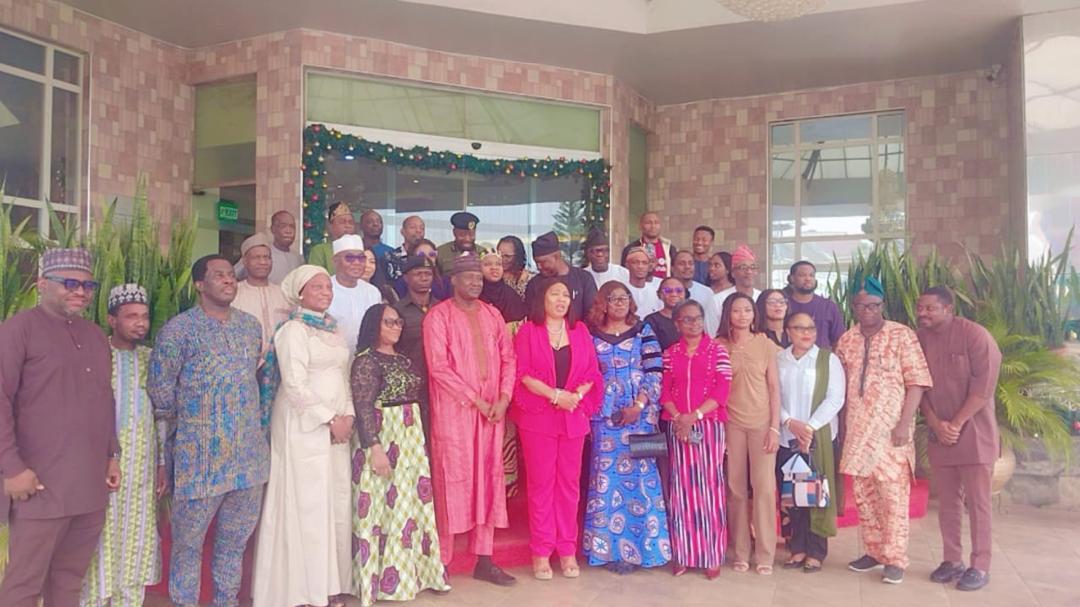
FG Reaffirms Commitment to Strengthening Environmental Governance
By: Michael Mike
The Federal Government has reaffirmed its commitment to strengthening environmental governance and improving the delivery of internationally funded environmental projects in the country.
The commitment was made on Monday in Abuja as the National Capacity Building Workshop on Project Oversight for the Global Environment Facility (GEF) Operational Focal Point and Implementing Partners commenced.
Declaring the workshop opened, the Minister of Environment, Balarabe Abbas Lawal, described the programme as timely and strategic, noting that Nigeria continues to grapple with a range of environmental challenges, including desertification, plastic pollution, biodiversity loss, oil contamination in the Niger Delta, and the growing impacts of climate change.
The Minister, who was represented by the Permanent Secretary in the Ministry, Mahmud Kambari stressed that addressing these challenges requires not only access to global environmental financing but also strong institutional capacity for effective planning, implementation, monitoring, and oversight of projects.
He acknowledged the Global Environment Facility (GEF) as a long-standing development partner, highlighting its significant contributions to biodiversity conservation, climate change mitigation, sustainable land management, and community-based environmental initiatives across the country, while noting that GEF-supported interventions have helped conserve hundreds of indigenous plant species, promote sustainable forest management, and support renewable energy and energy-efficiency initiatives aligned with Nigeria’s climate action goals.
Lawal further emphasized the role of GEF projects in addressing land degradation and enhancing food security through sustainable agriculture and landscape restoration. He cited flagship interventions that integrate nature-based solutions with livelihood resilience as clear examples of how environmental protection can be linked to socio-economic development.
The Minister also commended initiatives such as GEF GOLD+, which promotes mercury-free artisanal gold mining, and integrated landscape management projects in the Niger Delta aimed at transforming cocoa and palm oil production systems.
In the welcome remarks from the office of the Permanent Secretary of the Ministry of Environment, the importance of strong project oversight in translating GEF funding into measurable and lasting environmental outcomes was underscored.
The remarks which was read by the Director Planning, Research and Statistics in the Ministry, Agnes Aneke noted that the workshop was designed to strengthen Nigeria’s engagement with the GEF and ensure that stakeholders are fully equipped to manage the country’s project portfolio in line with international best practices.
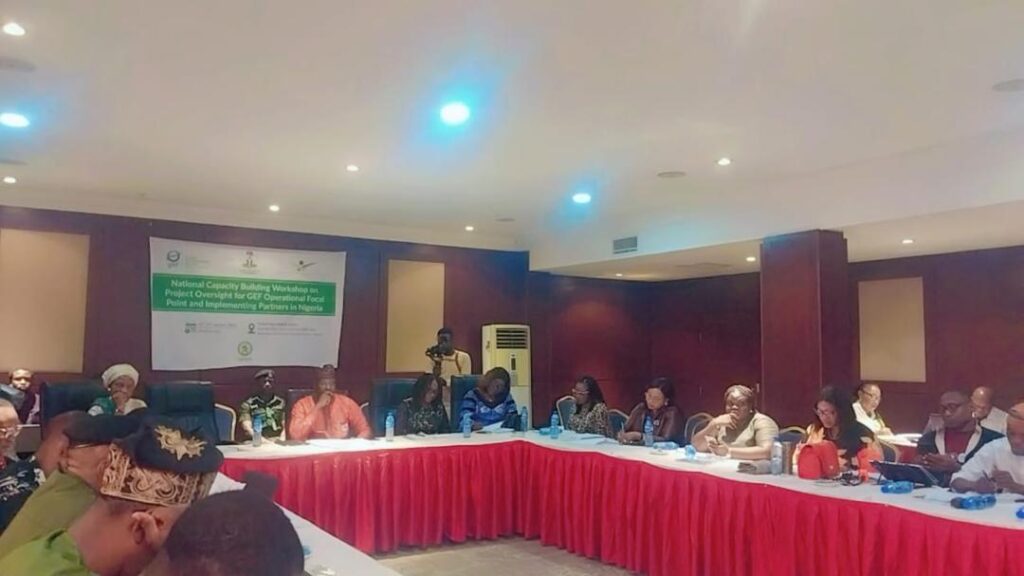
Aneke also noted that Nigeria has benefited from over three decades of partnership with the GEF, with interventions spanning biodiversity conservation, climate change mitigation and adaptation, land degradation control, international waters management, and the reduction of chemicals and waste. However, he emphasized that funding alone is not sufficient, stressing the need for effective coordination, technical competence, and robust monitoring and evaluation systems.
She said the Nigeria-focused training directly addresses the country’s pressing environmental challenges, including desertification, plastic waste proliferation, oil pollution in the Niger Delta, biodiversity loss, and increasing climate risks, while . explaining that participants would, over the two-day workshop, deepen their understanding of the roles and responsibilities of the GEF Operational Focal Point, implementing agencies, and other stakeholders, while also strengthening skills in reporting, communication, project visibility, and results-based management.
The workshop was organized by the Federal Ministry of Environment in collaboration with the Global Environment Facility, with technical support from the Tropical Biology Association (TBA). It builds on lessons from a recent regional training held in Ghana and is expected to enhance transparency, accountability, and overall performance in the implementation of GEF-supported projects in Nigeria.
Participants were drawn from government institutions, implementing agencies, civil society organizations, and convention focal points were urged to engage actively in the sessions, share experiences, and develop practical oversight strategies that align with Nigeria’s national development and environmental priorities.
The two-day workshop is expected to contribute to improved project performance, stronger partnerships, and more effective environmental interventions across the country.
FG Reaffirms Commitment to Strengthening Environmental Governance


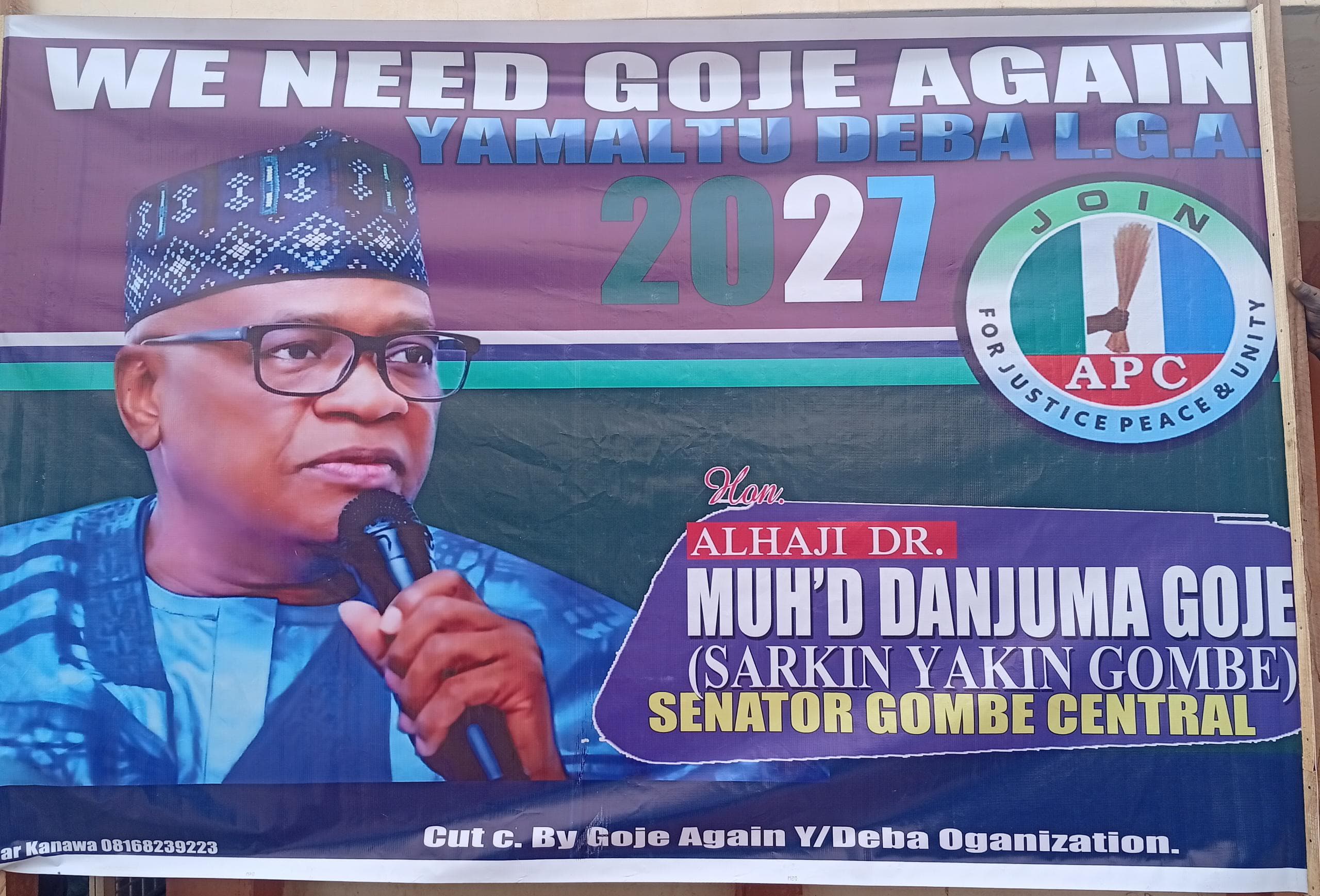
2027: Constituents declare support for Tinubu, Goje’s re-election
Yamaltu/Deba constituents have declared support for President Bola Tinubu and Senator Danjuma Goje’s re-election ahead of the 2027 General Elections.
Dr Newton Moses, declared the support in a statement read on behalf of the people of Yamaltu/Deba Local Government Area of Gombe State on Friday in Gombe.
Moses said voting for experienced leaders in 2027 remained key to addressing Nigeria’s challenges and delivering dividends of democracy to Nigerians.
He said the group’s decision to support Tinubu and Goje was guided by patriotism, and a sincere desire to see competent, and result-driven leadership that would benefit their constituents and the country.
He said that Goje’s leadership in the past 16 years at the Senate has benefitted the constituents and given effective representation to the people of Akko and Yamaltu/Deba LGAs that make up the district.
He dismissed allegations that the people of Yamaltu/Deba have been marginalised and were demanding the seat to be zoned to Yamaltu/Deba and not Akko where Goje is from.
He said that the constitution did not impose any zoning limitation or tenure restriction on membership in the National Assembly, hence urged those seeking the seat to test their popularity through election.
“We are not part of that group saying Goje should not return to the senate in 2027; that is not the voice of the grassroots from Yamaltu Deba.
“ Goje has, over the years, built invaluable networks and acquired the experience necessary to effectively advocate for the interests of his constituency and contribute meaningfully to national development.
“ By returning Goje to the Senate, Gombe Central stands to gain even more.
“ His established influence will ensure greater access to federal opportunities, increased developmental projects, and stronger representation in critical national decisions,” he said.
The group further advised President Tinubu to stay away from those working to tarnish the good name of Goje, stating that Goje’s influence in Gombe was important for the success of the All Progressives Congress in 2027.
Moses said at a time when Nigeria is focused on economic recovery, institutional strengthening, and inclusive growth under Tinubu, it was imperative that proven leaders like Goje to continue contributing his expertise toward national progress.
2027: Constituents declare support for Tinubu, Goje’s re-election
Hope in the Hard Times: Ashlee Momoh Foundation Spreads Easter Joy to Military Widows
By Comrade Philip O. Ikodor
The Ashlee Momoh Foundation (AMF), a non-profit organization dedicated to supporting the families of fallen officers, marked the Easter season with a heartwarming outreach to military widows at different locations in Abuja and Nasarawa state, respectively on April 2nd, 2026. This thoughtful initiative was designed to bring joy, hope, and support to the widows of our fallen Military Officers, who have made immense sacrifices for their country.
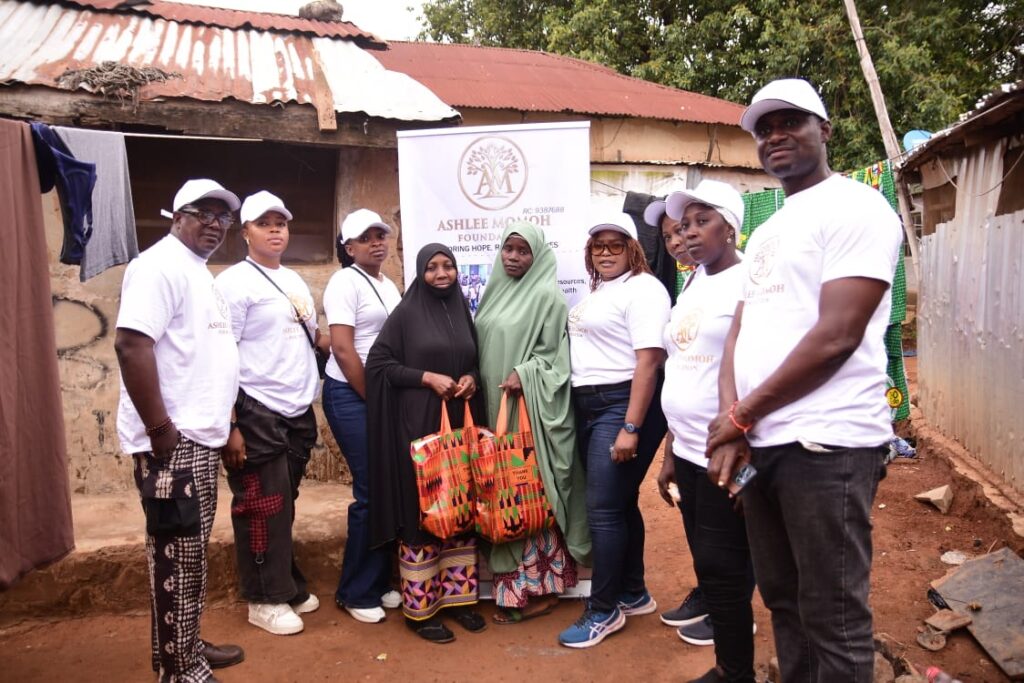
“Easter is the season of renewal, hope, and the triumph of light over darkness,” Princess Ashlee said. “It reminds us that even after the longest winter, spring arrives and even after the deepest sorrow, there is the possibility of a new dawn.” The outreach was designed to show support and encouragement to the military widows, and to felicitate with them on the occasion of Easter.
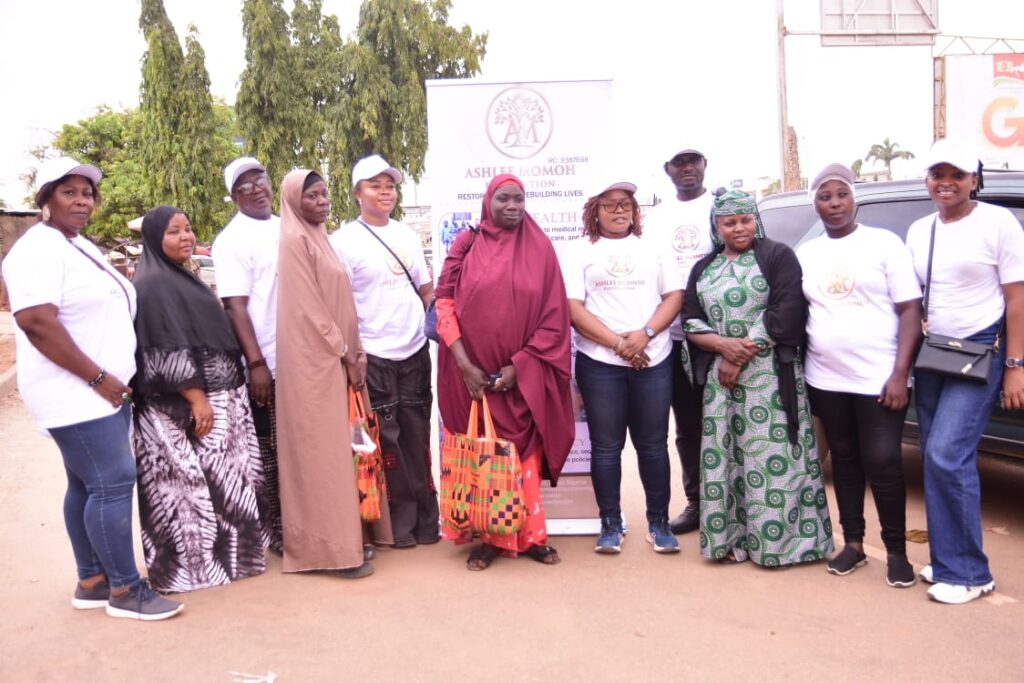
Princess Ashlee Momoh reassured the widows that while their loved ones are no longer physically present, their legacy lives on, and AMF is committed to standing with them, supporting them, and celebrating their strength. “Today, we celebrate you, our heroes’ widows, and the sacrifices you’ve made,” she said.
The event was filled with moments of joy and fulfilment, as beneficiaries received gift items, cash gifts, and scholarship opportunities. The Foundation also announced enlistment for skill acquisition and empowerment programs, aimed at equipping the widows with the tools they need to rebuild their lives.

The outreach was a testament to AMF’s unwavering commitment to supporting the families of fallen officers, and its dedication to making a positive impact in the lives of those who have made immense sacrifices for their country. As one beneficiary put it, “This Easter, we’ve received more than just gifts – we’ve received hope, love, and a sense of belonging.”

The Ashlee Momoh Foundation’s Easter outreach was a powerful reminder that even in the darkest moments, there is always hope, and that together, we can overcome any challenge.
Hope in the Hard Times: Ashlee Momoh Foundation Spreads Easter Joy to Military Widows
Six die, 12 injured in Kwara road crash
By: Zagazola Makama
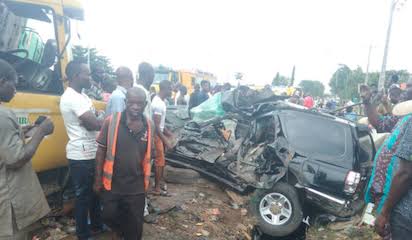
Six persons have been confirmed dead and 12 others injured in a fatal road traffic accident along the Okolowo–Jebba expressway in Kwara State.
Police sources said the accident occurred at about 6:00 a.m. on April 2 near Danjuma Bakery area, involving a Toyota Hummer bus and a stationary truck.
According to the sources, the bus with registration number BTR-161-XA was conveying 18 passengers from Lagos State to Katsina State when it rammed into a parked truck with registration number BUU-495-ZD.
The truck was reportedly driven by Kamarudeen Abdullahi, said to be from Jos North Local Government Area of Plateau State.
The impact of the collision resulted in the death of six passengers on the spot, while 12 others sustained varying degrees of injuries.
The injured victims were rushed to the University of Ilorin Teaching Hospital, Oke-Oyi, for medical attention, while the remains of the deceased were deposited in the hospital morgue for autopsy.
Police said investigation had commenced to determine the circumstances surrounding the crash.
Six die, 12 injured in Kwara road crash

2027: Constituents declare support for Tinubu, Goje’s re-election

Hope in the Hard Times: Ashlee Momoh Foundation Spreads Easter Joy to Military Widows

Police arrest newly recruited suspected ISWAP member in Kwara

Roger Federer’s Shock as DNA Results Reveal Myla and Charlene Are Not His Biological Children

THE PLIGHT OF FARIDA

FAILED COUP IN BURKINA FASO: HOW TRAORÉ NARROWLY ESCAPED ASSASSINATION PLOT AMID FOREIGN INTERFERENCE CLAIMS
-
 News2 years ago
Roger Federer’s Shock as DNA Results Reveal Myla and Charlene Are Not His Biological Children
-
Opinions4 years ago
THE PLIGHT OF FARIDA
-
 News12 months ago
FAILED COUP IN BURKINA FASO: HOW TRAORÉ NARROWLY ESCAPED ASSASSINATION PLOT AMID FOREIGN INTERFERENCE CLAIMS
-

 News2 years ago
EYN: Rev. Billi, Distortion of History, and The Living Tamarind Tree
-
 Opinions4 years ago
POLICE CHARGE ROOMS, A MINTING PRESS
-

 ACADEMICS2 years ago
A History of Biu” (2015) and The Lingering Bura-Pabir Question (1)
-

 Columns2 years ago
Army University Biu: There is certain interest, but certainly not from Borno.
-

 Opinions2 years ago
Tinubu,Shettima: The epidemic of economic, insecurity in Nigeria
