
News
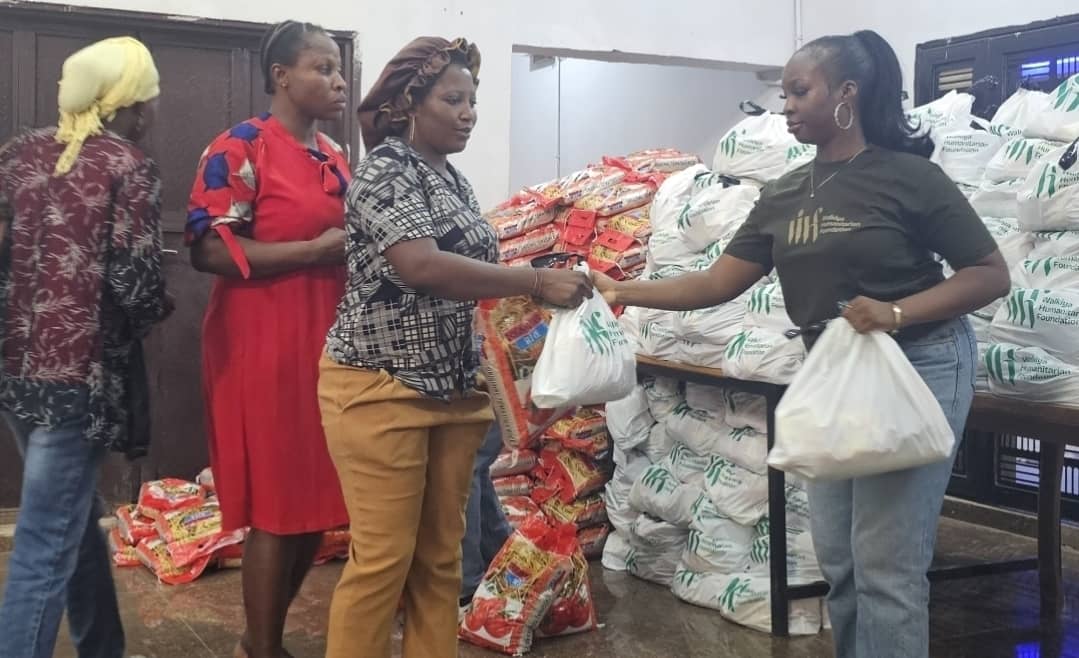
Foundation donates food to 500 women in Abuja

Foundation donates food to 500 women in Abuja
By: Michael Mike
Walkiya Humanitarian Foundation has stepped in to provide relief for vulnerable residents of the Federal Capital Territory, distributing food items to 500 women in the Jikwoyi area of Karu, Abuja.
The outreach, which took place on Saturday, formed part of the foundation’s annual humanitarian intervention aimed at cushioning the effects of rising food costs and helping households struggling to meet basic nutritional needs.
Addressing beneficiaries at the event, the Executive Director of the foundation, Dr. Dominic Egwuda, explained that the initiative was designed to reach individuals facing immediate food insecurity, particularly women who often shoulder the responsibility of feeding their families.
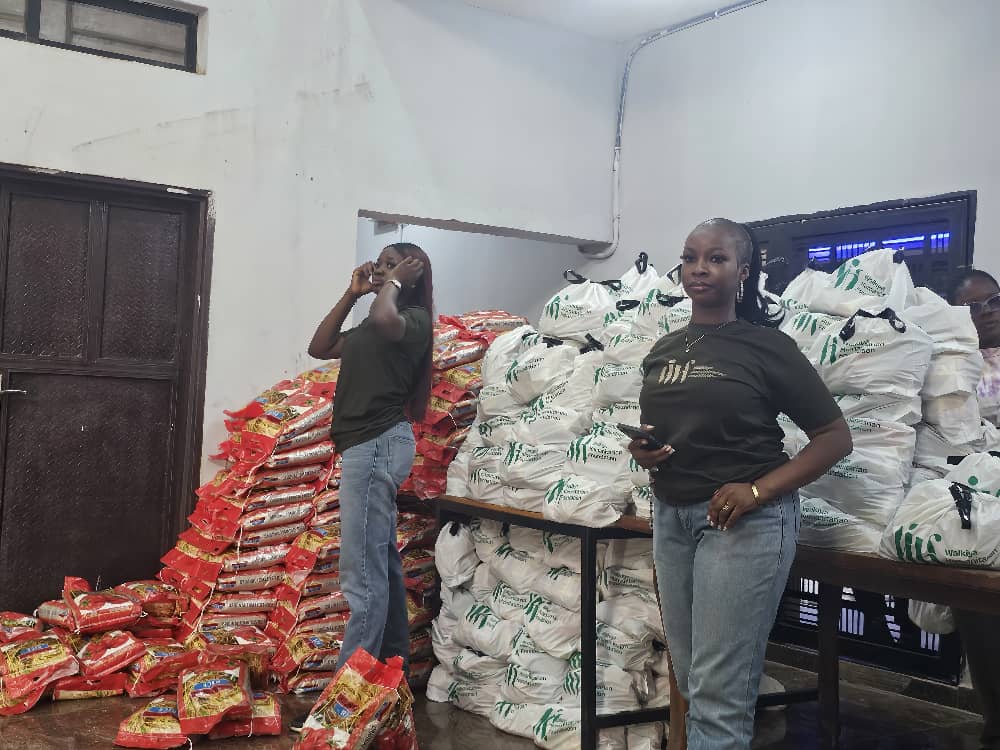
He explained that the food distribution exercise is part of the corporate social responsibility of the Walkiya Group of Companies, implemented through the Walkiya Humanitarian Foundation to support vulnerable citizens amid economic hardship.
He said: “This is a part of our social corporate responsibility of Walkiya Group of Company, which we operate under the umbrella of Walkiya Humanitarian Foundation.”
Egwuda stressed that beneficiaries were carefully selected across religious, ethnic and social lines, with the sole criterion being the inability to afford basic meals, in order to ensure inclusiveness and fairness.
“We needed people who cannot afford their next meal,people we have carefully selected from all cross of lives, Christian, Muslim, different tribes.”
He noted that women were prioritised because they bear the greatest burden of hunger within families, adding that empowering women directly has a wider societal impact.
“A woman is the one that bears the brunt of hunger in the family. And in doing this, if you empower a woman, you empower a nation.”
Egwuda further explained that the programme follows a transparent card-based selection process, excludes staff and their relatives, and is fully funded by the Walkiya Group of Companies, without government sponsorship.
“I don’t think any of our staff have anybody here because we stopped them ,we are not in partnership with any government. It is a welfare group of company that sponsored this program.”
He called on government to prioritise the welfare of the less privileged and to create an enabling framework that encourages more corporate organisations to invest in social responsibility initiatives.
“The government should look into the less privileged, create an enabling environment for people to do more social corporate responsibility.”
Egwuda disclosed that the food distribution exercise, which took about six months of planning and expanded from an initial target of 200 beneficiaries to 500, was valued at approximately four to five million naira.
“Estimatingly, we spent about four to five million naira to make sure that this thing goes round.”
Some of the beneficiaries described the gesture as timely and impactful. Janet Kalu said the food items would provide much-needed support for her household, especially during the festive period.
“This support came at the right time for my family, especially now that prices of food items are very high. The food we received will really help us during this festive period,” she said.
Another beneficiary, Amaka Emmanuel, expressed appreciation to the foundation, noting that the assistance would reduce the burden of providing daily meals for her family.
“I am very grateful to the foundation for this kind gesture. The food items will go a long way in supporting my family and easing our daily struggles,” she said.
She also offered prayers for the donors, asking for divine reward and replenishment of their resources.
“May God Almighty bless the people who made this possible and replenish whatever they have spent. I pray that God will reward them abundantly,” she added.
The foundation, in a message to stakeholders, called on government and the private sector to strengthen collaboration in addressing hunger and social welfare challenges.
“With stronger partnerships between government and corporate organisations, we can reach more vulnerable people and significantly reduce hunger and hardship in our communities,” the foundation stated.
Foundation donates food to 500 women in Abuja



Troops intercept 11 youths with donkeys during patrol in Borno
By: Zagazola Makama
Troops of 68 Battalion have intercepted 11 youths during a routine patrol in Mallam Fatori area of Abadam Local Government Area of Borno State.
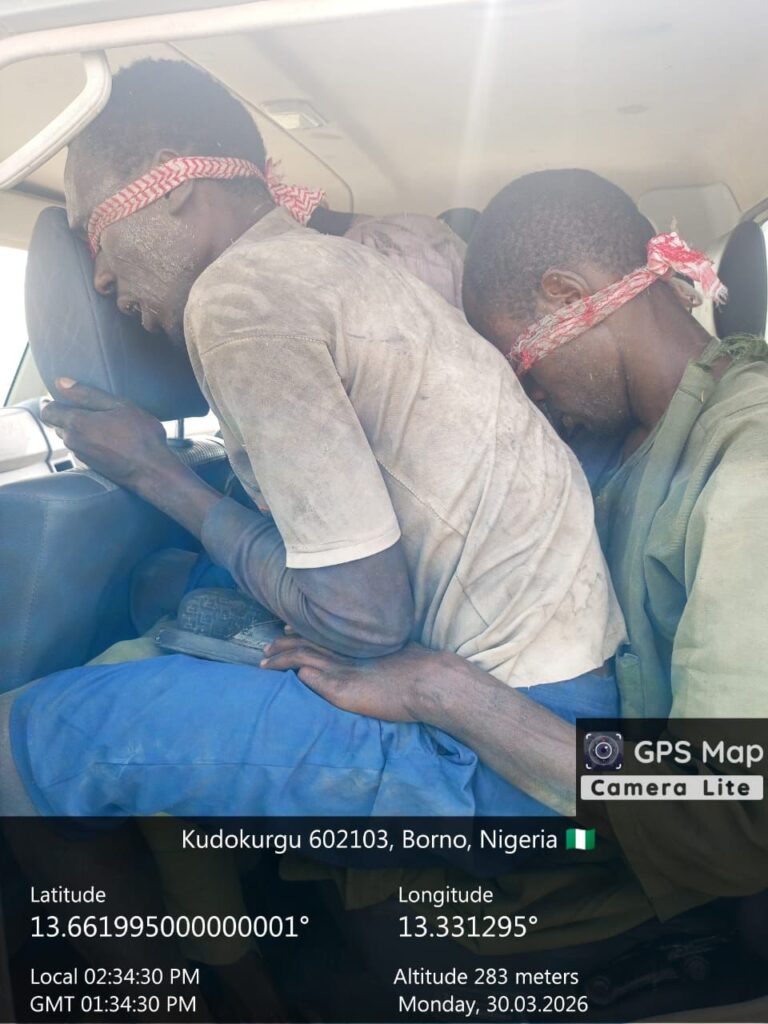
Security sources said the interception occurred along the Bulagana–Cheisa axis on April 2 during ongoing clearance operations in the area.
According to the sources, the individuals were found moving in the area with 12 donkeys when they were stopped and briefly interrogated by troops.
The sources added that the youths were later handed over, alongside the animals, to relevant authorities in a neighbouring country for further necessary action.
The military said the patrol was part of sustained efforts to maintain security dominance and prevent exploitation of border communities by criminal elements.
Troops intercept 11 youths with donkeys during patrol in Borno
Troops recover ammunition, logistics items in Kwara patrol operation
By: Zagazola Makama
Troops of the Nigerian Army under the 22 Brigade have recovered ammunition and other logistics items during a fighting patrol in Ifelodun Local Government Area of Kwara State.
A security source disclosed that the operation was conducted at about 4:00 p.m. on April 2 at Daban Lema, where troops of the brigade, operating from the Patrol Base, encountered signs of suspected terrorist activities in a deserted location.
According to the source, the troops immediately carried out exploitation of the area, leading to the recovery of four rounds of 7.62mm special ammunition and one empty PKT ammunition belt link.
Other items recovered include four mobile phones, two head warmers, two small solar panels, and assorted repair tools believed to have been used by the suspected terrorists.
The source added that the recovery indicates the presence and movement of suspected criminal elements within the area, noting that troops have intensified surveillance and patrols to deny them freedom of action.
Troops recover ammunition, logistics items in Kwara patrol operation
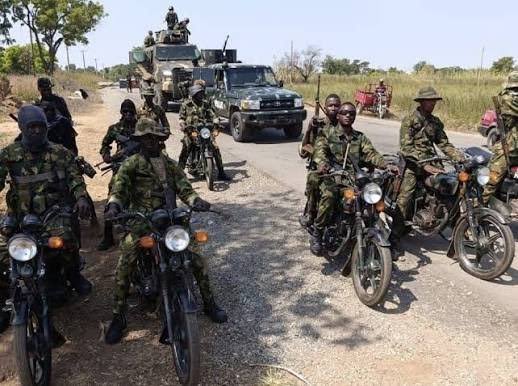
Troops foil attack by Criminal Youths, rescue victims, arrest suspects in plateau
By: Zagazola Makama
Troops of Sector 1, Operation Enduring Peace (OPEP), have foiled an attack on residents at Dutse Uku in Jos North Local Government Area of Plateau State.
A security source said the troops responded swiftly to a report of sporadic gunshots in the area at about 11:50 p.m. on April 2.
According to the source, upon arrival at the scene, the suspected criminals fled, abandoning their operation due to the prompt intervention of the troops.
He said the troops rescued two victims who sustained gunshot wounds during the incident and immediately evacuated them to a hospital for medical attention.
The source further disclosed that two suspects, dressed in black attire, were arrested at the scene.
Items recovered from the suspects include a cutlass and a knife.
He added that the suspects are currently in military custody and undergoing preliminary investigation, while efforts are ongoing to track down other fleeing members of the group.
Zagazola report that despite heightened security, there has been report of pocket of attacks in some communities.
The source reassured residents of the military’s commitment to protecting lives and property and urged the public to continue providing timely information to security agencies.
Troops foil attack by Criminal Youths, rescue victims, arrest suspects in plateau

Troops intercept suspected Boko Haram logistics convoy conveying 13 persons in Borno

Troops intercept 11 youths with donkeys during patrol in Borno

Troops, CJTF arrest three suspected Boko Haram logistics suppliers in Borno

Roger Federer’s Shock as DNA Results Reveal Myla and Charlene Are Not His Biological Children

THE PLIGHT OF FARIDA

FAILED COUP IN BURKINA FASO: HOW TRAORÉ NARROWLY ESCAPED ASSASSINATION PLOT AMID FOREIGN INTERFERENCE CLAIMS
-
 News2 years ago
Roger Federer’s Shock as DNA Results Reveal Myla and Charlene Are Not His Biological Children
-
Opinions4 years ago
THE PLIGHT OF FARIDA
-
 News12 months ago
FAILED COUP IN BURKINA FASO: HOW TRAORÉ NARROWLY ESCAPED ASSASSINATION PLOT AMID FOREIGN INTERFERENCE CLAIMS
-

 News2 years ago
EYN: Rev. Billi, Distortion of History, and The Living Tamarind Tree
-
 Opinions4 years ago
POLICE CHARGE ROOMS, A MINTING PRESS
-

 ACADEMICS2 years ago
A History of Biu” (2015) and The Lingering Bura-Pabir Question (1)
-

 Columns2 years ago
Army University Biu: There is certain interest, but certainly not from Borno.
-

 Opinions2 years ago
Tinubu,Shettima: The epidemic of economic, insecurity in Nigeria
