
News
Gombe ACReSAL distributes clean stoves to communities

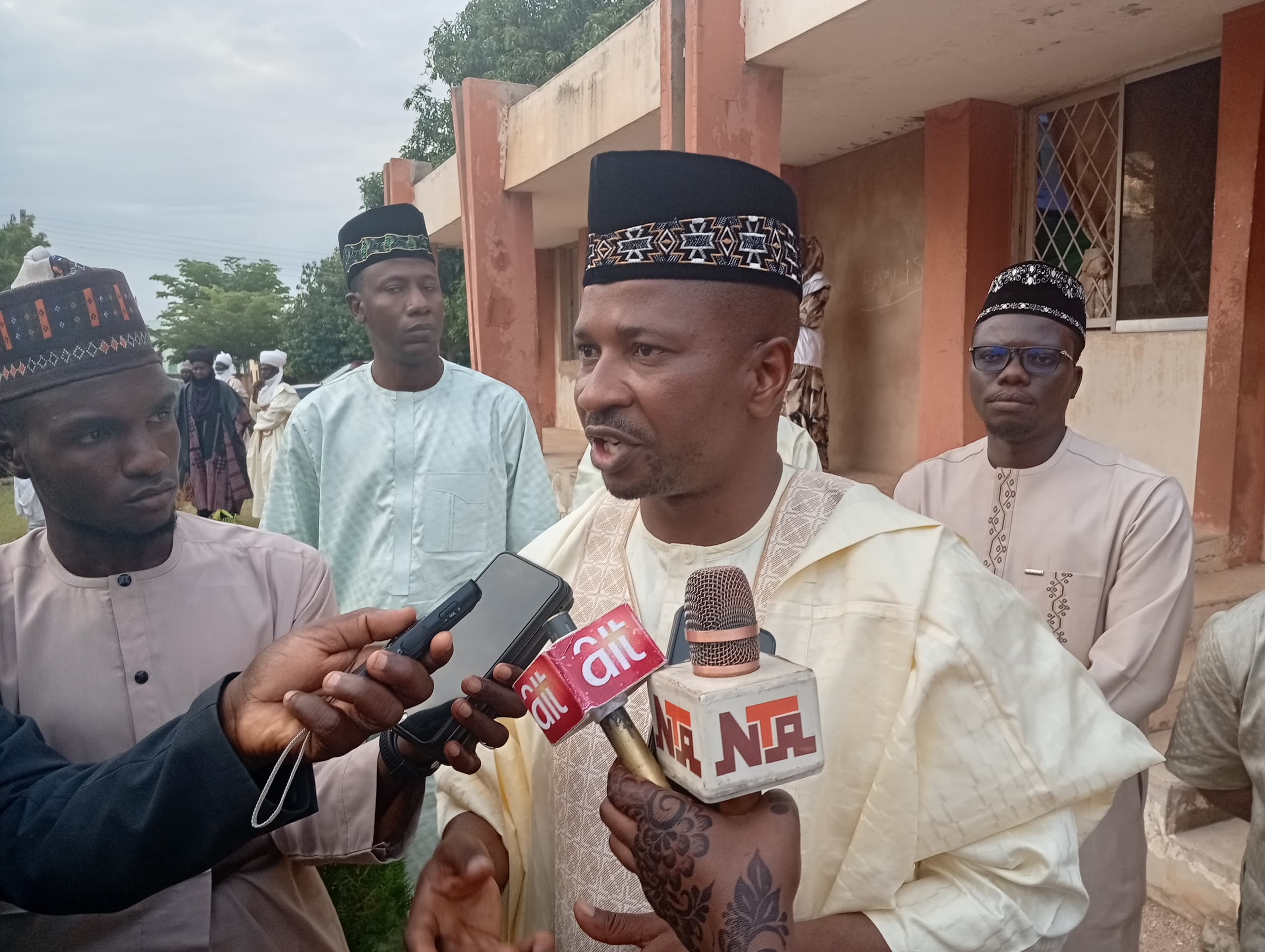
Gombe ACReSAL distributes clean stoves to communities
The Gombe State Agro-Climatic Resilience in Semi-Arid Landscapes (ACReSAL) Project has distributed energy-efficient cooking stoves to communities around the Federal College of Education (Technical), Gombe.
The beneficiary communities are those where erosion control projects had earlier been implemented.
Speaking during the distribution exercise on Wednesday in Gombe, the ACReSAL State Project Coordinator, Dr Sani Jauro, said the initiative was part of efforts to mitigate the impact of climate change.
Jauro explained that the stoves would help reduce dependence on traditional, inefficient cooking methods, which contribute to deforestation and greenhouse gas emissions.
He added that the stoves were designed to use less fuel and emit fewer pollutants, thereby reducing carbon emissions and improving environmental conditions in the affected communities.
According to him, the initiative aligns with the commitment of Gov. Inuwa Yahaya of Gombe to tackle deforestation and promote a holistic approach to addressing climate change.
“We have supported each of the nine communities with 100 pieces each and included some poultry houses and fish ponds owners with a total of 975 stoves.
“We are doing this to support the communities around FCE and also sensitise them against tree felling and on climate change issues,” the coordinator said.
Jauro said the tree planting campaign under ACReSAL had recorded great success, with millions of trees planted across the state.
He noted that the distribution of energy-efficient stoves was part of efforts to protect the planted trees and preserve the environment.
He urged residents to support the administration of Gov. Inuwa Yahaya by planting trees during the wet season as part of collective efforts to fight climate change.
According to him, ACReSAL is currently providing free tree seedlings to communities willing to engage in tree planting.
Earlier, the Shamakin Gombe, Alhaji Ibrahim Babayo, commended ACReSAL for the intervention, saying the stoves would benefit residents of the nine target communities and help reduce carbon emissions.
One of the beneficiaries, Mrs Sa’adatu Nuhu, a resident of Arawa community in Gombe Local Government Area, expressed gratitude for the support.
She said the energy-efficient stove would help her save money and protect her health from the harmful smoke associated with firewood use.
“Many of us are poor and cannot buy this stove, but today here we are being given without paying anything; this will save our money, since it is energy-efficient and saves cost of cooking.
“It will also reduce our reliance on fire-woods and protect our eyes from smokes, which usually, was beginning to pose health risk for us,” she said.
Gombe ACReSAL distributes clean stoves to communities


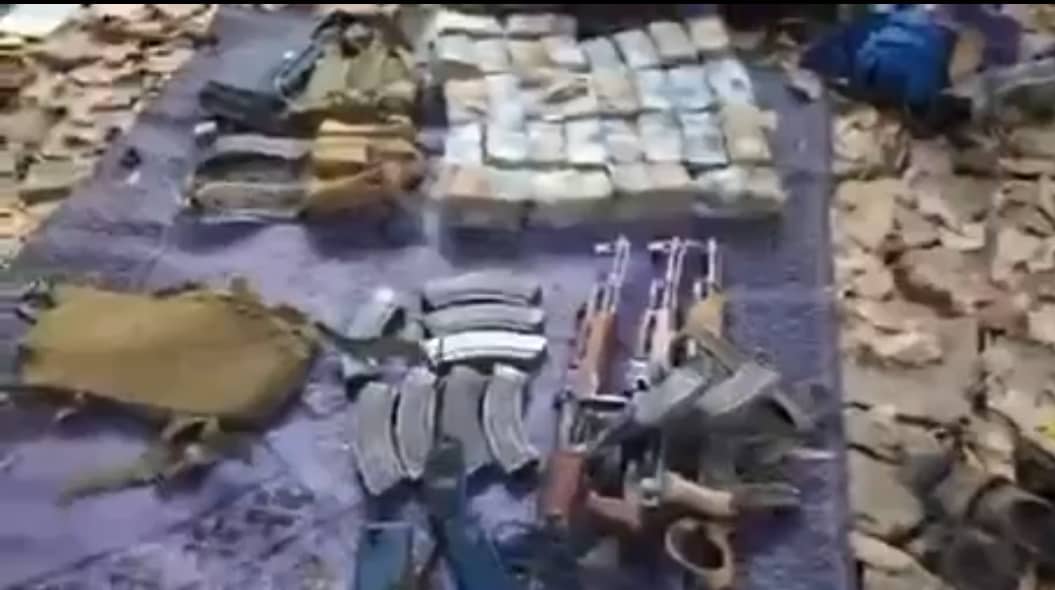
JNIM terrorists clashes with rival factions in rare encounter in Nigeria’s Kebbi state
By: Zagazola Makama
A suspected clash between rival terrorists factions has been reported in Kebbi State, raising fresh security concerns in the North-West region.
Sources said the incident occurred on April 4, when a group identified as Jama’at Nusrat al-Islam wal-Muslimin (JNIM) claimed it engaged a rival faction described as “Khawarij”.
The group alleged that one fighter was killed and another captured during the encounter, while three motorcycles and about N10 million were recovered.
However, the identity of the opposing group has yet to be independently verified.
Preliminary indications suggest the rival faction may be linked to Boko Haram or one of its splinter groups, though this remains subject to confirmation.
Security sources said the development could represent one of the first reported inter-jihadist clashes in the region.
JNIM terrorists clashes with rival factions in rare encounter in Nigeria’s Kebbi state
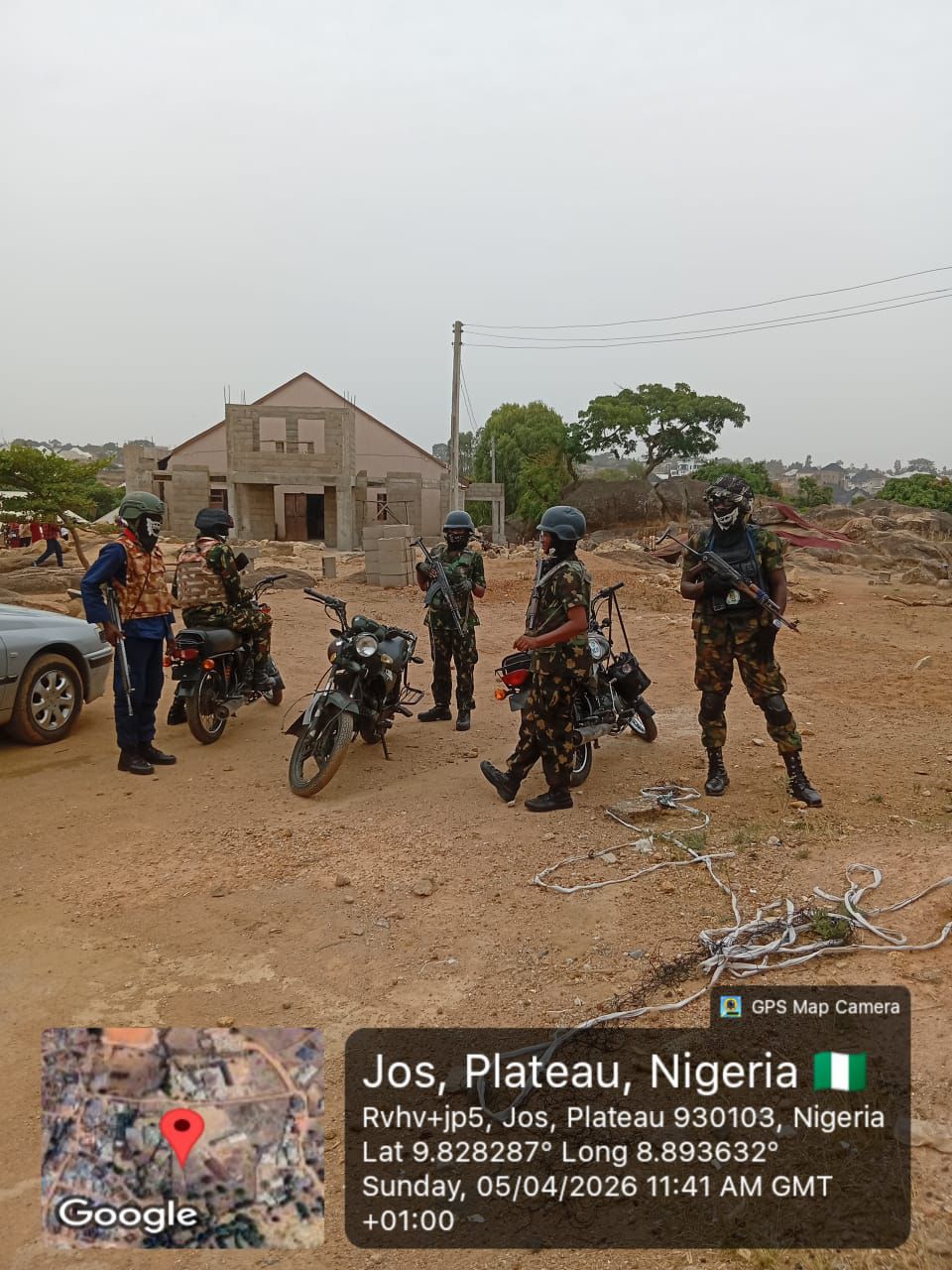
Troops foil mob attack, rescue suspected terrorist in Danmusa in Katsina
By: Zagazola Makama
Troops of 17 Brigade have foiled an attempt by a mob to lynch a suspected terrorist and burn down a police station in Danmusa Local Government Area of Katsina State.
Security sources said the incident occurred at about 4:30 p.m. on April 5, 2026, when troops deployed at Combat Team 1 in Danali village responded to a distress call from a Nigerian Police outpost in the area.
The police had reported that a large crowd attempted to set the station ablaze and attack personnel after a suspected terrorist was brought into custody.
Troops were immediately mobilised to the scene and successfully prevented further escalation of the situation, restoring order in the area.
During the intervention, police personnel reportedly fired tear gas to disperse the irate crowd, which led to injuries sustained by one civilian.
The injured victim was evacuated to a medical facility for treatment.
Security sources said calm had since returned to the area, while troops continued to maintain presence to prevent a resurgence of violence and ensure stability.
Troops foil mob attack, rescue suspected terrorist in Danmusa in Katsina
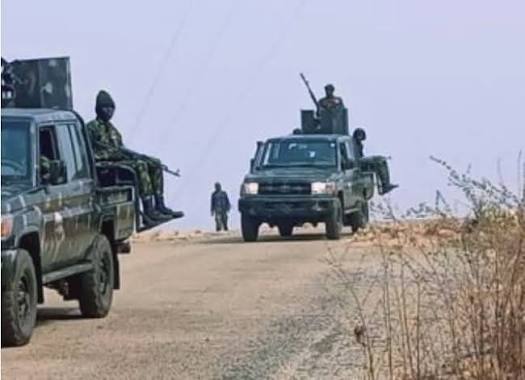
Plateau: troops launch manhunt after armed robbery attack in Bassa LGA
By: Zagazola Makama
Troops of Operation Enduring Peace have launched a manhunt for suspected armed robbers who attacked three civilians along the Jebbu–Miango–Rewienko road in Bassa Local Government Area of Plateau State.
Security sources said the incident occurred at about 8:55 p.m. on April 5, 2026, when the victims were reportedly ambushed by armed men who dispossessed them of their motorcycles before fleeing the scene.
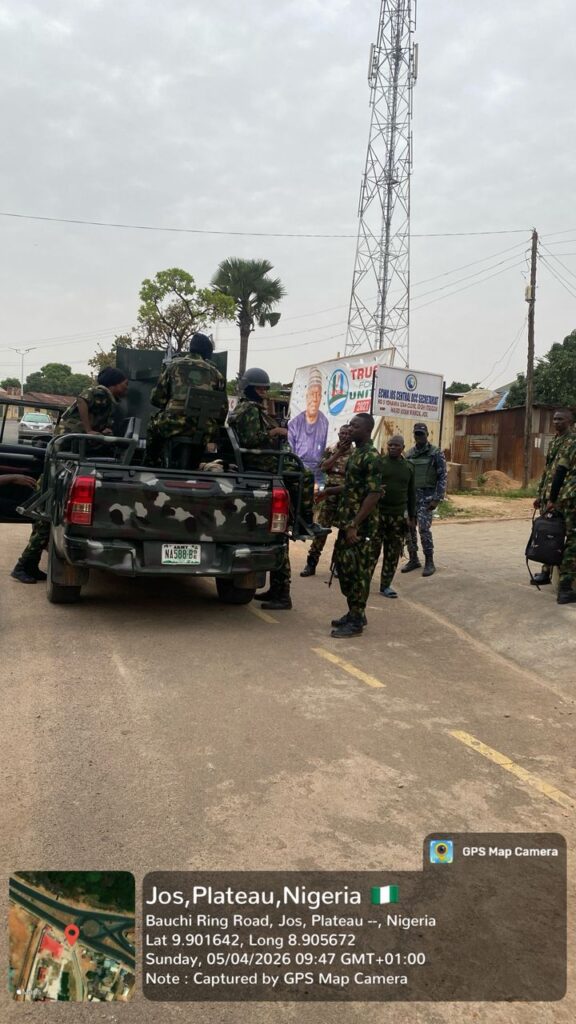
Troops of Sector 3 Operation Enduring Peace were immediately mobilised following the distress call but arrived after the attackers had escaped.
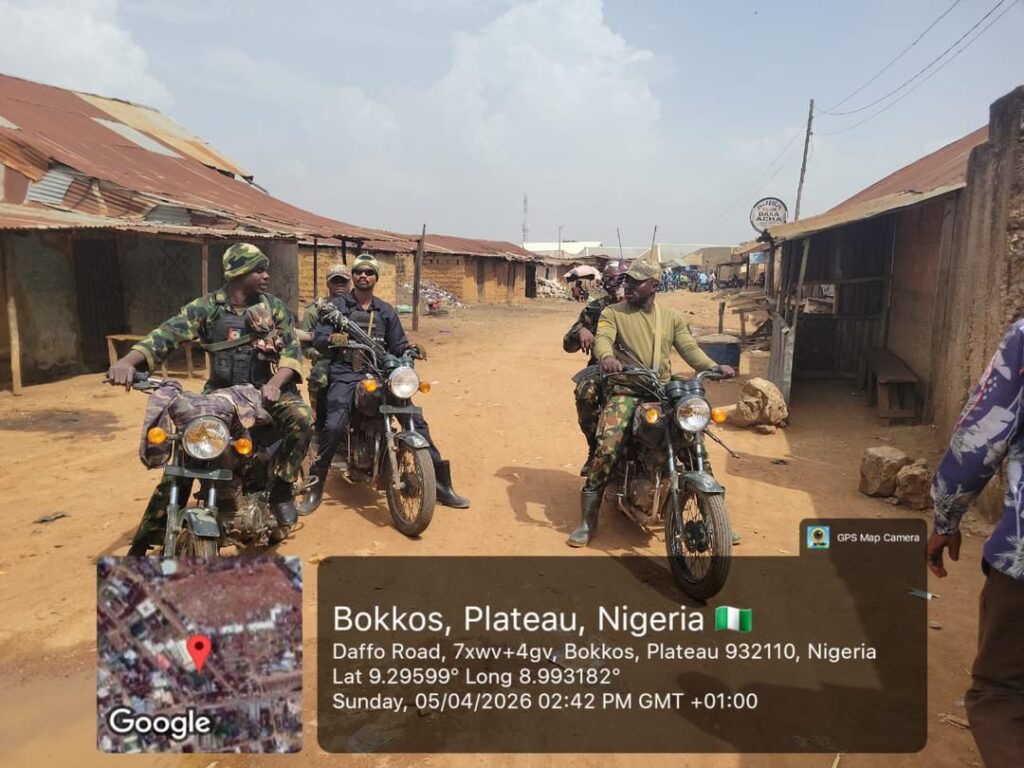
Efforts are ongoing to track and apprehend the fleeing suspects, while patrols have been intensified in the area to prevent further criminal activity.
Plateau: troops launch manhunt after armed robbery attack in Bassa LGA

JNIM terrorists clashes with rival factions in rare encounter in Nigeria’s Kebbi state

Troops foil mob attack, rescue suspected terrorist in Danmusa in Katsina

Plateau: troops launch manhunt after armed robbery attack in Bassa LGA

Roger Federer’s Shock as DNA Results Reveal Myla and Charlene Are Not His Biological Children

THE PLIGHT OF FARIDA

FAILED COUP IN BURKINA FASO: HOW TRAORÉ NARROWLY ESCAPED ASSASSINATION PLOT AMID FOREIGN INTERFERENCE CLAIMS
-
 News2 years ago
Roger Federer’s Shock as DNA Results Reveal Myla and Charlene Are Not His Biological Children
-
Opinions4 years ago
THE PLIGHT OF FARIDA
-
 News12 months ago
FAILED COUP IN BURKINA FASO: HOW TRAORÉ NARROWLY ESCAPED ASSASSINATION PLOT AMID FOREIGN INTERFERENCE CLAIMS
-

 News2 years ago
EYN: Rev. Billi, Distortion of History, and The Living Tamarind Tree
-
 Opinions4 years ago
POLICE CHARGE ROOMS, A MINTING PRESS
-

 ACADEMICS2 years ago
A History of Biu” (2015) and The Lingering Bura-Pabir Question (1)
-

 Columns2 years ago
Army University Biu: There is certain interest, but certainly not from Borno.
-

 Opinions2 years ago
Tinubu,Shettima: The epidemic of economic, insecurity in Nigeria
