
News
Is Russia Immune to Media Scrutiny in Africa?

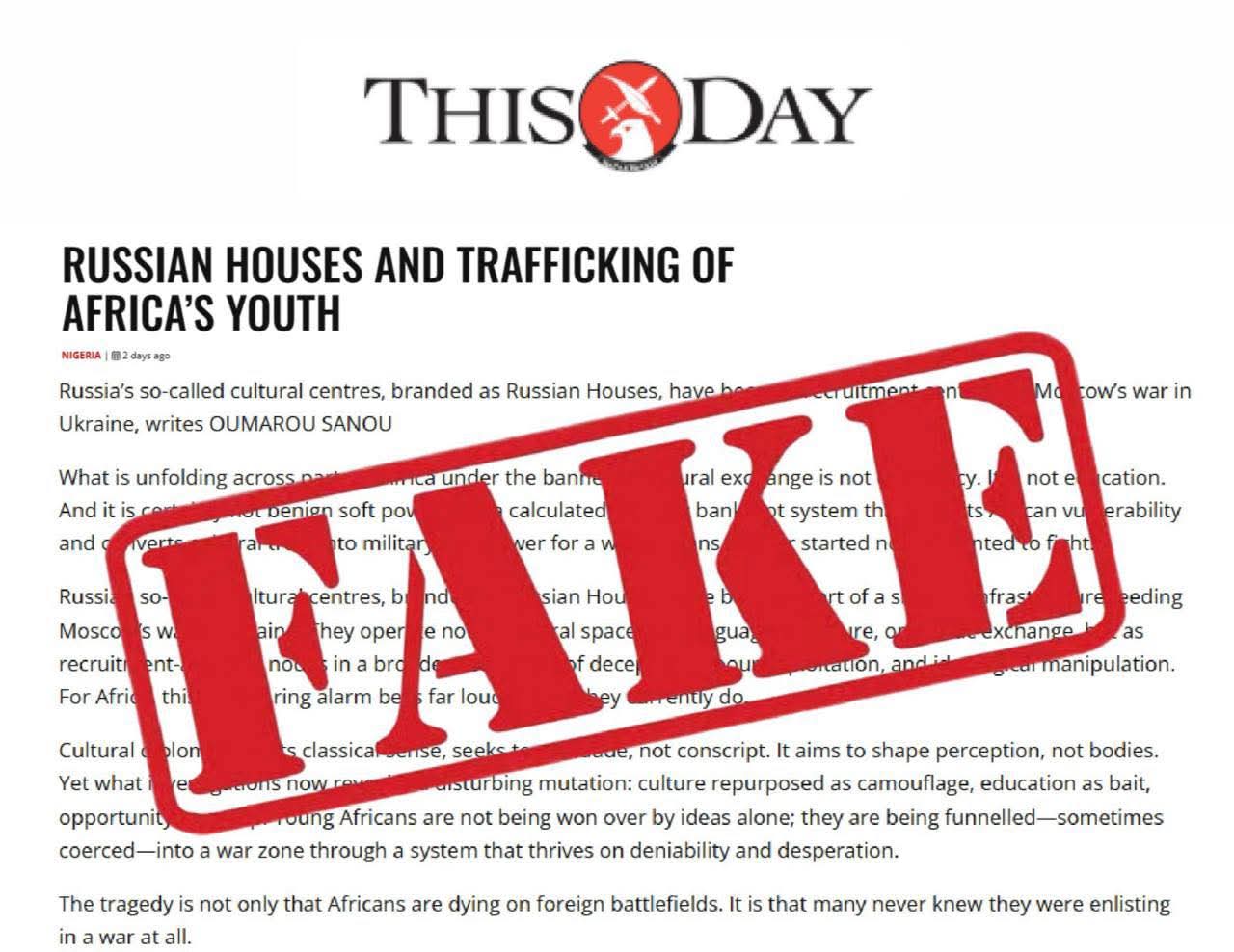
Is Russia Immune to Media Scrutiny in Africa?
•Press freedom, sovereignty and Africa’s refusal to be silence
By Oumarou Sanou
A dangerous precedent is emerging across Africa’s diplomatic and media landscape: the public targeting of individual journalists by foreign missions for simply asking difficult questions. The recent pattern of responses from the Russian Embassy in Nigeria toward African journalists and media platforms raises deeper concerns, not only about geopolitics but also about press freedom, sovereignty, and the dignity of African voices.
Bullying a single African journalist through official diplomatic channels is not merely a disagreement; it is an intolerable affront to free expression. Journalism exists to question power, whether domestic or foreign. When embassies shift from presenting facts to publicly discrediting individuals, the implication is clear: criticism will be punished personally rather than debated professionally. Today it is one journalist; tomorrow it could be an entire media ecosystem.
In recent months, respected outlets, including Premium Times, THISDAY, The Guardian Nigeria, and Leadership Newspaper, have faced unusually harsh diplomatic rebukes after publishing critical analyses. Prominent commentators such as Azu Ishiekwene and Richard Akinnola, as well as Oumarou Sanou, have also been singled out. Instead of counter-evidence, the response has often been personal accusations and insinuations of hidden sponsors. That approach undermines constructive dialogue and erodes trust in diplomatic engagement.
Let us be clear: journalists are human and can make mistakes. Professional reporting welcomes correction. If the facts are incorrect, present evidence, make the data open, and allow readers to judge. Insults, calumny and attempts to destroy professional reputations are not rebuttals; they are attempts to silence scrutiny. No foreign government should expect immunity from questioning on African soil.
Africa’s position in the evolving global order must remain principled and independent. Africans are not invested in the confrontation between Russia and the West; it is not our war. A genuine Pan-African perspective demands equal scrutiny of all external powers. If tomorrow credible evidence emerges that Britain, France, America, China or any other actor is recruiting Africans into foreign conflicts under deceptive pretence, the same criticism must apply. The principle is simple: African lives are not expendable tools in geopolitical struggles.
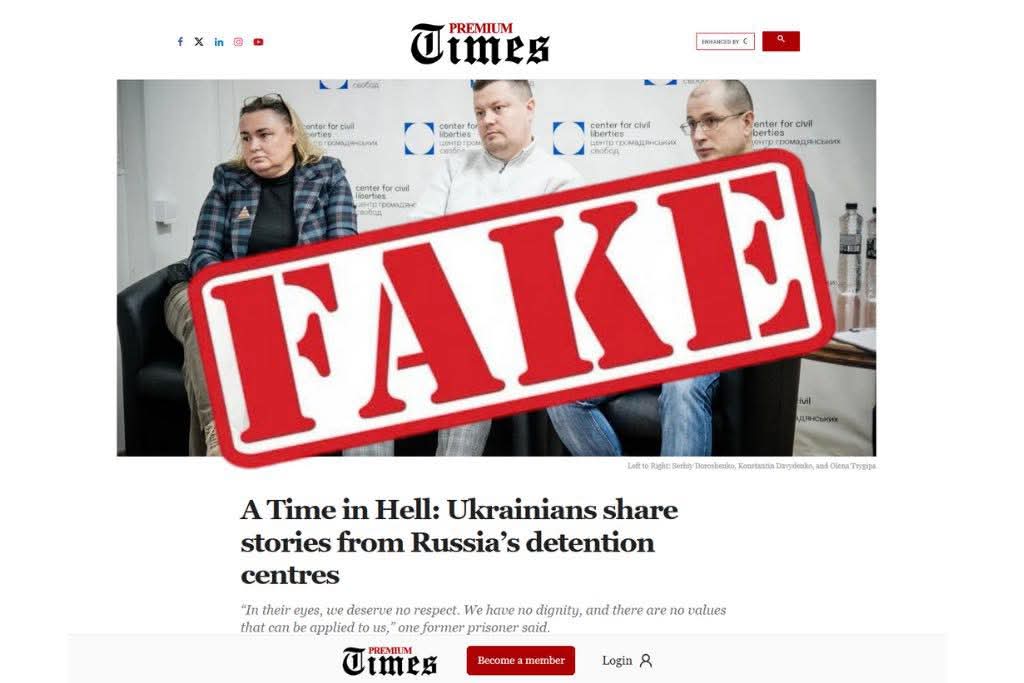
Reports of African nationals—including Nigerians—fighting and dying thousands of miles away in foreign wars raise serious ethical and security questions. Whether through informal networks, deceptive job offers, or shadow recruitment channels, African citizens are being drawn into conflicts that do not belong to them. Journalists who expose these risks are not attacking any nation; they are protecting their fellow Africans from exploitation and preventable tragedy.
Kenya’s recent stance offers a compelling example. Kenyan authorities publicly condemned the recruitment of their citizens into foreign conflicts and moved to close illegal agencies while seeking diplomatic explanations. That response signals a broader African awakening: governments must prioritise the safety and dignity of their citizens over the sensitivities of powerful partners. Nigeria and other African states would do well to adopt similar vigilance.
Beyond individual cases lies a deeper philosophical question. Neocolonialism today is not defined by flags or territorial control but by influence, dependency and narrative domination. Great powers—East or West—sometimes behave as though African voices must align with their geopolitical agendas. This assumption is unacceptable. Africans have their own interests, challenges and aspirations. We are not puppets in anyone’s strategic theatre.
Respect in diplomacy must be reciprocal. If a foreign embassy publicly attacked a journalist by name inside Moscow, Paris or Washington, would it be considered acceptable conduct? Sovereignty demands mutual respect, not selective outrage. African countries deserve the same diplomatic courtesy that global powers expect at home.
At the same time, African journalism must remain grounded in professionalism and evidence. Responsible reporting strengthens credibility and protects the integrity of public discourse. But professionalism cannot thrive in an atmosphere of intimidation. When journalists are targeted individually, the chilling effect extends far beyond the targeted individual; it discourages others from investigating sensitive issues of public concern.
The response from Africa’s media community must therefore be collective. Silence in the face of intimidation risks normalising it. Journalists, editors and civil society organisations should stand together to defend the right to ask difficult questions without fear of diplomatic retaliation. Protecting a single journalist ultimately concerns protecting the profession and safeguarding the democratic space.
Africa’s future in a multipolar world will depend on its ability to engage all partners while remaining fiercely independent. That independence begins with intellectual sovereignty: the freedom to question everyone and align with no external agenda. Whether criticism targets Russia, Western nations or any other power, the standard must remain consistent: facts over propaganda, dialogue over intimidation, and mutual respect over coercion.
No nation is above scrutiny. No African journalist should be silenced for doing the work that democracy demands.
Oumarou Sanou is a social critic, Pan-African observer and researcher focusing on governance, security, and political transitions in the Sahel. He writes on geopolitics, regional stability, and African leadership dynamics. Contact: sanououmarou386@gmail.com
Is Russia Immune to Media Scrutiny in Africa?


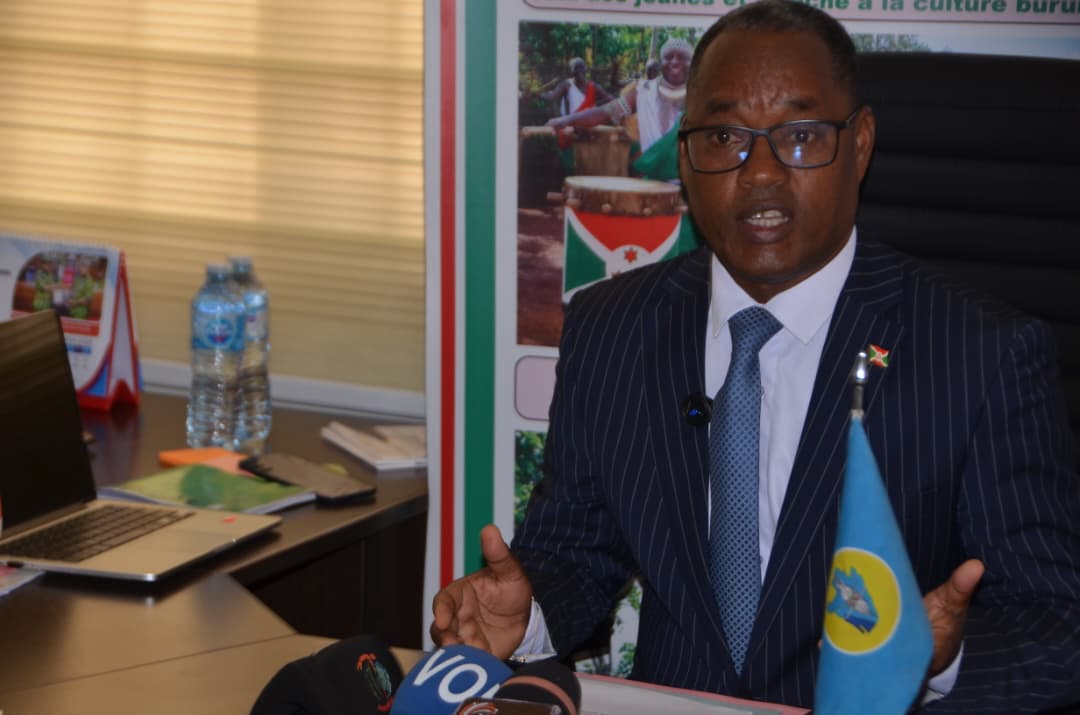
Nigeria Positions Itself for Global Space Leadership at Satellite Week 2026
Nigeria Positions Itself for Global Space Leadership at Satellite Week 2026
By: Michael Mike
Nigeria is set to sharpen its policy direction in the global space ecosystem as Nigerian Communications Satellite Limited prepares to host the 2026 Nigerian Satellite Week in Abuja.
The Managing Director of Nigerian Communications Satellite Limited, Jane Egerton-Idehen, disclosed this in a statement issued by the agency’s Head of Corporate Communications, Stephen Kwande, noting that the event will convene top government officials, regulators, and international stakeholders to shape the future of satellite governance and digital infrastructure.
Egerton-Idehen said the forum is coming at a critical time when countries around the world are strengthening their space capabilities as part of broader national development strategies.
According to her, satellite technology is increasingly linked to economic growth, national security, and digital connectivity, making strategic investments in space infrastructure a priority for many nations.
She explained that the conference is expected to attract high-level participation, including cabinet members, defence authorities, development finance institutions, and technology innovators from across Africa.
The NIGCOMSAT boss also highlighted Nigeria’s growing influence in global space policy, pointing to her emergence as Vice Chair of the Global Satellite Operators Association as a sign of the country’s expanding role in international satellite governance.
She further cited ongoing collaboration between Nigeria and the Kenya Space Agency as part of broader efforts to strengthen partnerships within Africa’s evolving space ecosystem.
Egerton-Idehen described the upcoming satellite week as both a reflection of Nigeria’s 20-year journey in satellite development and a strategic platform to define the country’s next phase in an increasingly competitive global space economy.
Nigeria Positions Itself for Global Space Leadership at Satellite Week 2026
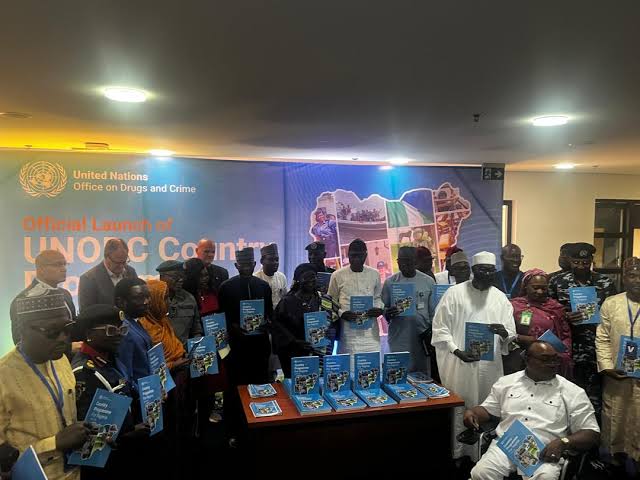
Burundi Presses Nigeria to Resume Crude Oil Supply, Seeks Deeper Economic Partnership
By: Michael Mike
The Ambassador of Burundi to Nigeria, Edward Nduwimana, has urged Nigeria to urgently resume the supply of crude oil to his country, warning that the suspension of the long-standing energy arrangement has continued to impact Burundi’s ability to address its energy deficit.
Nduwimana made the appeal during an interaction with journalists in Abuja, where he also called for the immediate convening of the Permanent Mixed Commission for Cooperation between both countries to revive stalled agreements and unlock new economic partnerships.
Nigeria had supplied Burundi with about 45,000 barrels of crude oil per day under a bilateral arrangement that ran between 2008 and 2014 before the agreement was halted amid reforms in Nigeria’s petroleum sector.
The envoy said the arrangement had played a crucial role in stabilising Burundi’s energy supply and supporting economic activities, stressing that its suspension created a significant gap in the country’s energy needs.
“Burundi wishes to express its gratitude to the Nigerian people, through their institutions, for the support provided since 2008 through the supply of crude oil,” he said.
“This support helped mitigate the effects of the energy deficit in my country. We understand that the suspension that occurred in 2014 took place in a particular context, driven by the government’s desire to restructure the sector.”
Despite the interruption, the ambassador expressed confidence that Nigeria would consider restoring the cooperation in the spirit of African solidarity and mutually beneficial partnership.
According to him, discussions are already underway to revive the arrangement as part of broader efforts to deepen bilateral relations between the two countries.
Nduwimana stressed that reconvening the Permanent Mixed Commission for Cooperation in 2026 has become urgent, noting that the last session of the commission was held in Bujumbura in 2021.
He explained that the proposed meeting would provide a platform for both governments to review previous commitments, resolve outstanding issues and chart a new roadmap for cooperation.
“The second session will represent an important step in strengthening bilateral cooperation between Burundi and Nigeria,” he said.
The envoy added that the meeting is expected to drive concrete progress in key sectors including trade, education, tourism, mining and agro-industry.
He said the discussions would also focus on strengthening legal frameworks and sector-specific agreements needed to accelerate joint projects and investment flows.
“Our ambition is to achieve concrete commitments that deliver tangible results for our two countries and their populations,” Nduwimana added.
Beyond diplomatic engagement, the ambassador extended an open invitation to Nigerian businesses and investors to explore opportunities in Burundi, which he described as an emerging investment destination in East Africa.
According to him, Burundi serves as a strategic gateway to the regional market of the East African Community and offers promising prospects in sectors such as agriculture, mining, energy, infrastructure and tourism.
“Burundi is a stable country, open for business, and committed to improving its investment climate,” he said.
“We invite economic operators from the West African region in general, and Nigeria in particular, to explore these opportunities and establish lasting and mutually beneficial partnerships.”
The renewed push for cooperation signals Burundi’s determination to revive its energy partnership with Nigeria while expanding economic ties beyond oil into trade, investment and regional market access.
Burundi Presses Nigeria to Resume Crude Oil Supply, Seeks Deeper Economic Partnership
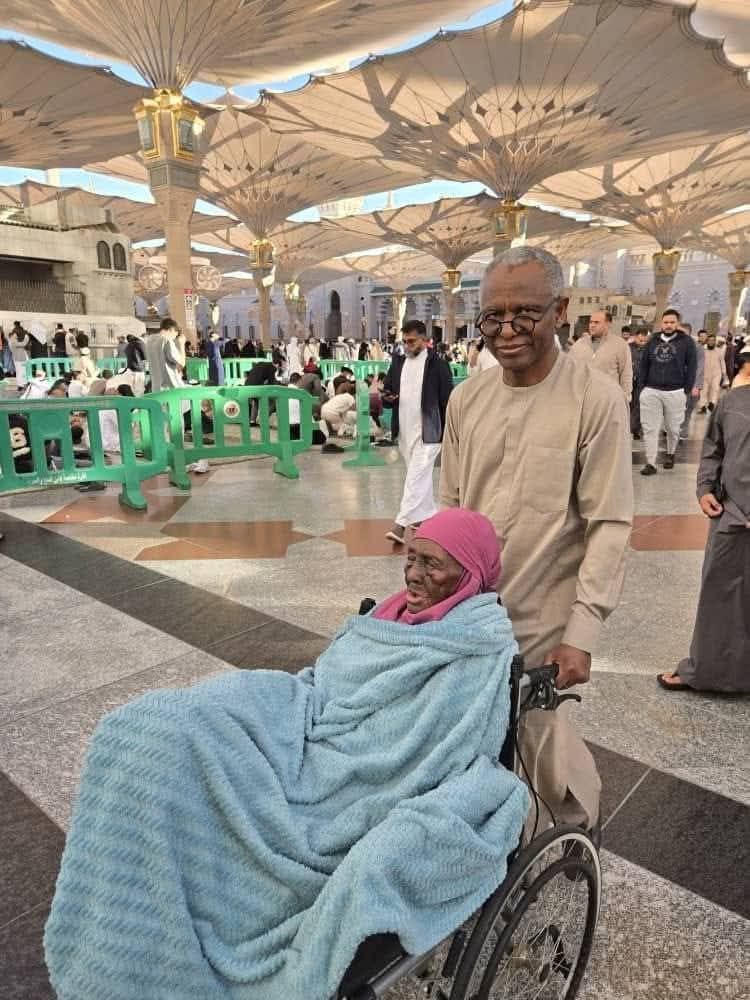
Former Kaduna governor El-Rufai loses mother
By: Zagazola Makama
The former Governor of Kaduna State, Nasir Ahmad El-Rufai, has lost his mother, Hajiya Umma, who passed away on Friday.
The announcement of her death was announced by the Elrufai Family on Friday.
Family sources said the deceased had been battling age-related health challenges, which worsened in recent times.
According to the sources, her condition reportedly deteriorated further after she learned of the detention of her son by the Independent Corrupt Practices Commission (ICPC).
They noted that El-Rufai had been closely managing his mother’s health prior to her demise.
The family prayed for Almighty Allah to forgive her shortcomings and grant her Aljannatul Firdaus.
Former Kaduna governor El-Rufai loses mother


Easter: Church Targets Spiritual Renewal, Community Impact with Power-Packed Programme

NIGCOMSAT to Host Nigerian Satellite Week 2026 as Nigeria Marks 20 Years in Space Economy

Roger Federer’s Shock as DNA Results Reveal Myla and Charlene Are Not His Biological Children

THE PLIGHT OF FARIDA

FAILED COUP IN BURKINA FASO: HOW TRAORÉ NARROWLY ESCAPED ASSASSINATION PLOT AMID FOREIGN INTERFERENCE CLAIMS
-
 News2 years ago
Roger Federer’s Shock as DNA Results Reveal Myla and Charlene Are Not His Biological Children
-
Opinions4 years ago
THE PLIGHT OF FARIDA
-
 News11 months ago
FAILED COUP IN BURKINA FASO: HOW TRAORÉ NARROWLY ESCAPED ASSASSINATION PLOT AMID FOREIGN INTERFERENCE CLAIMS
-

 News2 years ago
EYN: Rev. Billi, Distortion of History, and The Living Tamarind Tree
-
 Opinions4 years ago
POLICE CHARGE ROOMS, A MINTING PRESS
-

 ACADEMICS2 years ago
A History of Biu” (2015) and The Lingering Bura-Pabir Question (1)
-

 Columns2 years ago
Army University Biu: There is certain interest, but certainly not from Borno.
-

 Opinions2 years ago
Tinubu,Shettima: The epidemic of economic, insecurity in Nigeria
