
Crime
Meth, skunk consignments concealed in tomato pastes, clothes intercepted at airport

Meth, skunk consignments concealed in tomato pastes, clothes intercepted at airport
By: Michael Mike
Operatives of the National Drug Law Enforcement Agency (NDLEA) have intercepted consignments of skunk concealed in tins of tomato paste and methamphetamine hidden in used clothes, meant for export to Dubai, the United Arab Emirates.
These were part of seizures in the course of last which, according to the spokesman of the anti-narcotics agency, Femi Babafemi.
The statement signed by Femi Babafemi on Sunday read that the skunk in tomato pastes consignment weighing 20 kilogrammes was intercepted last Friday at the SAHCO export shed of the Murtala Muhammed International Airport, Lagos, while the meth shipment with a gross weight of 1.6 kilogrammes was seized at a courier company in Lagos.
Another consignment of 556 grammes of Canadian Loud sent from Canada to one Tunji Adebayo in Ikorodu, Lagos, he said was intercepted by NDLEA officers of the Directorate of Operations and General Investigation, DOGI, attached to courier firms.
He said though Adebayo was not home when operatives visited his house at 52, Aina Atoloye street, Ikorodu, he however directed his younger brother to sign for the package on his behalf. The brother was promptly arrested.
Also, NDLEA operatives last Monday raided the enclave of a notorious drug lord, Abdul Rauf (aka ‘Na God) in Akala, Mushin, Lagos, where 1,101 kilogrammes of Ghanaian Loud were recovered and three suspects arrested while the wanted kingpin remains at large.
In Kogi State, 22-year-old Agada Emmanuel was arrested with 77.4 kilogrammes cannabis last Thursday along Okene – Lokoja – Abuja expressway while a total of 369,980 pills of opioids were also recovered on the same road last Monday and the suspect linked to the seizure, Kabiru Abdullahi arrested in a follow up operation in Gombe state.
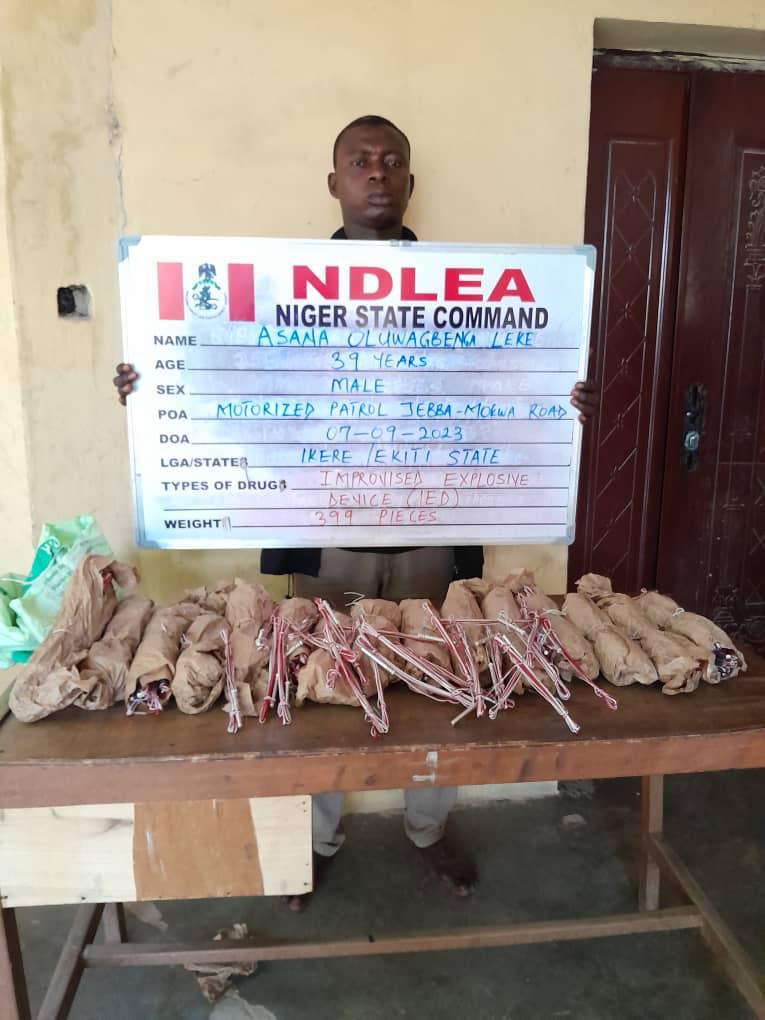
Babafemi said no fewer than 399 pieces of improvised explosive devices were recovered by NDLEA operatives from one Asana Oluwagbenga, 39, along Mokwa-Jebba road last Thursday. In his statement, the suspect said the explosives were handed to him at a park in Ibadan to be delivered to someone in Kaduna. The suspect and exhibits have since been transferred to the military authorities in Niger state.
In Ogun state, a follow up operation led to the arrest of Yinka Azeez at Sabo Lafenwa, Abeokuta on Tuesday 5th September following the seizure of 41 kilogrammes cannabis from Titilayo Adetayo at Sagumu Interchange the previous day. He said at least, two suspects: Muhammad Aliyu, 38, and Abdullahi Zakariya, 40, were arrested in Zaria-Kano Road and Haye Arewa, Hotoro, Kano, respectively over 426.5 kilogrammes of skunk seized from them last Tuesday.
He added that Onyeka Uzor, 25, was arrested at Idemili, Anambra state, with 64.8 kilogrammes skunk and tramadol, another suspect, Destiny Irabor was nabbed last Friday with over 180 kilogrammes of opioids loaded in his Toyota Sienna bus. In Kaduna, two suspects: Ahmed Yusuf and Rilwan Nura were arrested last Wednesday in connection with the seizure of 100 blocks of cannabis weighing 55 kilogrammes along Abuja road.
In Edo state, operatives stormed the Ekudo forest, Onwude LGA where they destroyed cannabis farms measuring 4.2 hectares. In the same vein, operatives last Thursday raided the house of one Amuodu Egwehide, 40, in Iloje Okpuje, Owan West local government area, where they recovered 22 bags of skunk weighing 261.4 kilogrammes, while a 60-year-old grandma, Mrs. Eunice Egwehide was arrested in the town same day with 17 kilogrammes of same substance seized from her.
He disclosed that Gapchiya Modu, 26, was arrested with 60 kilogrammes of cannabis along Kano-Nguru Road, Nguru, Yobe state, while in Imo state, 200 blocks of the same substance weighing 57kgs were recovered from Usim Orji, 45, along Aba-Owerri road on Wednesday 6th September.
READ ALSO:https://newsng.ng/police-witness-tells-iip-sars-how-peter-ekwealor-slumped-after-allegedly-confessing-to-killing-asp-akoh-ude/
After over two months of surveillance, NDLEA operatives last Wednesday arrested a wanted kingpin, Idoko Ifesinachi, 40, linked to the importation of 76.9 kilogrammes Canadian Loud intercepted in a container marked MSDU6686346 at the Port Harcourt Ports Complex, Onne, Rivers state on 2nd June. He was arrested at his hideout in Lagos and taken to Port Harcourt.
Babafemi said beside the various drug control efforts, the state Commands and other formations also continued the gency’s War Against Drug Abuse (WADA) advocacy campaigns to schools, worship places, palaces and local communities among others. Among them include WADA advocacy visit to His Royal Highness, Emir of Hadejia, Alhaji Adamu Abubakar Maji; the sensitization lectures conducted for members of Hairdressers Association, Ila Orangun; at RCCG, Dominion Tower, Port Harcourt, and for Muslim faithful at Harmony Estate central mosque, Ilorin, among others.
Meanwhile, the Chairman/Chief Executive of NDLEA, Brig. Gen. Buba Marwa (Retd) while commending the officers and men of the MMIA, Ogun, Lagos, Kano, Kaduna, Kogi, Anambra, Niger, Edo, Yobe, and Imo Commands of the agency as well as those of DOGI, for their balanced efforts in drug supply reduction and drug demand reduction activities, urged them and their compatriots across the country to keep up the good work.
Meth, skunk consignments concealed in tomato pastes, clothes intercepted at airport



Troops Arrest Suspect Over Killing of More Than 50 Cattle in Edo
By: Zagazola Makama
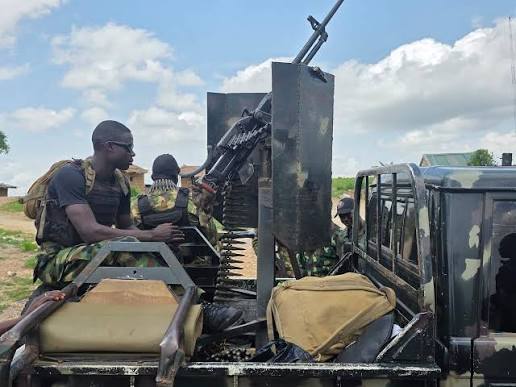
Troops of Operation MESA have arrested a suspected criminal linked to the killing of more than 50 cattle belonging to Fulani herders in Esan South-East Local Government Area of Edo State.
Security sources said that the suspect was arrested at about 4:30 a.m. on Thursday following credible intelligence on his whereabouts.
According to the sources, troops of 4 Brigade operating from the Forward Operating Base (FOB) in Uromi apprehended the suspect at his residence in Oloshi Main Town.
The suspect had reportedly been on the run since May 31, when he allegedly led an attack that resulted in the killing of over 50 cattle in the Oloshi general area.
The sources said the arrest was made after sustained efforts by security agencies to track down those involved in the incident.
Following his arrest, the suspect was handed over to the Nigeria Police Force for further investigation and possible prosecution.
Security agencies have assured residents that efforts are ongoing to apprehend other individuals connected to the attack.
Troops Arrest Suspect Over Killing of More Than 50 Cattle in Edo
Troops Arrest Suspected Kidnappers, Recover Two AK-47 Rifles in Magumeri Borno
By: Zagazola Makama
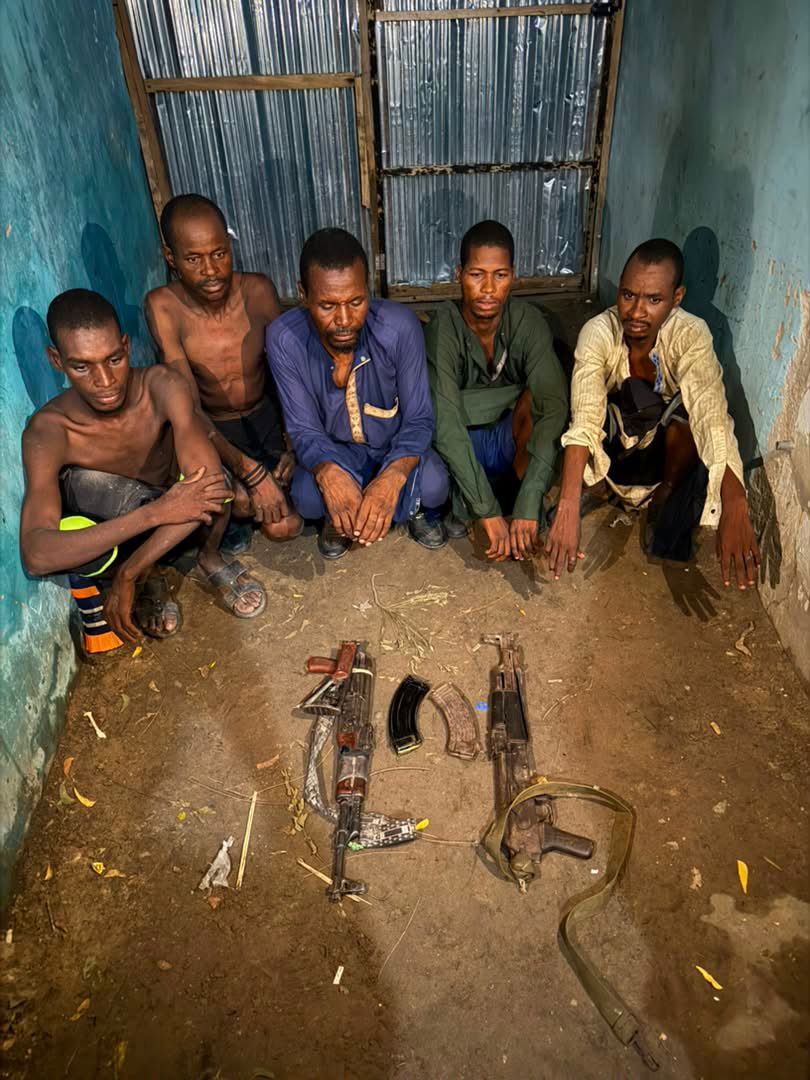
Troops of Operation HADIN KAI conducting an ongoing operation in Magumeri Local Government Area of Borno have arrested suspected kidnappers and recovered two AK-47 rifles from them.
Sources involved in the operation disclosed on Friday that the suspects were apprehended during a targeted security operation ahead of Magumeri town.
According to the sources, the operation led to the recovery of two AK-47 assault rifles believed to have been used by the suspects in criminal activities within the area.
The sources further revealed that preliminary interrogation of the suspects had yielded valuable intelligence that could assist security agencies in tracking and arresting other members of the kidnapping network.
“The suspects have provided useful information that can aid further operations and lead to the arrest of additional members of the criminal syndicate,” the source said.
The arrests are part of ongoing efforts by security forces to dismantle kidnapping and other criminal networks operating in parts of Borno State.
Security authorities have yet to issue an official statement on the operation, while investigations and follow-up actions are continuing.
Troops Arrest Suspected Kidnappers, Recover Two AK-47 Rifles in Magumeri Borno
Police Rescue Six Kidnap Victims, Recover Stolen Motorcycle in Zamfara
By Zagazola Makama
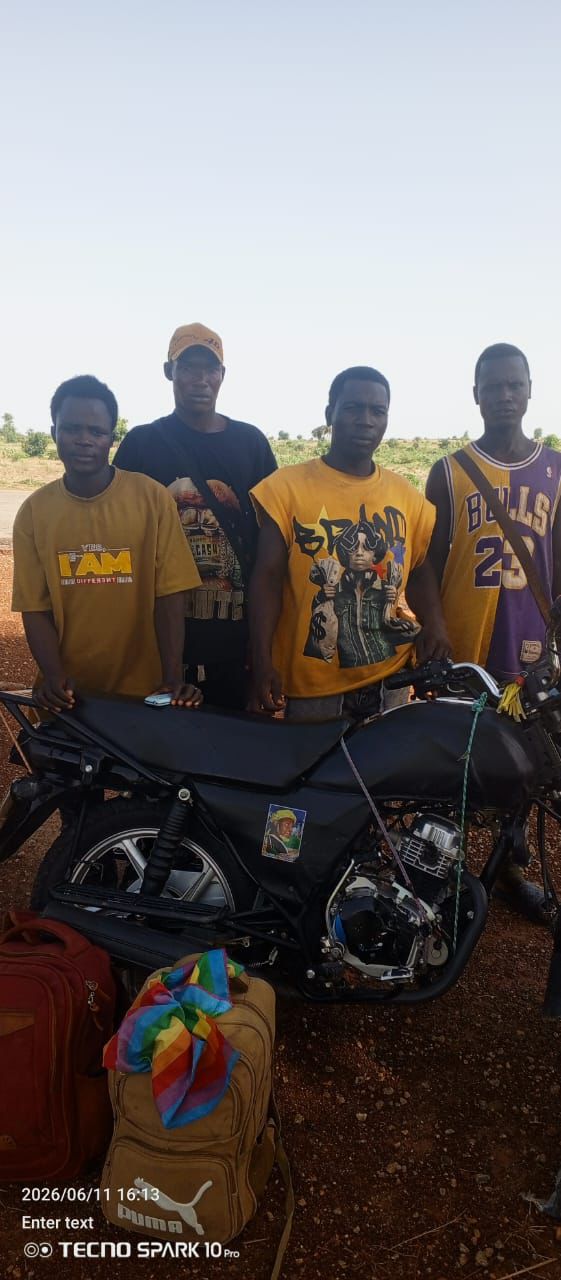
Operatives of the Zamfara State Police Command have rescued six kidnapped victims and recovered a stolen motorcycle following a gun battle with armed bandits along the Anka–Gurusu Road in Zamfara State.
The command said the operation was carried out at about 4:30 p.m. on Thursday by personnel of the Violence Crimes Response Unit (VCRU) during ongoing anti-banditry operations.

According to the police, the operatives received credible intelligence that heavily armed bandits had blocked the Anka–Gurusu Road and abducted six travellers along with their two motorcycles while they were travelling from Mayanchi village in Maru Local Government Area of Zamfara to Zuru Local Government Area of Kebbi State.
Acting on the information, the police team mobilised to the area and tracked the bandits to their hideout.
Upon contact, the suspects reportedly engaged the operatives in a gun duel.
The police said the operatives responded with superior firepower, forcing the bandits to flee into the surrounding forest with suspected gunshot injuries.
As a result of the operation, all six abducted victims were rescued unhurt, while one of the stolen motorcycles was recovered.
The second motorcycle was, however, taken away by the fleeing bandits.
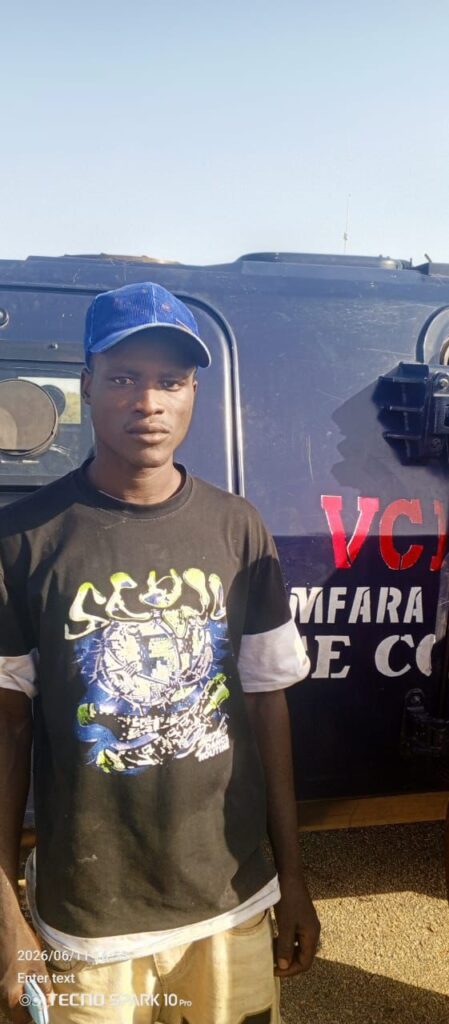
The command said efforts were ongoing to track down and arrest the suspects as well as recover the remaining motorcycle.
The Zamfara State Police Command reiterated its commitment to tackling banditry and other violent crimes across the state and urged residents to continue providing timely and actionable information to security agencies.
Police Rescue Six Kidnap Victims, Recover Stolen Motorcycle in Zamfara

Zulum Delivers Relief, Cash Support to 434 Ngoshe Residents Rescued from Boko Haram

DEMOCRACY AND THE COURAGE TO BELIEVE

Army Distributes Fertiliser to Farmers in Jigawa Under Civil-Military Cooperation Programme

Roger Federer’s Shock as DNA Results Reveal Myla and Charlene Are Not His Biological Children

THE PLIGHT OF FARIDA

FAILED COUP IN BURKINA FASO: HOW TRAORÉ NARROWLY ESCAPED ASSASSINATION PLOT AMID FOREIGN INTERFERENCE CLAIMS
-
 News2 years ago
Roger Federer’s Shock as DNA Results Reveal Myla and Charlene Are Not His Biological Children
-
Opinions4 years ago
THE PLIGHT OF FARIDA
-
 News1 year ago
FAILED COUP IN BURKINA FASO: HOW TRAORÉ NARROWLY ESCAPED ASSASSINATION PLOT AMID FOREIGN INTERFERENCE CLAIMS
-

 News2 years ago
EYN: Rev. Billi, Distortion of History, and The Living Tamarind Tree
-
 Opinions4 years ago
POLICE CHARGE ROOMS, A MINTING PRESS
-

 ACADEMICS2 years ago
A History of Biu” (2015) and The Lingering Bura-Pabir Question (1)
-

 Columns2 years ago
Army University Biu: There is certain interest, but certainly not from Borno.
-

 Politics1 year ago
2027: Why Hon. Midala Balami Must Go, as Youths in Hawul and Asikira/Uba Federal Constituency Reject ₦500,000 as Sallah Gift
