
News
Mignot: Africa/Europe Ties Destined, Rests on Mutual Respect


Mignot: Africa/Europe Ties Destined, Rests on Mutual Respect
By: Michael Mike
The European Union (EU) Ambassador to Nigeria and ECOWAS, Gautier Mignot has described the ties between the continents of Europe and Africa as destined and rest on long-term impact, sustainability and mutual respect.
Speaking at a reception organized for African Union and European Union in Abuja, Mignot said “the ties between both continents as a “community of destiny,” adding that Africa’s and Europe’s wellbeing are deeply interconnected.
He emphasized that the partnership rests on long-term impact, sustainability and mutual respect—principles he believes will continue to guide cooperation in the coming years.
The reception which marked the successful conclusion of the 7th African Union–European Union Summit and the 25th anniversary of the AU–EU partnership hosted by the European Union Delegation to Nigeria and ECOWAS, in collaboration with the Embassy of Angola, had in attendance envoys from both European and African countries.
The reception was jointly led by the EU Ambassador and the Ambassador of Angola, José Bamóquina Zau, whose country hosted the summit in Luanda at the end of November.
In his remarks, the EU Ambassador praised Angola for its hospitality, noting that the summit’s success was anchored largely on the commitment and support of the host government and people. He extended the appreciation of all participating delegations to Ambassador Zau and commended Angola for facilitating what he described as “a real sense of community” among nations.
Although President Bola Ahmed Tinubu was unable to attend the summit in Angola due to domestic engagements, Nigeria was represented by Vice-President Kashim Shettima.
The ambassador noted that the strong representation from both African and European sides underscored the significance attached to the partnership. According to him, the joint statement endorsed in Luanda by countries representing about 40 percent of the global community demonstrated unity and shared resolve.
He said the summit reaffirmed a shared commitment to a more inclusive global order and a fairer international financial system capable of addressing the needs of citizens across the two regions. Over the past 25 years, he added, the AU–EU partnership has matured into a platform that drives concrete results across critical areas including peace and security, economic transformation, green and digital transitions, education and regional integration.
Highlighting the Global Gateway Investment Strategy, Mignot noted that more than half of its 264 flagship projects are focused on Africa, with investment commitments of at least €150 billion.
He also cited major initiatives aligned with the AU Agenda 2063, including the €1.2 billion Team Europe programme supporting the African Continental Free Trade Area, and the Africa-Europe Green Energy Initiative targeting the delivery of 50 GW of renewable energy and electricity access for 100 million Africans by 2030.
He noted that despite occasional misconceptions about the strength of the relationship, but stressed that the EU remains Africa’s largest trading partner, leading investor, top provider of development and humanitarian assistance, and the biggest contributor to the African Peace and Security Architecture.
He highlighted youth mobility and women’s empowerment as areas of particular pride for the partnership.
On his part, Ambassador of Angola, José Bamóquina Zau on the event hosted in Angola, said: “Luanda stood up as a platform of hope and a symbol of the African desire to establish continuous relations with Europe in search of benefits of both sides.”
He said hope must be anchored on building channels of dialogue and cooperation in the areas of peace and security, trade and investment, governance, education and health, climate action, and digital transformation.
The envoy said: “We must guide our actions with a spirit of pragmatism, free from the prejudice and bureaucracy that so often hinder the implementation of important decisions taken together.”
He however stated that Africa cannot continue to be dominated by poverty while remaining a major supplier of essential raw materials to the world.
He added that: “We must to build a new, solid, and effective vision between Africa and European financial institutions, with investments in development. This is the most assertive way to avoid the suffocation caused by excessive debt burdens.”
He however said: “Our strategic partnership will only be strong and resilient if it aligns with the African Union’s Agenda 2063, and capable of responding to current global and local geopolitical challenges.”
Mignot: Africa/Europe Ties Destined, Rests on Mutual Respect


Troops arrest suspected ISWAP informant in Gombi, Adamawa
By: Zagazola Makama
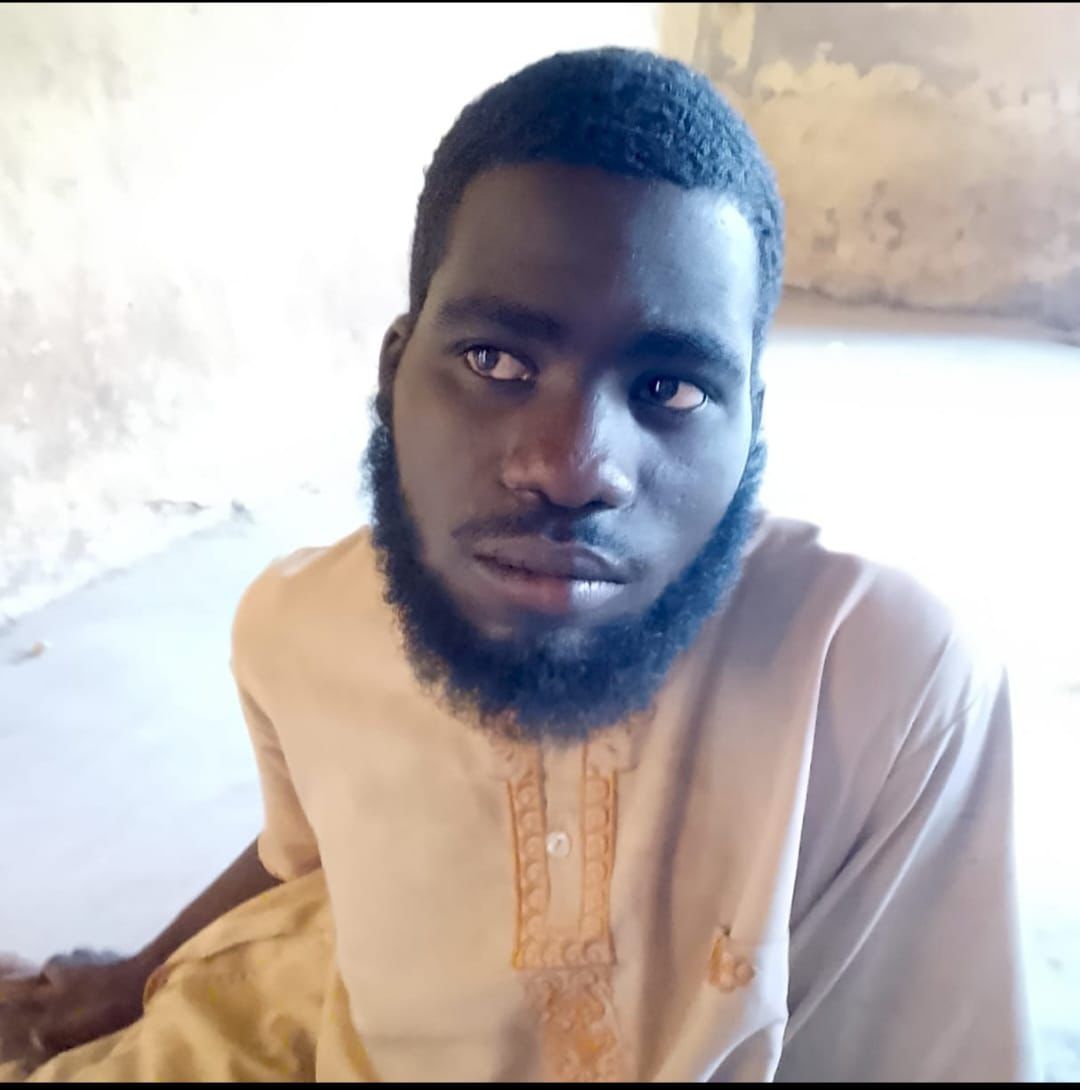
Troops of the Joint Task Force (JTF) Operation HADIN KAI, in conjunction with Civilian Hunters and the Vigilante Group of Nigeria, have arrested a suspected informant of the Islamic State West Africa Province (ISWAP) and Boko Haram Terrorists (BHT) in Gombi.
The suspect, identified as Abdullahi Umar, 25, a native of Gwoza, was apprehended on March 23 following credible intelligence on the presence of ISWAP elements within the 232 Battalion Tactical Area of Responsibility.
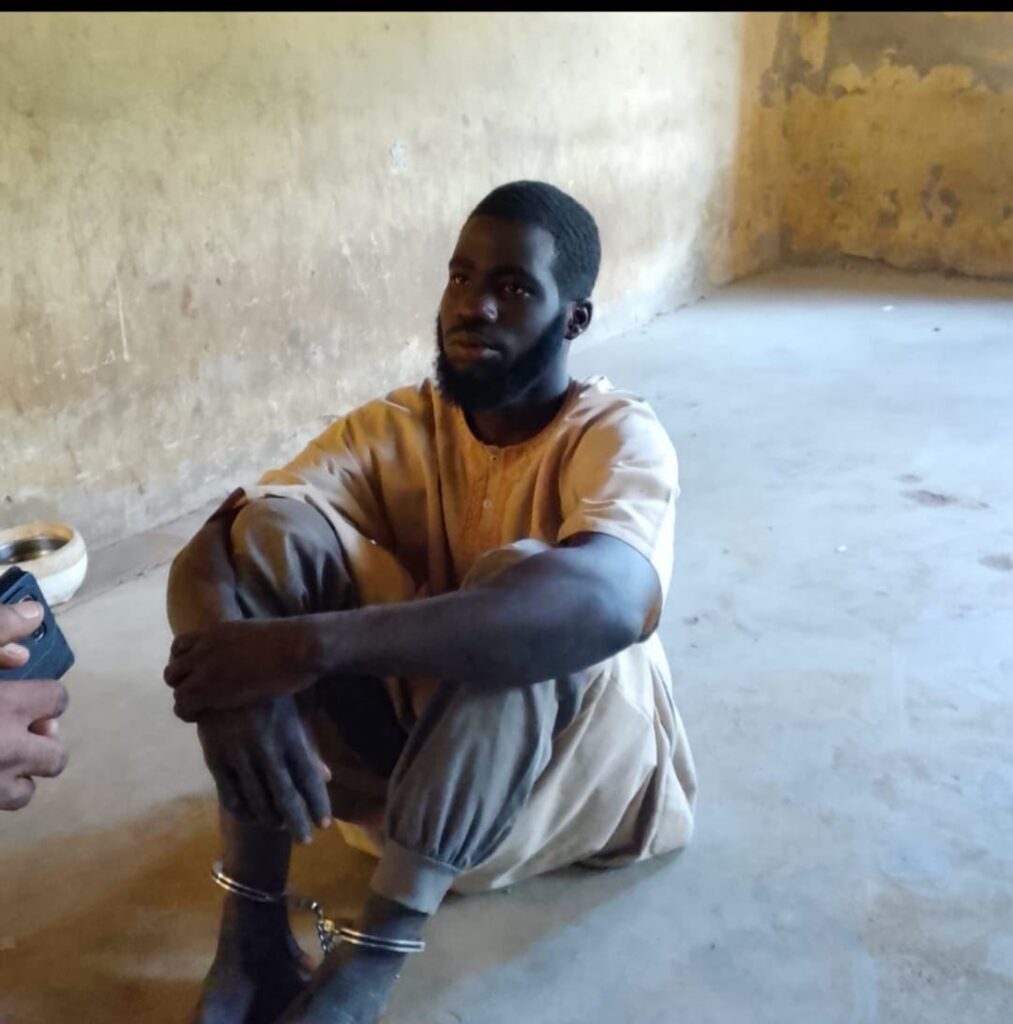
Preliminary investigations revealed that Umar was tasked with conducting reconnaissance along routes leading to the 232 Battalion general area and military structures, with the aim of identifying suitable entry points for future attacks.
The suspect also confessed to involvement in the recent attack on troops in Ngoshe.
Umar is currently in the custody of troops for further investigation and necessary action
Troops arrest suspected ISWAP informant in Gombi, Adamawa
Over 930, 000 persons benefit from ACReSAL Projects in Gombe
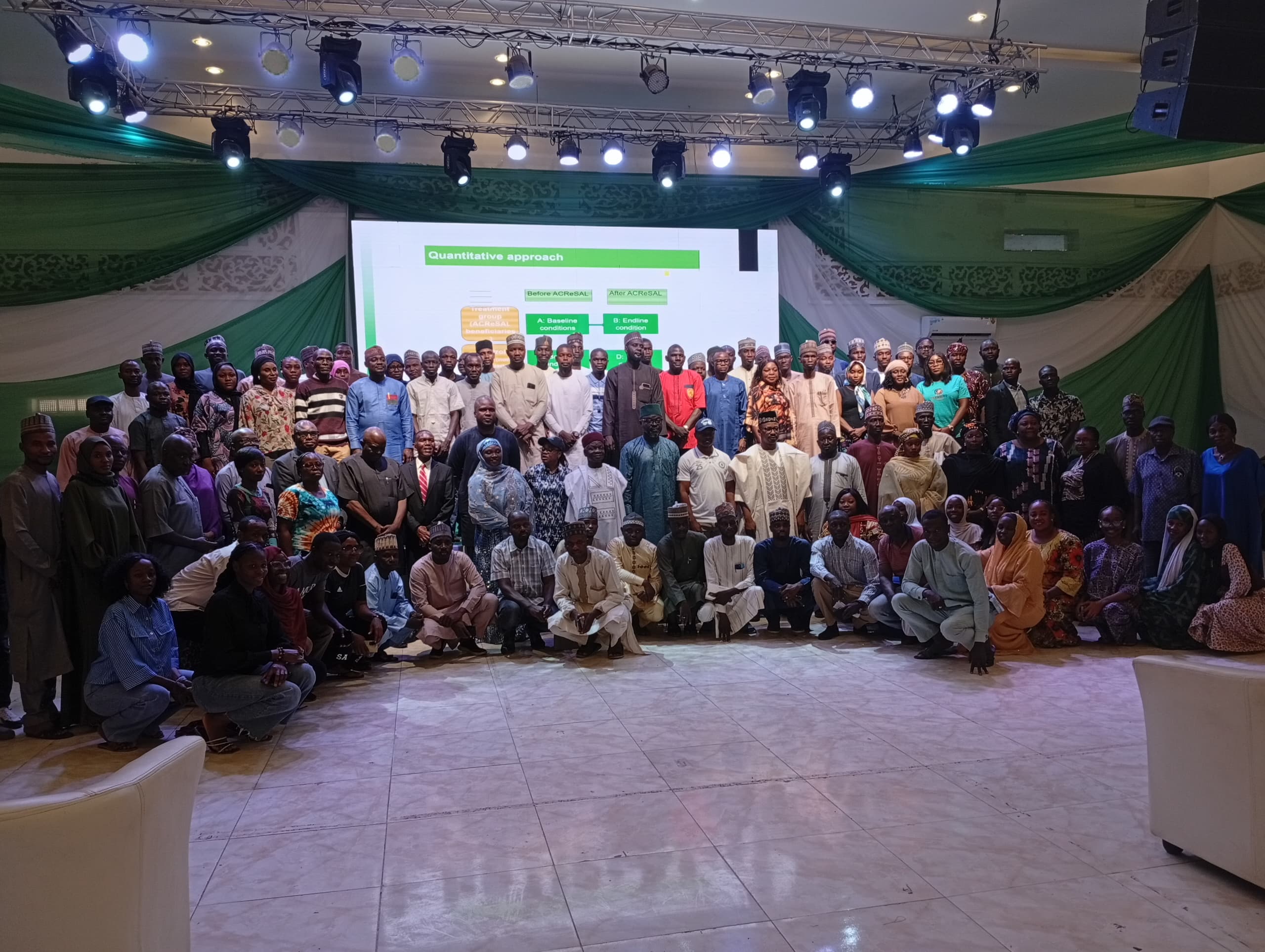
Mr Mohammed Fawu, the Gombe State Commissioner of Water, Environment and Forest Resources, has stated that no fewer than 930,162 persons across the state have benefitted from the implementation of the World-Bank-funded Agro-Climatic Resilience in Semi-Arid Landscapes (ACReSAL) Project in the state within the past three years
Fawu stated this in Gombe on Monday while declaring open a four-day training of enumerators for ACReSAL Third Party Assessment.
Fawu stated that Gombe State has within the three years received disbursements amounting to $27.51 million for the implementation of the project which had impacted positively on the lives of residents.
He said that the projects so far implemented have contributed to combating land degradation, erosion, and climate change while improving on the lives of persons living around communities were projects were executed.
“Gombe State has advanced a wide range of landscape and community-level interventions, including: establishment of 313 hectares of woodlot plantation.
“Upgrading of Kanawa Forest into a biosphere resort and botanical garden, indigenous tree plantations and roadside shelterbelts spanning 110 kilometres.
“Canalization of Balanga Dam irrigation channels covering 6,329 hectares provision of 250 wash boreholes to support irrigation farming.
“ At the community level, we have distributed clean cook stoves to 3,000 households, provided rainwater harvesting facilities to 1,000 households and institutions, and supplied drought-tolerant seeds to 10,000 farmers.
“Solar-powered irrigation schemes, borehole drilling, and Community Revolving Fund activities are ongoing, supporting agro-processing, livestock, and farm enterprise development,” he said.
He added that ACReSAL has strengthened smart agricultural practices through the establishment a farm centre dedicated to training and research.
Fawu commended the partnership between the Gombe State government and World Bank, which he said has impacted several sectors while improving the livelihoods of residents of Gombe State.
On his part, Dr Sani Jauro, the Gombe State ACReSAL Project coordinator said that no fewer than 220 enumerators drawn from the 19 Northern States and the Federal Capital Territory were being trained.
Jauro said that the third-party assessment would ensure unbiased review of the projects so far implemented by ACReSAL from independent party.
He said the assessment was part of the procedure of ACReSAL project implementation meant to review the progress and challenges of the projects by enumerators who are not involved in the day-to-day running of ACReSAL projects.
Jauro urged the enumerators to carry out their jobs with fairness and be just in their report, adding that “the credibility of the exercise lies on your shoulder.”
On her part, the World Bank Task Team Leader, Dr. Joy Agene who was represented by Mr Joseph Abang, Operations Officer with World Bank said the assessment would unravel what has changed since the commencement of the implementation of the project.
Agene urged the enumerators to be steadfast and report accurately in line with the essence of the exercise.
Over 930, 000 persons benefit from ACReSAL Projects in Gombe
Police repel attack during attempt to arrest suspected bandit leader, one killed in Kano
By; Zagazola Makama
The Police Command in Kano State has repelled an attack on its personnel during an operation to arrest a suspected bandit leader in Bichi Local Government Area.
Security sources told Zagazola Makama that the incident occurred at about 6:30 p.m. on March 22, following a distress call from Tudun Wulli Outpost.
According to the sources, a team of the Anti-Kidnapping Squad, led by ASP Abubakar Musa, acted on credible intelligence and trailed a suspected bandit leader identified as Muhammad, also known as “Senator” or “Kirchi,” who had reportedly visited Tudun Wulli village for Sallah celebrations.
“The suspect was sighted in possession of an AK-47 rifle, but upon attempt to apprehend him, he fled into a crowd,” the source said.
The situation escalated when a mob allegedly attacked the police team with stones and other dangerous weapons, injuring ASP Lawali Hamidu and damaging the windscreen of a patrol vehicle.
“In the process of tactical withdrawal, four persons sustained gunshot injuries and were rushed to General Hospital, Bichi, for treatment,” the source added.
One of the victims, identified as Halima Saidu, was later confirmed dead by a medical doctor, while the others are responding to treatment.
The police personnel involved in the operation were safely evacuated, and additional security deployments have been made to the area to forestall further breakdown of law and order.
The command said the situation has been brought under control, adding that investigations are ongoing, while efforts are being intensified to apprehend the fleeing suspect.
Police repel attack during attempt to arrest suspected bandit leader, one killed in Kano

That Phantom Rift Between VP Shettima And Gov. Zulum

Troops arrest suspected ISWAP informant in Gombi, Adamawa

Over 930, 000 persons benefit from ACReSAL Projects in Gombe

Roger Federer’s Shock as DNA Results Reveal Myla and Charlene Are Not His Biological Children

THE PLIGHT OF FARIDA

FAILED COUP IN BURKINA FASO: HOW TRAORÉ NARROWLY ESCAPED ASSASSINATION PLOT AMID FOREIGN INTERFERENCE CLAIMS
-
 News2 years ago
Roger Federer’s Shock as DNA Results Reveal Myla and Charlene Are Not His Biological Children
-
Opinions4 years ago
THE PLIGHT OF FARIDA
-
 News11 months ago
FAILED COUP IN BURKINA FASO: HOW TRAORÉ NARROWLY ESCAPED ASSASSINATION PLOT AMID FOREIGN INTERFERENCE CLAIMS
-

 News2 years ago
EYN: Rev. Billi, Distortion of History, and The Living Tamarind Tree
-
 Opinions4 years ago
POLICE CHARGE ROOMS, A MINTING PRESS
-

 ACADEMICS2 years ago
A History of Biu” (2015) and The Lingering Bura-Pabir Question (1)
-

 Columns2 years ago
Army University Biu: There is certain interest, but certainly not from Borno.
-

 Opinions2 years ago
Tinubu,Shettima: The epidemic of economic, insecurity in Nigeria
